


The culinary landscape of the winter season has been expanded with the release of a comprehensive cake decorating tutorial by Mary and Brenda Maher, the founders of the renowned Chicago-based studio Cakegirls. Published through the digital platform TheCakeBlog.com, the Winter Wonderland Snowflake Cake serves as a technical guide for creating a high-impact, professional-grade dessert intended to serve as a centerpiece for holiday gatherings. The project emphasizes a "snow globe" aesthetic, utilizing a monochromatic white palette and textural contrast to evoke the atmosphere of a frozen landscape. This release comes at a time of increased consumer interest in artisanal home baking and sophisticated seasonal aesthetics, blending accessible techniques with professional finishing touches.
Conceptual Origins and Design Philosophy
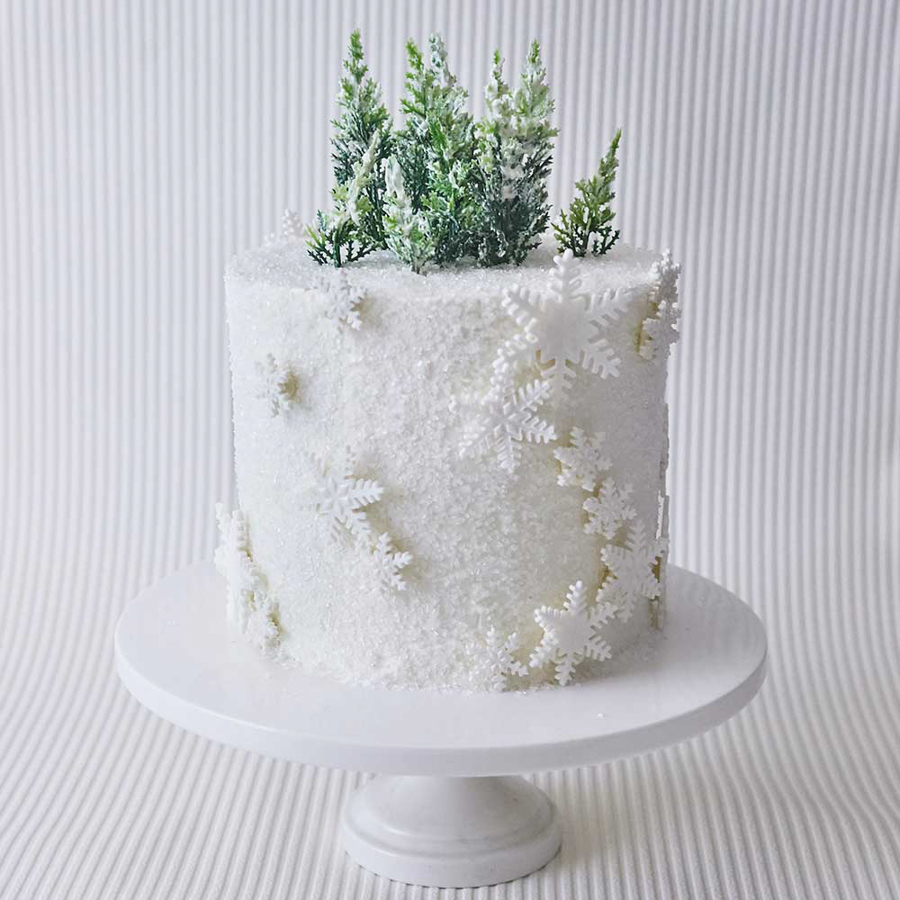
The creative impetus for the Winter Wonderland Snowflake Cake was derived from a direct observation of the winter climate in Chicago. According to the designers, the visual inspiration was sparked during a snowy urban walk, where the combination of falling snowflakes and frosted trees created a natural tableau reminiscent of a snow globe. This observation led to the development of a design that prioritizes elegance through simplicity, moving away from the more colorful or whimsical holiday motifs often seen in commercial baking.
The design philosophy centers on the use of light-reflective materials and varied textures. By utilizing white crystal sugar and pearl luster dust, the Mahers have created a cake that interacts with light in a manner similar to real snow and ice. This "white-on-white" approach requires a high degree of precision in execution, as the absence of color shifts the focus entirely to the form, texture, and structural integrity of the cake.
Technical Specifications and Ingredients
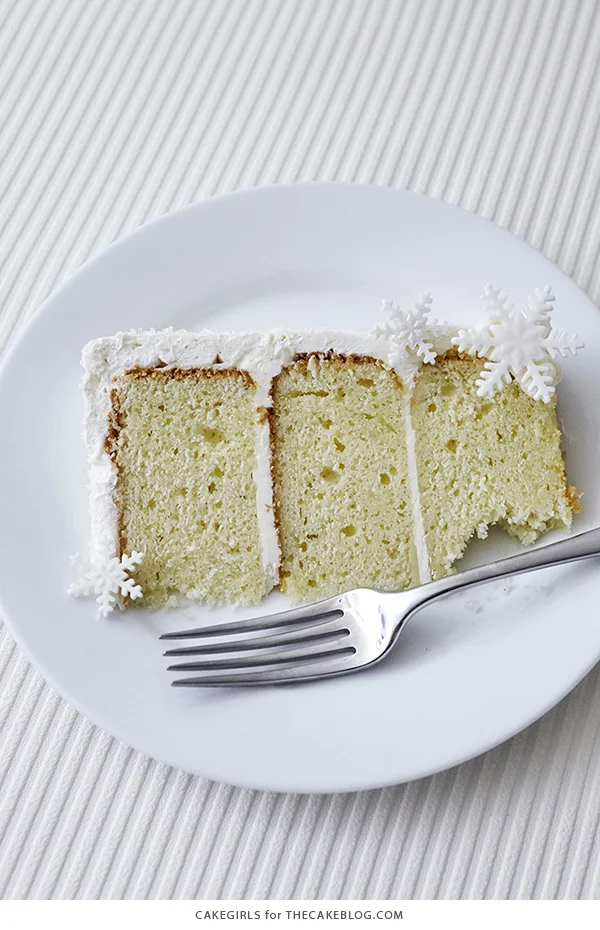
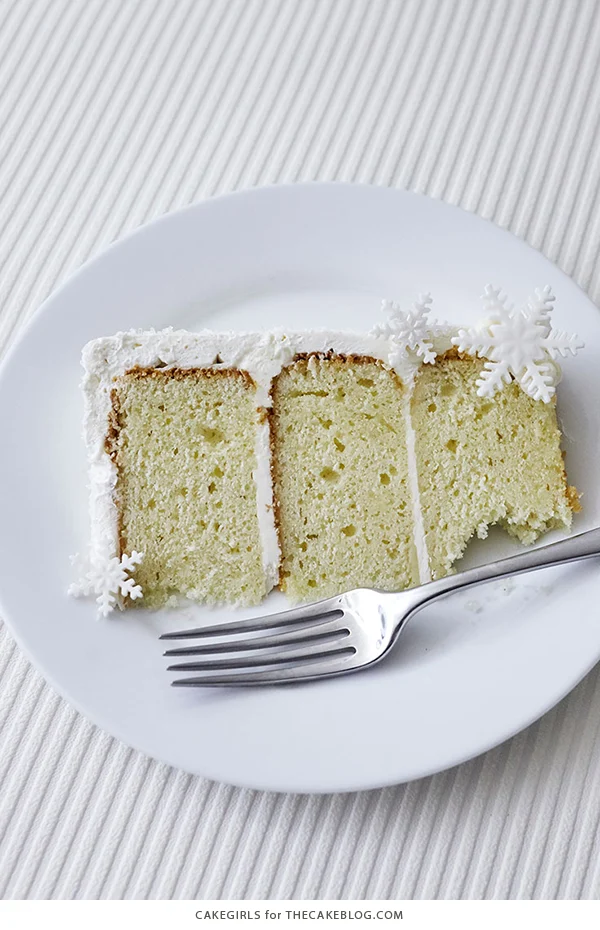
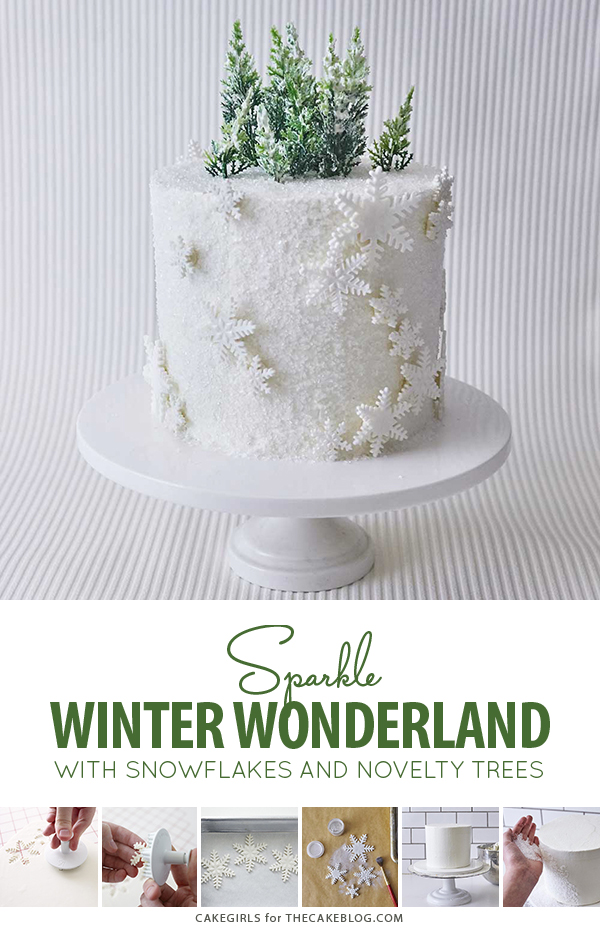
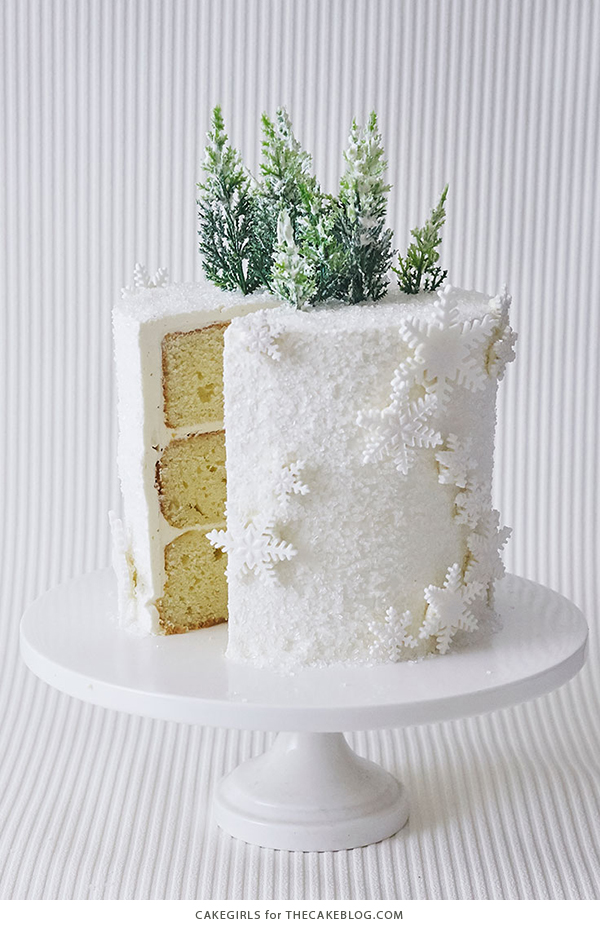
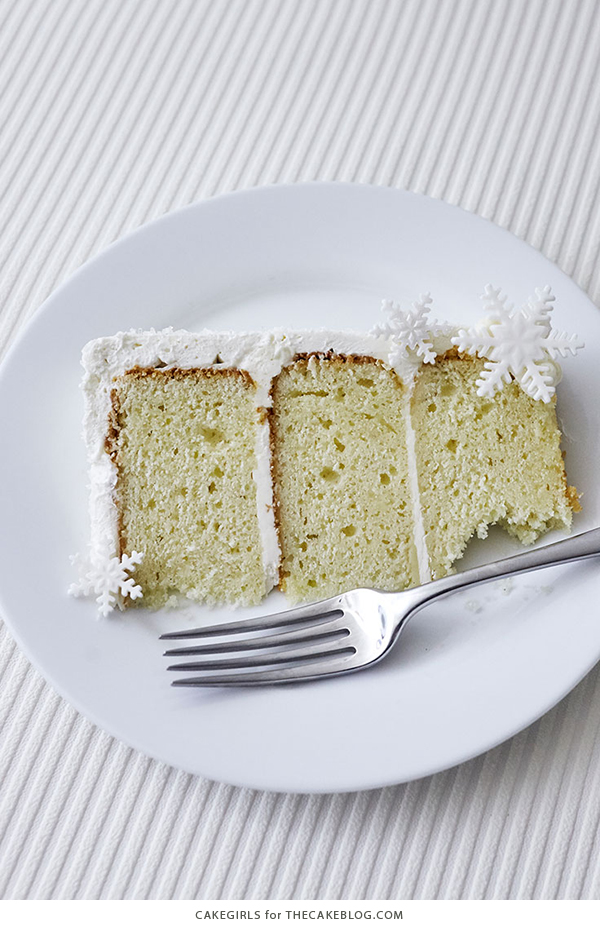
The Winter Wonderland Snowflake Cake is structurally based on three 6-inch round cake layers. This specific diameter is frequently favored in professional food photography and boutique baking for its height-to-width ratio, which provides a more dramatic "tower" effect than standard 8-inch or 9-inch layers.
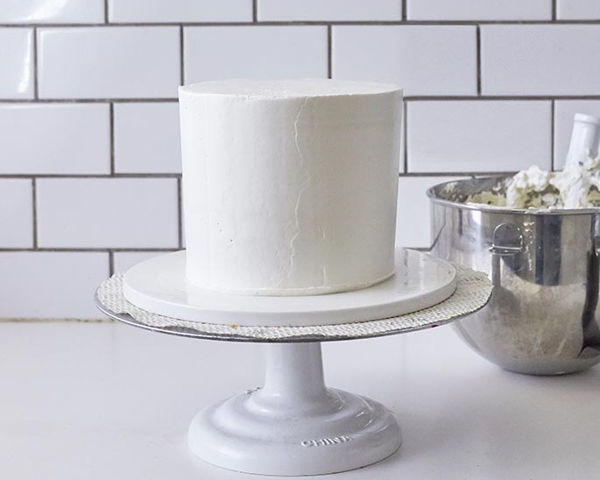
The primary medium for the exterior is Swiss meringue buttercream. Unlike traditional American buttercream, which relies on a high ratio of powdered sugar and butter, Swiss meringue buttercream involves a cooked meringue base. This results in a silky, less sweet frosting that is more stable for structural work and provides a smoother surface for the application of decorative elements. The tutorial also suggests flavor variations to suit different holiday preferences, including an eggnog-infused profile or a Champagne Mimosa variation, the latter of which aligns with the sophisticated, celebratory theme of the design.
For the decorative elements, the tutorial specifies the use of:
- White fondant for the snowflakes.
- Super Pearl luster dust for a shimmery finish.
- White crystal sugar (sanding sugar) for the "sparkle" coating.
- Novelty trees (miniature pine models) to add height and a narrative element.
- Snowflake punch cutters in various sizes to ensure uniformity and professional detail.
Chronological Execution: A Two-Day Protocol
The successful production of the Winter Wonderland Snowflake Cake follows a strict chronological timeline to ensure that the various components have adequate time to set and stabilize.
Phase I: Decorative Component Preparation (T-minus 24 Hours)
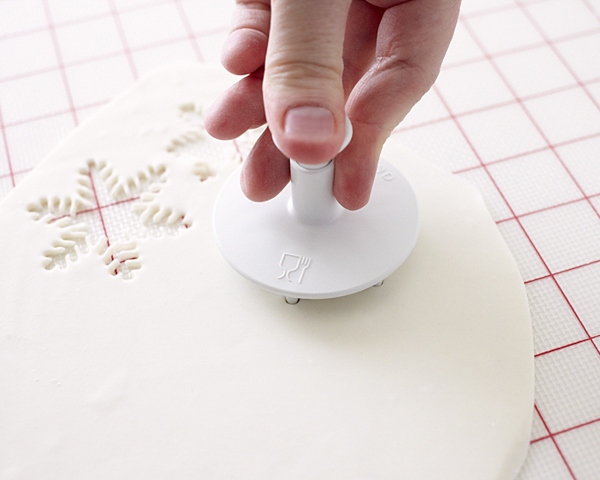
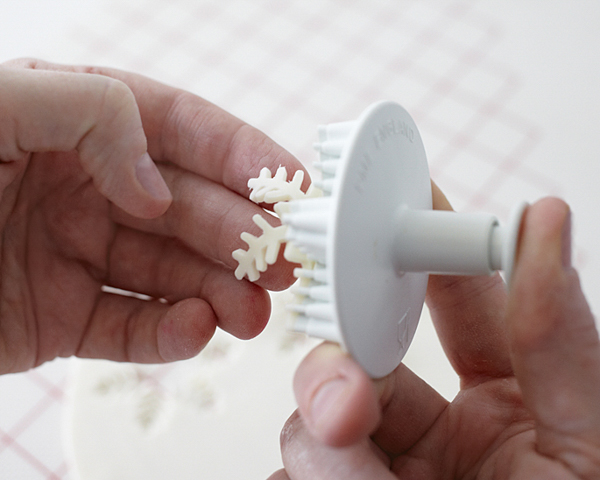
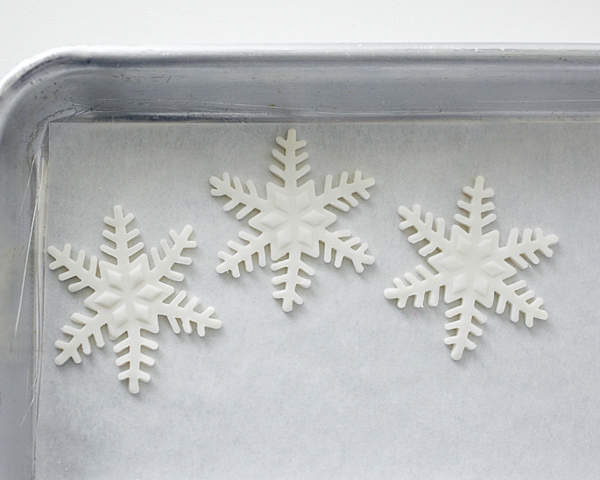
The initial phase begins 24 hours prior to assembly. This period is dedicated to the creation of the fondant snowflakes. The fondant must be rolled to a thickness of no more than 1/8 to 1/4 inch. Using precision punch cutters, a variety of sizes are produced and placed on parchment-lined trays to dry. This drying period is critical; it allows the fondant to harden into a rigid structure that can be handled and applied to the vertical sides of the cake without drooping or breaking.
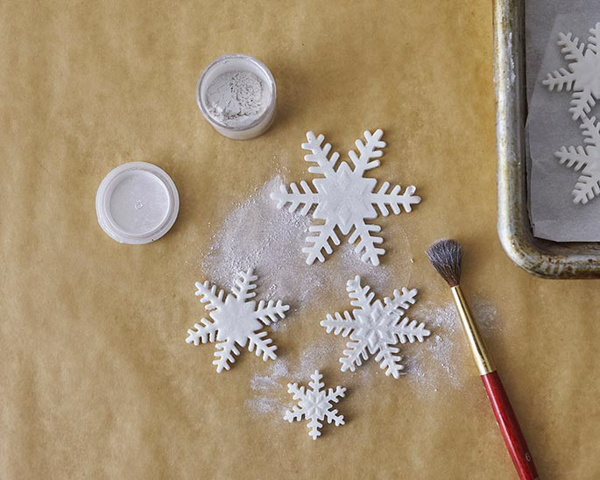
During this phase, the luster dust is applied. The designers recommend a dry-brush technique using Super Pearl luster dust. This adds a pearlescent sheen that mimics the crystalline structure of real snowflakes. The tutorial notes a distinction between decorative and edible luster dusts, advising bakers to ensure their choice is FDA-approved if the snowflakes are intended for consumption, or to instruct guests to remove them if the dust is for decorative use only.
Phase II: Structural Assembly and "Sparkle" Application (Day of Service)
The second phase involves the assembly of the chilled 6-inch cake layers. After the cake is frosted with Swiss meringue buttercream, it is refrigerated for a minimum of one hour. This step is a technical necessity; the buttercream must be firm to the touch before the application of the crystal sugar.
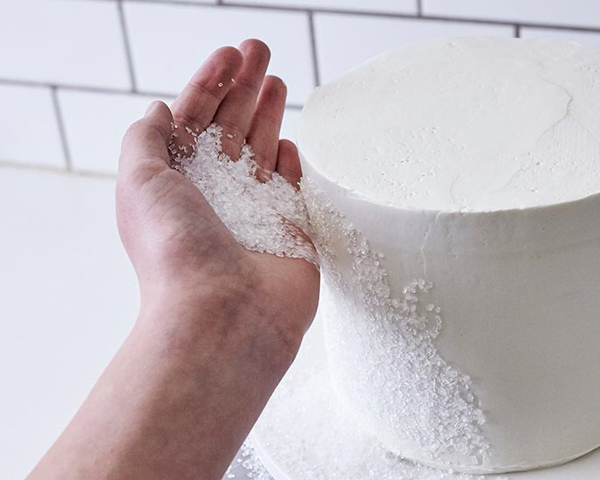
The "sparkle" coating is achieved by pressing white sugar crystals into the palm of the hand and gently running it up the sides of the cake. The firm, cold buttercream allows the sugar to adhere without compromising the smooth finish of the frosting. A tray is used to catch excess sugar for reuse, particularly if the baker is scaling the project for a larger cake, which would require an increased volume of crystals.
Phase III: Final Landscape Architecture
The final steps involve the placement of the "frosted trees" and the snowflakes. The novelty trees are prepared by bending them for realism and trimming them to varying heights to create a naturalistic "forest cluster" on the top of the cake. A small amount of buttercream is smeared onto the branches to simulate fallen snow.
The fondant snowflakes are attached to the sides and top using small dots of buttercream as adhesive. The placement is intentional but asymmetrical, mimicking the random descent of snow in a natural environment.
Industry Trends and Economic Context
The release of this tutorial reflects broader trends within the global baking and dessert market. The global cake market, valued at approximately $42.94 billion in 2022, has seen a significant shift toward the "premiumization" of home baking. Consumers are increasingly seeking tools and techniques that allow them to replicate professional pastry shop results in a domestic kitchen.
The Winter Wonderland Snowflake Cake addresses this demand by utilizing "novelty tools" such as plunger-style cutters and luster dusts, which have moved from specialty professional suppliers to mainstream retail outlets. Furthermore, the emphasis on a "centerpiece" cake aligns with the trend of "tablescaping," where the aesthetic value of food is considered as important as its flavor profile in the context of event planning and social media sharing.
Professional Analysis of Aesthetic Impact
From a design perspective, the Winter Wonderland Snowflake Cake utilizes the "rule of thirds" and varied elevations to create visual interest. The use of a 6-inch cake provides a tall, slender canvas that enhances the "wonderland" theme by allowing for more vertical space to display the snowflakes.
The choice of Swiss meringue buttercream is also a strategic decision for the "white-on-white" look. Its natural ivory-white hue can be further brightened with whitening agents (such as titanium dioxide-based food coloring) to achieve a "stark white" finish that contrasts sharply with the reflective sugar crystals. This high-contrast, low-color palette is a staple of modern minimalist design, which has seen a resurgence in the culinary arts over the last five years.
Broader Implications for Digital Culinary Education
The collaboration between Cakegirls and TheCakeBlog.com exemplifies the evolving model of culinary education. As traditional print cookbooks face competition from digital media, high-quality, step-by-step visual tutorials have become the primary source of instruction for both amateur and semi-professional bakers.
This model relies on the authority of the contributors. Mary and Brenda Maher, having established a reputation through their Chicago studio and various television appearances, provide a level of expertise that lends credibility to the tutorial. The inclusion of technical tips—such as the necessity of chilling the cake before sugar application—serves to mitigate common failures in home baking, thereby increasing the likelihood of a successful outcome for the user.
Conclusion
The Winter Wonderland Snowflake Cake is more than a seasonal recipe; it is a technical exercise in texture, light, and structural baking. By deconstructing the elements of a winter landscape and translating them into culinary techniques, the Mahers have provided a blueprint for a sophisticated holiday dessert. As the baking industry continues to trend toward artisanal and highly visual products, tutorials of this nature play a pivotal role in bridging the gap between professional pastry craft and the enthusiastic home baker. The result is a dessert that satisfies the modern consumer’s desire for both a high-quality gastronomic experience and a visually stunning centerpiece.