
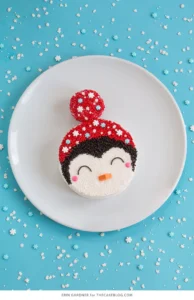

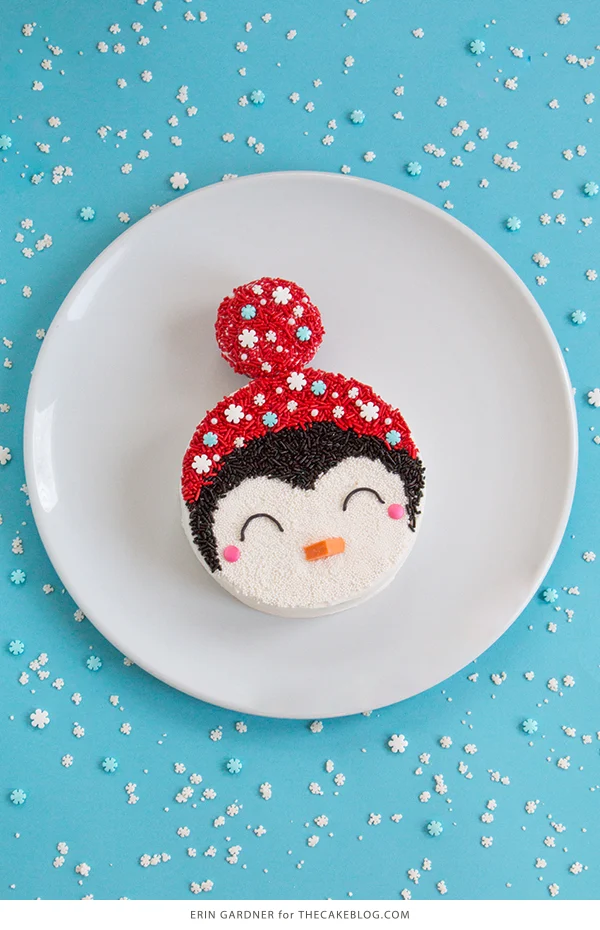
The winter holiday season has long been a catalyst for innovation in the confectionery arts, and the latest contribution from renowned cake designer Erin Gardner further cements the trend of highly textured, character-driven desserts. Released as a comprehensive tutorial for the digital culinary platform The Cake Blog, the "Penguin Cake" represents a sophisticated yet accessible approach to seasonal baking, utilizing a "sprinkle-coating" technique that prioritizes visual impact and tactile variety. This project serves as an extension of Gardner’s established "sprinkle universe," a conceptual framework where traditional cake decorating meets the playful, vibrant aesthetics of modern candy design.
Technical Execution and Chronological Methodology
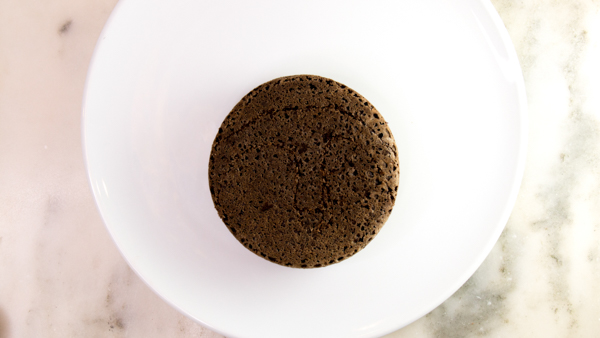
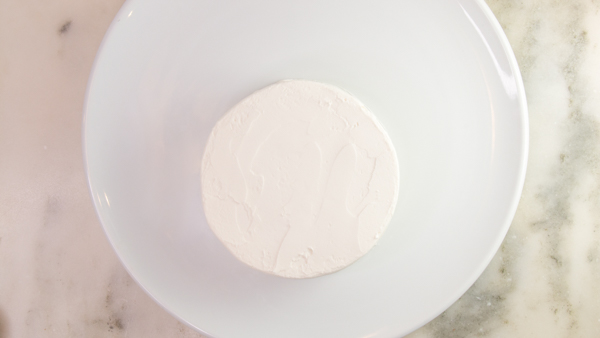
The construction of the Penguin Cake is a multi-phased process that requires careful attention to the timing of application and the structural integrity of the base components. According to the technical specifications provided by Gardner, the project begins with a foundational cake—typically a standard round layer cake—which must be encased in a substantial layer of plain buttercream. The thickness of this initial icing is critical, as it serves as the primary adhesive for the dense layer of nonpareils that define the character’s features.
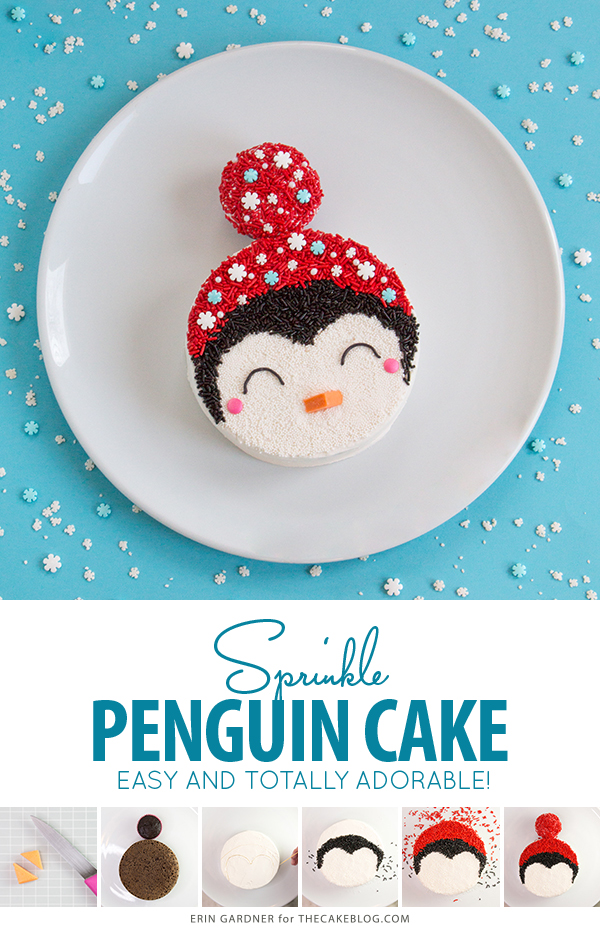
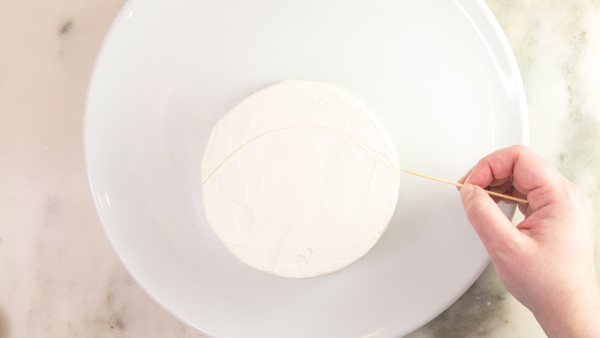
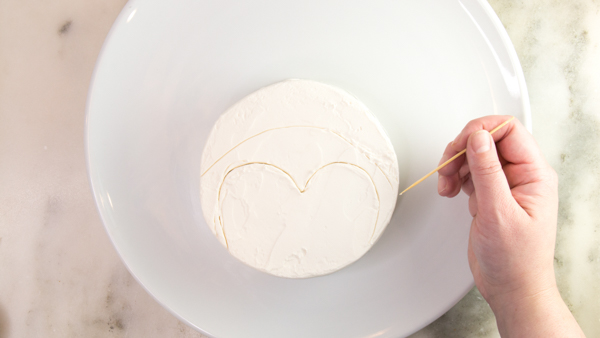
Following the application of the buttercream, the decorator enters the "drafting phase." Using a toothpick or skewer, the artist must etch a schematic onto the fresh icing. This includes a half-moon arc across the top hemisphere to delineate the penguin’s winter hat and an open-bottom heart shape centered on the front to define the facial structure. A key professional insight offered in the tutorial is the de-emphasis on surface smoothness during this stage; because the entire surface area is eventually obscured by sprinkles, minor imperfections in the buttercream are functionally irrelevant to the final outcome.
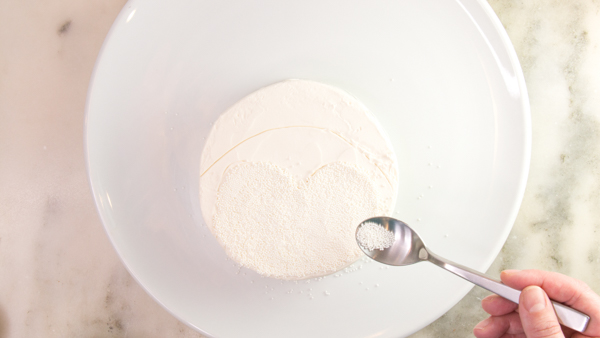
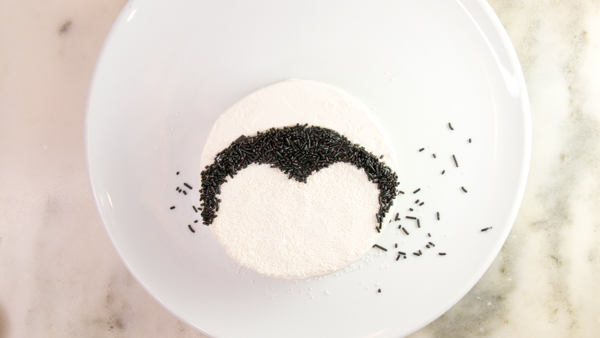
The chronological application of the sprinkles is a study in spatial management. Gardner recommends a "center-out" approach, beginning with the largest surface area to ensure clean borders. The process follows a specific order of operations:
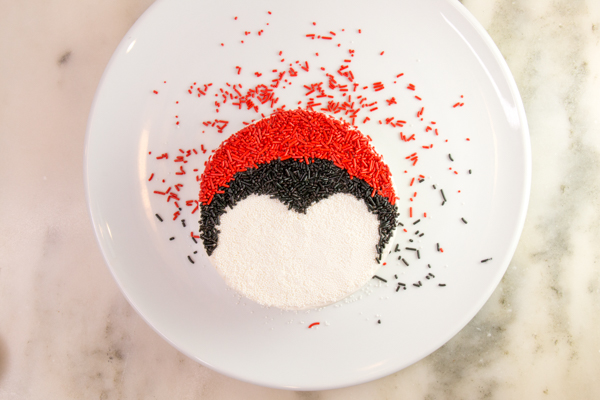
- Facial Mapping: White nonpareils are applied to the heart-shaped area using a spoon, then smoothed with the back of the tool to ensure even distribution.
- Dermal Layering: Black sprinkles are utilized to create the penguin’s "skin" or feathers, surrounding the white facial area.
- Apparel Integration: Red sprinkles are applied to the top arc to form the base of the winter hat.
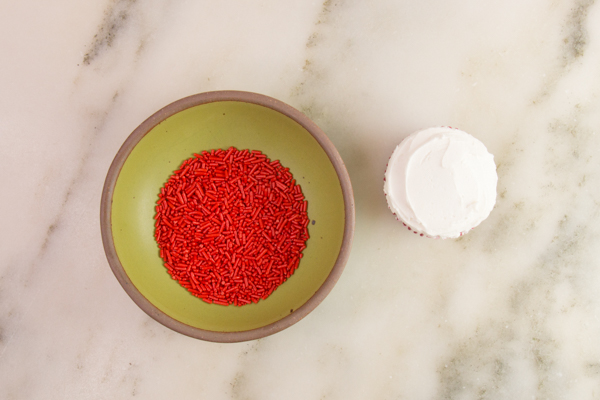
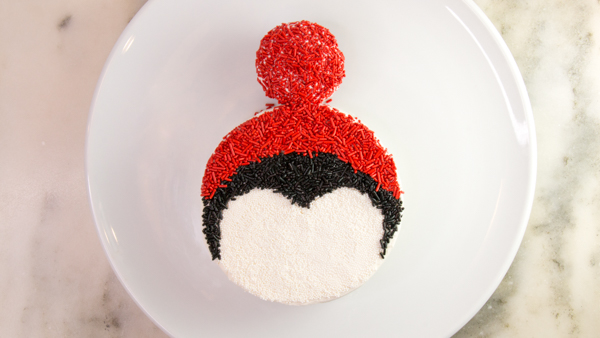
- Structural Adornment: A separate cupcake is iced, dipped in red sprinkles, and adhered to the top of the cake platter with a "dab" of buttercream to act as the hat’s pom-pom.
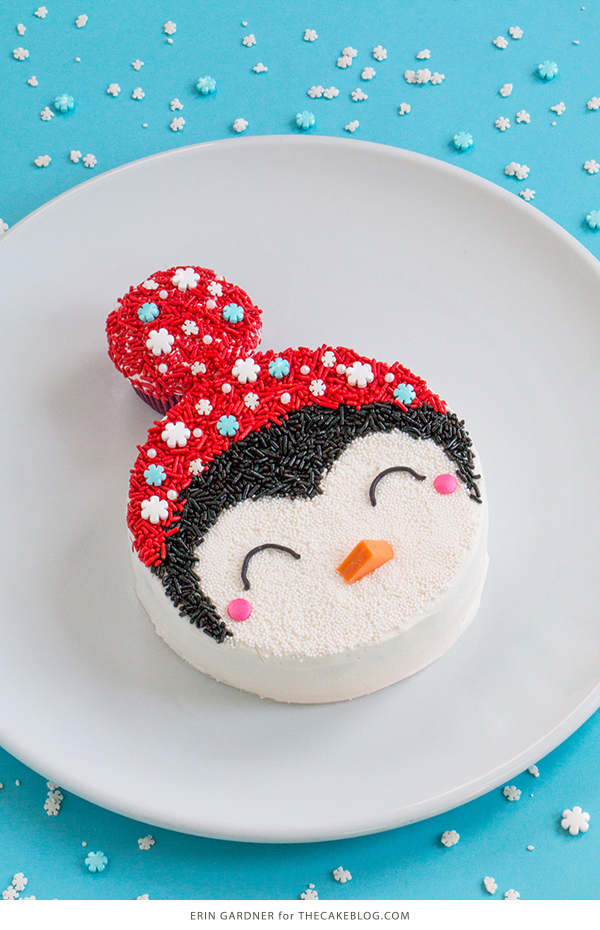
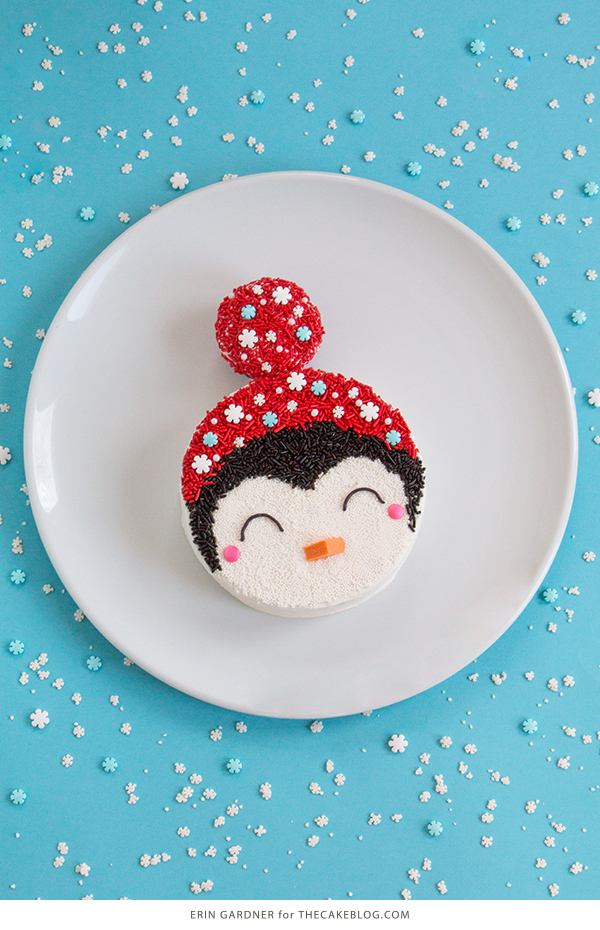
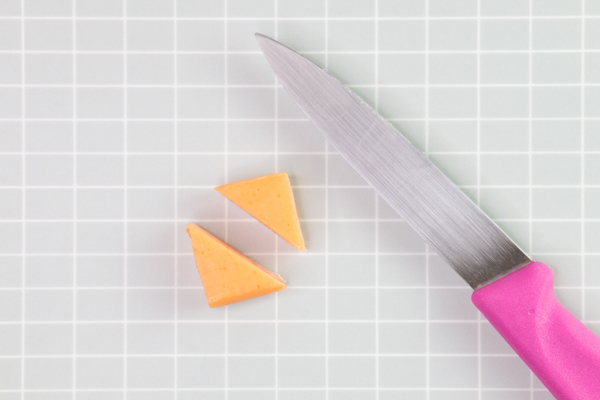
The final stage involves the integration of mixed-media confectionery elements. This includes bisecting a Starburst fruit chew diagonally to create a triangular beak, placing pink confetti sprinkles for cheeks, and piping semi-circular eyes using black buttercream. The result is a three-dimensional character study that leverages the inherent textures of various sugar formats.
The Evolution of the Sprinkle Universe Aesthetic
The Penguin Cake is not an isolated design but rather a thematic successor to Gardner’s "sprinkle girl cakes." This lineage suggests a broader trend in the baking industry toward "character ecosystems"—sets of designs that share a common visual language and technique, allowing home bakers to build a repertoire of skills. Gardner describes this as a "fabulous sprinkle universe," where different characters can be customized to suit specific social contexts.
Market analysts suggest that this "universe" concept appeals to the growing demographic of "prosumer" bakers—hobbyists who seek professional-grade results using retail-available materials. The Penguin Cake offers high levels of customization; the tutorial notes that the hat can be striped by alternating colors, and accessories such as chocolate sunglasses or star-shaped sprinkles can be integrated to alter the character’s persona. This flexibility is a hallmark of modern DIY culture, where the consumer acts as both the builder and the designer.
Market Dynamics and the Home Baking Revolution
The release of high-quality tutorials like the Penguin Cake coincides with a significant uptick in the global baking ingredients market. According to recent industry reports, the global cake decorating market is projected to reach a valuation of several billion dollars by 2027, driven largely by the influence of social media platforms like Instagram and Pinterest. The "aesthetic appeal" of a cake is now considered as vital as its flavor profile, a shift that has popularized the use of nonpareils, dragees, and themed sprinkles.
Data indicates that seasonal baking—specifically during the Q4 winter corridor—accounts for approximately 35% of annual retail sales for baking supplies. Tutorials that utilize common pantry items (like Starburst candies) alongside specialized decor (like snowflake sprinkles) are particularly successful because they lower the barrier to entry for the average consumer. The "Penguin Cake" addresses this market need by providing a high-impact visual that does not require the advanced sculptural skills associated with fondant or gumpaste work.
Preservation and Structural Integrity
A critical component of Gardner’s tutorial involves the science of moisture and sugar. A common challenge in sprinkle-heavy designs is the "bleeding" or softening of the sugar coating when exposed to the humidity of a refrigerator. Gardner advises that the cake be finished on the day of service to maintain the crisp texture and vibrant color of the nonpareils.
From a food safety and storage perspective, the tutorial highlights the variables of buttercream stability. Depending on whether a baker uses American buttercream (high sugar/crust-forming) or European-style buttercreams (higher fat/temperature-sensitive), the storage requirements shift. While the cake can be kept in an airtight container at room temperature for short durations, professional standards suggest that any cake containing dairy-heavy fillings must be monitored closely to avoid spoilage, even as the baker balances the aesthetic risks of refrigeration.
Broader Cultural Implications of Cuteness in Food Design
The "too adorable for words" descriptor used in the tutorial’s title points to the psychological phenomenon of kawaii or "cuteness" in food science. Researchers have found that "cute" food presentations can enhance the perceived value of a product and increase consumer satisfaction. The Penguin Cake, with its oversized head, wide-set eyes, and pink cheeks, adheres to the "baby schema"—a set of physical features that trigger a positive emotional response in humans.
In a professional journalistic context, the rise of such designs represents a democratization of the culinary arts. Previously, such intricate character work was the exclusive domain of high-end patisseries. Today, through the dissemination of expert knowledge by contributors like Erin Gardner, these techniques are being integrated into the domestic sphere. This shift has implications for the professional baking industry, forcing commercial bakeries to innovate further as home bakers become increasingly capable of producing "Instagram-worthy" centerpieces.
Conclusion and Future Outlook
The Penguin Cake stands as a testament to the current state of the baking industry: a blend of high-concept design, accessible technology, and seasonal marketing. By breaking down the barriers between "professional" and "home" baking, Gardner and The Cake Blog provide a roadmap for the future of domestic confectionery. As the "sprinkle universe" continues to expand, it is likely that we will see further iterations of these textured, character-based cakes, perhaps incorporating augmented reality elements or even more diverse edible media.
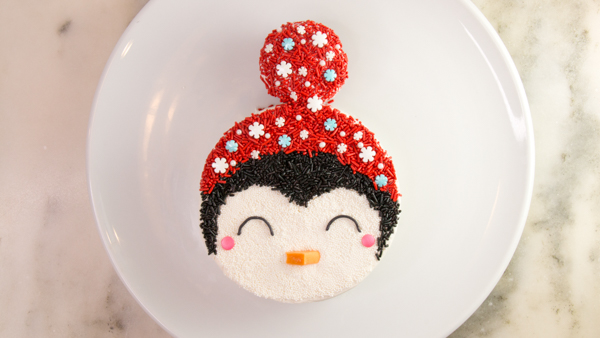
For now, the Penguin Cake remains a premier example of how a simple set of supplies—buttercream, sprinkles, and a few pieces of candy—can be transformed into a sophisticated holiday icon. Its success lies not just in its "adorable" appearance, but in the rigorous, repeatable methodology that allows anyone with a baking sheet and a spoon to recreate a piece of the sprinkle universe in their own kitchen. As the winter season progresses, the influence of such tutorials will undoubtedly be seen on dessert tables across the globe, reflecting a broader cultural move toward celebratory, handmade, and highly visual culinary expressions.