

The integration of educational tools into the domestic environment has taken a significant step forward with the release of a comprehensive 180-word labeling system designed specifically for early childhood literacy. This initiative, developed by educator and DIY specialist Jen Causey-Kidder of Something Turquoise, aims to bridge the gap between verbal recognition and reading fluency by utilizing the "environmental print" method. By transforming common household objects into visual vocabulary cues, the system provides a continuous, low-stakes learning environment for children transitioning from spoken language to written comprehension.
The Pedagogy of Environmental Print in Early Childhood Education
The concept of labeling a household is rooted in the pedagogical theory of environmental print. Educational researchers define environmental print as the text found in everyday life—on signs, labels, and packaging. For a developing child, these symbols are often the first bridge to literacy. According to literacy experts, children typically begin to "read" their world by recognizing logos and familiar signs long before they can decode phonemes on a page.
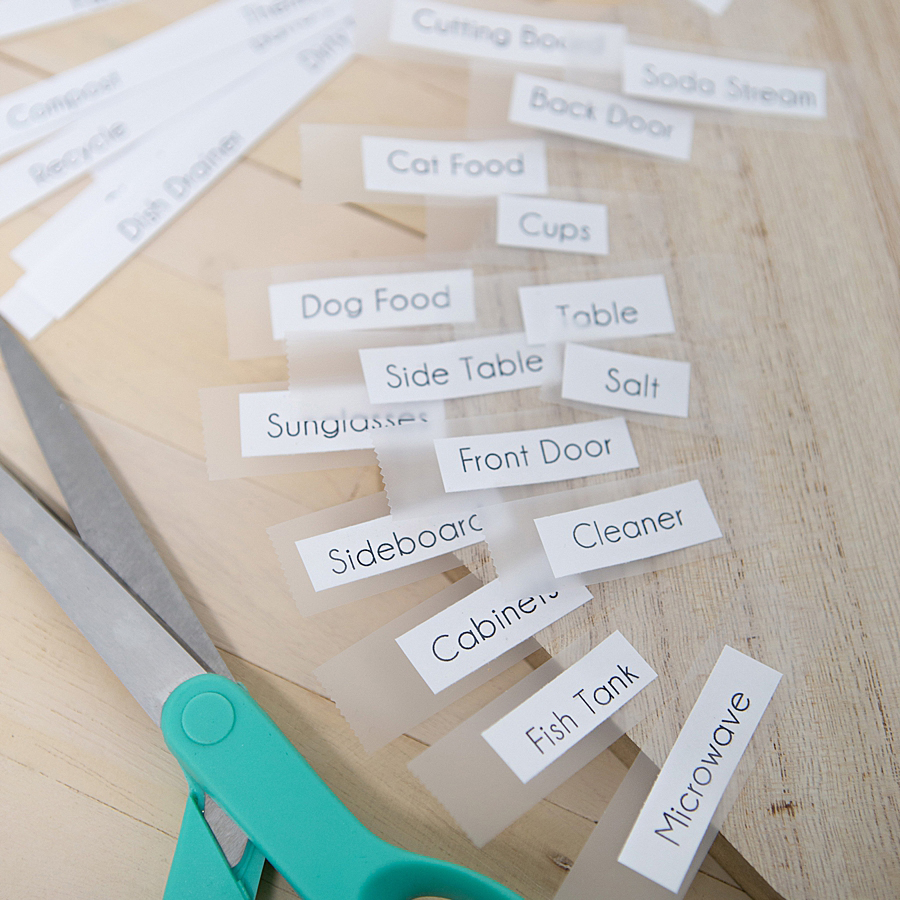
The strategy of labeling household items—ranging from "refrigerator" and "table" to more specific objects like "banister" or "ottoman"—leverages a child’s existing familiarity with their physical surroundings. Because the child already knows the object and its name, the cognitive load is reduced, allowing them to focus entirely on the visual representation of the word. This process, known as orthographic mapping, helps the brain turn unfamiliar words into "sight words" that can be recognized instantly.
Technical Specifications and Typography for Early Learners
A critical component of the initiative is the specific focus on typography and legibility. Causey-Kidder emphasizes that the aesthetic of the labels is secondary to their functional utility. The system utilizes a specific font, "Champagne & Limousines," selected for its clean, sans-serif lines.
In the field of early childhood education, the choice of typeface is a matter of significant debate. Many decorative or standard fonts use "double-story" versions of the letters "a" and "g," which can be confusing for children who are being taught to write using "single-story" characters. By selecting a font that mirrors the way children are taught to form letters by hand, the labeling system avoids the common pitfalls that can discourage a new reader.
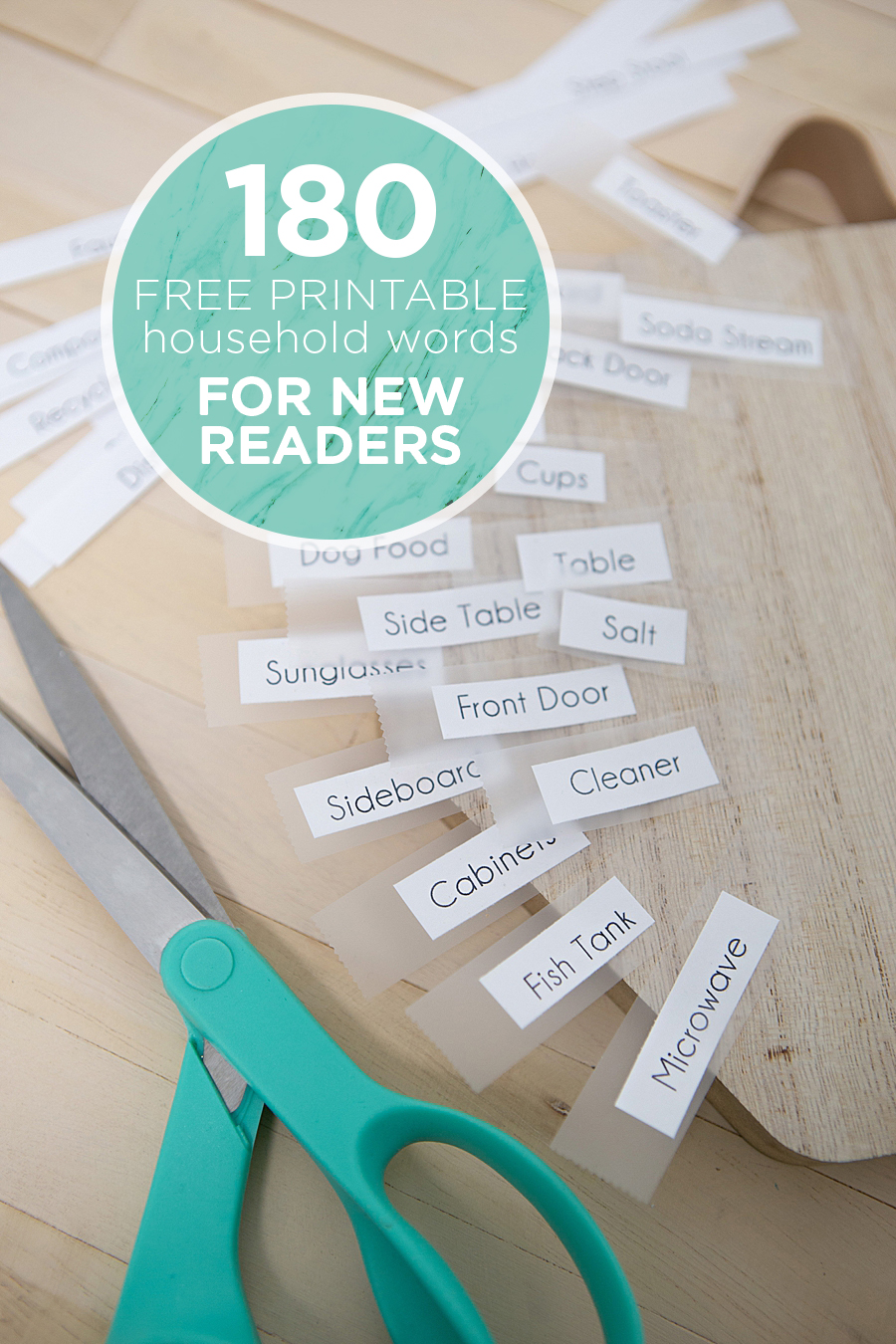
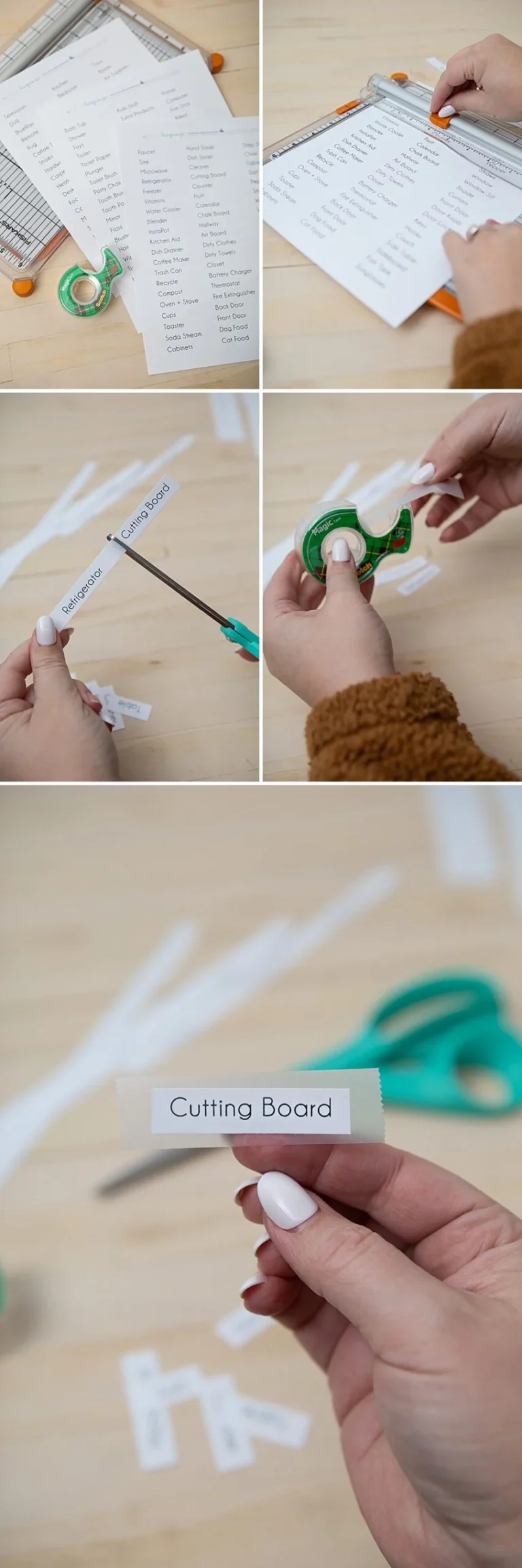
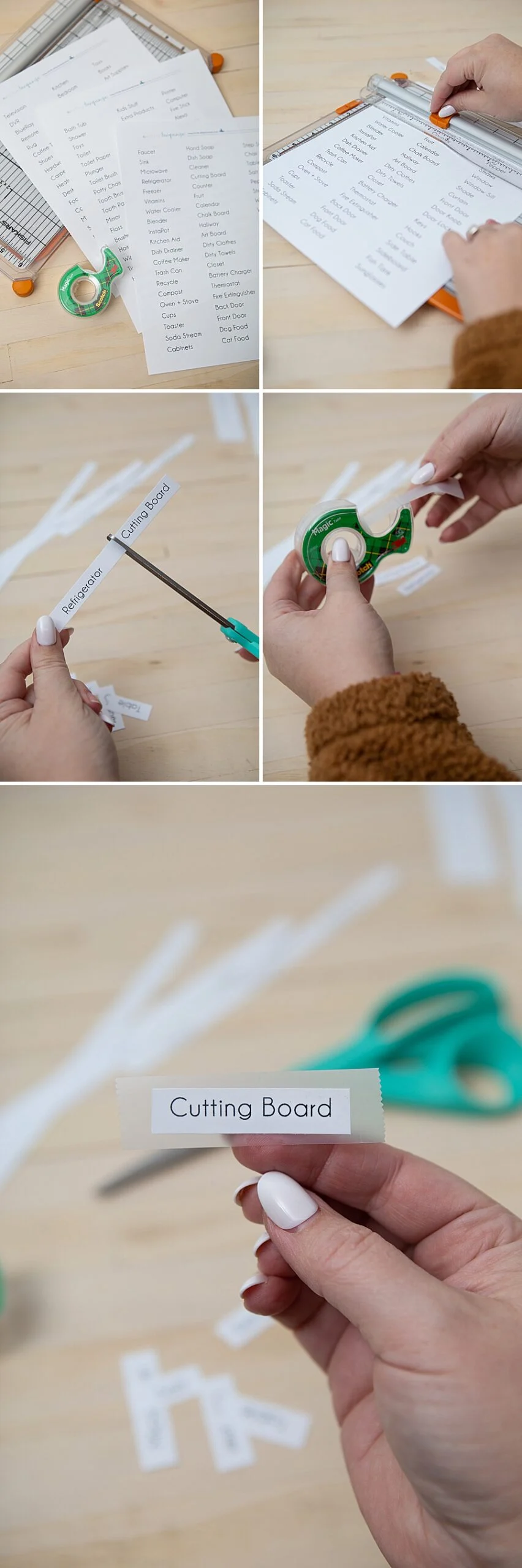
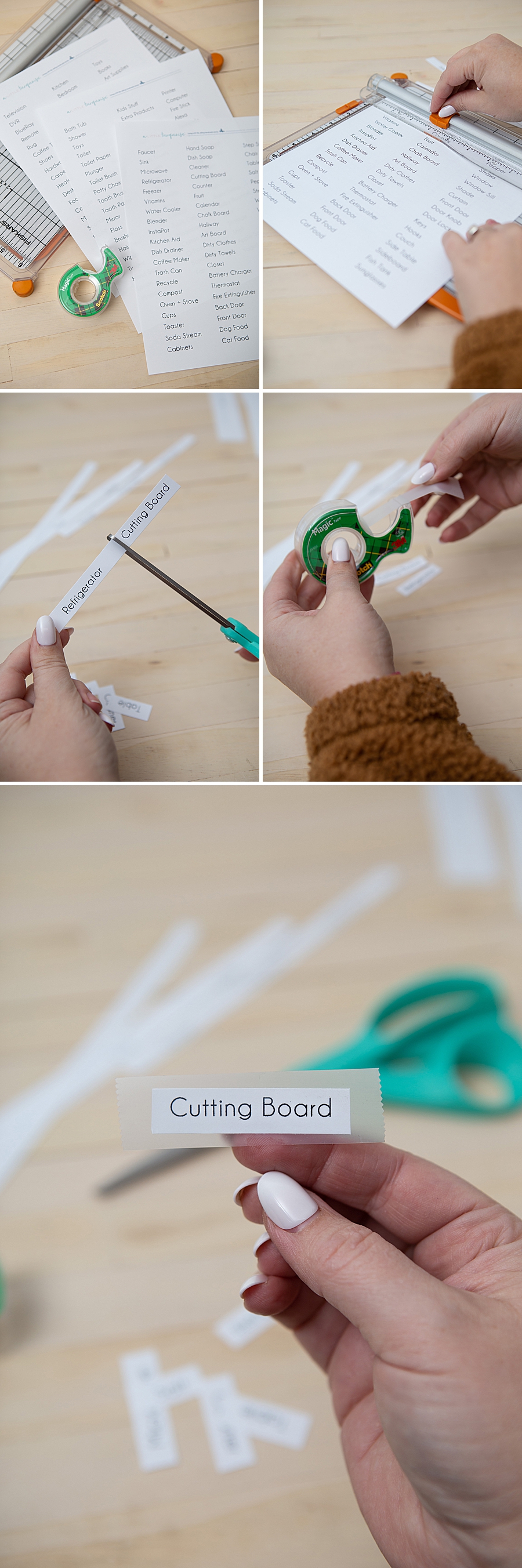
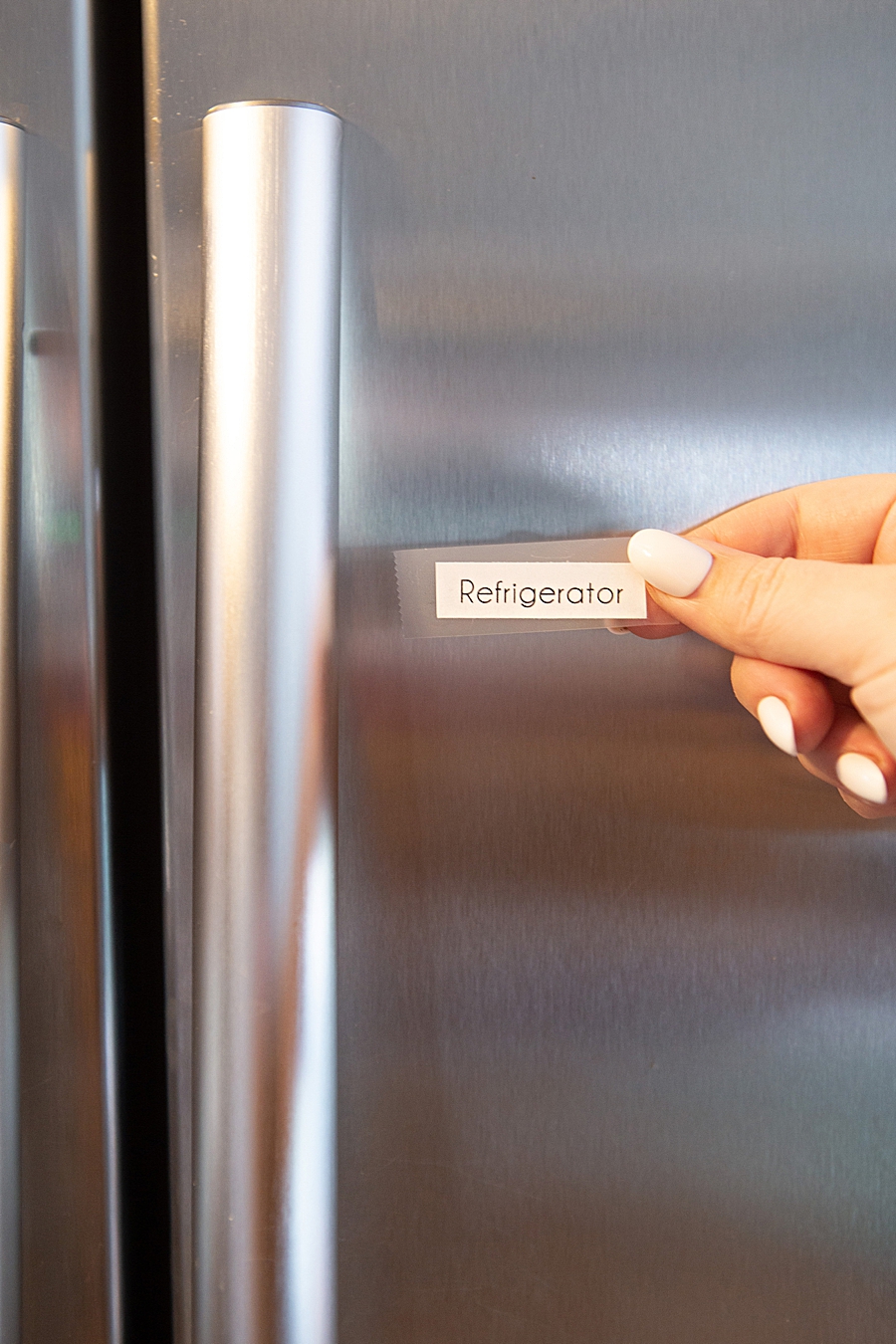
The printable resource consists of 180 words distributed across three pages. The breadth of this vocabulary ensures that it can be adapted to various living situations, including items that may not be present in every home. Users are encouraged to print the list on standard printer paper, trim the individual words, and secure them to objects using transparent tape.
Implementation Chronology: A Four-Day Household Transformation
The process of implementing a full-scale literacy environment is described as a multi-day collaborative project. Based on the methodology provided, the transition typically follows a structured timeline:
- Preparation and Customization: The initial phase involves printing the 180-word list and identifying which terms correspond to the specific layout of the home. This stage requires an assessment of the household’s inventory to ensure the labels provided match the child’s daily interactions.
- Organization and Trimming: The second phase involves the physical preparation of the labels. Educators suggest that involving the child in the cutting and sorting of these labels can build anticipation and a sense of ownership over the learning process.
- Collaborative Placement: The most critical stage of the chronology is the placement of the labels. Over a period of approximately four days, parents and children navigate the home together, identifying objects and "naming" them with the printed slips. This tactile interaction reinforces the connection between the physical object and its abstract written name.
- Active Engagement: Once the labels are established, the home becomes a permanent classroom. The child begins to navigate the space not just by sight and touch, but by reading, eventually transitioning from needing the label to recognizing the word in other contexts, such as books or school assignments.
Supporting Data on Early Literacy Interventions
Data from the National Institute of Child Health and Human Development (NICHD) suggests that early exposure to a print-rich environment is one of the strongest predictors of future academic success. Children who grow up in homes where text is visible and integrated into daily life tend to have larger vocabularies and stronger phonological awareness by the time they enter formal schooling.
The 180-word list provided in this DIY initiative covers several categories of vocabulary:
- Common Furniture: Bed, chair, table, sofa.
- Architectural Elements: Door, window, wall, ceiling, floor.
- Kitchen and Dining: Spoon, plate, refrigerator, toaster, whisk.
- Personal Items and Clothing: Shirt, shoes, toothbrush, mirror.
- Abstract Household Concepts: Stairs, hallway, pantry, laundry.
By covering such a wide array of terms, the system ensures that the child is exposed to different word lengths, vowel patterns, and consonant blends, all within a familiar and safe context.
Sociological and Psychological Reactions to Domestic Labeling
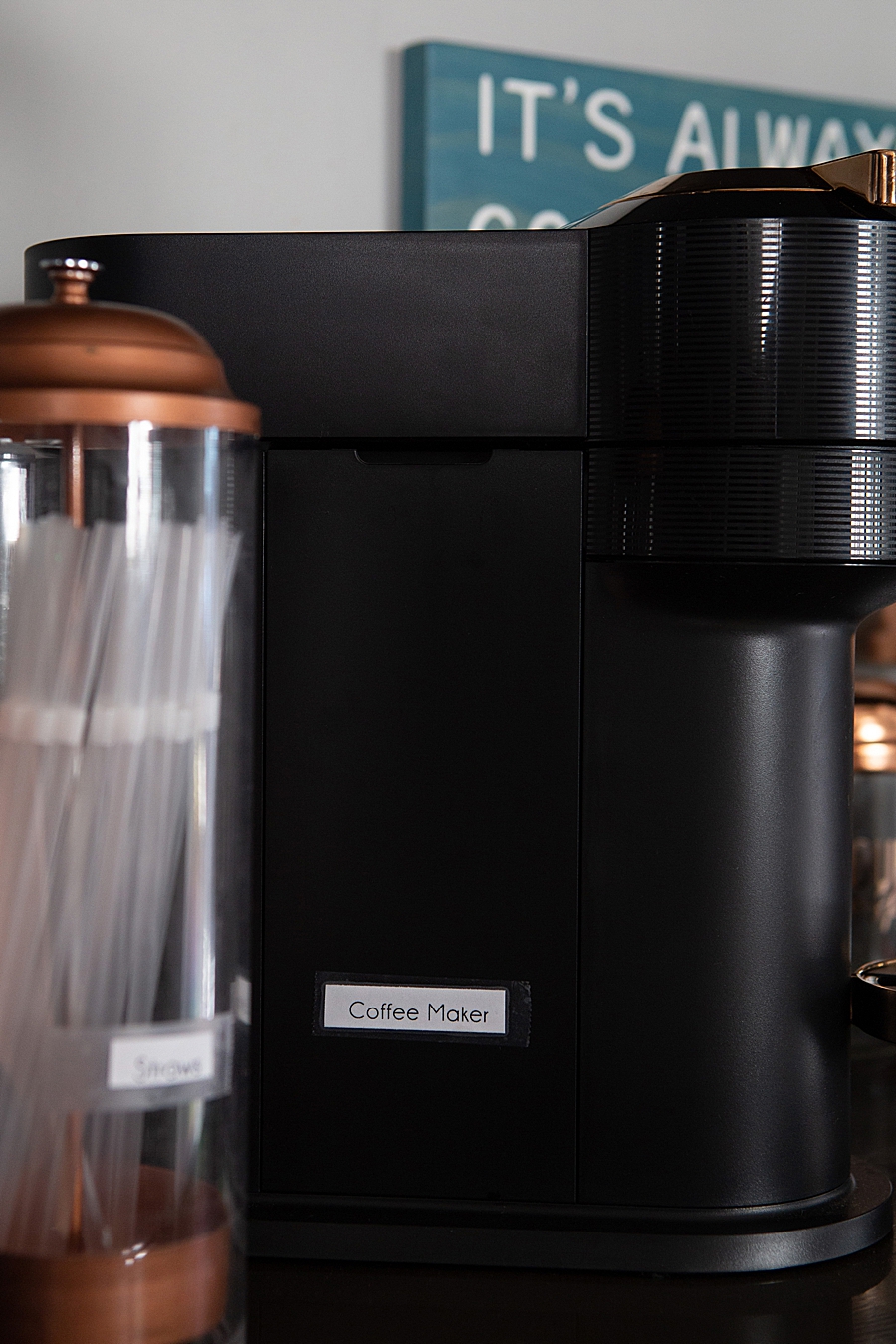
While the primary goal of the labeling project is educational, it also has social implications within the home. Causey-Kidder notes that while the labels may lack the "curated" or "Instagram-friendly" aesthetic often sought in modern home decor, their functionality serves as a conversation starter.
Inferred reactions from guests and family members suggest a growing trend toward "functional parenting," where the home’s design is temporarily sacrificed to prioritize the developmental needs of the child. This shift reflects a broader cultural move toward transparent, active parenting styles where the home is viewed as a dynamic learning space rather than a static showroom.
The psychological impact on the child is also noteworthy. Successfully "reading" a label on a refrigerator or a door provides an immediate sense of accomplishment. This builds the child’s "reading self-efficacy"—the belief in their own ability to decode and understand text. For a new reader, this confidence is essential for tackling more complex linguistic challenges in the future.
Broader Educational Context and DIY Trends
The rise of DIY educational resources like the Something Turquoise labeling system is part of a larger trend in "homeschooling-lite" or supplementary home education. As parents become more involved in their children’s early learning, there is an increasing demand for low-cost, high-impact tools that can be implemented without specialized training.
The use of social media platforms like Instagram to share these methods—specifically through Reels and hashtags like #somethingturquoisediy—has created a community of practice. Parents can observe the implementation in real-time, share their own stories of "love and laughter" during the process, and provide feedback on which words were most effective for their children.
Expert Analysis: From Visualization to Fluency
Linguistic experts suggest that the transition from recognizing a label to true reading involves several cognitive steps. Initially, the child uses the object as a "crutch" to identify the word. Over time, the brain begins to recognize the pattern of the letters independently of the object.
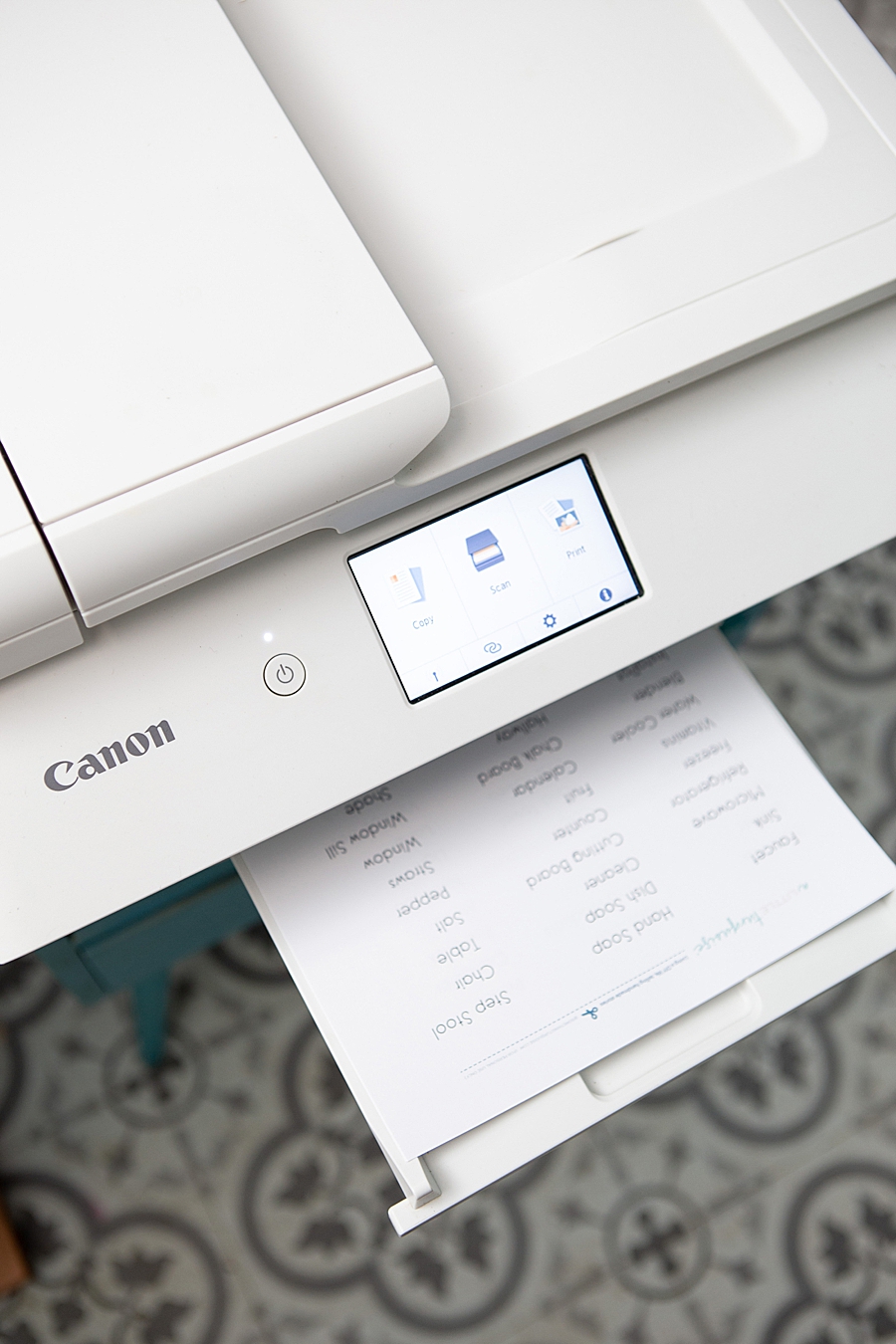
The simplicity of the "Print, Trim, Tape" method is its greatest strength. By removing the barriers to entry—such as expensive kits or complex software—this initiative allows any household with a printer and tape to create a high-quality literacy environment. The use of everyday materials like Staples printer paper and standard crafting printers (such as the Canon TS9521C) underscores the accessibility of the project.
Conclusion: The Long-Term Value of Functional Decor
While the labels may eventually be removed as the child reaches fluency, the foundational skills they help build are permanent. The project represents a temporary but vital phase in a child’s life where the domestic space serves a dual purpose as both a home and a school.
The 180-word printable household labeling system is more than a DIY project; it is a strategic educational intervention. By prioritizing functionality over aesthetics and leveraging the power of environmental print, it provides parents with a practical tool to support their children’s journey toward literacy. As the creator suggests, there may come a day when the labels are gone and the house returns to its original state, but the "priceless" interaction and learning that occurred in the interim will have set the stage for a lifetime of reading.