
The implementation of environmental print labeling systems within the domestic sphere has emerged as a significant strategy for fostering early literacy among developing readers. By transforming a residence into a text-rich environment, caregivers are leveraging the principles of incidental learning to bridge the gap between verbal recognition and written literacy. A recent initiative, documented through a comprehensive 180-word labeling project, highlights the functional utility of this method, prioritizing pedagogical efficacy over traditional interior aesthetics. The project utilizes a systematic approach to labeling household objects, providing children with constant visual reinforcement of the words they already use in daily speech.
The Strategic Role of Environmental Print in Early Literacy
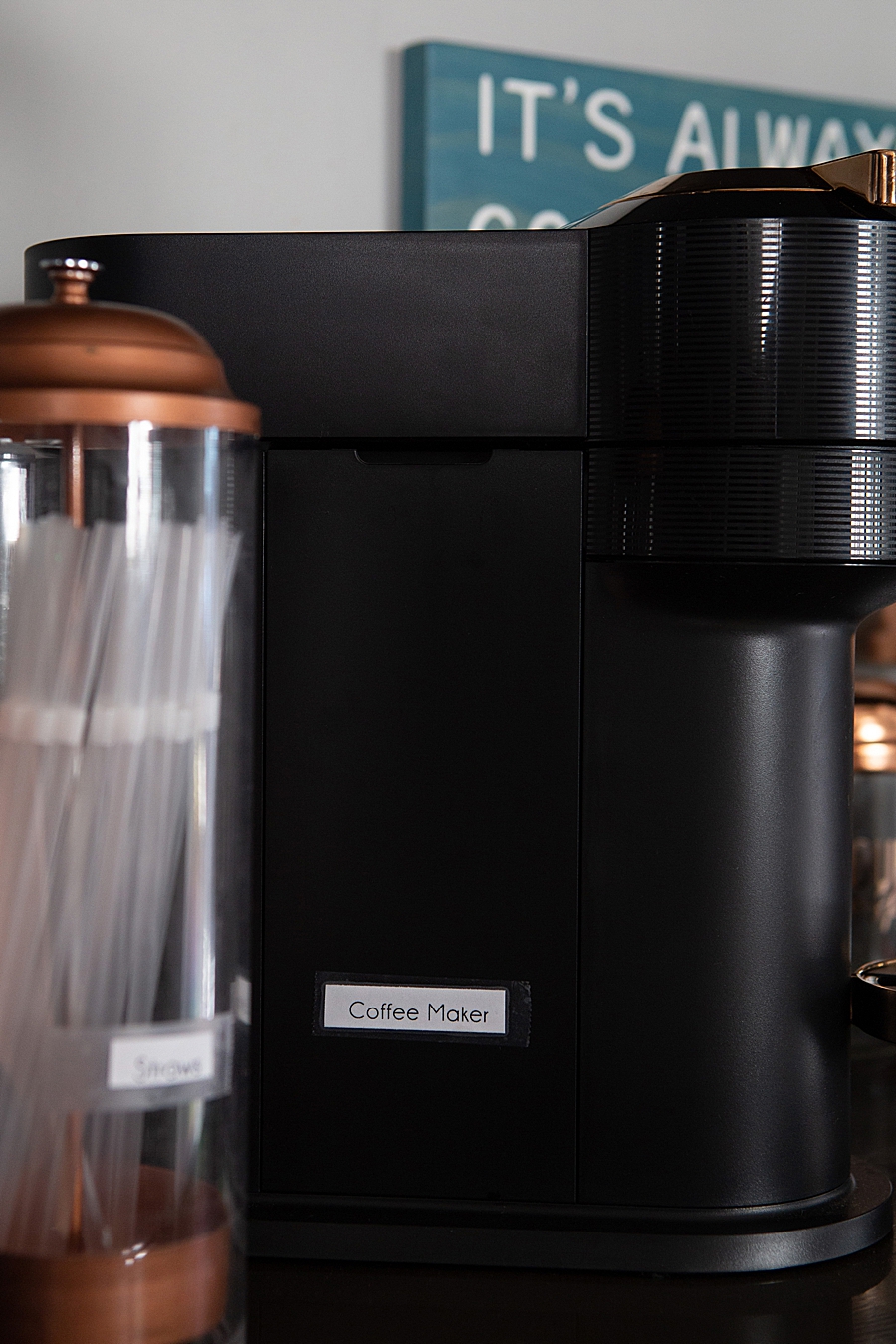
Environmental print refers to the text found in everyday life—on signs, labels, and packaging. For a child just beginning to navigate the complexities of language, environmental print serves as the first point of contact with the written word. Educational researchers have long asserted that children recognize logos and familiar signs long before they can decode phonetic sounds. By intentionally placing labels on household items such as "refrigerator," "door," "chair," and "lamp," parents create a controlled environment where the "Science of Reading" can be applied in a practical, low-stakes setting.
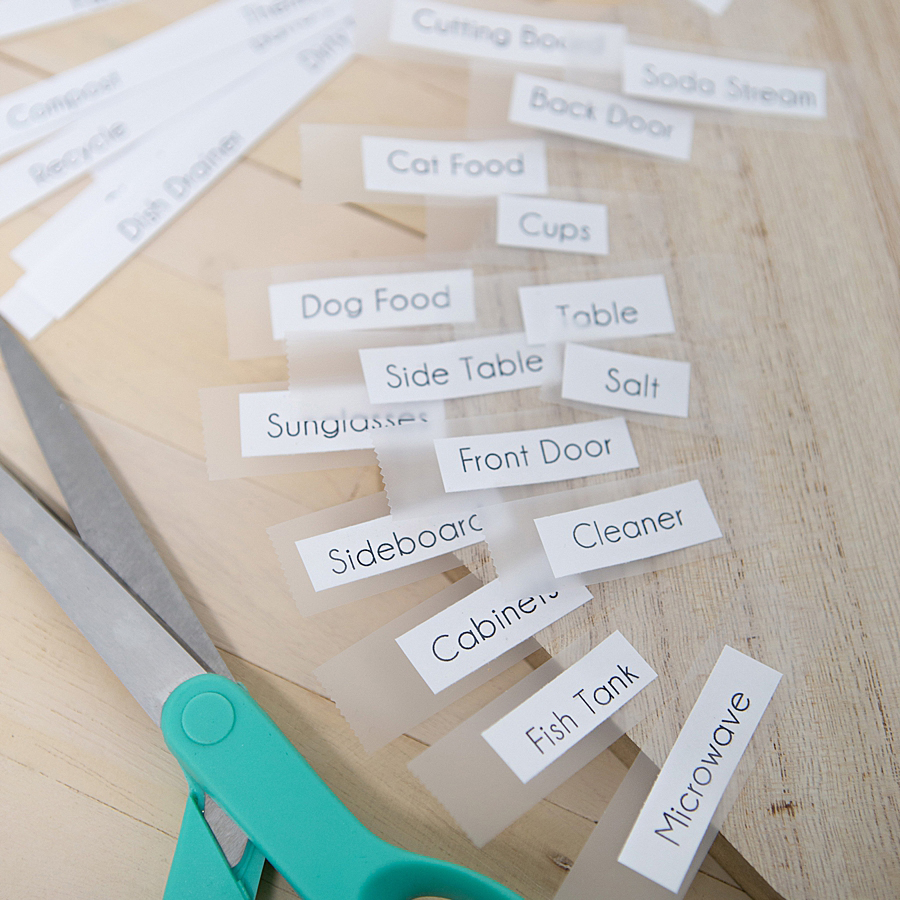
The primary objective of such a project is to allow children to visualize the words they already know. Because the child is already intimately familiar with the objects being labeled, the cognitive load required to understand the concept of the object is removed. This allows the brain to focus entirely on the orthographic mapping of the letters and the overall shape of the word. When a child sees the word "table" affixed to the surface where they eat, the abstract symbols of the alphabet become concrete representations of reality.
Methodology and Technical Specifications of the Labeling Project
The success of a household labeling system depends heavily on the technical execution of the labels themselves. In a recent curriculum-based DIY project released by literacy advocates, specific emphasis was placed on typography and word selection. The project utilizes a list of 180 household words, categorized by room and function, to ensure comprehensive coverage of the domestic environment.
Typographic Considerations for Emergent Readers
One of the most critical aspects of creating literacy labels is font selection. Standard typography used in adult literature often features "double-story" lowercase letters, such as the "a" and "g" found in Times New Roman or Arial. For an emergent reader, these complex shapes can be confusing, as they do not match the "single-story" letters typically taught in early handwriting lessons.
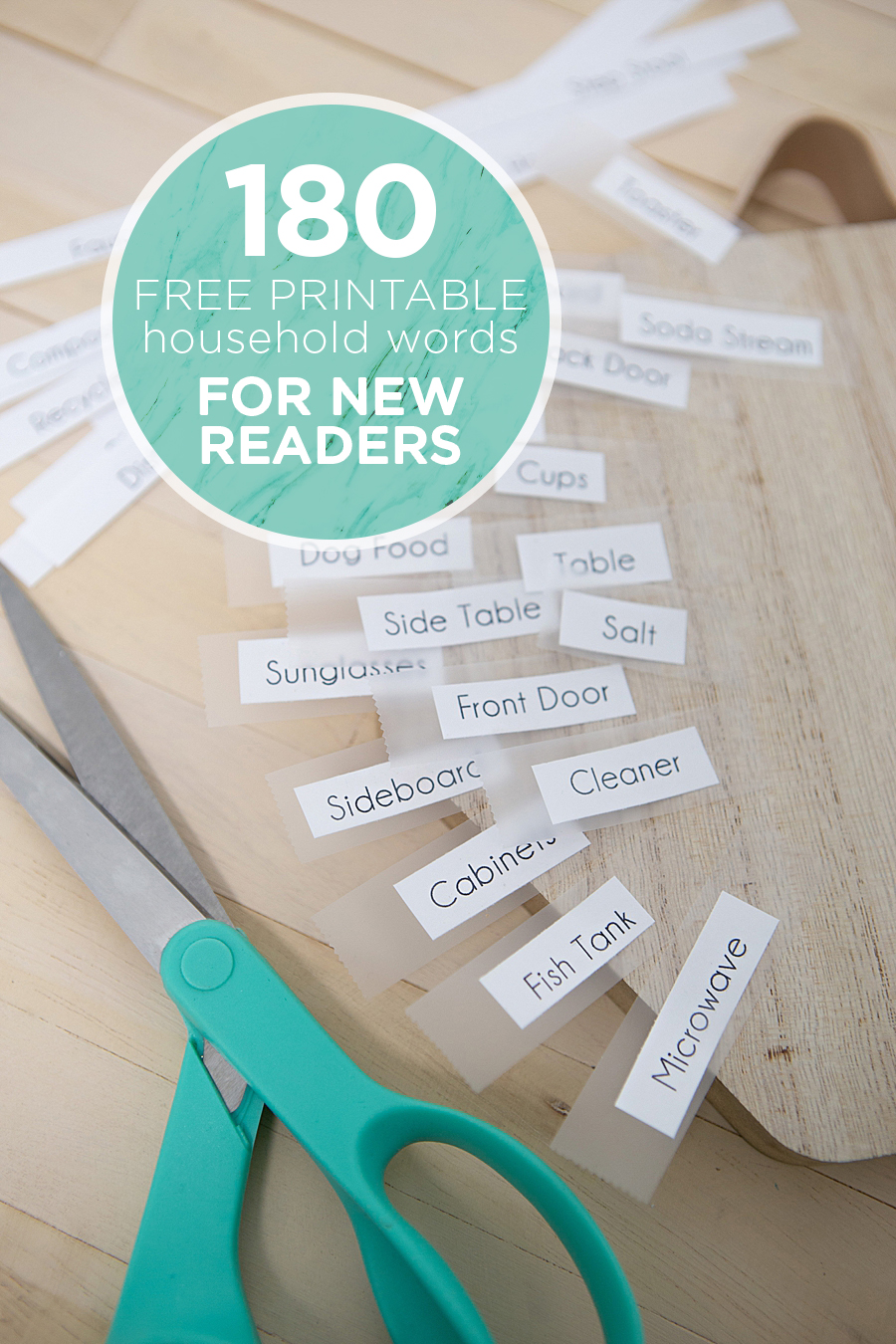
The project recommends the use of sans-serif, geometric fonts like "Champagne & Limousines." These fonts provide a clean, minimalist structure that mirrors the way children are taught to write. By avoiding "fancy" or decorative flourishes, the labels minimize visual distractions and allow the child to focus on the essential letterforms. The letters "a," "g," and "t" are particularly sensitive; in the selected font, these letters are rendered in their simplest forms, facilitating easier recognition and reducing the likelihood of the child becoming "thrown off" by unfamiliar shapes.
Material Preparation and Implementation
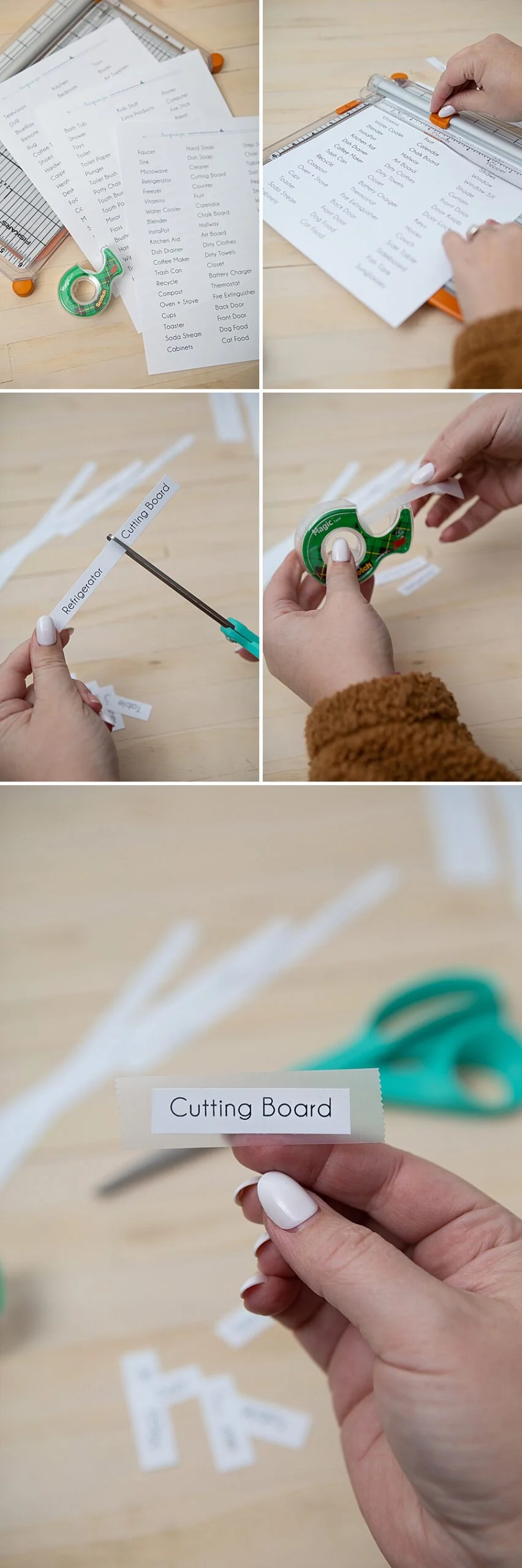
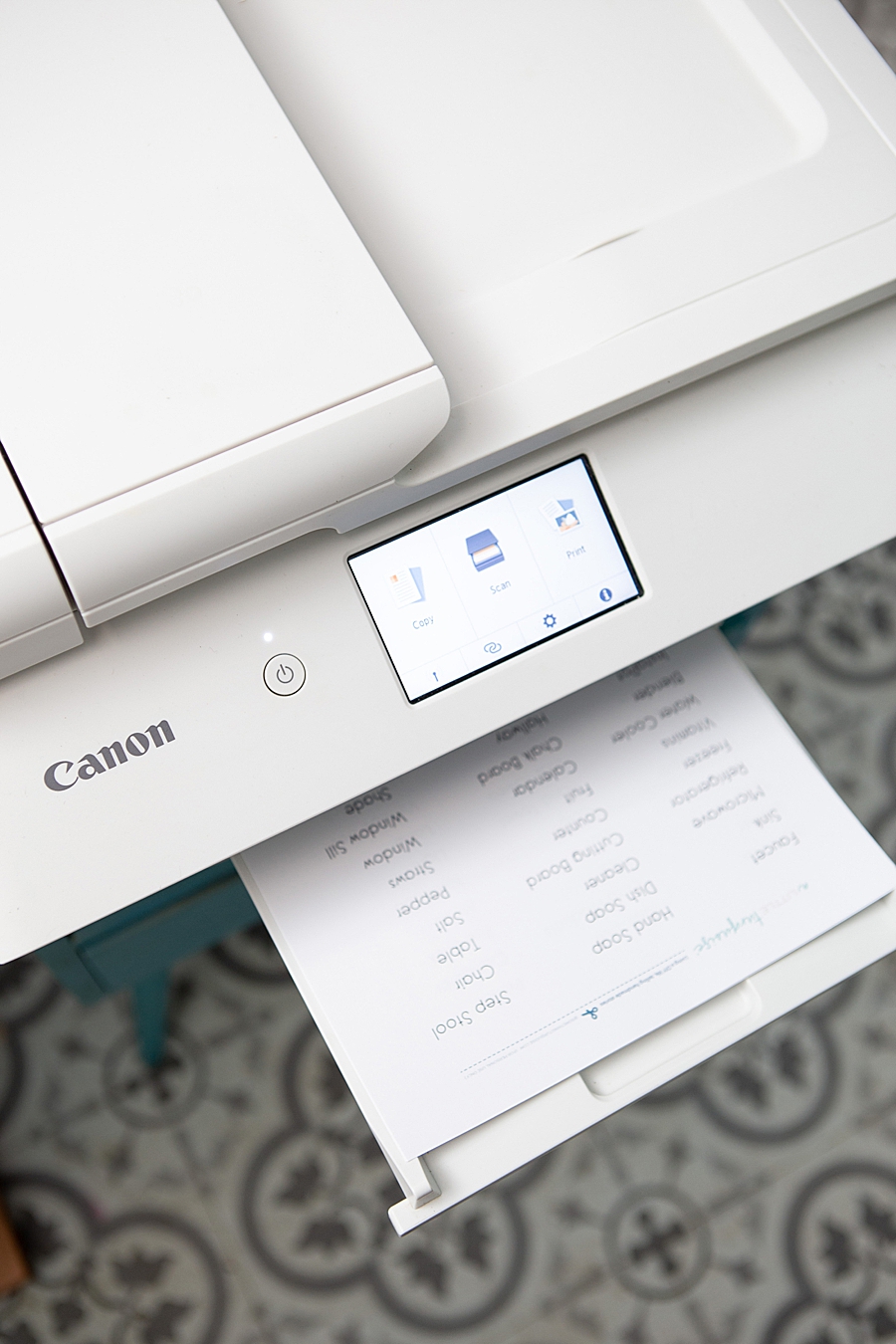
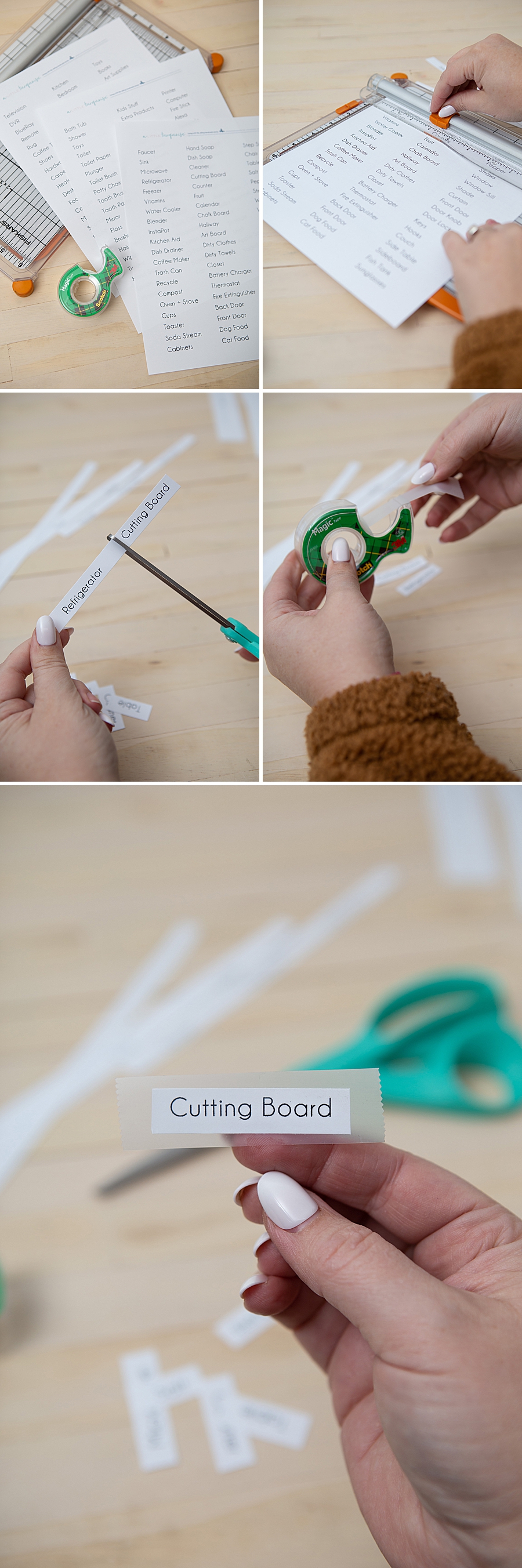
The logistics of the 180-word project involve a straightforward process of printing, trimming, and adhering. While the use of professional-grade label makers is an option, the project advocates for the use of standard printer paper and transparent tape. This ensures that the system is accessible to a wide demographic of families regardless of their access to specialized crafting equipment.
The implementation timeline is estimated at approximately four days. This duration allows for a gradual introduction of the labels, preventing the child from becoming overwhelmed by a sudden influx of text.
- Day 1: Selection of words and font configuration.
- Day 2: Printing and manual trimming of the 180 labels.
- Days 3-4: Collaborative placement of the labels throughout the home.
The collaborative nature of the placement phase is essential. Involving the child in the process of taping the label to the object creates an interactive learning experience, reinforcing the connection between the word and its physical counterpart.
Data and Context: The Impact of Text-Rich Environments
The push for household labeling is supported by decades of educational data regarding the "word gap" and the importance of home literacy environments (HLE). Studies have shown that children raised in homes with greater exposure to print materials score significantly higher on standardized reading assessments later in life.
According to the National Center for Education Statistics (NCES), the presence of reading materials in the home is one of the strongest predictors of academic success. While much of this research focuses on the number of books in a household, the concept of "functional print"—labels, lists, and schedules—plays a crucial role in developing "print awareness." Print awareness is the understanding that print has meaning, that it is read from left to right, and that it serves a functional purpose in the world.
By labeling 180 items, parents are effectively creating a "living dictionary." This saturation of text ensures that the child is constantly "reading" throughout the day, even during non-instructional time. This type of incidental exposure is particularly beneficial for children who may be resistant to formal sit-down lessons but are naturally curious about their surroundings.
Expert Reactions and Pedagogical Analysis
Reading specialists and early childhood educators have reacted positively to the systematized labeling approach. The consensus among pedagogical experts is that such systems provide "scaffolding"—a term used in education to describe temporary supports that help a student reach a higher level of understanding.
"The magic happens when the child moves from recognizing the object to recognizing the word in other contexts," says one educational consultant. "When they see the word ‘milk’ on the refrigerator label and then recognize it on a carton at the grocery store, they have achieved a major milestone in literacy. They are no longer just looking at pictures; they are decoding the world."
Furthermore, experts point out that this method serves diverse learning styles. Visual learners benefit from the constant sight of the words, while kinesthetic learners benefit from the act of walking around the house and physically interacting with the labels. The project’s focus on functionality over aesthetics—admitting that labels all over the house may not be "cute"—is also praised by educators who argue that a child’s learning environment should be optimized for development rather than interior design trends.
Broader Implications and Community Engagement
The project has gained significant traction on social media platforms, particularly Instagram, where the "Something Turquoise" DIY initiative shared video reels of the process. The public response indicates a growing trend among parents to take a more active, DIY approach to supplemental education.
Guests and visitors to homes using the labeling system often report a "crack up" or humorous reaction to the ubiquity of the labels, but the underlying sentiment is one of curiosity and admiration for the commitment to the child’s education. The social interaction sparked by these labels provides additional opportunities for the child to "perform" their reading skills for an audience, further boosting their confidence.

The implications of this movement extend beyond the individual home. As more families adopt these methods, there is a potential for a shift in how early literacy is supported outside of the classroom. The accessibility of a free, 180-word printable list removes the financial barriers often associated with high-end educational toys or tutoring services. It empowers parents to act as the primary facilitators of their child’s literacy journey using simple tools like paper, tape, and a printer.
Conclusion: The Longevity of Functional Learning
While the aesthetic of a house covered in small white labels may be unconventional, the long-term benefits of such a system are profound. The "magic" described by practitioners of the method is the result of systematic, repeated exposure to language in a familiar context. As children grow and their reading skills stabilize, the labels will eventually be removed, but the foundational literacy they helped build will remain.
The 180-word household labeling project stands as a testament to the efficacy of functional decor. By prioritizing the cognitive development of the new reader, caregivers are transforming the domestic space into a laboratory of language. The project serves as a reminder that the most effective educational tools are often the simplest, requiring only a clear font, a bit of tape, and the willingness to see the home through the eyes of a child learning to read. As the project’s creator noted, there may come a day when the labels are gone and the house returns to its original state, but the "priceless" interaction and learning achieved during their tenure will have a lasting impact on the child’s academic future.