

The traditional holiday retail landscape is witnessing a significant shift as consumers move away from mass-produced, pre-packaged advent calendars in favor of customized, sustainable alternatives. For years, the seasonal market has been dominated by major brands such as LEGO, Mattel, and Disney, offering "toy-a-day" countdowns that typically retail for approximately $40 per unit. While these products provide convenience, large households often find the cumulative cost and repetitive nature of the contents to be a deterrent. In response, a growing movement of resourceful parents and DIY enthusiasts is utilizing household organizational tools, specifically over-the-door shoe organizers, to create high-capacity, personalized advent calendars that cater to multiple children while maintaining a strict budget.
The Economic Context of Modern Holiday Traditions
The evolution of the advent calendar from a simple religious observance to a multibillion-dollar retail phenomenon has created a unique set of challenges for the modern consumer. In the United States, the average household expenditure during the holiday season has seen a steady incline, with a significant portion allocated to "experience-based" gifts and countdown rituals. For a family with four children, purchasing individual branded advent calendars can easily exceed $160 before the month of December even begins.
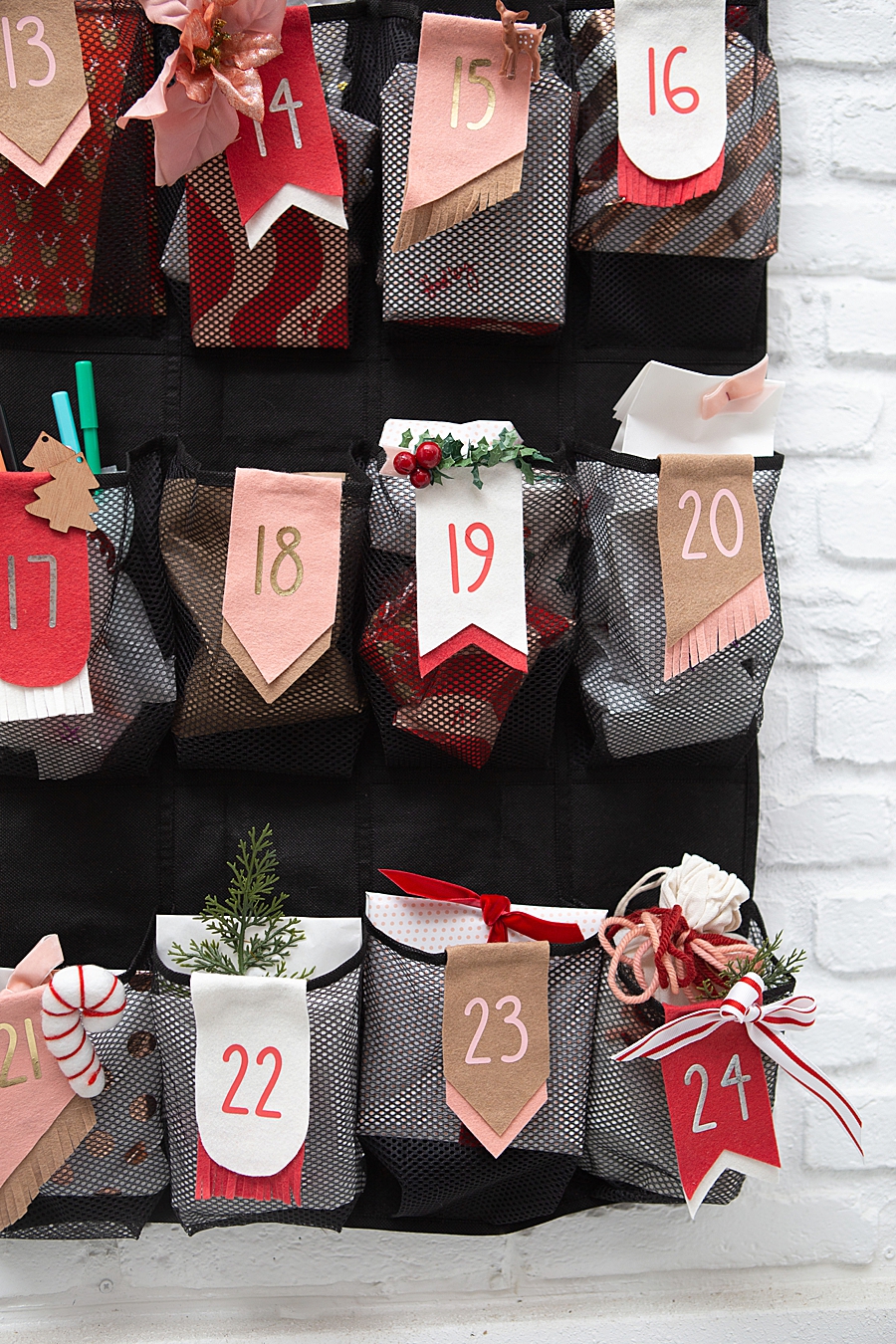
Market analysis suggests that consumer fatigue is a primary driver behind the DIY shift. Many parents report that by the third week of December, children often lose interest in the repetitive nature of themed sets—such as daily plastic figurines or small building blocks—which often lack the variety needed to sustain engagement for 24 consecutive days. By pivoting to a "curated" model, families are able to reallocate that $160 budget toward 24 unique items per child, ensuring a higher level of perceived value and personal relevance.
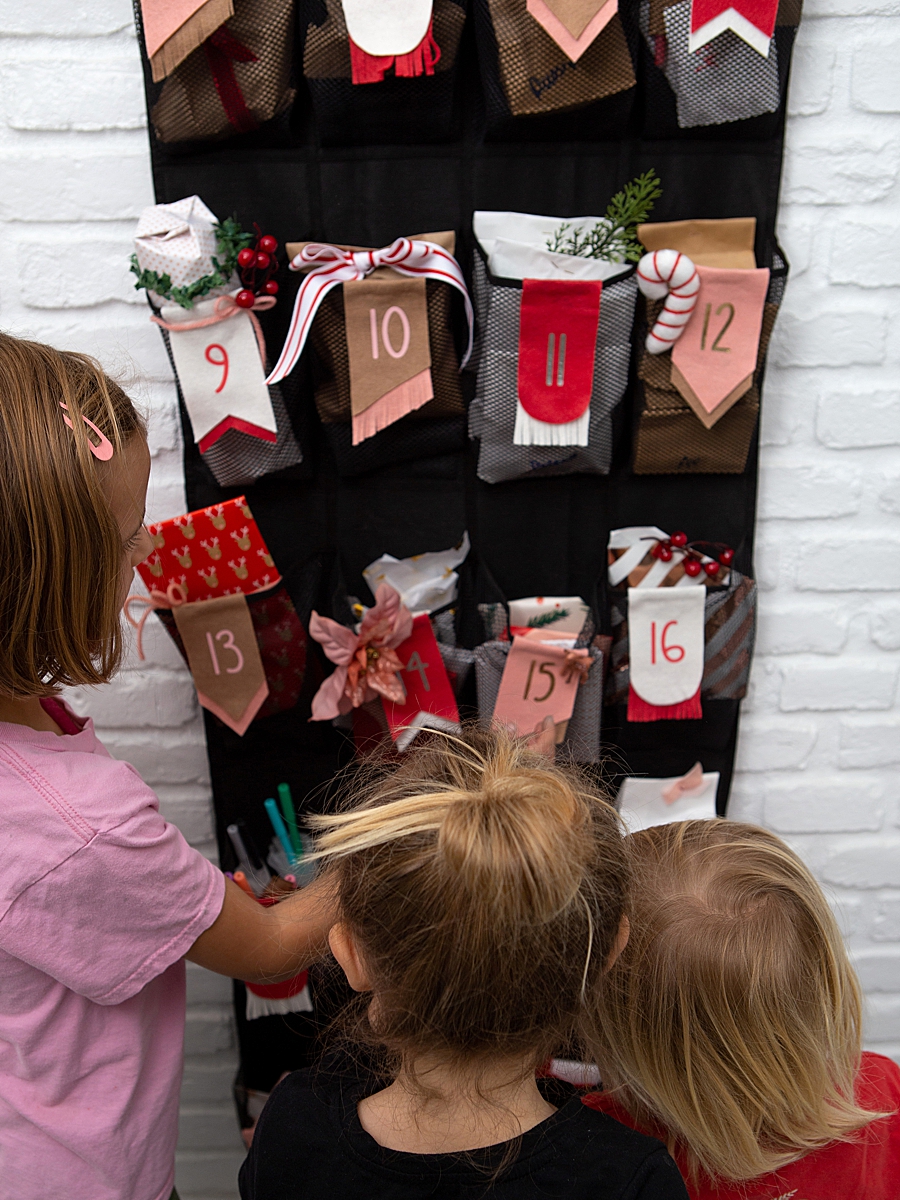
Structural Engineering of the High-Capacity Advent Calendar
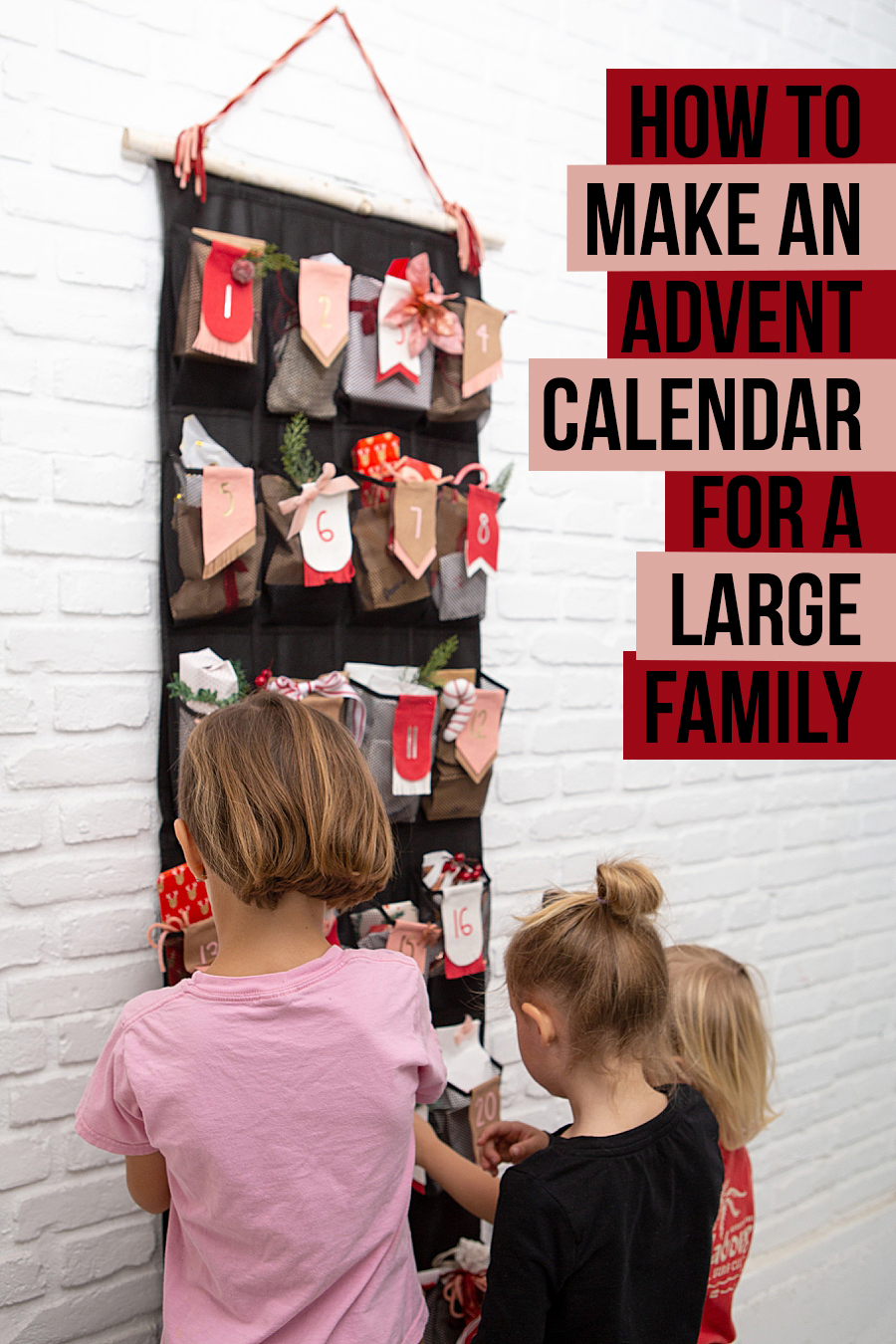
The primary logistical hurdle for large families is the physical space required to house 24 days of gifts for multiple children. Standard cardboard or wooden advent calendars are rarely designed to hold more than a single small chocolate or a miniature plastic toy. The adaptation of a standard 24-pocket back-of-the-door shoe organizer provides a robust solution to this spatial constraint.

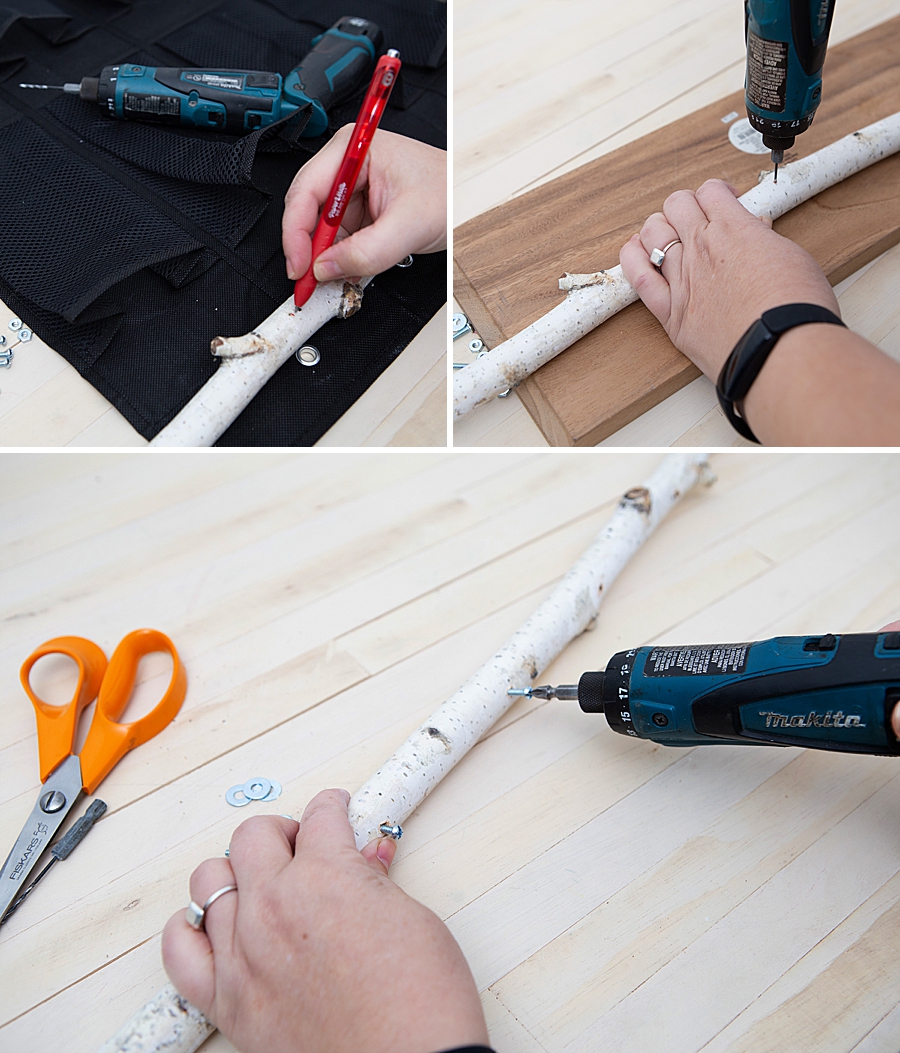
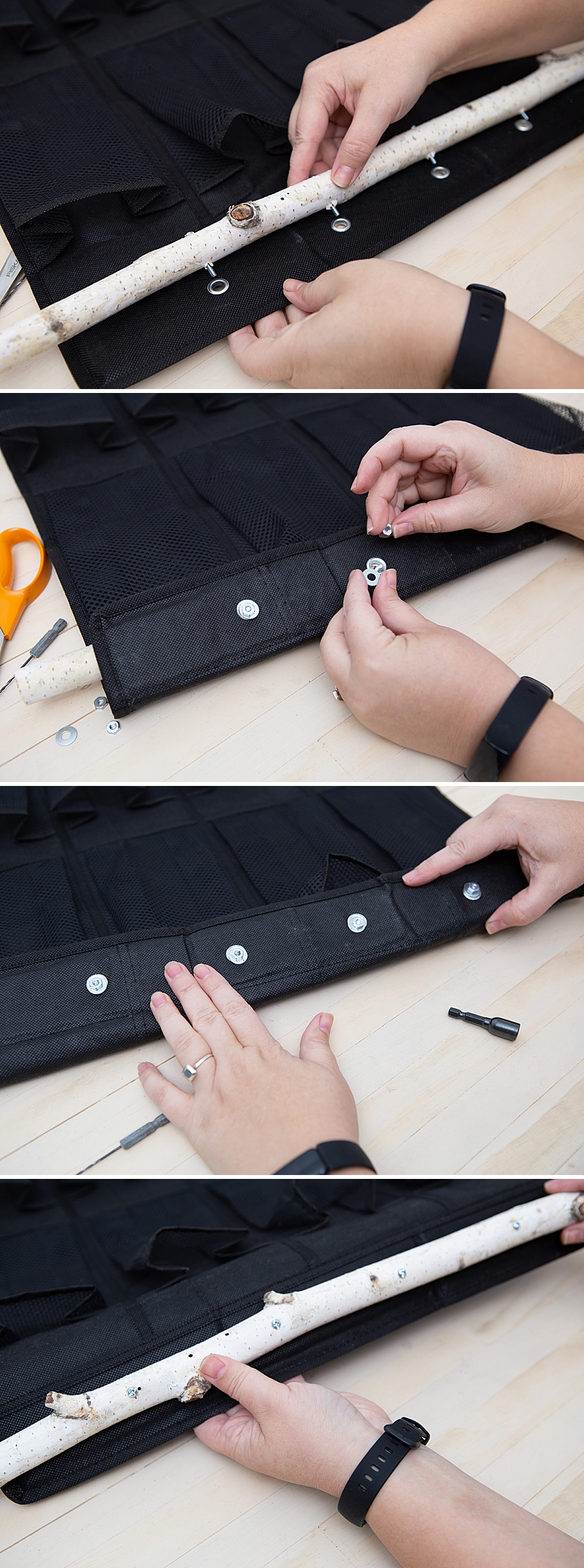
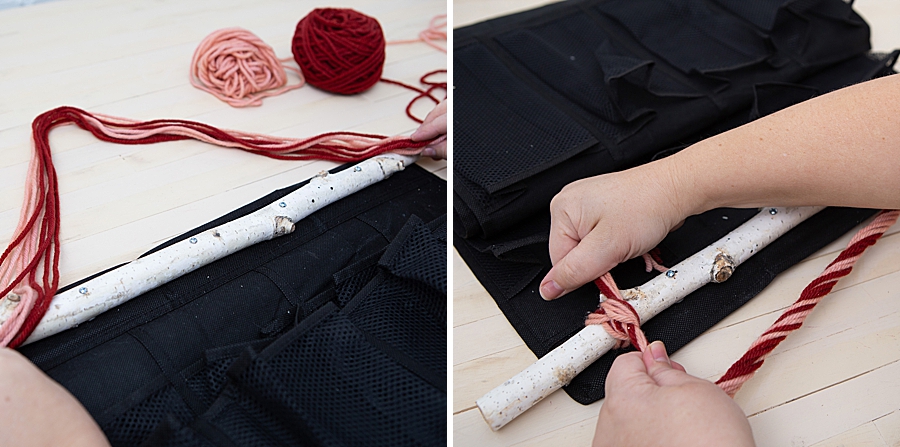
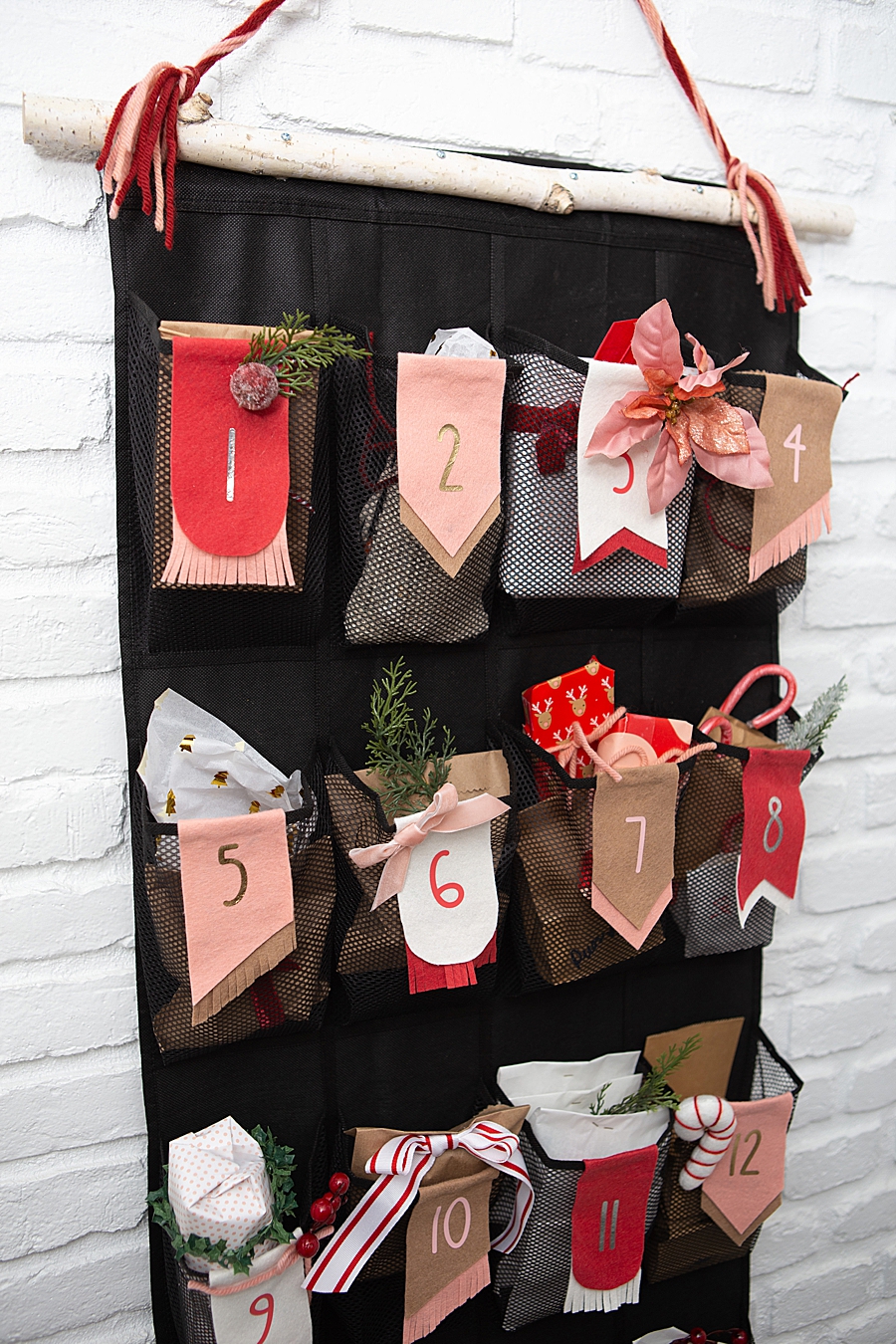
The implementation process involves several technical stages, beginning with the reinforcement of the hanging mechanism. Given the weight of 24 pockets filled with varied items—ranging from toiletries to small books—a standard tension rod or over-the-door hook is often insufficient. Project data from the DIY community suggests that a more permanent and sturdy solution involves the use of a natural or synthetic branch. By drilling through the branch and attaching it to the shoe holder with 1.25-inch bolts, washers, and nuts, the calendar becomes a stable fixture capable of withstanding the daily interactions of multiple children.
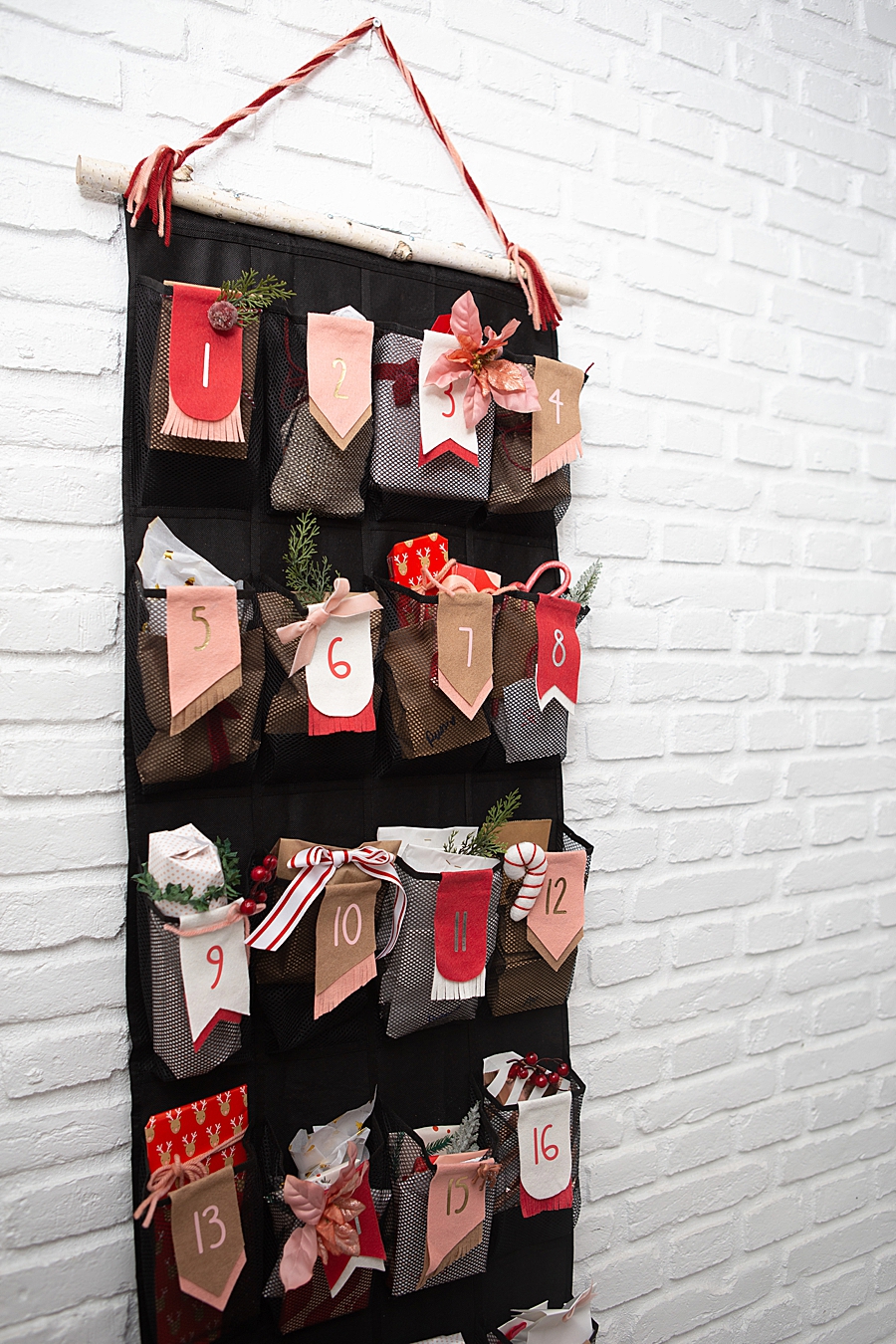
Materials and Cost Analysis
The fiscal breakdown of a DIY advent calendar reveals a strategic investment in reusable materials versus consumable goods. While the initial setup requires a one-time purchase of hardware and decorative elements, the long-term savings are substantial.
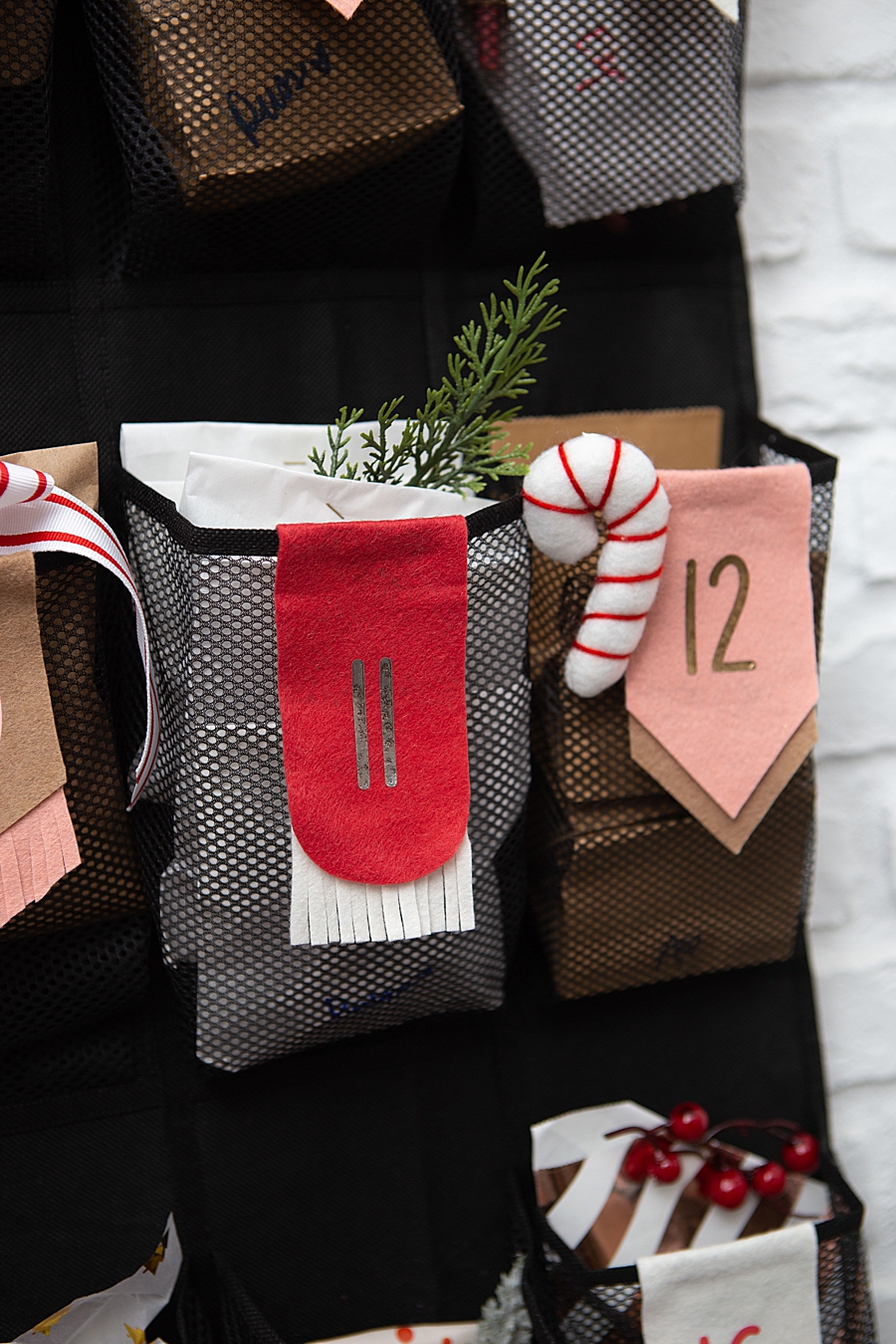
- Organizational Base: A black or neutral over-the-door shoe rack (approx. $15–$20).
- Aesthetic Customization: High-quality felt (such as Benzie Design) and iron-on vinyl for numbering (approx. $30 for initial materials, with significant leftovers for future years).
- Structural Support: A natural branch, yarn, and hardware (often sourced from existing household supplies).
- Curated Gifts: A budget of $150 allows for a diverse array of items, averaging approximately $1.50 per pocket if items are shared or distributed strategically.
By investing in durable felt tags and a sturdy hanging system, the "chassis" of the advent calendar can be reused for a decade or more, reducing the annual holiday overhead to the cost of the gifts alone.

Curated Gifting: A Strategy for Engagement and Development
The transition to a DIY model allows for a level of gift curation that mass-market products cannot replicate. For families with children of varying ages—ranging from toddlers to teenagers—the ability to customize each pocket is a significant advantage. The curation process typically spans several months, with parents collecting small, meaningful items from various retailers such as Target, Michaels, and local boutique shops.

Diversification of Contents
A successful curated calendar often includes a mix of the following categories:
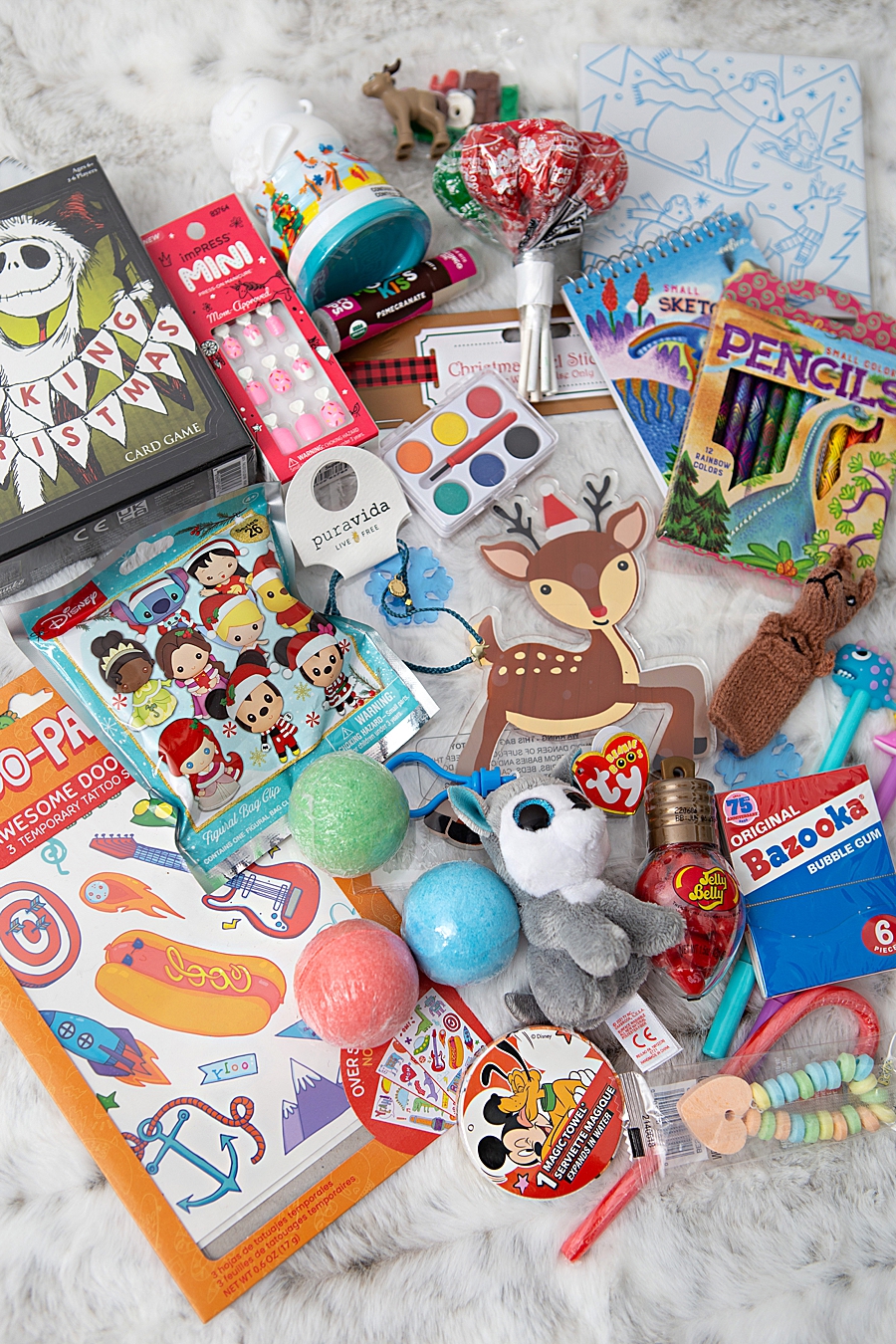
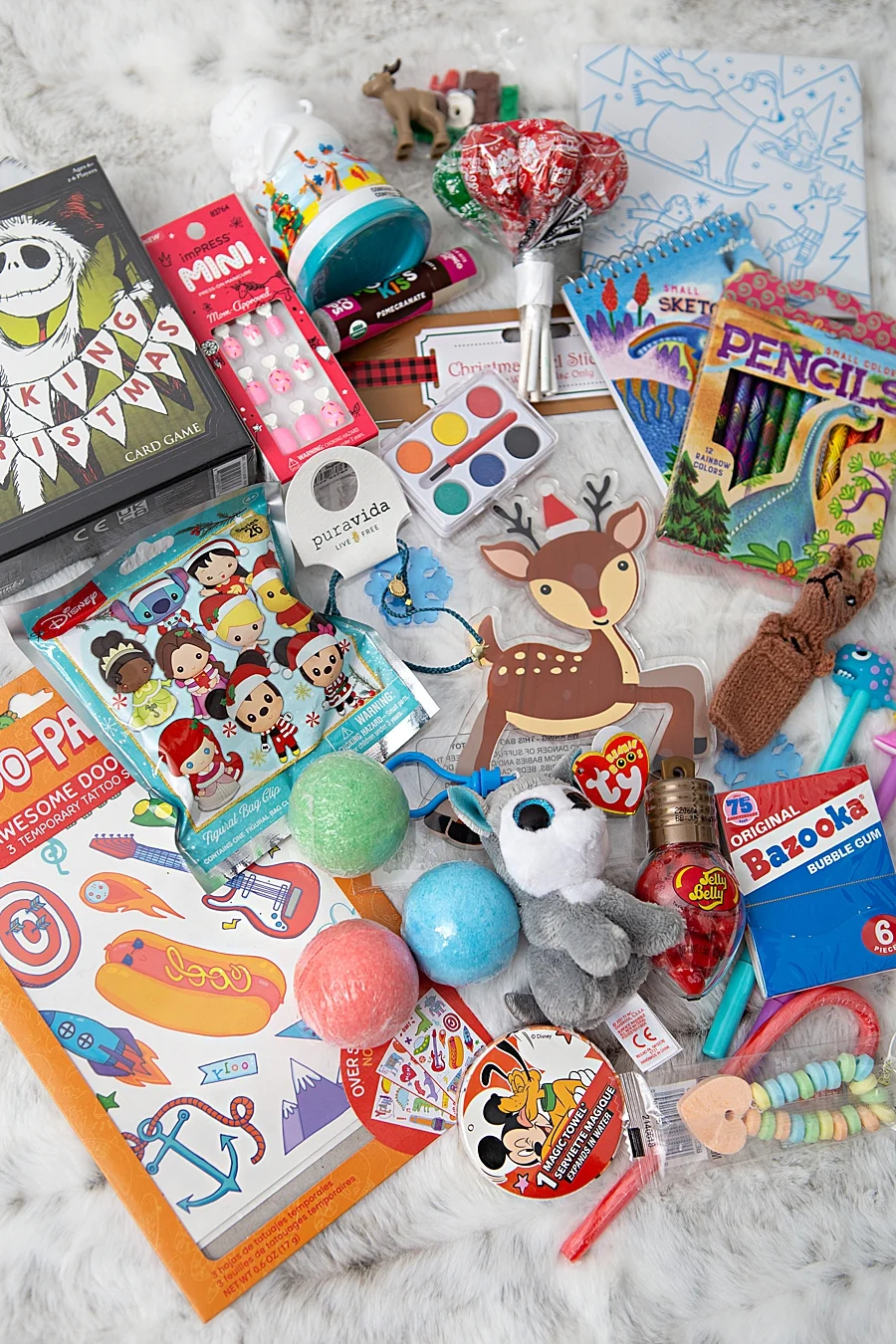
- Personal Care: Chapstick, bath bombs, and press-on nails.
- Creative Tools: Mini watercolor sets, colored pencils, and scratch-off paper.
- Interactive Toys: Finger puppets, mini stuffies, and building blocks.
- Accessories: Pura Vida bracelets, temporary tattoos, and stickers.
- Family Experiences: Small games or "coupons" for family activities.
This variety serves a dual purpose. First, it maintains the element of surprise, as children cannot predict the category of the next day’s gift. Second, it allows parents to introduce practical items that the children may already need, such as stationery or hygiene products, effectively folding necessary purchases into the holiday celebration.
Chronology of Assembly and Implementation
The creation of a high-capacity advent calendar is described by practitioners as a "labor of love," requiring a structured timeline to ensure completion by December 1st.
Phase One: Procurement (October – November)
During this phase, the primary focus is on gathering the 24 (or more) items. Experienced DIYers recommend keeping a "gift bin" throughout the year to capture clearance items or unique finds. This spreads the financial impact over several months rather than a single billing cycle.
Phase Two: Design and Fabrication (Mid-November)
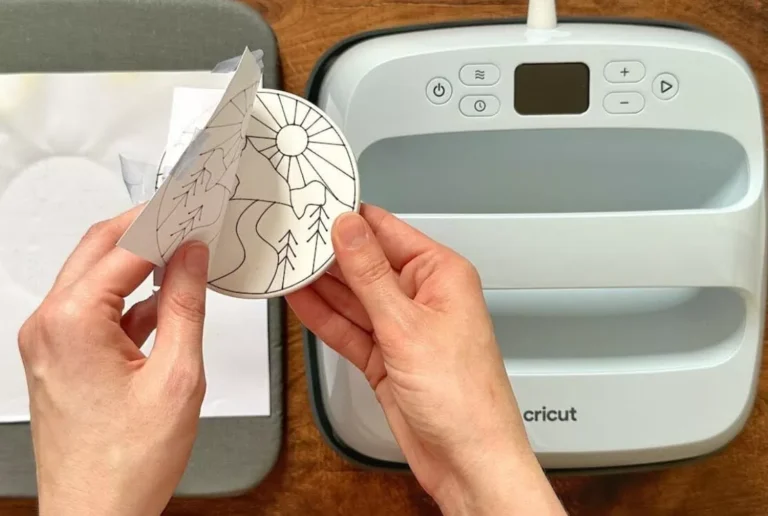
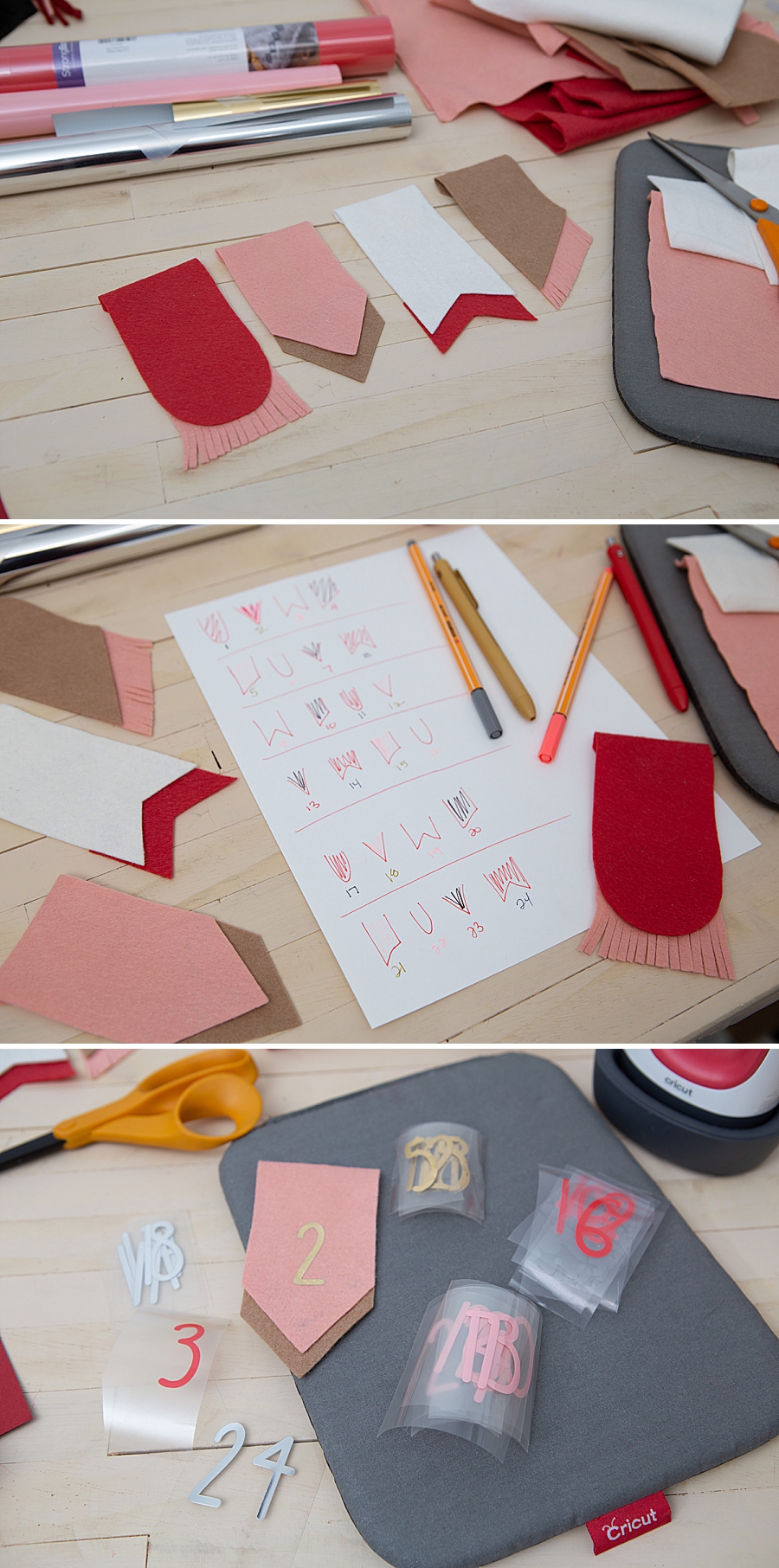
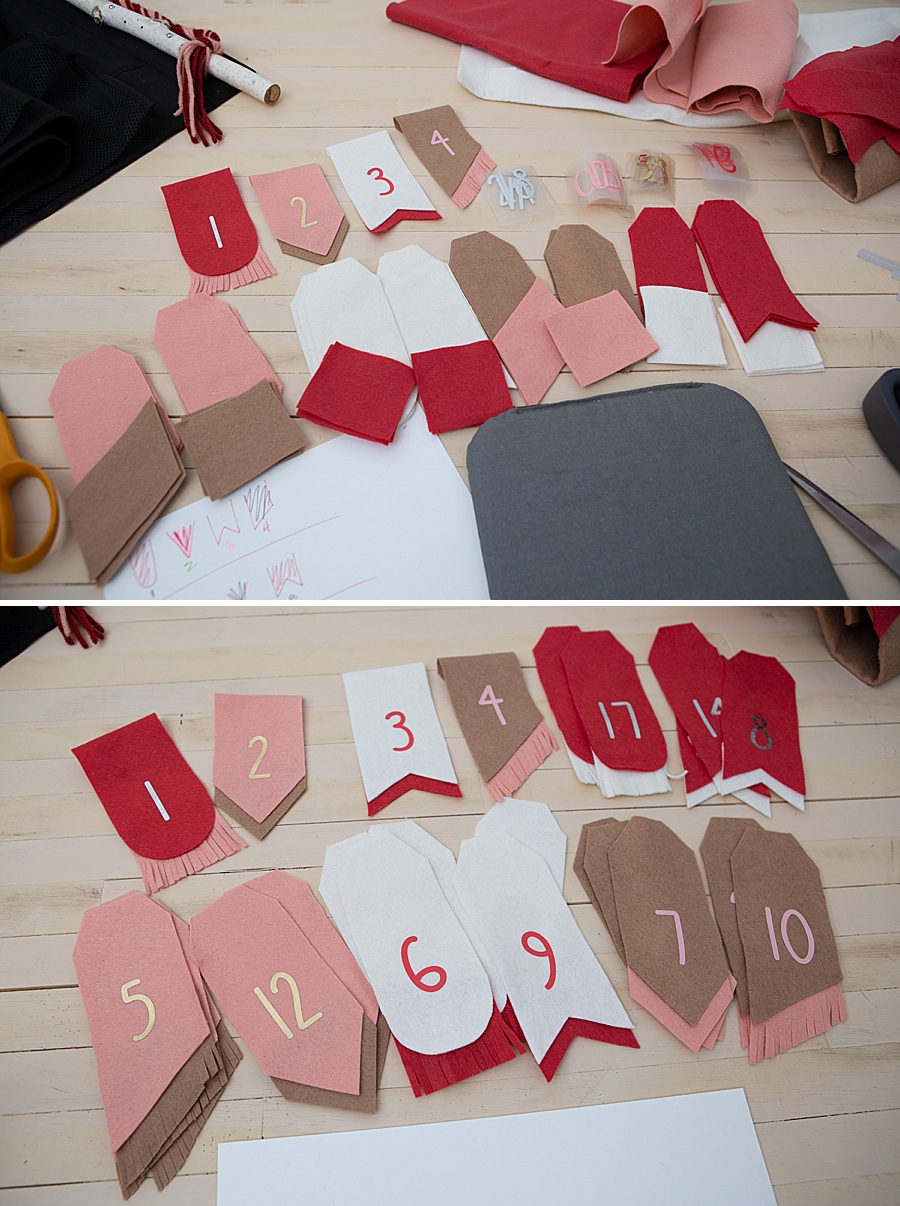
The aesthetic components are prepared during this window. Using digital cutting machines like the Cricut, users design custom number tags. The use of varied colors and textures—such as gold foil, silver foil, and blush felt—enhances the visual appeal, transforming a utilitarian shoe rack into a piece of holiday decor.
Phase Three: Assembly and "The Mom Trick" (Late November)
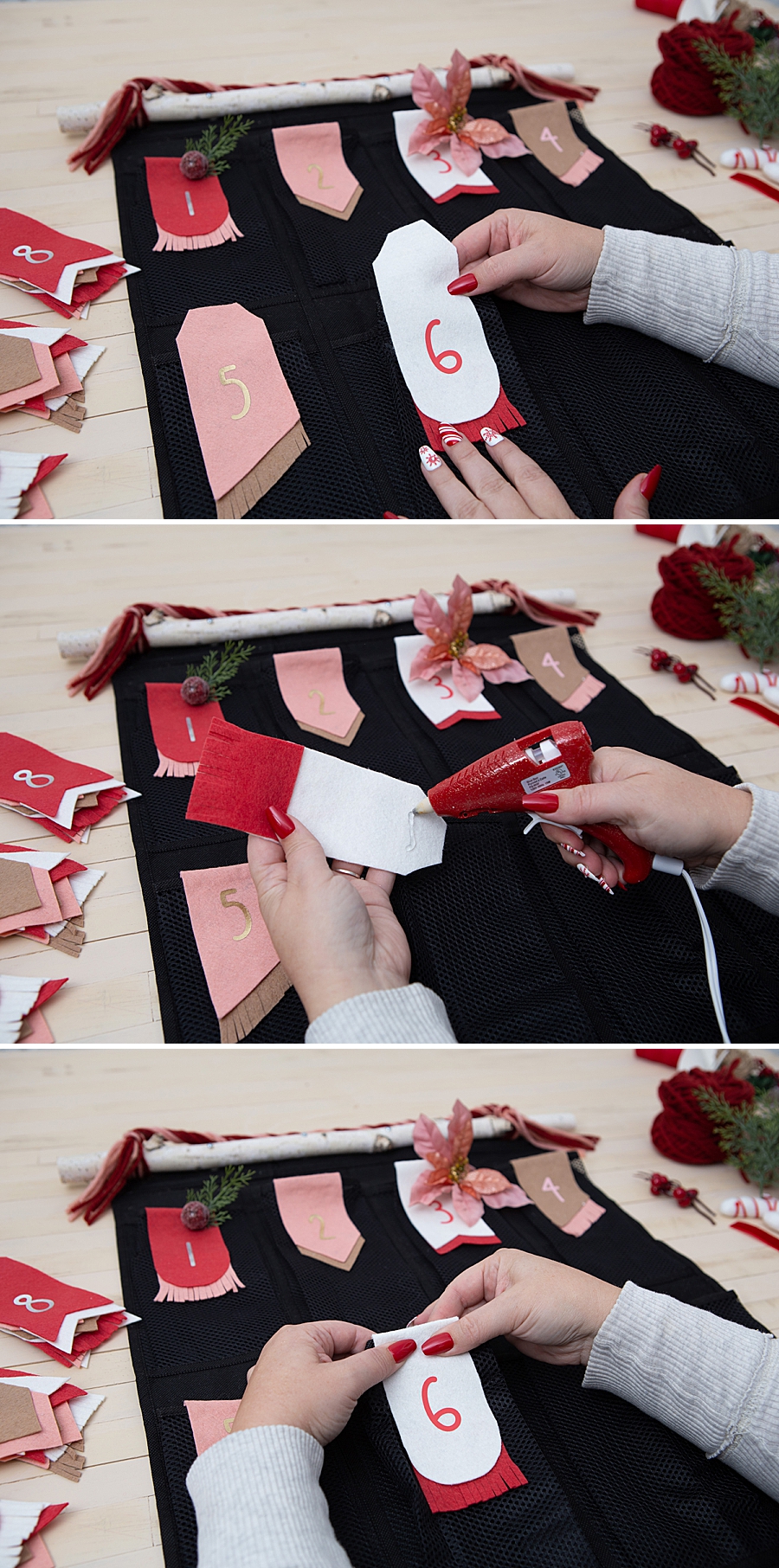
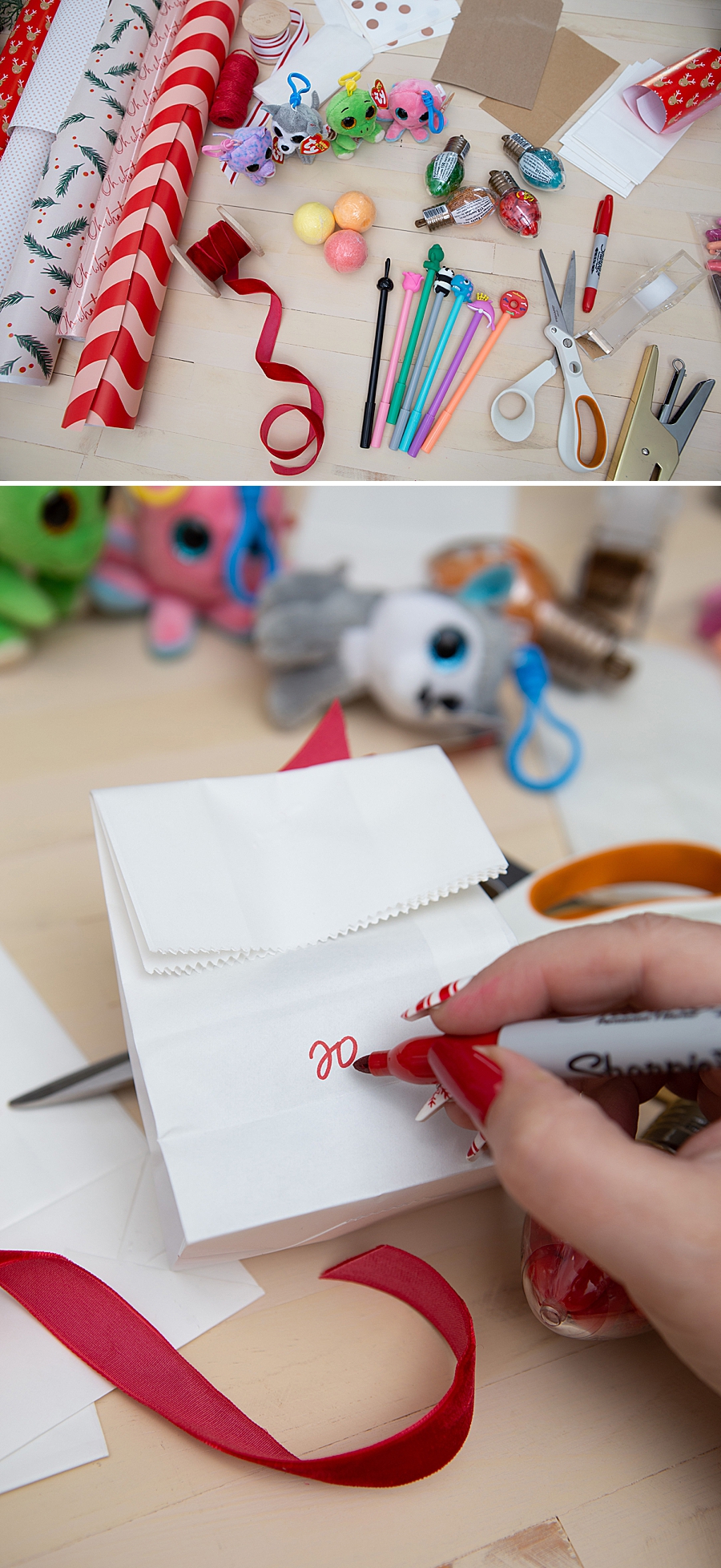
The final assembly involves hot-gluing the felt tags to the pockets and securing the calendar to its permanent location. A critical step in households with very young children is the "labeling strategy." By writing the intended day on the wrapping paper of each individual gift, parents can ensure that if a toddler removes an item from a low-reaching pocket, it can be easily returned to its correct chronological position.
Broader Implications: Sustainability and Consumer Behavior
The shift toward DIY advent calendars reflects a broader trend in sustainable consumerism. The environmental impact of the holiday season is significant, with an estimated 25% increase in household waste between Thanksgiving and New Year’s Day in the United States. Pre-packaged advent calendars contribute to this through single-use plastic trays and excessive cardboard packaging.
The shoe-organizer model promotes a "circular" approach to holiday traditions. The organizer itself can be used for its original purpose during the off-season, or stored compactly for the following year. Furthermore, by selecting higher-quality gifts rather than "filler" plastic toys, families reduce the likelihood of these items ending up in landfills shortly after the holiday concludes.
Psychological Impact on Family Dynamics
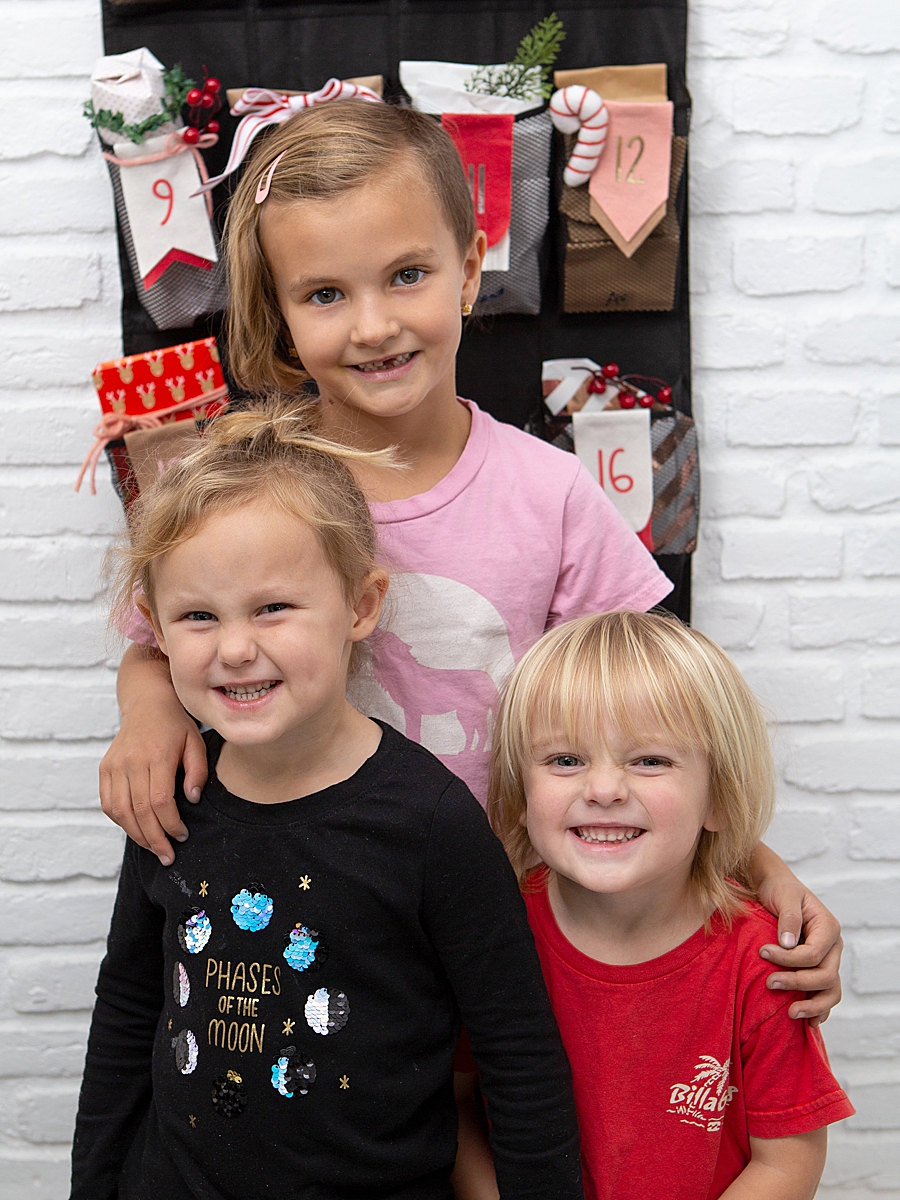
Child development experts note that the "anticipation phase" of a holiday is often more impactful on a child’s happiness than the event itself. A customized advent calendar extends this period of positive anticipation. Furthermore, by including gifts for parents or items that encourage family play (such as a small card game), the calendar shifts from a passive "opening" experience to an active "bonding" experience.
Conclusion and Future Outlook
As inflation continues to impact discretionary spending, the demand for cost-effective yet high-impact holiday solutions is expected to rise. The "shoe organizer advent calendar" represents a successful intersection of organizational utility and festive creativity. While it requires a greater investment of time—often referred to by creators as a "labor of love"—the dividends in cost savings, environmental sustainability, and family engagement are substantial.
Retailers are beginning to take note of this trend, with some craft stores offering "blank" advent structures for customization. However, the grassroots DIY approach remains the most flexible and affordable option for large families. As social media platforms like Instagram and Pinterest continue to facilitate the sharing of these "life hacks," the tradition of the mass-produced, plastic-filled countdown may increasingly find itself replaced by the thoughtful, curated, and sturdy DIY alternatives of the modern era.