

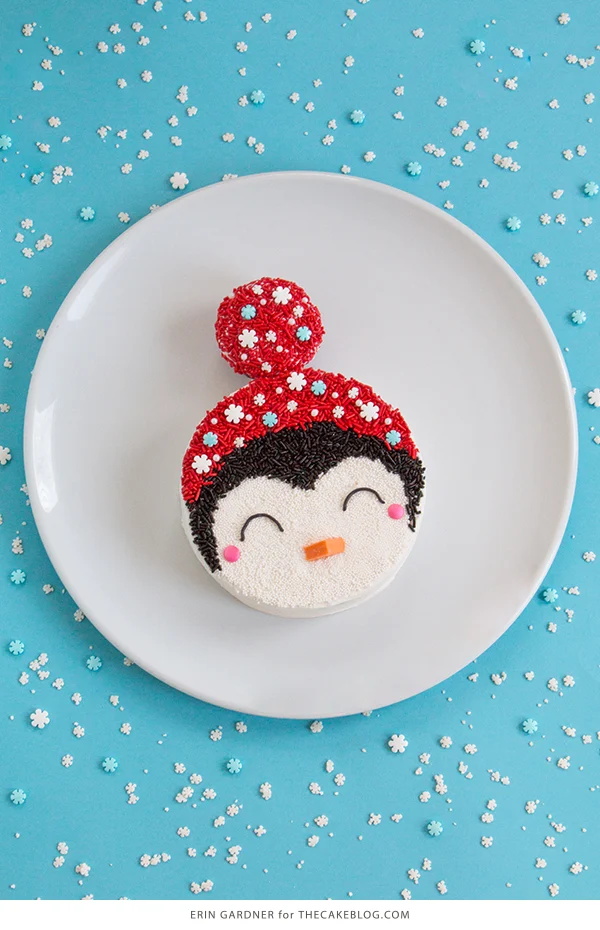
The culinary landscape of seasonal desserts has been further enriched by the introduction of a specialized cake decorating tutorial featuring a sprinkle-coated penguin design. Created by Erin Gardner, a noted contributor to The Cake Blog and a recognized figure in the professional baking community, the tutorial provides a sophisticated yet accessible methodology for constructing a winter-themed centerpiece. This "Penguin Cake" represents an expansion of Gardner’s established "sprinkle universe" aesthetic, a design philosophy that prioritizes high-texture surfaces and vibrant confectionery accents. The project is specifically engineered for winter-themed celebrations, ranging from children’s birthdays to intimate holiday gatherings, offering a blend of traditional baking techniques and modern visual styling.
Conceptual Background and the Evolution of the Sprinkle Universe
The Penguin Cake is not an isolated design but rather a thematic successor to Gardner’s "Sprinkle Girl" series. This conceptual lineage, often referred to by the creator as a "fabulous sprinkle universe," relies on the dense application of nonpareils and shaped sprinkles to create character-driven narratives on a buttercream canvas. This approach to cake design has gained significant traction in the professional baking industry due to its ability to mask structural imperfections while providing a professional, high-contrast finish.
Historically, sprinkle application was relegated to the borders or tops of cakes. However, Gardner’s methodology elevates the sprinkle to a primary medium, using it to define shapes, textures, and color blocks. The penguin design leverages this by utilizing black and white nonpareils to mimic the distinct plumage of the Spheniscidae family, while introducing a red-capped aesthetic that aligns with traditional winter iconography. This stylistic choice reflects a broader trend in the confectionery arts where texture is used to create a sense of whimsy and tactile appeal, a movement heavily influenced by the rise of visual-oriented social media platforms.
Technical Chronology of the Construction Process
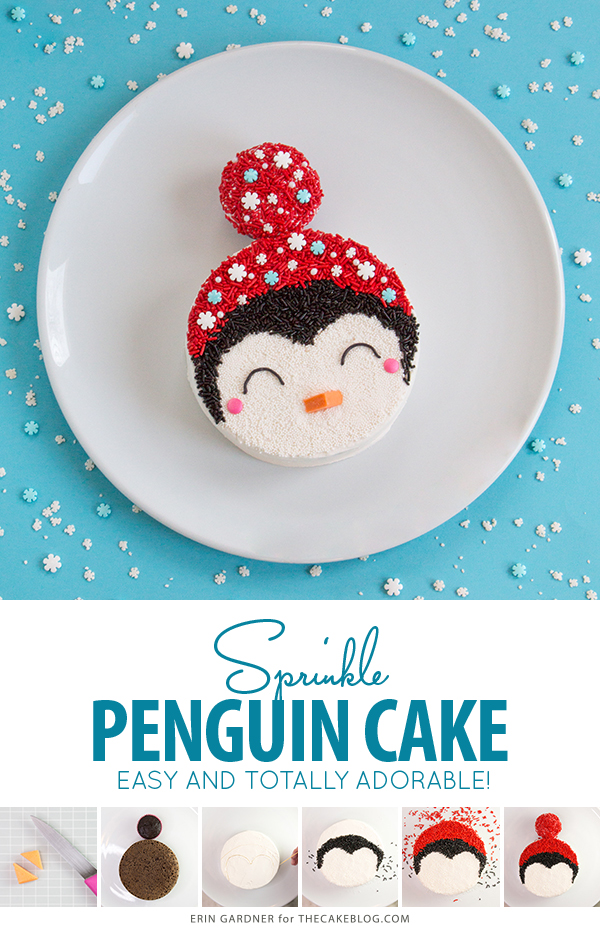
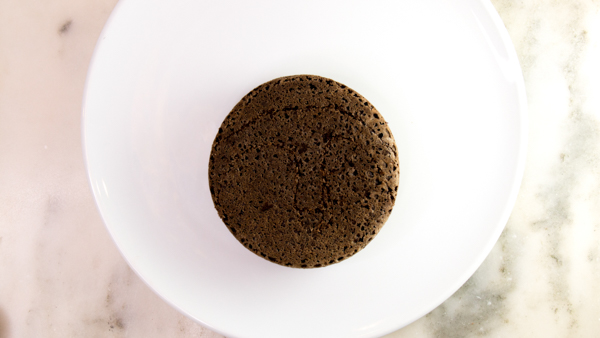
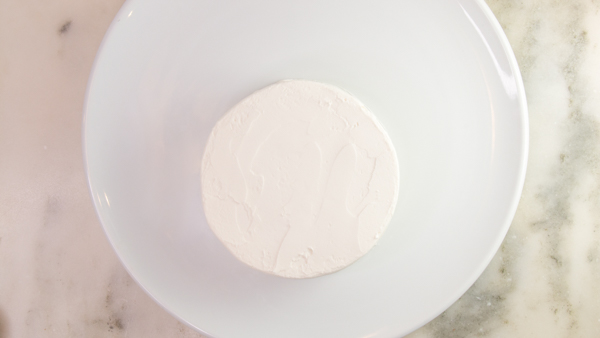
The construction of the Penguin Cake follows a rigorous multi-stage process that prioritizes structural integrity and visual precision. According to the instructional data provided by Gardner, the process begins with the preparation of the cake base, which must be coated in a substantial layer of plain buttercream. The thickness of this layer is critical, as it serves as the adhesive for the thousands of individual sprinkles that will comprise the final design.
Phase I: Mapping and Outlining
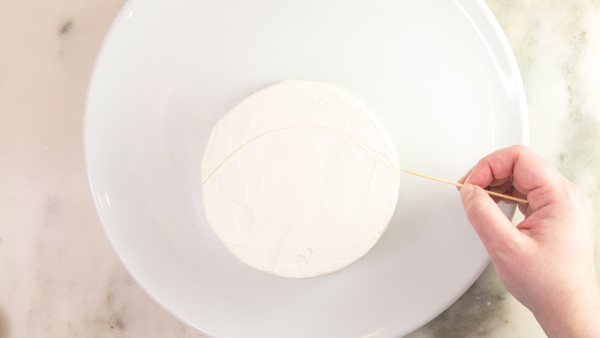
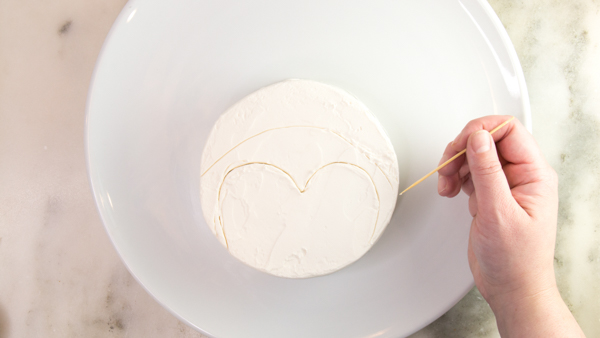
Once the cake is iced, the decorator uses a toothpick or skewer to etch a blueprint directly onto the buttercream. This stage involves drawing a half-moon shape across the upper hemisphere of the cake to designate the hat area and an open-bottom heart shape to define the penguin’s facial structure. Industry experts note that this "freehand mapping" technique allows for customization while ensuring that the proportions remain consistent with the intended character design. A significant advantage of this method is that the subsequent sprinkle application covers any minor irregularities in the base icing, reducing the time required for smoothing the buttercream.
Phase II: The Systematic Application of Nonpareils
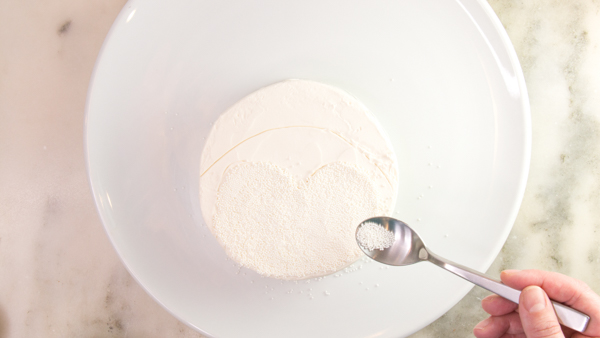
The application phase follows a "largest area first" logic. This minimizes the risk of cross-contamination between different sprinkle colors. The process begins with the penguin’s face, which is filled with white nonpareils using a spoon. The back of the spoon is then utilized to compress and smooth the sprinkles into the buttercream.
Following the face, the "skin" or outer body of the penguin is filled with black sprinkles. The tutorial emphasizes the use of a toothpick to remove any stray black sprinkles that may migrate into the white facial area, a common challenge when working with high-contrast color palettes. The final major color block is the hat, which is filled with red sprinkles to complete the primary color scheme.
Phase III: Dimensional Elements and Final Detailing
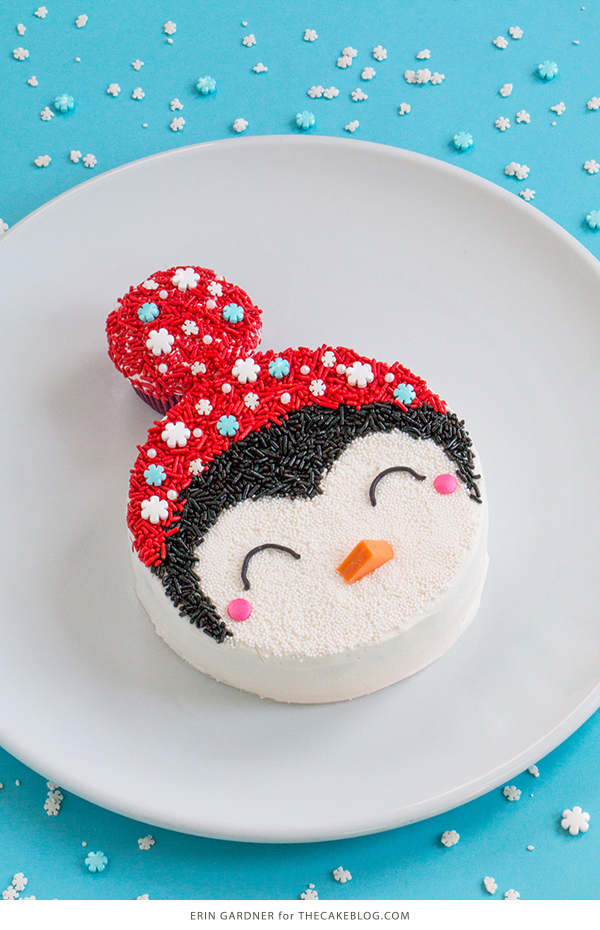
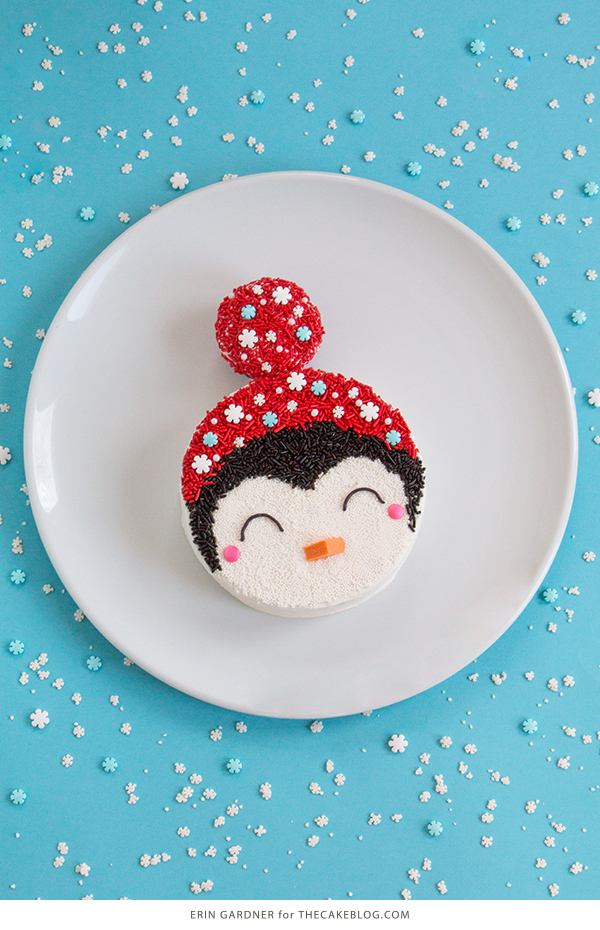
To add a three-dimensional component, a standard cupcake is utilized as a pom-pom for the penguin’s hat. The cupcake is inverted, coated in buttercream, and dipped into red sprinkles before being secured to the cake platter with a small amount of additional frosting. This technique introduces a varying height profile to the dessert, increasing its visual complexity.
The final detailing involves the application of facial features and hat decorations. A Starburst fruit chew, cut diagonally, serves as a triangular beak, while pink confetti sprinkles are positioned as cheeks. The eyes are piped using a small round tip with black buttercream, forming semi-circles that contribute to the "adorable" aesthetic cited in the tutorial. The hat is further embellished with snowflake-shaped sprinkles, though the design allows for the substitution of stars or mini trees depending on the specific occasion.
Scientific Analysis of Ingredient Stability and Storage
A critical component of the tutorial involves the management of sprinkle texture and moisture. Gardner advises that the penguin should be completed on the day of service, as nonpareils have a tendency to soften the longer they remain in a refrigerated environment. This phenomenon is caused by moisture migration, where the water content in the buttercream is absorbed by the sugar-based sprinkles, leading to a loss of structural crunch and potential color bleeding.
Supporting data regarding storage suggests that the longevity of the cake is dependent on the type of buttercream utilized. American buttercream, which has a higher sugar-to-fat ratio, tends to crust and can sometimes be stored at room temperature in an airtight container. Conversely, Swiss or Italian Meringue buttercreams, which are more temperature-sensitive, require refrigeration, which may accelerate the softening of the sprinkle exterior. Professionals recommend a cool, dry environment to maintain the "snap" of the nonpareils for as long as possible.
Market Trends and Industry Implications
The release of the Penguin Cake tutorial occurs at a time when the global cake decorating market is experiencing sustained growth. Market analysts attribute this to the "DIY" movement and the accessibility of professional-grade tools to home bakers. Tutorials like Gardner’s serve a dual purpose: they act as marketing for specialty sprinkle blends and baking supplies while providing a structured educational path for hobbyists.
The customization options highlighted in the tutorial—such as adding chocolate sunglasses or striping the hat with alternating colors—reflect a consumer demand for "modular" recipes. Modern bakers often seek a base template that can be modified to suit specific dietary preferences or aesthetic themes. Furthermore, the use of "kawaii" (the Japanese culture of cuteness) in food design has been shown to increase consumer engagement and social sharing, making the Penguin Cake a highly effective design for digital platforms.
Official Responses and Culinary Analysis
While "official" responses to a cake tutorial are rarely issued by governing bodies, the reception within the baking community has been overwhelmingly positive. Colleagues of Gardner have noted that her ability to simplify complex texturing processes is a hallmark of her instructional style. "The use of a cupcake as a pom-pom is a particularly efficient use of resources," noted one industry commentator. "It solves the problem of creating a sphere of cake without needing a specialized mold."
Culinary analysts suggest that the Penguin Cake is representative of a shift toward "narrative baking," where the dessert tells a story or represents a character. This move away from abstract floral designs toward character-based confections is particularly popular in the winter season, where themes of "coziness" and "winter wonderlands" dominate the market. The integration of candy elements like Starbursts into high-end cake design also speaks to a "high-low" culinary trend, blending professional techniques with nostalgic, store-bought treats.
Broader Impact on Home Baking Culture
The broader implications of Gardner’s tutorial lie in its democratization of professional cake aesthetics. By focusing on sprinkles rather than complex fondant sculpting or airbrushing, the tutorial lowers the barrier to entry for novice decorators. This accessibility is a key driver in the current baking boom, as it allows individuals to produce results that appear professional with relatively low-cost materials.
Furthermore, the Penguin Cake serves as a case study in the importance of texture in dessert perception. The dense coating of nonpareils provides a sensory experience that differs significantly from traditional smooth-sided cakes. As the baking industry continues to evolve, the emphasis on multi-sensory appeal—visual, tactile, and flavorful—is expected to remain a primary focus for innovators like Erin Gardner.
In conclusion, the Penguin Cake tutorial is more than a simple guide to a winter treat; it is a meticulously designed project that incorporates elements of color theory, structural engineering, and moisture management. By following the established chronology and technical guidelines, bakers can create a centerpiece that is both a technical achievement and a festive addition to the winter season. As the "sprinkle universe" continues to expand, it is likely that Gardner’s methodologies will continue to influence both professional and home baking trends for years to come.