


The landscape of modern parenting continues to evolve as traditional milestones are reimagined through the lens of customization and digital crafting. A recent development in the domestic arts sector has seen a shift away from the conventional "tooth fairy pillow" toward personalized ceramic vessels, a trend highlighted by the emergence of specialized DIY "Tooth Fairy Dishes." Utilizing a combination of accessible e-commerce components and home-based printing technology, these projects represent a convergence of artisanal craftsmanship and digital convenience. By integrating inkjet waterslide paper technology with miniature dollhouse aesthetics, proponents of this method are creating permanent keepsakes that serve a dual purpose: facilitating the ritual of the tooth-for-money exchange and providing a hygienic, organized alternative to placing biological remains under a child’s bedding.
The Methodology of Modern Crafting: From Digital Design to Ceramic Application
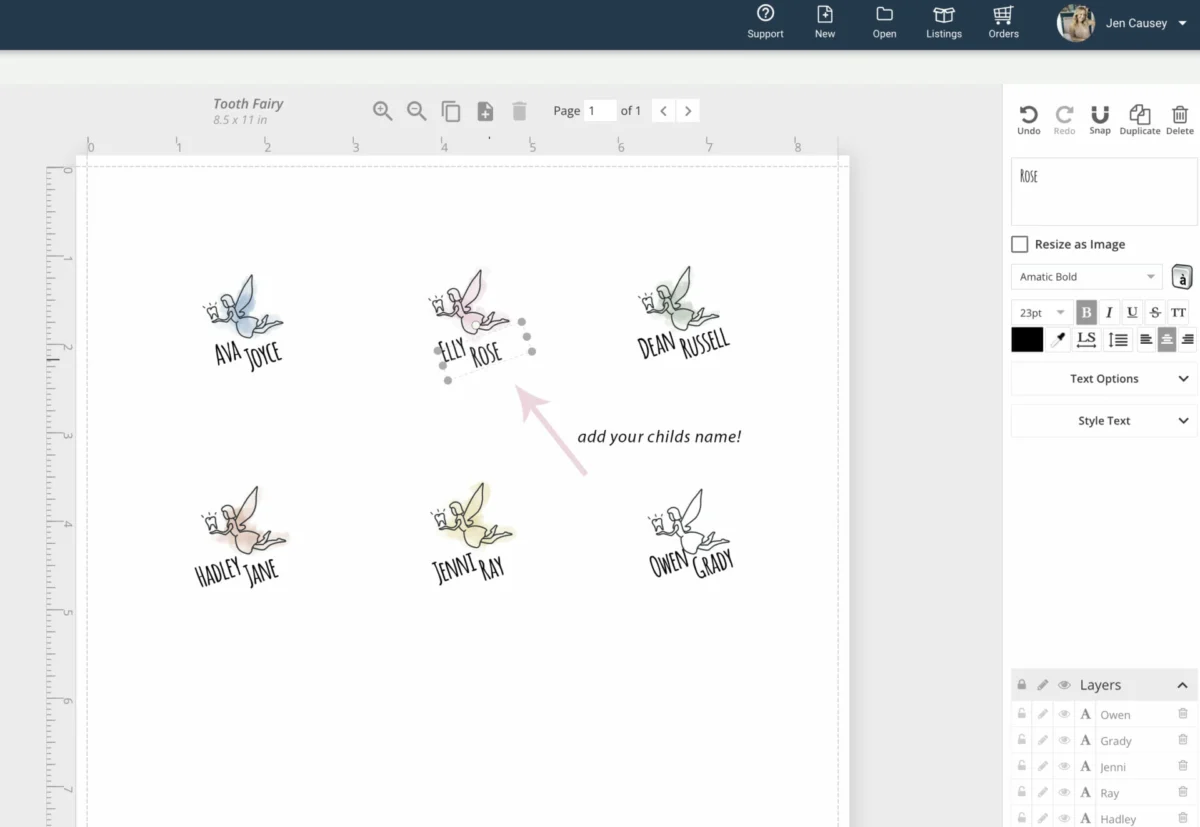
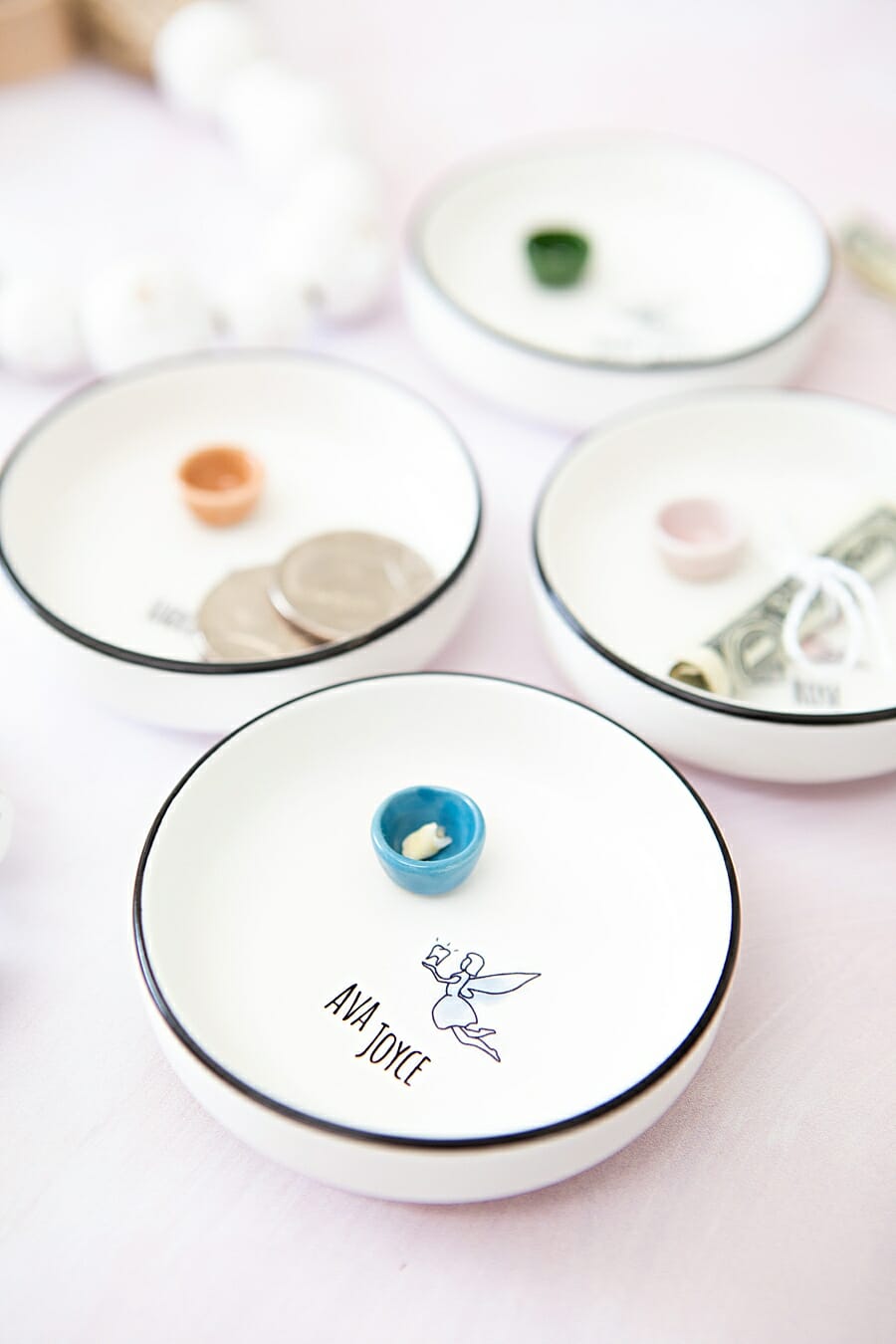
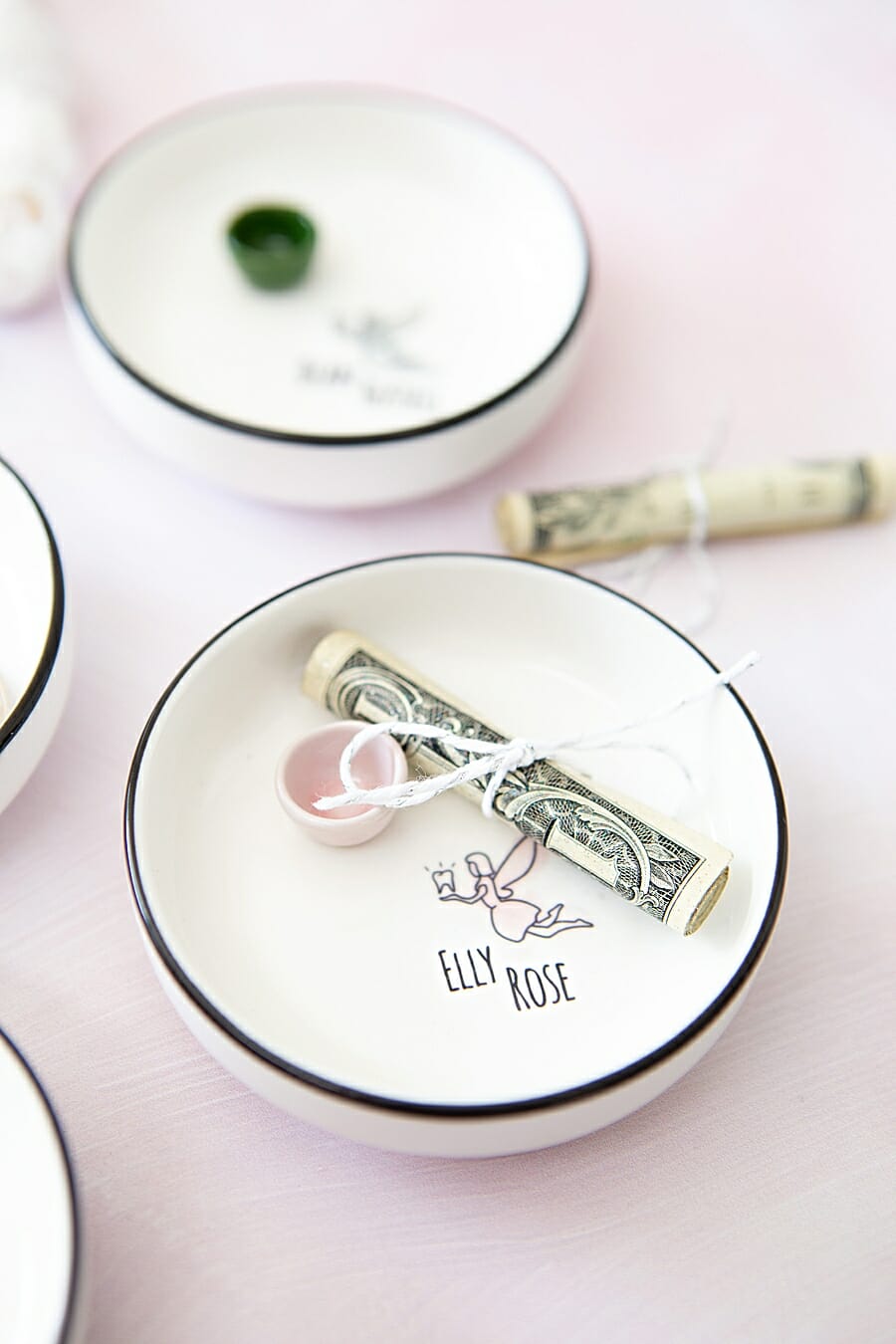
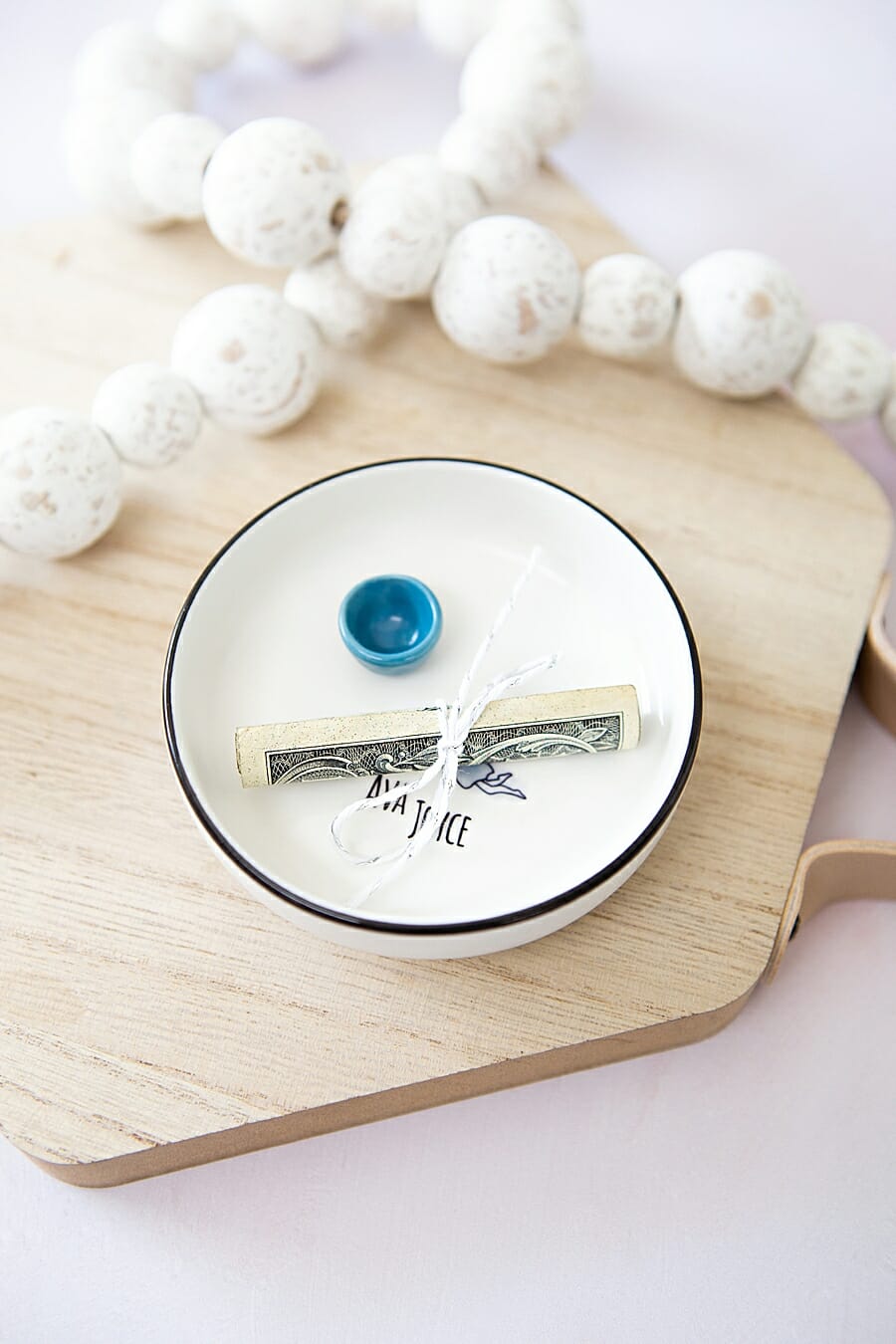
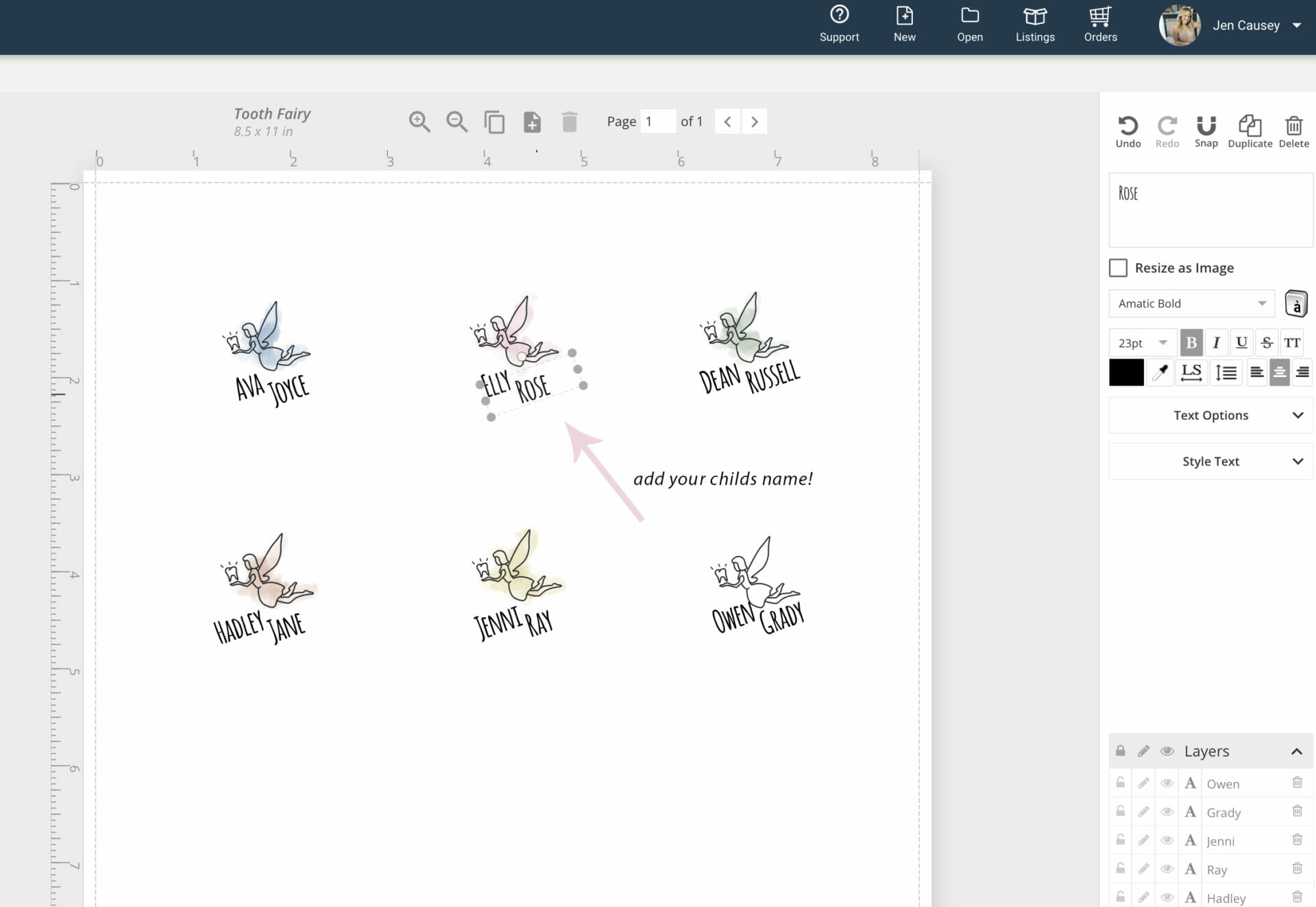
The creation of a personalized tooth fairy dish involves a sophisticated multi-step process that leverages both digital software and physical assembly. The process begins with the procurement of specific materials, typically sourced from global e-commerce platforms such as Amazon. Key components include ceramic sauce dishes and miniature dollhouse bowls, which are utilized to create a tiered or "nested" aesthetic. The primary innovation in this project lies in the use of Corjl, a digital editing platform that allows users to customize graphics—specifically "tooth fairy" decals—with names and preferred color palettes before printing.
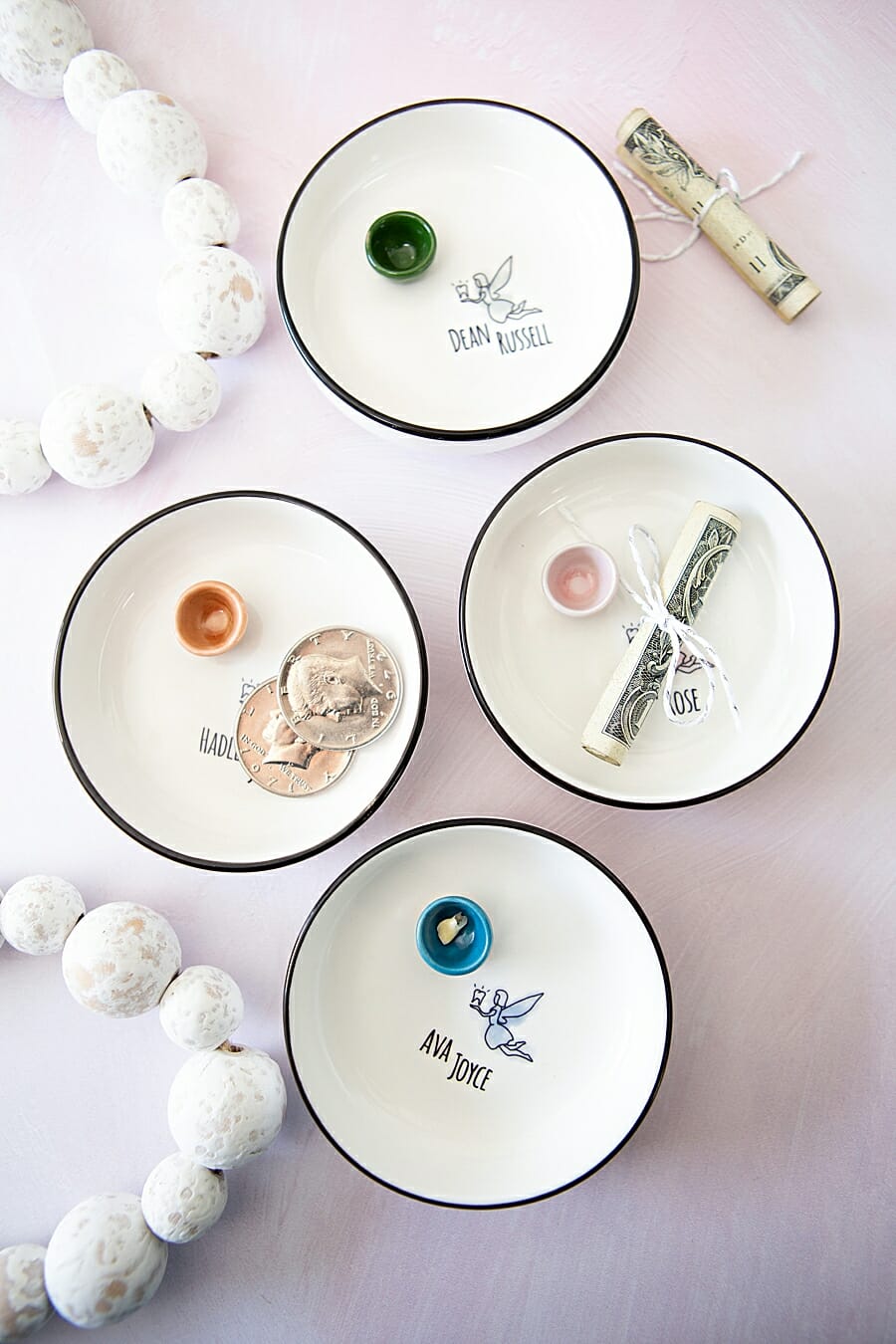
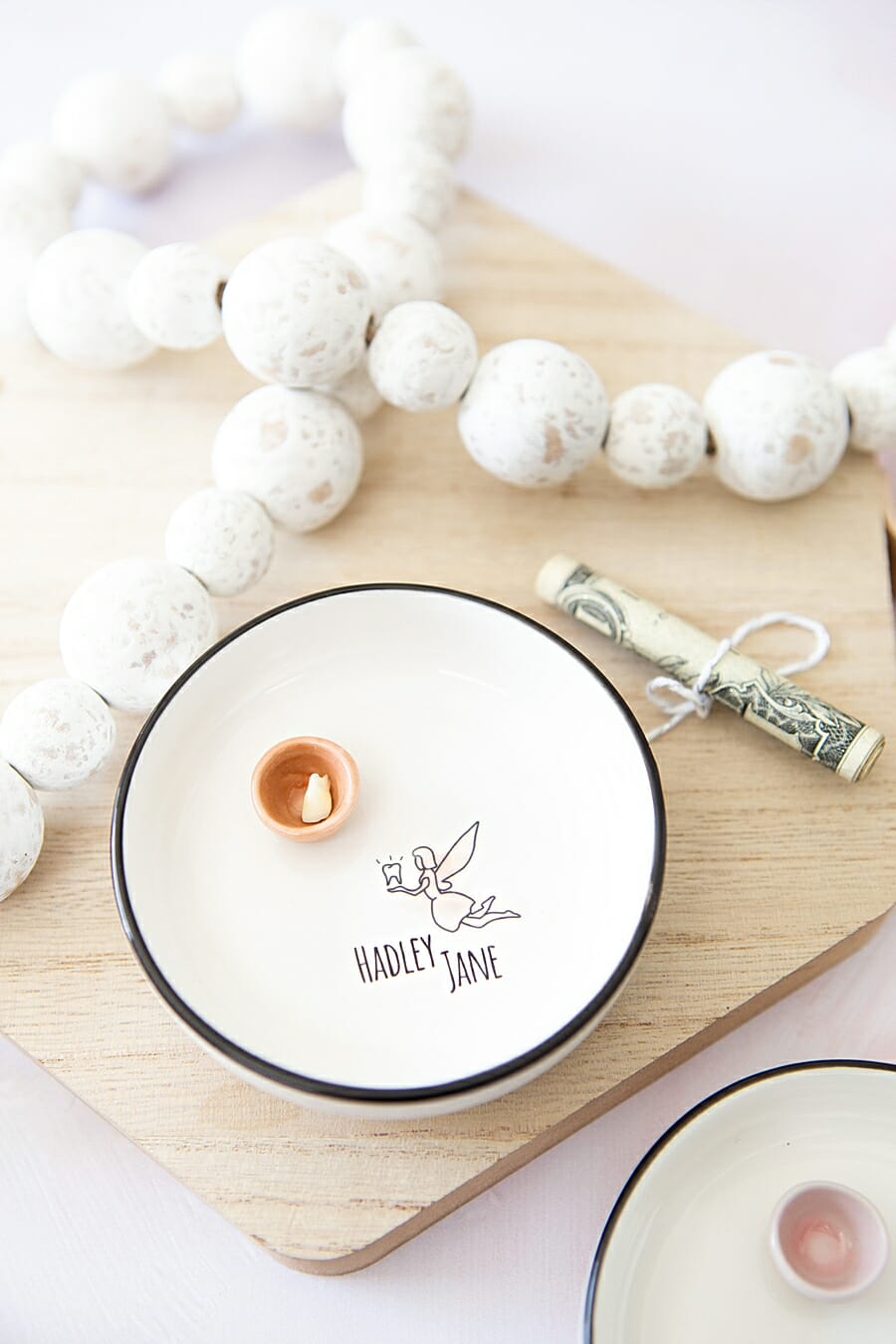
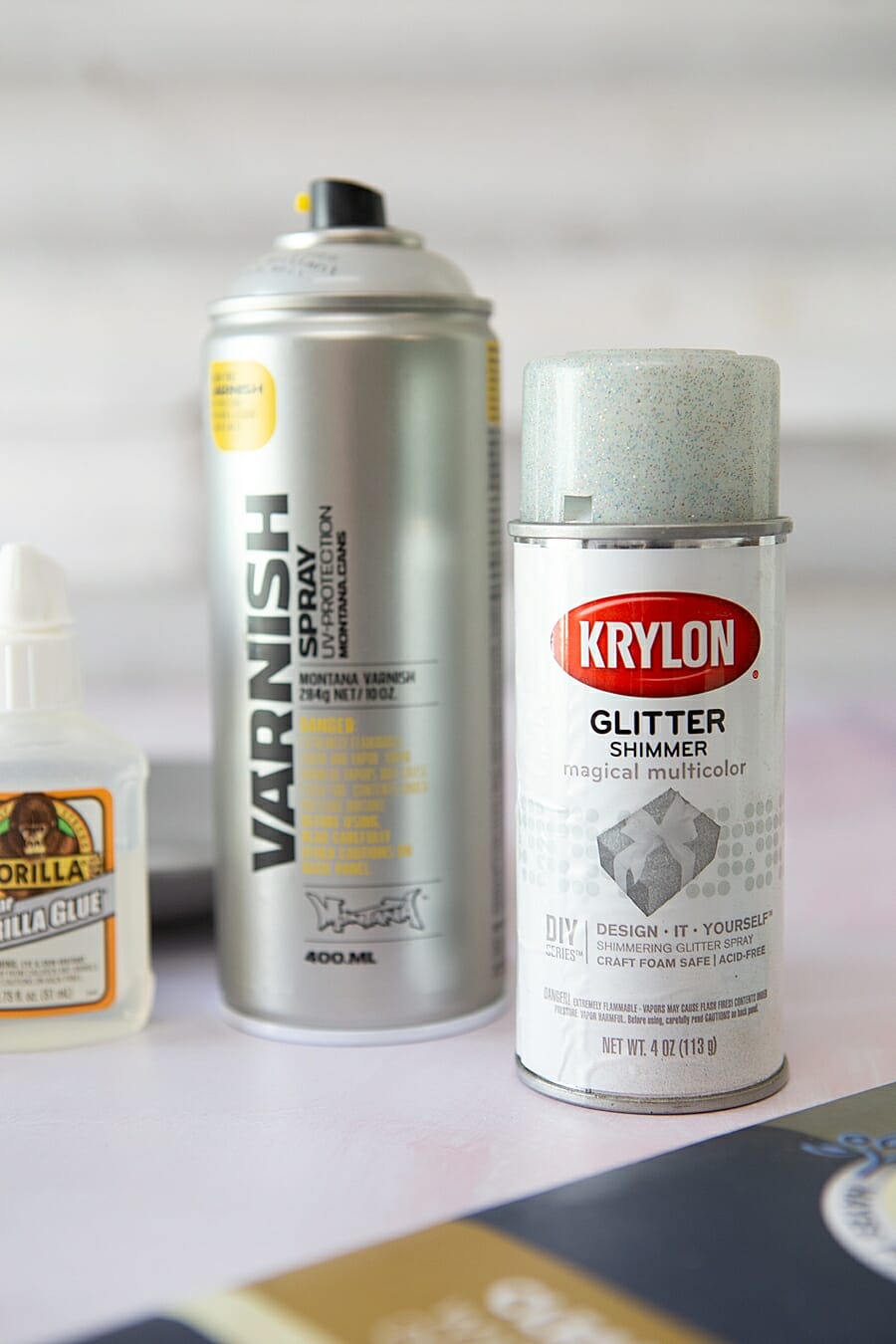
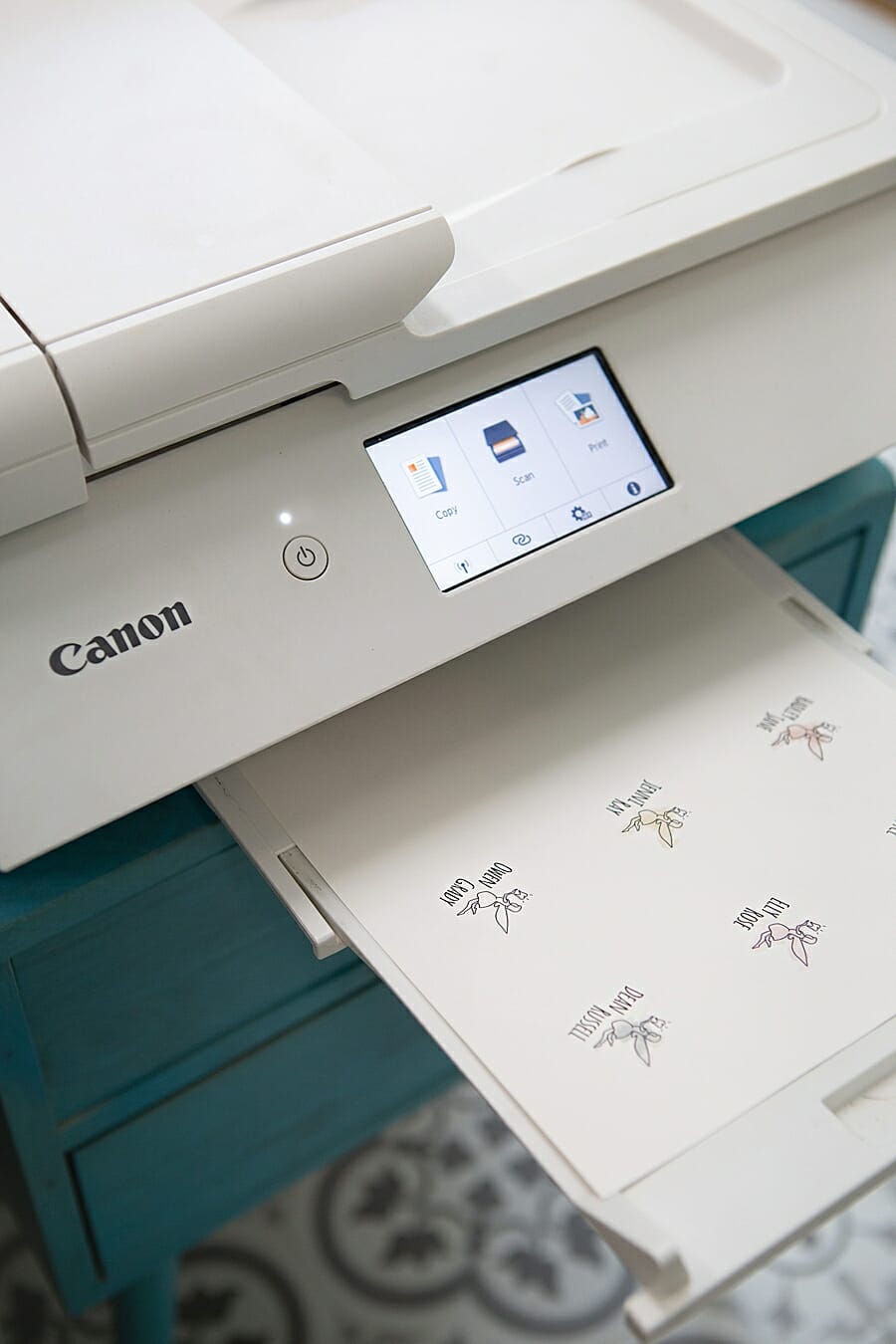
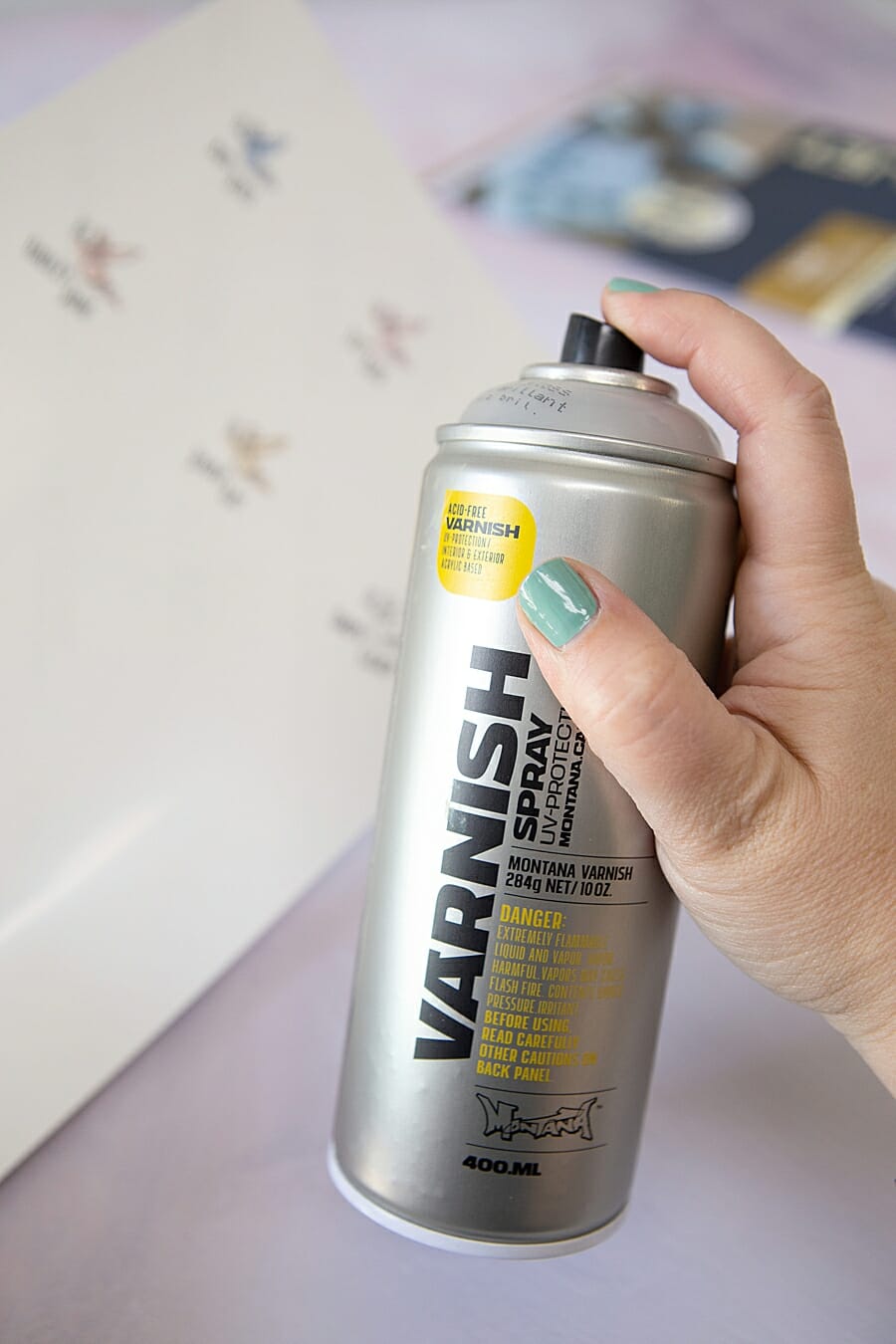
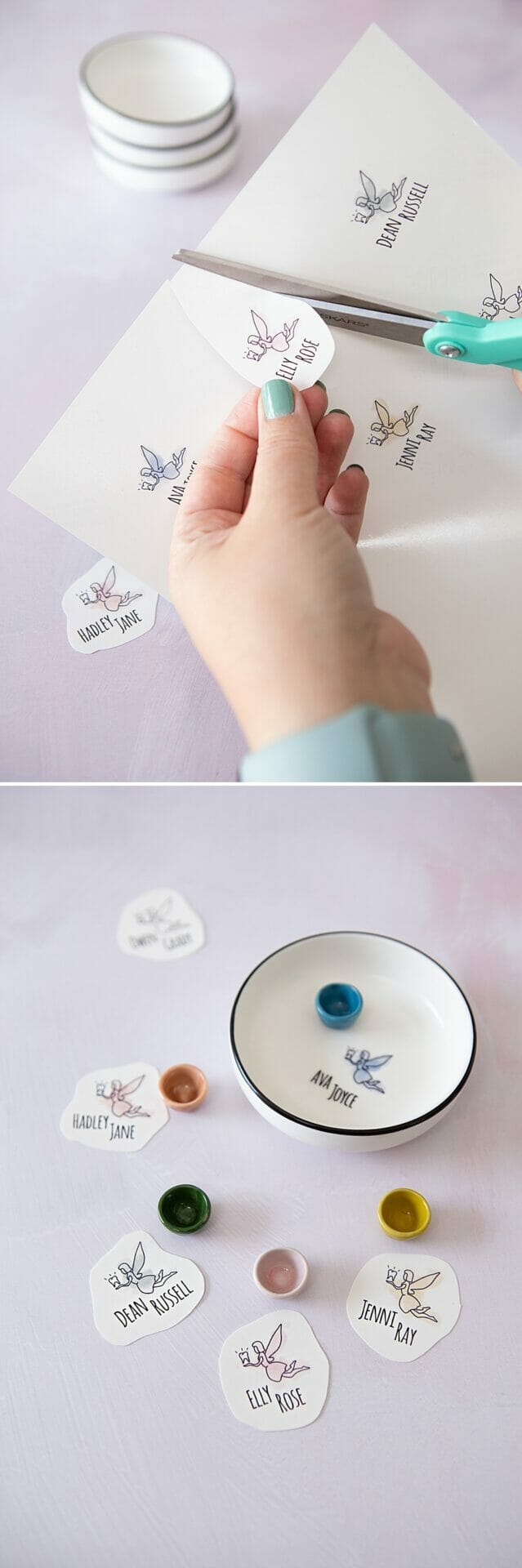
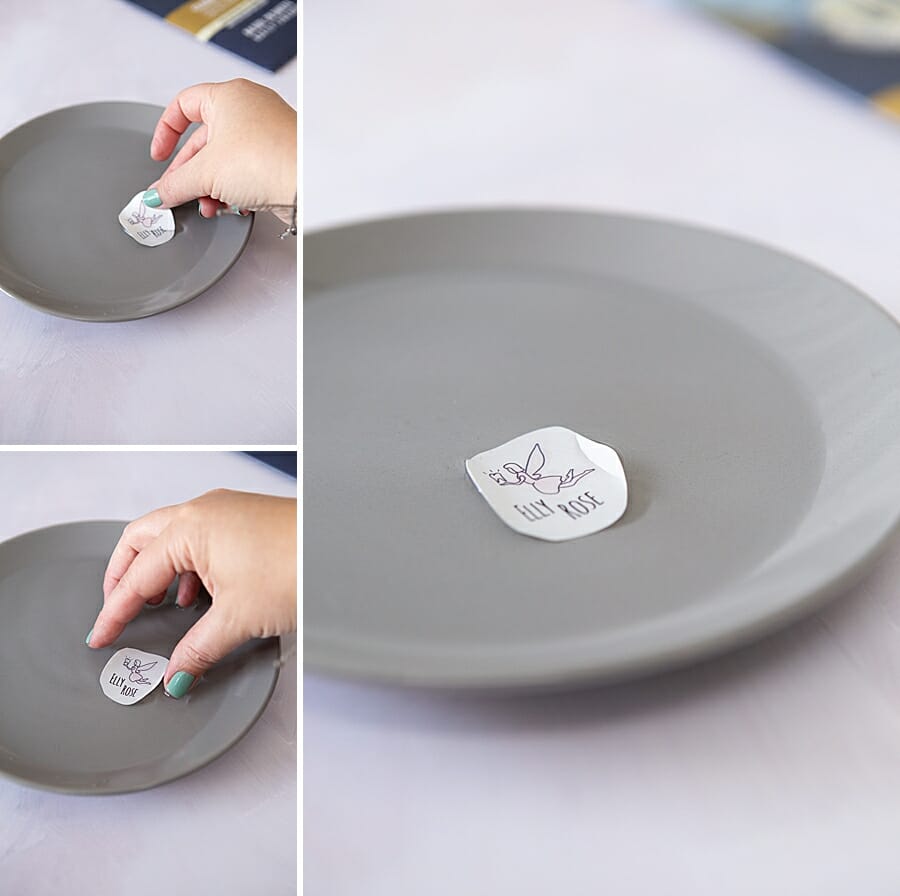
Once the design is finalized, it is printed onto inkjet waterslide paper, a medium that acts as a temporary carrier for high-resolution graphics. To ensure the longevity of the decal, the printed design must be treated with a clear varnish, such as those produced by Montana, to seal the ink against moisture and friction. The application phase requires a precise "soak and slide" technique: the decal is submerged in water for approximately 30 seconds until the backing becomes saturated, allowing the thin polymer film to be transferred onto the ceramic surface. This technique, while common in model-making and industrial prototyping, has found a new niche in the domestic "milestone" market. The final assembly involves the use of high-strength adhesives, such as Gorilla Glue, to bond the dollhouse bowl to the larger sauce dish, creating a stable, specialized container for the child’s primary teeth.
Historical Context: The Transformation of the Tooth Fairy Legend
To understand the rise of specialized vessels like the tooth fairy dish, one must examine the historical trajectory of the tooth fairy myth. Unlike the ancient origins of Santa Claus or Easter traditions, the modern iteration of the Tooth Fairy is a relatively recent phenomenon, gaining widespread cultural traction in the early 20th century. However, the ritual of disposing of "baby teeth" dates back centuries and spans numerous cultures. In some traditions, teeth were buried to prevent them from falling into the hands of witches; in others, they were thrown onto roofs or fed to animals to ensure the permanent tooth would grow in strong.
The transition to the "pillow" method—where a tooth is placed under a child’s head in exchange for a coin—was a mid-century American development that synchronized with the rise of the middle class and the commercialization of childhood. In the 21st century, the move toward "dishes" reflects a broader societal shift toward organization and aesthetic curation. Proponents of the dish method argue that it reduces the physical disruption of a sleeping child, as the "fairy" (the parent) can easily access a bedside table rather than searching beneath a pillow. Furthermore, the personalization of these dishes aligns with the "memory-making" trend prevalent in modern social media culture, where every childhood milestone is documented and elevated through unique, photogenic artifacts.
Technical Analysis: Material Safety and Durability
The use of industrial-style materials in home-based crafting necessitates a rigorous look at safety and longevity. The DIY tooth fairy dish utilizes inkjet waterslide paper, which is a specialized substrate coated with a water-activated adhesive. While highly effective for aesthetic purposes, creators such as Jen Causey-Kidder of "Something Turquoise" emphasize that these items are strictly decorative. Because the decals are sealed with chemical varnishes and are not subjected to the high-heat firing process of professional kilns, they are classified as "not food safe" and "not dishwasher safe."

From a technical standpoint, the durability of the dish depends on the curing time of the materials. Adhesives like Gorilla Glue and the waterslide decals themselves require a minimum of 72 hours to reach full stability. While some industrial applications of waterslide decals allow for "oven curing" to increase adhesion to ceramics, the domestic version of this project typically relies on air-drying to avoid the risks associated with heating non-food-grade varnishes in home ovens. This distinction is critical for parents to understand, as the dish is intended solely for the containment of dry objects—specifically teeth and currency—rather than consumables.
Economic Impact and the DIY Market Trend
The rise of projects like the personalized tooth fairy dish is indicative of a larger economic trend within the DIY (Do-It-Yourself) and "maker" movement. According to market research, the global handicrafts market reached a value of approximately $750 billion in 2023, with a significant portion of that growth driven by the "personalized gift" segment. Platforms like Corjl and Etsy have democratized the design process, allowing independent creators to sell digital templates that consumers then manufacture at home.
This "phygital" (physical plus digital) retail model reduces overhead for designers while empowering parents to take an active role in the production of childhood memorabilia. The specific use of dollhouse miniatures—a market traditionally reserved for hobbyists—in a mainstream parenting project highlights the cross-pollination of niche industries. By repurposing sauce dishes and dollhouse accessories, the project creates a high-perceived-value item from relatively low-cost bulk components, a hallmark of the modern "craft-hack" economy.
Inferred Reactions and Parental Sentiment
While official statements from child development experts on "tooth fairy dishes" are sparse, the reaction from the parenting community can be inferred from the high engagement levels on social media platforms like Instagram and Pinterest. The primary sentiment appears to be one of "functional magic." Parents are increasingly looking for ways to maintain the whimsy of childhood traditions while mitigating the practical stresses associated with them. The "tooth fairy dish" addresses the common parental anxiety of "losing the tooth" in the bedsheets or failing to make the "switch" without waking the child.
Furthermore, the trend of "glitter money"—adding aesthetic value to the currency left by the fairy—complements the dish project. Whether through the use of glitter spray on dollar bills or the polishing of silver half-dollars, the emphasis is on the "experience" of the discovery. This suggests that the modern parent views themselves not just as a guardian, but as a "curator of childhood wonder," where the physical objects associated with a legend are as important as the legend itself.
Broader Implications for Child Development and Rituals
Rituals play a crucial role in child development, providing a sense of security and marking the passage of time. The loss of a tooth can be a frightening experience for a young child, involving blood and the physical loss of a body part. The creation of a dedicated, personalized vessel for this transition helps to reframe the event as a celebratory milestone. By involving the child in the "magic" (even if the child is unaware of the DIY process), parents are reinforcing the importance of personal growth and the rewards of maturity.
As digital technology continues to integrate with traditional home life, the "DIY Tooth Fairy Dish" stands as a prime example of how modern tools are being used to preserve and enhance age-old domestic customs. The shift from a simple pillow to a personalized, multi-component ceramic display reflects a more complex, design-conscious approach to parenting in the digital age. It is a testament to the enduring power of folklore and the human desire to anchor intangible stories in tangible, handcrafted objects. In the coming years, it is likely that more childhood traditions will undergo similar transformations, as parents leverage global supply chains and digital design platforms to create a more bespoke upbringing for the next generation.