


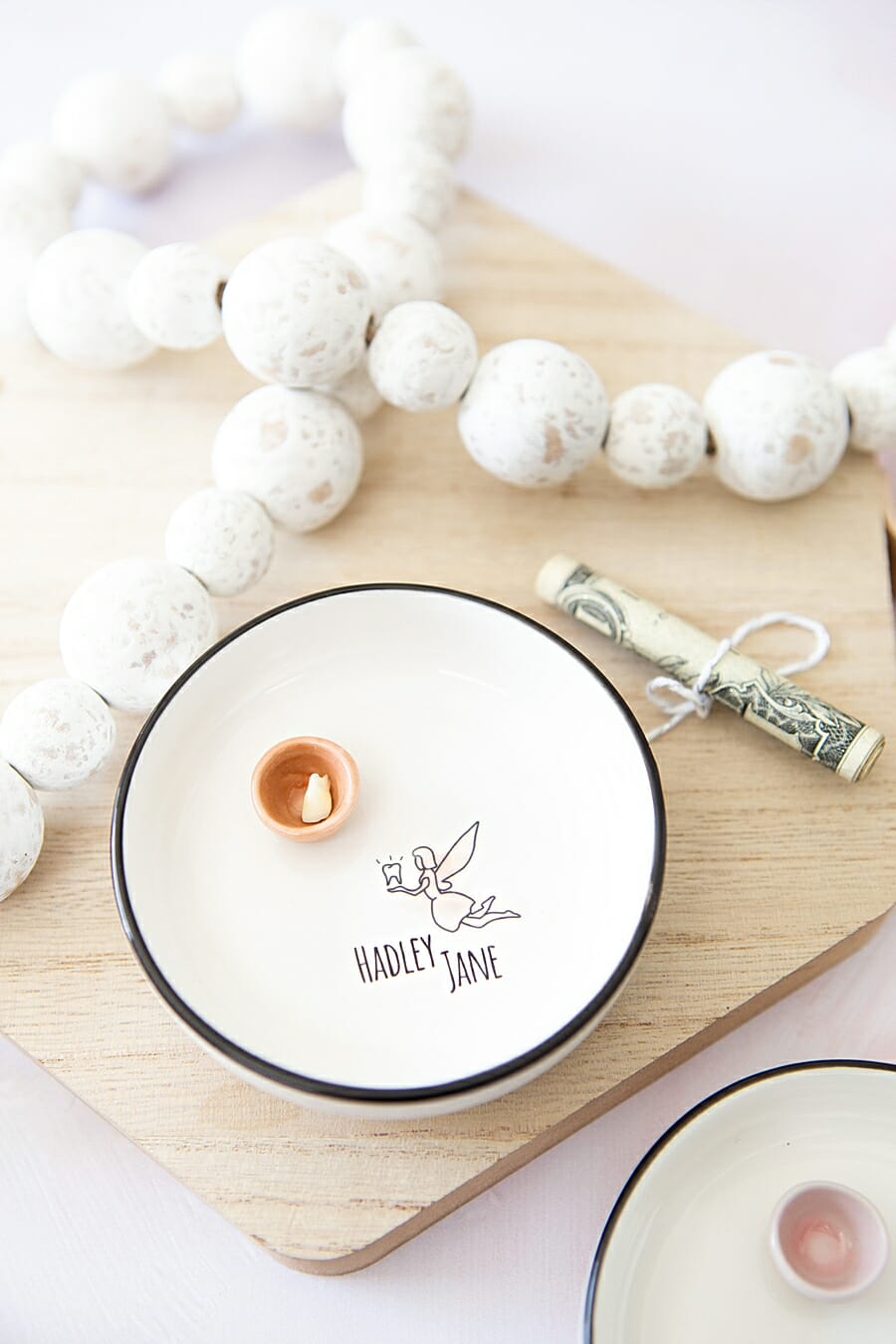
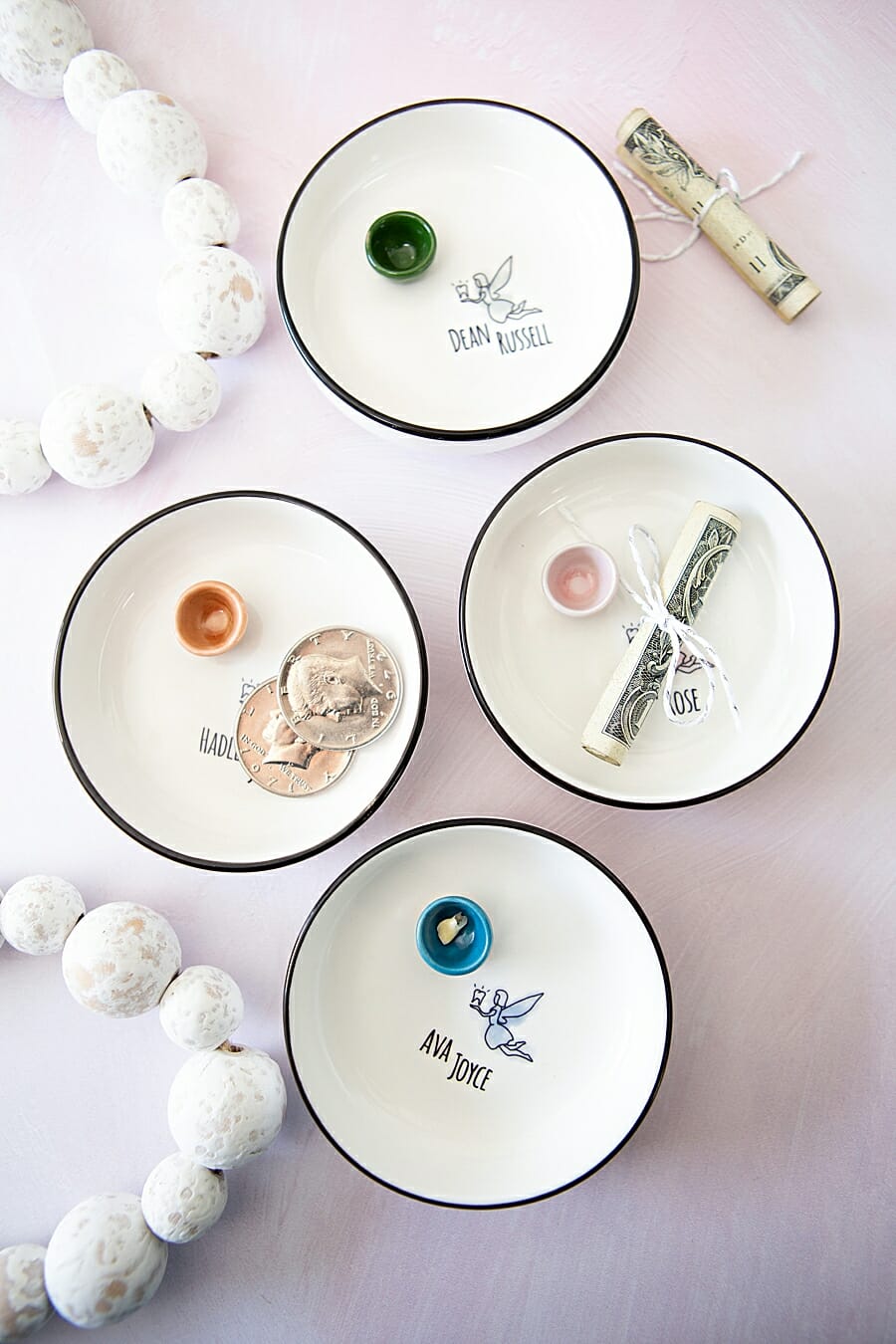
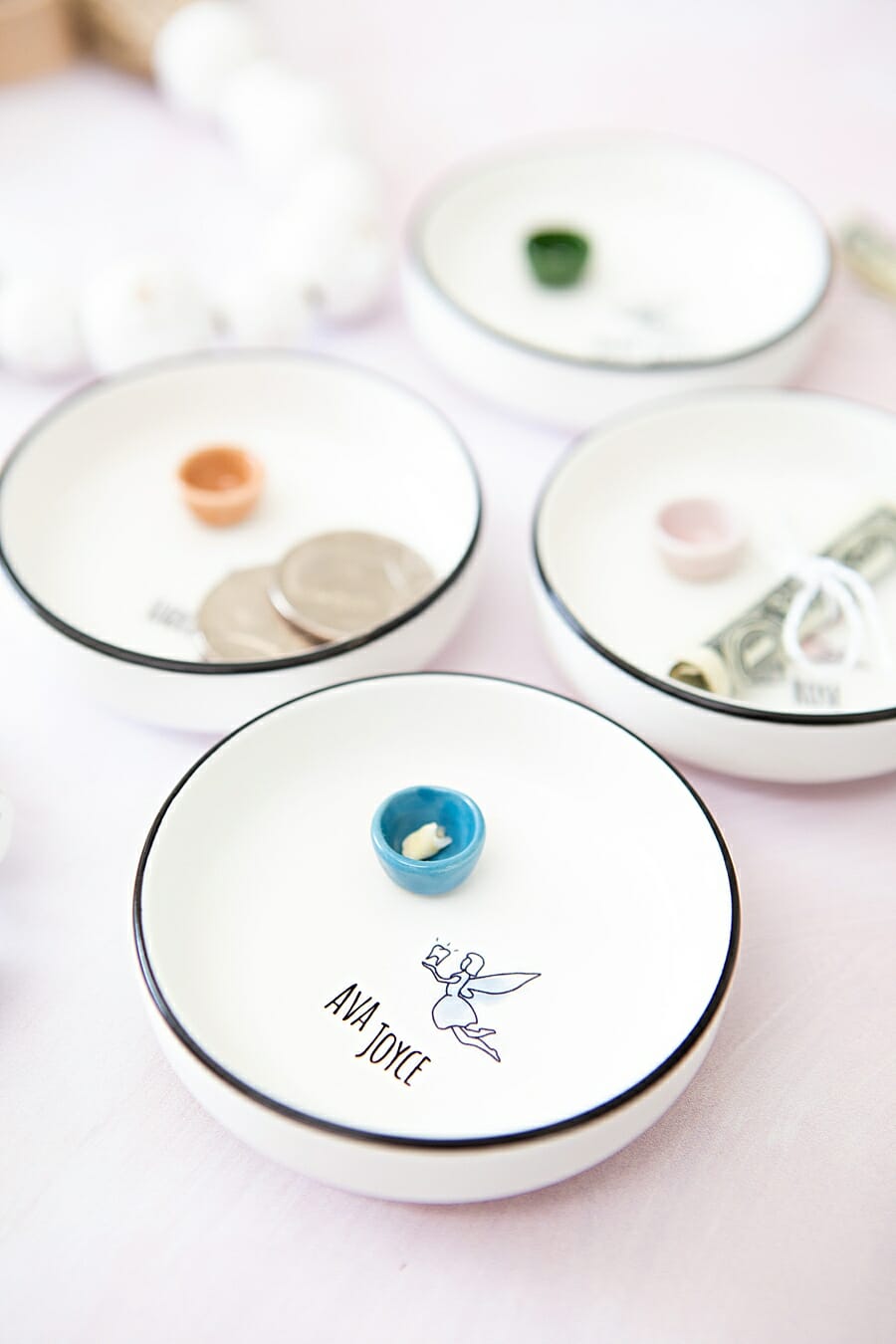
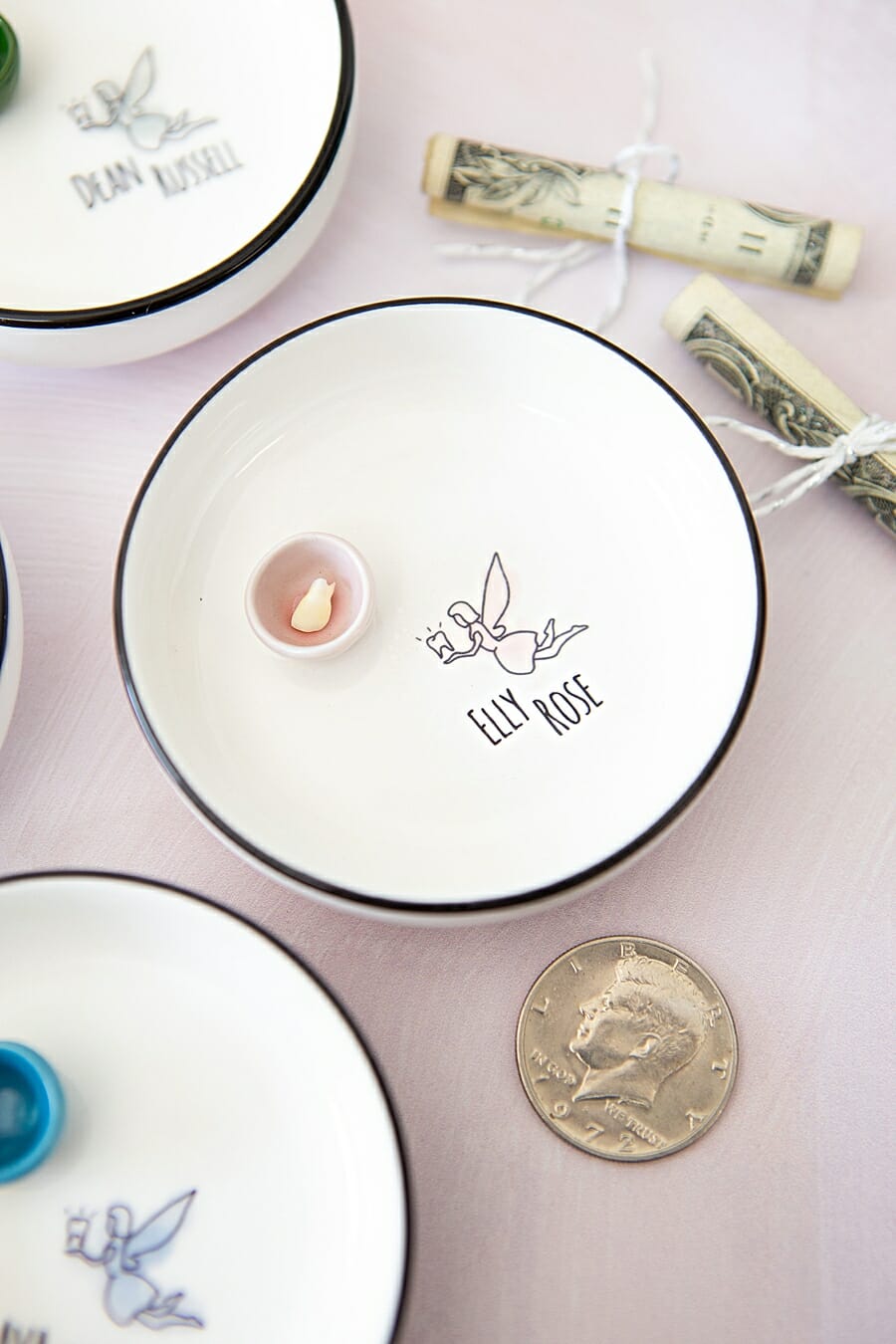
The evolution of childhood milestones has increasingly moved toward personalized, tangible artifacts, as evidenced by a burgeoning trend in bespoke domestic crafts that replace traditional soft-good items like the "tooth fairy pillow" with durable, customized ceramic vessels. This shift represents a broader intersection of digital design, home-based manufacturing technology, and the "milestone economy," where parents utilize specialized materials such as waterslide decal paper and cloud-based editing software to create heirloom-quality items for their children. The project, recently highlighted by craft specialist Jen Causey-Kidder of Something Turquoise, utilizes a combination of miniature dollhouse components and standard ceramic sauce dishes to create a tiered, personalized pedestal for the storage of primary teeth and the subsequent delivery of monetary rewards.
The Socio-Economic Context of Childhood Traditions
The legend of the Tooth Fairy, while deeply ingrained in Western culture, has undergone significant transformations over the last century. Historically, the ritual involved the simple exchange of a lost tooth for a small coin, often facilitated by placing the tooth under a pillow. However, market data suggests a growing consumer preference for "experience-based" parenting, where the ritual is augmented by visual and tactile elements. According to the 2023 Delta Dental Tooth Fairy Poll, the average value of a single lost tooth in the United States reached a record high of $6.23, a figure that reflects not only inflation but the increasing importance placed on these developmental markers.
As the monetary value of the exchange increases, so too does the demand for sophisticated presentation. The move from a fabric pillow to a personalized ceramic dish addresses several logistical concerns, including the ease of locating small items in a dark room and the preservation of the tooth for parents who choose to keep them as mementos. This trend is supported by the rise of "DIY" (Do-It-Yourself) culture, which has grown into a multi-billion dollar industry driven by platforms like Etsy and Instagram, where aesthetic presentation is paramount.
Technical Specifications and Material Analysis
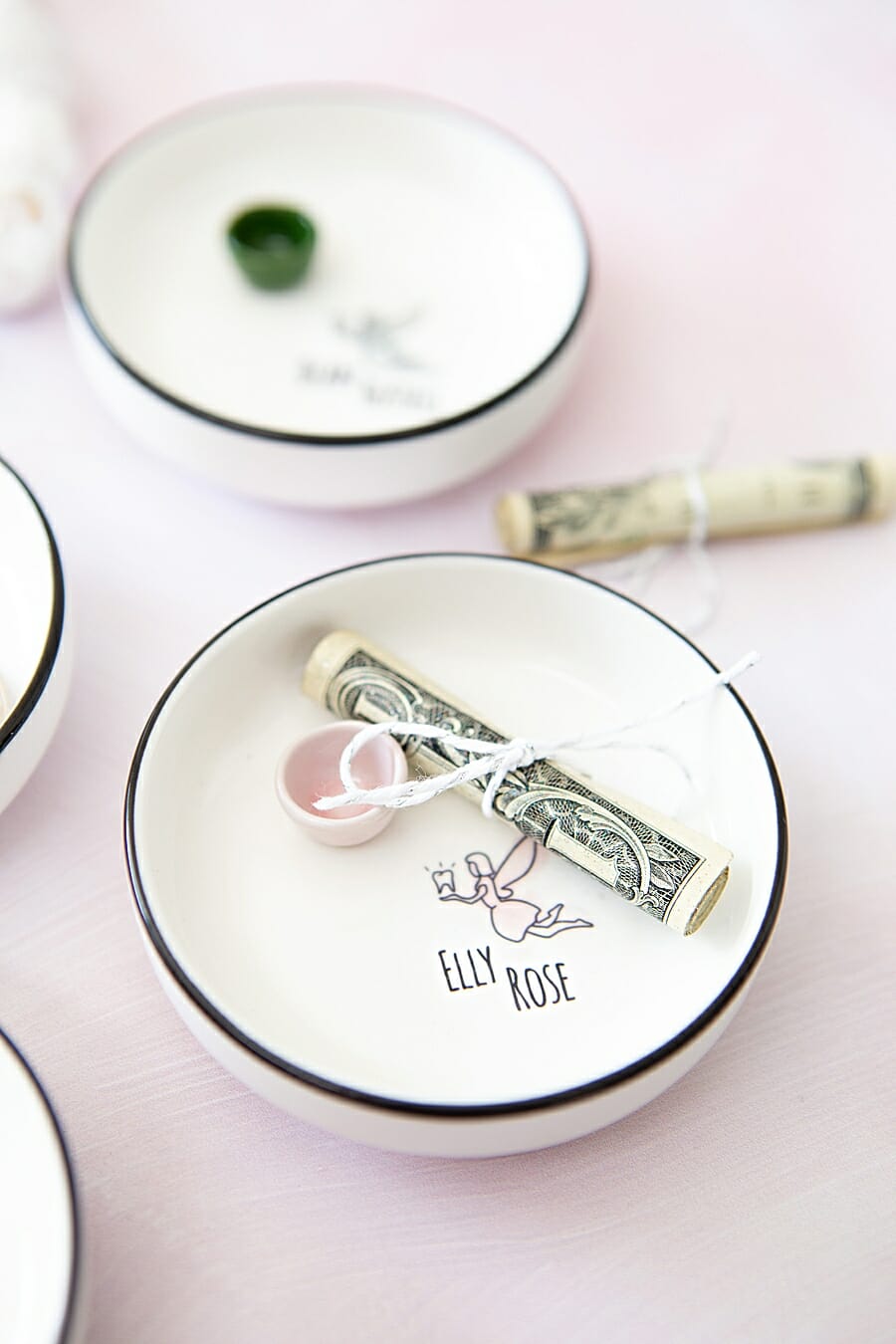
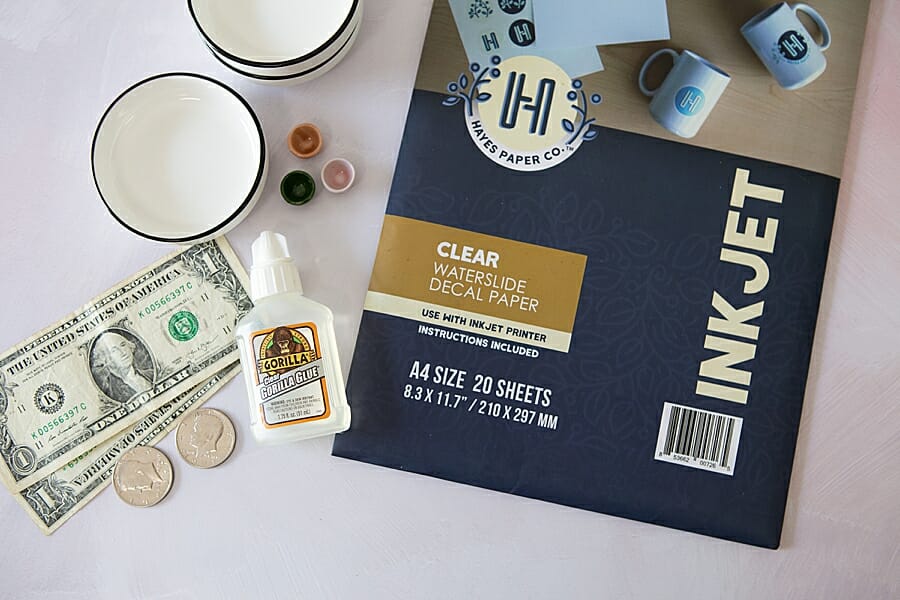
The construction of these personalized dishes relies on specific chemical and mechanical properties of modern crafting materials. The primary components include miniature dollhouse bowls, typically crafted from resin or plastic, and ceramic sauce dishes. The integration of these two disparate scales creates a "pedestal" effect, elevating the tooth for visibility.
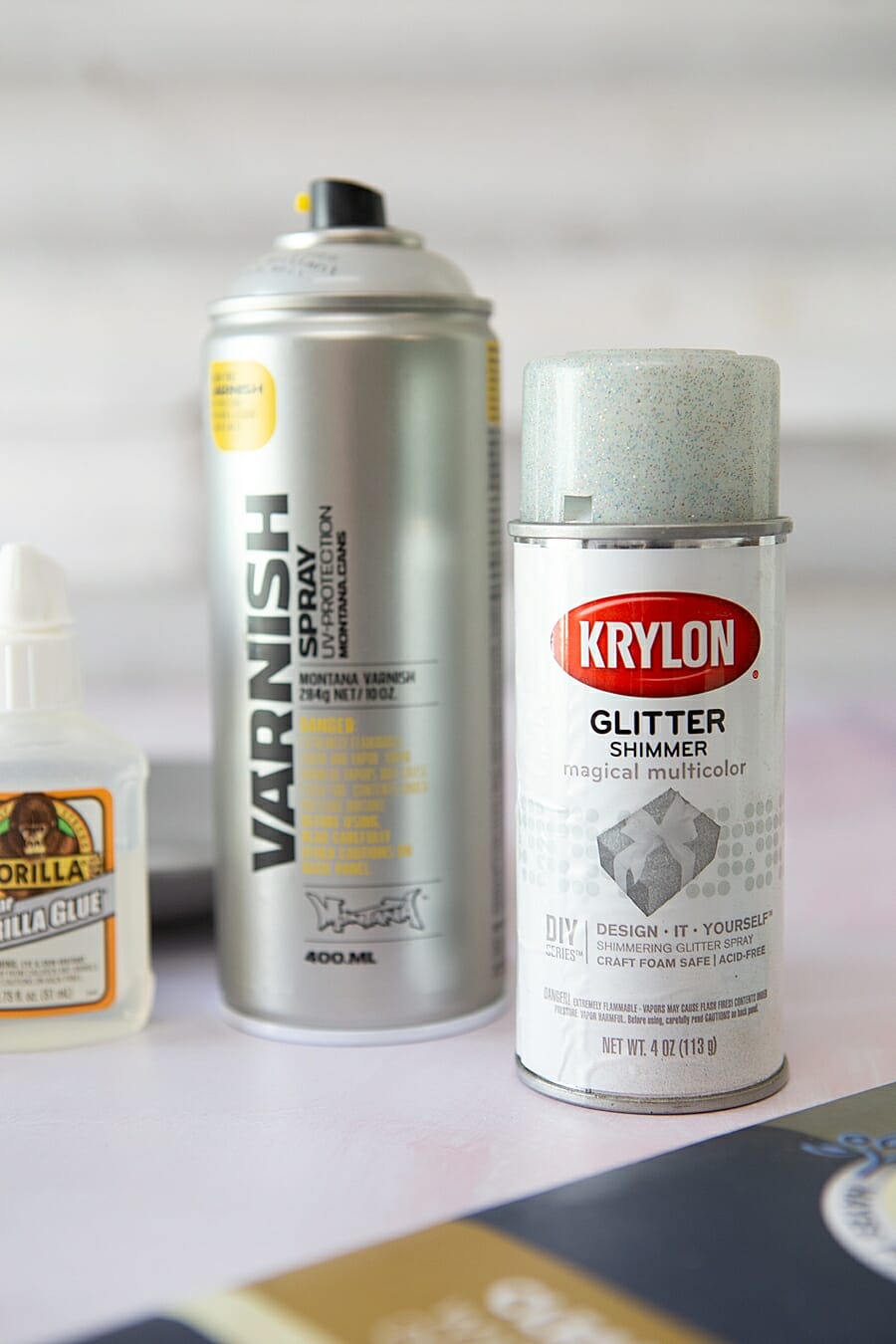
A critical technological component of this process is the use of inkjet waterslide paper. This material consists of a water-soluble adhesive layer on a paper backing, topped with a thin, flexible polymer membrane. When printed with standard inkjet ink, the membrane captures the high-resolution digital design. However, because inkjet ink is water-soluble, the application of a clear acrylic varnish—such as Montana Varnish—is required to seal the ink before the decal is submerged. This chemical sealing process ensures that the design remains intact when transferred to the ceramic surface.
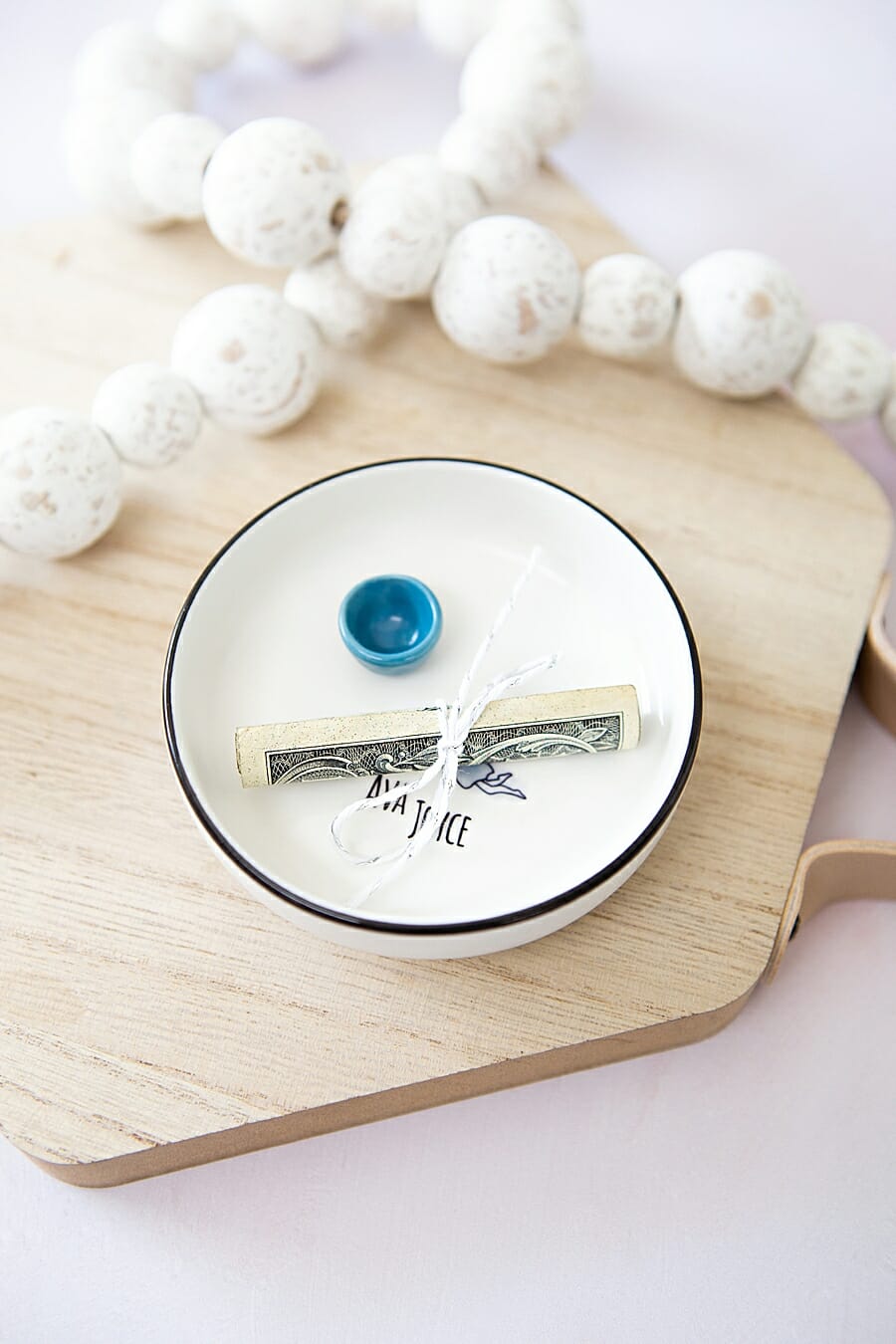
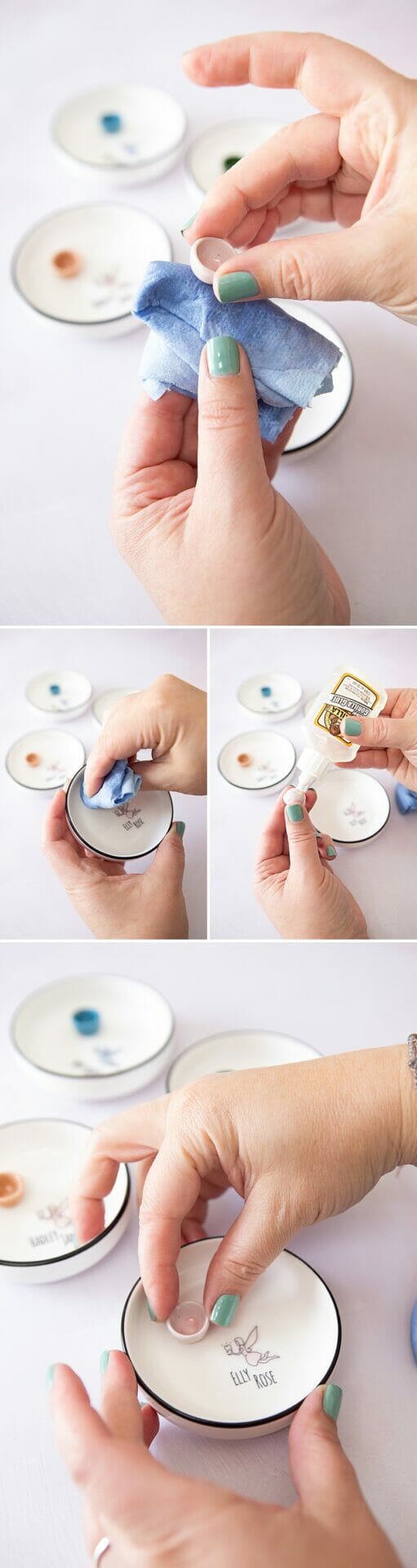
The assembly process utilizes polyurethane or cyanoacrylate-based adhesives, such as Gorilla Glue, to bond the miniature bowl to the sauce dish. This creates a permanent structural bond capable of withstanding the light handling associated with the ritual. Notably, the finished products are classified as decorative items rather than food-grade ceramics. The presence of non-food-safe varnishes and adhesives necessitates a clear distinction in usage; these vessels are intended strictly for the storage of inorganic or dry biological materials (teeth) and currency.
Chronological Manufacturing Process
The production of a personalized tooth fairy dish follows a precise five-stage workflow, transitioning from digital design to physical curing.
Phase I: Digital Personalization
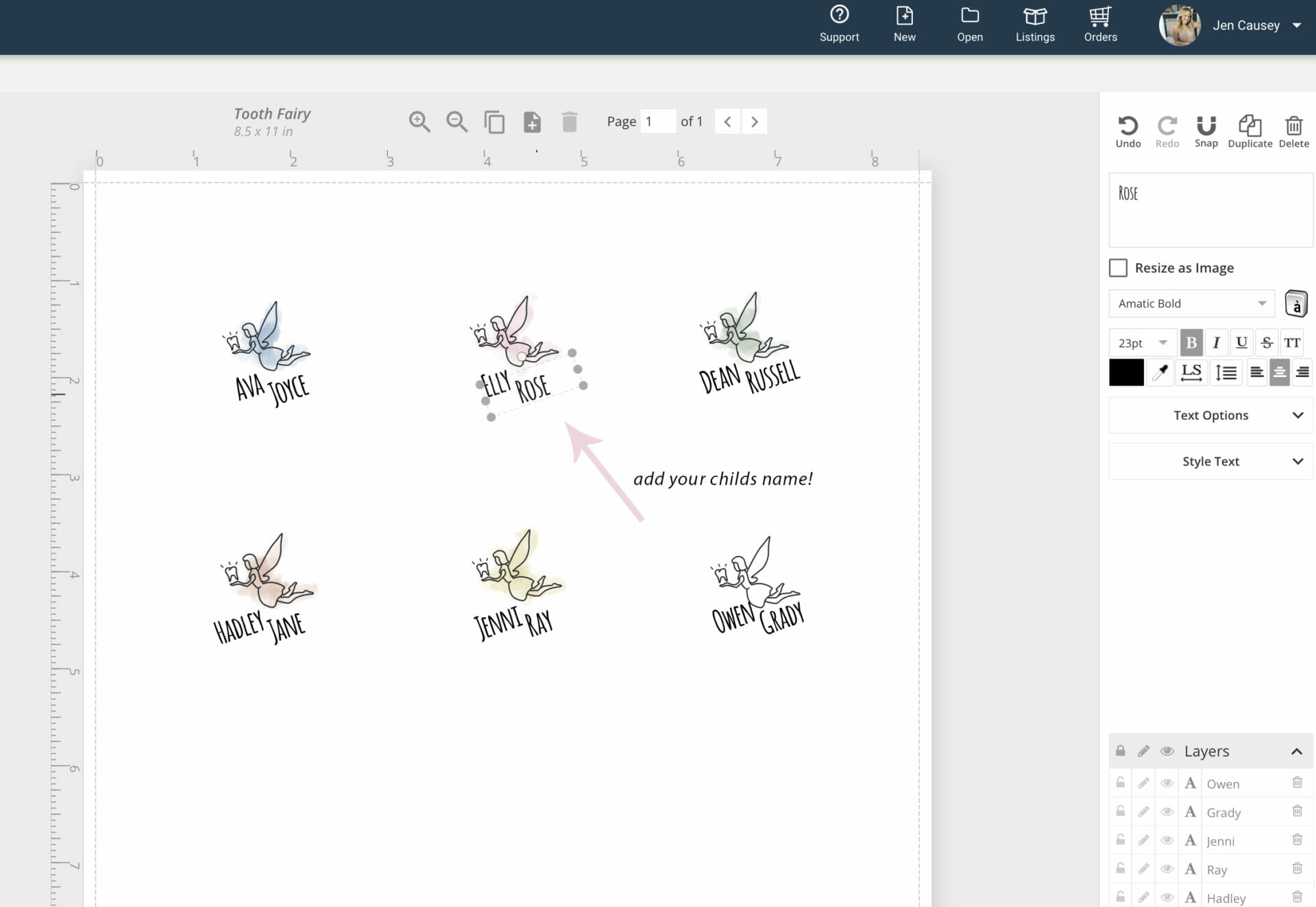
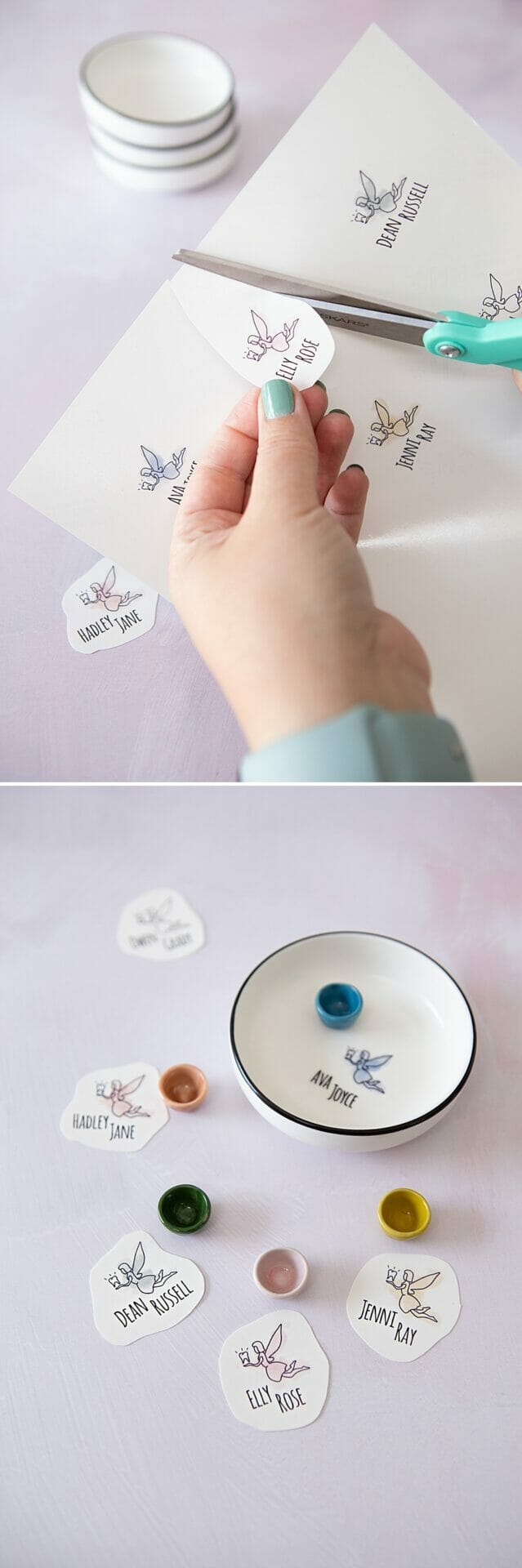
Users engage with cloud-based design platforms, such as Corjl, to access pre-formatted templates. These templates allow for the input of specific names and the selection of color palettes (typically green, peach, pink, blue, and yellow) to match the physical dollhouse bowls. The use of specific typography, such as Amatic Bold, maintains a consistent aesthetic across the project.
Phase II: Printing and Chemical Sealing
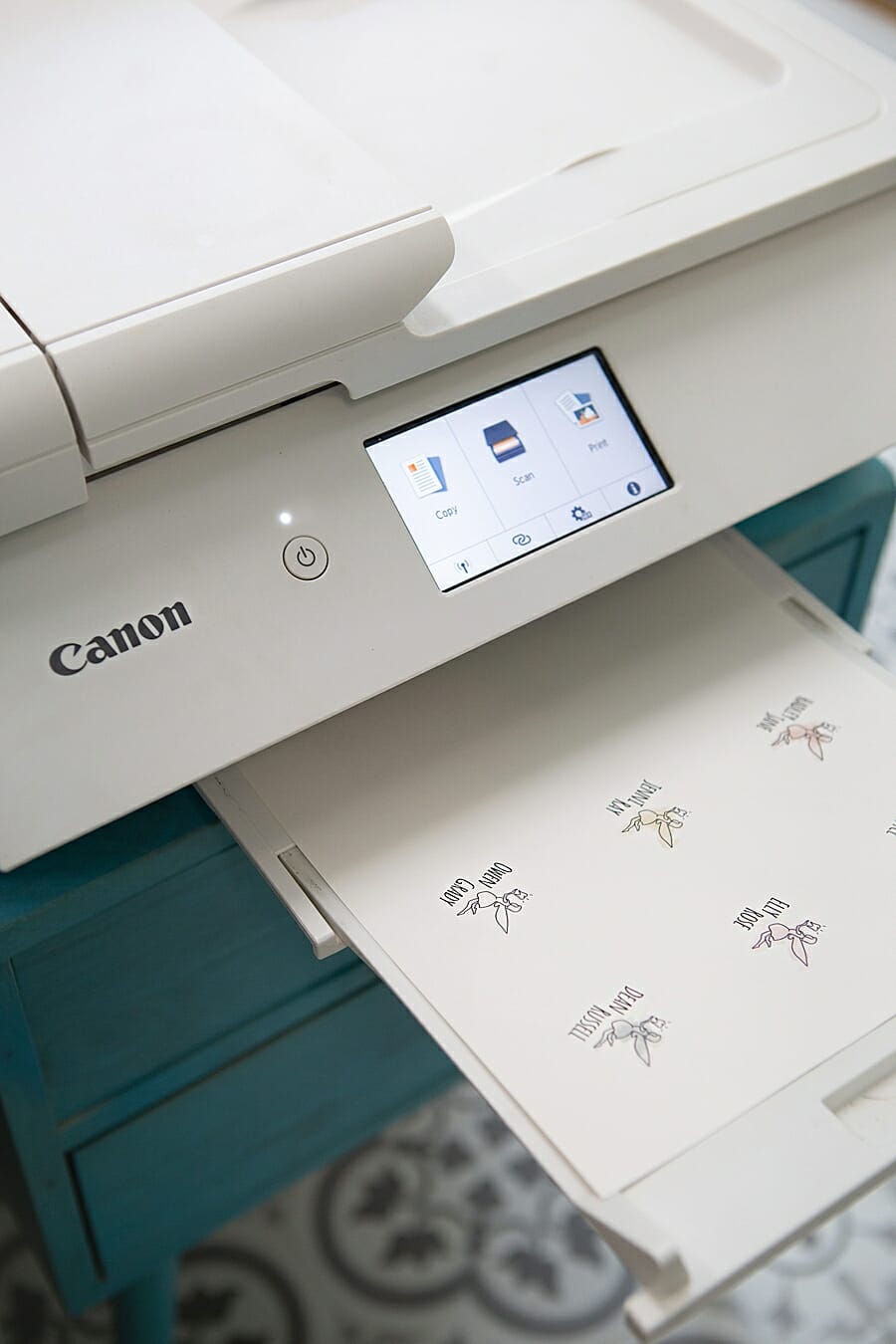
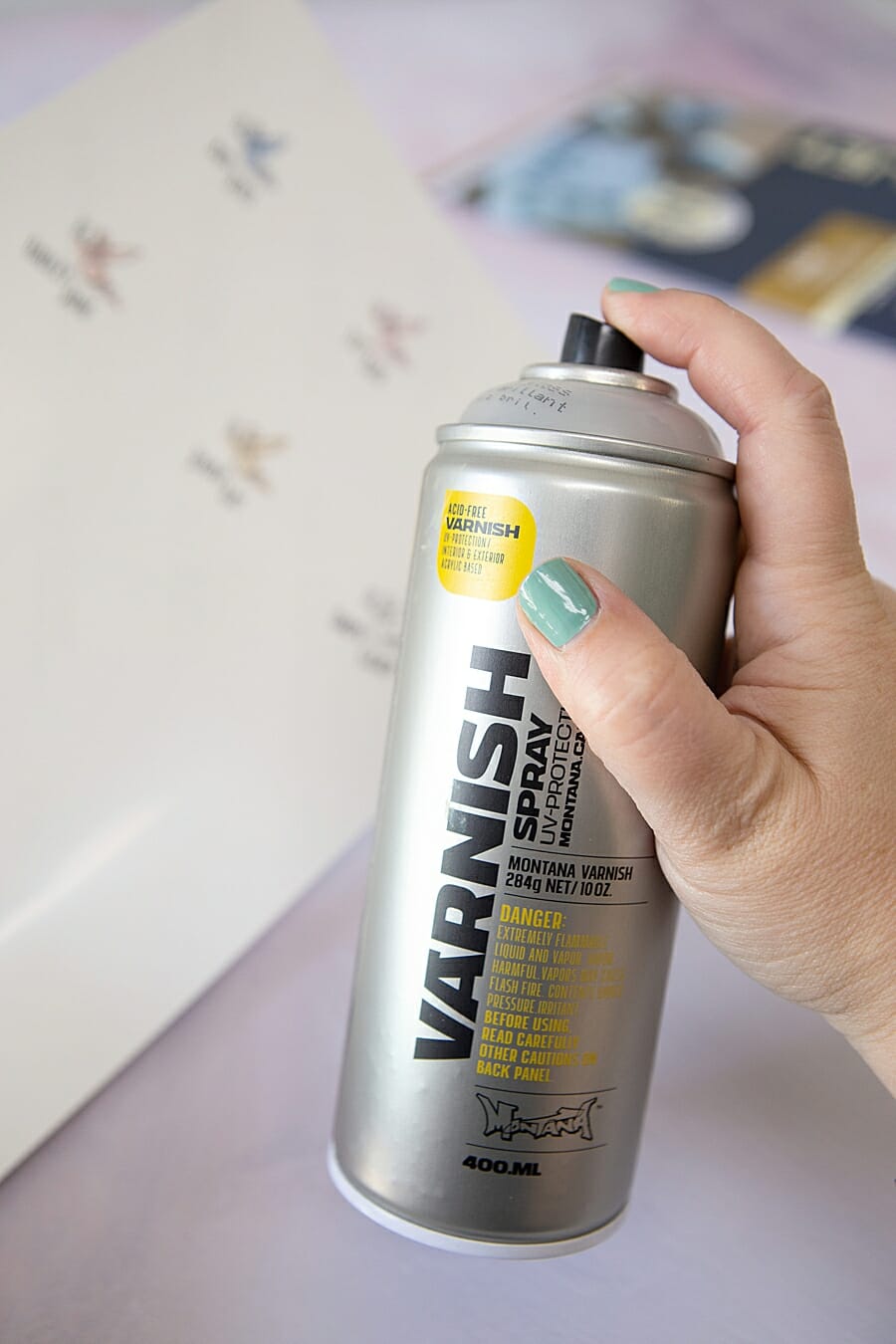
Once the digital file is finalized, it is printed onto inkjet waterslide paper using a high-quality photo setting. To prevent the ink from bleeding during the water-transfer stage, the paper must be treated with multiple coats of clear varnish. Industry standards suggest a minimum of three light coats, with brief drying intervals between applications, followed by a final curing period in a dry, sunlit environment.
Phase III: Decal Transfer
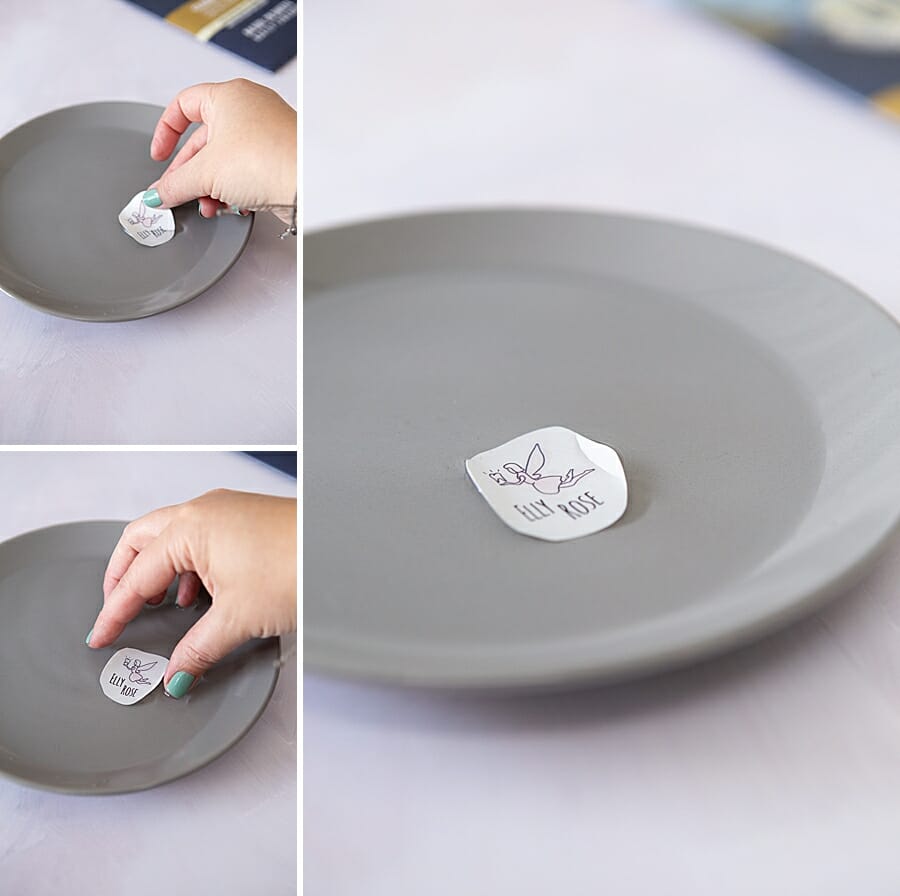
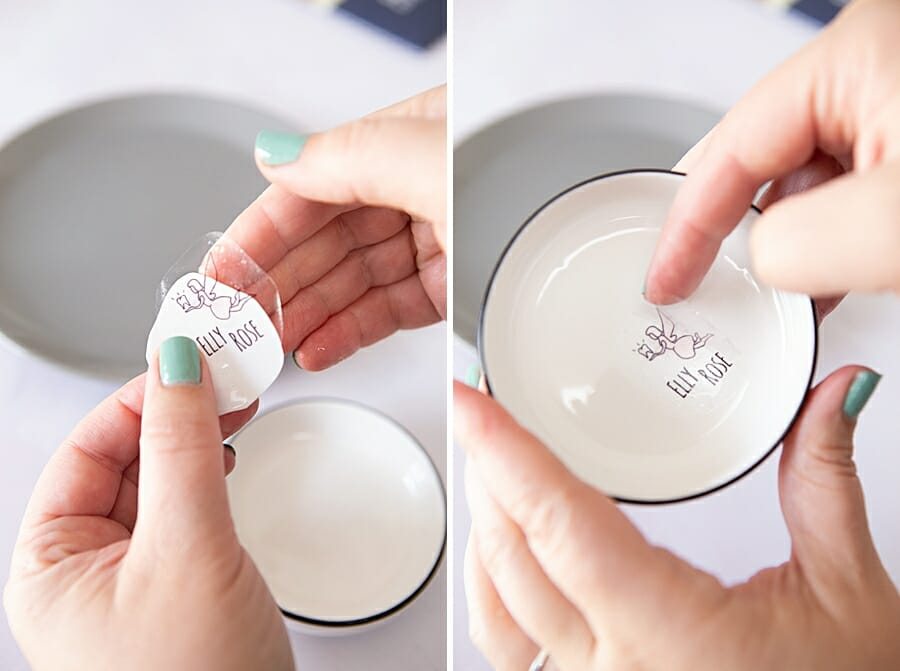
The sealed design is trimmed to size, leaving a narrow margin around the print. The decal is then submerged in room-temperature water for approximately 30 seconds. This duration allows the water-soluble adhesive to soften, enabling the polymer membrane to slide freely from the paper backing. The decal is then carefully positioned on the interior of the ceramic dish, where air bubbles and excess moisture are smoothed out.
Phase IV: Structural Assembly
The base of the dollhouse bowl and the center of the sauce dish are prepared for bonding. Using a moisture-activated adhesive, the two components are joined. This step is often performed simultaneously with the decal application to allow for a unified drying timeline.
Phase V: Curing and Stabilization
The completed assembly requires a stabilization period of approximately 72 hours. While some ceramic decals can be oven-cured to increase durability, the use of resin-based dollhouse components and specific adhesives in this project makes room-temperature curing the safer alternative to prevent thermal deformation or off-gassing.
Market Trends in the Customization Economy
The popularity of projects like the personalized tooth fairy dish reflects a broader shift in the "Maker Movement." Consumers are increasingly moving away from mass-produced items in favor of "mass-customization." Digital marketplaces have seen a 20% year-over-year increase in searches for "personalized childhood keepsakes," suggesting that parents are looking for ways to differentiate their children’s experiences.
Furthermore, the integration of "social proof" plays a significant role. The use of hashtags such as #somethingturquoisediy allows creators to share their results in a digital commons, fostering a sense of community and providing a feedback loop for the original designers. This social media integration acts as a powerful marketing tool, transforming a simple domestic craft into a viral lifestyle trend.
Safety and Maintenance Considerations
As with any DIY project involving chemical sealants and adhesives, safety is a primary concern. The materials used in the tooth fairy dish—specifically the inkjet ink and the clear varnish—are not FDA-approved for food contact. Therefore, the dishes must be kept away from food service areas. Additionally, the delicate nature of the waterslide decal means the items are not dishwasher-safe. Cleaning should be limited to gentle dusting or a light wipe with a dry cloth to preserve the integrity of the varnish and the adhesion of the decal.
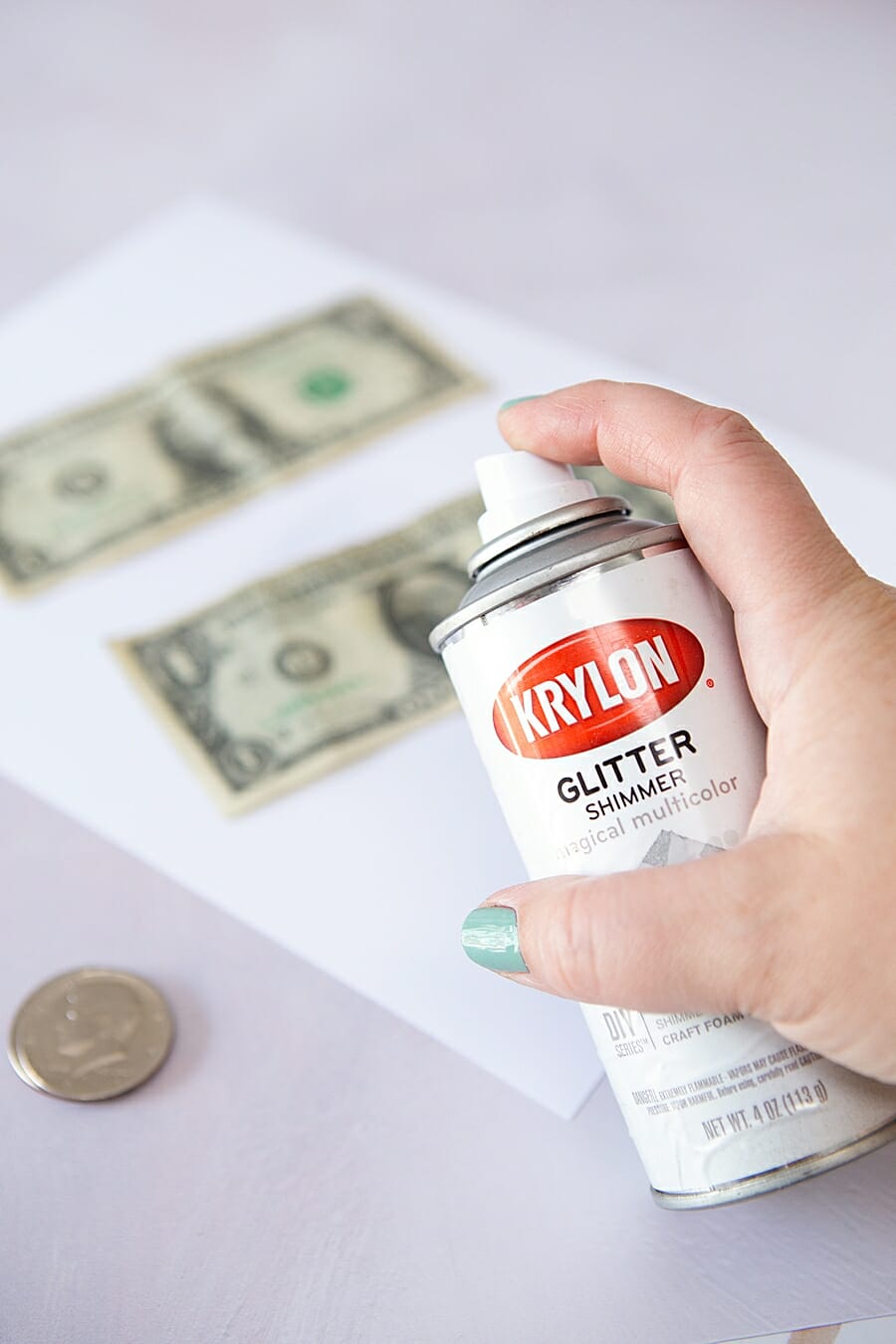
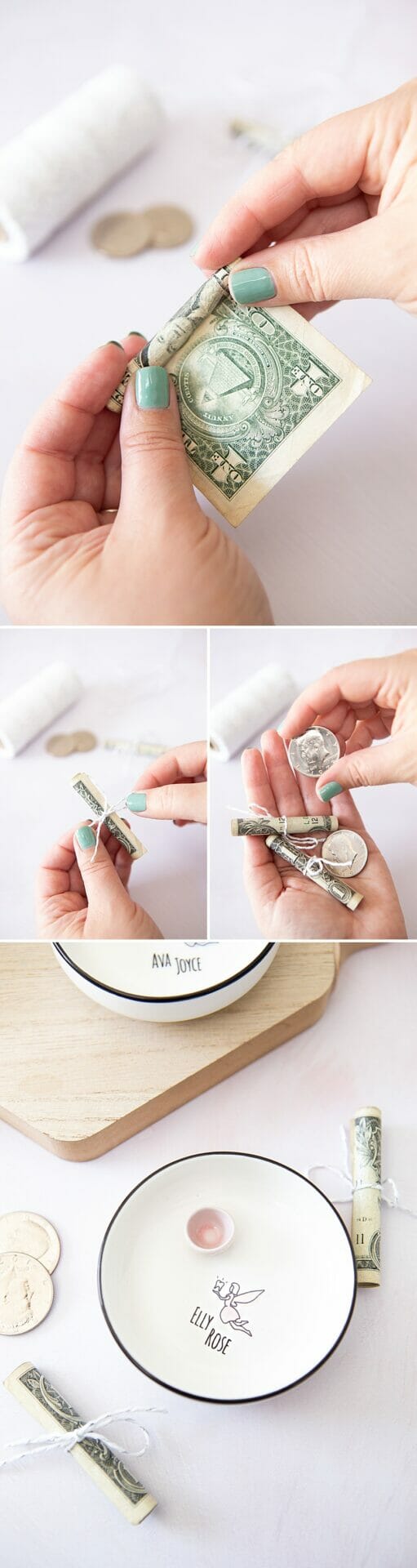
The "tooth fairy money" associated with these dishes also sees a trend toward customization. Practices such as applying glitter spray to dollar bills or polishing half-dollar coins have become common accompaniments to the dish, further extending the "magical" narrative through physical alteration of currency. While the legalities of defacing currency are rarely enforced for such minor, non-fraudulent alterations, it highlights the extent to which parents will go to enhance the theatricality of the tradition.
Broader Implications for Parenting and Tradition
The transition from pillows to dishes signifies a modernization of folklore. By utilizing digital tools and high-quality materials, parents are creating artifacts that serve a dual purpose: a functional tool for a childhood ritual and a permanent keepsake for adulthood. This reflects a psychological shift toward "curated parenting," where every milestone is documented and aestheticized for both private memory and public display.
As technology continues to advance, it is likely that the "DIY" sector will incorporate even more sophisticated techniques, such as 3D printing and laser engraving, into these household traditions. For now, the combination of accessible digital design and traditional ceramic assembly remains a popular and effective method for families to engage with the enduring myth of the Tooth Fairy in a modern, personalized way. The success of these projects underscores the human desire to take ancient stories and reshape them through the lens of contemporary technology and personal identity.