

The contemporary wedding landscape often presents a paradox for couples: a desire to offer an exquisitely curated guest experience juxtaposed with the practicalities of a finite budget. Among the many elements contributing to this experience, the guest welcome bag has evolved from a simple courtesy into a significant touchpoint, often seen in aspirational social media posts and professional wedding photography. However, the perceived cost of these meticulously assembled gifts can be substantial, with professionally curated options frequently exceeding $40 per bag before any contents are added. This financial consideration drives many couples toward a do-it-yourself (DIY) approach, seeking to balance genuine hospitality with fiscal prudence. This article explores the strategic importance of DIY wedding welcome bags, detailing their composition, cost-effectiveness, and the logistical considerations for their successful implementation, ultimately demonstrating how thoughtful presentation can elevate the guest experience without escalating expenditure.
The Evolving Role of Guest Hospitality in Modern Weddings
The tradition of offering small tokens of appreciation to wedding guests has roots in various cultures, evolving from simple wedding favors to more elaborate guest amenities. In recent decades, particularly with the rise of destination weddings and a greater emphasis on personalized guest experiences, welcome bags have gained prominence. They serve not merely as a gift but as a practical gesture of hospitality, especially for out-of-town attendees who constitute a significant portion of guest lists for many modern weddings. Industry surveys indicate that over 60% of wedding guests travel more than 50 miles to attend a wedding, highlighting the critical need for thoughtful provisions upon their arrival. This demographic often faces travel fatigue, unfamiliar surroundings, and a need for immediate practical items, making a well-stocked welcome bag an invaluable asset.
While not universally mandated, the inclusion of welcome bags is widely considered a high-impact gesture within the broader framework of wedding hospitality. For a relatively modest investment compared to other major wedding expenditures like catering or floral arrangements, these bags significantly enhance the guest experience. They address immediate practical needs, convey gratitude, and subtly reinforce the wedding’s theme or local flavor. This focus on "doing the small things well" is a hallmark of effective event planning, yielding disproportionate returns in guest satisfaction and overall positive perception of the event. From a logistical standpoint, welcome bags preemptively answer common guest questions regarding schedules and logistics, thereby reducing direct inquiries to the bridal party or family members, allowing them to focus on the celebration.
Strategic Content Selection: The Foundational "Savvy Seven"
The efficacy of a welcome bag hinges on a concise yet impactful selection of contents. Rather than overwhelming guests with numerous non-essential items, a strategic approach focuses on seven key categories that address practical needs, offer local flavor, and subtly reinforce the wedding’s aesthetic.
- Welcome Note and Weekend Itinerary: This is arguably the most crucial component. A brief, personalized handwritten note expressing gratitude sets a warm tone, while a clearly printed itinerary card provides essential logistical information: times and locations for the rehearsal dinner, ceremony, reception, and any post-wedding brunches. This simple inclusion significantly reduces guest anxiety and the need for frequent communication with the hosts.
- Hydration: Travel, especially by air, can be dehydrating. A standard 16.9 oz bottle of water is a universally appreciated item. Its immediate utility upon arrival addresses a fundamental physiological need, making it one of the most frequently utilized items in any welcome bag.
- Local Culinary Treat: This element provides a unique opportunity to infuse the wedding with regional character. Whether it’s a small bag of benne wafers from Charleston, a single-serve maple candy from Vermont, or a locally sourced artisanal chocolate, this item serves as a delightful introduction to the wedding’s locale and a memorable souvenir. It transforms a generic gift into a personalized experience.
- Practical Rescue Item: Anticipating minor inconveniences is a mark of superior hospitality. Single-dose pain relievers, adhesive bandages, breath mints or gum, a small lip balm, or a travel-sized hand sanitizer are highly practical inclusions. Guests often find these items invaluable during the course of a busy wedding weekend, especially after late-night celebrations.
- Shelf-Stable Snack: Providing a convenient, non-perishable snack is essential for guests who may arrive hungry or need a quick bite between events. Options like pretzels, individually wrapped cookies, granola bars, or trail mix are ideal. It is crucial to select items that are free from common allergens, particularly peanuts, unless an exhaustive allergy check of all guests has been performed. Items requiring refrigeration or susceptible to melting should be avoided.
- Weather-Appropriate Touch: Tailoring a small item to the local climate or season demonstrates an elevated level of thoughtfulness. For summer weddings, facial wipes or a mini-fan can offer relief. For fall or winter events, hand warmers or a pair of cozy socks provide comfort. This item not only serves a practical purpose but is also often a candidate for social media sharing, extending the wedding’s reach.
- Visual Nod to Wedding Palette: The overall aesthetic coherence of the welcome bag contributes significantly to its perceived value. This can be achieved subtly through a ribbon in the wedding’s primary color tied around the bag handle, a custom tag featuring the wedding font, or the use of color-matched filler. This element transforms a collection of items into a coordinated, intentional gift package.
Exclusions for Optimal Impact and Safety
Equally important as what to include is what to omit. Certain items can pose logistical challenges, safety risks, or simply detract from the bag’s purpose. Mini wine or champagne bottles are problematic for guests traveling by air due to TSA restrictions. Fragile or pressurized items are also best avoided to prevent damage. As previously noted, peanut-heavy snacks should be excluded unless allergy information for all guests is definitively known. Finally, wedding favors, which are typically intended for guests to collect at the reception as a parting gift, should not be placed inside welcome bags, as they may be overlooked or forgotten.

Budgetary Framework: Achieving Value Across Tiers
The financial outlay for DIY wedding welcome bags can vary significantly, typically ranging from $5 to $40 per unit, with the most impactful and aesthetically pleasing options often falling within a mid-range. Strategic sourcing and thoughtful design enable couples to achieve a high perceived value without overspending.
- Lean and Lovely (Approx. $8-$12 per bag): This tier focuses on core essentials and cost-effective packaging. Contents might include a simple kraft paper bag, a bottle of water, a single-dose Advil packet, one individually wrapped local cookie, a printed itinerary card, and a decorative ribbon. This option prioritizes functionality and a clean, understated aesthetic.
- Savvy Sweet Spot (Approx. $13-$20 per bag): This represents an optimal balance of quality and cost. Packaging could upgrade to a reusable cotton tote. Contents expand to include water, two varied snacks, a lip balm, breath mints, a custom welcome note, and crucially, palette-matched filler for enhanced presentation. This tier offers a noticeable upgrade in both quantity and visual appeal.
- Memorable (Approx. $20-$30 per bag): For those with slightly more flexibility, this tier allows for premium touches. Packaging might be a sturdy canvas tote or a thoughtfully designed gift box. Contents could feature two premium snacks, a local artisan item (e.g., small batch soap, gourmet coffee sachet), a comprehensive "rescue kit," a professionally branded tag, and high-quality premium filler. This level emphasizes luxury and a deeper sense of curated experience.
When calculating the total budget, it is customary to provide one welcome bag per hotel room or couple, rather than per individual guest. For instance, providing 25 bags at the "savvy sweet spot" tier would incur a total cost ranging from approximately $325 to $500. Integrating this line item into the overall wedding budget early in the planning process is essential for financial control.
Choosing the Base: Bags, Boxes, or Baskets
The choice of packaging profoundly influences the welcome bag’s presentation, portability, and perceived value.
- Tote Bags: As the most prevalent choice, tote bags (cotton, canvas, burlap, or kraft paper) offer excellent portability, reusability for guests, and cost-effectiveness when purchased in bulk. Natural fiber totes in neutral tones provide a timeless aesthetic, while color-matched options can reinforce the wedding palette. Plastic bags should generally be avoided for their less refined appearance and environmental impact.
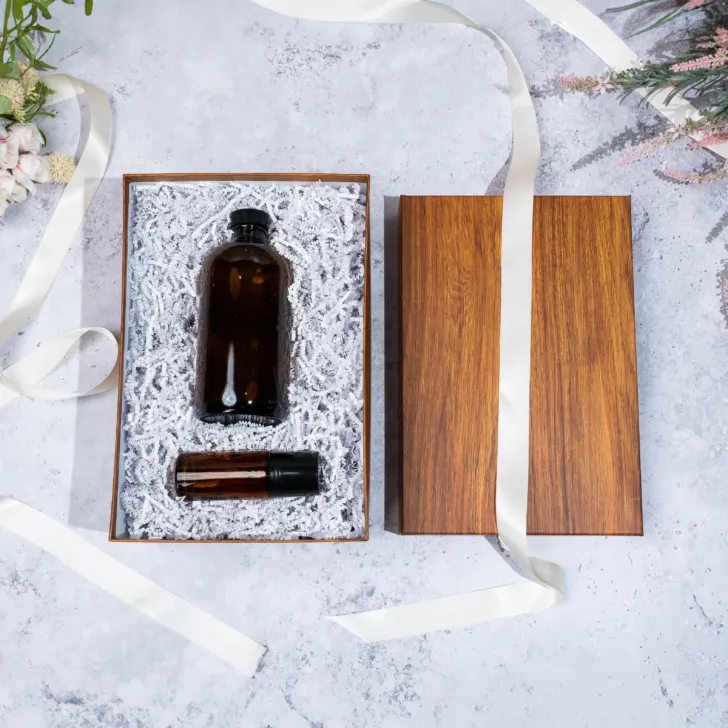
- Gift Boxes: Boxes elevate the welcome bag into a more formalized "gift package." They present beautifully in photographs, stack efficiently for delivery, and imbue even modest contents with a sense of intention and luxury. Kraft, white, or matte black boxes typically offer the most polished appearance. Various suppliers offer affordable, stylish box options suitable for bulk purchase.
- Baskets: Ideal for in-room delivery or for accommodations like cottages or bed-and-breakfasts, baskets offer a charming, homely presentation. They allow for a more expansive display of contents and are particularly well-suited for destination weddings where guests might appreciate having a centralized collection of items within their temporary lodging.
The Crucial Role of Aesthetic Presentation: Filler as a Game-Changer
A common pitfall of DIY welcome bags is a sparse, "half-empty" appearance, which can diminish the perceived value regardless of the contents. The strategic use of internal filler is a simple yet profoundly effective solution to this challenge. Color-matched crinkle paper filler not only cushions the contents, preventing them from sinking to the bottom, but also elevates them visually, allowing them to "peek out" attractively. Furthermore, it introduces a vibrant color story that subtly ties the entire package back to the wedding’s aesthetic.
CrinklePak: A notable solution in this category is CrinklePak, which offers bulk crinkle paper filler in over 40 colors. Its affordability, with a 10 LB box starting around $28 and capable of filling 40 to 60 medium bags or boxes, translates to a cost well under a dollar per bag. The material is paper-based, biodegradable, and manufactured domestically in Naperville, Illinois, aligning with sustainability considerations and offering efficient same-day shipping for orders placed before 2 PM. This combination of extensive color options, environmental responsibility, and rapid availability makes it a practical choice for budget-conscious couples.
Selecting the Right Shade: Three primary approaches guide color selection for crinkle paper:

- Palette Matching: Choose a shade that directly corresponds to the wedding’s primary color for an immersive and cohesive look.
- Neutral Enhancement: Opt for a neutral tone like ivory or kraft to allow the contents to stand out without visual competition.
- Formal Metallic: For more formal events, a metallic blend can add a sophisticated, dressed-up feel to the filler. CrinklePak provides a comprehensive color guide to aid in this selection.
Quantity Guidelines: A practical rule of thumb suggests approximately two cups of crinkle paper per medium-sized welcome bag. A 10 LB box is typically sufficient for 40 to 60 bags, meaning a single box often suffices for smaller weddings (15-20 hotel rooms), leaving a useful quantity of leftovers.
Operationalizing Welcome Bag Production: A Step-by-Step Assembly Guide
Assembling DIY welcome bags can be an efficient, single-afternoon project with proper planning and organization.
- Consolidate All Materials: Gather all bags, filler, and individual contents in a central location. This includes printed notes, itineraries, snacks, water bottles, and any decorative elements.
- Organize by Type: Arrange items into distinct piles or bins by category (e.g., all water bottles together, all snacks together). This streamlined approach minimizes searching and ensures consistency.
- Prepare Printed Materials: Separate welcome notes and itineraries into individual sets. If handwriting notes, complete this task beforehand.
- Open Filler Packaging: Prepare the crinkle paper filler by fluffing it slightly to maximize volume and ease of distribution.
- Assembly Line Setup: Create an assembly line. Start by placing the chosen base (bag, box, or basket) at the beginning of the line.
- Add Filler: Distribute approximately two cups of crinkle paper into each base. This forms the foundational layer and provides initial cushioning.
- Strategic Placement of Contents: Systematically add contents to each bag, starting with heavier items (like water bottles) at the bottom, nestled into the filler. Lighter items and printed materials should be placed on top to be immediately visible.
- Final Touches: Add any decorative elements, such as ribbons, tags, or dried flowers.
- Labeling: If bags are for specific guests or rooms, attach labels clearly.
- Quality Control: Briefly inspect each assembled bag to ensure all items are present, correctly arranged, and aesthetically pleasing.
For delivery, the most efficient method is to transport all completed bags in one trip to the hotel’s front desk on the morning of the rehearsal dinner. Many hotels are accustomed to distributing welcome bags to guests upon check-in, especially if the bags are clearly labeled with the wedding date and the couple’s names. Coordinating this process with the hotel room block contact, if applicable, can further streamline distribution.
Maximizing Value: Beyond the Welcome Bag
The residual crinkle paper from a bulk purchase offers additional opportunities for enhancing wedding aesthetics and other related projects.
- Favor Box Filler: A small handful of color-matched crinkle paper can significantly elevate the presentation of wedding favors, whether they are small edible treats in cones, hex tins, or kraft boxes. It adds a professional touch that belies its minimal cost.
- Bridesmaid Proposal Boxes: When assembling "Will You Be My Bridesmaid?" boxes, crinkle paper filler transforms a collection of items into a thoughtfully curated gift. It provides cushioning and a cohesive visual element, making the proposal feel more luxurious and intentional.
- Centerpiece and Tablescape Accents: A subtle integration of crinkle paper can enhance table decor. Tucked into the base of a vase, wrapped around a candle vessel, or scattered sparingly on a tablescape, it adds a soft layer of texture and a hint of color, complementing floral arrangements without necessitating additional expensive elements.
Conclusion: Thoughtful Hospitality, Strategic Investment
The strategic implementation of DIY wedding welcome bags represents a prime example of thoughtful hospitality that prioritizes guest experience without imposing undue financial strain on the couple. By focusing on a concise selection of practical and locally resonant items, coupled with an emphasis on aesthetic presentation through elements like color-matched filler, couples can craft welcome bags that convey genuine appreciation. This approach yields a significant return on investment in terms of guest satisfaction, positive memories, and the overall perception of the wedding event. In an era where personalized experiences are highly valued, a meticulously prepared welcome bag, costing a fraction of major wedding expenditures, serves as a powerful testament to the hosts’ care and attention to detail. It communicates a clear message: guests are not just attendees, but cherished participants whose comfort and enjoyment are paramount.