
The traditional wedding industry, often characterized by its grand spectacles and rigid adherence to social norms, frequently places immense pressure on couples to embody and perform conventional notions of joy, romance, and normalcy. For eight consecutive hours, or even longer, couples are often expected to maintain a public persona that, while challenging for anyone, can be particularly exhausting and even detrimental for autistic individuals. This relentless demand for performance frequently leads to sensory and emotional overload, culminating in what is commonly known as a "shutdown" or "meltdown" – precisely the opposite of what any couple desires on their wedding day.
Recognizing this critical gap in wedding planning and in observance of World Autism Month, industry professionals are increasingly advocating for a radical shift in approach. The consensus among vendors who have worked closely with neurodivergent couples is clear: the conventional "wedding shoulds" must be discarded in favor of a bespoke system that unequivocally prioritizes the comfort and well-being of the couple over the traditional guest experience. This evolving philosophy is not merely about making minor adjustments but about fundamentally reimagining the wedding day as a sanctuary rather than a stage.
For couples embarking on their wedding planning journey with an autistic perspective, a wealth of innovative and empathetic strategies are emerging. These strategies are designed to construct a robust emotional safety net, ensuring the celebration is genuinely joyful and authentic to the individuals involved.
The Paradigm Shift: Prioritizing Comfort Over Convention
The conventional wedding narrative often dictates a series of events and expectations that are deeply rooted in neurotypical social dynamics. From prolonged periods of intense social interaction and unexpected changes in schedule to overwhelming sensory inputs like loud music, bright lights, and unfamiliar textures, the environment can quickly become a minefield for autistic individuals. The pressure to reciprocate social cues, maintain eye contact, and engage in small talk can exacerbate anxiety and lead to significant mental fatigue.
In response, a growing movement within the wedding industry is championing personalization as the cornerstone of autistic-friendly weddings. This means moving beyond superficial customizations to truly understanding and accommodating the unique sensory and emotional profiles of each couple. The goal is to create an environment where the couple can genuinely be present and experience their union without the burden of masking their autistic traits or battling sensory overload. This shift acknowledges that true celebration stems from comfort and authenticity, not from adhering to a prescribed script.
The Indispensable Role of the Advocate Cousin
One of the most profoundly effective strategies for mitigating stress and fostering comfort on an autistic wedding day is the designation of a dedicated point person—an "advocate cousin" or similar trusted individual—who is explicitly not one of the marrying couple. This individual serves as a crucial buffer and liaison, managing external interactions and monitoring the couple’s well-being.
Jen Sulak of Weirdo Weddings in Texas recounted a powerful example of this role in action. "The bride’s cousin came up to me as her advocate and shared with me what I could expect and that she would be happy to support and assist during the day – especially the pictures," Sulak explained. This proactive communication allowed Sulak to tailor her approach, knowing there was a dedicated individual monitoring the bride’s needs.
The advocate’s responsibilities can be multifaceted:
- Vendor Liaison: Handling questions, requests, and logistical details from photographers, caterers, and other vendors, thereby shielding the couple from constant interruptions.
- Social Navigator: Intercepting guests who might monopolize the couple’s time, gently redirecting conversations, or providing excuses for the couple to step away when needed.
- Sensory Monitor: Keeping an eye on the environment for potential triggers (e.g., music volume, lighting changes, crowded spaces) and proactively addressing them or alerting the couple.
- Emotional Support: Providing a familiar, calming presence and a direct line of communication for the couple to express their needs without elaborate explanation.
By having this dedicated person manage the peripheral demands, the autistic couple is freed to immerse themselves in the profound significance of their wedding day, secure in the knowledge that their needs are being actively managed and protected. This reduces the cognitive load associated with constant environmental monitoring and social navigation, allowing for genuine engagement and emotional presence.
Crafting a Private Communication System
Advocacy doesn’t always require formal declarations; sometimes, the most potent tools are subtle and intimate. Establishing a secret language—a safe word, a specific hand signal, or even a shared inside joke—can empower autistic couples to communicate their internal state discreetly and effectively.
Jen Sulak highlighted this with a memorable anecdote: her couple’s advocate had a particular word that consistently elicited genuine laughter from the bride. "Anytime we felt there was a moment we needed it, the cousin would say the word, and the bride would roar with laughter!" This not only served as a delightful moment but likely also a release valve for any building tension.
Pennsylvania wedding planner Merida Alexander of Events by Merida employs a similar tactic. She suggests providing clients with a safe word or hand signal that, when used, immediately signals their need to disengage. "If one of my people walks up and says it, I find a reason for them to be excused from any conversation they’re in, and immediately exit the room," Alexander states. This mechanism grants the couple an ’emergency exit’ from overwhelming social interactions, allowing them to communicate their need for a break without having to articulate it or interrupt the event’s flow, thus preserving their energy and comfort. This subtle yet powerful tool reinforces the couple’s autonomy and control over their environment.
Redistributing the Spotlight: Shifting Attention Strategically
While many couples relish being the undisputed center of attention on their wedding day, for some autistic individuals, this sustained spotlight can be intensely overwhelming. The constant gaze, expectation of interaction, and pressure to perform can quickly deplete social energy reserves.
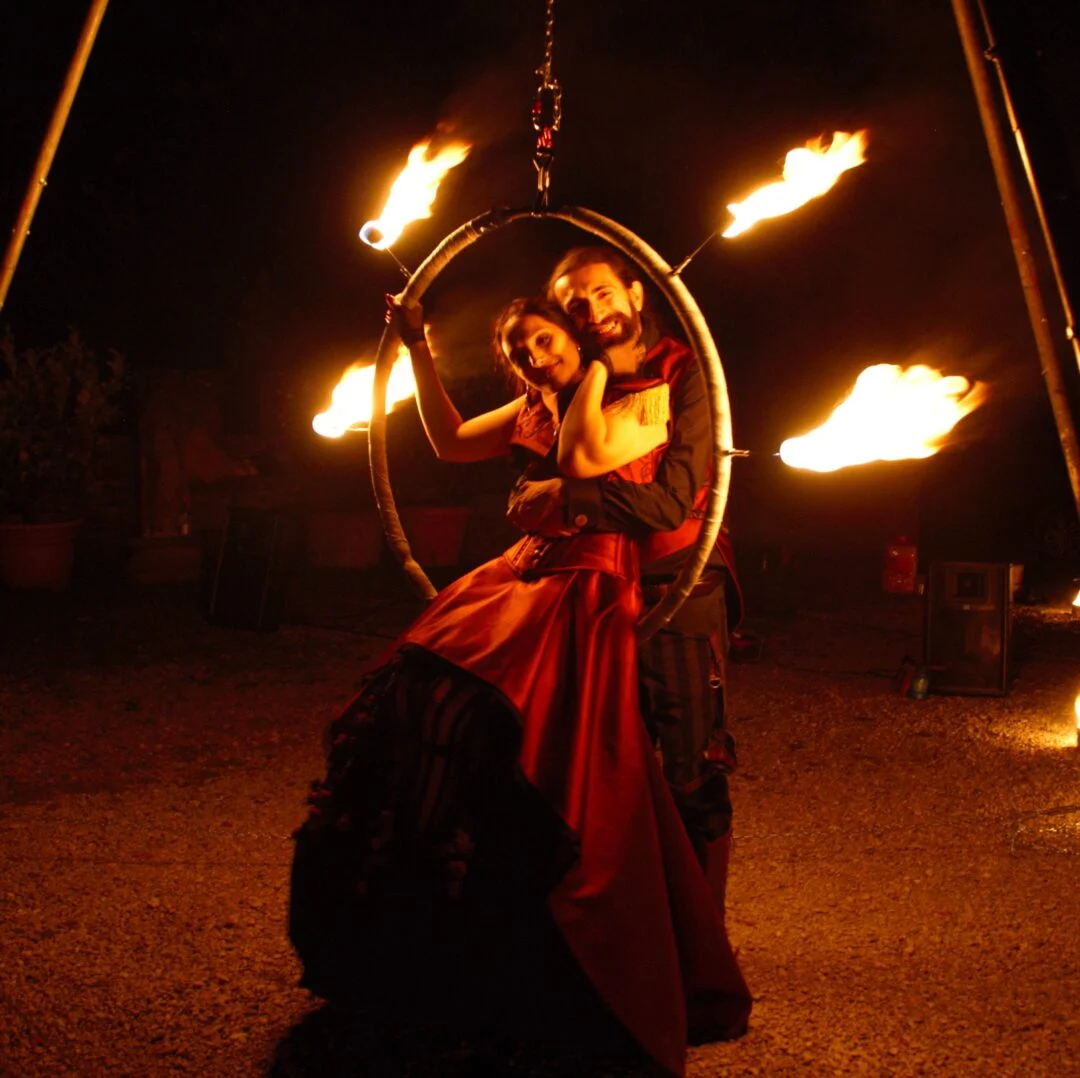
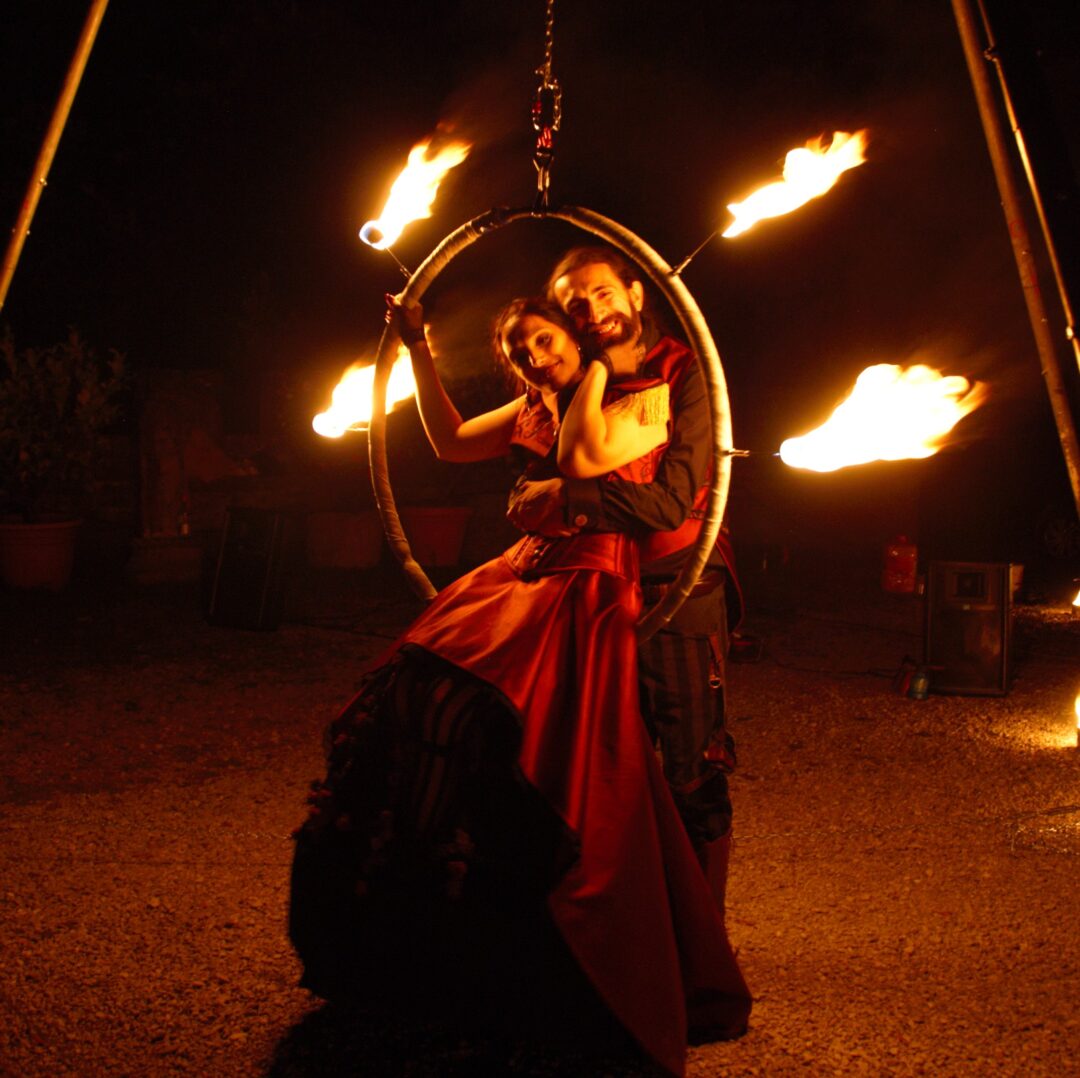
Costanza at Magical Vows Wedding Planners and Emotion Designers in Italy expertly addressed this challenge for one autistic bride. Instead of a traditional dancing party, which often places the bride and groom at the heart of the revelry, Costanza arranged for alternative entertainment. "In the evening, instead of having a traditional dancing party, I got a fire-dancing team to create a spectacle!" she shared. This ingenious solution served multiple purposes: "It kept the guests entertained, the bride could relax, without the pressure of the attention all on her, and the low lights helped keeping the overstimulation at bay."
This strategy exemplifies how attention can be gracefully diverted to engaging spectacles or activities that entertain guests while allowing the couple to observe and participate at their own comfort level, free from the direct scrutiny of the crowd. Other effective methods might include:
- Interactive Stations: Photo booths, craft corners, or games that give guests something to do with their hands and minds.
- Performances: Live music, magicians, or specialized acts that captivate the audience.
- Structured Activities: Group games or a communal art project that provides a shared focus, reducing the pressure on the couple to individually entertain.
By carefully curating the event’s focal points, planners can create a dynamic and enjoyable atmosphere that respects the couple’s need for less direct attention.
Sanctuaries of Calm: Dedicated Quiet Spaces and Moments
The cumulative effect of sensory input, social demands, and emotional intensity throughout a wedding day can be immense. Providing designated quiet spaces and incorporating planned moments of calm is crucial for preventing sensory overload and emotional shutdown.
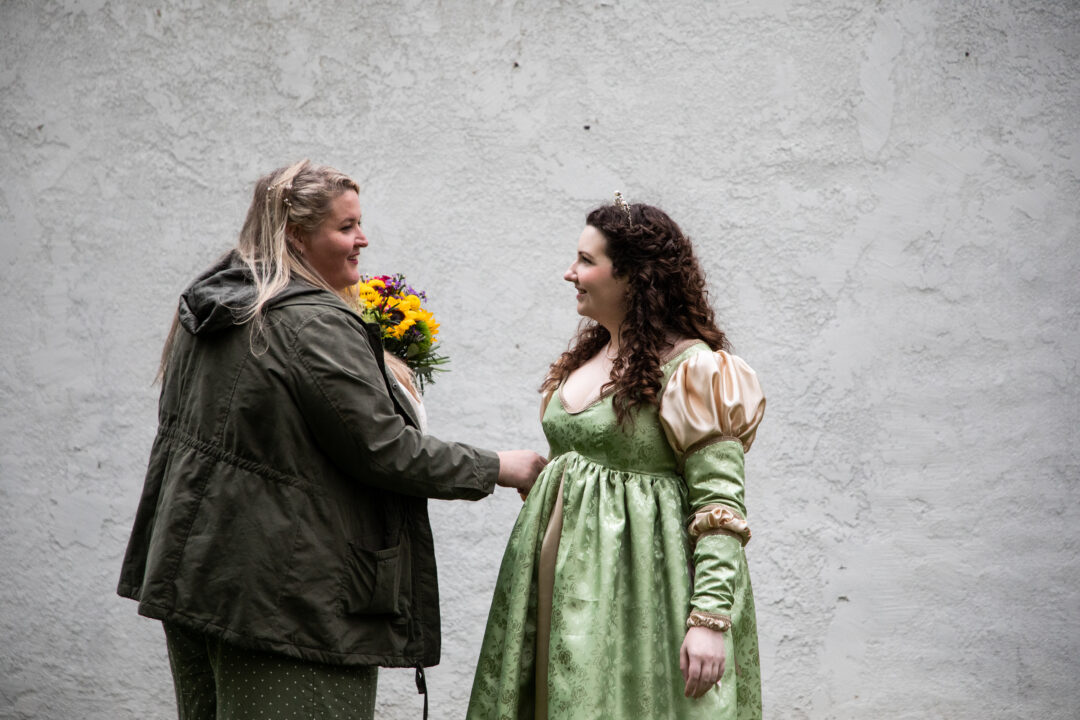
Jen Sulak’s experience further illustrates this: her autistic bride "created a quiet area for neurodivergent guests or guests with sensory needs to spend time in if the main room got too overwhelming. They also crafts available at each table for guests that preferred to have something to do with their hands, and worked with the DJ to keep the music volume slightly lower than is typical." This multi-pronged approach demonstrates a holistic understanding of sensory needs, catering not only to the couple but also to other neurodivergent guests.
These quiet spaces should be carefully designed:
- Low Sensory Input: Reduced lighting, softer textures, minimal noise, and a comfortable temperature.
- Comfort Items: Access to fidget toys, weighted blankets, noise-canceling headphones, or favorite stim tools.
- Privacy: A space where individuals can decompress without feeling observed or pressured to return to the main event.
Beyond physical spaces, scheduling quiet moments into the timeline is equally vital. The "First Look"—a private moment for the couple to see each other before the ceremony—can be transformed into an intentional period of calm and connection. "Giving the couple a space to just be together without the pressure of a crowd made a huge difference," Jen Sulak emphasizes. This allows for genuine emotional expression and connection, free from the performative aspects often associated with public ceremony entrances. Other quiet moments could include scheduled breaks during the reception or a private meal away from the main dining area.
Sensory-Friendly Fashion: Comfort as a Core Design Principle
What one wears is perhaps the most constant and intimate sensory input experienced throughout the wedding day. Traditional wedding attire, with its often restrictive fabrics, tight corsetry, heavy layers, or stiff collars, can become a significant source of discomfort and distress for autistic individuals with sensory sensitivities. Prioritizing sensory comfort in fashion choices is not merely a preference but a crucial planning boundary.
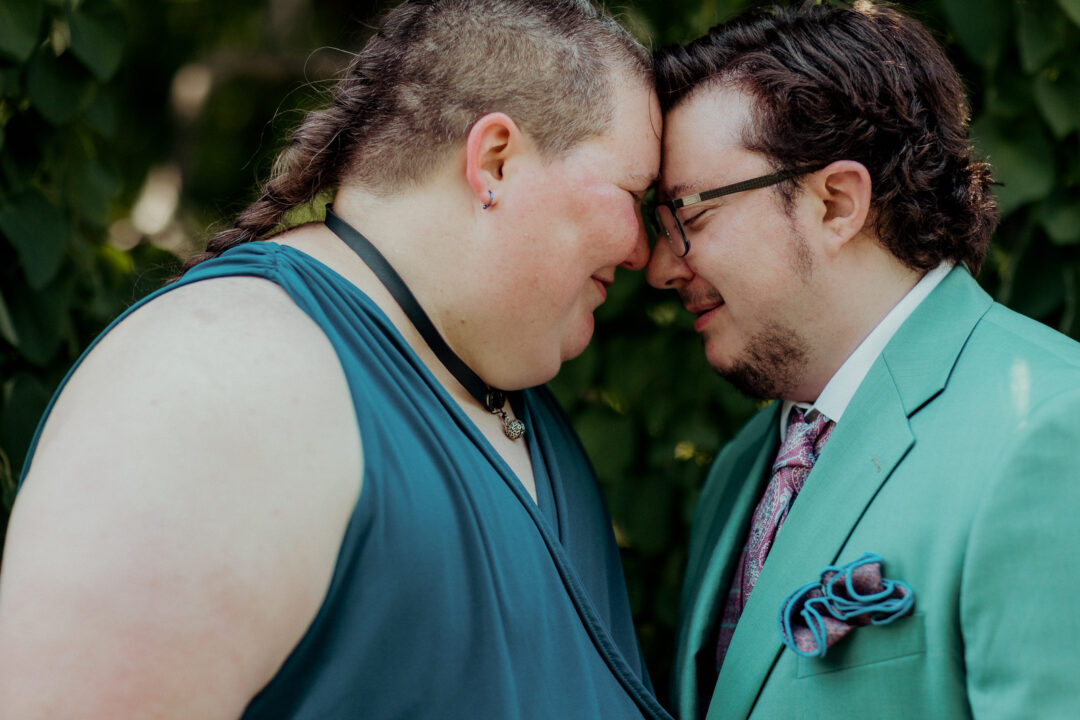
Sam Waldron of Dutcher Photography in Wisconsin highlighted how one of their autistic clients made intentional choices about their attire. "Both clients wore outfits that not only aligned with their gender expression (one partner is non-binary, the other is a trans man), but that were also comfortable from a sensory perspective: nobody wore a dress (they were in jumpsuits and suits) and both partners wore comfortable but stylish boots." This example perfectly illustrates how attire can simultaneously express identity and ensure sensory well-being.
The message is unequivocal: if a traditional gown or a stiff tuxedo feels like a sensory nightmare, it should be unequivocally rejected. The wedding day attire should evoke feelings of confidence, comfort, and celebration, not irritation or restriction. This opens the door to a vast array of alternatives:
- Fabric Choices: Opting for soft, breathable, seamless materials like cotton, linen, silk, or modal.
- Silhouettes: Choosing loose-fitting, non-restrictive designs such as jumpsuits, tailored suits, flowy dresses, or separates.
- Footwear: Prioritizing comfortable, supportive shoes over traditional, often uncomfortable, formal options.
- Accessories: Minimizing elaborate jewelry or headpieces that might cause sensory overload.
Merida Alexander takes this a step further by physically managing clients’ sensory items. "I keep any sensory things my clients don’t need at the moment in my pocket," she notes. "Once the reception starts, it usually lands on the client’s chair, or in their quiet space, depending on what they prefer." This proactive management ensures that essential comfort items are always within reach without being a constant burden.
Empowering Vendors: The Art of Active Listening and Direct Communication
For wedding professionals aiming to better serve neurodivergent clients, the advice from Costanza at Magical Vows is both simple and profound: stop trying to anticipate, and start listening. The neurodivergent experience is incredibly diverse; what works for one autistic individual may not work for another. Assumptions can lead to misunderstandings and heightened stress.
"Educate yourself… the best source is always your client, so, LISTEN," Costanza urges. "Don’t try to anticipate, but listen to their needs and make sure to research properly anything you don’t really understand. Everyone is different, this goes for neurodivergent folk as well." This emphasizes the importance of individualized care plans, built on open communication and respect for the client’s self-knowledge.
Beyond listening, Costanza also highlights the importance of keen observation. Even with thorough preparation, overstimulation can strike unexpectedly. A vendor who can recognize early signs of distress—changes in body language, reduced verbal engagement, increased fidgeting—can intervene proactively, guiding the client to a pre-arranged quiet space or offering a sensory tool. The functionality of this space, she stresses, must be tailored to the specific client; there is no universal "recipe."
Furthermore, the way vendors communicate is as crucial as what they communicate. Merida Alexander points out that directness is often the kindest and most effective approach for autistic clients. This means eschewing ambiguity, sarcasm, or excessive social niceties in favor of clear, literal, and concise language. Proactively asking about preferred communication styles—whether direct, written, or visual—can prevent misunderstandings. "I usually will test out some turns of phrase to see how literal someone will be; again, it’s not one-size-fits-all," Alexander explains. "The last thing I want is someone to either be confused, or think I’m talking down to them by being too literal." Finding a vendor who understands and adapts to an autistic client’s information processing style can transform a potentially confusing and stressful planning process into a joyful and empowering one.
Broader Implications: Towards an Inclusive Wedding Industry
The growing recognition and accommodation of neurodivergent needs within the wedding industry reflect a broader societal shift towards inclusivity and accessibility. With an estimated 1 in 36 children identified with autism spectrum disorder in the United States, according to the CDC, and a significant portion of the adult population also identifying as autistic (whether formally diagnosed or self-identified), the demand for neuro-inclusive services is substantial and increasing. The wedding industry, a multi-billion-dollar global market, stands to benefit significantly from embracing this diversity.
By prioritizing comfort, offering personalized solutions, and fostering open communication, wedding professionals are not only creating more meaningful experiences for autistic couples but also setting a precedent for a more empathetic and understanding service industry at large. This movement helps dismantle the pressure to "mask" or conform to neurotypical expectations, allowing individuals to celebrate their authentic selves. The mental health implications are profound: reducing the anxiety and stress associated with major life events like weddings can have lasting positive effects on well-being.
This progressive approach transforms the wedding day from a potentially overwhelming social performance into an authentic celebration of love, tailored to the unique needs and joys of the couple. It is a testament to the idea that true celebration lies in comfort, understanding, and the freedom to simply be.
Remember: Your Wedding Day Can Be a Sanctuary Instead of a Show
Ultimately, your wedding day is a deeply personal milestone, belonging first and foremost to you, the couple. It is not an arena for demonstrating your ability to navigate a neurotypical world or conform to societal expectations. By proactively establishing clear boundaries, employing discreet communication signals, or building a robust support system led by a trusted advocate, you can meticulously craft a space where you are genuinely present and engaged.
When the burden of worrying about making enough eye contact, performing expected emotional responses, or enduring uncomfortable attire is lifted, a profound sense of liberation emerges. This freedom creates the emotional and sensory bandwidth necessary to fully experience the profound joy and significance of marrying your beloved partner. Lean into the strategies and tools that genuinely resonate with and support your unique neurotype, embracing the understanding that a wedding designed to honor your needs is the most authentic and beautiful foundation for beginning your neurospicy married life together.