

The conventional wedding industry, often characterized by its frenetic pace, spontaneous demands, and high-octane social environments, has long presented significant challenges for neurodivergent professionals. Designed largely around neurotypical expectations, this landscape can be a one-way path to burnout for individuals with autism spectrum disorder (ASD) and attention-deficit/hyperactivity disorder (ADHD), whose processing styles and sensory sensitivities differ markedly. In recognition of World Autism Month, a spotlight is being cast on a growing movement within the "offbeat" wedding sector, where neurodivergent photographers are actively reshaping traditional operating procedures to foster sustainable businesses that honor their unique neurological profiles.
This shift is not merely about personal comfort; it represents a strategic re-evaluation of industry norms, demonstrating how accommodations for neurodivergent individuals can enhance professionalism, service quality, and overall business resilience. Three prominent alternative wedding photographers – Emily Blatter of Seattle’s Emily Paris Photography, Sam Waldron of Wisconsin’s Dutcher Photography, and Katrina Gurr of Washington state’s A+K Photography – have shared their innovative strategies. Their approaches span the entire client journey, from initial inquiry to post-wedding recovery, offering a blueprint for a more inclusive and less overwhelming professional experience.
Understanding the Neurodivergent Professional Landscape
Neurodiversity, encompassing conditions like autism and ADHD, reflects the natural variations in the human brain regarding sociability, learning, attention, mood, and other mental functions. While neurodivergent individuals often possess distinct strengths such as hyper-focus, exceptional attention to detail, pattern recognition, and unique creative perspectives, they can also face challenges in environments tailored for neurotypical processing. For instance, the spontaneous, high-sensory, and socially demanding nature of wedding photography can trigger sensory overload, executive dysfunction, and social anxiety, leading to rapid burnout.
Burnout, a state of emotional, physical, and mental exhaustion caused by prolonged or excessive stress, is a pervasive issue across many industries, but it is particularly acute in high-pressure creative fields like event photography. A 2023 study by the Freelancers Union indicated that over half of freelancers experience burnout, with creative professionals often reporting higher rates due due to irregular hours, intense client demands, and the emotional labor involved. For neurodivergent individuals, the energy expenditure required to navigate neurotypical social expectations, known as "masking," further exacerbates this risk. Creating a business model that mitigates these factors is therefore not just a preference but a necessity for long-term career viability.
Phase 1: Redefining the Inquiry and Booking Experience
The initial client interaction—the inquiry and booking phase—is often cited as a significant hurdle for neurodivergent professionals in the traditional model. The expectation of immediate phone calls and spontaneous verbal exchanges can be particularly draining. For individuals who process information differently, the real-time demands of verbal communication, coupled with the need to interpret subtle social cues and formulate instant responses, can be overwhelming.
Emily Blatter of Emily Paris Photography has proactively addressed this by automating much of her initial client engagement. "I gather most of the important logistics for a wedding day in one big questionnaire," Blatter explains. This structured approach allows prospective clients to provide comprehensive details at their own pace, eliminating the pressure of live conversation. For Blatter, this method provides "all the info I need in a clear and structured way," which is crucial for her processing style and minimizes the risk of executive function failures—a common challenge for neurodivergent individuals where tasks requiring planning, organization, and initiation can be difficult.
Similarly, Sam Waldron of Dutcher Photography leverages a Customer Relationship Management (CRM) system, specifically Honeybook, as a "digital shield." Waldron notes, "A CRM system… is critical to staying organized and reducing stress." Beyond organization, the CRM facilitates the establishment of clear expectations from the outset. "I make sure to set clear expectations with clients every step of the way so that they always know what next steps are, what is expected of them (and when), and what they can expect from me (and when)." This proactive communication strategy reduces ambiguity, a common source of anxiety for many neurodivergent individuals, and sets a precedent for a structured, predictable working relationship.
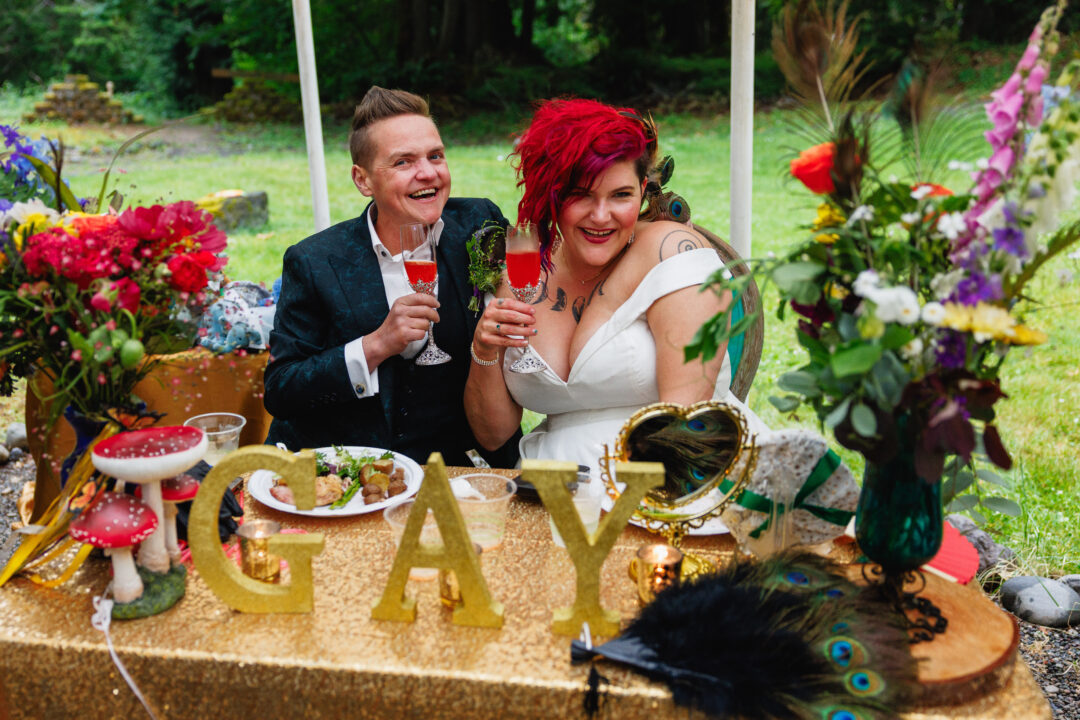
Katrina Gurr of A+K Photography echoes the sentiment regarding written communication. "I do best with written communication when possible, since it gives me time to process and think through how I want to respond." Gurr highlights the cognitive load associated with verbal exchanges: "Verbal communication can feel a little overwhelming at times, especially if I am expected to respond right away, so having space to reflect helps me communicate more clearly." This preference for asynchronous communication is a hallmark of many neurodivergent professionals, allowing them to engage thoughtfully and precisely, ultimately leading to more effective and less stressful interactions. These strategies not only safeguard the vendor’s energy but also benefit clients by providing clear, consistent information and a well-defined process.
Phase 2: The Imperative of Preparation and Planning
For neurodivergent professionals, meticulous preparation is not merely good practice; it is a fundamental strategy for success and burnout prevention. The ability to anticipate, plan, and organize mitigates the unpredictability inherent in large-scale events like weddings, which can be particularly taxing for those with ADHD or autism.
Katrina Gurr emphasizes the foundational role of lists. "Lists, lists, more lists. Checklists help me make sure we are prepared early instead of running around at the last minute packing camera bags or trying to remember important details." This systematic approach ensures that every logistical detail, from equipment checks to shot lists, is accounted for, reducing cognitive load on the day of the event. Gurr also utilizes automation extensively, noting, "Email templates help keep communication cohesive, and automated reminders for sessions and tasks help me stay organized and make sure nothing gets missed." This consistent, automated communication minimizes the mental effort of drafting repetitive messages and remembering deadlines, freeing up mental resources for creative work.
Emily Blatter takes her organizational strategies offline to manage digital fatigue. "I have a Google Doc template that I put all of my notes (timeline, shot list, arrival information) into for the day. I make sure to have it printed out so I don’t have to mess with my phone in the middle of the wedding, and I can also physically check items off the shot list as I go." The tactile act of checking off items on a physical list can be grounding and provides a clear sense of progress, which is beneficial for individuals who might struggle with abstract digital interfaces or screen-induced overwhelm. Blatter further advises, "Automate what you can! There’s a lot of admin work involved in running a business, and executive function can make that hard to manage." This highlights the crucial role of technology in supporting neurodivergent entrepreneurs by offloading routine tasks.
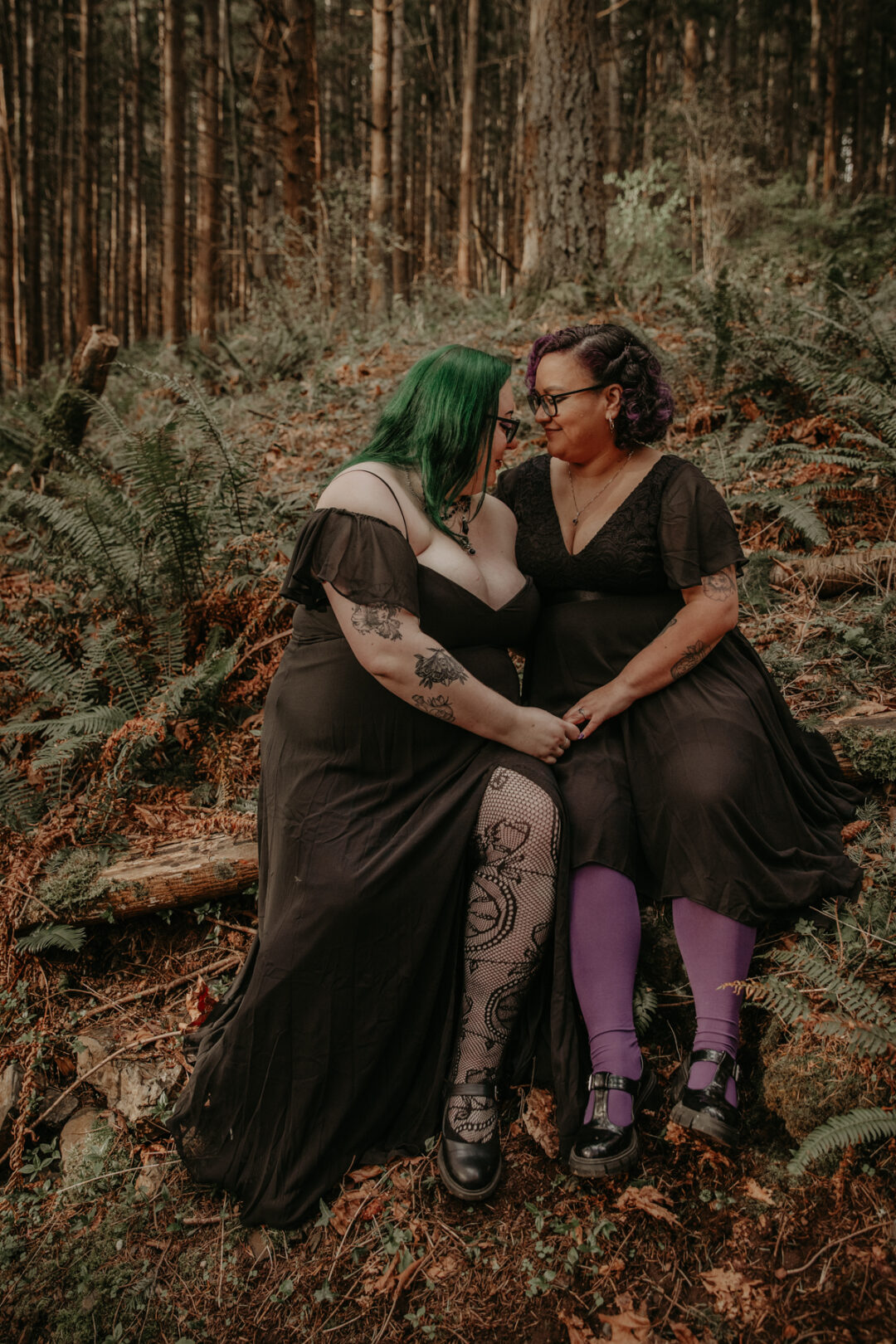
Sam Waldron frames extreme organization as a distinct competitive advantage. "Holy organization skills, Batman! Seriously, organization and a deep and abiding love of spreadsheets makes running the administrative side of the business much more doable that it seems to be for a lot of creatively-focused business owners." Waldron’s reliance on tools like Honeybook for "templated contracts, emails, client questionnaires, etc." ensures a consistently excellent client experience. This systematic approach allows for creative energy to be conserved for the actual photography, rather than being dissipated by administrative chaos. The ability to create and adhere to structured systems not only reduces stress but also allows neurodivergent professionals to leverage their strengths in methodical thinking and attention to detail.
Phase 3: Sensory Survival on the Wedding Day
The wedding day itself presents a unique sensory gauntlet. The combination of unpredictable environments, loud music, flashing lights, large crowds, and constant social interaction can quickly lead to sensory overload, a state where the nervous system is overwhelmed by input. For neurodivergent individuals, this can manifest as extreme discomfort, anxiety, difficulty concentrating, or even a complete shutdown, severely impacting performance and well-being.
Emily Blatter has developed critical sensory management strategies. "I keep a set of good earplugs in a sturdy little case on my keys so I always have them with me, which really helps me maintain my hearing and keep me from getting overwhelmed by noise on the dance floor." High-fidelity earplugs are particularly effective as they reduce overall decibel levels without muffling sound, allowing for continued situational awareness and communication while protecting against auditory overstimulation. Blatter also advocates for the crucial "sacred dinner break": "I make sure I can sit down in a quiet space away from the guests so I can regain some social energy for the rest of the reception." This designated quiet time is not a luxury but a necessity for social recharging, allowing the nervous system to regulate and prevent the cumulative effects of social masking and sensory input.
Sam Waldron takes a proactive approach to managing physical and mental endurance by setting clear boundaries on work duration. "As a photographer, I don’t offer any wedding packages over 7 hours, because it is too hard on my body." This self-imposed limit directly addresses the physical and mental toll of long, high-intensity events. To further manage the demands of a wedding day, Waldron strategically incorporates support: "I have structured my packages such that any wedding packages that include more than 4 hours of photography include a second photographer… so that I have the ability to take short breaks for stretching or quiet if needed." The presence of a second photographer provides flexibility, allowing the primary photographer to step away momentarily for sensory breaks, hydration, or simply a moment of calm, ensuring sustained performance and preventing mid-event burnout. These strategies illustrate how self-awareness and structured accommodation can transform a potentially overwhelming day into a manageable and successful professional engagement.
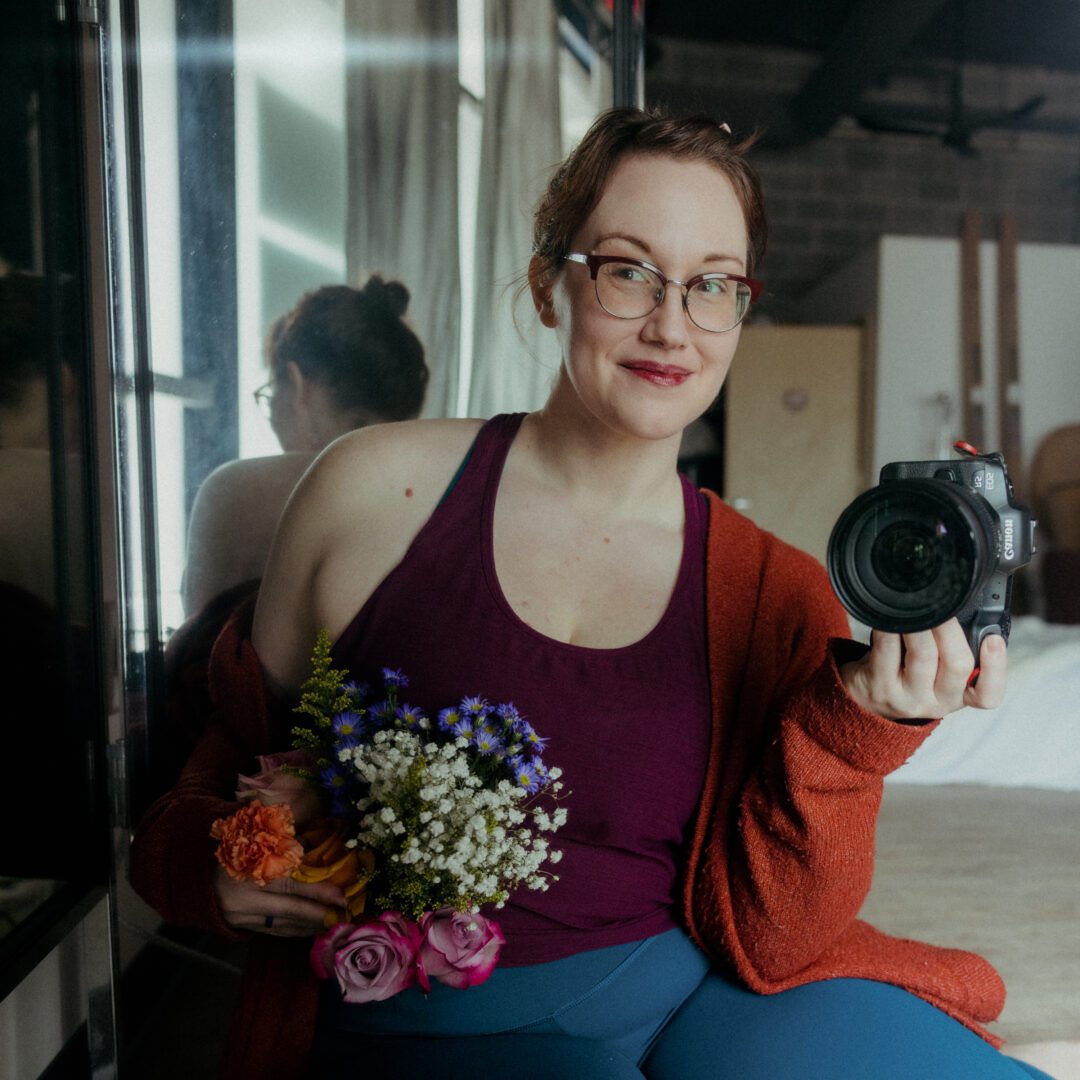
Phase 4: Post-Wedding Recovery and Sustainable Growth
The immediate aftermath of a wedding, often referred to as a "wedding hangover," can be particularly intense for neurodivergent individuals, frequently manifesting as a full-blown sensory shutdown or autistic burnout. The cumulative effect of masking, sensory input, and intense social interaction demands a structured recovery period.
Emily Blatter has integrated this critical recovery phase into her business calendar as a non-negotiable rule. "I generally try to avoid booking back-to-back weddings… After photographing a wedding, I usually need to spend a day resting and not really talking to ANYONE, so I make sure I have that time to myself the next day." This deliberate scheduling of downtime is essential for physiological and psychological recovery, allowing the nervous system to decompress and reset. Without such dedicated rest, the risk of chronic burnout increases dramatically, impacting future performance and overall well-being. This approach challenges the "hustle culture" prevalent in many creative industries, advocating instead for a pace that prioritizes long-term sustainability.
Katrina Gurr emphasizes the profound importance of authenticity in building a resilient business. Her advice for establishing a sustainable career trajectory is clear: "Be yourself, stand up for what you believe in, and do great work… You do not have to build your business by trying to sound like everyone else or fit into what you think you are supposed to be." This philosophy underscores the liberation that comes from shedding the burden of masking and embracing one’s natural working style. By aligning their business practices with their inherent needs, neurodivergent professionals can attract clients who value their unique perspectives and methods, fostering more genuine and fulfilling working relationships.
Sam Waldron encapsulates this sentiment perfectly: "Lean into your strengths, and remember, you don’t have to be the photographer (or other wedding vendor) for everyone, you have to be the best vendor for YOUR soul mate clients." This concept of "soul mate clients" is transformative. It advocates for intentional client selection, where compatibility extends beyond artistic style to include mutual respect for working processes and communication preferences. By focusing on clients who appreciate their neurodivergent strengths and accommodate their needs, these photographers build a client base that is not only profitable but also supportive and understanding, further reducing the risk of burnout and enhancing job satisfaction.
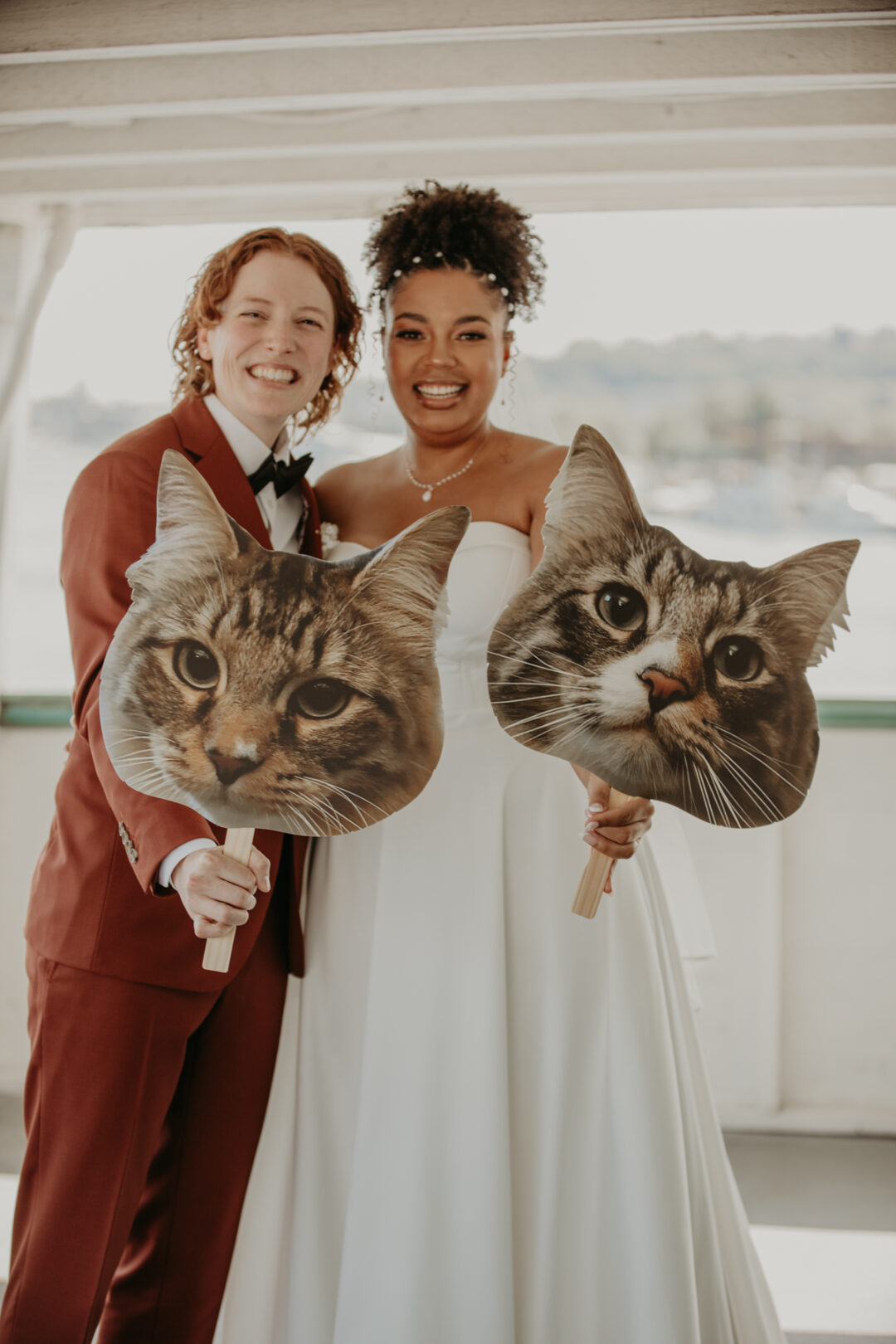
Broader Implications and the Future of the Wedding Industry
The strategies adopted by these pioneering neurodivergent wedding photographers transcend individual coping mechanisms; they signal a broader paradigm shift towards a more inclusive and sustainable model for the entire creative and service industry. These practices demonstrate that accommodating neurodiversity is not merely about providing "special treatment" but about optimizing working conditions that can benefit all professionals and improve client experiences.
Impact on Clients: Clients who engage with these photographers often experience a higher level of organization, clearer communication, and a more predictable process. A vendor who is well-rested, unburdened by sensory overload, and operating within their optimal energy levels is better equipped to deliver exceptional creative work. The structured communication and planning processes, while designed for neurodivergent needs, translate into a seamless and reassuring experience for any client.
Advocacy and Inclusivity: By openly sharing their methods, these photographers become de facto advocates for neurodiversity in entrepreneurship. Their success stories challenge preconceived notions about "professionalism" and demonstrate that diverse cognitive styles can lead to innovative and effective business solutions. This movement encourages other neurodivergent individuals to pursue their passions without feeling compelled to conform to restrictive neurotypical molds.
Economic Benefits of Diversity: Embracing neurodiversity in the workforce, including self-employment, unlocks a wealth of talent, unique perspectives, and problem-solving approaches. The strengths often associated with neurodivergence—such as meticulous attention to detail, hyper-focus, and creative thinking—are invaluable assets in fields like photography, where precision and artistic vision are paramount.

A Call for Industry Evolution: The traditional wedding industry, often seen as resistant to change, is being gently but firmly pushed towards greater flexibility and understanding. Event planners, venues, and other vendors can learn from these practices, considering how they can adapt their own operations to be more inclusive. This might involve offering quieter break spaces for vendors, adopting more asynchronous communication methods, or simply being more aware of the diverse needs of their professional partners.
Conclusion: Your Brain as Your Best Business Asset
The journey of building an inclusive and accessible wedding industry begins with professionals brave enough to work in ways that genuinely honor their own needs. When neurodivergent individuals cease trying to fit into a neurotypical mold, they unlock the full potential of their unique strengths—be it hyper-focus, deep empathy, radical organization, or a distinctive artistic vision. By establishing clear boundaries, implementing structured systems, and prioritizing self-care, these photographers are not merely surviving the intense demands of the wedding season; they are thriving.
Their success is a powerful testament to the fact that there is a valuable and necessary seat at the table for every kind of mind. Their businesses are not only more sustainable and resilient but also more powerful precisely because they embrace and leverage neurodiversity. This movement underscores a vital lesson for all industries: true innovation and lasting success stem from recognizing, valuing, and accommodating the full spectrum of human cognition. By sharing these invaluable insights, these photographers are paving the way for a future where professional excellence and personal well-being are not mutually exclusive, but rather intrinsically linked.