


The traditional advent calendar, once a simple cardboard display containing modest chocolates, has evolved into a multi-million-dollar industry characterized by high-priced, brand-specific toy sets. However, as the 2024 holiday season approaches, a growing segment of consumers is pivoting away from mass-produced retail offerings in favor of bespoke, "do-it-yourself" (DIY) solutions. This shift is driven by a combination of fiscal necessity, a desire for sustainable practices, and the need for more engaging, personalized family experiences. A prominent example of this trend is seen in the recent project by lifestyle designer Jen Causey-Kidder, who documented the transition from purchasing individual $40 retail calendars to constructing a centralized, large-scale advent system for her family of four children.
The Economic Rationale for Bespoke Advent Solutions
The financial implications of the modern advent calendar market are significant, particularly for large households. Industry data indicates that premium advent calendars from major brands such as LEGO, Disney, and various luxury beauty lines typically retail between $35 and $60 per unit. For a family with four children, this represents a seasonal expenditure of approximately $140 to $240 before taxes.
Causey-Kidder’s analysis revealed a common consumer pain point: the "engagement drop-off." By the third week of December, children often lose interest in repetitive themed items, such as generic plastic figurines or small vehicular models. By reallocating a budget of $160—previously spent on four separate pre-packaged units—into a single, high-quality DIY project, parents are finding they can provide 24 days of unique, curated gifts for the entire family. In this specific case study, the total expenditure for 2022 was approximately $150, demonstrating that personalization does not necessarily require a higher budget, but rather a more strategic distribution of funds.
Structural Engineering and Design Methodology
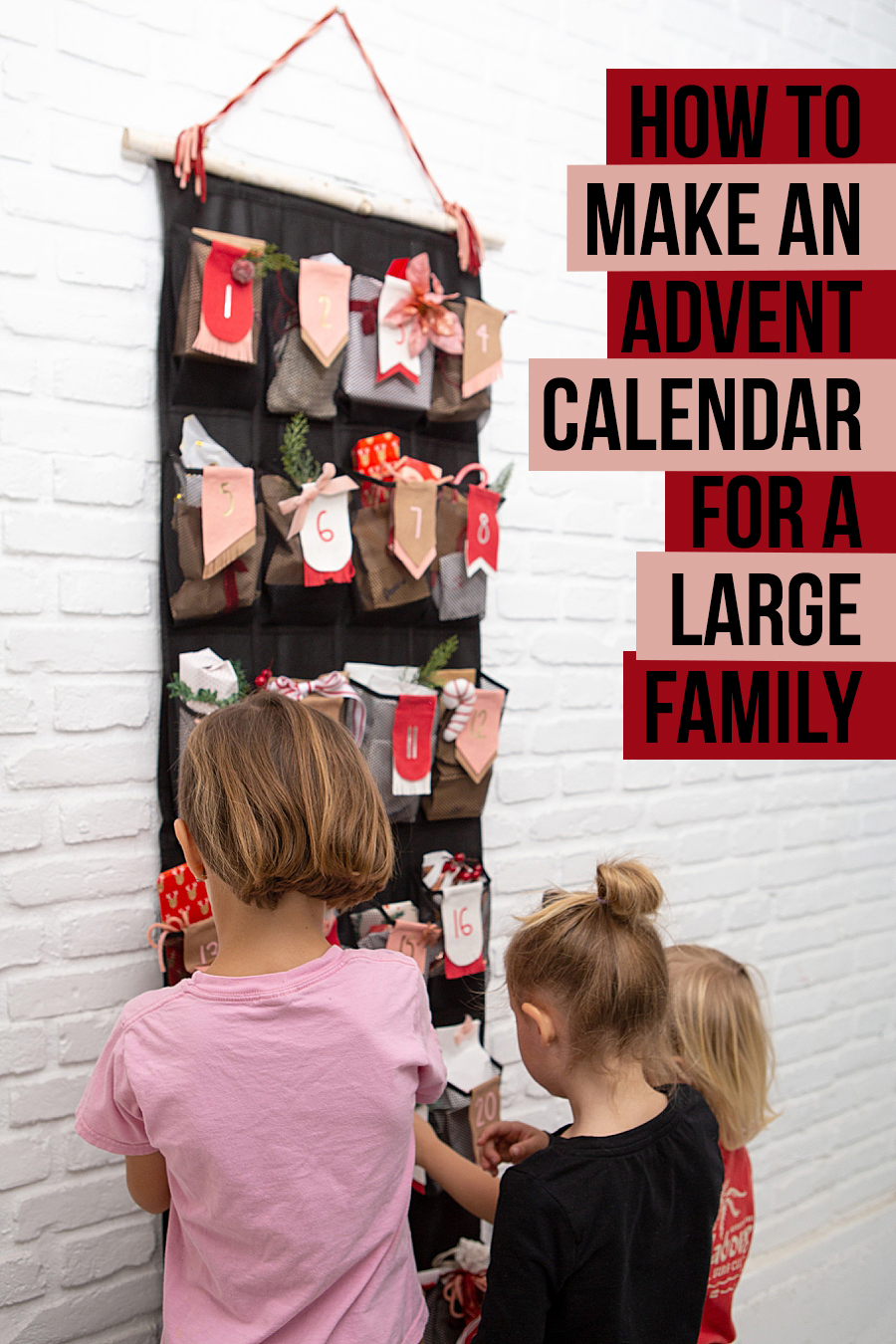
The logistical challenge of creating a 24-day countdown for multiple children requires a departure from traditional small-scale formats. The solution adopted by many DIY enthusiasts is the repurposing of a standard "over-the-door" shoe organizer. This choice is rooted in practical utility; the transparent or mesh pockets provide 24 distinct compartments, perfectly sized for a variety of small-to-medium-sized gifts.

Chronology of Construction
The assembly of a high-capacity advent calendar involves several distinct phases, often beginning months before the December 1st start date:
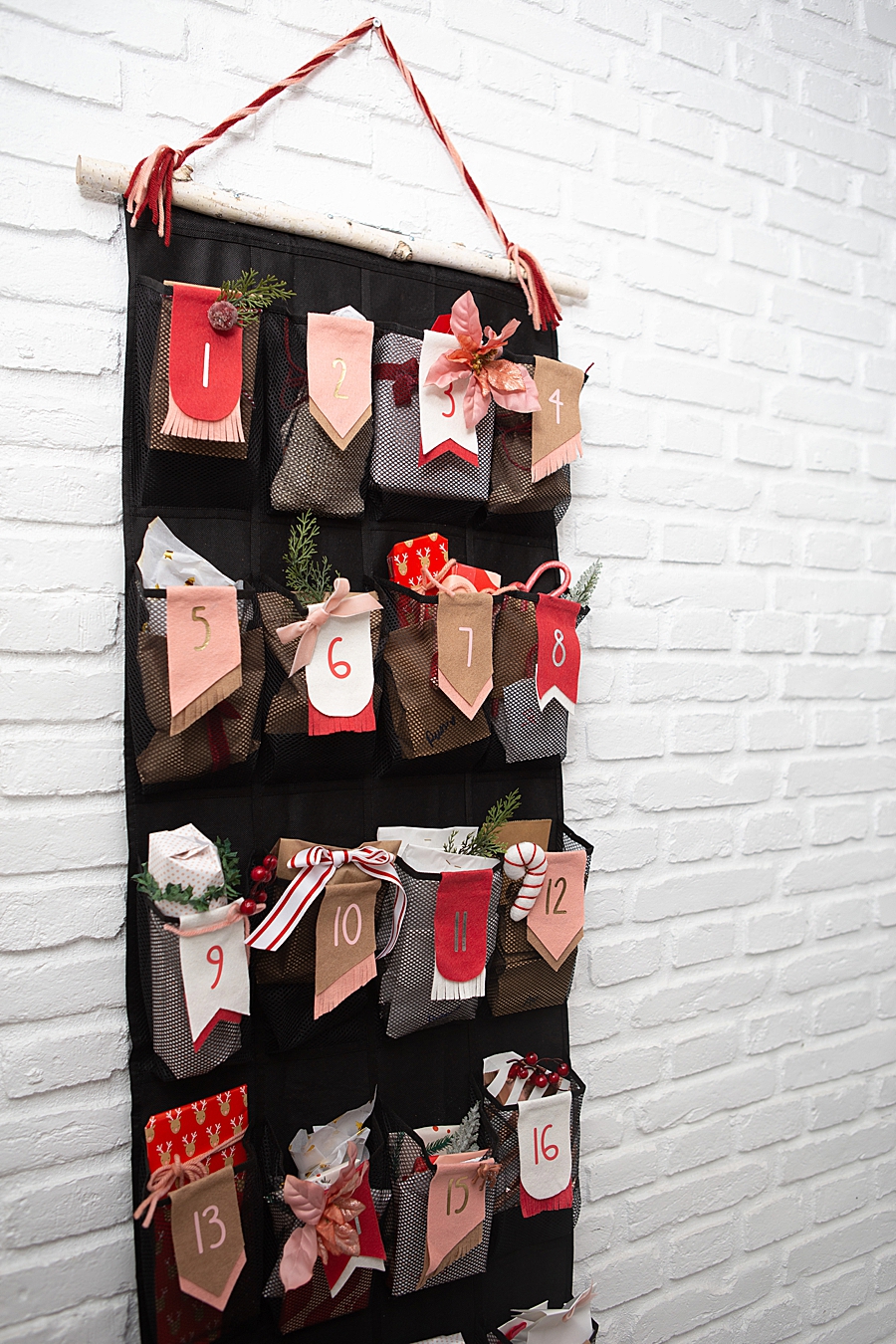
- Inventory Acquisition (October – November): A two-month collection phase is typically required to gather a diverse range of small gifts. This minimizes the impulse-buy "filler" items and allows for the sourcing of meaningful objects from various retailers, ranging from specialty boutiques like Benzie Design to national chains like Target and Michaels.
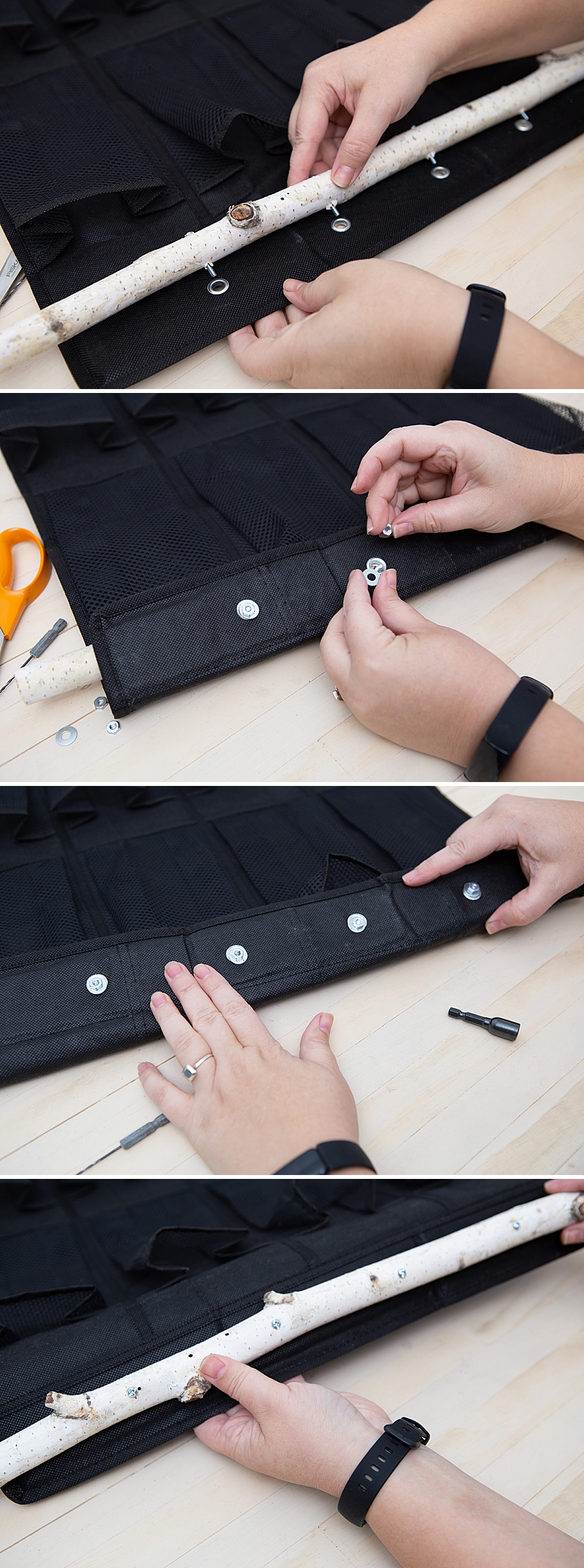
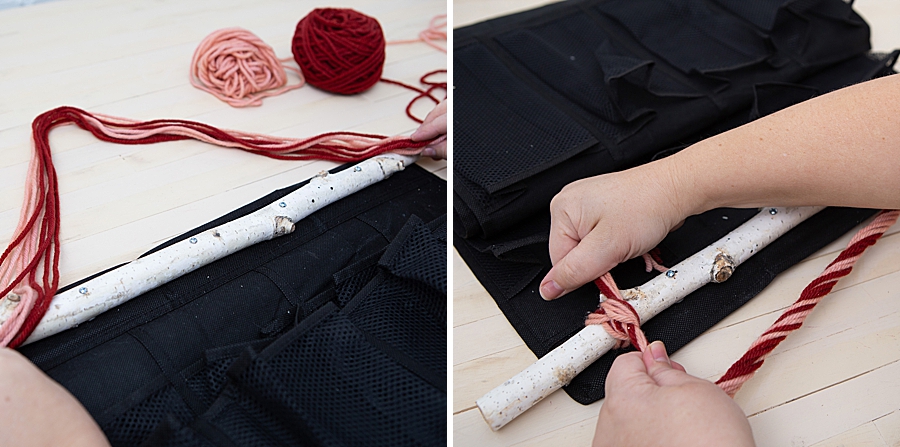
- Structural Reinforcement: Given the cumulative weight of 24 or more gifts, standard over-the-door hooks are often insufficient. Causey-Kidder utilized a decorative white branch as a primary support beam. The structural integrity was ensured by drilling through the wood and securing the shoe organizer using 1.25-inch bolts, washers, and nuts. This method transitions the calendar from a temporary hanging to a sturdy piece of holiday furniture.
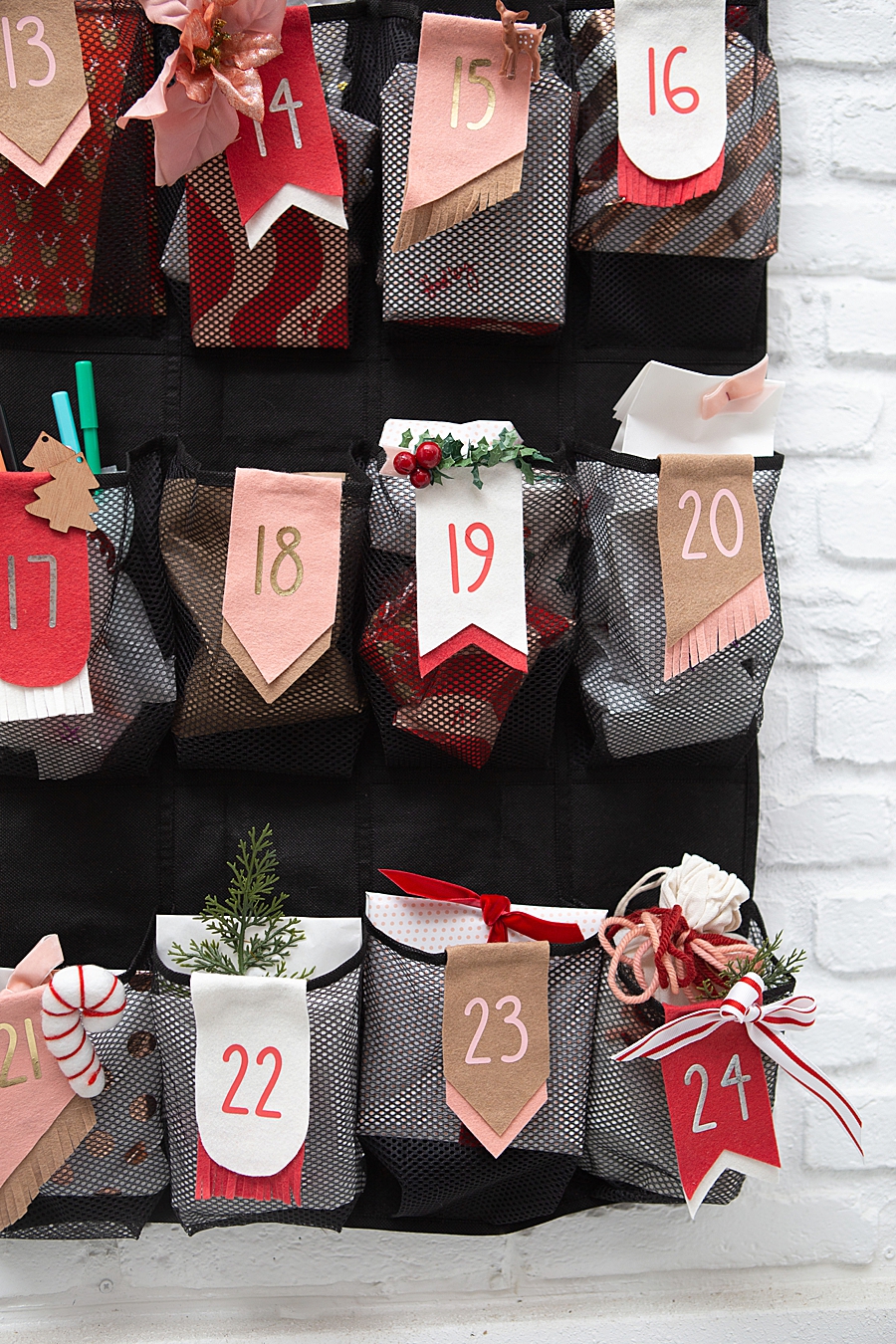
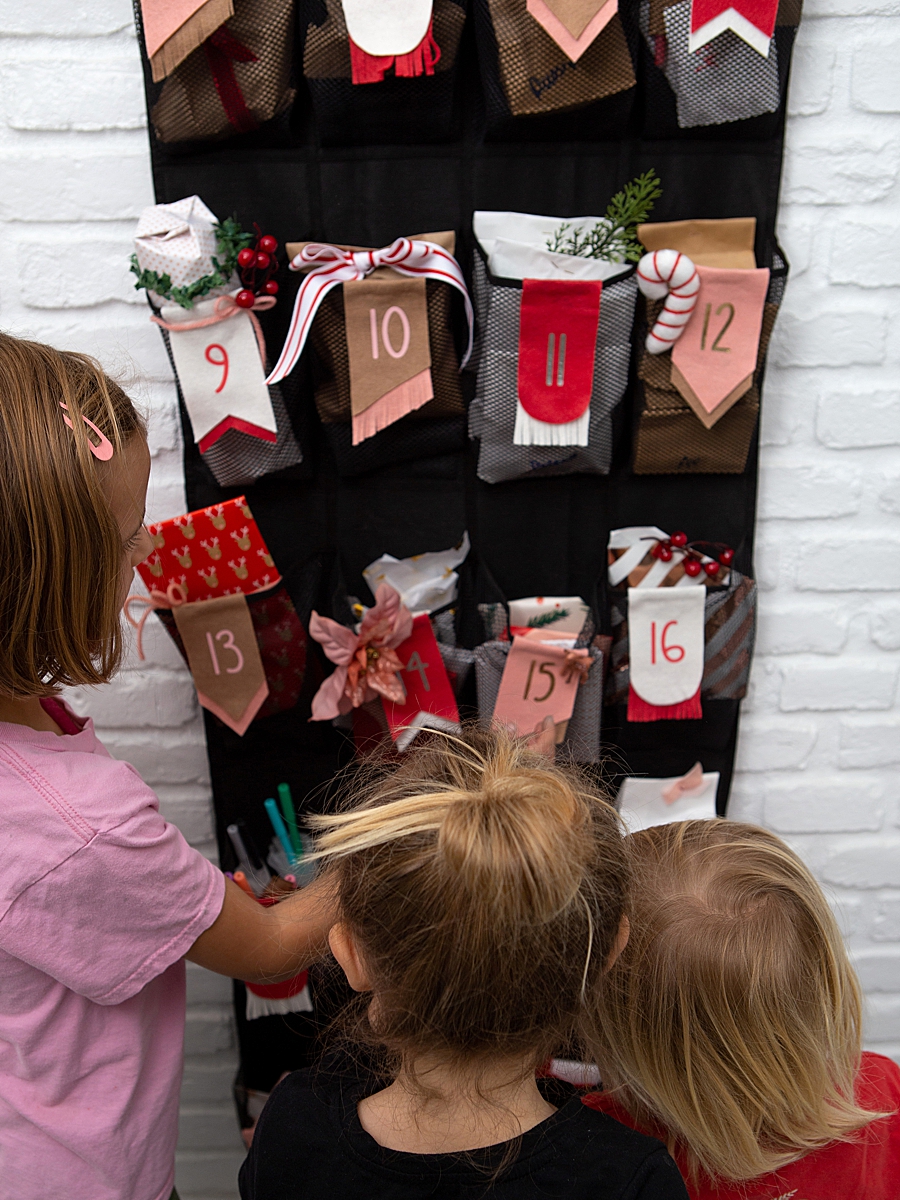
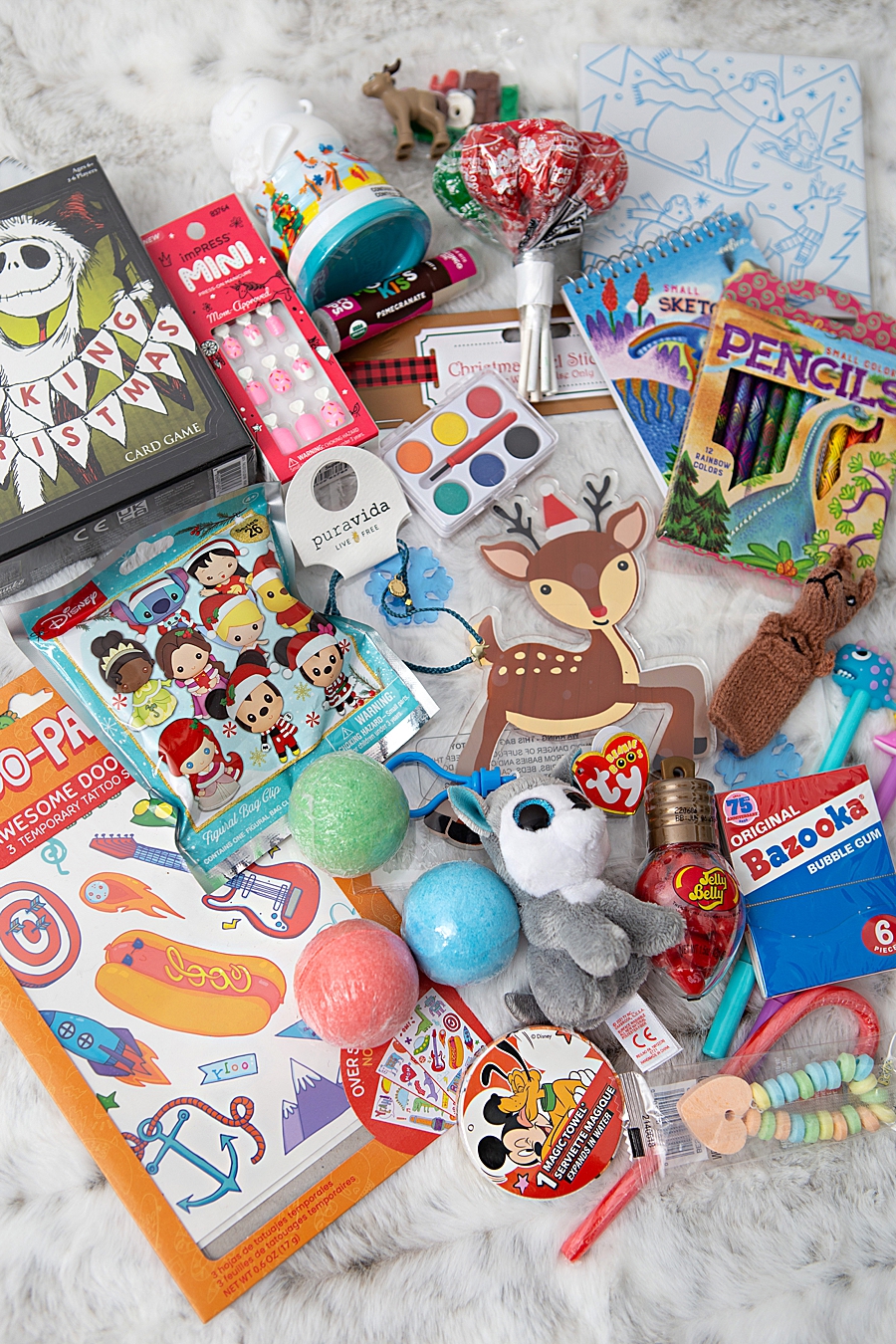
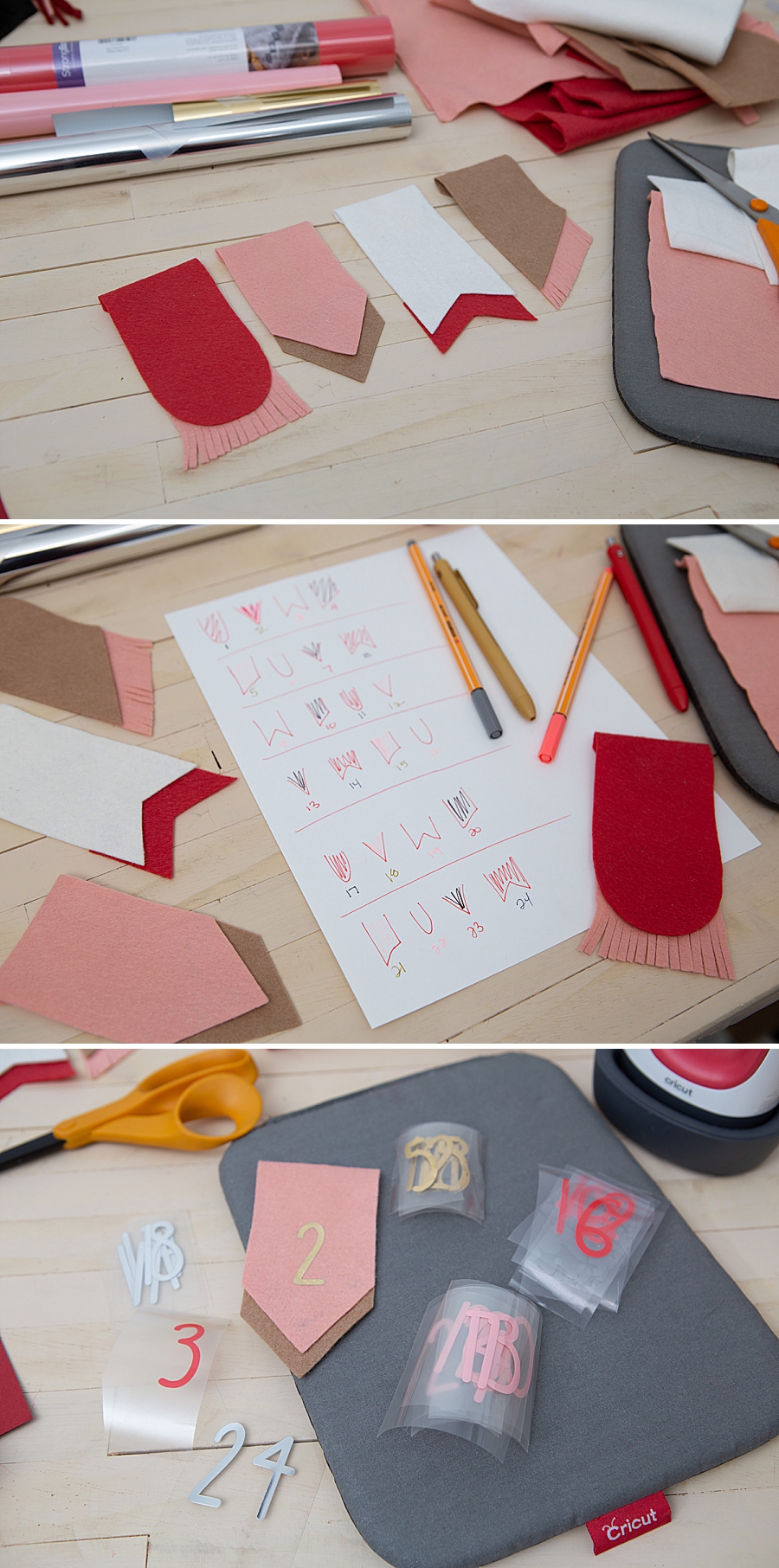
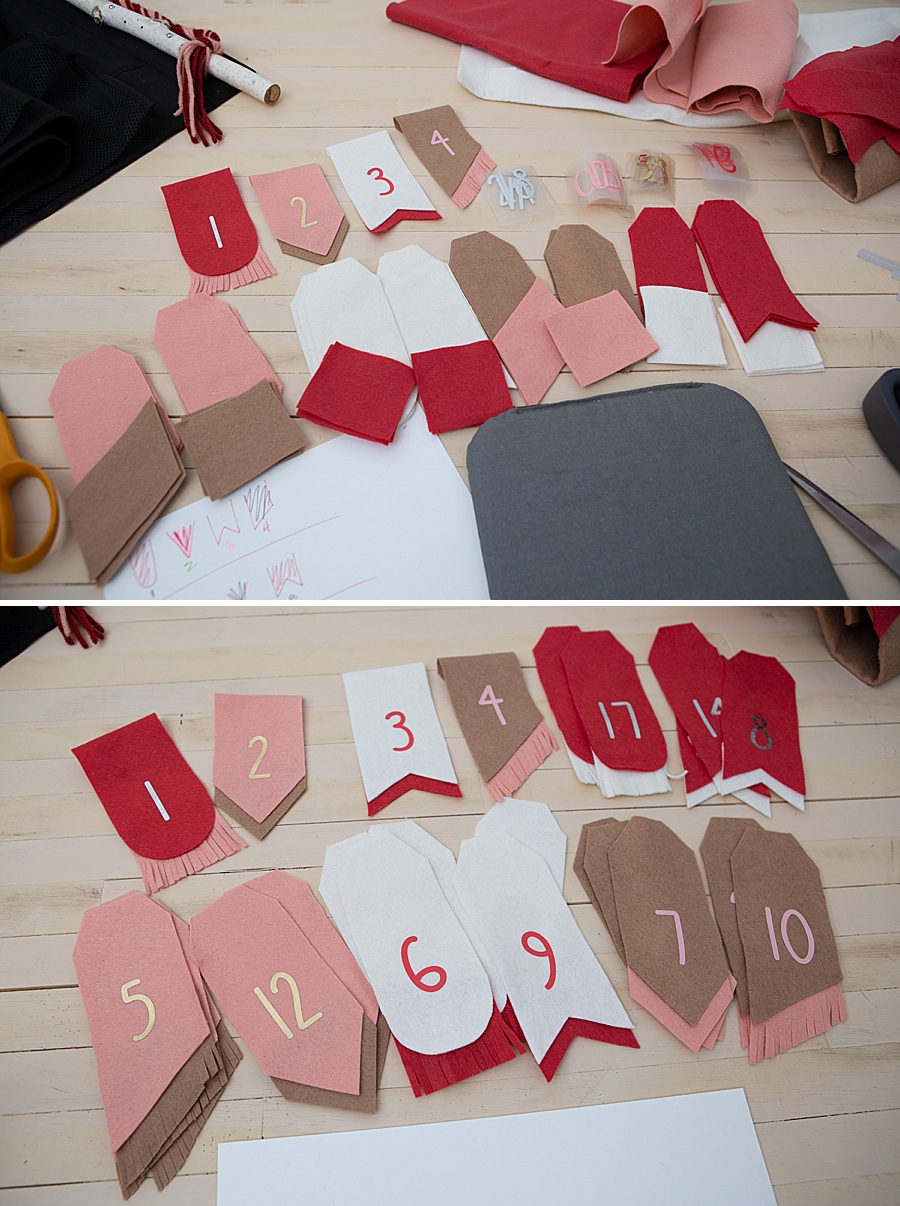
- Graphic Design and Tagging: To maintain aesthetic cohesion, DIYers are increasingly utilizing digital cutting machines, such as those from Cricut. For this project, felt tags were designed in four distinct styles using a palette of red, blush, white, and "castle" grey. The use of iron-on vinyl for numbering provides a professional finish that rivals retail products.
- Assembly and Security: The final phase involves attaching the tags via hot glue and organizing the gifts. A notable "pro-tip" for parents of toddlers involves labeling each gift with the specific date it is intended for. This serves as a security measure against younger children who may attempt to prematurely empty the lower, more accessible pockets.
Inventory Analysis: The Shift Toward Curated Gifts
The primary advantage of the DIY model is the ability to tailor gifts to the specific developmental stages of each family member. In the documented project, the inventory included a sophisticated mix of items:
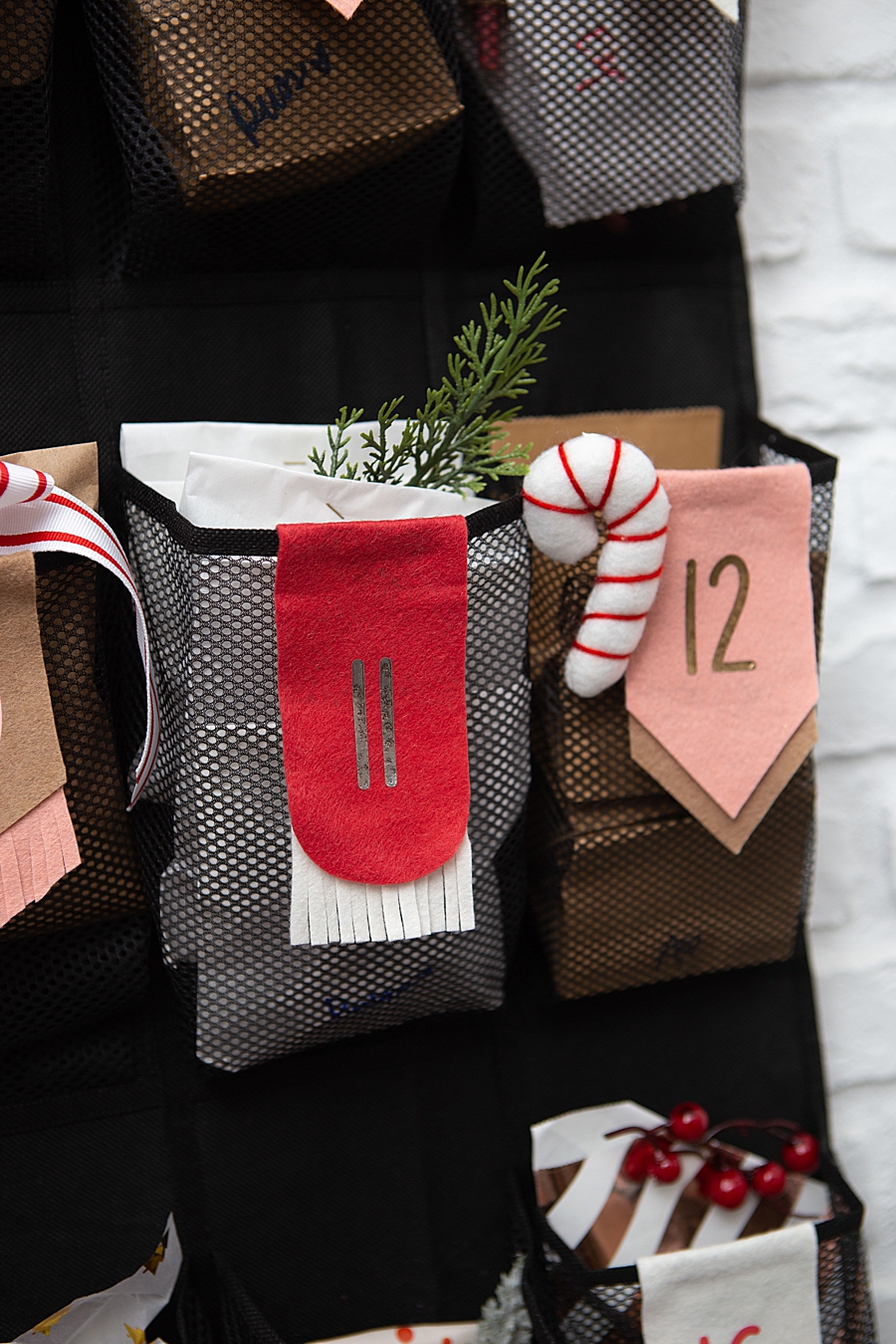
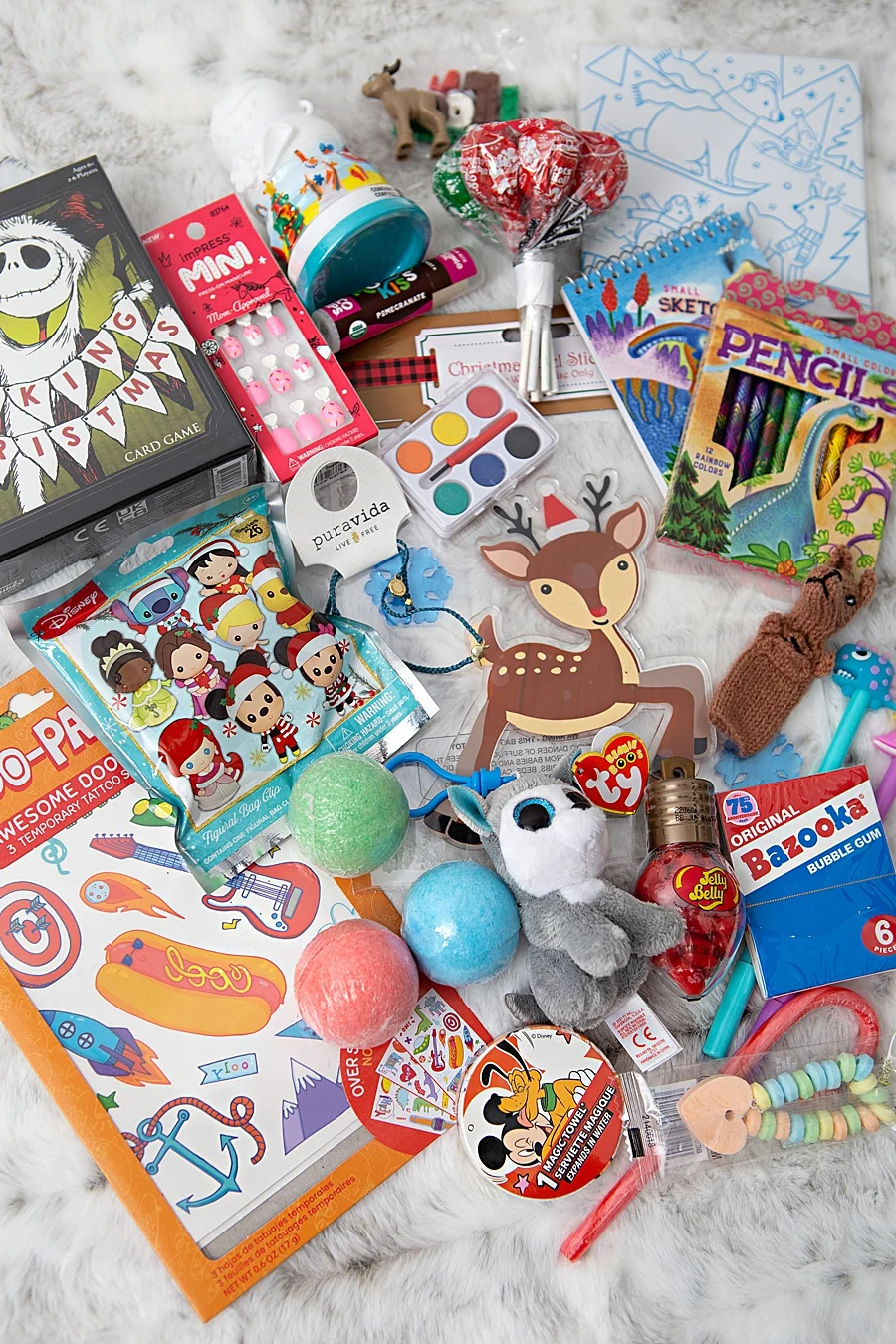
- Jewelry and Accessories: Pura Vida bracelets and press-on nails.
- Creative Supplies: Colored pencils, mini watercolor sets, and paper scratchers.
- Sensory and Play Items: Play-Doh, finger puppets, and "magic towels" that expand in water.
- Utility Items: Chapstick, gum, and mini notebooks.
- Shared Experiences: Family games designed to be opened on specific days to encourage group activity.
This variety addresses the "boredom" factor identified in themed retail calendars. Furthermore, it allows for the inclusion of "Mom and Dad" gifts, transforming the advent countdown from a child-centric activity into a comprehensive family tradition.

Market Trends and Consumer Behavior
The DIY advent calendar movement is part of a broader "slow holiday" trend, which emphasizes intentionality over convenience. Market analysts suggest that the rise of social media platforms like Instagram and Pinterest has provided parents with the resources and inspiration to tackle complex projects that were previously seen as too time-consuming.

The use of hashtags like #somethingturquoisediy facilitates a community-driven exchange of ideas, where users can share modifications to the base design. For instance, some families have reported replacing physical gifts with "activity slips" (e.g., "Tonight we go look at Christmas lights") to reduce clutter and focus on experiential memories.
Sustainability and Long-Term Utility
From an environmental perspective, the DIY shoe-organizer model offers a significant reduction in waste. Traditional advent calendars are often constructed from single-use cardboard and plastic trays, which are discarded immediately after the holiday season. In contrast, the materials used in the DIY version—felt, wood, and a durable shoe rack—are designed for multi-year use.
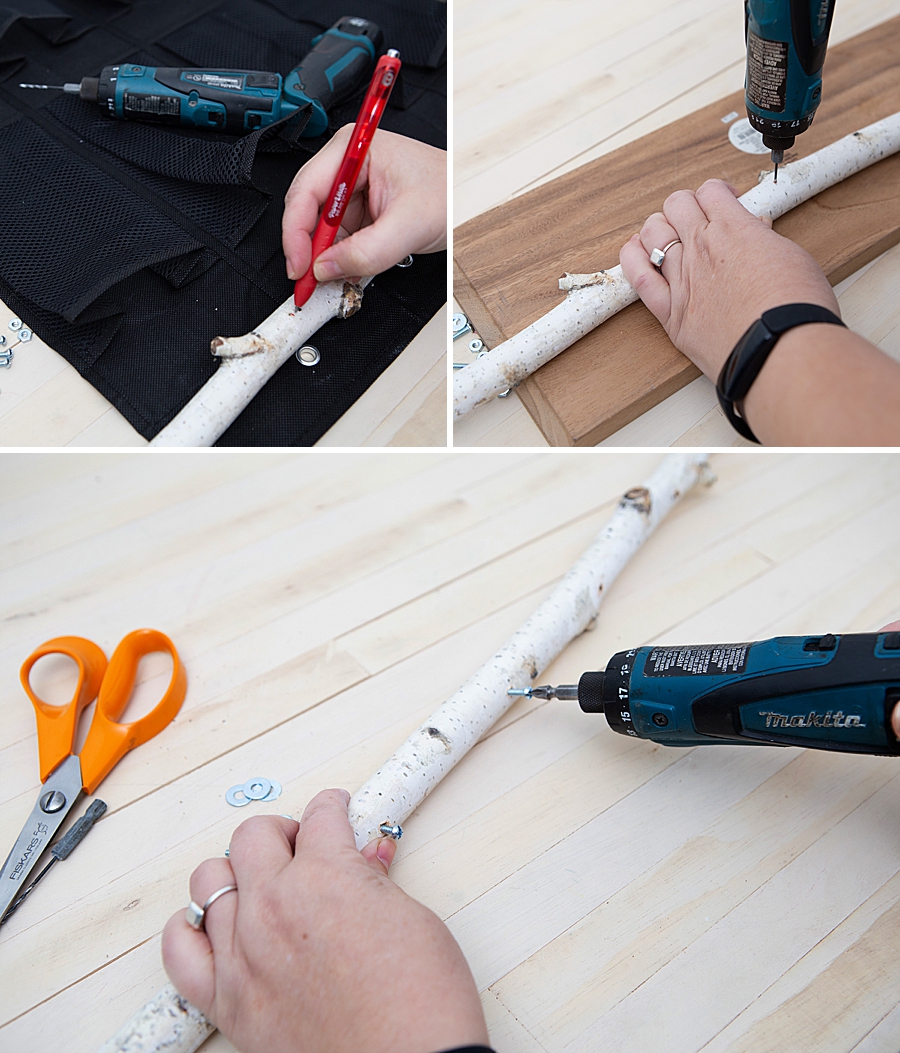
While the initial setup involves a "labor of love" and a moderate upfront investment in tools (such as a drill, wrench, and hot glue gun), the recurring annual cost is limited strictly to the gift items. This sustainable approach appeals to the modern eco-conscious consumer who seeks to minimize their holiday carbon footprint.
Expert Analysis: The Psychological Impact of Personalization
Child development experts note that personalized advent calendars can enhance the "anticipatory joy" of the holiday season. Unlike mass-market calendars where the contents are often predictable or pictured on the box, a wrapped DIY gift introduces an element of genuine surprise.
Furthermore, the act of "Tag Planning"—a process where parents determine which gift is opened on which day—allows for the strategic pacing of the holiday. Larger gifts or family activities can be scheduled for weekends, while smaller trinkets can be reserved for busy school nights. This level of control helps manage expectations and reduces the overstimulation often associated with the month of December.
Broader Implications for the Retail Sector
The success of these DIY initiatives serves as a signal to retailers. While the demand for pre-packaged calendars remains high, there is a growing market for "Advent Kits"—sets that include the structural components (like high-quality felt tags or reusable bags) but leave the gift selection to the consumer. Brands like Benzie Design and Sugar Paper have successfully tapped into this niche by providing high-end materials that allow for a DIY feel without requiring the consumer to start from scratch.
Conclusion
The DIY advent calendar project for large families represents a convergence of creativity, fiscal responsibility, and structural engineering. By repurposing a simple shoe organizer and investing in personalized curation, families are reclaiming a tradition from the clutches of commercial repetition. As Jen Causey-Kidder noted, while the project is a "labor of love" that requires significant time and planning, the resulting engagement and joy from the children justify the effort. This movement suggests that the future of holiday traditions may not be found on a store shelf, but rather in the aisles of hardware and craft stores, as parents seek to create more meaningful and lasting memories for their households.