
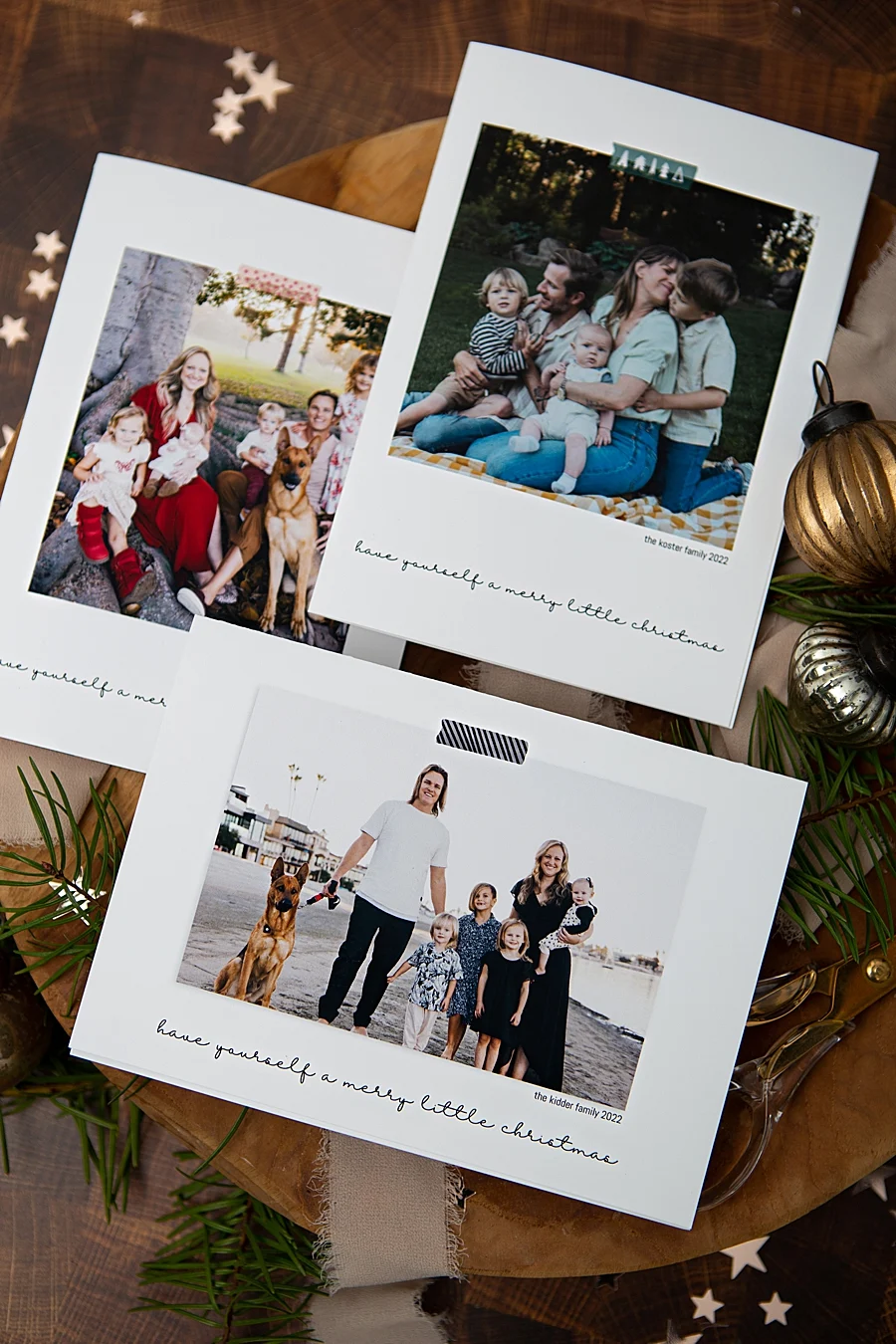
The tradition of exchanging holiday greeting cards is undergoing a significant transformation as advancements in home printing technology and the democratization of graphic design tools allow consumers to bypass commercial printing services. This shift toward high-fidelity, "prosumer" grade home production is highlighted by recent collaborations between hardware manufacturers and digital content creators, signaling a new era for the multi-billion dollar greeting card industry. At the center of this movement is the integration of specialized hardware, such as the Canon PIXMA TS9521C, with customizable software platforms, enabling individuals to produce professional-quality holiday stationery that rivals high-end boutique offerings.
The Evolution of the Greeting Card Market and the Maker Movement
The greeting card industry remains a robust segment of the American economy, with the Greeting Card Association (GCA) estimating that approximately 6.5 billion greeting cards are purchased annually. While digital communications have replaced some forms of casual correspondence, the holiday season continues to account for the largest share of physical card sales, with an estimated 1.6 billion Christmas cards sent each year in the United States alone. However, consumer behavior is pivoting away from mass-produced, "off-the-shelf" designs in favor of hyper-personalized content.
This trend is part of the broader "maker movement," a social-economic trend emphasizing the self-production of goods through the use of modern technology. The emergence of the crafting printer, a category specifically designed to handle varied paper weights and sizes, has been a primary catalyst. Unlike standard office printers, crafting-specific models are engineered to manage thick cardstocks, double-sided matte finishes, and non-traditional dimensions, such as the 7×10-inch pre-scored sheets that fold into standard 5×7-inch greeting cards.
Technological Integration: Hardware and Software Synergy
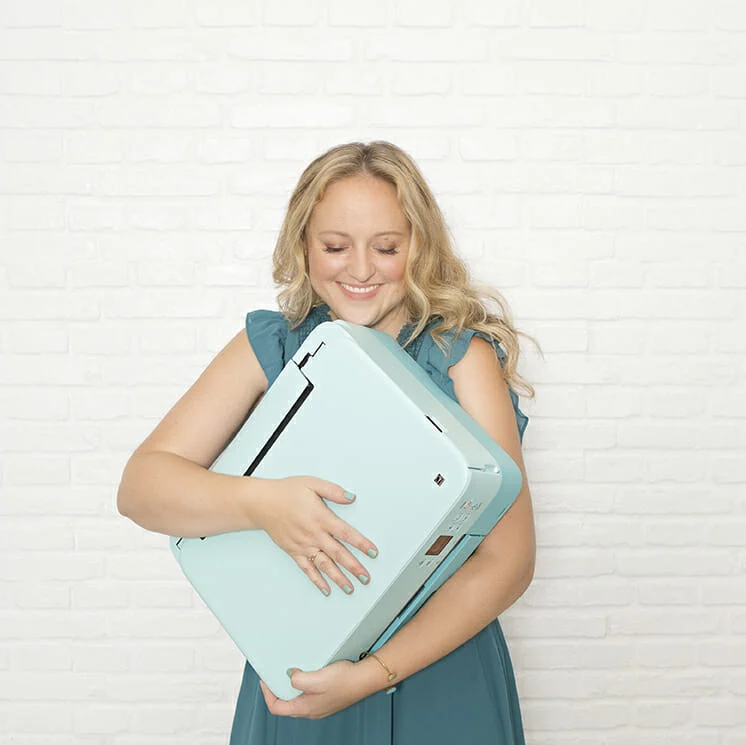
The process of creating high-quality home stationery has been streamlined through the synergy of specialized hardware and cloud-based design software. In a recent initiative, Canon U.S.A., Inc. collaborated with DIY industry expert Jen Causey-Kidder of "Something Turquoise" to demonstrate the capabilities of the PIXMA TS9521C Crafting Printer. This device represents a specialized segment of the inkjet market, offering features tailored for scrapbooking and stationery production, including 12×12-inch borderless printing and high-resolution color accuracy.
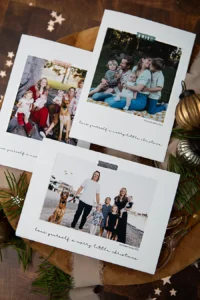
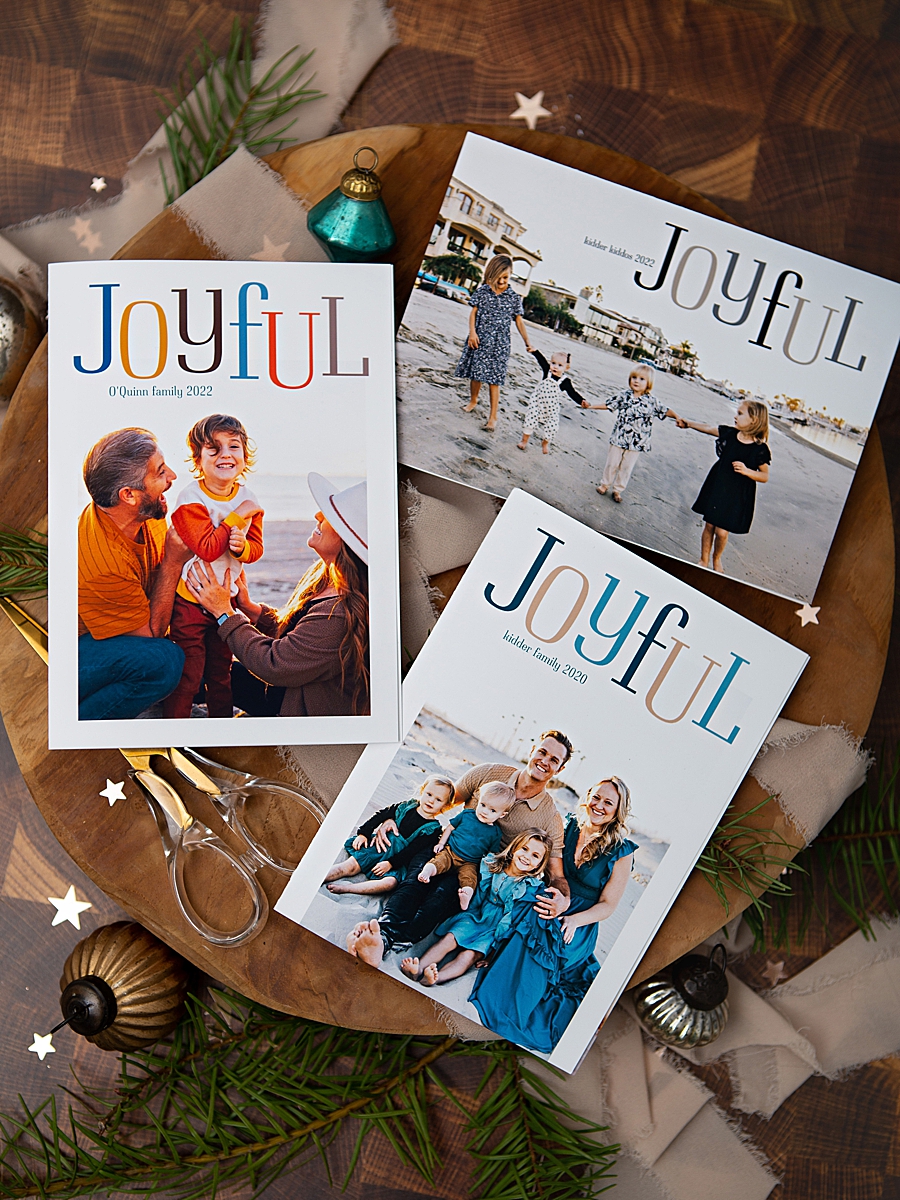
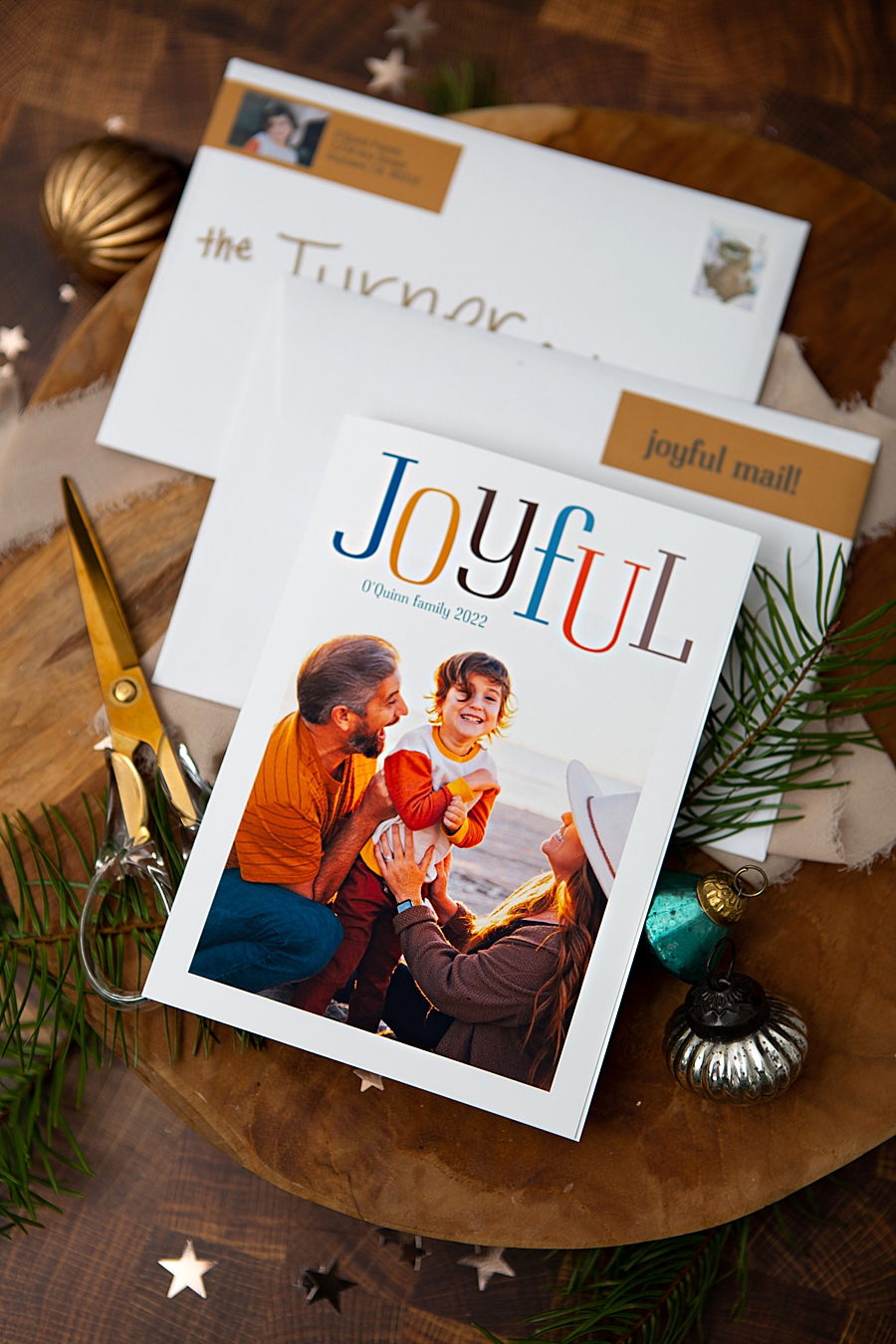
To facilitate the design process for the average consumer, the use of Corjl—a digital editing platform—has become a standard. This software allows users to manipulate professional design templates, such as the "Joyful," "Tape," and "Berries" motifs, without requiring extensive knowledge of complex graphic design suites like Adobe Illustrator. This accessibility allows for the customization of typography, color schemes, and the integration of high-resolution family photography, which are then outputted onto specialized media such as Canon’s 7×10 Double-Sided Greeting Card Paper.
Chronology of Home Printing Advancements
The path to professional-grade home card production has seen several key milestones over the past two decades:
- The Early Inkjet Era (Late 1990s – Early 2000s): Home printing was largely limited to document production. Photo printing was expensive, slow, and often lacked the archival quality required for keepsakes.
- The Rise of Digital Photography (Mid-2000s): As digital cameras became ubiquitous, printer manufacturers began focusing on photo-ink technology and "PictBridge" capabilities, allowing direct printing from cameras.
- The Prosumer Shift (2010s): Manufacturers introduced high-end photo printers with individual ink tanks (often 5 to 10 separate colors) to provide more nuanced gradients and deeper blacks, moving home printing closer to offset-lithography quality.
- The Specialized Crafting Movement (2018 – Present): The introduction of the "Crafting Printer" category, exemplified by the PIXMA TS9521C, addressed specific hobbyist needs, such as the ability to print on heavy glitter paper, cardstock, and oversized formats.
Design Trends in the 2020s Holiday Season
The current holiday season has seen a return to "analog-inspired" digital designs. According to design experts, the three primary aesthetic directions include:
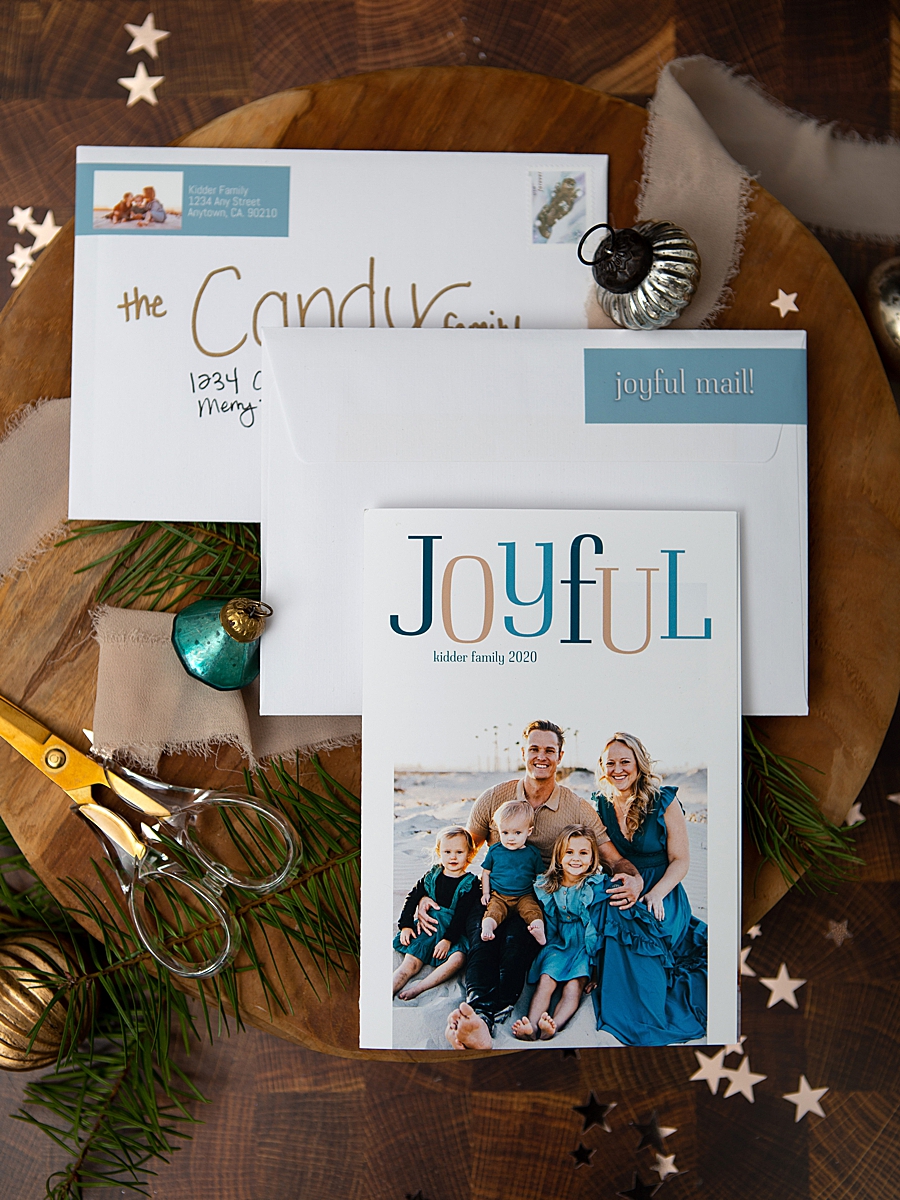
- Minimalist Typography: The "Joyful" design trend emphasizes clean lines and bold, sans-serif fonts where the text acts as a frame for the photography. The ability to color-match the font to specific elements within a family photo (such as the color of a sweater or a background landscape) is a key feature of modern home-editing software.
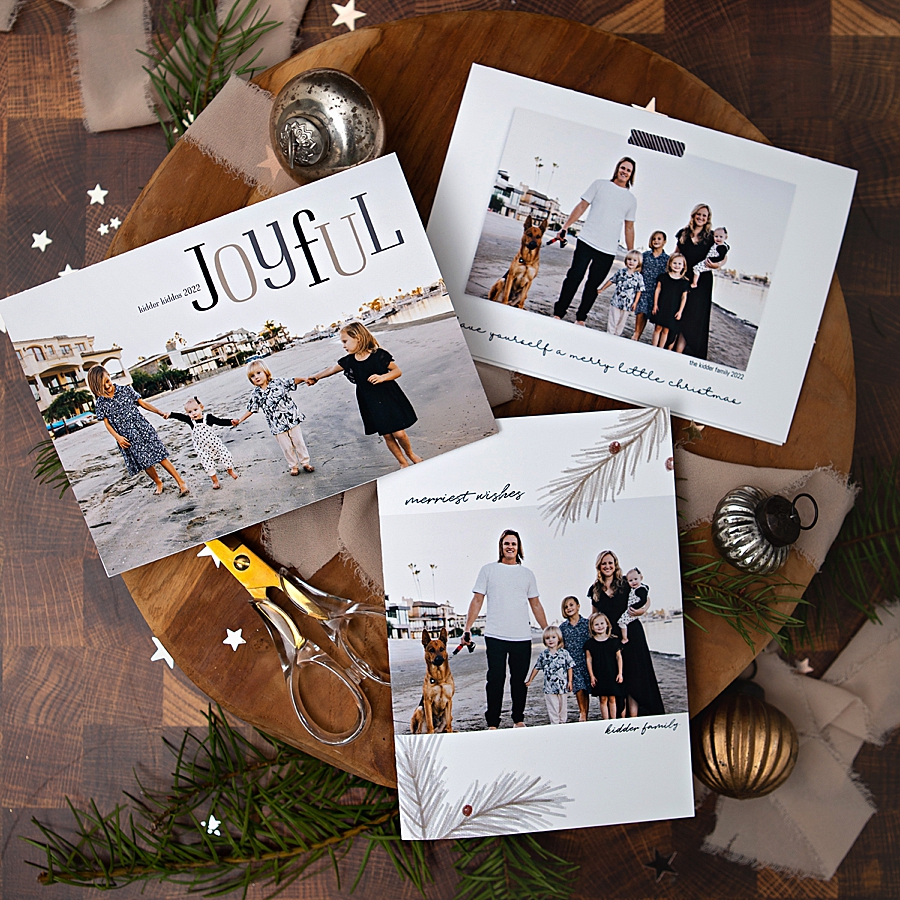
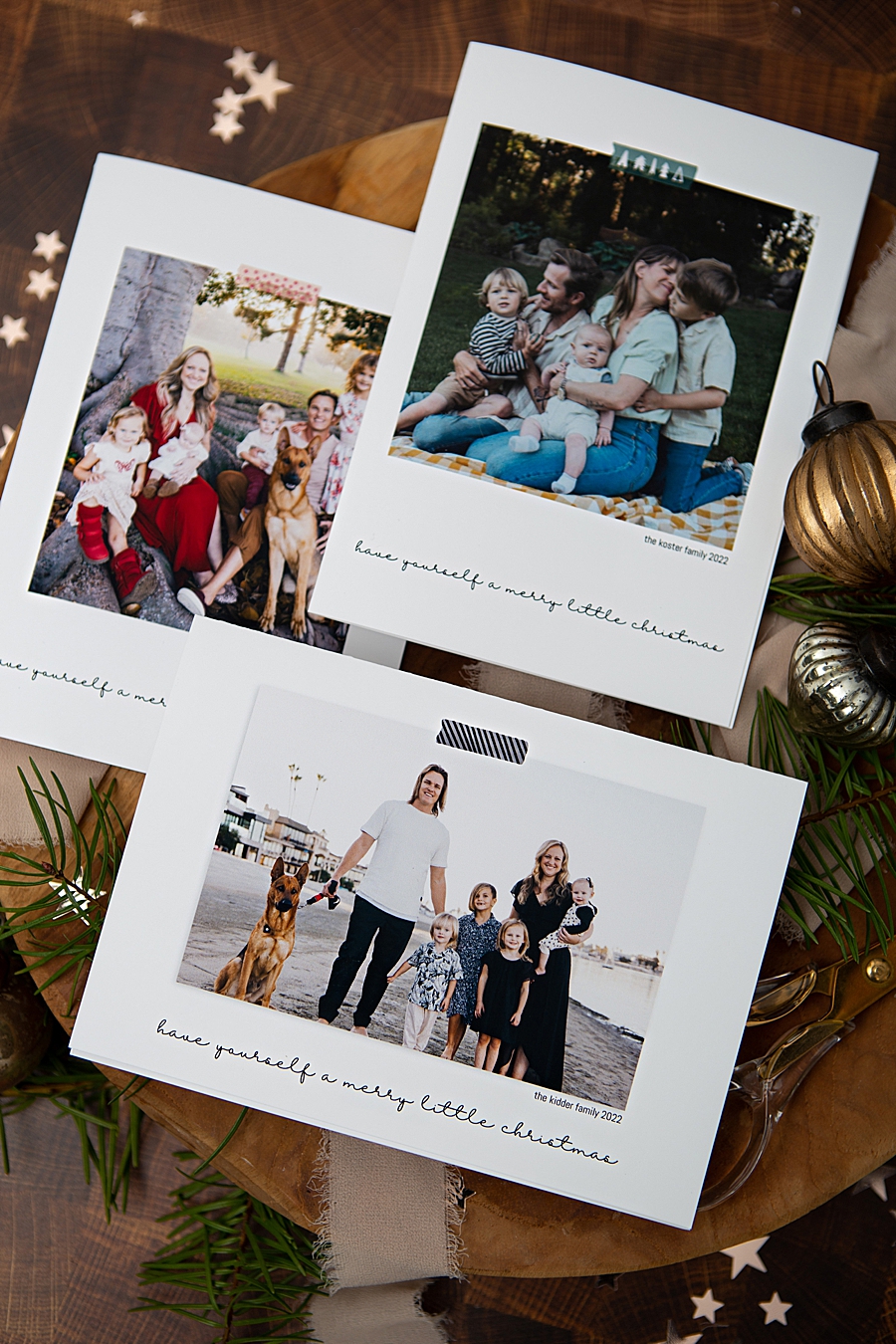
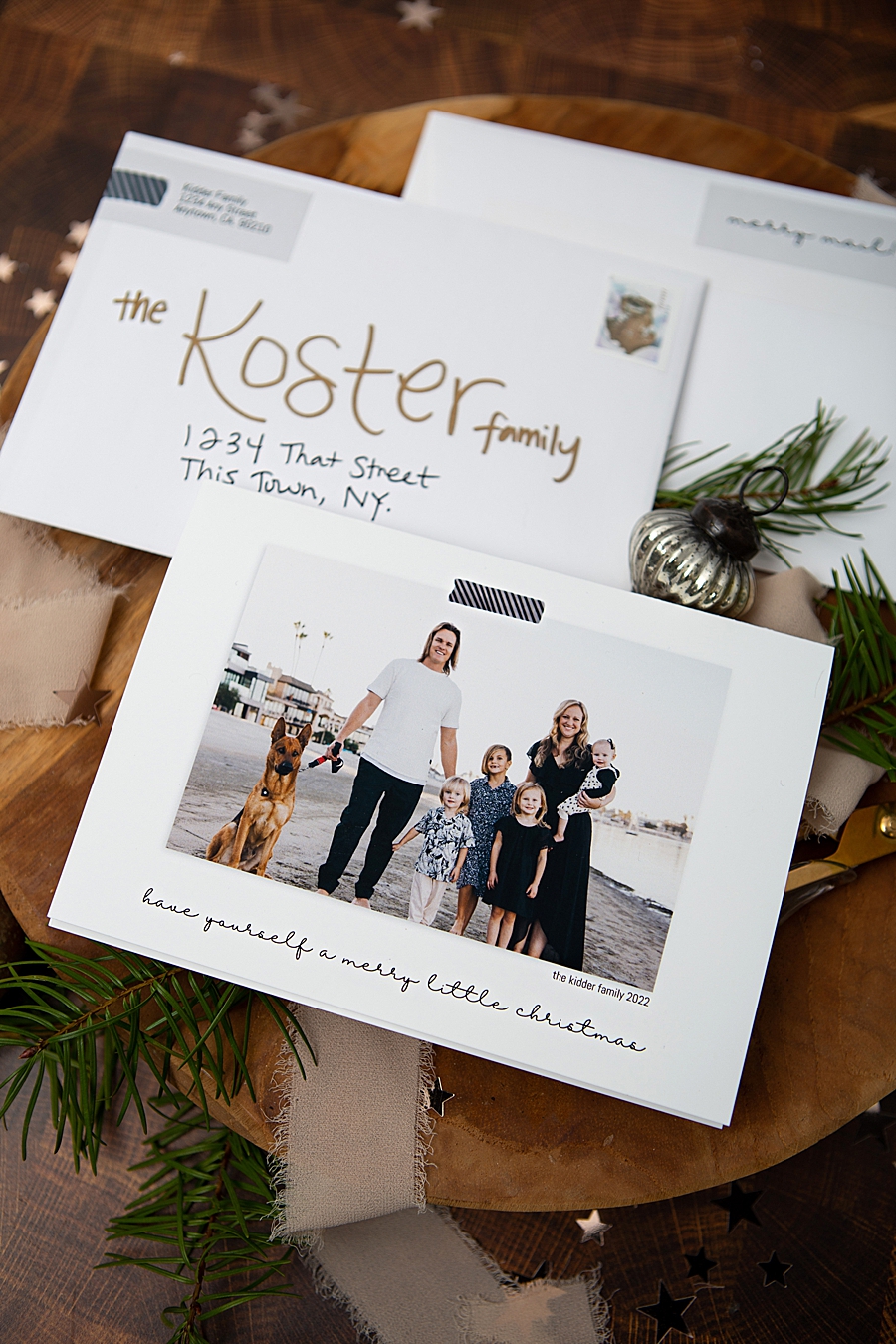
- Faux-Scrapbooking: The "Tape" aesthetic utilizes digital overlays that mimic physical washi tape or masking tape. This provides a tactile, "handmade" feel to a digitally printed product, bridging the gap between high-tech production and traditional scrapbooking.
- Botanical Illustration: The "Berries" motif reflects a trend toward hand-drawn, organic elements. Using a muted palette of greens, pinks, and beiges, these designs cater to a growing consumer preference for "cottagecore" and rustic holiday themes.
Economic and Environmental Implications
The move toward home-based printing also carries economic and environmental weight. While the initial investment in a specialized crafting printer can range from $200 to $300, the per-unit cost of a card can be significantly lower than those ordered from premium online vendors, which often charge between $2.00 and $5.00 per card plus shipping. For a household sending 100 cards, home production using bulk-purchased paper packs and ink can result in substantial savings over several holiday seasons.
Furthermore, on-demand printing addresses the issue of waste. Commercial card packs often result in unused leftovers that eventually enter the waste stream. By printing exactly the number of cards required, consumers can reduce paper consumption. Additionally, the use of specialized papers, such as Canon’s restickable photo paper or double-sided matte cardstock, allows for more versatile use of materials, reducing the need for multiple specialized products.
Industry Response and Market Analysis
Industry analysts suggest that the "prosumer" printing market is a strategic hedge for companies like Canon U.S.A., Inc. against the decline of traditional document printing. By positioning printers as essential tools for the "creator economy" and the DIY community, manufacturers are tapping into a demographic that values physical media and tactile experiences.
In statements regarding their market position, Canon U.S.A., Inc. has emphasized its commitment to allowing consumers to "create and preserve beautiful imagery, from capture to print." This philosophy aligns with the broader market trend where the printer is no longer viewed as an office peripheral but as a creative appliance, similar to a high-end kitchen mixer or a sewing machine.
The success of influencer-led campaigns, such as those featuring the "somethingturquoisecrafting" initiative, demonstrates the effectiveness of community-based marketing. By providing free design assets (utilizing promotional codes like "canonholiday"), manufacturers lower the barrier to entry for new users, effectively seeding the market for their proprietary paper and ink consumables.
Future Outlook: The Intersection of AI and Personal Stationery
As we look toward future holiday seasons, the integration of Artificial Intelligence (AI) into the DIY card-making process is expected to be the next major frontier. AI-driven tools are already beginning to assist users in photo enhancement, background removal, and even the generation of personalized holiday greetings. When combined with high-end output devices like the PIXMA series, the line between a home-printed card and a professionally manufactured product will continue to blur.
The resurgence of the physical holiday card in an increasingly digital world underscores a fundamental human desire for tangible connection. The ability to produce these artifacts at home, with a level of quality that was once the exclusive domain of professional print shops, represents a significant democratization of design and manufacturing. As long as technology continues to evolve in favor of the "maker," the tradition of the holiday card appears not only safe but poised for a creative renaissance.
Conclusion of Technical Specifications and Utility
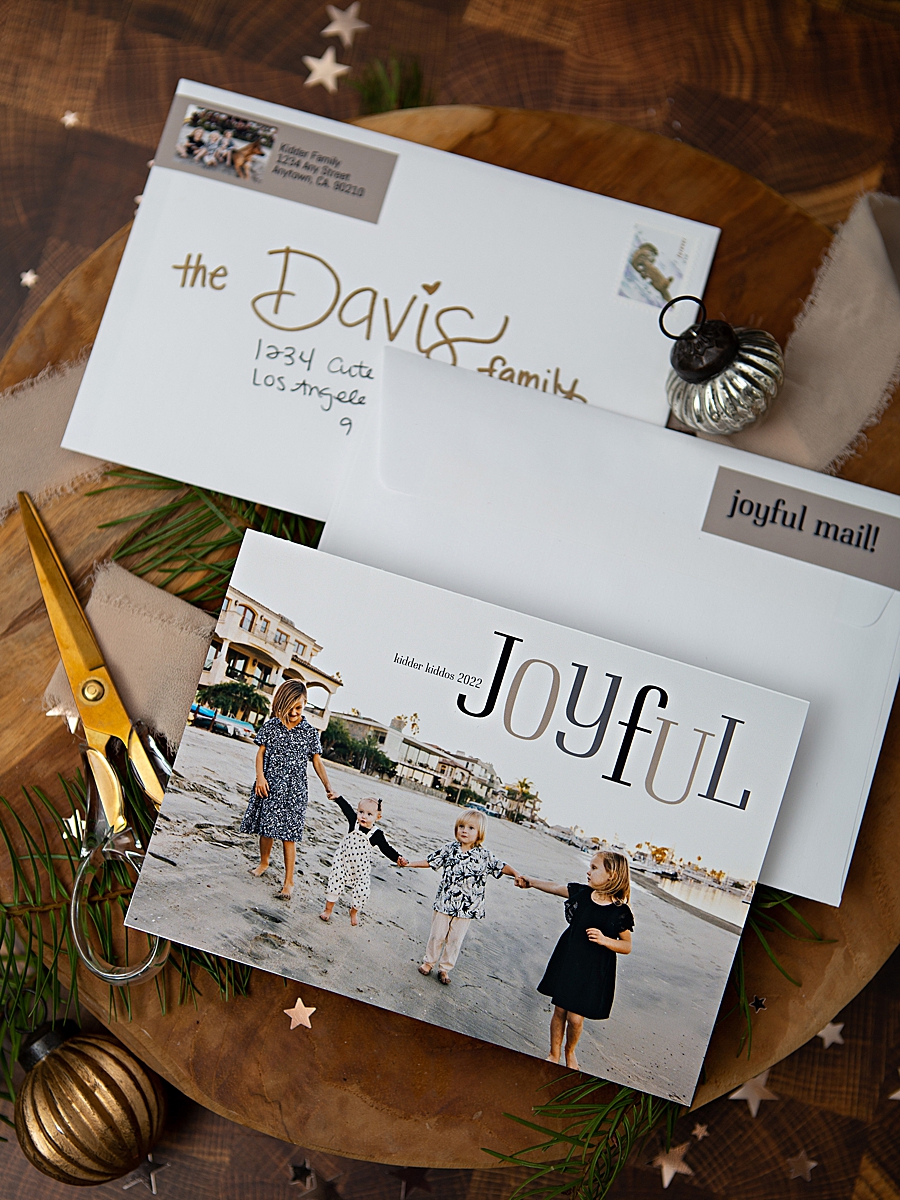
For consumers looking to replicate professional results, the technical requirements remain specific. The use of 7×10-inch double-sided matte photo paper is critical for achieving the "store-bought" feel, as it allows for high-resolution imagery on the front while maintaining a writable surface for personalized messages on the interior. The inclusion of matching envelopes and address labels further professionalizes the presentation. As demonstrated by the DIY tutorials provided by industry experts, the modern holiday card project is as much about the process—described by many as "relaxing and joyful"—as it is about the final product. Through the combination of the right hardware, intuitive software, and high-quality media, the home office has officially become a high-end stationery studio.