

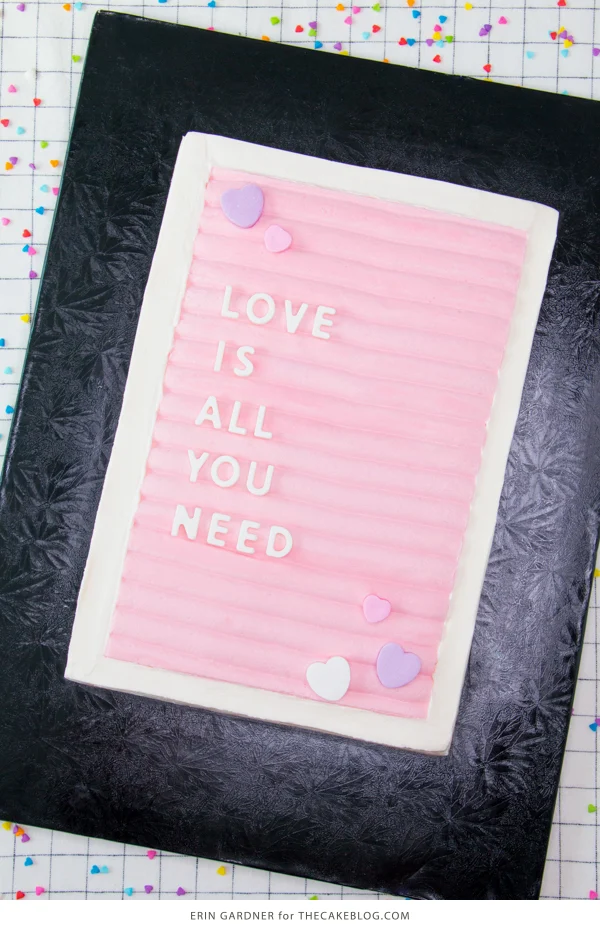
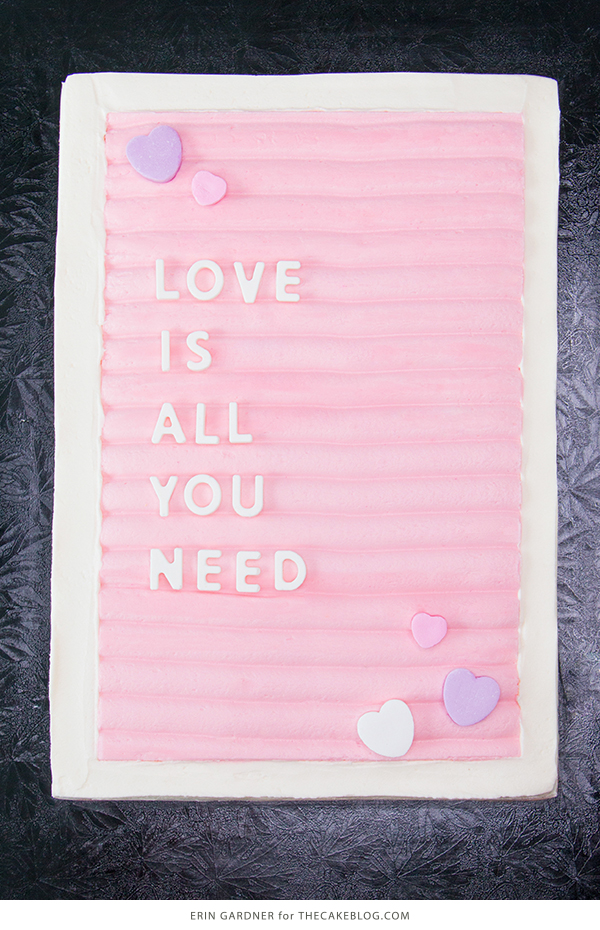
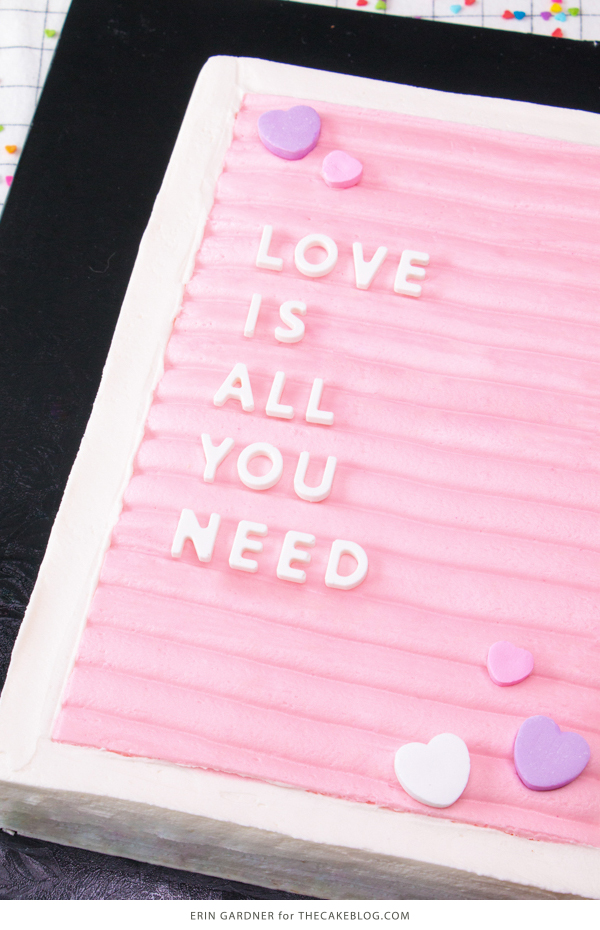
The culinary arts and home baking sectors have seen a significant shift toward highly personalized, interactive designs, a trend further solidified by the release of a new instructional guide by professional cake designer and contributor Erin Gardner. The "Message Board Sheet Cake" tutorial introduces a streamlined methodology for replicating the aesthetic of vintage felt letter boards using common confectionery tools and ingredients. This design approach reflects a broader movement within the baking industry to bridge the gap between professional-grade aesthetics and home-kitchen accessibility. By utilizing a combination of textured buttercream and molded chocolate, the technique allows bakers to communicate specific sentiments for a variety of social occasions, ranging from Valentine’s Day to corporate milestones.
The Intersection of Home Decor Trends and Confectionery Design
The inspiration for the Message Board Sheet Cake is rooted in the "felt letter board" trend that dominated interior design and social media photography throughout the late 2010s. These boards, characterized by their horizontal ridges and interchangeable plastic typography, became a staple for announcements, motivational quotes, and humor. Gardner’s adaptation of this physical medium into an edible format follows a historical pattern where popular home decor aesthetics eventually permeate the culinary world.
Market data from the specialty food and craft sectors indicates a 15% year-over-year increase in the demand for tools that allow for high levels of customization, such as letter molds and specialized cake combs. This tutorial addresses that demand by offering two distinct paths to the final product: one requiring specific professional tools like scalloped combs and silicone molds, and an alternative method using basic piping bags and parchment paper. This dual-pathway approach is designed to maximize the reach of the tutorial across different skill levels within the baking community.
Technical Specifications and Procedural Chronology
The construction of the Message Board Sheet Cake is divided into three primary phases: the creation of the textured "board" surface, the fabrication of the chocolate typography, and the final assembly and layout. Each phase requires attention to temperature control and structural integrity to ensure a professional finish.
Phase I: Creating the Textured Base
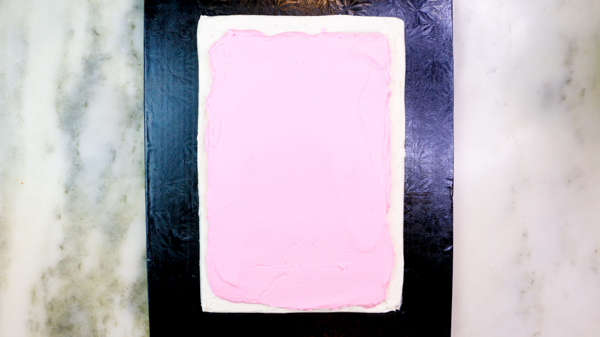
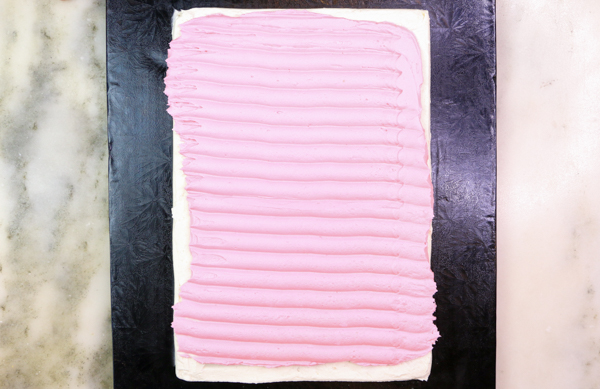
The foundational element of the design is the ridged buttercream surface that mimics the grooves of a felt board. The process begins with the application of a thick, level layer of buttercream—frequently tinted in pastel or neutral tones to provide high contrast for the letters.
- Surface Preparation: A level layer of frosting is essential. According to technical standards in cake decorating, an uneven base will result in distorted lines when the texture tool is applied.
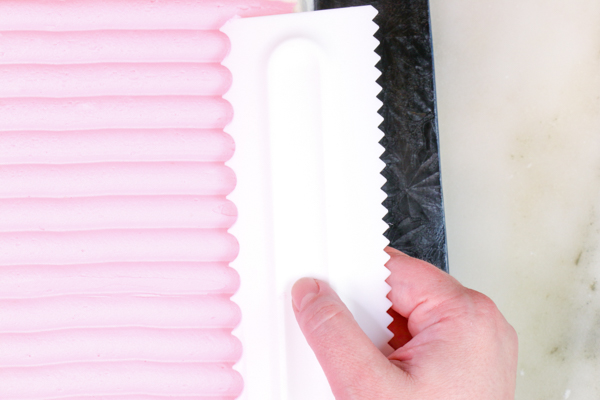
- Texturing: The primary method involves a scalloped cake comb. The tool is dragged lengthwise across the cake, creating consistent horizontal ridges.
- Alternative Methodology: For bakers lacking a comb, the tutorial suggests piping individual lines using a large round tip. While this achieves a similar visual effect, industry analysis suggests this method increases buttercream consumption by approximately 100%, adding to the material cost and weight of the final product.
- Thermal Stabilization: Once textured, the cake must be chilled until the buttercream reaches a firm state. This "flash-chilling" step is critical for the subsequent "cutting" phase, preventing the frosting from smearing or losing its definition.
Phase II: The Inset Border Technique
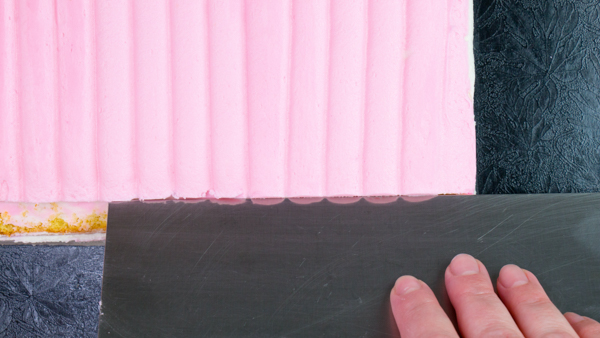
To achieve the "framed" look of a traditional letter board, the tutorial introduces a negative-space technique. Using a bench scraper dipped in warm water—a common professional tactic to ensure clean cuts through fats and sugars—a one-inch border is carved out around the perimeter of the cake. The excess chilled frosting is then removed with a small spatula, creating a recessed area that is later filled with a contrasting "frame" of buttercream applied via a basketweave piping tip.
Phase III: Fabrication of Edible Typography
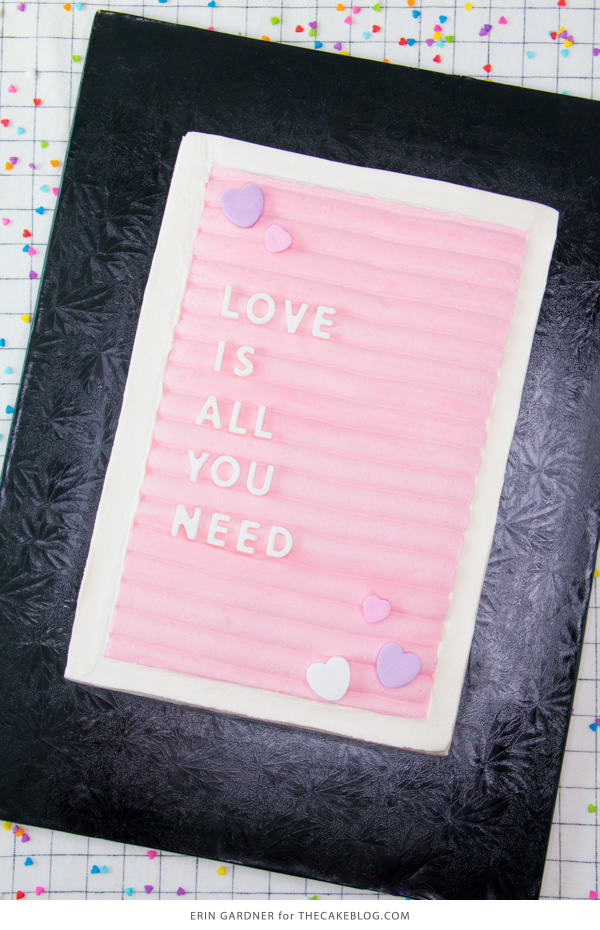
The "messages" on these cakes are composed of individual letters made from melted white chocolate or compound coating. The use of chocolate over fondant or royal icing provides a more stable structure that is less prone to wilting in humid conditions.
- Molding Process: Chocolate is melted to a working temperature (typically between 86°F and 90°F for white chocolate) and piped into silicone letter molds. Agitation of the mold is required to remove air bubbles, which can cause structural weaknesses in the letters.
- Manual Fabrication: In the absence of molds, the tutorial provides a template-based alternative where letters are hand-piped onto parchment paper over a printed guide. This "trace-and-set" method ensures font consistency without the need for specialized hardware.
Market Analysis of the Personalized Baking Industry
The release of such tutorials comes at a time when the global cake decorating market is projected to reach significant valuations. Analysts attribute this growth to the "democratization of expertise," where professional techniques are broken down into repeatable steps for the hobbyist. The Message Board Sheet Cake is a prime example of "functional confectionery"—food that serves both as a dessert and as a medium for communication.
In a survey of consumer preferences, approximately 68% of respondents indicated a preference for "customizable" baked goods over "standard" designs for life events. The versatility of the message board design—allowing for the text to be changed up until the moment of service—provides a logistical advantage for professional bakers who may need to accommodate last-minute client requests for name changes or date updates.
Expert Insight and Industry Response
Erin Gardner, a noted contributor to the baking community, emphasized in the tutorial the importance of layout planning. The "center-out" placement strategy recommended in the guide is a standard typographic principle used to ensure visual balance. By counting the ridges on the cake and starting the message from the middle, bakers can avoid the common error of "text run-off," where the message becomes cramped toward the right-hand margin.
Industry professionals have noted that the Message Board Sheet Cake design also addresses the "minimalist" aesthetic currently favored in modern event planning. Unlike the highly ornate, multi-tiered cakes of previous decades, the sheet cake format is more cost-effective and easier to transport, making it an ideal candidate for the growing "micro-event" market.
Broader Implications for Culinary Education
The pedagogical value of the Message Board Sheet Cake tutorial lies in its focus on "tool versatility." By teaching bakers how to use a single tool (the scalloped comb) for multiple effects, or how to achieve a professional look without any specialized tools at all, the tutorial fosters a more resourceful approach to culinary arts.
Furthermore, the technique introduces home bakers to the concept of "chilling phases." Many amateur failures in cake decorating result from attempting to work with soft, room-temperature fats. Gardner’s insistence on chilling the cake before cutting the border or adding letters reinforces a fundamental principle of professional pastry work: temperature is as much a tool as a spatula or a whisk.
Conclusion and Future Outlook
The Message Board Sheet Cake represents a synthesis of modern design, traditional technique, and consumer demand for personalization. As the baking industry continues to evolve, it is expected that more "interactive" designs will emerge, allowing the consumer to participate in the storytelling aspect of the food.
For the home baker, this tutorial provides a blueprint for professional-grade results with a manageable learning curve. For the professional, it offers a high-margin, low-labor design that can be easily adapted for any holiday or celebration. By changing the buttercream hue from Valentine’s pink to a corporate navy or a gender-reveal mint, the "message board" becomes a universal canvas for the modern baker.
As social media continues to drive the visual standards of the food industry, techniques like those presented by Erin Gardner will remain essential for those looking to create products that are as communicative as they are edible. The Message Board Sheet Cake is not merely a dessert; it is a testament to the ongoing evolution of the sheet cake from a simple potluck staple to a sophisticated tool of social expression.