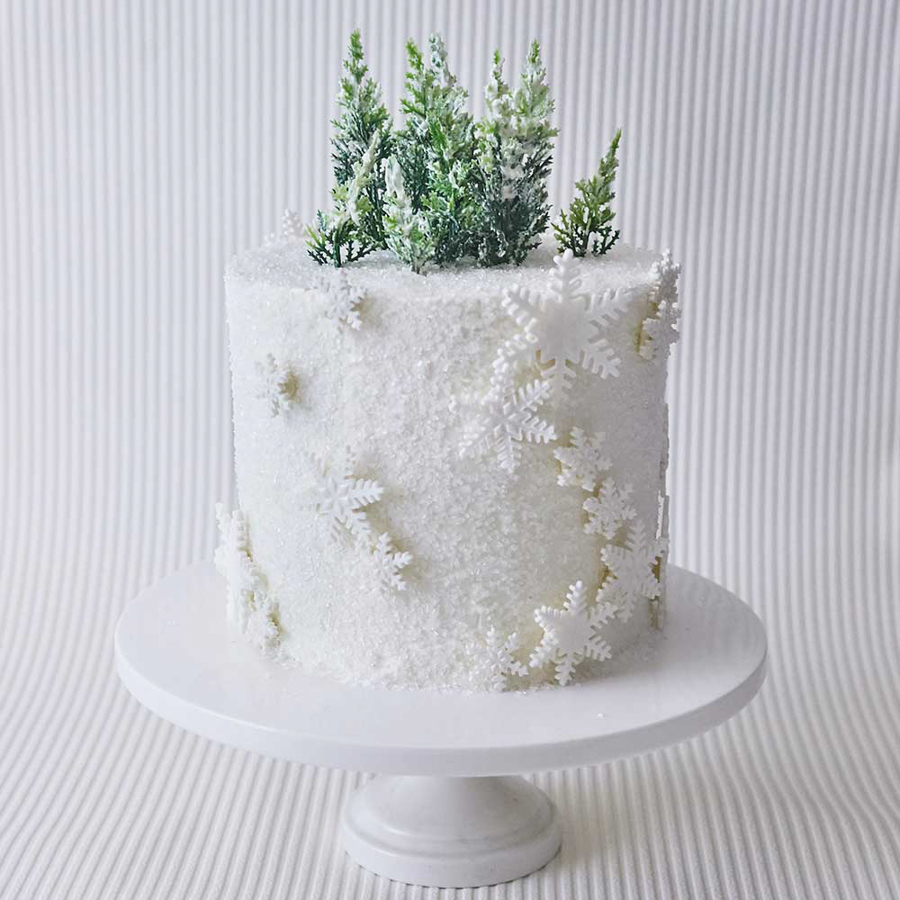
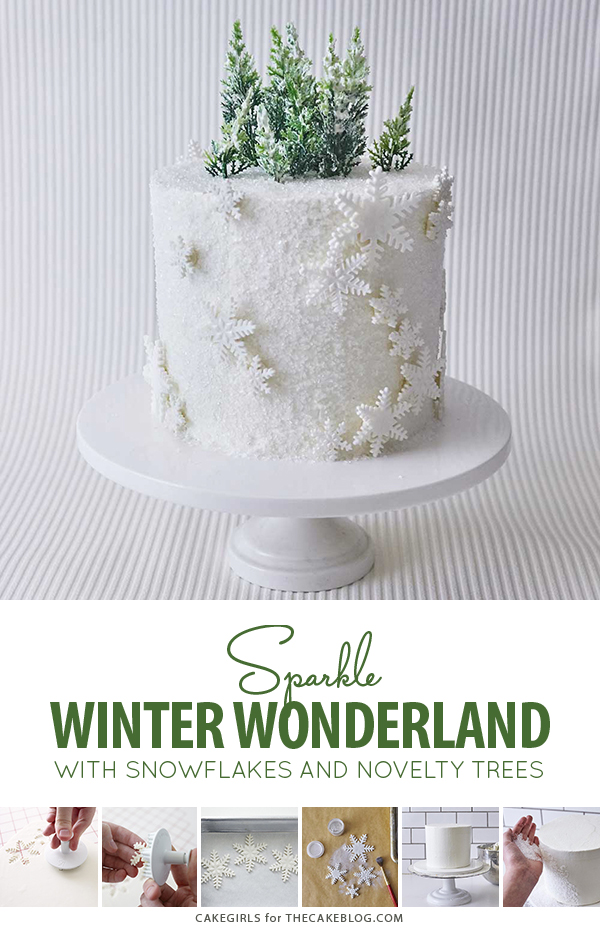
The landscape of seasonal confectionery has been further elevated by the introduction of the Winter Wonderland Snowflake Cake, a sophisticated design conceptualized by Mary and Brenda Maher, the founders of Cakegirls and long-term contributors to the professional baking community. This design represents a convergence of minimalist aesthetics and traditional holiday motifs, utilizing a specific set of technical skills to create a "showstopper" centerpiece suitable for high-end holiday buffets and domestic celebrations alike. Inspired by the atmospheric conditions of a Chicago winter, the cake seeks to replicate the visual qualities of a snow globe through the use of sparkle-coated layers, intricate fondant snowflakes, and frosted novelty trees.
Design Philosophy and Creative Inspiration
The development of the Winter Wonderland Snowflake Cake was driven by a desire to balance elegance with accessibility. According to the designers, the visual concept was solidified during a winter walk in Chicago, where the natural accumulation of snow on urban structures and park foliage created a monochromatic, high-contrast environment. This observation led to a design that prioritizes "sparkle and white," aiming for a clean, professional finish that relies on texture rather than a complex color palette.
In the broader context of culinary arts, the "Winter Wonderland" theme has seen a resurgence as consumers increasingly favor "Instagrammable" desserts that serve as both food and decor. The Mahers’ approach utilizes a classic snowflake cutter as the primary architectural tool, demonstrating how standard equipment can be leveraged to produce high-value aesthetic results. By focusing on a "stunningly simple" execution, the tutorial caters to the growing demographic of home bakers who seek professional-grade results without the requirement for advanced sculptural skills.
Technical Specifications and Flavor Profiles
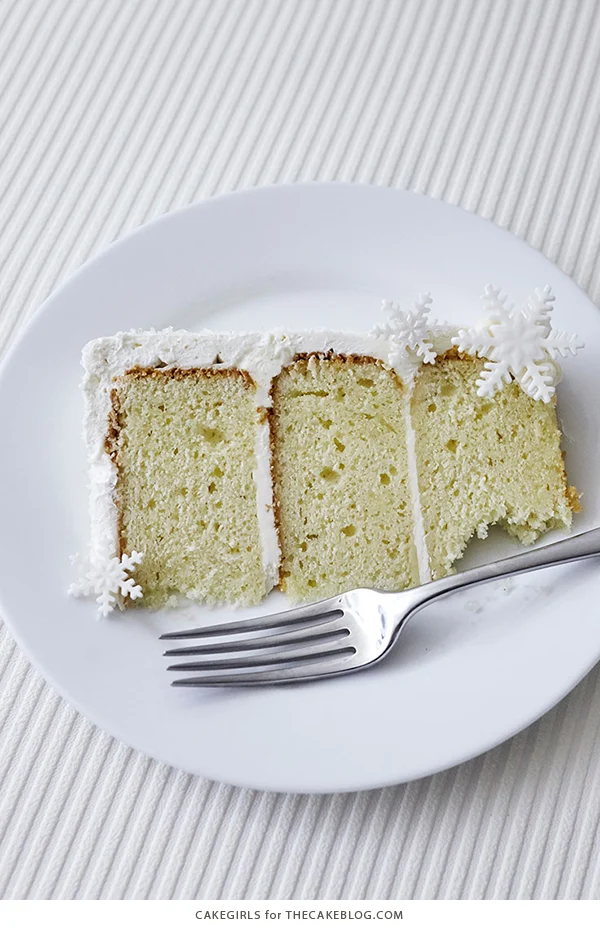
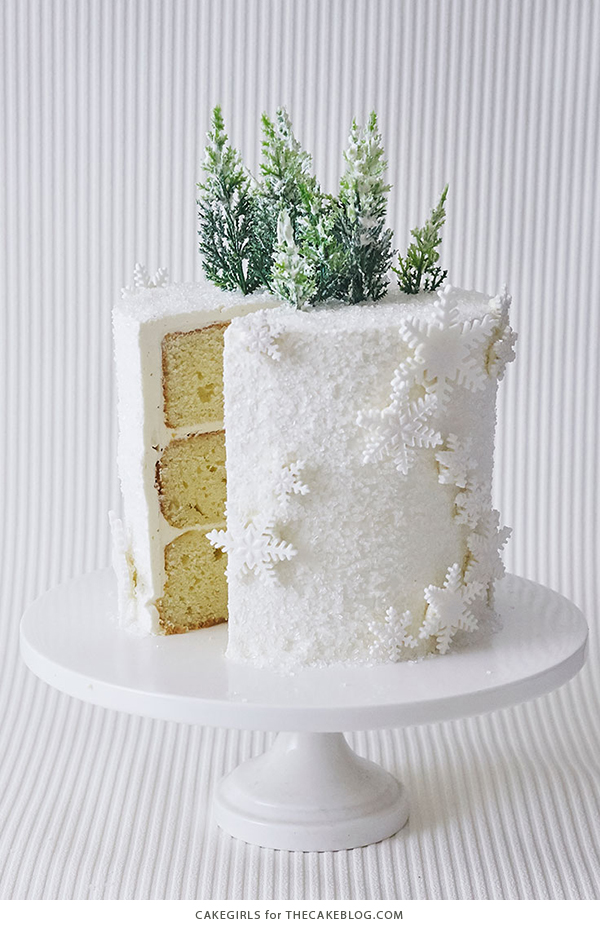
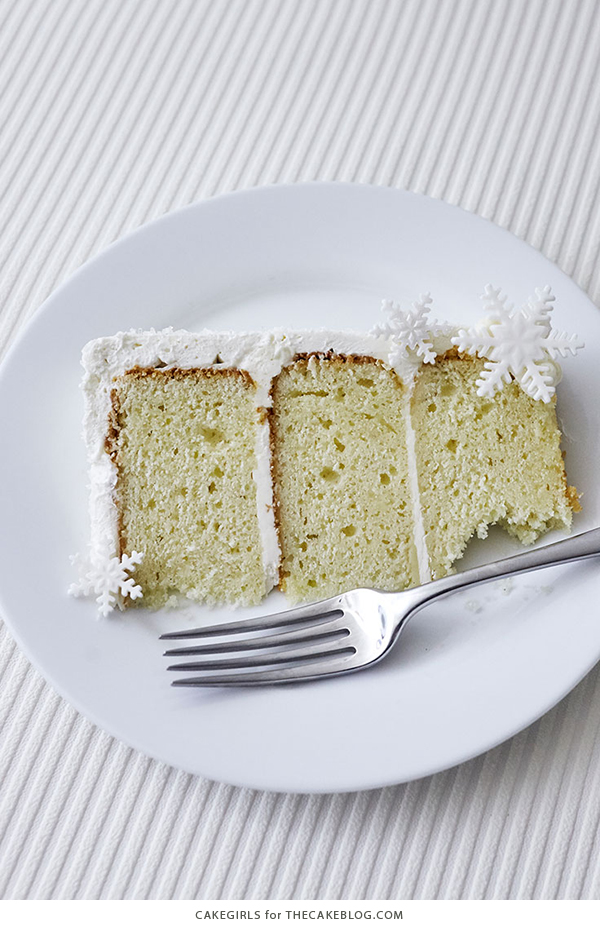
While the exterior of the cake is defined by its crystalline white appearance, the internal composition is designed to be equally thematic. The baseline recommendation for this project is a vanilla-based sponge paired with Swiss meringue buttercream. The choice of Swiss meringue buttercream is significant from a technical standpoint; its high butter content and lack of powdered sugar provide a smoother finish and a more stable structure for the application of heavy decorative elements like sugar crystals and fondant attachments.
However, the designers note that the recipe is adaptable to various holiday flavor profiles. Suggested variations include:
- Eggnog Layer Cake: Incorporating seasonal spices and spirits to align with traditional holiday palettes.
- Champagne Mimosa Cake: A lighter, effervescent option often favored for New Year’s Eve celebrations.
For a standard execution, the cake requires three 6-inch round layers. This height-to-width ratio is intentional, providing a taller vertical canvas for the "forest" of trees and the cascading snowflake arrangement. For larger gatherings requiring an 8-inch or 10-inch diameter, the designers specify a proportional increase in supplies, notably requiring at least two jars of white crystal sugar to ensure full coverage of the increased surface area.
Chronological Methodology: A 24-Hour Production Cycle
The construction of the Winter Wonderland Snowflake Cake is divided into a two-day timeline to ensure structural integrity and decorative precision. This phased approach allows for the proper curing of fondant elements and the stabilization of the buttercream foundation.
Day One: Decorative Preparation
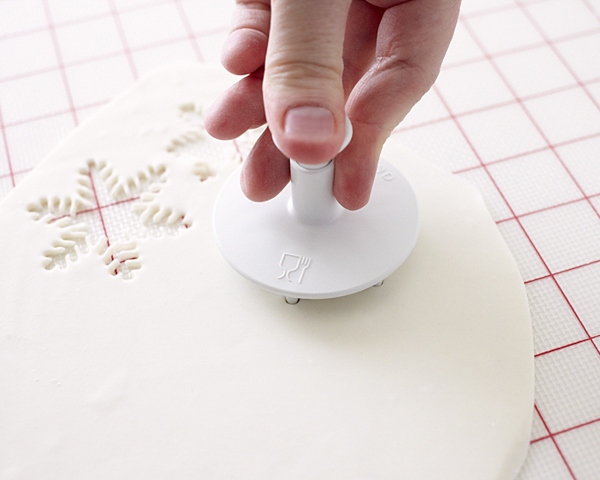
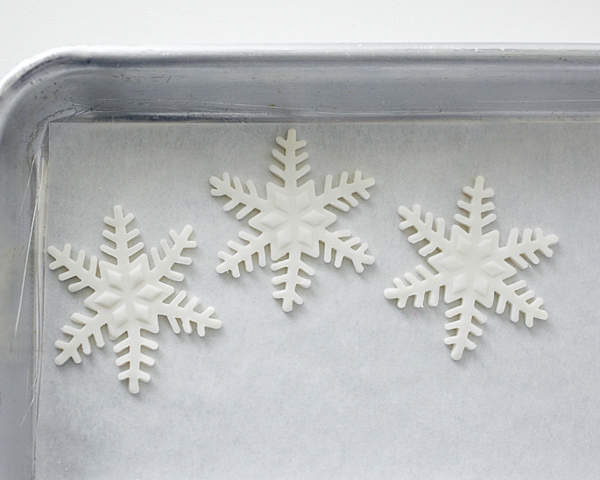
The initial phase focuses on the creation of the fondant snowflakes. Technical precision is required here; the white fondant must be rolled to a thickness of no more than 1/8 to 1/4 inch. The use of plunger-style snowflake cutters allows for intricate detail that would be difficult to achieve with manual carving.
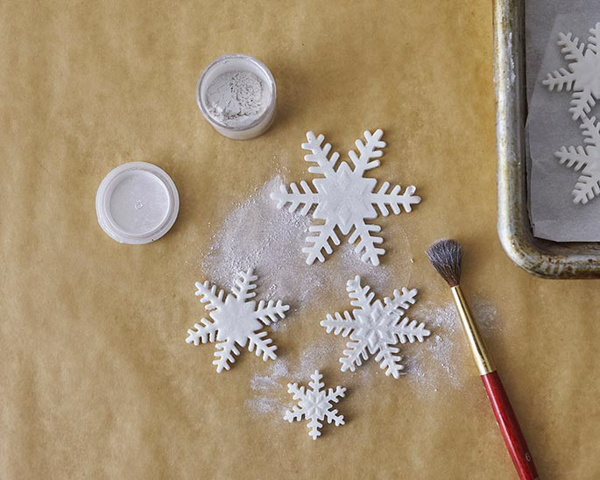
Following the cutting process, the snowflakes are treated with Super Pearl luster dust. The designers provide a critical distinction regarding the use of this material: when applied dry, the dust provides a shimmery, non-edible decorative finish. For bakers intending to maintain a fully edible status, the use of FDA-approved luster dust or the omission of the dust entirely is recommended. The snowflakes must then dry on parchment paper for a full 24 hours to ensure they are rigid enough to be mounted vertically on the cake sides without drooping.
Day Two: Assembly and Finishing
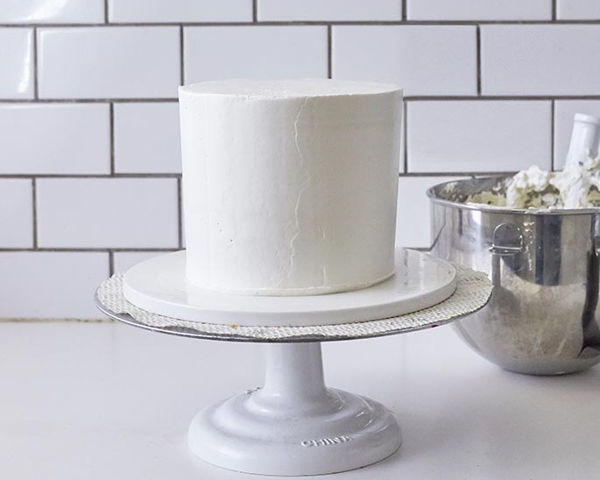
The second phase begins with the "crumb coating" and final icing of the three-layer cake. Achieving a smooth finish is paramount, as any irregularities in the buttercream will be magnified once the sugar crystals are applied. The cake must be refrigerated for a minimum of one hour until the buttercream is "very firm."
The application of the "sparkle" coating involves a specific manual technique. White sugar crystals are pressed into the sides of the chilled cake using the palm of the hand. This step requires a collection tray to catch excess sugar for reuse, minimizing waste. The top of the cake is then sprinkled with crystals to create a textured, snow-like surface.

The final assembly involves the "novelty trees." These elements are manipulated to remove any factory-setting bends and are lightly smeared with buttercream to simulate a "frosted" or "heavy snow" effect. They are arranged in a "forest cluster" on the top of the cake. Finally, the pre-prepared snowflakes are attached to the sides using small "anchor dots" of buttercream, creating a sense of movement and depth.
Industry Trends and Economic Context
The release of such tutorials reflects broader trends in the global baking industry. As of 2023, the global cake market is valued at approximately $45 billion, with a significant portion of growth attributed to the "premiumization" of home baking. Consumers are increasingly investing in specialized tools, such as the snowflake punch cutters and luster dusts mentioned in the Maher tutorial, to replicate professional bakery results at home.
The "DIY" movement in high-end pastry has also been fueled by the rise of specialty retail suppliers. The availability of pre-made fondant and professional-grade buttercream ingredients has lowered the barrier to entry for complex projects. The Winter Wonderland Snowflake Cake serves as a prime example of how industry leaders are translating professional techniques into modular, manageable steps for the enthusiast market.
Expert Analysis of Implications
From a professional decorating perspective, the Winter Wonderland Snowflake Cake highlights the importance of "tactile contrast." By combining the matte finish of the fondant, the crystalline sparkle of the sugar, and the organic texture of the "frosted" trees, the cake achieves visual interest without needing a variety of colors. This "all-white" or "monochromatic" trend is a staple in modern wedding and high-fashion cake design, often signaling luxury and sophistication.
Furthermore, the emphasis on the 24-hour drying period for fondant elements underscores a fundamental principle of pastry arts: patience and environmental control. Professional decorators observe that the most common failure in holiday baking is the premature application of decorations to soft icing, leading to structural collapse. The Mahers’ tutorial reinforces best practices that are applicable across all types of tiered cake construction.
Broader Impact on Holiday Culinary Traditions
The Winter Wonderland Snowflake Cake is more than a dessert; it is a manifestation of the evolving role of the holiday centerpiece. In previous decades, the focus of the holiday table was often the roast or the main protein. In the contemporary era, the "dessert table" or "buffet centerpiece" has taken on a decorative role equivalent to the Christmas tree or floral arrangements.
The accessibility of this specific design allows it to be adopted by a wide range of skill levels, potentially becoming a recurring tradition for families. By providing a clear list of supplies—ranging from 6-inch pans to specific luster dusts—the tutorial also supports the ecosystem of baking supply retailers, who often see a 30-40% increase in sales during the Q4 holiday season.
In conclusion, the Winter Wonderland Snowflake Cake represents a successful synthesis of natural inspiration and technical execution. Through the expert guidance of Mary and Brenda Maher, the project demystifies the process of creating a high-impact, professional-grade holiday dessert, ensuring that the "snow globe" aesthetic can be achieved in any kitchen. As the holiday season approaches, such designs continue to define the intersection of art, tradition, and culinary skill.