The culinary arts sector has witnessed a significant shift toward accessible, high-visual-impact confectionery design, a trend exemplified by the recent release of a comprehensive decorating tutorial by renowned pastry contributor Erin Gardner. Hosted on the prominent digital platform The Cake Blog, Gardner’s latest creation, the Penguin Cake, offers a sophisticated yet achievable method for home bakers to produce seasonal centerpieces. This tutorial marks a continuation of Gardner’s "sprinkle universe" series, translating complex character design into a manageable process using standard kitchen supplies and specialized confectionery techniques.
The Penguin Cake is positioned as a versatile solution for winter-themed events, ranging from children’s birthdays to intimate holiday gatherings. Unlike traditional sculpted cakes that require extensive fondant work or structural internal supports, Gardner’s method utilizes a "sprinkle-coating" technique. This approach leverages the textural qualities of nonpareils and shaped sprinkles to create a three-dimensional effect on a standard round cake base. The project’s debut comes at a time when the global baking ingredients market is experiencing robust growth, with analysts projecting a compound annual growth rate (CAGR) of approximately 5.8% through 2026, driven largely by the "prosumer" movement—amateur bakers seeking professional-grade results.
Technical Methodology and Chronology of Construction
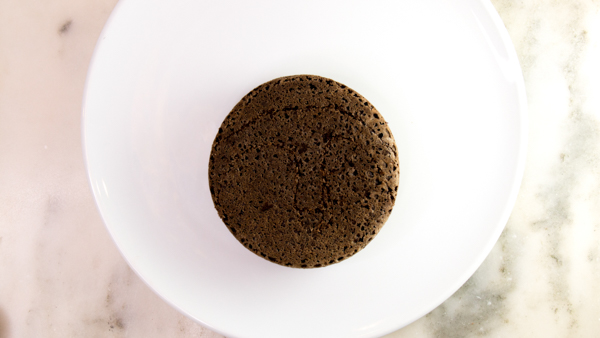
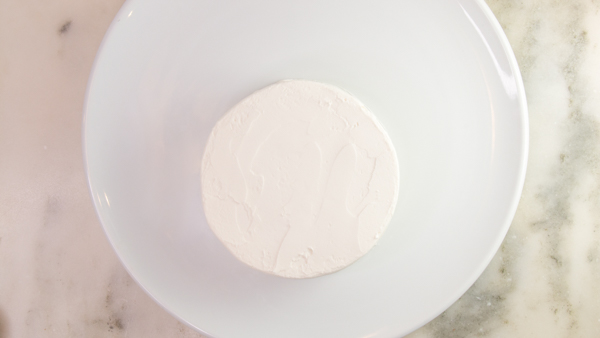
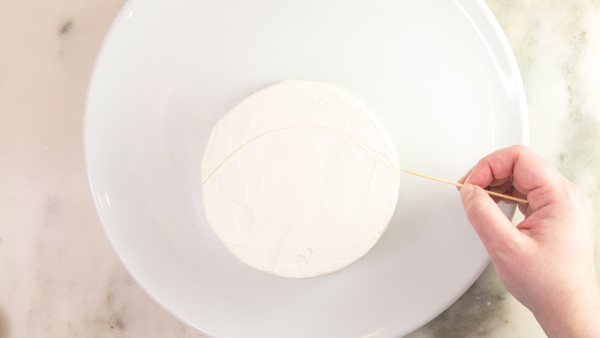
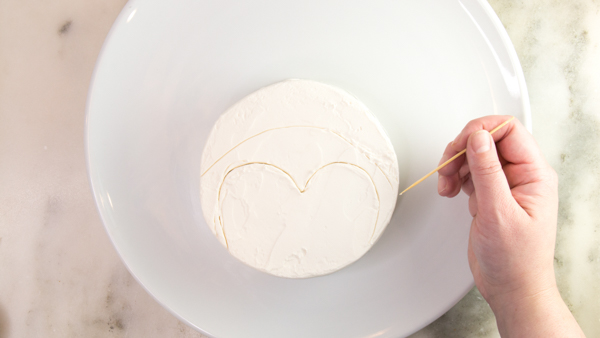
The execution of the Penguin Cake follows a precise chronological workflow designed to ensure structural integrity and aesthetic precision. The process begins with the "Prep the Cake" phase, where a standard cake is encased in a thick layer of plain buttercream. Gardner emphasizes the necessity of a generous coating, as the icing serves as the primary adhesive for the heavy volume of sprinkles to follow. A critical technical insight provided in the tutorial is the use of a toothpick or skewer to "map" the design. By etching a half-moon shape for the hat and an open-bottom heart for the facial structure directly into the chilled buttercream, the decorator establishes a guide that mitigates errors during the application phase.
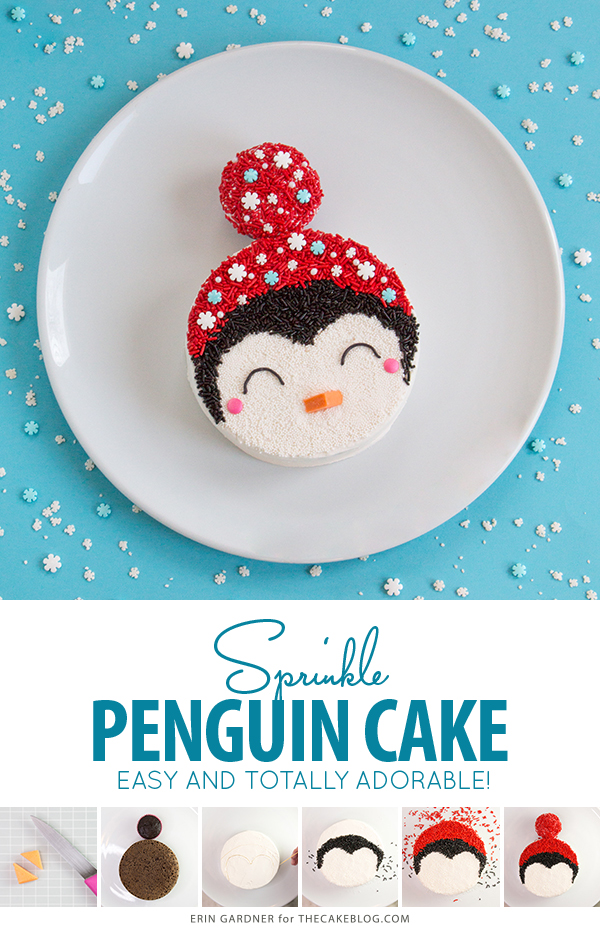
Following the mapping, the "Add the Sprinkles" phase commences. This stage requires a controlled environment; Gardner recommends placing the cake platter on a rimmed baking sheet to capture excess sprinkles, a standard professional practice that reduces waste and maintains a clean workspace. The application follows a specific order of operations:
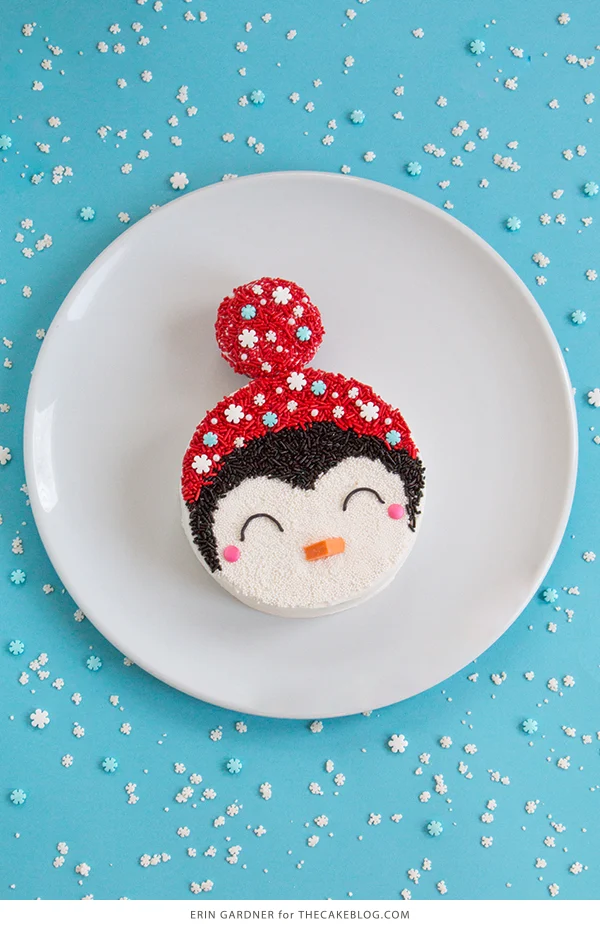
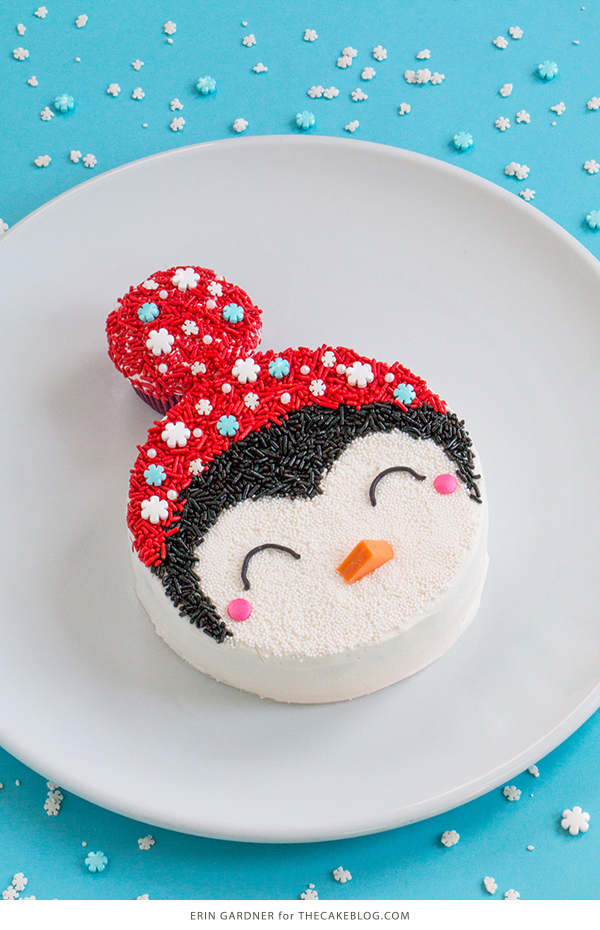
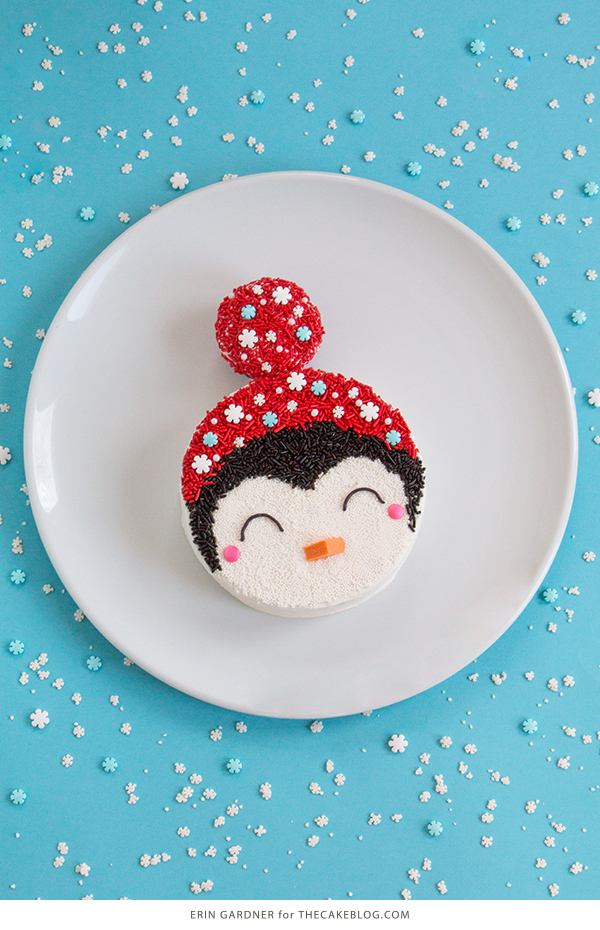
- Facial Features: White nonpareils are applied first to the heart-shaped facial area. Using a spoon to distribute the sprinkles and the back of the spoon to smooth them ensures a uniform surface.
- Primary Body: Black sprinkles are applied to the remaining "skin" areas of the penguin. The tutorial suggests using a toothpick to meticulously remove any stray black sprinkles that migrate into the white facial zone.
- Apparel: Red sprinkles are used to fill the upper half-moon section, designating the penguin’s winter hat.
- The Pom-Pom: A unique structural element of this design is the use of a coordinated cupcake. The cupcake is frosted, dipped in matching red sprinkles, and adhered to the top of the cake or the platter with a "dab" of buttercream to simulate the pom-pom of a knit cap.
The final phase involves "Decorate Your Penguin Cake," where fine details are added to provide character. This includes using a Starburst fruit chew, sliced diagonally to create a triangular beak, and pink confetti sprinkles for the cheeks. The eyes are piped using black buttercream and a small round tip, while the hat is finished with snowflake-shaped sprinkles to reinforce the winter theme.
Background: The Evolution of the Sprinkle Universe
The Penguin Cake is not a standalone concept but an evolution of Gardner’s previous "Sprinkle Girl" cakes. This lineage of design reflects a broader shift in the cake decorating community toward "textural illustration." By viewing sprinkles as a medium similar to pointillism in fine art, Gardner has developed a signature style that prioritizes texture over the smooth, often sterile finish of fondant.
This "sprinkle universe" concept caters to the growing demand for "Instagrammable" food that remains palatable. While fondant is often criticized for its taste and chewy texture, buttercream and sprinkles are generally preferred by consumers for their flavor profile. Industry data suggests that consumer preference is shifting back toward traditional icing methods, provided they can achieve the high-definition look previously reserved for gum paste and fondant. Gardner’s tutorial addresses this market gap by providing a roadmap for high-definition character work using traditional ingredients.
Supporting Data and Market Context
The release of the Penguin Cake tutorial aligns with seasonal peaks in the confectionery industry. According to retail data, sales of baking supplies, specifically decorative "decors" (the industry term for sprinkles, sanding sugar, and nonpareils), increase by over 40% during the fourth quarter of the fiscal year. This surge is attributed to the "DIY" holiday culture and the increasing popularity of baking as a form of stress relief and creative expression.
Furthermore, the choice of a penguin motif is supported by consumer trend reports. Wildlife and "woodland" themes have consistently ranked in the top five most popular nursery and party themes over the last three years. By providing a customizable template—where the hat color can be changed or accessories like chocolate sunglasses can be added—Gardner’s tutorial maximizes its utility across different consumer segments.
Professional Insights and Preservation Strategies
A significant portion of the tutorial is dedicated to the "science" of sprinkle application. Gardner notes that sprinkles can soften when exposed to the moisture in buttercream over extended periods, particularly in the humid environment of a refrigerator. To maintain the structural integrity and the "crunch" of the exterior, the tutorial advises finishing the decoration on the day of service.
Storage recommendations are also provided based on the type of buttercream utilized. For instance, cakes using American buttercream (high sugar-to-fat ratio) can often be stored at room temperature in airtight containers, whereas Swiss Meringue or Italian Meringue buttercreams require refrigeration due to their egg-white base. These technical distinctions are vital for home bakers to ensure food safety and product quality, reflecting a professional journalistic approach to recipe sharing.
Broader Impact on the Home Baking Industry
The dissemination of high-quality tutorials like Gardner’s Penguin Cake has a democratizing effect on the baking industry. Traditionally, complex character cakes required professional training or the procurement of expensive custom orders from specialty bakeries. By breaking down the process into logical, repeatable steps, such tutorials empower the "hobbyist" to achieve professional results at a fraction of the cost.
This shift has implications for local bakeries, which must now compete with the rising skill level of their own customer base. Many bakeries have responded by offering "DIY Cake Kits," which include the pre-baked layers and the specific sprinkle blends mentioned in popular tutorials. The Penguin Cake serves as a prime example of the type of content that drives this circular economy between digital influencers, retail suppliers, and the end consumer.
Inferred Reactions and Community Engagement
While official statements from the platform were not included in the source text, the reception of Gardner’s work on The Cake Blog is historically characterized by high engagement within the baking community. The "Sprinkle Girl" series has garnered significant traction on visual discovery engines like Pinterest and TikTok, where short-form video versions of these tutorials often go viral.
The inclusion of a "Video Tutorial" section within the Penguin Cake article highlights the necessity of multi-modal learning in the modern digital landscape. Data from educational psychology suggests that combining visual, auditory, and kinesthetic (doing) instructions—as Gardner does by providing text, images, and video—leads to a higher success rate among learners.
Conclusion and Future Outlook
The Penguin Cake tutorial by Erin Gardner represents more than a simple holiday recipe; it is a synthesis of current market trends, technical innovation, and accessible design. By leveraging the "sprinkle universe" aesthetic, Gardner provides a solution that meets the consumer demand for visually stunning, yet delicious, home-made confectionery.
As the winter season progresses, the influence of such tutorials is expected to be seen across social media platforms, as home bakers adapt the penguin design to fit their unique celebrations. The ongoing success of The Cake Blog and its contributors suggests that the appetite for high-quality, instructional culinary content remains strong, paving the way for future innovations in the field of decorative baking. The Penguin Cake stands as a testament to the fact that in the modern culinary world, "adorable" is a powerful driver of both creativity and commerce.