The traditional holiday countdown is undergoing a significant transformation as consumers increasingly pivot away from mass-produced, pre-packaged advent calendars in favor of customized, high-capacity DIY solutions. This shift is driven by a combination of economic factors, a desire for gift variety, and the logistical challenges faced by multi-child households. Jen Causey-Kidder, a prominent figure in the DIY community and creator of the platform Something Turquoise, recently documented a comprehensive transition from the standard commercial model to a centralized, "shoe organizer" advent system designed to accommodate a family of four children. This move highlights a broader trend in holiday consumer behavior where personalization and sustainability are beginning to outweigh the convenience of retail-ready products.
The Economic and Psychological Drivers of the DIY Shift
For several years, the prevailing market trend for advent calendars has been dominated by "toy-a-day" kits produced by major brands such as LEGO, Mattel, and Disney. These products typically retail for approximately $40 per unit. For a family with four children, the seasonal investment for these calendars alone reaches $160. However, Causey-Kidder notes a recurring phenomenon of "consumer fatigue" that often manifests by the third week of December. This fatigue stems from the repetitive nature of the toys included in single-brand calendars—such as endless variations of small plastic vehicles or jewelry—which often leads to diminished engagement from children before the Christmas holiday actually arrives.
By reallocating the $160 budget from four separate commercial products into a singular, curated DIY project, families are finding they can provide a more diverse array of gifts while maintaining a similar price point. The DIY approach allows for the inclusion of varied items such as hygiene products, stationery, and small-scale toys that are tailored to the specific developmental stages of each child, ranging from toddlers to elementary-aged students. This curation process, while labor-intensive, addresses the "boredom" factor that plagues standardized retail offerings.
Technical Specifications and Structural Engineering of the Shoe Organizer Hack
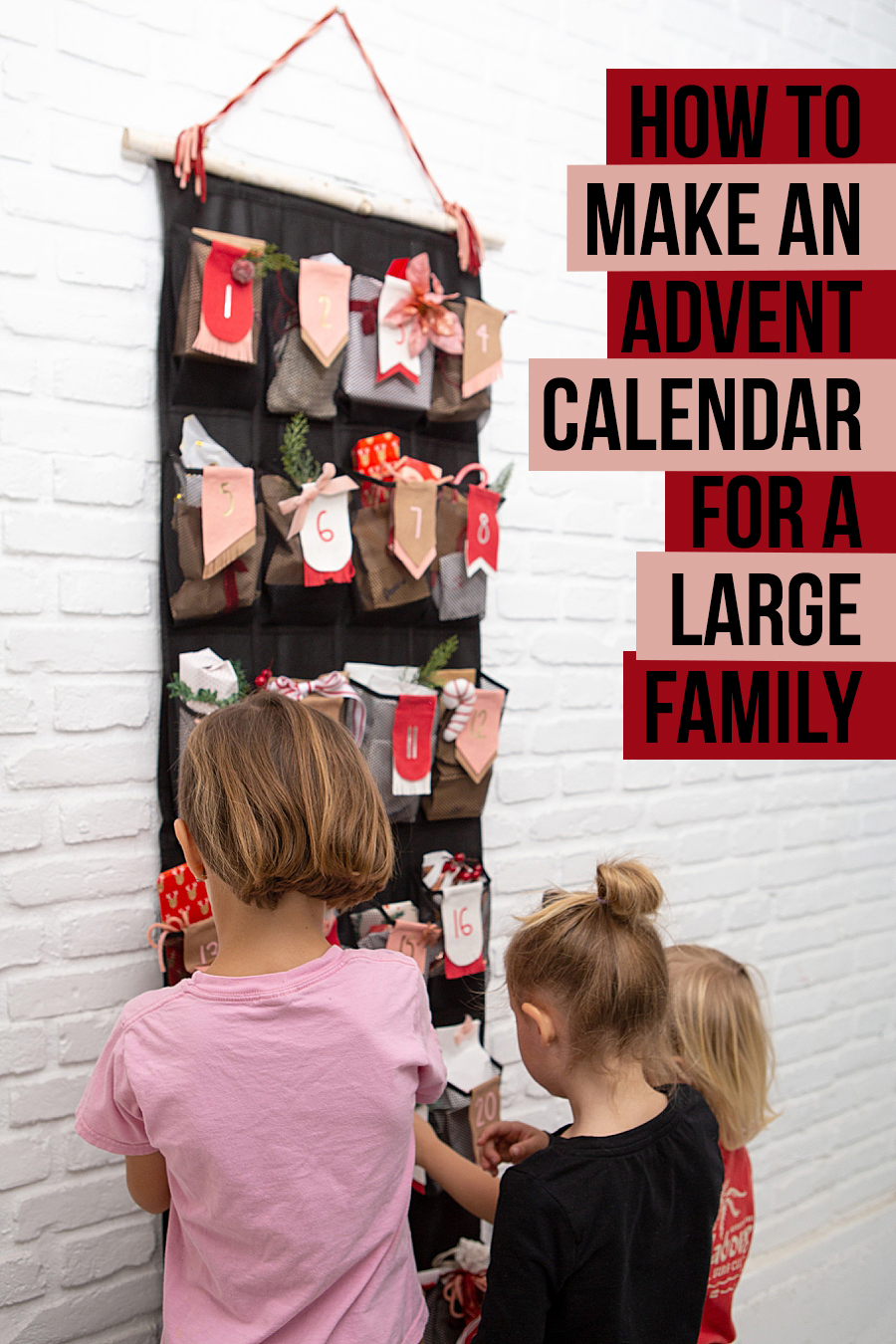
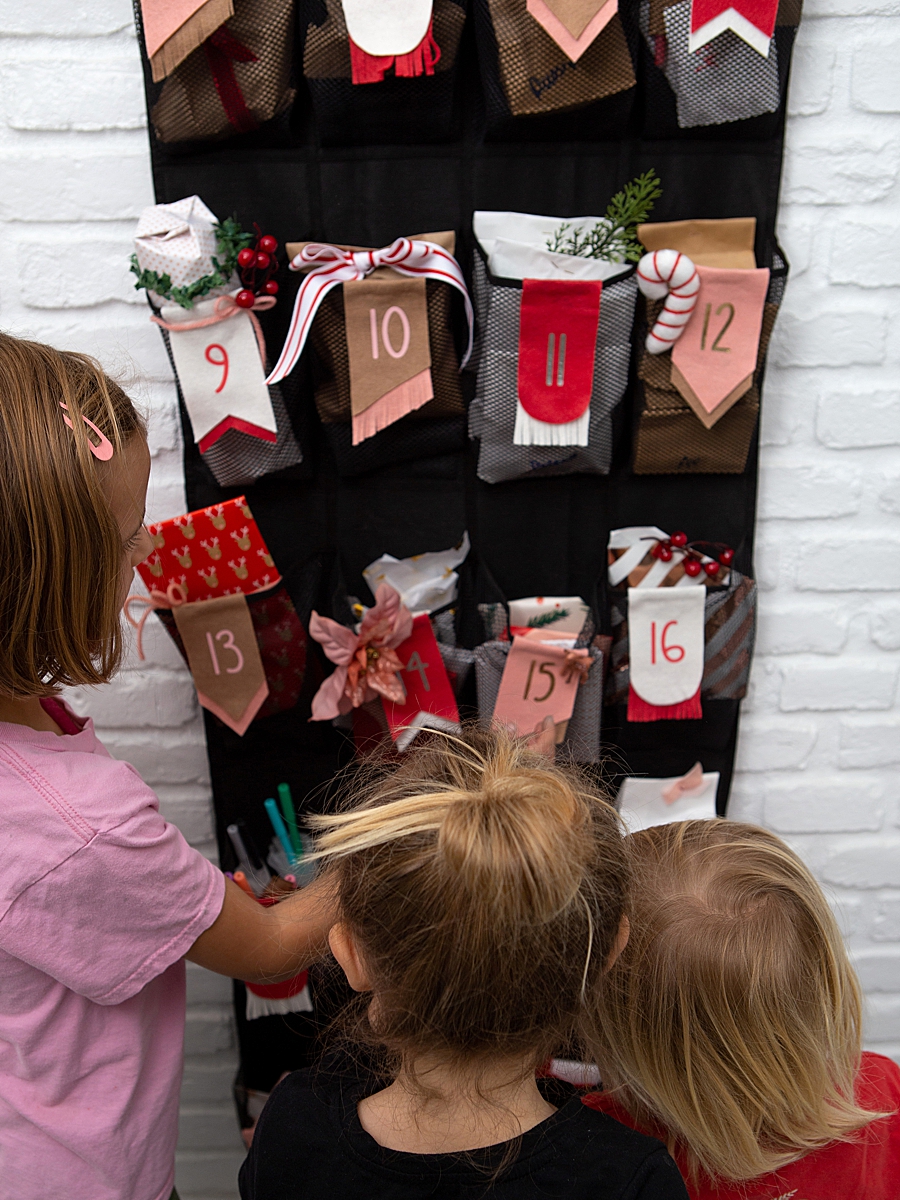
The choice of a "back-of-the-door" shoe organizer as the foundational structure for a large family advent calendar is a pragmatic solution to the problem of scale. Standard advent calendars are often too small to hold gifts for multiple children, whereas a 24-pocket shoe organizer provides ample volume for four daily gifts per pocket.

The construction of the "Something Turquoise" model involved several sophisticated DIY techniques to ensure both aesthetic appeal and structural integrity:
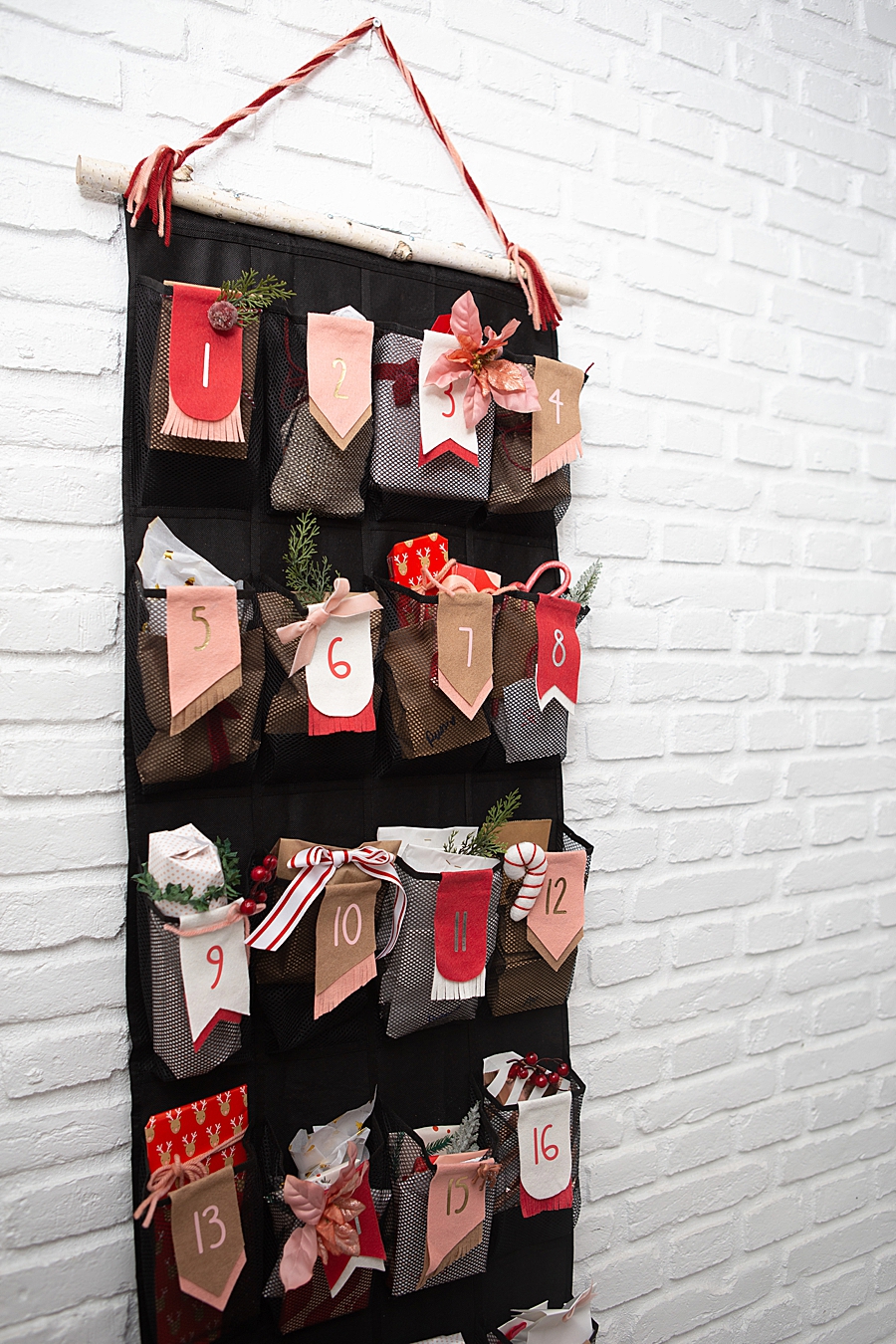
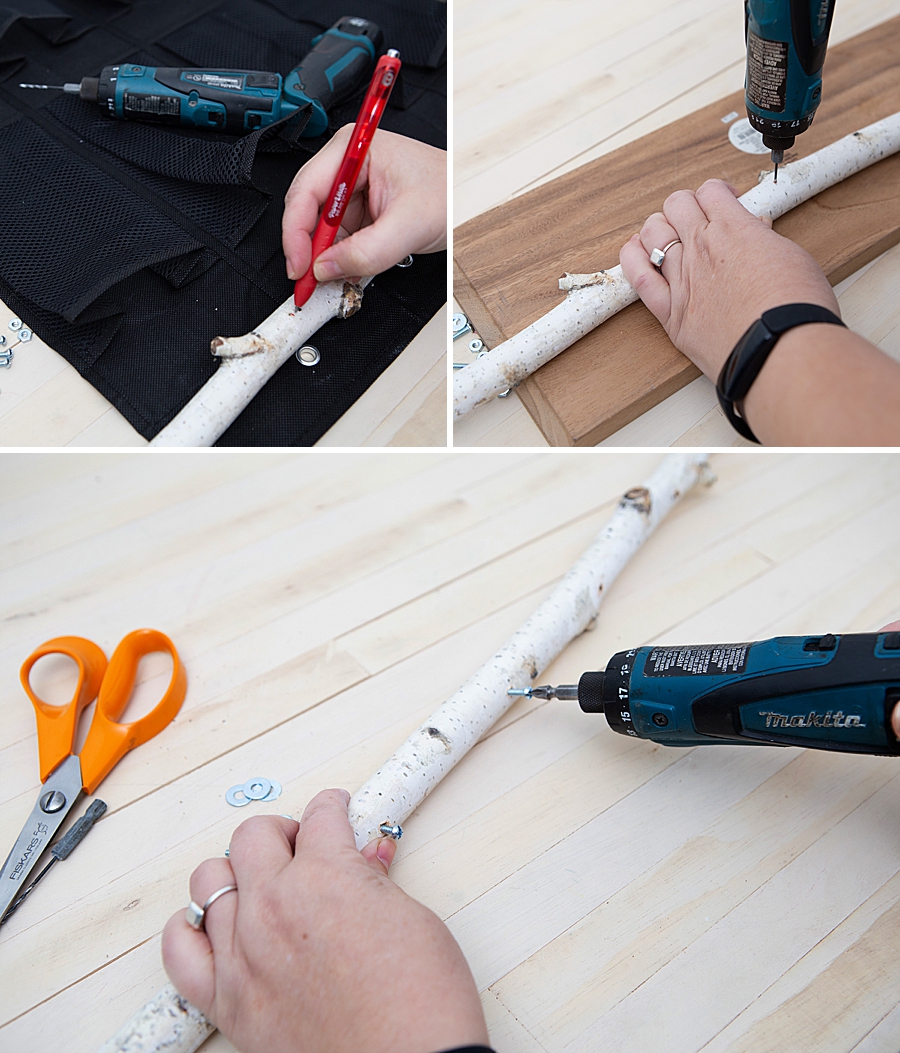
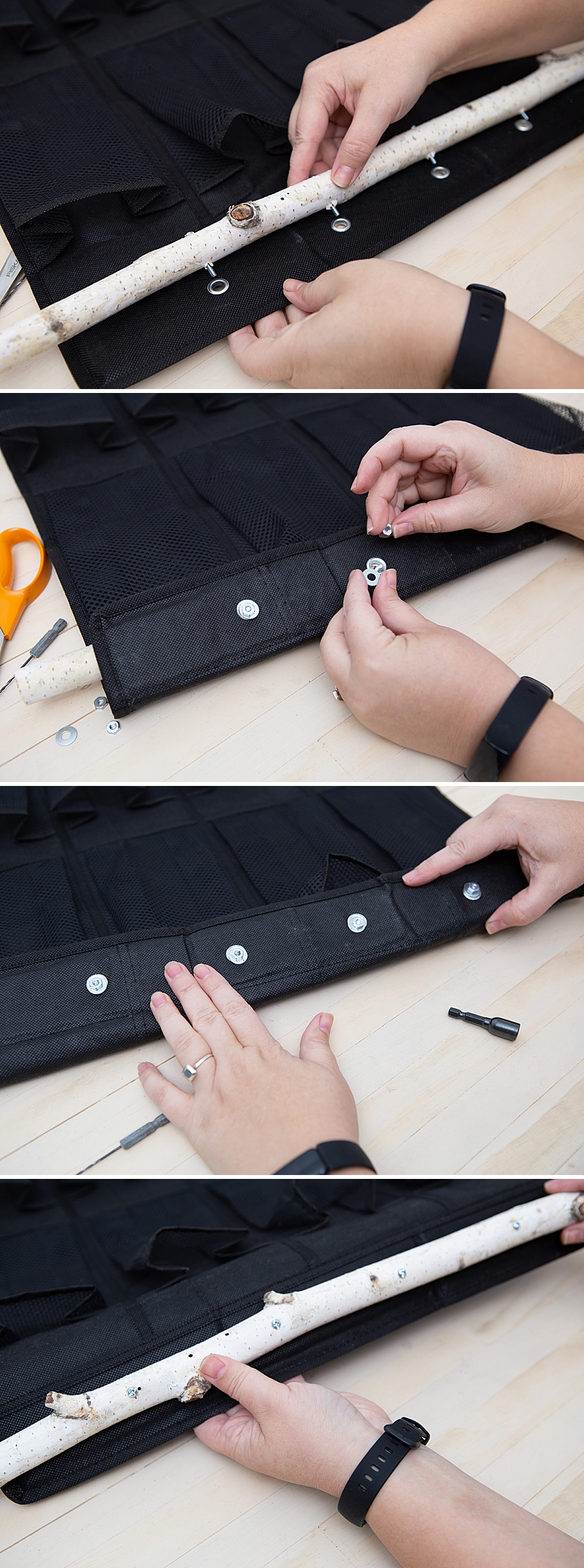
- Support and Suspension: Given the cumulative weight of 24 days’ worth of gifts for four children, a standard over-the-door hook system was deemed insufficient. The project utilized a reclaimed white decorative branch as a load-bearing header. To secure the fabric of the shoe organizer to the wood, 1.25-inch bolts were used. The process required drilling through the branch and securing the rack with a combination of screws, washers, and nuts to prevent tearing or sagging under the weight of the items.
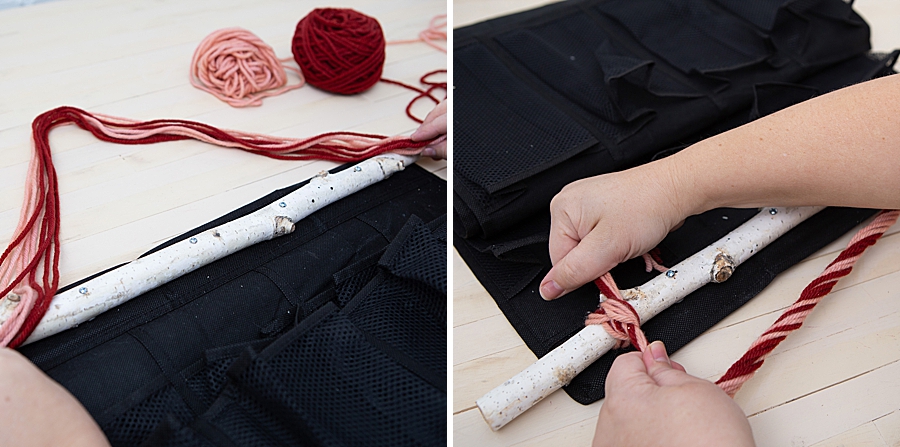
- Mounting and Stability: The system was suspended using 12 strands of reinforced yarn, creating a sturdy hanging mechanism that could withstand the daily interactions of four children ranging in age from one to seven years old.
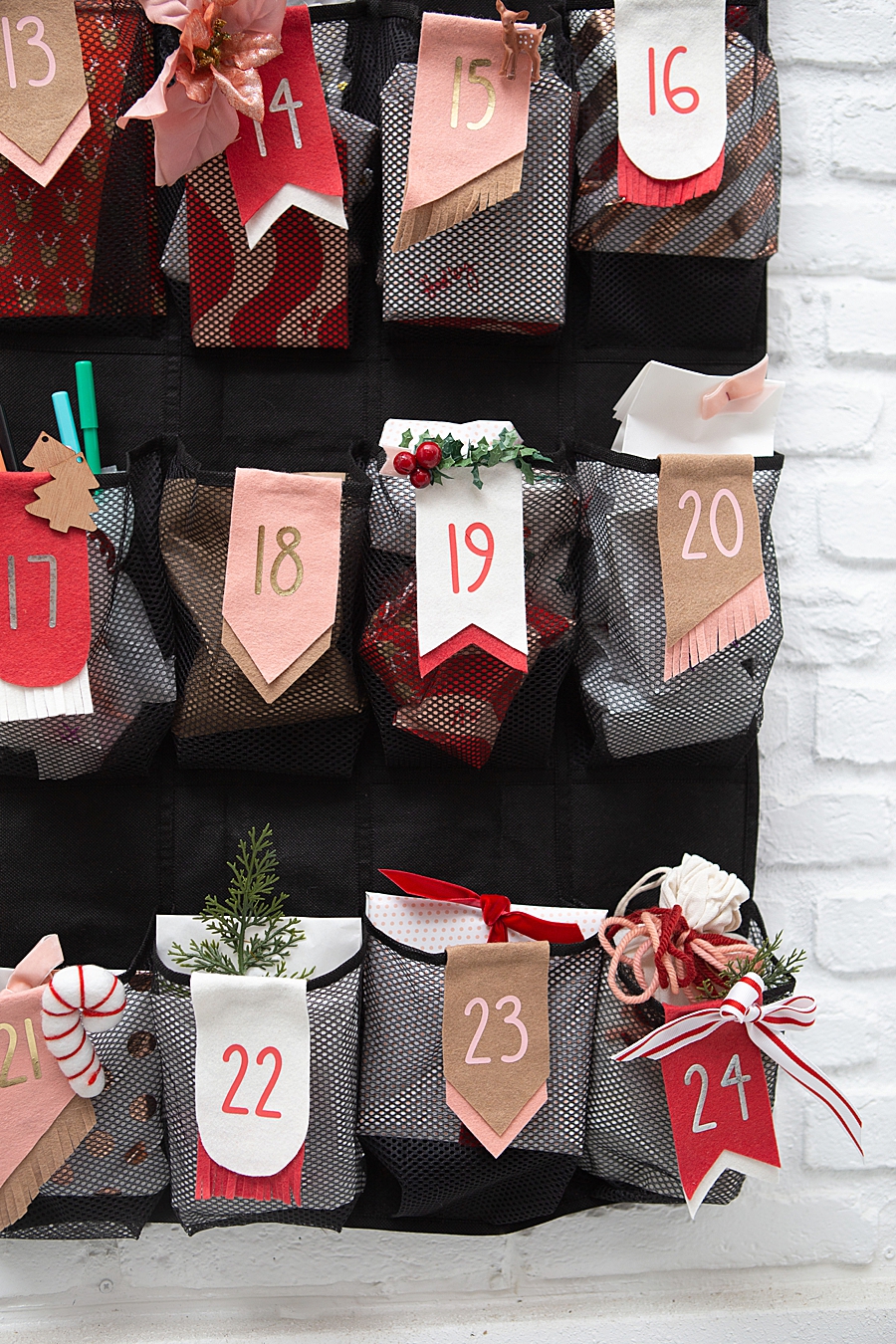
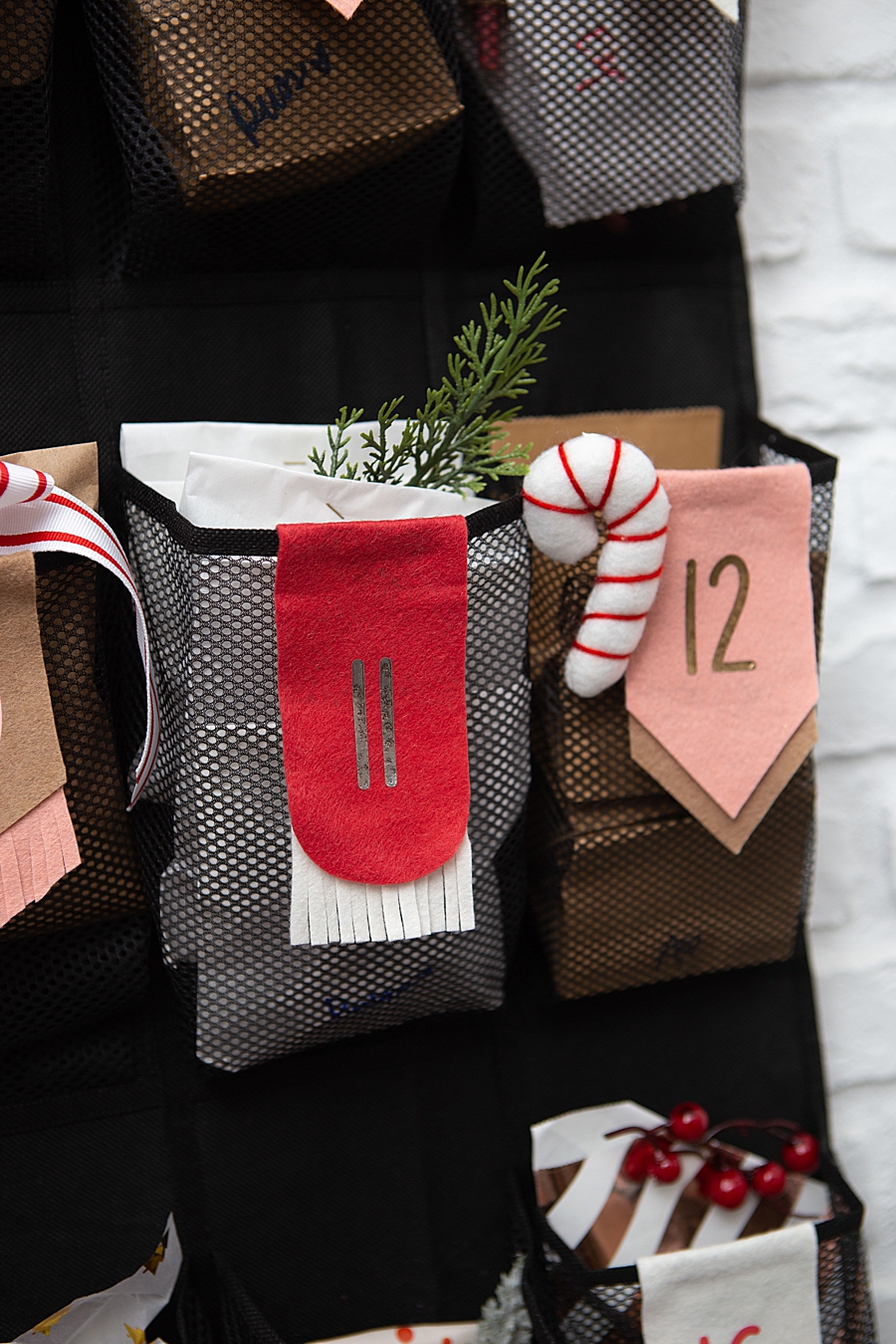
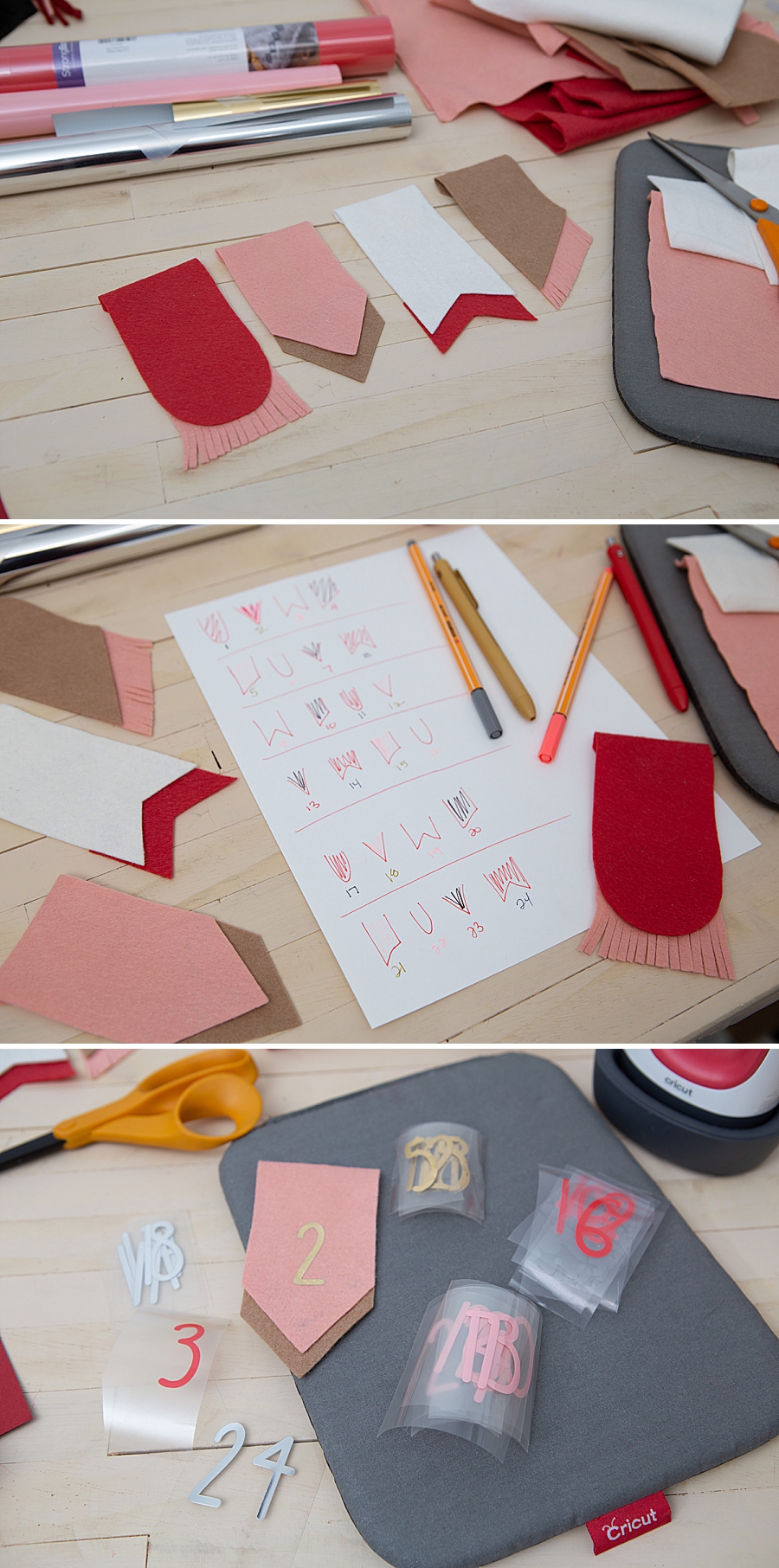
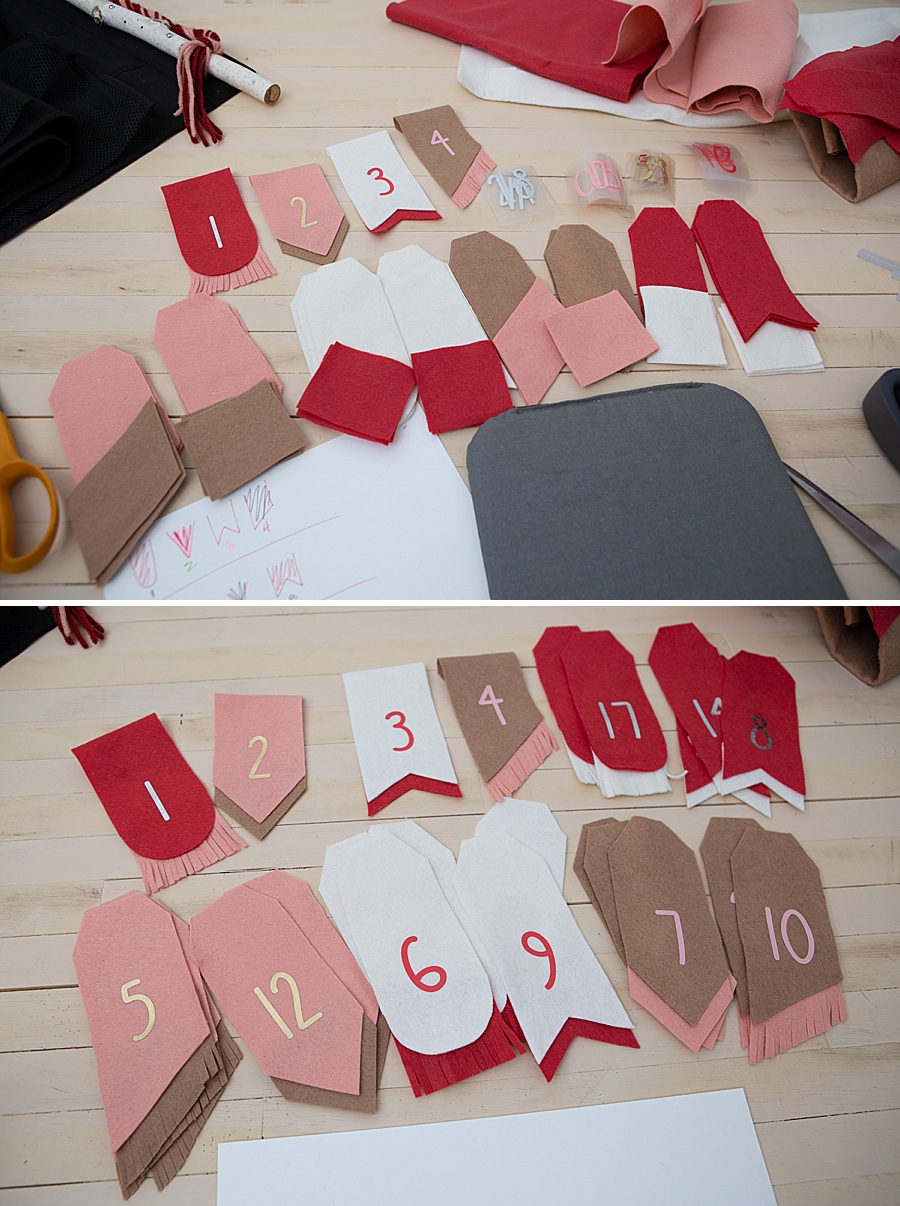
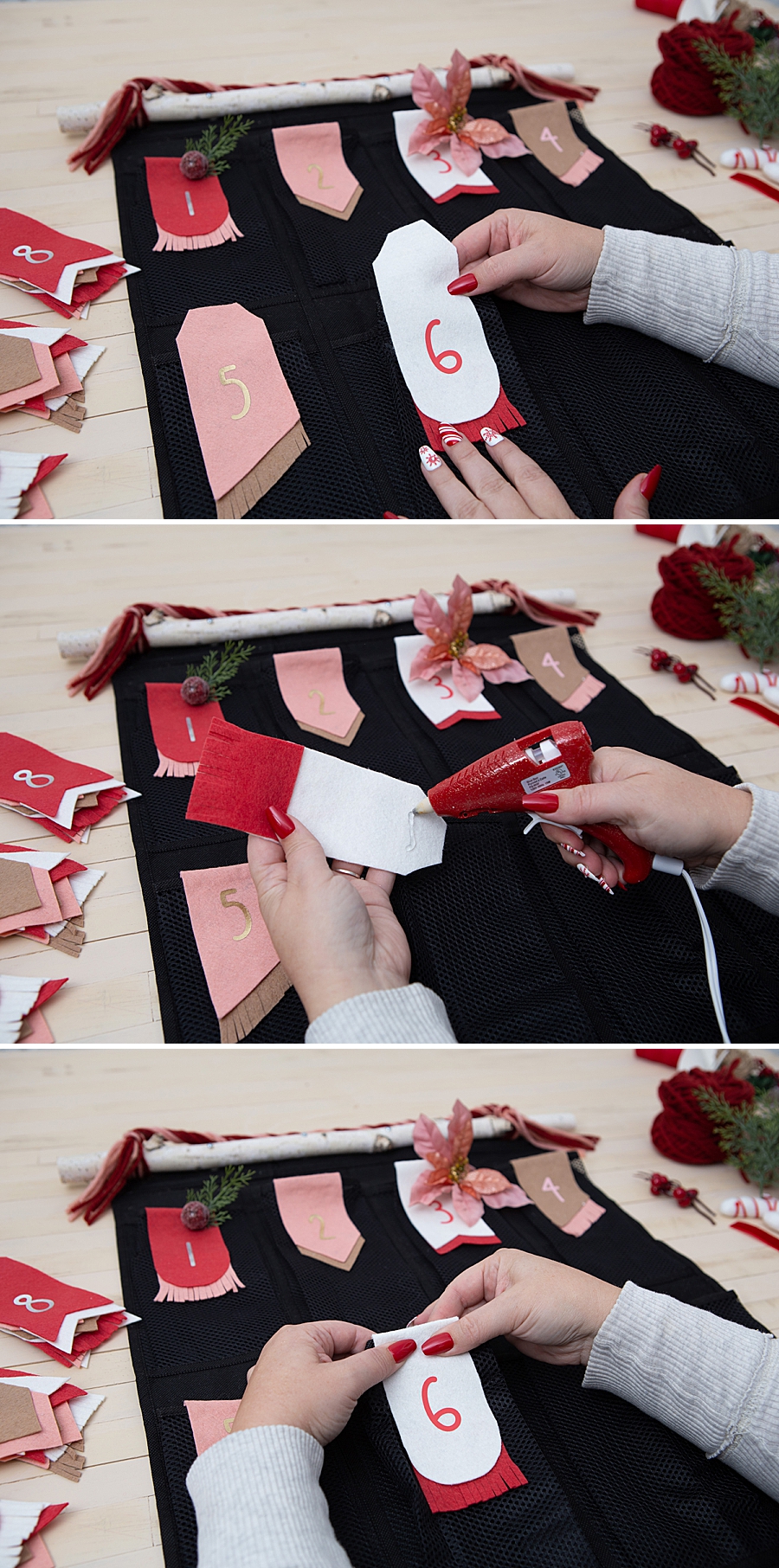
- Aesthetic Customization: The visual component of the calendar utilized high-quality materials to ensure longevity. Benzie felt in shades of red, blush, white, and "castle" grey provided the base for the date tags. These were embellished with Cricut Iron-on vinyl in red, pink, gold foil, and silver foil. The use of professional-grade cutting machines and heat-transfer vinyl represents a move toward "prosumer" level holiday decor that rivals high-end boutique products.
The Logistics of Curation: A Two-Month Procurement Timeline
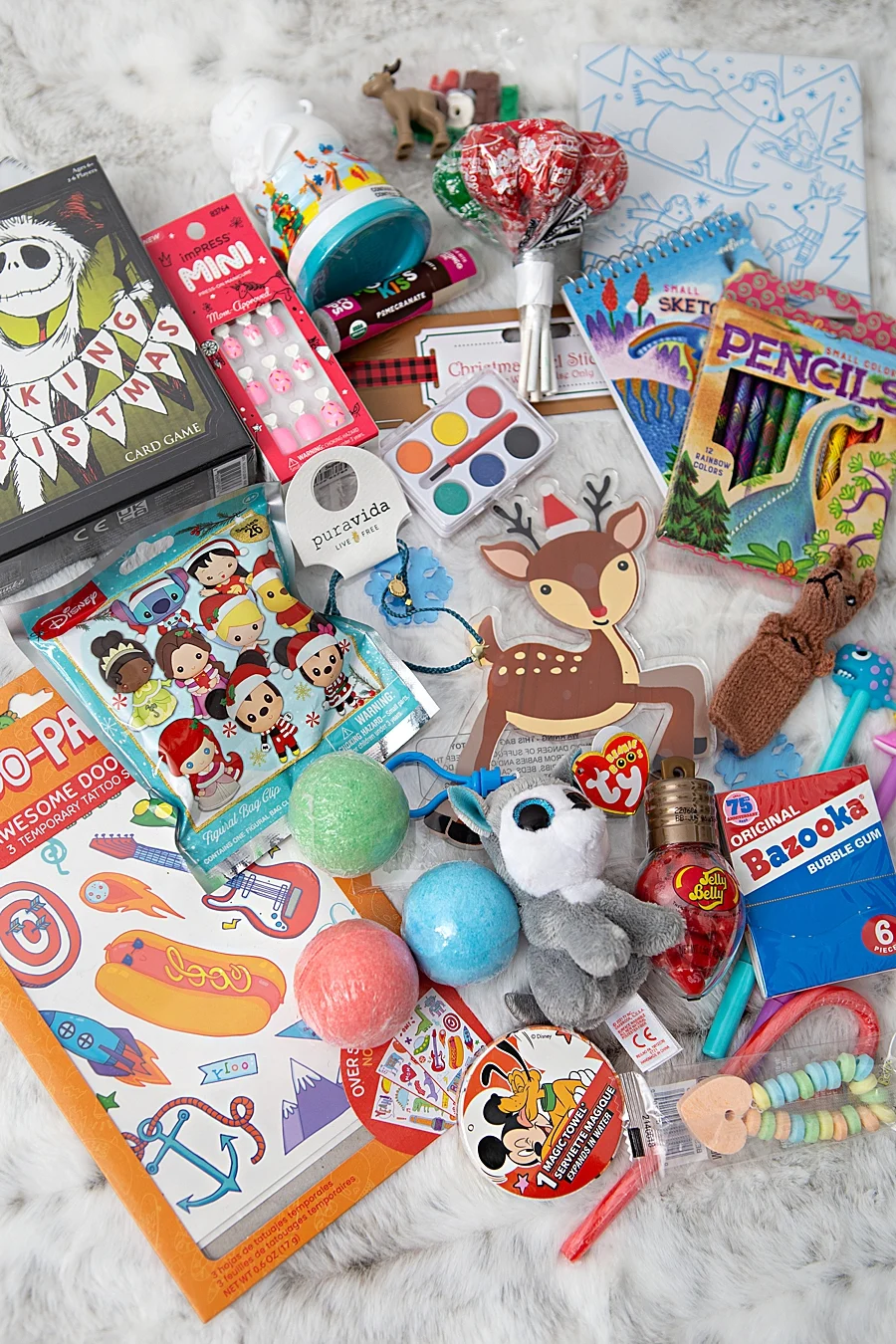
One of the most significant differences between commercial advent calendars and the DIY model is the lead time required for procurement. While a retail calendar is a single-point purchase, a curated calendar requires a strategic collection period. Causey-Kidder reported a two-month sourcing window to gather the necessary items, which included a diverse mix of brands and retailers such as Target, Michaels, Dollar Tree, and specialty shops like Pura Vida and KISS imPress.
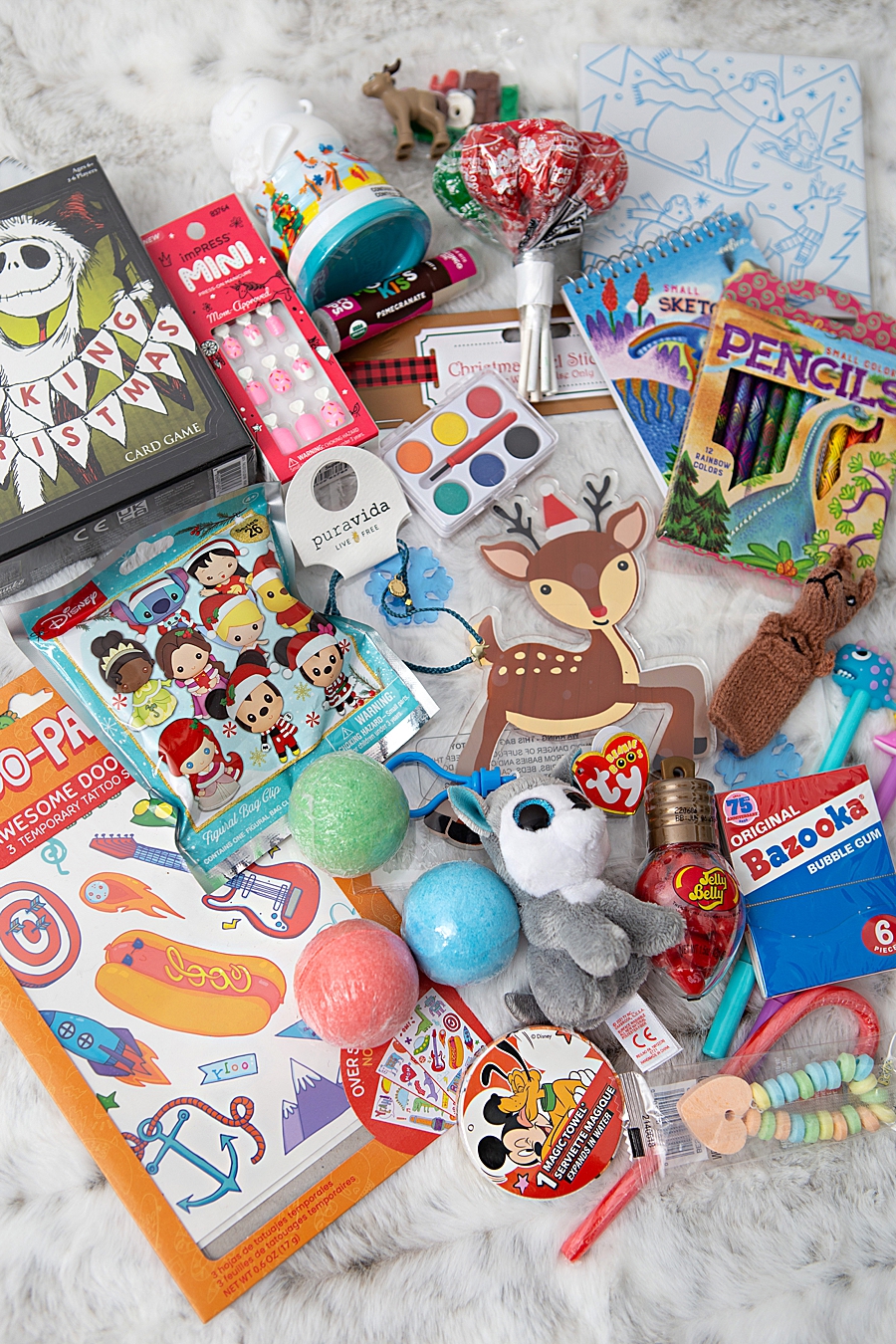
The inventory for the 2022 project included:

- Accessories and Jewelry: Pura Vida bracelets and press-on nails.
- Creative Supplies: Colored pencils, mini notebooks, mini watercolor sets, and paper scratchers.
- Toys and Novelties: Mini plush toys, temporary tattoos, cars, dinosaurs, finger puppets, and magic towels.
- Hygiene and Wellness: Bath bombs, chapstick, and scented gum.
- Educational/Interactive: Family games, Legos, and play dough.
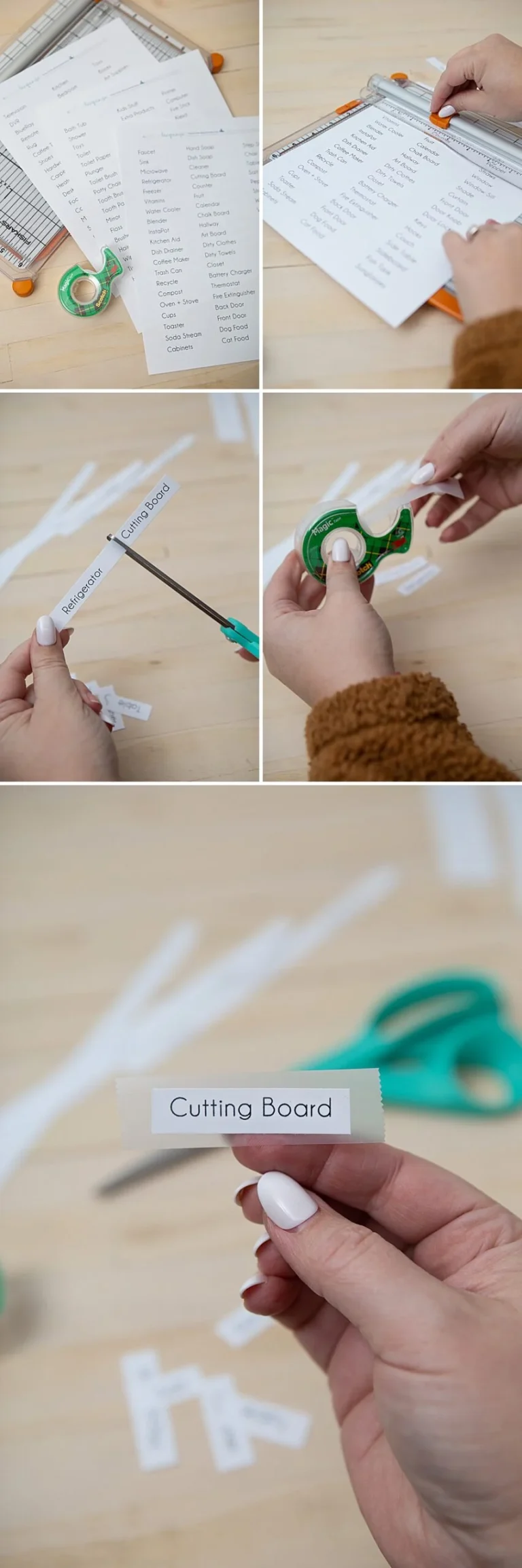
To manage the logistics of a multi-child household, a "Mom Trick" was implemented: each gift was labeled with its designated opening date. This serves a dual purpose: it ensures that age-appropriate gifts are opened on specific days and provides a safeguard against younger children (such as the 14-month-old in the Causey-Kidder household) who might prematurely remove items from the lower, more accessible pockets.

Historical Context and Market Analysis of the Advent Industry
The advent calendar has evolved significantly since its origins in 19th-century Germany, where Lutherans used chalk marks or candles to count down the days to Christmas. The first printed advent calendar appeared in the early 20th century, and by the 1950s, chocolate-filled versions became a global staple.
In the last decade, the market has seen an explosion of "luxury" and "niche" advent calendars. According to market research, the global advent calendar market has expanded to include everything from high-end skincare and alcohol to expensive jewelry, with some luxury versions retailing for over $500. For the average consumer, however, the "toy" segment remains the most competitive.
The DIY movement, as exemplified by the shoe-organizer project, is a direct response to this hyper-commercialization. Data suggests that modern parents are increasingly prioritizing "experiences" and "curation" over "stuff." By building a reusable framework—the shoe rack and the felt tags—the consumer reduces future waste. While the initial setup involves the purchase of a rack and crafting supplies, these components are reusable for subsequent years, eventually lowering the annual cost below the $160 threshold required for four commercial calendars.
Broader Implications for Large Family Dynamics
The centralization of the advent tradition into a single, large-scale installation has psychological implications for family bonding. Unlike individual calendars where children might open their gifts in isolation, a shared "wall-sized" calendar creates a focal point in the home. This encourages communal opening and shared excitement, which parenting experts often cite as a key factor in building lasting holiday memories.
Furthermore, the DIY model allows for the inclusion of the parents in the tradition. The Causey-Kidder project explicitly included "little things" for the mother and father on certain days, transforming a child-centric activity into a full-family engagement. This inclusivity is rarely found in commercial products, which are strictly segmented by age and gender demographics.
Conclusion and Future Outlook
The "Labor of Love" described by Jen Causey-Kidder is indicative of a wider shift toward intentionality in holiday celebrations. While the time investment—involving designing, drilling, wrapping, and sourcing—is substantial, the result is a highly personalized system that addresses the specific needs of a large family.
As sustainability becomes a greater priority for the modern consumer, the "reusable DIY" model is expected to gain further traction. The reliance on durable materials like wood, metal bolts, and high-quality felt ensures that the framework of the advent calendar will last for years, contrasting sharply with the thin cardboard and plastic trays of traditional retail calendars that are discarded every December 26th.
For the retail industry, this trend signals a need for more modular or customizable advent solutions. For the consumer, it represents a reclaiming of the holiday countdown, moving away from the "boredom" of mass production and toward a more curated, meaningful, and economically efficient family tradition. The success of the shoe-organizer advent calendar serves as a blueprint for other large families looking to scale their holiday traditions without sacrificing variety or breaking their seasonal budgets.