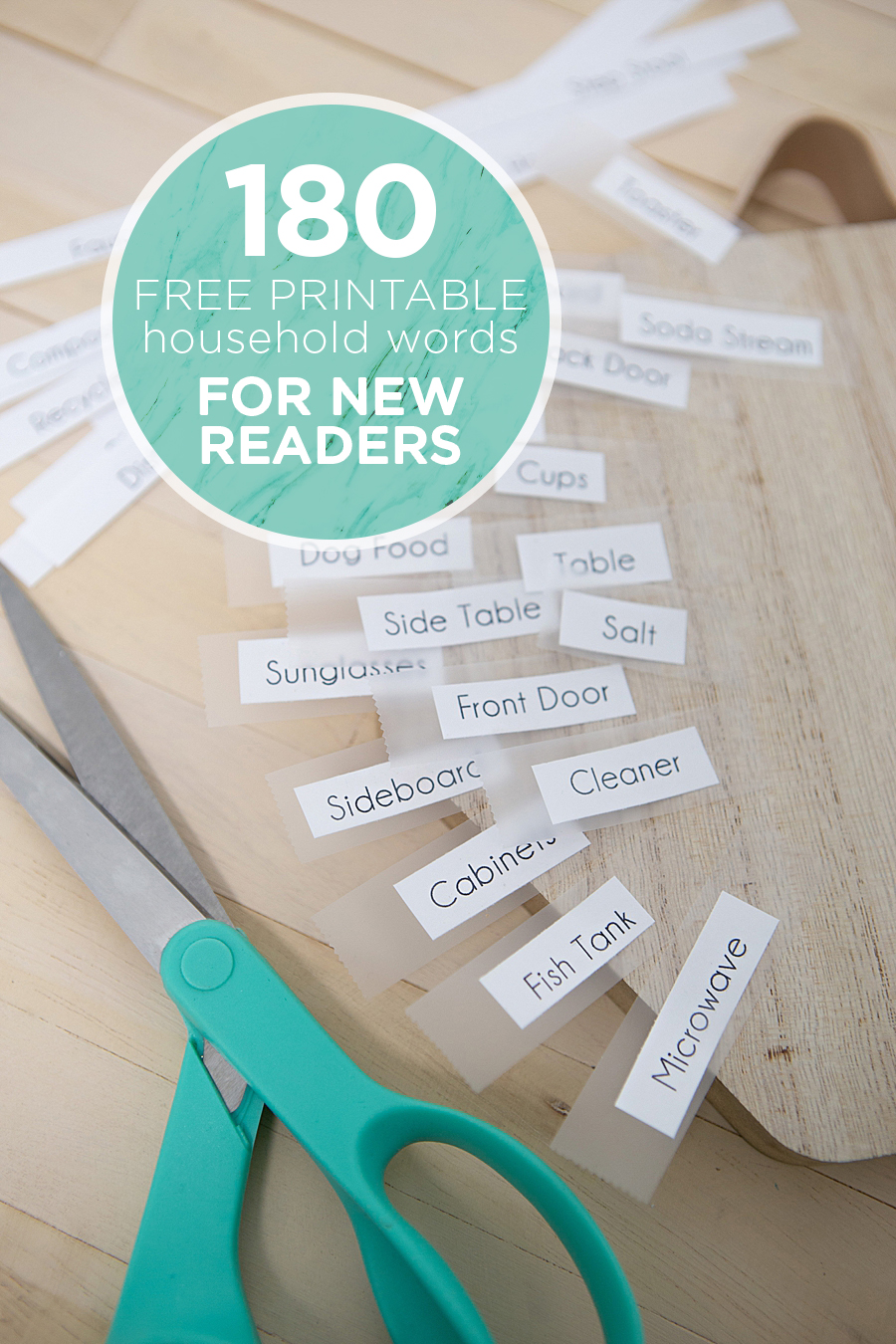
The integration of educational tools into the home environment has long been a subject of study for pedagogical experts, but a recent initiative by literacy advocate Jen Causey-Kidder highlights a practical, low-cost method for accelerating word recognition in young children. By utilizing a comprehensive set of 180 printable household labels, Causey-Kidder has demonstrated how transforming a residence into a print-rich environment can bridge the gap between verbal fluency and reading proficiency. This method, often referred to by educators as the "Environmental Print" strategy, leverages a child’s existing familiarity with their physical surroundings to introduce the abstract concept of written symbols. While the aesthetic of a house covered in utilitarian labels may deviate from traditional interior design standards, the functional benefits for "littles"—a colloquial term for children in the early stages of literacy—are becoming increasingly recognized by both parents and reading specialists.
The Mechanics of Environmental Print and Visual Scaffolding
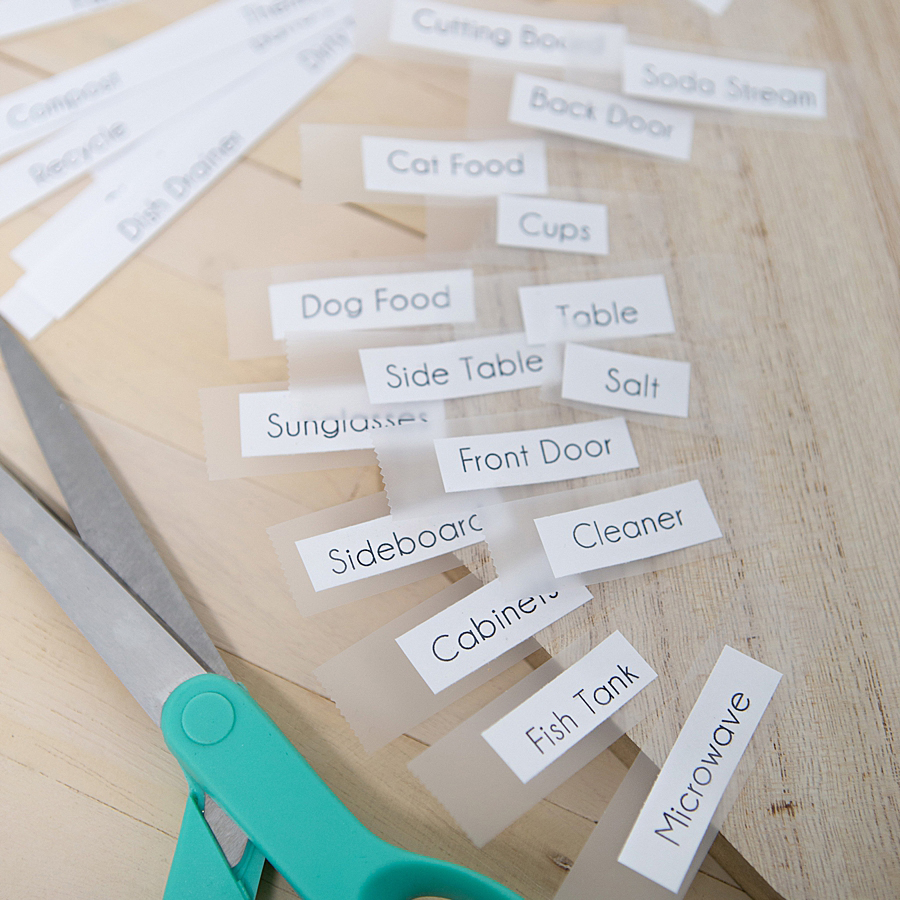
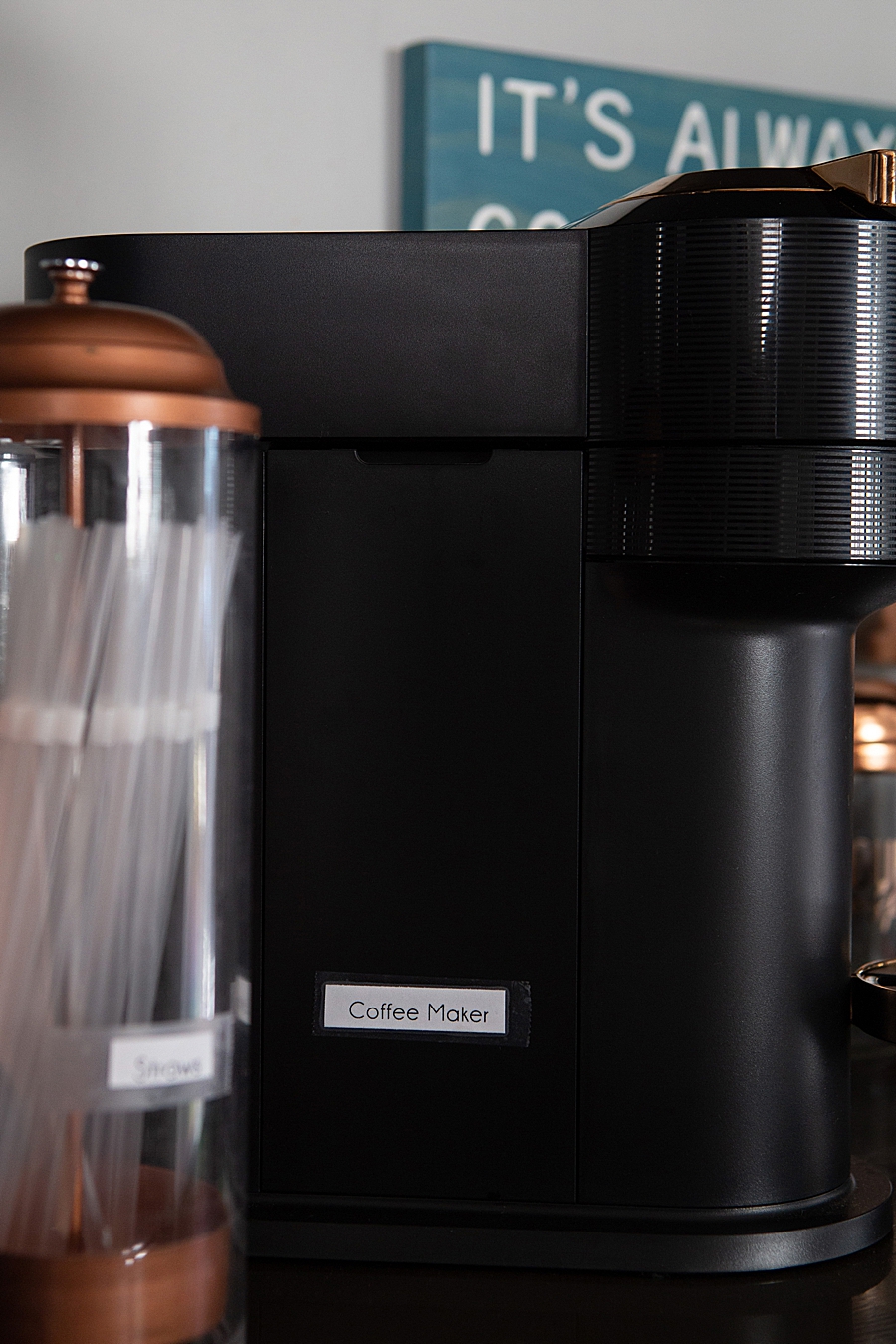
The core objective of the household labeling project is to facilitate visual word recognition through constant exposure. According to literacy experts, children often develop "sight word" recognition before they master the phonetic decoding of complex syllables. By placing a label that reads "refrigerator" on the appliance itself, the child is not required to sound out the word through traditional phonics initially; instead, they associate the visual shape of the word with a known object. This process, known as scaffolding, provides a psychological safety net for new readers, allowing them to feel successful in "reading" their environment before they transition to more complex, unfamiliar texts.
The project designed by Causey-Kidder involves 180 distinct words spread across three printable pages. These words cover a wide spectrum of household items, ranging from common furniture like "table" and "chair" to more specific architectural features and kitchen implements. The selection of these words is intentional, focusing on high-frequency nouns that exist within the child’s daily orbit. By labeling items the children already use and understand, the cognitive load is reduced, shifting the focus entirely from "what is this object?" to "what does the written version of this object look like?"
Chronology of Implementation: From Concept to Classroom-Home Hybrid
The development of this literacy tool followed a structured timeline that reflects the meticulous nature of early childhood instructional design. The process began with a consultation phase, where professional reading teachers emphasized the importance of labeling the home environment. The transition from advice to execution took place over several distinct stages:
- Typography Research and Selection: One of the most critical phases involved identifying a font that mirrors the way children are taught to write. Standard digital fonts often utilize "double-story" lowercase ‘a’s and ‘g’s, which can be confusing for a child accustomed to the "single-story" circles and tails used in primary school handwriting. Causey-Kidder selected "Champagne & Limousines," a sans-serif font known for its clean lines and simplified letterforms, specifically to avoid throwing off young learners.
- Environmental Audit and Cataloging: The creator conducted a thorough walkthrough of the domestic space, identifying every item a child might interact with. This list was then expanded to include items that might exist in other households to ensure the printable resource was universally applicable.
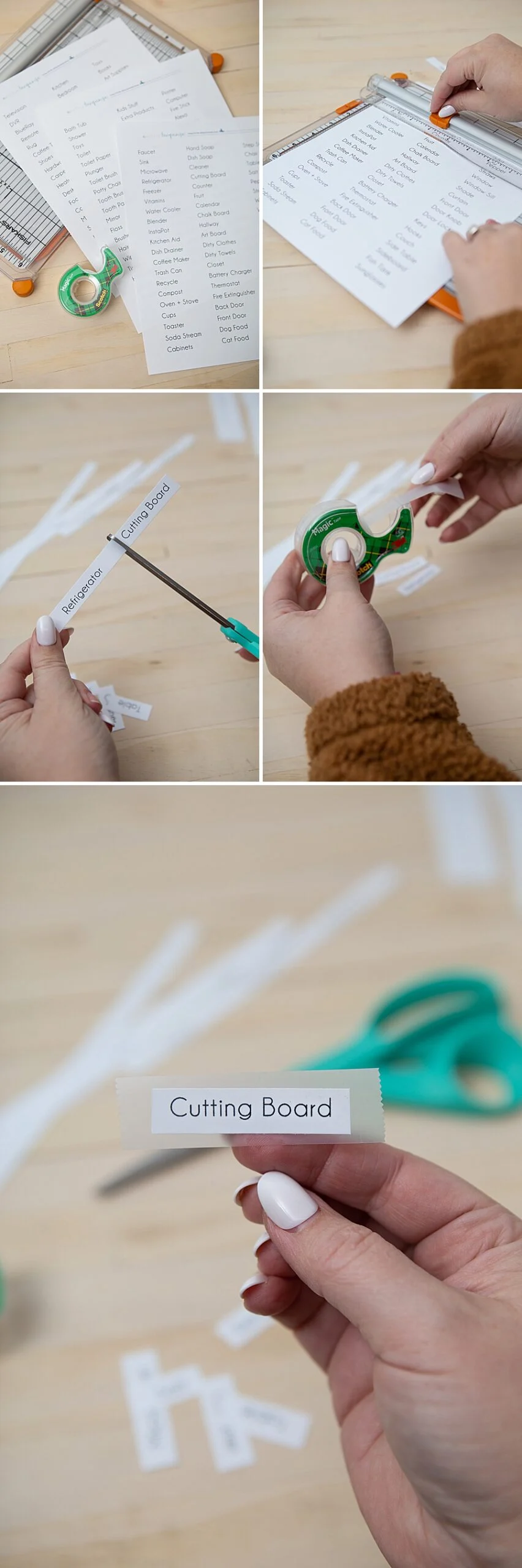
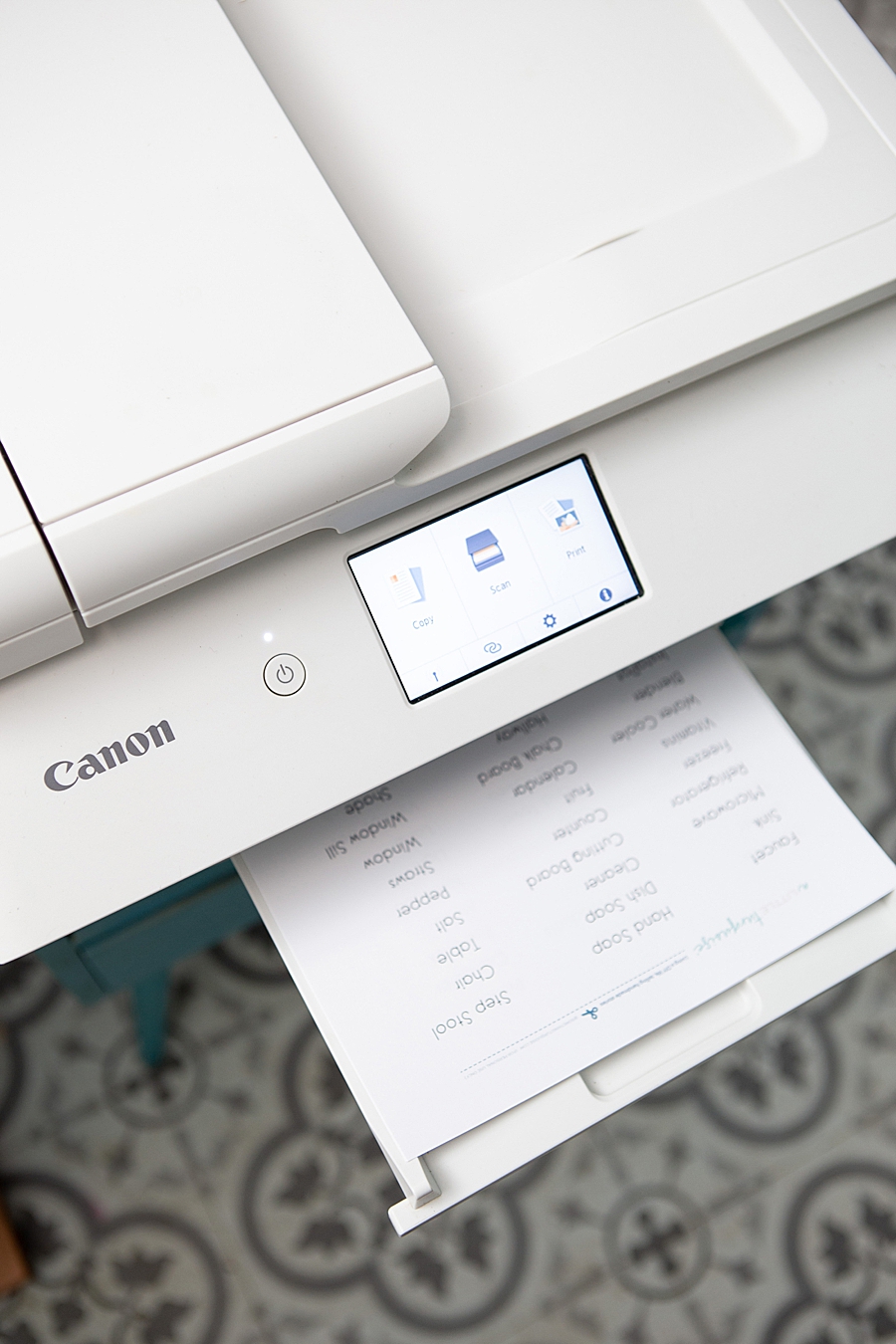
- Production and Printing: The final list of 180 words was formatted into a three-page document. Using a Canon TS9521C crafting printer and standard Staples printer paper, the labels were produced in a utilitarian black-and-white format to prioritize legibility over decoration.
- The Four-Day Integration Period: The physical application of the labels was not a solitary task but a collaborative educational activity. Over the course of four days, the children participated in placing the labels. This active participation is a key component of the "Total Physical Response" (TPR) method in linguistics, where physical movement is coordinated with language input to enhance memory retention.
Supporting Data: The Impact of Print-Rich Environments on Literacy
The efficacy of Causey-Kidder’s project is supported by decades of educational research regarding the "30-million-word gap" and the importance of early literacy exposure. A study by the National Center for Education Statistics (NCES) suggests that children who are exposed to a variety of reading materials and print in the home perform significantly better in standardized reading assessments than those who are not.
Furthermore, research published in the Journal of Early Childhood Literacy indicates that "Environmental Print" (EP) is often the first type of print that children can read. By utilizing logos, signs, and labels, children begin to understand that print carries meaning. In a domestic setting, this translates to a 24/7 immersion in literacy. Data suggests that consistent exposure to labeled environments can increase a child’s "sight word" vocabulary by as much as 20% to 30% within the first six months of implementation, depending on the age and prior exposure of the child.
Typographical Analysis and Cognitive Development
The decision to use a specific font like "Champagne & Limousines" is more than an aesthetic choice; it is a pedagogical necessity. In the field of educational psychology, "cognitive load theory" suggests that unnecessary complications in instructional material can hinder learning. For a five-year-old, a fancy serif on a letter "t" or a complex loop on a letter "g" constitutes "extraneous cognitive load."
When a child sees a label, their brain must perform several tasks: recognize the shapes, associate those shapes with sounds, and then link those sounds to a concept. By using a font that strips away decorative elements, the designer ensures that the child’s brain can focus entirely on the core structure of the letter. This clarity is essential for building the neural pathways required for fluent reading. The project’s emphasis on "function over form" serves as a critique of modern "educational" toys that often prioritize "cuteness" or bright colors over the actual clarity of the instructional content.
Reactions and Social Implications
The implementation of 180 labels throughout a home inevitably leads to social interactions and inquiries. Causey-Kidder noted that guests frequently commented on the labels, describing the setup as a "crack up" or an unusual sight. However, the reaction from the educational community has been overwhelmingly positive. Reading specialists argue that the "un-aesthetic" nature of the labels is actually a benefit, as it signals to the child that these are tools for learning, not just part of the background decor.
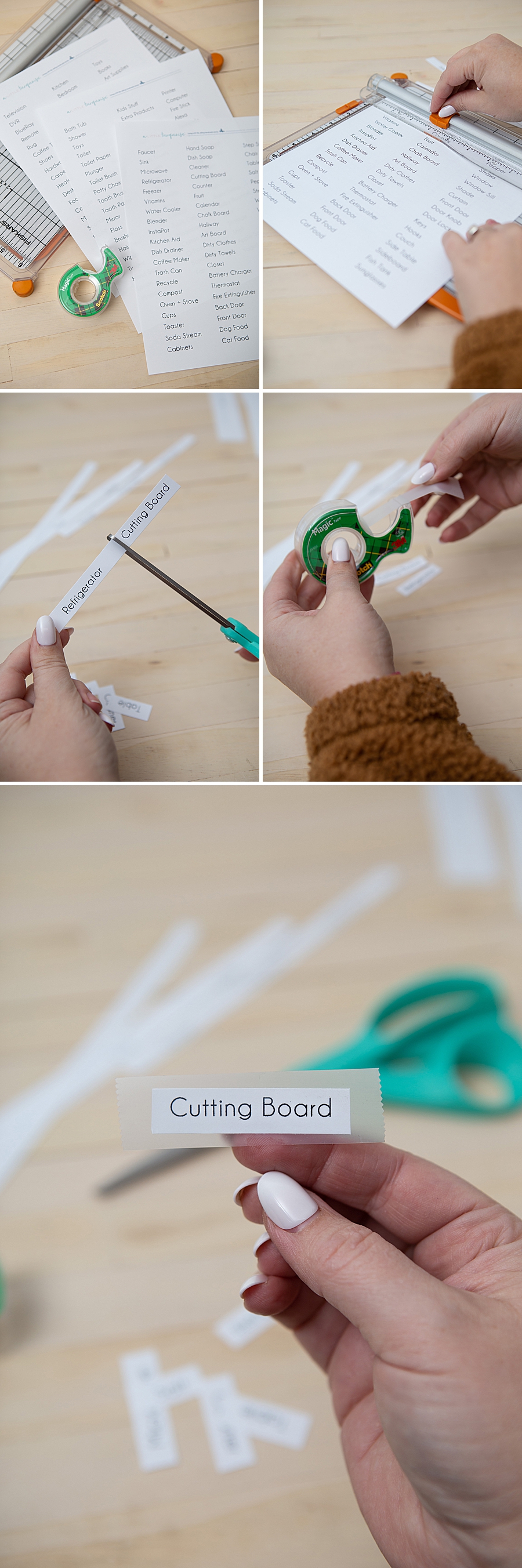
From a sociological perspective, this DIY approach to literacy represents a democratization of educational resources. While expensive tutoring services and high-end literacy apps are often marketed to parents, the "Print, Trim, Tape" method costs only the price of a few sheets of paper and adhesive. This makes high-level literacy support accessible to families across all socioeconomic brackets.
Broader Impact and Long-term Educational Outcomes
The long-term implications of this project extend beyond the immediate gratification of a child reading the word "toaster." By fostering a sense of "literacy agency," children begin to see themselves as readers early in their development. This confidence is a major predictor of future academic success. According to the Annie E. Casey Foundation, students who are not proficient in reading by the end of third grade are four times more likely to drop out of high school. Interventions that start in the home during the preschool and kindergarten years are vital for preventing this "literacy cliff."

As the children in the Causey-Kidder household continue to navigate their labeled environment, the labels will eventually become redundant. Once the word "door" is permanently etched into the child’s long-term memory, the physical label can be removed. The creator herself acknowledged a sense of "pre-emptive nostalgia," noting that while the labels are not "cute" now, their eventual removal will signal the end of a specific, precious stage of childhood development.
In conclusion, the 180-word household labeling project is a testament to the power of functional, evidence-based educational strategies in the domestic sphere. By prioritizing legibility, accessibility, and active participation, the initiative provides a blueprint for parents looking to support their new readers. It serves as a reminder that the most effective learning tools are often the simplest ones, and that a home filled with "un-cute" labels may very well be a home filled with future scholars. Through the strategic use of environmental print, the gap between the spoken word and the written page is narrowed, one label at a time.