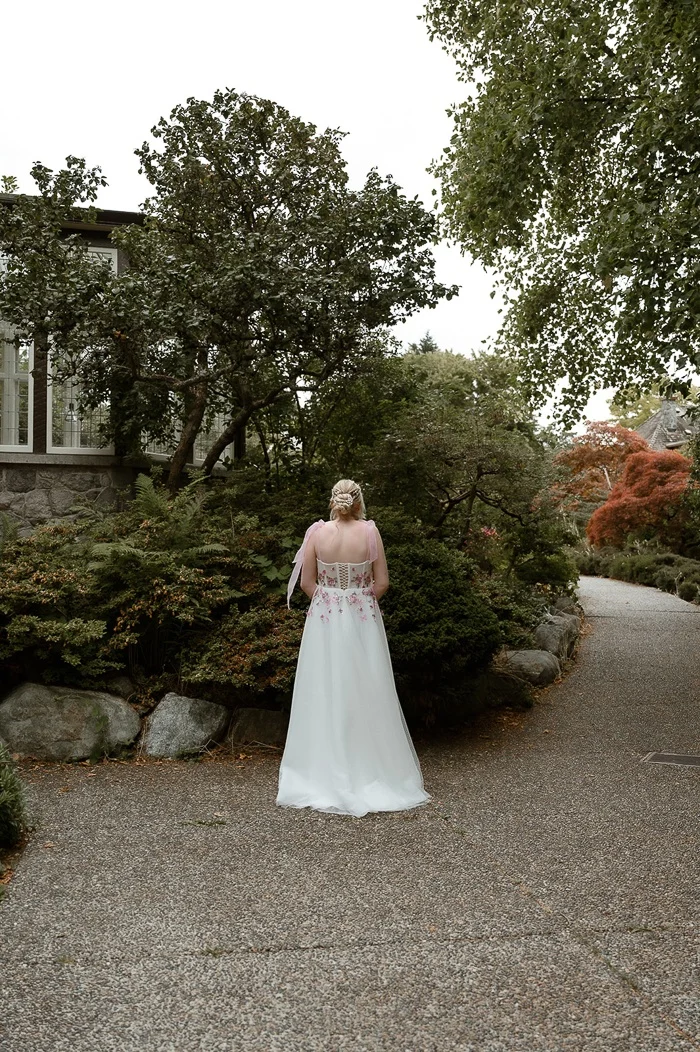


The journey to matrimony, while undeniably joyous, often presents couples with one of their first significant joint financial undertakings: orchestrating a wedding that reflects their vision without compromising their future financial stability. Far from a simple tally of expenses, a wedding budget is an intricate puzzle where various components must align to bring a dream celebration to fruition. This requires a comprehensive and candid discussion about finances, extending beyond a mere overall budget figure to a detailed breakdown of percentage allocations across categories such as catering, florals, fashion, and venue. While an abundance of advice exists regarding wedding planning, it is crucial to recognize the absence of universal rules, particularly concerning financial outlays. Every couple’s financial landscape and wedding priorities are distinct, offering a liberating perspective that allows for personalized decision-making rather than adherence to rigid conventions.
The Evolving Landscape of Wedding Costs and Expectations
The modern wedding industry is a multi-billion-dollar enterprise, with the average cost of a wedding in the United States often fluctuating between $29,000 and $35,000, according to various industry reports. This figure can escalate dramatically based on location, guest count, and the level of customization. Post-pandemic, the industry has witnessed a surge in demand, coupled with inflation, leading to increased costs for venues, vendors, and supplies. This economic reality underscores the importance of a strategic approach to wedding budgeting, where couples must actively decide where to economize and where to invest more substantially. The societal pressure to host an elaborate event, often amplified by social media trends, can create a disconnect between expectations and financial realities. Therefore, adopting a vendor-approved framework for saving and splurging becomes an invaluable tool for couples seeking to optimize their spending.
Strategic Savings: Prudent Choices for Maximizing Your Budget
Identifying areas for potential savings does not equate to compromising the quality or essence of the wedding day; rather, it involves making informed choices that reallocate funds to higher-priority elements. Several key strategies, endorsed by wedding professionals, can significantly trim expenses without sacrificing the overall experience.
- Optimizing Venue Costs Through Date Selection: The venue typically represents the single largest expenditure in a wedding budget, often accounting for 40-50% of the total cost. A prime Saturday in peak season (e.g., spring or fall in many regions) commands the highest prices due to demand. Shifting the celebration to a weekday (Monday-Thursday) or a Sunday can result in substantial savings, sometimes 15-30% off the peak rate. Similarly, choosing an off-peak season (e.g., winter or summer in regions with extreme temperatures) can unlock further discounts. This flexibility allows couples to secure their dream location that might otherwise be out of reach, freeing up funds for other significant details.
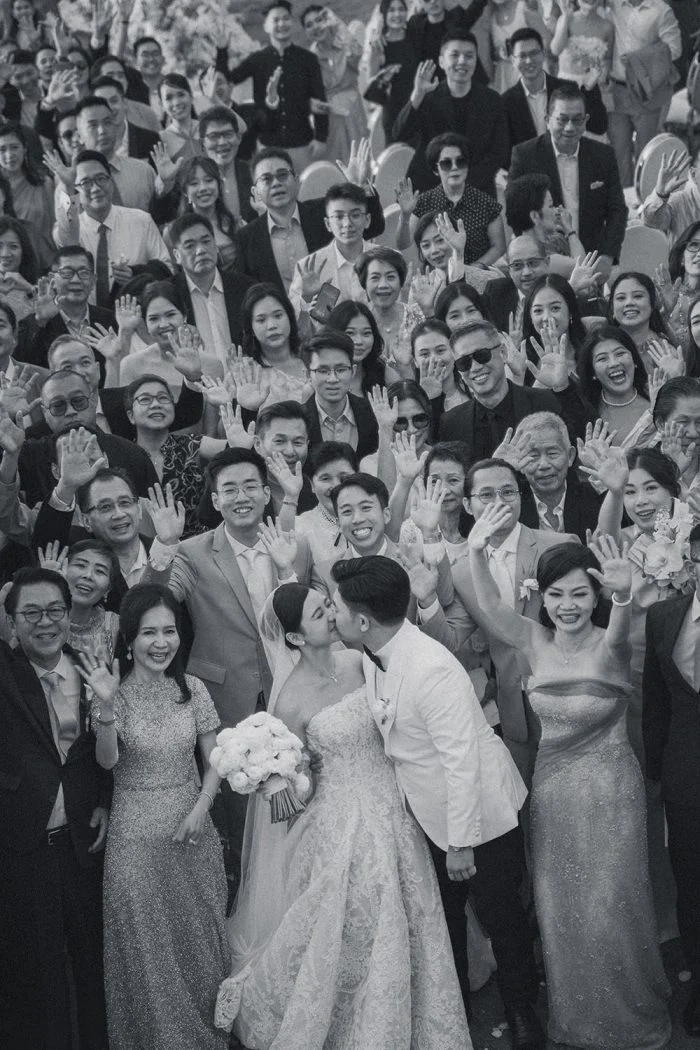
- Pruning the Guest List: A direct correlation exists between the number of guests and overall wedding expenditure. Each additional guest impacts catering costs, beverage consumption, seating, stationery, and even the size of the venue required. Industry experts, such as photographer Lynn Shapiro, consistently highlight the financial benefits of a more intimate guest list. By keeping the guest count smaller, couples can allocate a larger portion of their budget towards high-priority vendors like photographers and videographers, or enhance the per-guest experience with more elaborate dining or personalized touches. Financial analysts often recommend an early and honest assessment of guest list priorities, emphasizing quality over quantity to prevent budget overruns.
- Rethinking Bridesmaid Proposals: The trend of elaborate "bridesmaid proposal" boxes, popularized by social media, has added an unexpected cost to the early stages of wedding planning. These curated gift boxes, often filled with personalized items, can quickly accumulate to hundreds of dollars. While a thoughtful gesture, this expenditure is entirely optional and can be reallocated to more critical wedding expenses. A heartfelt conversation or a simple, personalized card can convey the same sentiment without the financial strain, ensuring that initial budget allocations are preserved for essential services and contingency funds.
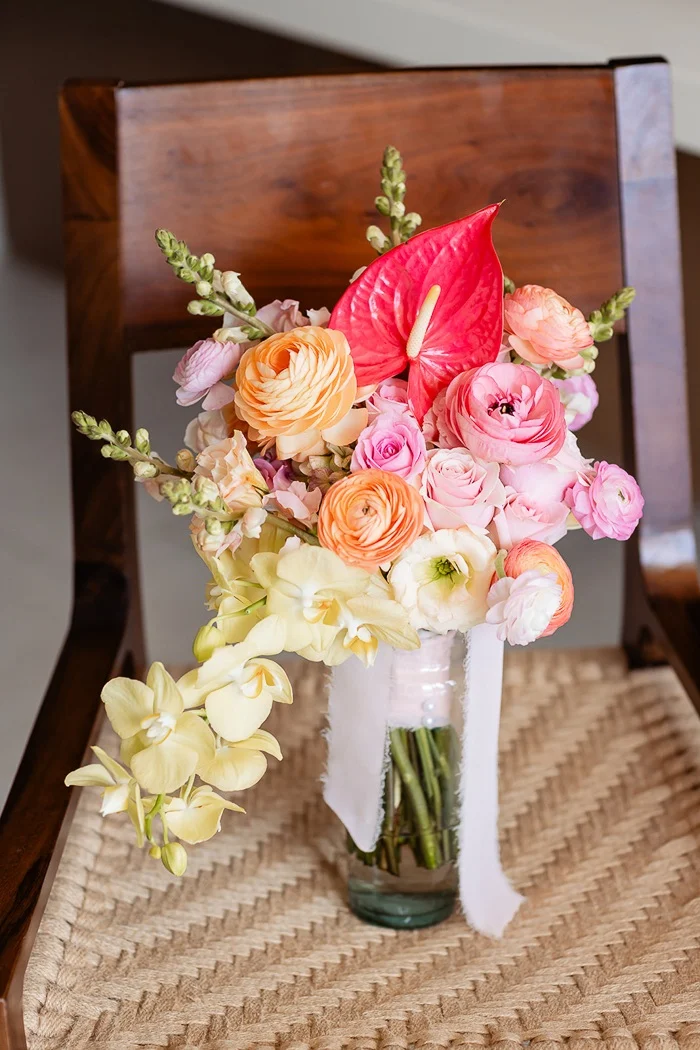
- Repurposing Ceremony Decor for the Reception: Decorating both the ceremony and reception spaces often involves significant time, effort, and financial investment. A clever strategy to mitigate these costs and reduce planning stress is to repurpose ceremony elements for the reception. For instance, a beautifully designed ceremony arch can transform into a striking backdrop for the sweetheart table or photo booth. Bridesmaids’ bouquets can serve as elegant centerpieces on reception tables, adding a cohesive aesthetic while minimizing floristry costs. Seating arrangements, such as elegant chairs, can be relocated from the ceremony aisle to reception tables, reducing rental expenses. Wedding planners frequently emphasize the creative possibilities of repurposing, advising couples to discuss these options early with their decorator and florist to maximize visual impact and minimize duplication of effort and cost.
- Implementing a Limited Bar Selection: Providing an open bar is a common expectation at weddings, but the cost of premium spirits can quickly inflate the beverage budget. Opting for a limited bar, featuring beer, wine, and perhaps one or two signature cocktails, can significantly reduce expenses without resorting to a cash bar, which some guests might find less hospitable. Many venues also offer the option for couples to purchase their own alcohol, a "BYOB" approach that can lead to substantial savings, although it requires additional logistical planning for transport and chilling. This strategy allows for an open bar experience that is both generous and financially prudent.
- Exploring Alternative Dessert Options: While the multi-tiered wedding cake remains a beloved tradition, it is often one of the more expensive dessert options. Couples can save considerably by opting for a smaller, ceremonial cake for cutting and photos, supplemented by more cost-effective and varied dessert alternatives for guests. Options like gourmet donut walls, s’mores bars, cupcake towers, dessert buffets featuring mini pastries, or local specialty treats not only reduce costs but also add a unique and interactive element to the reception. This approach caters to diverse palates and often leaves a more memorable impression than a conventional large cake.
- Foregoing Physical Wedding Favors: Wedding favors, while a customary gesture of appreciation, often represent an expenditure that guests either forget or leave behind. Instead of investing hundreds of dollars in small tokens, couples can reallocate these funds to more impactful aspects of the wedding. If the desire for a keepsake remains, creative and cost-effective alternatives abound. A custom-curated digital playlist of the couple’s favorite songs or wedding soundtrack, accessible via a QR code, offers a personal and enjoyable memento that costs virtually nothing. Alternatively, some couples choose to make a donation to a charity in their guests’ names, communicating this gesture with a small card, which aligns with philanthropic values and avoids material waste.
Judicious Splurging: Investing in Lasting Memories and Seamless Experiences

While saving is crucial, certain elements of a wedding day warrant a higher investment due to their long-term value, impact on the guest experience, or ability to reduce stress for the couple. These are the areas where judicious splurging pays dividends.
- Photography and Videography: Preserving Imperishable Moments: Unsurprisingly, professional photography and videography consistently top the list of recommended wedding splurges. The wedding day is a mosaic of fleeting, unforgettable moments—a nervous glance, a tear of joy, an impromptu dance move—that simply cannot be recreated. A skilled photographer and videographer possess the artistry, technical expertise, and experience to not only capture these moments but to tell the unique story of the day. Investing in top-tier professionals ensures that these cherished memories are preserved with clarity, emotion, and aesthetic excellence, transforming them into timeless heirlooms that can be revisited for generations. Many couples retrospectively state that their photos and videos are the most valuable investment they made, as they are the tangible reminders of their special day.
- Day-Of Coordinator or Wedding Planner: The Architect of Serenity: The complexity of orchestrating a wedding, from vendor management to timeline execution, can be overwhelming. This is where the value of a professional planner or day-of coordinator becomes immeasurable. A full-service wedding planner guides couples through the entire process, offering expertise in budgeting, vendor selection, design, and logistics. A day-of coordinator, while typically stepping in during the final weeks, ensures that all pre-planned details are flawlessly executed on the wedding day itself, managing vendors, troubleshooting unforeseen issues, and keeping the schedule on track. This investment allows the couple and their families to fully immerse themselves in the celebration without the burden of logistical concerns, transforming potential stress into genuine enjoyment. Financial advisors also note that planners, through their industry connections and negotiation skills, can sometimes secure discounts or avoid costly mistakes, effectively paying for themselves.
- Music and Entertainment: The Heartbeat of the Celebration: Music is the emotional backbone of any celebration, dictating the mood and energy of every wedding segment. From the solemn processional to the jubilant first dance and the lively reception, the right musical selections enhance pivotal moments and create an unforgettable atmosphere. Investing in a professional DJ or live band is paramount for ensuring a vibrant and engaging experience. A skilled entertainer reads the room, curates playlists that resonate with guests across generations, and expertly manages the flow of the event, encouraging participation and ensuring a packed dance floor. The difference between amateur and professional entertainment is often palpable, directly impacting guest enjoyment and the overall celebratory vibe.
- Food and Catering: A Cornerstone of Guest Experience: Providing a memorable culinary experience is fundamental to guest satisfaction. Whether opting for a sophisticated plated meal, a diverse buffet, or trendy food truck options, quality catering is an area where economizing too much can negatively impact the guest experience. Hungry guests or uninspired food can dampen spirits, regardless of other beautiful details. Splurging on high-quality ingredients, innovative menus, and professional service ensures that guests are well-fed and delighted, transforming a meal into a highlight of the celebration. Catering costs are typically the second-largest expenditure, and investing wisely here guarantees that guests feel valued and enjoy a significant portion of the event.
The Budgeting Timeline and Broader Implications
The budgeting process should ideally commence immediately after engagement, alongside initial discussions about wedding vision and priorities.
- Early Stages (6-12+ months out): This phase involves setting an overall budget, discussing financial contributions from all parties, and identifying non-negotiable splurges and immediate areas for savings. Researching average costs in the chosen region is vital to establish realistic expectations.
- Mid-Stages (4-6 months out): As vendors are booked, detailed cost breakdowns emerge. This is the time for continuous monitoring, making necessary adjustments, and establishing a contingency fund (typically 5-10% of the total budget) for unexpected expenses.
- Later Stages (1-3 months out): Final payments are made, and last-minute details are confirmed. The contingency fund becomes crucial here.
The implications of a well-managed wedding budget extend beyond the wedding day itself. Financially, it prevents couples from starting their married life burdened by debt, fostering a strong foundation for future financial planning. Emotionally, a clear budget reduces stress and potential conflict, allowing couples to focus on the joy of their commitment rather than financial anxieties. From a broader perspective, conscious budgeting choices can also align with modern values of sustainability, with choices like repurposing decor reducing waste.
Conclusion
Creating a wedding budget is typically one of the inaugural tasks in the planning process, yet it is frequently an area where couples underestimate actual costs, leading to frustration, particularly for those with tight financial constraints. To circumvent this common pitfall, it is imperative to cultivate realistic budget expectations from the outset. Understanding precisely where to save and where to splurge on the wedding day provides a clearer understanding of the inherent expenses, facilitating proactive and informed planning. By embracing a strategic approach to wedding finance, couples can not only achieve their dream celebration but also embark on their married life with financial confidence and peace of mind.