


The allure of a diamond has captivated humanity for centuries, symbolizing love, commitment, and enduring beauty. For decades, the choice was straightforward: a mined diamond, born from the Earth’s crucible over millennia, or a less durable simulant. However, the advent and rapid evolution of lab-grown diamond technology have introduced a new, compelling alternative, prompting significant discussions and shifting consumer perceptions within the jewelry industry. These scientifically engineered gems, chemically, physically, and optically identical to their natural counterparts, now represent a substantial and growing segment of the market, offering a unique blend of value, ethical considerations, and technological advancement.
Understanding the creation and characteristics of lab-grown diamonds is crucial for consumers navigating this evolving landscape. Far from being mere imitations, these diamonds are the product of sophisticated scientific processes that meticulously replicate the Earth’s diamond-forming conditions. This technological leap has not only democratized access to diamond jewelry but has also sparked a debate about value, rarity, and the very definition of a diamond. As consumers increasingly seek transparency and ethical sourcing, lab-grown diamonds are emerging as a prominent choice, prompting a deeper examination of their creation, evaluation, and market implications.

The Genesis of Lab-Grown Diamonds: A Technological Marvel
Lab-grown diamonds are not synthetic imitations like cubic zirconia or moissanite. They are real diamonds, composed of pure carbon atoms arranged in the same crystal lattice structure as natural diamonds. The key difference lies in their origin: instead of forming deep within the Earth’s mantle over millions or billions of years, they are meticulously cultivated in controlled laboratory environments over a matter of weeks or months. This accelerated creation process, guided by advanced scientific techniques, yields diamonds with identical hardness, brilliance, and durability to their mined counterparts.
The journey toward creating artificial diamonds began in the mid-20th century. Early efforts in the 1950s, spearheaded by researchers in the United States and Sweden, focused on industrial-grade crystals using high-pressure, high-temperature (HPHT) methods. These initial breakthroughs, while significant, were limited in scale and quality. By the 1970s, gem-quality diamonds began to emerge, paving the way for further refinement. The subsequent decades witnessed rapid advancements, particularly with the popularization of Chemical Vapor Deposition (CVD) alongside traditional HPHT methods. This evolution has transformed the diamond industry, enabling the production of consistent, high-quality gems to meet growing demand.
Unpacking the Manufacturing Processes: HPHT vs. CVD
Two primary methods dominate the production of lab-grown diamonds: High Pressure High Temperature (HPHT) and Chemical Vapor Deposition (CVD). Both processes aim to recreate the conditions necessary for diamond formation, but they employ distinct technological approaches.
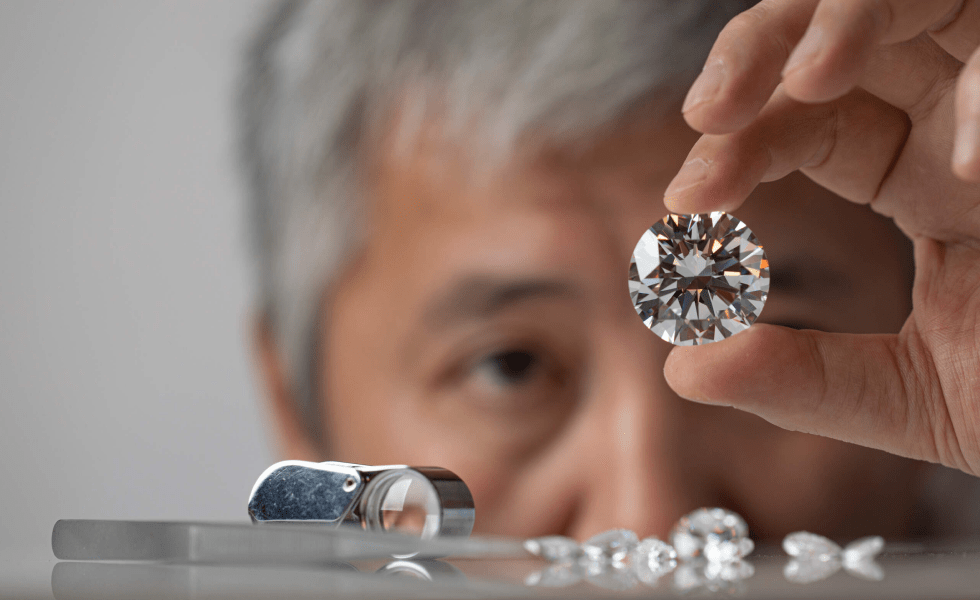
The HPHT method is designed to mimic the extreme environment of the Earth’s mantle. In this process, a small diamond seed crystal is placed within a growth cell alongside a carbon source (typically graphite) and a metal catalyst (such as nickel or iron). This cell is then subjected to immense pressures, exceeding 870,000 pounds per square inch, and temperatures around 2,700 degrees Fahrenheit, achieved through specialized presses. Under these conditions, the carbon source dissolves in the molten catalyst and recrystallizes onto the seed crystal, growing layer by layer over several days to weeks. The resulting rough diamond is then removed, cleaned of residual metal, and prepared for cutting and polishing. HPHT is effective for producing diamonds with a strong crystal structure and can yield both colorless and certain colored diamonds. However, under close examination, some HPHT diamonds may exhibit microscopic metallic inclusions.
In contrast, the CVD method is a more layered, gas-based growth process conducted within a vacuum chamber. Multiple diamond seed wafers are placed on a base, and the chamber is filled with a mixture of hydrocarbon gases, such as methane and hydrogen. Energy sources, like microwaves, are used to create a plasma that breaks down these gases at approximately 1,500 degrees Fahrenheit. This process releases free carbon atoms that then deposit onto the seed crystals, building the diamond structure in controlled layers. Growth rates can range from 0.01 to 0.1 millimeters per day, with the process typically taking several weeks to achieve desired sizes. Once the crystal plates reach their target dimensions, they are cut into individual diamonds and may undergo further treatments, such as annealing, to enhance color if needed. CVD often results in diamonds with high clarity and uniformity due to the low-contamination environment, making it particularly well-suited for larger or precisely cut gems.
While both methods produce genuine diamonds, they differ in their operational dynamics. HPHT utilizes mechanical pressure and catalysts for rapid simulation of Earth’s mantle conditions, potentially leading to diamonds with varied growth directions and occasional metallic traces. CVD, conversely, employs a gentler, plasma-driven process that builds layers in a single direction, typically yielding fewer inclusions and more consistent properties. HPHT is often favored for higher-volume production or specific color requirements due to its shorter turnaround times, while CVD excels in producing larger and purer diamonds over longer growth periods. The choice between HPHT and CVD often depends on the desired diamond traits, production goals, and the capabilities of the manufacturing facility.
Evaluating Lab-Grown Diamonds: The Universal Standards
Regardless of their origin, all reputable lab-grown diamonds undergo the same rigorous evaluation process as natural diamonds. The Gemological Institute of America (GIA), the International Gemological Institute (IGI), and other recognized gemological laboratories assess these diamonds based on the universally accepted "Four Cs": cut, color, clarity, and carat weight.
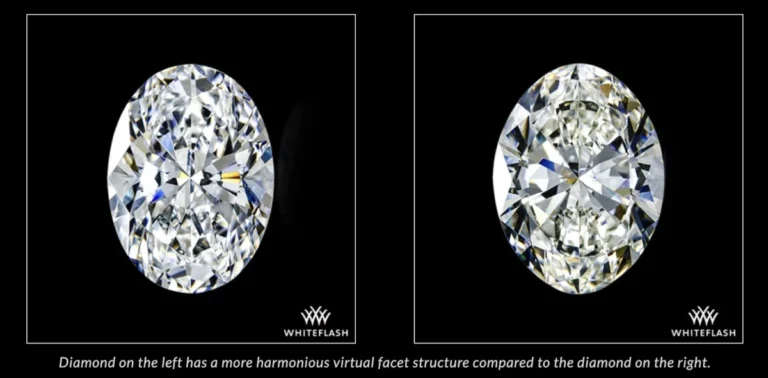
The cut refers to the diamond’s proportions, symmetry, and polish, which dictate its brilliance, fire, and scintillation. A well-cut diamond maximizes light return, resulting in exceptional sparkle. The color grade ranges from D (colorless) to Z (light yellow or brown), with higher grades commanding greater value. Clarity assesses the presence and visibility of internal inclusions and external blemishes, with grades ranging from Flawless (no imperfections visible under 10x magnification) to Included (imperfections visible to the naked eye). Finally, carat weight denotes the diamond’s mass, with one carat equivalent to 0.2 grams.
To ensure transparency, grading reports for lab-grown diamonds clearly state their origin as "laboratory-grown" and often specify the growth method used (HPHT or CVD). Additionally, a laser inscription on the diamond’s girdle typically indicates its synthetic origin, identifiable only under magnification. This meticulous certification process allows buyers to verify authenticity and quality with confidence, ensuring they are purchasing a genuine diamond that meets established industry standards.
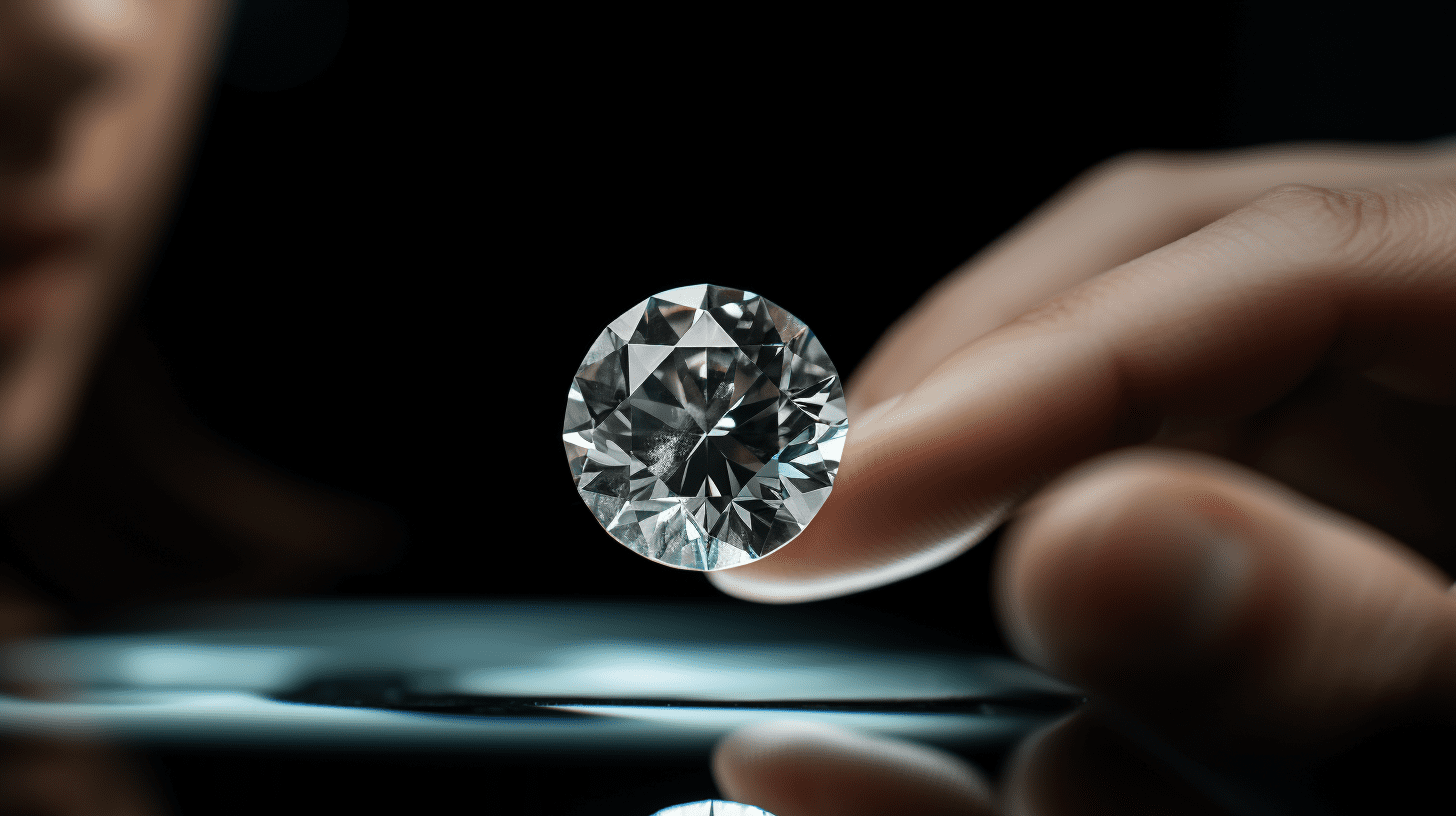
The Growing Market Presence of Lab-Grown Diamonds
The market for lab-grown diamonds has experienced a meteoric rise in recent years. In 2022, lab-grown diamonds accounted for approximately 25% of all engagement rings sold in the United States. This surge is attributed to increased consumer awareness, with over 80% of American diamond shoppers now aware of lab-grown options. The number of independent jewelers offering these diamonds has also expanded dramatically, growing from under 300 in 2017 to over 1,200. Consequently, the U.S. has become the leading single-country market for lab-grown diamonds.
Analysts project continued robust growth for the global lab-grown diamond industry. Projections indicate the market, valued at approximately USD 33,454 million in 2026, is expected to nearly double to USD 68,791 million by 2035, driven by a steady compound annual growth rate (CAGR) of 8.34% over the next nine years. This sustained expansion suggests that lab-grown diamonds are not a fleeting trend but a permanent fixture in the fine jewelry market, offering consumers larger, brighter, and more accessible diamond pieces.
The Allure of Lab-Grown Diamonds: Key Advantages
The significant appeal of lab-grown diamonds stems from several key advantages that resonate with modern consumers.
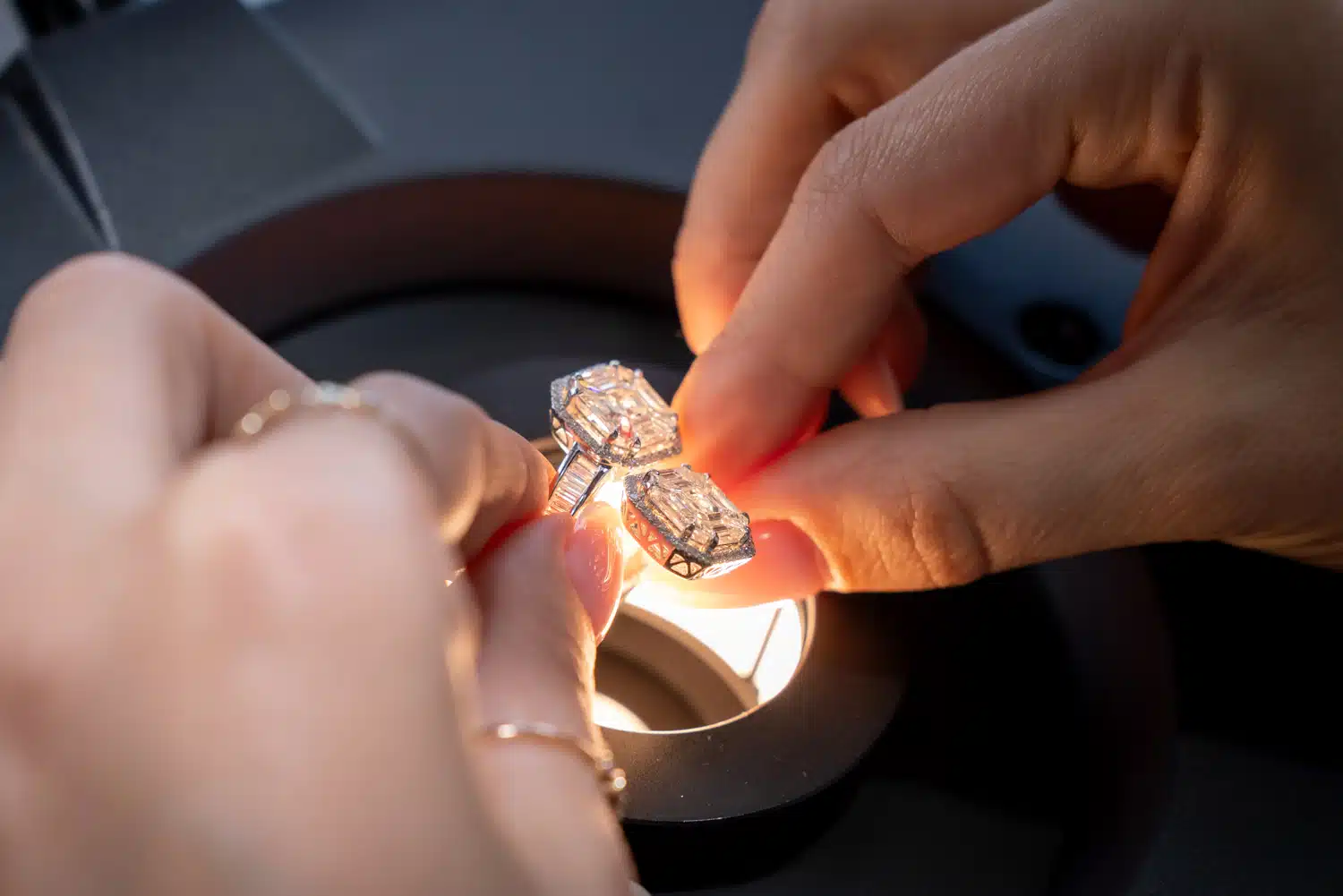
1. Cost-Effectiveness: Perhaps the most compelling advantage is the price differential. Lab-grown diamonds typically cost 70-90% less than natural diamonds of comparable quality. For instance, a 1-carat round diamond with G color, VS2 clarity, and an excellent cut might range from $700 to $1,500 if lab-grown, compared to $4,000 to $6,000 or more for a natural diamond with the same specifications, based on recent market averages. This substantial cost saving empowers consumers to opt for larger carat weights, superior color or clarity grades, or to allocate funds towards custom-designed settings and other jewelry elements. The scalability of manufacturing and increased supply are primary drivers behind this reduced pricing, making diamond jewelry more accessible without compromising on quality.
2. Identical Optical and Physical Properties: As previously noted, lab-grown diamonds are chemically, physically, and optically indistinguishable from natural diamonds. They exhibit the same refractive index (2.42), dispersion (0.044), and hardness (10 on the Mohs scale). This means they possess the same sparkle, fire, and durability. Their identical crystal structure ensures they withstand the rigors of daily wear, making them suitable for engagement rings, wedding bands, and other frequently worn jewelry. Unlike diamond simulants, which differ in atomic structure and performance, lab-grown diamonds meet all the criteria of true diamonds.
3. Supply Chain Transparency and Ethical Sourcing: The controlled laboratory environment provides a level of supply chain transparency that can be challenging to achieve with mined diamonds. Consumers can often trace the origin and production method of their lab-grown diamond, addressing concerns about conflict diamonds or unethical mining practices. While environmental impact remains a consideration (discussed later), the direct manufacturing process offers a clearer picture of a diamond’s journey from creation to purchase.
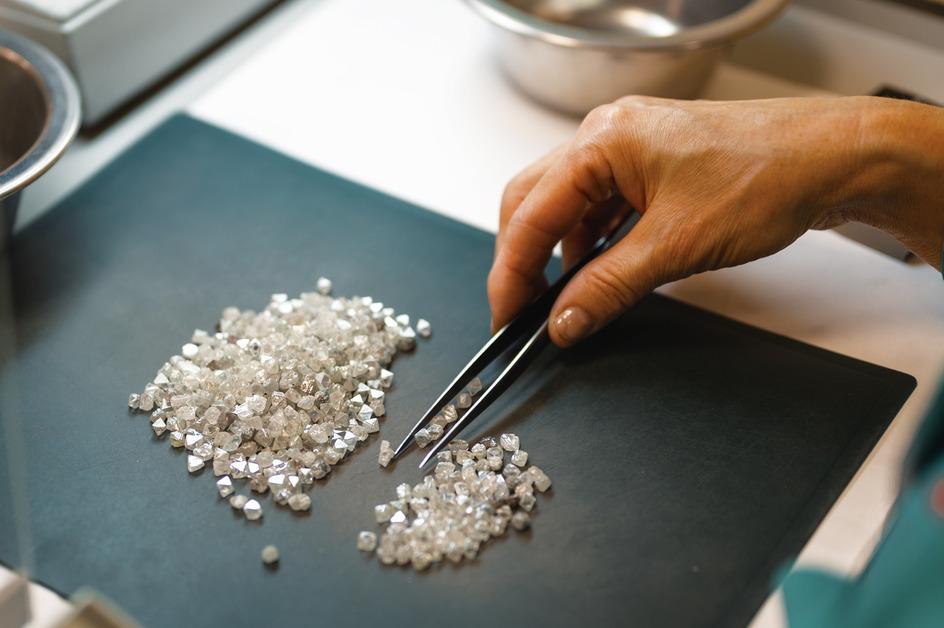
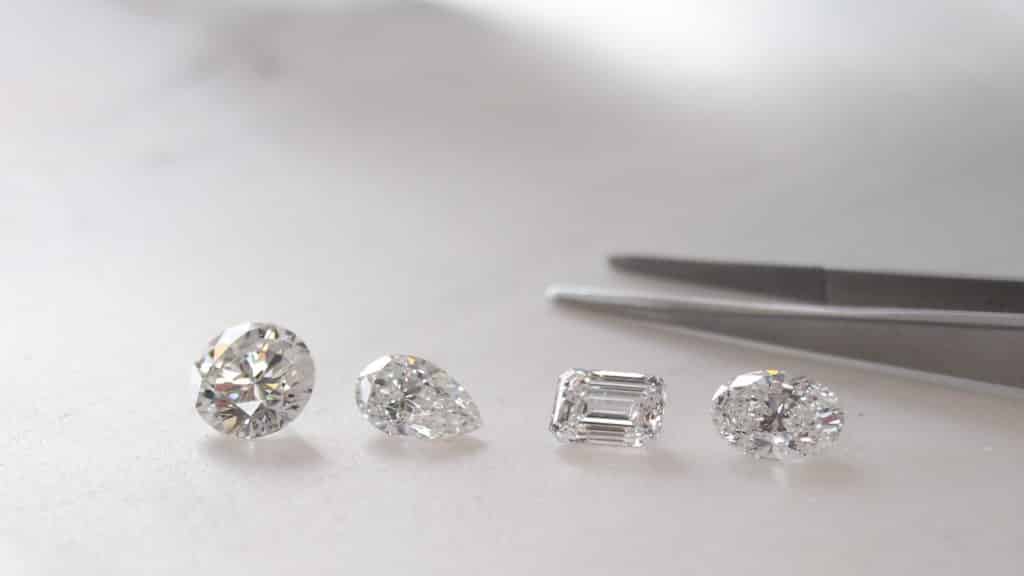
4. Design Versatility and Availability: The on-demand production capabilities of lab-grown diamonds ensure consistent stock levels and quicker turnaround times. This allows for a wide array of shapes, including round, oval, emerald, cushion, pear, radiant, and marquise, as well as a broad spectrum of colors and sizes. This variety supports creative jewelry designs, from classic solitaires to contemporary settings, enabling consumers to find a diamond that perfectly matches their personal style and preferences. Furthermore, the readily available supply means that pieces are often ready for shipping within days, simplifying the purchasing process.
Addressing the Concerns: The Downsides of Lab-Grown Diamonds
Despite their numerous advantages, lab-grown diamonds also present certain drawbacks that consumers should consider.
1. Resale Value and Depreciation: A significant concern for many buyers is the long-term resale value of lab-grown diamonds. Due to ongoing advancements in production technology and increasing supply, lab-grown diamonds tend to depreciate faster than natural diamonds. They often retain only 30-40% of their original retail price in secondary markets, with potential for larger declines as wholesale and retail prices continue to fall. This trend makes them less suitable for individuals who view diamonds as a potential store of value or an investment. While natural diamonds also lose value, their rarity can sometimes offer more stable percentage-based retention in specific market conditions. Lab-grown diamonds are primarily viewed as wearable luxury rather than assets with strong investment liquidity, and their resale market remains considerably smaller than that for natural diamonds.

2. Environmental Impact of Production: While often marketed as an environmentally friendly alternative, the production of lab-grown diamonds, particularly through the HPHT process, requires significant electricity. The carbon footprint can vary widely depending on the energy sources used by the manufacturing facility. Facilities relying on non-renewable energy, especially coal-based power, can contribute to increased carbon emissions. While some producers are investing in renewable energy sources to mitigate this impact, these benefits are not universally guaranteed. Consumers concerned about environmental sustainability are advised to seek clear documentation and third-party certifications regarding a producer’s energy mix and operational efficiency, rather than assuming a general low-impact outcome.
3. Market Volatility and Pricing Trends: The rapid technological advancements and increasing production capacity in the lab-grown diamond sector can lead to price volatility. While this has historically benefited consumers through lower prices, it also creates uncertainty regarding future resale values and the long-term stability of the market. This dynamic contrasts with the more established, albeit often higher, pricing structures of natural diamonds, which are influenced by factors like rarity and finite supply.
Navigating the Purchase: Tips for Buying Lab-Grown Diamonds
To make an informed decision when purchasing lab-grown diamonds, consumers should focus on several key aspects:

- Prioritize Independent Grading Reports: Always seek a grading report from a reputable independent laboratory such as the GIA or IGI. This report will confirm the diamond’s origin as laboratory-grown and detail its cut, color, clarity, and carat weight, ensuring accuracy and preventing misrepresentation.
- Understand the Four Cs: Familiarize yourself with the Four Cs and how they impact a diamond’s appearance and value. For lab-grown diamonds, focusing on an excellent or ideal cut grade is paramount for maximizing sparkle. Aim for color grades around G or H and clarity grades around VS2, which offer a good balance of appearance and affordability.
- Consider Diamond Shape and Setting: The chosen diamond shape can influence its perceived size and how it sits on the finger. For instance, oval and pear shapes can appear larger than round cuts of the same carat weight. The setting also plays a crucial role in both protecting the diamond and enhancing its beauty. Classic solitaire, halo, and bezel settings are popular choices, with the metal and design complementing the diamond and the wearer’s lifestyle.
- Choose Reputable Sellers: Opt for jewelers with clear return policies, free resizing services, and robust customer support. Online retailers like Whiteflash, James Allen, and Blue Nile are known for their extensive inventories, detailed product information, and commitment to transparency. Platforms like PriceScope offer resources, community forums, and curated vendor lists to assist buyers in their selection process.
- Set a Realistic Budget: Determine your overall budget, including the diamond, setting, taxes, and any additional costs. The cost-effectiveness of lab-grown diamonds allows for greater flexibility, enabling the purchase of larger or higher-quality stones within a given budget. Reviewing current market data and price charts can help in making informed decisions and avoiding overspending.
The Definitive Answer: Are Lab-Grown Diamonds Real Diamonds?
The consensus among leading scientific and regulatory bodies is clear: lab-grown diamonds are, indeed, real diamonds. The U.S. Federal Trade Commission (FTC) has removed the word "natural" from its definition of diamonds, legally classifying lab-grown diamonds as diamonds. The GIA concurs, recognizing them as genuine diamonds with the same core properties. The fundamental difference lies solely in their method of creation—nature’s slow geological process versus human technological innovation. This scientific and regulatory acknowledgment underscores that the inherent qualities and enduring beauty of a diamond are not diminished by its origin.
The evolution of lab-grown diamond technology represents a significant milestone in gemology and consumer choice. By offering chemically identical, physically robust, and optically brilliant diamonds at a more accessible price point, these gems are reshaping the jewelry landscape. As consumers increasingly value transparency, ethical considerations, and informed purchasing decisions, lab-grown diamonds are poised to play an ever-more prominent role, providing a dazzling and intelligent alternative for those seeking the timeless allure of diamond jewelry. Engaging with educational resources, consulting with trusted experts, and exploring the vibrant communities on platforms like PriceScope can empower buyers to confidently navigate this dynamic market and find a diamond that truly sparkles for them.