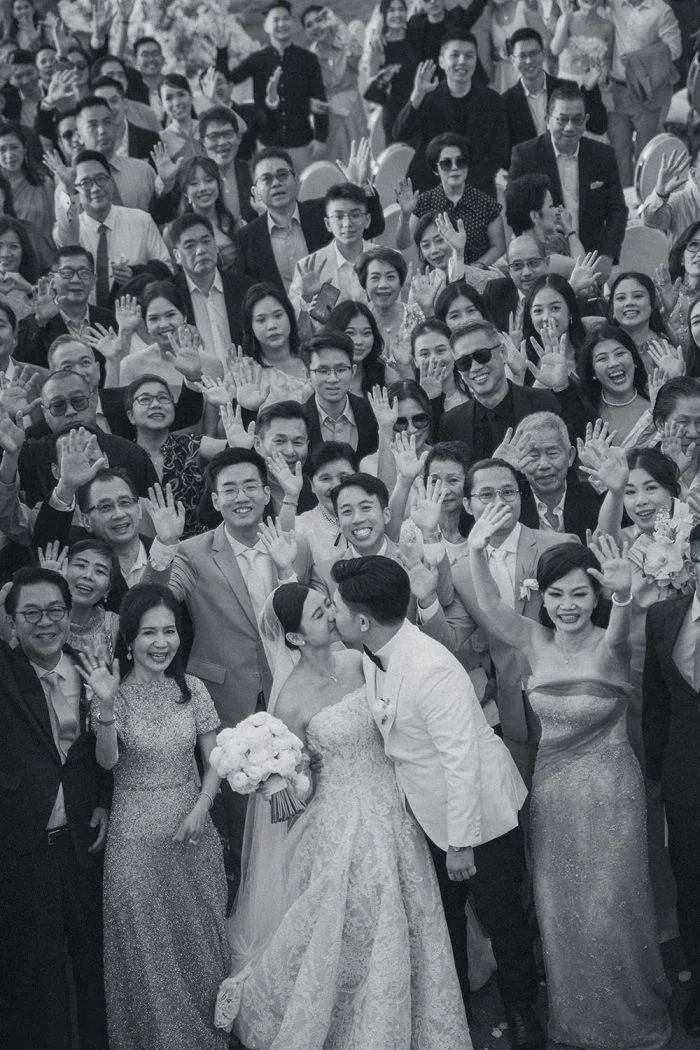



In a remarkable shift emblematic of a broader, often perplexing trend within struggling retail, David’s Bridal, once the undisputed titan of American wedding attire, has announced its metamorphosis into a "high-velocity media, content, entertainment, and technology engine." This pivot, dubbed "Aisle to Algorithm," comes on the heels of the company’s second bankruptcy filing since 2018, raising significant questions about the efficacy and ethics of slapping an "AI" label onto a fundamentally challenged legacy brand. The move mirrors recent pronouncements from other beleaguered consumer companies, most notably Allbirds, the sustainable shoe brand that recently declared its intention to pivot into "AI compute infrastructure" after a dramatic fall in its market valuation from $4 billion in 2021 to a fraction of that sum. These dramatic rebrandings suggest a desperate search for investor confidence and a strategic attempt to shed the baggage of past failures, often by disavowing their original core business.
The Allure of the "AI Pivot": A Growing Trend in Beleaguered Retail
The phenomenon of struggling consumer brands rebranding as technology or AI companies has become increasingly prevalent, marking what some industry observers refer to as the "2026 playbook" for retail survival. The pattern typically involves a once-prominent retailer or brand facing significant financial distress – characterized by plummeting stock prices, shrinking store footprints, or deteriorating credit ratings – subsequently announcing a fundamental transformation into an "AI-powered ecosystem" or a "technology engine." This strategy is often perceived as a last-ditch effort to attract investment and reinvent a company’s image, leveraging the current hype surrounding artificial intelligence.
Allbirds, known for its eco-friendly sneakers made from materials like eucalyptus fiber and merino wool, provides a stark example. After its stock plummeted, the company announced its rebranding as NewBird AI, aiming to become a middleman for computer chips it had yet to source. This move, from selling sustainable footwear to brokering computational infrastructure, highlights the dramatic and often incongruous nature of these pivots. For investors, the appeal of "AI" can override skepticism about a company’s past performance, offering the promise of high-growth tech valuations rather than the stagnant multiples typical of traditional retail. However, for industry veterans and consumers, these shifts often signal deeper underlying issues of mismanagement and an inability to adapt within their original markets.
David’s Bridal: A Legacy of Financial Turmoil
To understand the context of David’s Bridal’s latest strategic pivot, it is crucial to examine its turbulent financial history. The company, which for decades dominated the bridal gown market, has declared bankruptcy twice in less than five years, a testament to its profound struggles in navigating a rapidly evolving retail landscape.
The first bankruptcy filing occurred in November 2018. At the time, David’s Bridal cited an unsustainable debt load exceeding $400 million, coupled with shifting consumer preferences. Brides were increasingly opting for less traditional attire, exploring online retailers, independent boutiques, and even thrifted dresses – a trend the company itself later cited as a contributing factor to its woes. The company emerged from bankruptcy in January 2019, having shed approximately $400 million in debt and closing a handful of underperforming stores. The expectation was a fresh start, a leaner operation poised to better compete.
However, this respite was short-lived. The onset of the COVID-19 pandemic in 2020 dealt a severe blow to the wedding industry, with widespread cancellations and postponements. While the industry saw a rebound post-pandemic, David’s Bridal continued to struggle under its debt burden and an inability to adapt quickly enough to persistent changes in consumer behavior and supply chain disruptions. In April 2023, the company filed for Chapter 11 bankruptcy a second time, announcing plans to sell itself and close a significant number of its 294 stores. This second filing underscored the company’s inability to shed legacy costs, innovate its product offerings, or effectively manage its financial structure despite the previous restructuring.
The Unpaid Debts: A Shadow Over New Beginnings
Perhaps one of the most contentious aspects of David’s Bridal’s financial travails, and one that casts a long shadow over its new "AI-powered" aspirations, is the company’s treatment of its creditors during the second bankruptcy. The human cost of corporate restructuring became acutely apparent for numerous independent contractors and customers.
In December 2023, the Philadelphia Inquirer brought to light the plight of many independent vendors—photographers, seamstresses, stylists, and other contractors—who had provided services to David’s Bridal prior to its second bankruptcy filing. These small businesses and individuals were left with unpaid invoices, often for work already completed. The bankruptcy proceedings, culminating in the sale of David’s Bridal’s assets to CION Investment Group in July 2023, offered little relief. In September 2023, the United States Bankruptcy Court for the District of New Jersey dismissed the case. A co-counsel for David’s Bridal confirmed the grim outcome in an email to the Inquirer, stating, "given the dismissal of the case, unpaid creditors will remain unpaid." This stark declaration served as a painful reminder of the vulnerability of small businesses in the face of large corporate bankruptcies.
Customers, too, faced significant losses. Reports flooded WeddingWire and Reddit forums throughout the summer of 2023 detailing gift cards and store credits being voided without warning. Prior to the sale, David’s Bridal had published a customer FAQ reassuring shoppers that these instruments would continue to be honored. This promise, however, evaporated with the bankruptcy sale, leaving countless brides-to-be and their families out of pocket and disillusioned. Such actions, while legally permissible within bankruptcy frameworks, severely erode public trust and damage a brand’s reputation, especially one that purports to be a "trusted matchmaker" in an emotionally charged industry like weddings.
"Aisle to Algorithm": Unpacking David’s Bridal’s Tech Transformation
David’s Bridal’s new "Aisle to Algorithm" strategy, publicly announced in March 2025, is a textbook example of what the retail press terms an "asset-light pivot." In essence, this strategy involves shedding physical assets and operational overhead—primarily owned inventory and costly store leases—that historically rendered the company vulnerable to market fluctuations and high fixed costs. CEO Kelly Cook explicitly stated to CNBC that this move is designed to insulate the company from the "existential risks" that precipitated its two previous bankruptcies.
The pivot fundamentally repositions David’s Bridal from a traditional retailer to a "tech-powered multihyphenate," as described by Cook to Retail Dive. The core of this new identity lies in its "new media properties." In December 2024, David’s Bridal acquired Love Stories TV, a wedding video platform, and concurrently launched the Pearl Media Network. This network is conceived as a retail media platform, leveraging David’s Bridal’s extensive first-party customer data to sell advertising space to wedding vendors. Subsequently, in August 2025, the company introduced Pearl Planner, an AI-powered tool designed to recommend vendors to engaged couples. While couples can use Pearl Planner for free, vendors are required to pay a fee to be listed and matched with potential clients.
This strategy aims to capitalize on David’s Bridal’s brand recognition and its vast database of customer information, transforming it into a digital marketplace and advertising hub. The shift means David’s Bridal will no longer bear the direct costs and risks associated with manufacturing, stocking, and selling wedding dresses through a large retail footprint. Instead, it aims to generate revenue through advertising, lead generation, and potentially licensing its brand name, effectively becoming a digital intermediary rather than a direct service provider.
The Shifting Wedding Landscape: Competition and Vendor Concerns
David’s Bridal’s pivot into a tech-driven marketplace places it squarely in competition with established players in the wedding industry, most notably The Knot Worldwide (comprising The Knot and WeddingWire). This incumbent marketplace has dominated the wedding-tech space for years, operating a similar model of connecting couples with vendors through paid advertising and lead generation. However, The Knot’s model has itself faced increasing scrutiny and criticism from independent wedding vendors.
For years, vendors have expressed frustration with The Knot’s rising advertising costs, perceived declines in lead quality, opaque ranking algorithms, and what many describe as an extractive business model. Many small businesses feel dependent on these platforms for visibility but simultaneously exploited by their pricing structures and lack of transparency. The industry has witnessed lawsuits from vendors alleging misleading practices and anti-competitive behavior. This highly competitive and often contentious landscape is precisely where David’s Bridal, a company with a tainted financial history, now seeks to establish itself as a trusted data steward and matchmaker.
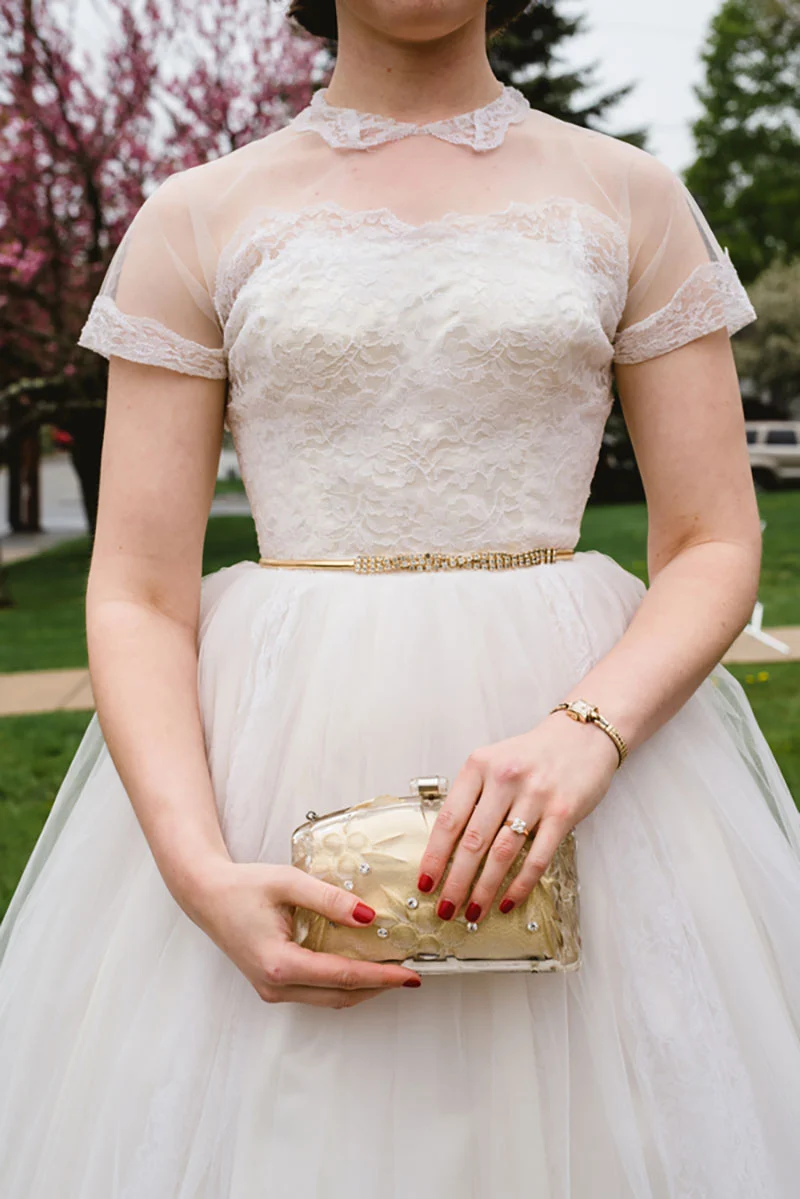
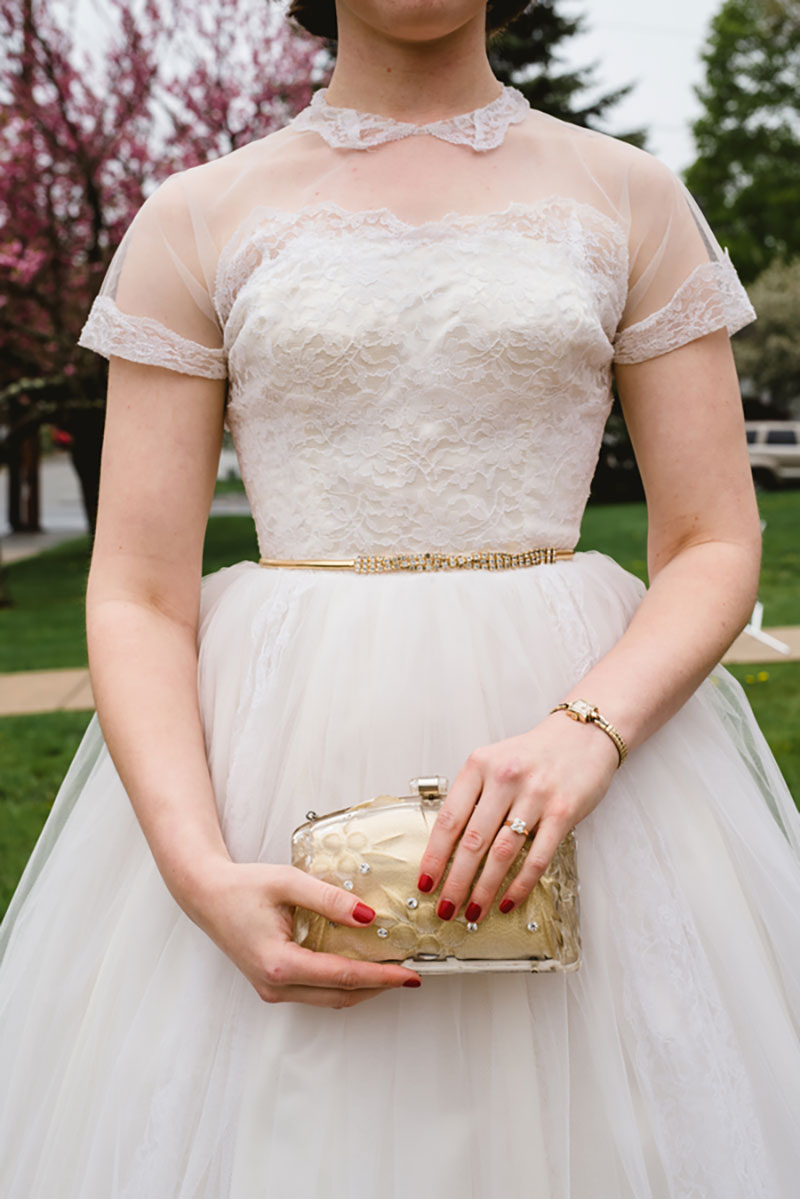
The inherent irony is palpable: David’s Bridal, which in its bankruptcy filings partly attributed its struggles to an increasing number of brides choosing less traditional attire, including thrifted wedding dresses—a staple for many independent and budget-conscious brides—is now building an AI algorithm to connect those same non-traditional customers to the independent vendors who have always served them. The company aims to monetize these connections by selling ad placements to the very businesses it historically struggled to compete against and, more recently, left unpaid.
The "Asset-Light" Strategy: Shifting Risk, Not Eliminating It
While the "asset-light" strategy is touted as a shield against the risks that led to David’s Bridal’s previous bankruptcies, it does not eliminate risk; rather, it strategically relocates it. By shedding owned inventory and physical stores, David’s Bridal reduces its direct exposure to operational costs, supply chain volatility, and real estate liabilities. However, this model inherently transfers much of the operational and financial risk onto the network of small business owners and independent vendors who fulfill drop-ship orders, potentially license the brand name, and, crucially, advertise on the company’s new media properties.
These vendors now bear the inventory risk, the service delivery burden, and the financial outlay for marketing on a platform run by a company with a documented history of failing to pay its independent contractors. This shift fundamentally alters the relationship: instead of being a direct provider responsible for the end-to-end customer experience, David’s Bridal positions itself as a facilitator, monetizing the connections between customers and third-party service providers. The success of this model hinges entirely on the willingness of independent vendors to trust and invest in a platform whose parent company has twice demonstrated a profound inability to sustain itself and honor its financial commitments.
Skepticism and the Road Ahead: Can AI Redeem a Troubled Brand?
The wedding industry, built on intricate human relationships, trust, personal taste, and highly specialized services like custom tailoring and event coordination, is inherently resistant to purely algorithmic solutions. The notion that an "AI-powered multihyphenate" can seamlessly replace the nuanced, personal experience of selecting a wedding gown or finding the perfect vendor is met with significant skepticism from those within the industry.
The fundamental challenge for David’s Bridal’s "Aisle to Algorithm" strategy is not merely technological; it is one of credibility and trust. A brand that has twice declared bankruptcy, leaving a trail of unpaid independent contractors and voided customer gift cards, faces an uphill battle in convincing vendors to invest in its new platform and couples to rely on its recommendations. The playbook of slapping "AI" onto a dying retail brand to transform a creditor list of unpaid vendors into a trusted marketplace ignores the foundational elements of the wedding economy.
Independent vendors have been the backbone of the wedding industry long before the rise of digital marketplaces, and they will likely remain so. They existed before The Knot’s dominance, before David’s Bridal’s first bankruptcy, and certainly before its second. The question is whether these essential small businesses will continue to provide their financial support and trust to companies that have, through their actions, demonstrated a clear disregard for their contributions.
The David’s Bridal pivot exemplifies a concerning trend where financial desperation is cloaked in technological jargon, attempting to leverage the allure of AI to mask underlying structural issues. While the promise of AI for efficiency and personalization is undeniable, its application as a blanket solution for corporate mismanagement in sectors deeply reliant on human connection remains highly questionable. The true test for David’s Bridal will not be its ability to deploy algorithms, but its capacity to rebuild the trust it has so severely eroded, a task that no amount of AI can accomplish without fundamental changes in corporate governance and ethical responsibility.