


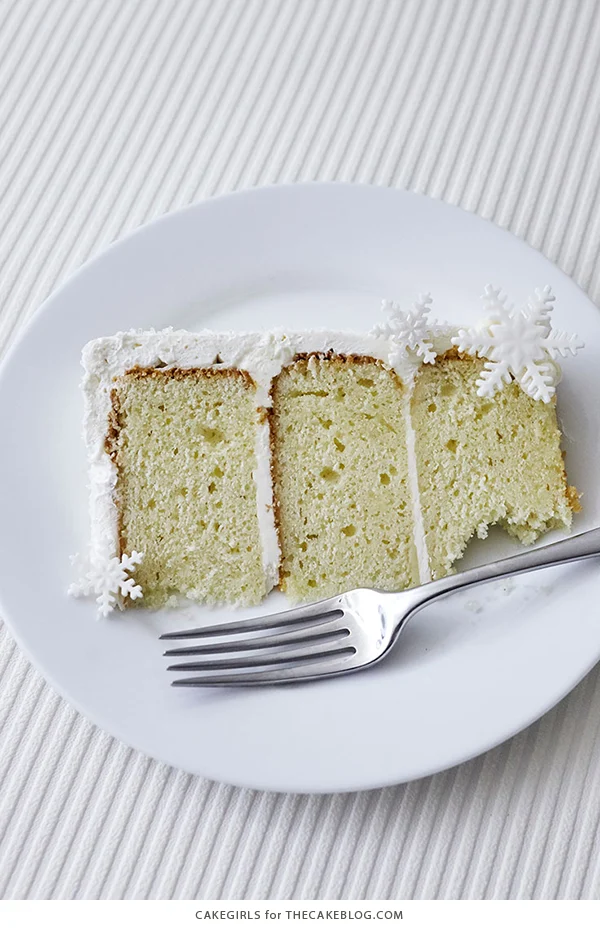
The high-end confectionery market continues to evolve as professional bakers Mary and Brenda Maher, founders of the Chicago-based Cakegirls, have introduced a new technical tutorial for the Winter Wonderland Snowflake Cake. This design, characterized by its monochromatic aesthetic and intricate textural layers, represents a significant trend in the seasonal culinary arts sector, focusing on accessible luxury for the home entertainer. Released through The Cake Blog, the project emphasizes a "snow globe" aesthetic, utilizing specialized tools and techniques to achieve a professional-grade finish that serves as a functional centerpiece for holiday gatherings.
Design Philosophy and Aesthetic Inspiration
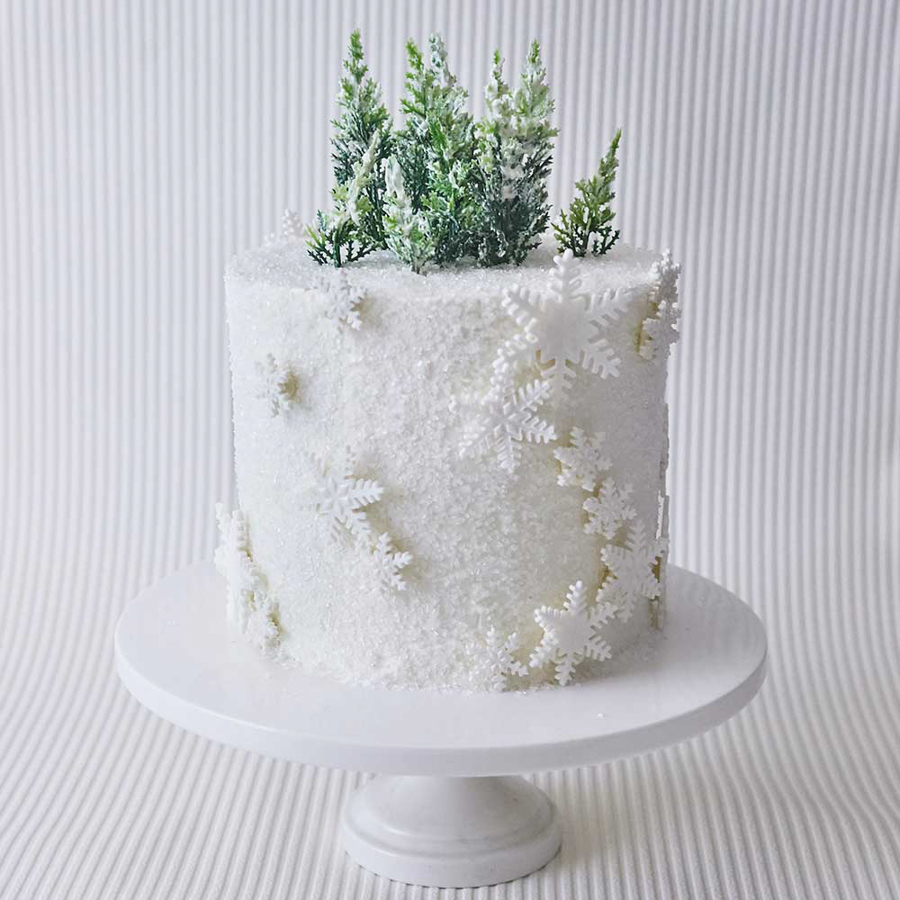
The conceptual framework for the Winter Wonderland Snowflake Cake was born from the urban winter landscape of Chicago. According to the designers, the objective was to replicate the atmospheric quality of a snow globe—specifically the visual of a city park during a heavy snowfall. This "Eureka" moment led to a design that prioritizes a "sparkly and white" palette, moving away from traditional multi-colored holiday motifs in favor of a sophisticated, minimalist approach.
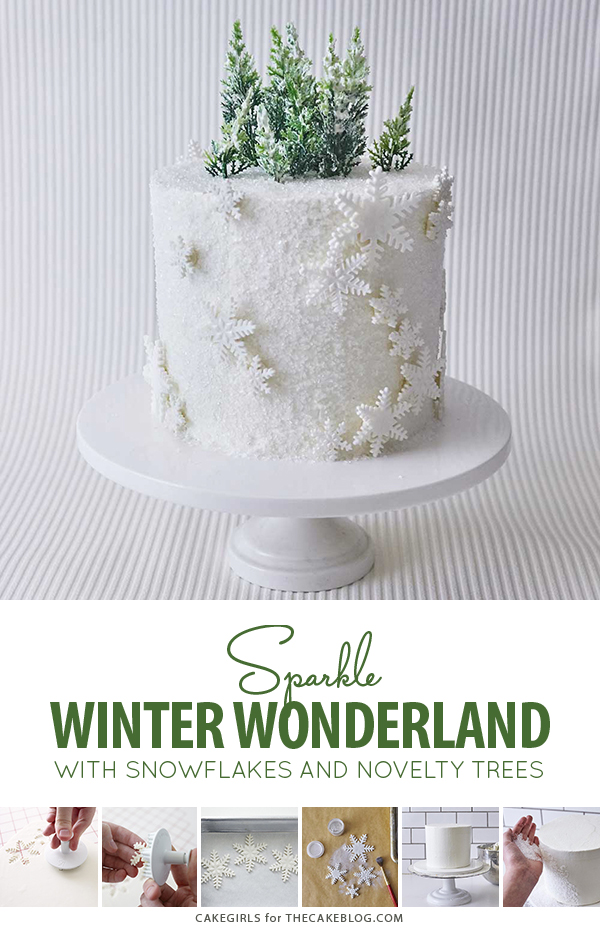
The cake’s exterior is defined by two primary decorative elements: a dense coating of white crystal sugar and a series of hand-cut fondant snowflakes. The inclusion of novelty trees, treated with buttercream to simulate a "frosted" or "flocked" appearance, adds a three-dimensional forest element to the top of the cake, creating a tiered visual narrative that mimics a natural winter scene.
Technical Specifications and Ingredient Composition
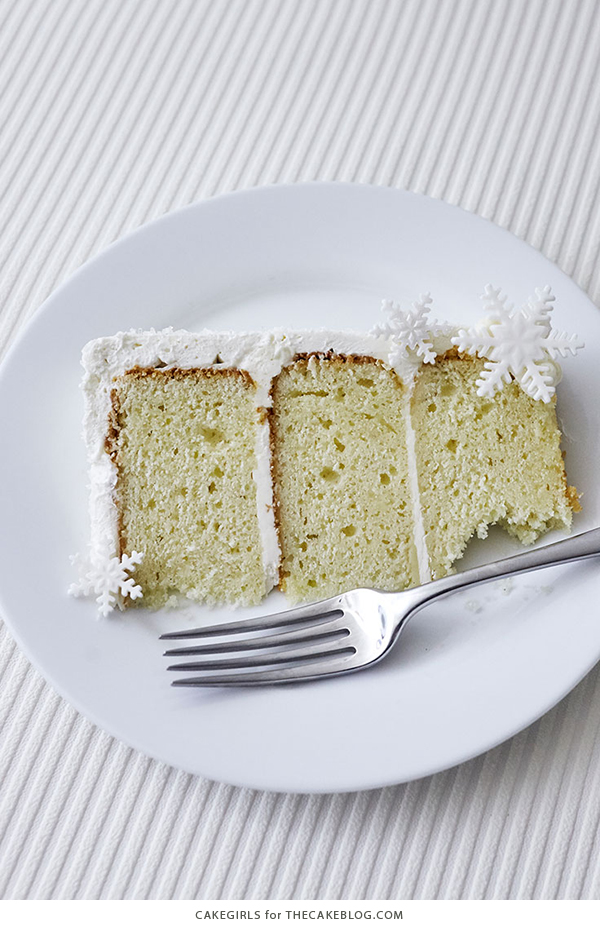
From a technical standpoint, the Winter Wonderland Snowflake Cake is a vertical construction utilizing three 6-inch round cake layers. This specific diameter is favored in contemporary cake design for its "tall and slender" profile, which provides a more modern silhouette than wider, shorter cakes.
Internal Flavor Profiles
While the visual focus is on the exterior, the creators have provided several recommendations for the cake’s internal composition to ensure flavor parity with the design:
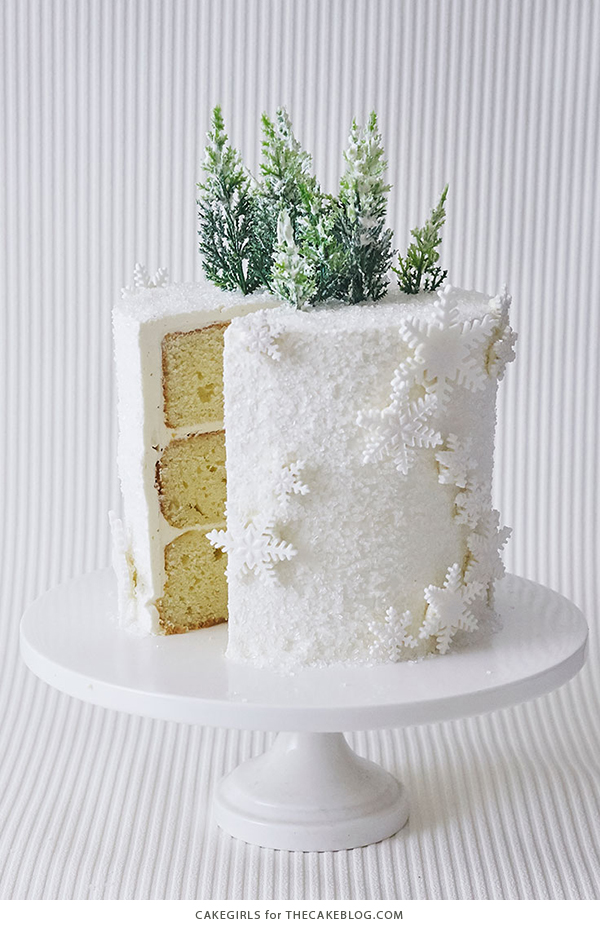
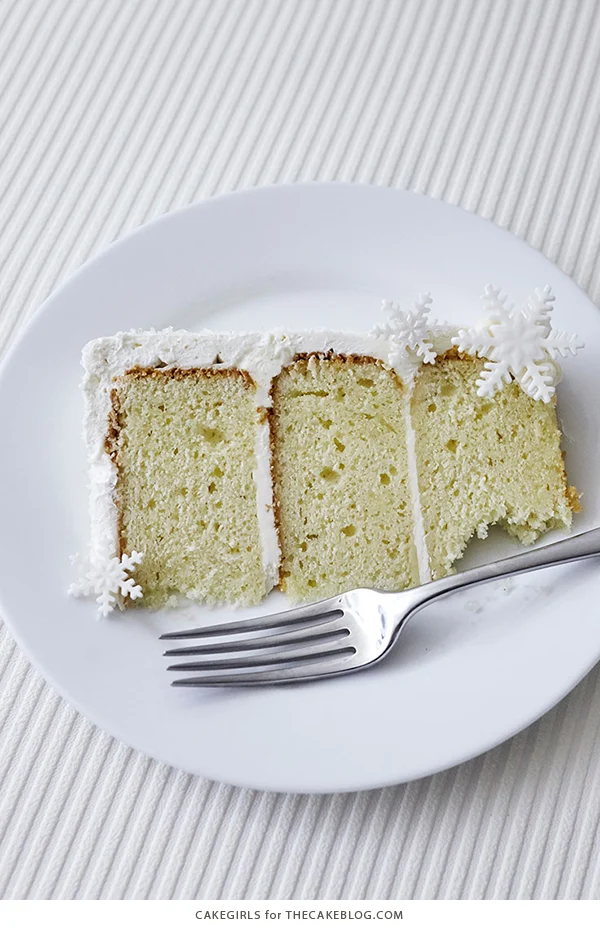
- Classic Vanilla with Swiss Meringue Buttercream: The primary recommendation, chosen for its ability to maintain a pure white internal color, reinforcing the "winter" theme upon slicing.
- Eggnog Infusion: A seasonal variation that incorporates traditional holiday spices and spirits.
- Champagne Mimosa: A more celebratory option designed for New Year’s Eve or high-end holiday brunches.
Material Requirements
The execution of this design requires specific confectionery supplies, including:
- White fondant (approximately 4-8 ounces).
- Snowflake punch cutters (various sizes).
- Super Pearl luster dust.
- White crystal sugar (sanding sugar).
- Novelty craft trees (non-edible).
- Swiss meringue buttercream (one full batch).
The Production Timeline: A Two-Day Methodology
The construction of the Winter Wonderland Snowflake Cake is categorized as an intermediate-level project, requiring a disciplined two-day production schedule to ensure structural integrity and aesthetic precision.
Phase I: Ornamental Preparation
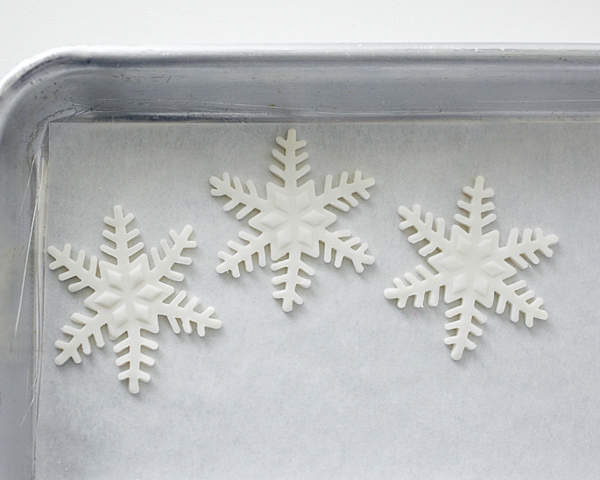
The first day of the process is dedicated entirely to the creation of the fondant snowflakes. This phase is critical because the fondant must have sufficient time to dehydrate and harden to maintain its shape when applied to the vertical sides of the cake.
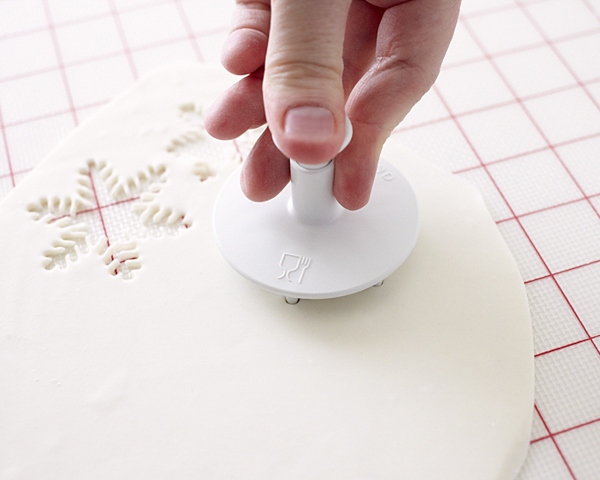
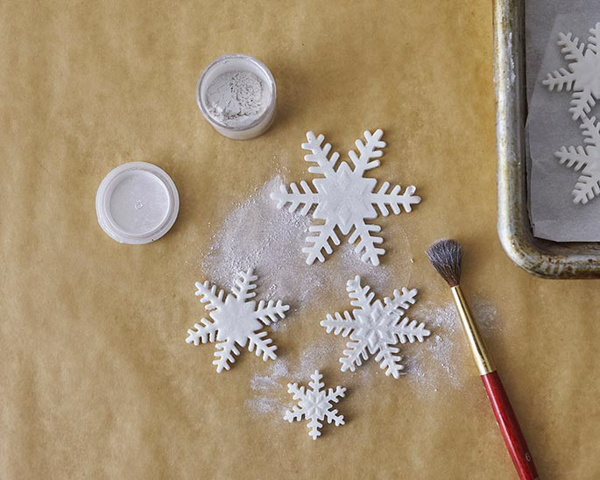
The methodology involves rolling white fondant to a thickness of approximately 1/8 to 1/4 inch. Using plunger-style snowflake cutters, the baker produces a variety of sizes. A key technical note provided by the Maher sisters is the application of "Super Pearl" luster dust. This fine mica-based powder is applied dry to the surface of the snowflakes to provide a pearlescent shimmer.
Phase II: Structural Assembly and Final Decoration
The second day involves the assembly of the chilled cake layers and the application of the "sparkle" coating.
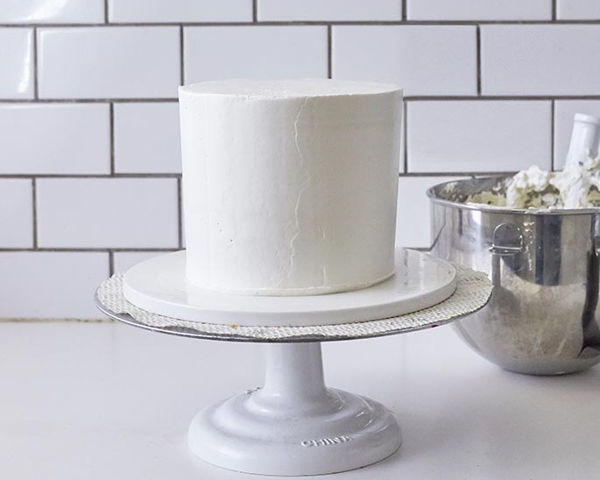
- Icing: The cake is frosted with Swiss meringue buttercream, a medium favored by professionals for its stability and smooth finish. The cake must be refrigerated for at least one hour to allow the buttercream to become "firm to the touch."
- Crystal Application: Unlike traditional methods where sugar is sprinkled from above, this design requires the baker to press the crystal sugar manually into the sides of the chilled buttercream. This creates a textured, "crusted snow" effect.
- Landscaping: The novelty trees are straightened, trimmed, and "flocked" with small amounts of buttercream before being clustered on the top of the cake.
- Final Ornamentation: Snowflakes are attached to the sugar-coated sides using small "dots" of fresh buttercream as an adhesive agent.
Safety Standards and Edibility Analysis
A significant portion of the tutorial addresses the distinction between edible and decorative elements, a growing concern in the food safety community regarding "non-toxic" vs. "edible" luster dusts.

The designers note that if "Super Pearl" luster dust is used, the snowflakes should be considered purely decorative and removed before consumption unless the specific brand used is FDA-approved for ingestion. This transparency reflects a broader industry shift toward clearer labeling and consumer education regarding specialty decorating supplies. Furthermore, the novelty trees used in the "forest cluster" are non-edible and must be removed during the slicing process, highlighting the cake’s role as a hybrid of culinary art and temporary sculpture.
Market Context and the Rise of DIY Luxury
The release of the Winter Wonderland Snowflake Cake tutorial comes at a time when the global cake decorating market is experiencing significant growth. Market analysis suggests that the home baking sector has expanded by over 5% annually as consumers increasingly seek professional-quality results from their own kitchens.
The Maher sisters, through their "Cakegirls" brand, have positioned themselves as intermediaries between the professional pastry world and the hobbyist baker. By breaking down complex aesthetics into manageable tool-based steps—such as using a snowflake plunger rather than hand-carving fondant—they tap into a demographic that values "Instagrammable" results but may lack formal culinary training.
Industry experts suggest that cakes of this caliber, if purchased from a professional boutique bakery in a major metropolitan area like Chicago or New York, would retail for anywhere between $125 and $250. The availability of high-quality tutorials allows consumers to achieve this luxury aesthetic at a fraction of the cost, spending primarily on ingredients and a few reusable tools.
Broader Implications for the Confectionery Industry
The Winter Wonderland Snowflake Cake is more than a seasonal recipe; it is a case study in the power of visual branding within the food industry. The "Winter Wonderland" theme is a perennial favorite, but the Maher sisters’ iteration focuses on texture—the contrast between the gritty crystal sugar and the smooth, shimmering fondant.
This focus on "sensory design" is expected to influence upcoming winter trends in the baking industry. We are likely to see an increase in:
- Monochromatic Color Palettes: A shift away from the traditional red-and-green toward "Arctic" whites, silvers, and pale blues.
- Mixed Media Decorating: The combination of edible components (cake, buttercream) with non-edible "keepsake" or craft elements (novelty trees).
- Technical Tool Integration: The continued reliance on specialized cutters and molds to ensure uniformity in home-baked goods.
Conclusion
The Winter Wonderland Snowflake Cake by Mary and Brenda Maher serves as a bridge between professional pastry techniques and home-based holiday preparation. By emphasizing a structured two-day timeline and a focused "snow globe" aesthetic, the tutorial provides a blueprint for creating a high-impact centerpiece that is both technically sound and visually compelling. As the holiday season progresses, such designs continue to define the intersection of culinary skill, artistic vision, and seasonal celebration, reinforcing the cake’s status as the ultimate symbol of the festive table.