


In an effort to bridge the gap between verbal recognition and visual literacy, a new educational initiative has emerged that transforms the domestic environment into a comprehensive learning laboratory. The project, spearheaded by Jen Causey-Kidder of the lifestyle and DIY platform Something Turquoise, utilizes a system of 180 printable household labels designed to immerse emerging readers in "environmental print." This method, long advocated by literacy experts, involves labeling everyday objects to help children associate the physical items they interact with daily with their corresponding written symbols. By moving beyond traditional flashcards and focusing on functional, real-world application, the project aims to demystify the reading process for preschoolers and early elementary students.
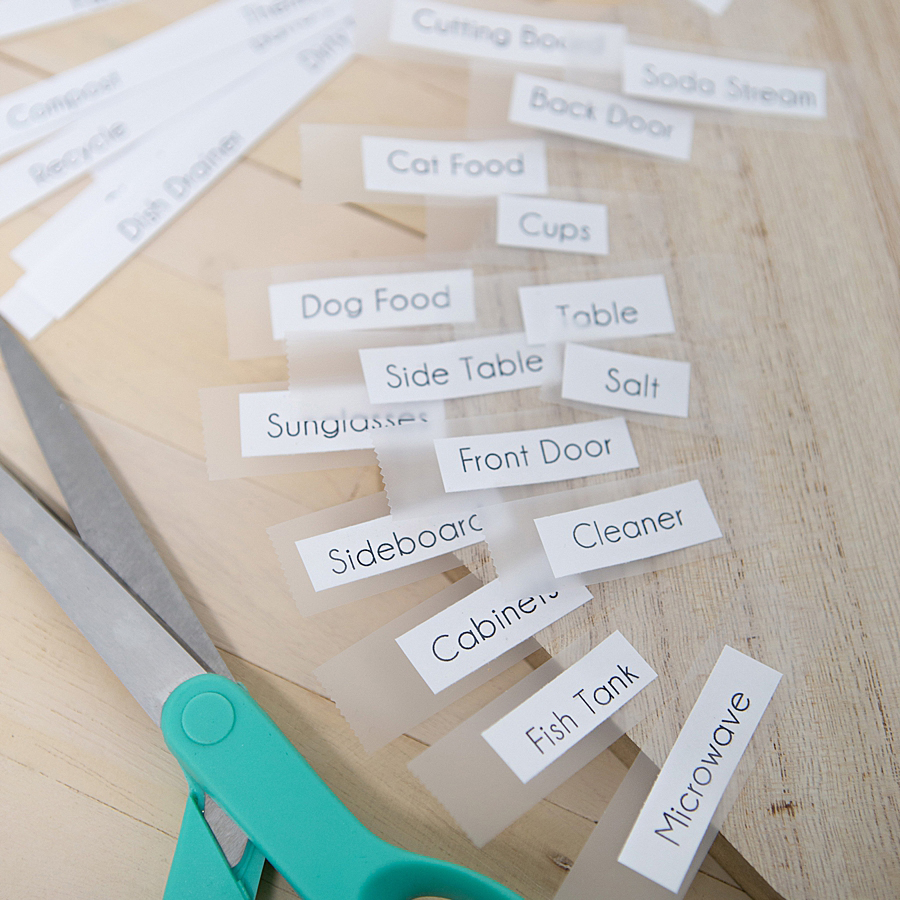
The initiative is grounded in the pedagogical theory that children possess a high level of "oral vocabulary" before they develop "orthographic mapping" skills—the process the brain uses to store printed words for immediate retrieval. According to the project’s framework, children are already intimately familiar with the objects in their homes, such as refrigerators, chairs, and bookshelves. By placing clear, legible labels on these items, the home becomes a living dictionary, allowing children to visualize the words they are already using in speech. This immersion creates a "passive learning" environment where literacy development occurs naturally during the course of daily activities, rather than being confined to designated study periods.
The Strategic Role of Environmental Print in Early Childhood Development
Educational researchers define environmental print as the print of everyday life—the symbols, signs, numbers, and colors found in a child’s immediate surroundings. It is often the first type of print that children "read." The Something Turquoise project formalizes this exposure by providing a structured list of 180 words, categorized by their location and frequency of use within a standard household. This systematic approach is designed to build "sight word" recognition, which is a critical component of reading fluency.
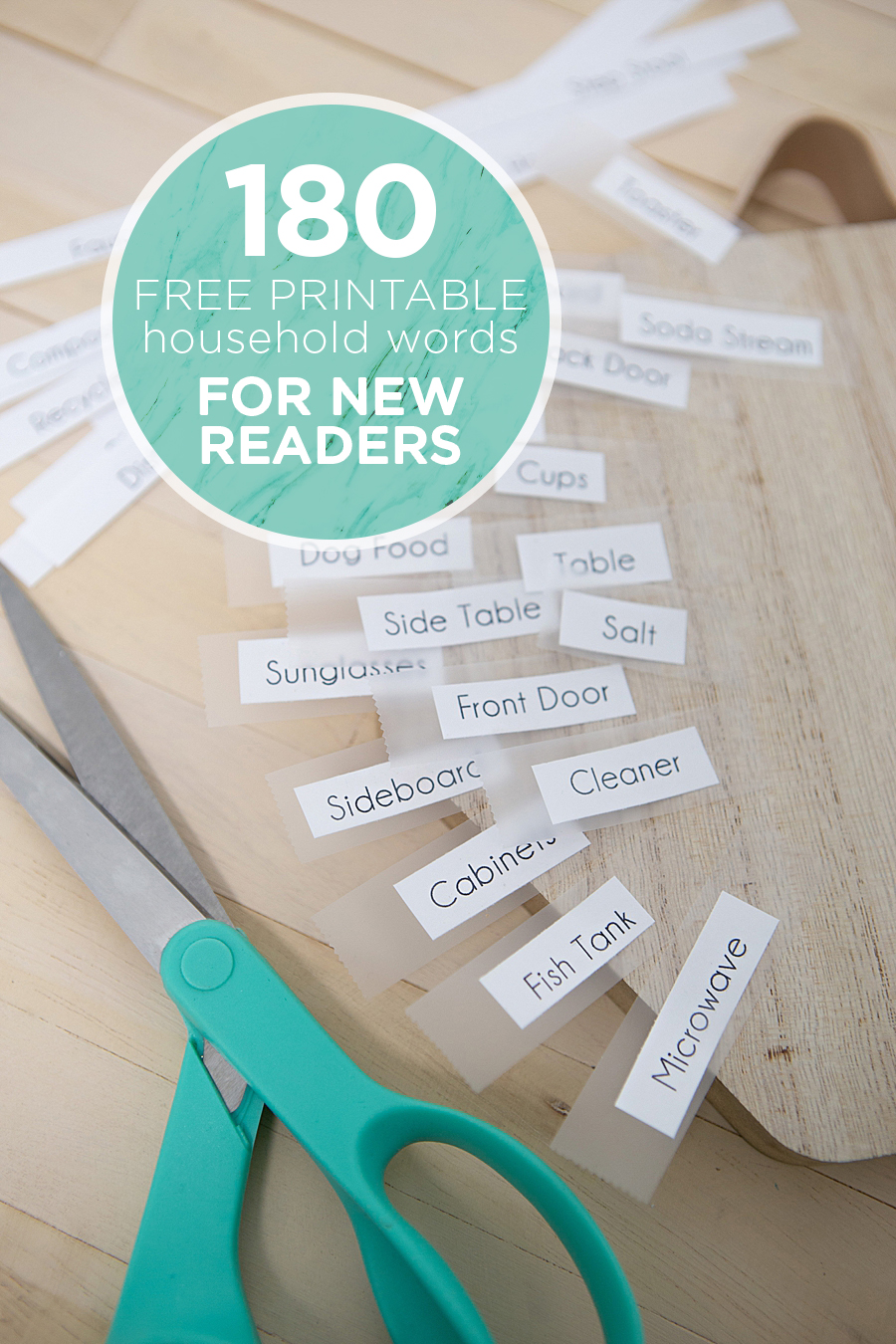
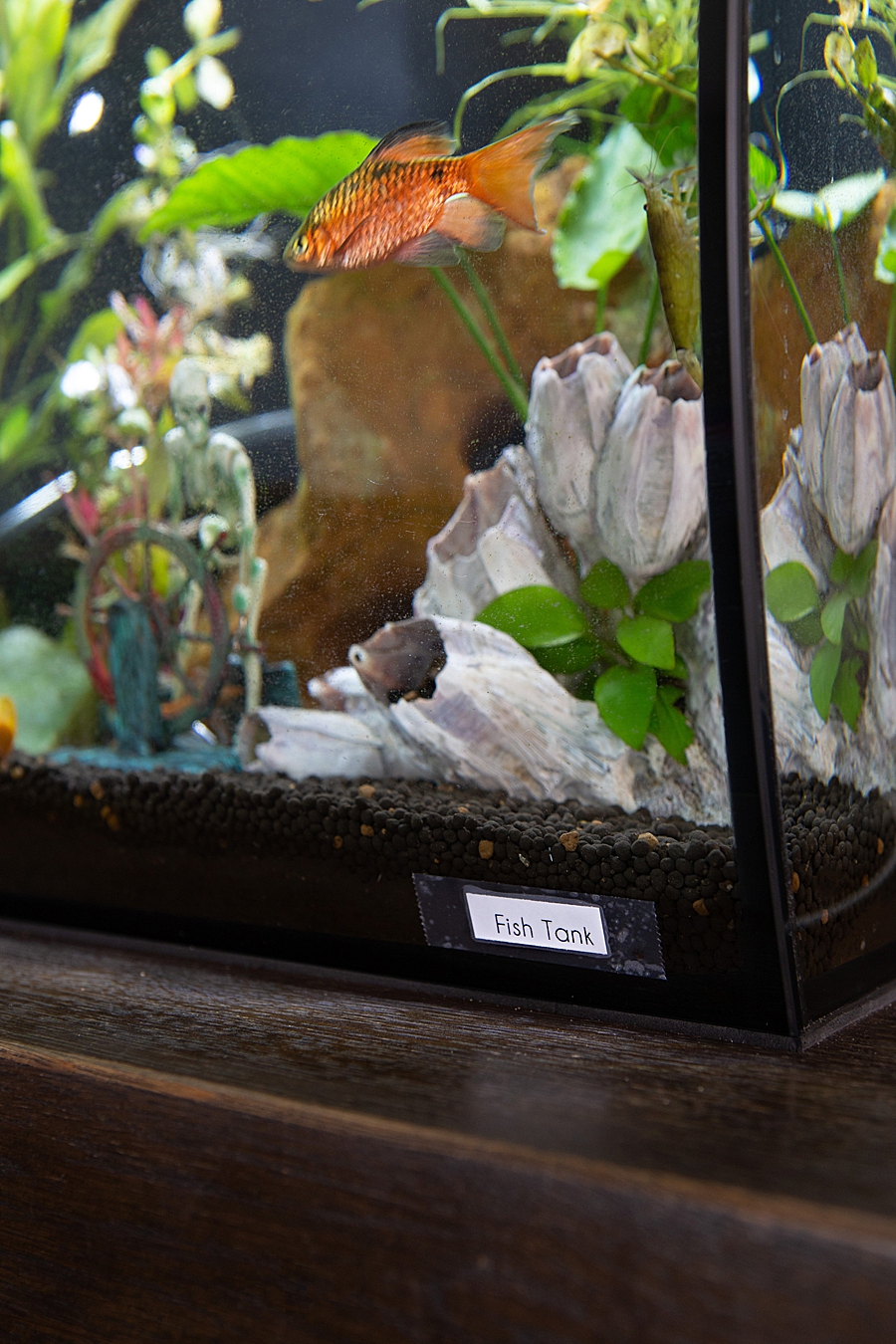
The selection of words in the 180-item list was curated to include both common nouns and functional objects that might be overlooked in standard vocabulary exercises. While the primary focus remains on the child’s home, the list includes items that may not be present in every household, allowing parents to customize the experience to their specific living situation. This flexibility ensures that the learning remains relevant to the child’s unique environment, which is a key factor in maintaining engagement and retention.
Technical Specifications and the Importance of Typography
One of the most critical aspects of the project is the specific attention paid to typography. Causey-Kidder emphasizes that the choice of font is not merely an aesthetic decision but a functional one. For new readers, the "glyphs" or shapes of certain letters can be confusing. Many standard fonts use stylized versions of the letters "a," "g," and "t" (such as the double-story "a" or the looped "g") which do not match the way children are taught to write these letters in school.
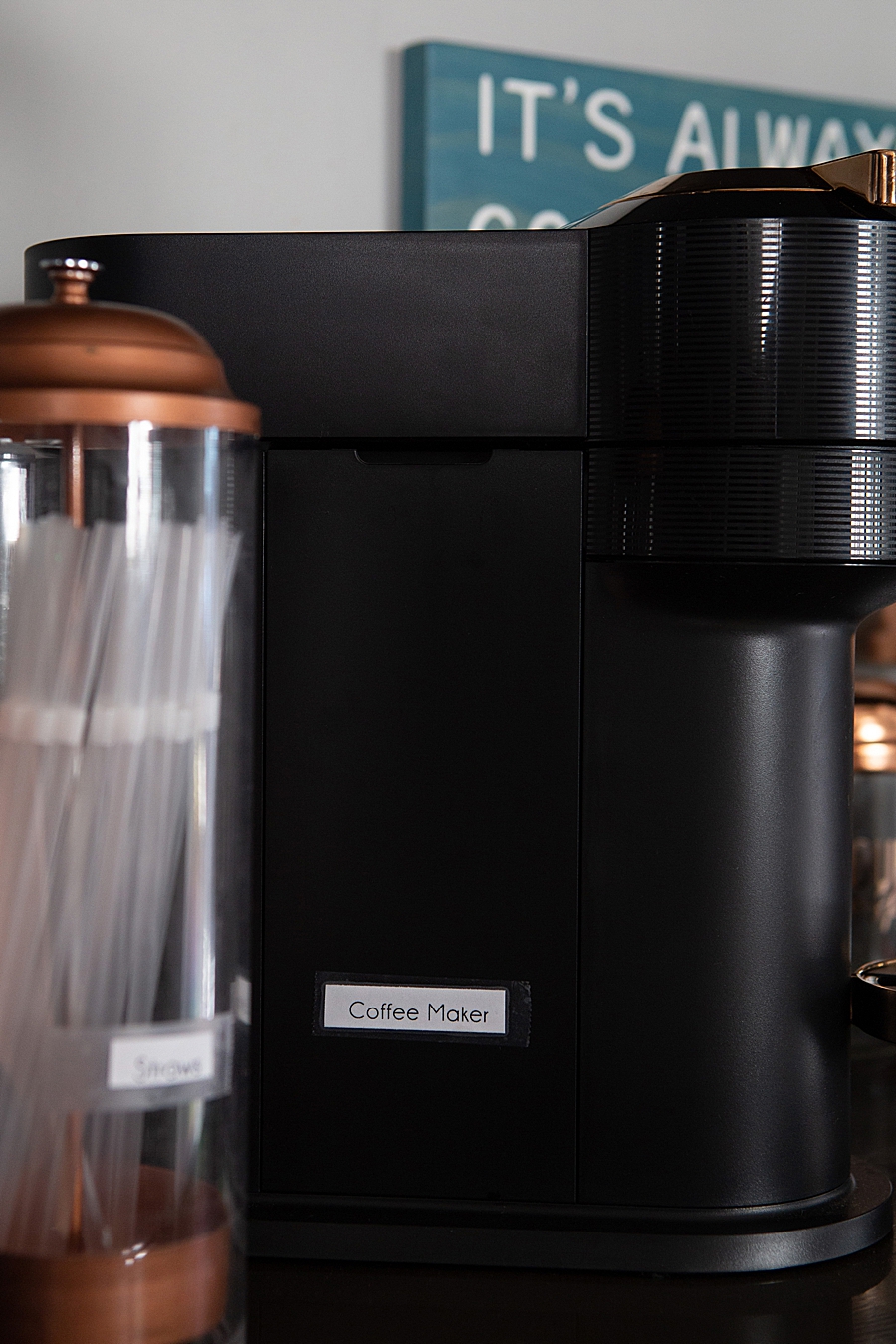
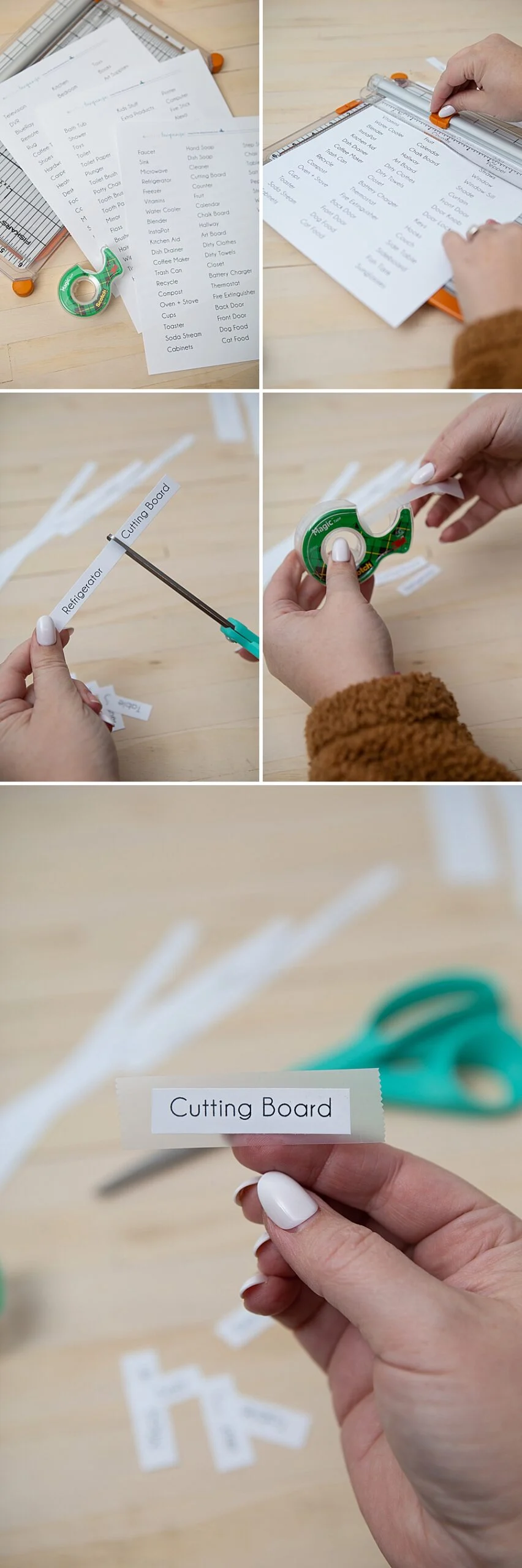
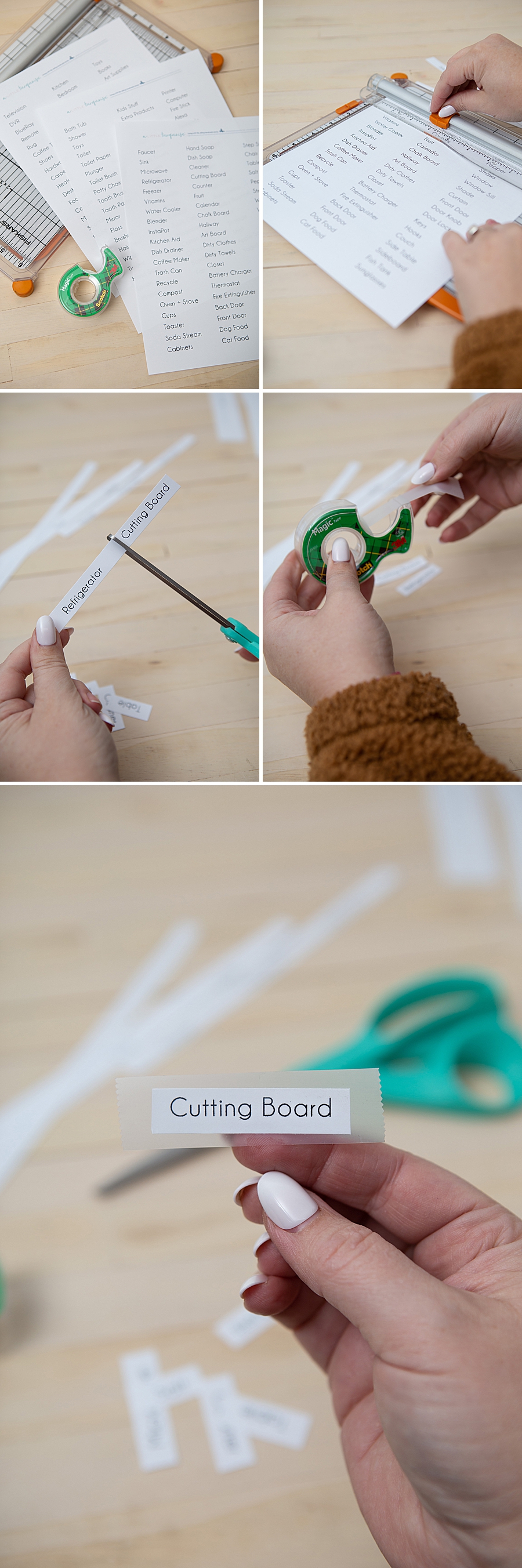
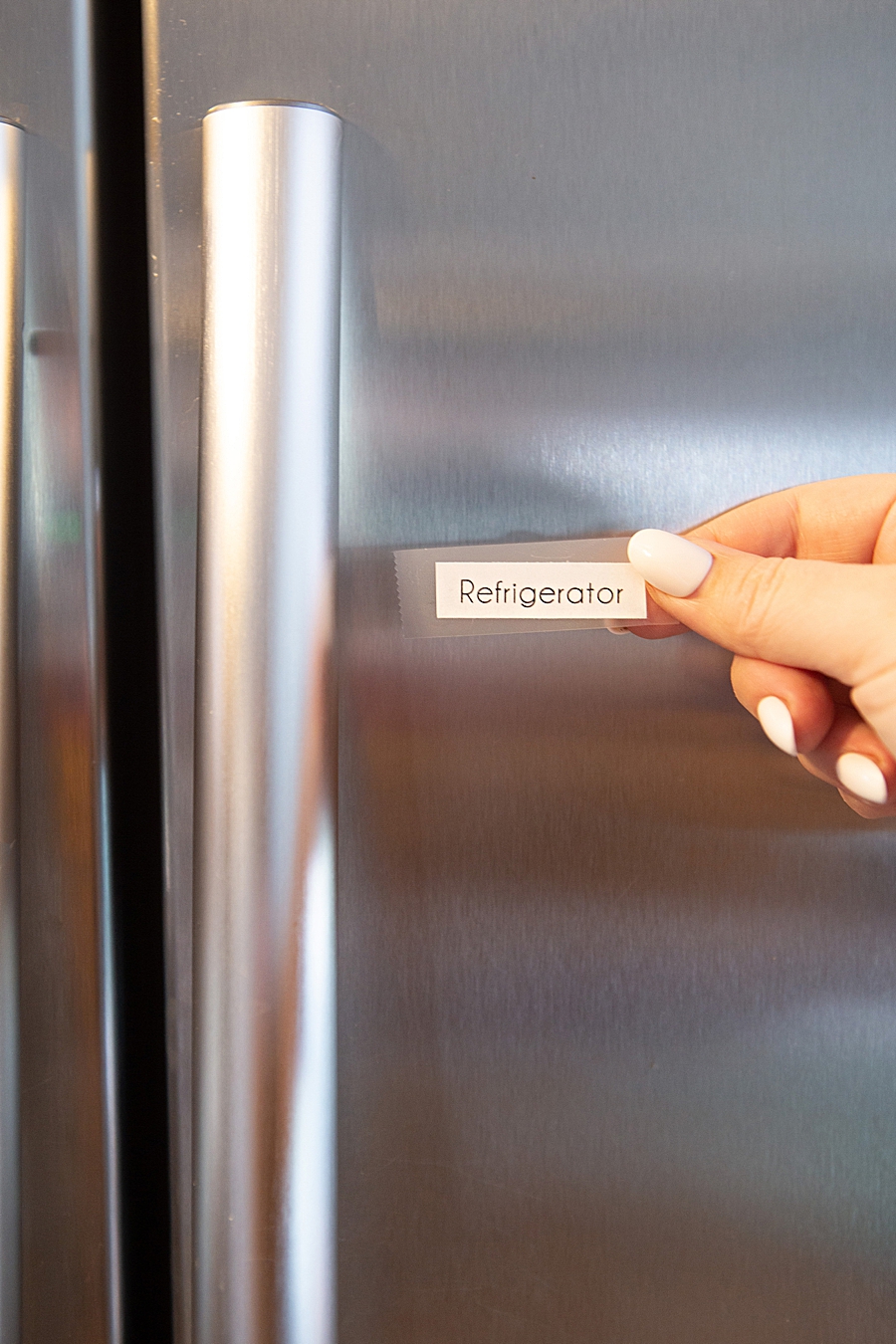
To mitigate this confusion, the project utilizes the font "Champagne & Limousines," a clean, sans-serif typeface that presents letters in their simplest geometric forms. This clarity is essential for "littles"—a term used to describe early learners—who are still developing the visual discrimination skills necessary to distinguish between similar letter shapes. The labels are designed to be printed on standard paper, trimmed, and affixed with simple adhesive tape. The focus is deliberately placed on functionality over "cuteness," a distinction the project creators make clear to manage expectations regarding home decor.
Implementation Timeline and Household Integration
The implementation of the labeling system is described as a multi-day collaborative process between the parent and the child. Observations from the initial rollout suggest a four-day timeline for full integration:
- Phase 1: Preparation and Selection: Parents review the 180-word list, identifying the items present in their home and selecting the appropriate labels for printing.
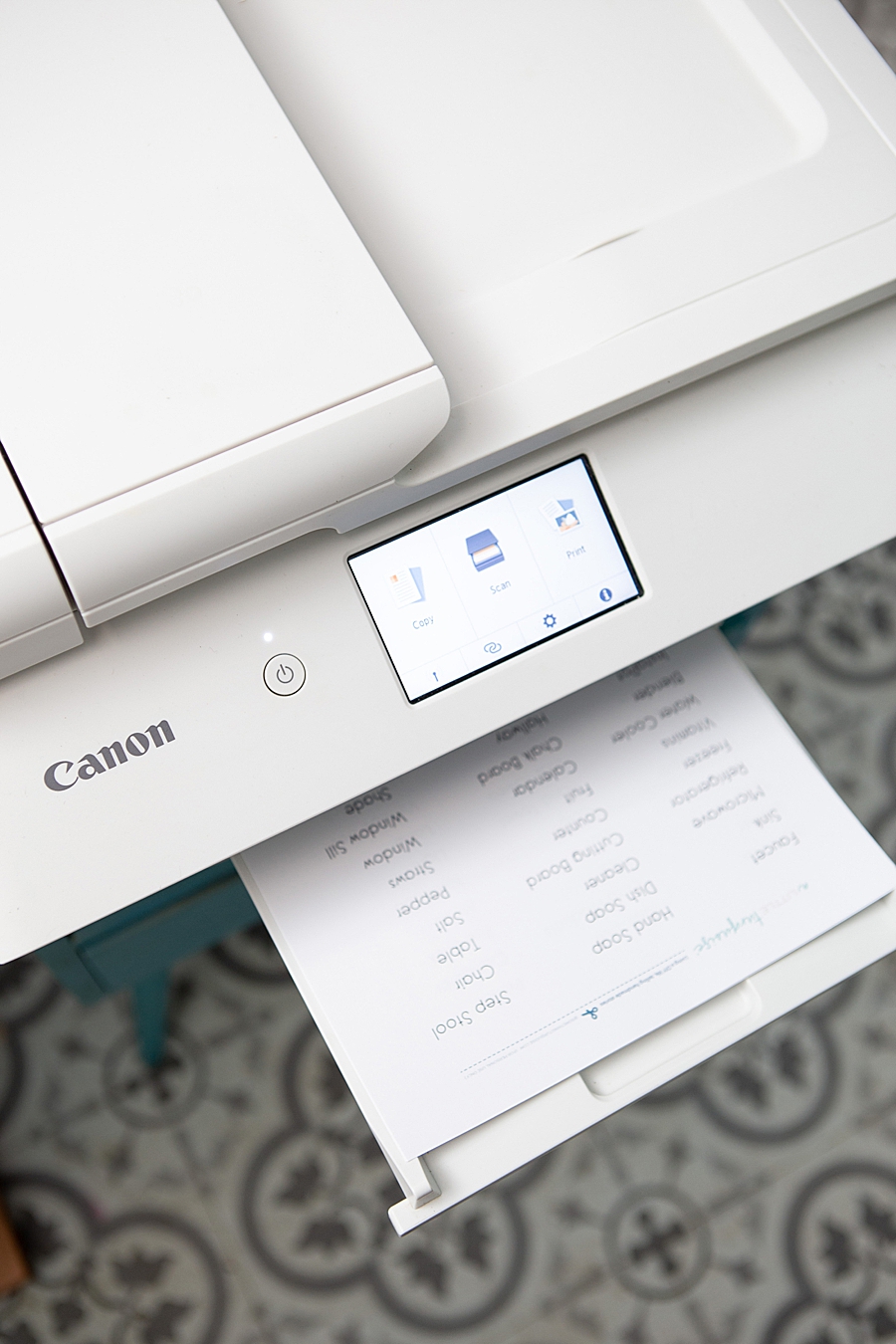
- Phase 2: Production: The labels are printed using high-quality crafting printers, such as the Canon TS9521C, to ensure crispness and durability.
- Phase 3: Collaborative Placement: This is a critical pedagogical step where the child assists in "tagging" the items. By walking through the house and physically placing the labels, the child engages in a tactile and kinesthetic learning experience, reinforcing the connection between the word and the object.
- Phase 4: Active Interaction: Once the labels are in place, the household transitions into an active reading zone. Parents and children participate in "reading walks," where they identify and vocalize the words found on various surfaces.
Data from early adopters indicates that the collaborative nature of the placement phase significantly increases the child’s interest in the project. Rather than viewing the labels as a modification to the home’s interior design, children perceive them as a game or a scavenger hunt, which fosters a positive emotional association with reading.
Supporting Data on Early Literacy Challenges
the necessity for such home-based interventions is underscored by recent data regarding national literacy rates. According to the National Assessment of Educational Progress (NAEP), often referred to as "The Nation’s Report Card," reading proficiency among fourth-graders has seen fluctuations that worry many educators. Early intervention before the third grade is widely considered the most effective way to ensure long-term academic success.
Furthermore, research into the "word gap"—the difference in the number of words children are exposed to in various socioeconomic environments—suggests that constant exposure to language is a primary driver of cognitive development. While the "word gap" traditionally refers to spoken language, literacy experts argue that a "print gap" also exists. By providing 180 free printable words, the Something Turquoise project offers a low-cost, high-impact tool for parents to enrich their child’s print environment, regardless of their access to expensive educational software or private tutoring.
Community Response and Educational Implications
The project has garnered significant attention on social media platforms, particularly through Instagram Reels, where the process of labeling the home has been documented. Responses from parents and educators suggest a high level of interest in "functional" over "aesthetic" parenting tools. While some guests and visitors to these labeled homes have expressed curiosity or amusement at seeing "TOASTER" or "BATH MAT" clearly labeled, the consensus among participants is that the educational benefits outweigh any minor disruptions to home decor.
Reading specialists have noted that this method is particularly effective because it removes the "barrier to entry" for reading. In a book, a child must navigate complex narratives and page-turning; with household labels, the "story" is the child’s own life. This creates a sense of agency and confidence. As children successfully "read" their house, they build the foundational confidence required to tackle more complex texts.
Broader Impact and Future Outlook
The implications of this project extend beyond typical early childhood development. Observers suggest that the 180-word labeling system could be adapted for English Language Learners (ELL) and individuals in English as a Second Language (ESL) programs. For adults or children learning English as a new language, the immediate visual reinforcement of household objects provides a practical vocabulary-building tool that can be implemented in a private, low-stress environment.
As the project continues to gain traction, there is potential for expansion into different languages or more specialized vocabulary sets (e.g., garden-specific or garage-specific words). The success of the "print, trim, tape" model demonstrates a growing trend toward "unstructured learning"—educational practices that integrate seamlessly into the rhythm of daily life rather than requiring dedicated "school time" at home.
In conclusion, the 180-word household labeling project represents a shift toward practical, evidence-based home education. By prioritizing legibility, frequency, and child interaction over traditional decorative standards, the initiative provides a blueprint for parents to actively participate in their child’s literacy journey. While the labels may eventually be removed once the child has mastered the vocabulary, the cognitive pathways established during the project are expected to provide a lasting foundation for future academic achievement. The project stands as a testament to the idea that the most effective classroom is often the one a child lives in every day.