
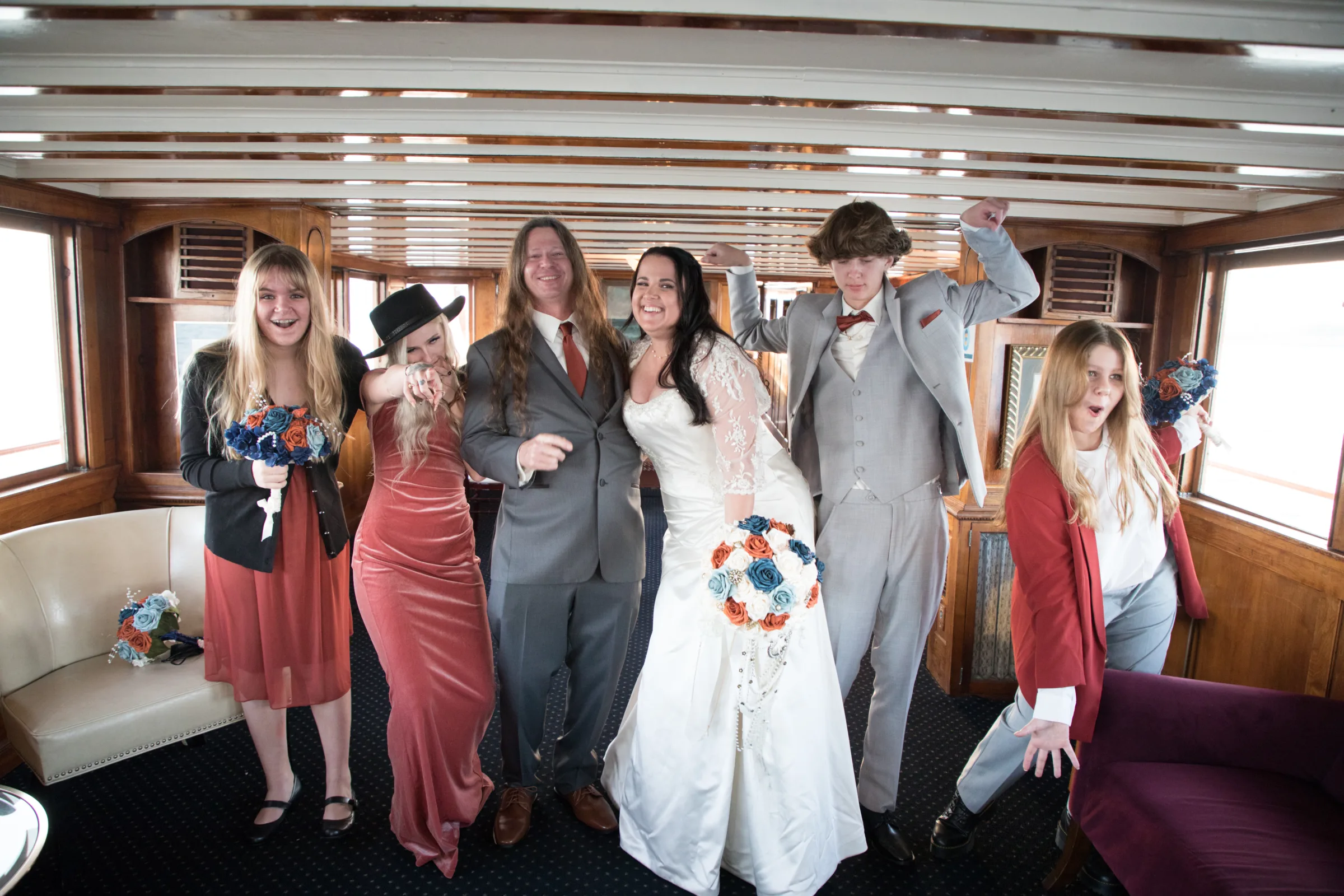
Marrying in midlife, especially when teenagers or adult children are already integral to your life, presents a unique set of considerations that extend far beyond conventional wedding planning advice. Questions regarding their involvement in planning, their roles in the ceremony, and even their emotional readiness to embrace the new union are paramount. These dynamics often touch on complex family histories, evolving relationships, and the careful navigation of loyalty and acceptance. The traditional wedding playbook, often designed for first marriages without pre-existing family units, rarely offers comprehensive guidance for these intricate blended family scenarios.
The landscape of modern families has shifted significantly over the past few decades. According to a 2014 Pew Research Center study, 40% of new marriages are remarriages for at least one spouse, and a substantial portion of these involve children from previous relationships. This demographic shift underscores the growing relevance of addressing how older children are integrated into the wedding celebration. For many, a second marriage is not merely the union of two individuals but the intentional formation of a new family unit, requiring thoughtful engagement from all members, particularly adolescents and adults who have already established their identities within a different family structure.
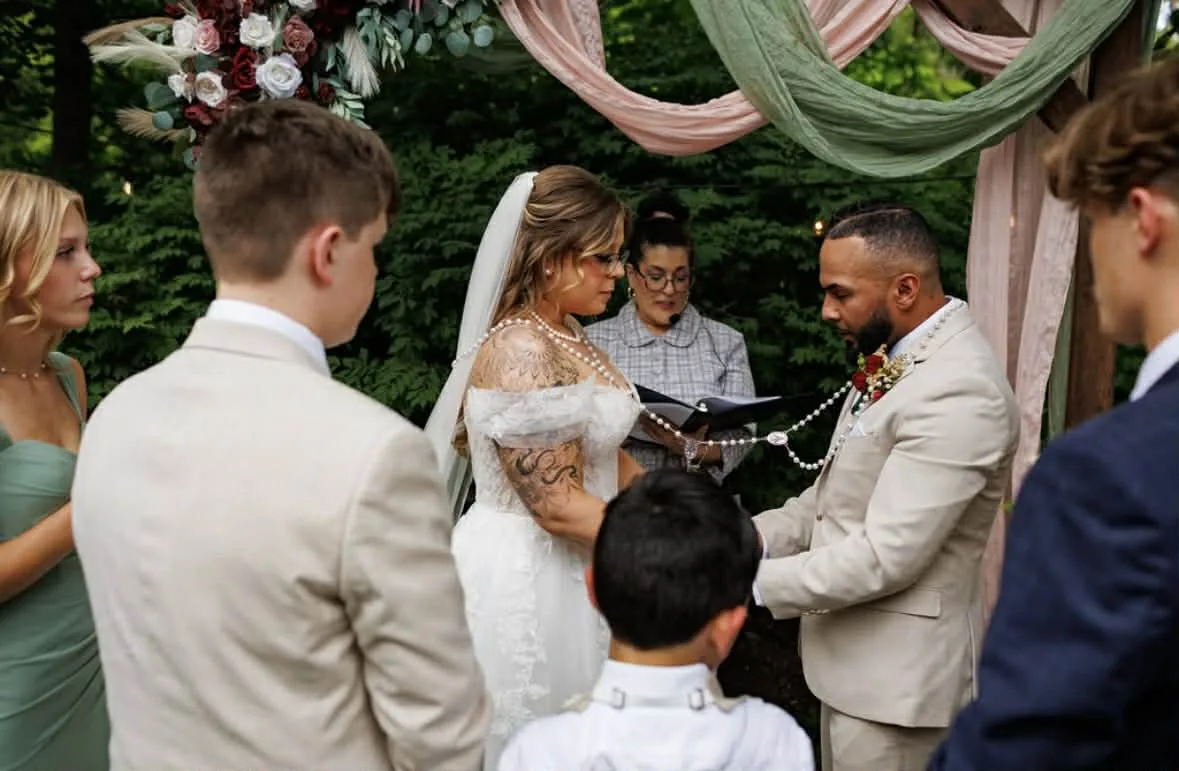
To illuminate best practices in this evolving domain, insights from experienced wedding professionals — including planners, photographers, and officiants — who specialize in blended family weddings offer invaluable perspectives. These experts have observed a diverse array of approaches that successfully integrate older children, ranging from prominent ceremonial roles to more subtle, yet equally meaningful, forms of participation. Their collective wisdom emphasizes the critical role of open communication, empathy, and a willingness to adapt traditional wedding customs to suit individual family needs.
Navigating the Nuances of Blended Family Dynamics
The emotional terrain for teens and adult children when a parent remarries can be complex. They may experience a range of feelings, including excitement, apprehension, loyalty conflicts towards their other biological parent, or even a sense of loss for the family unit they once knew. Therefore, the approach to their involvement in the wedding must be sensitive and tailored to their individual personalities and readiness. Experts consistently advocate for a strategy that prioritizes the children’s comfort and genuine desire to participate, rather than imposing roles based on perceived expectations or a desire for a "picture-perfect" blended family image.
Key Strategies for Meaningful Inclusion
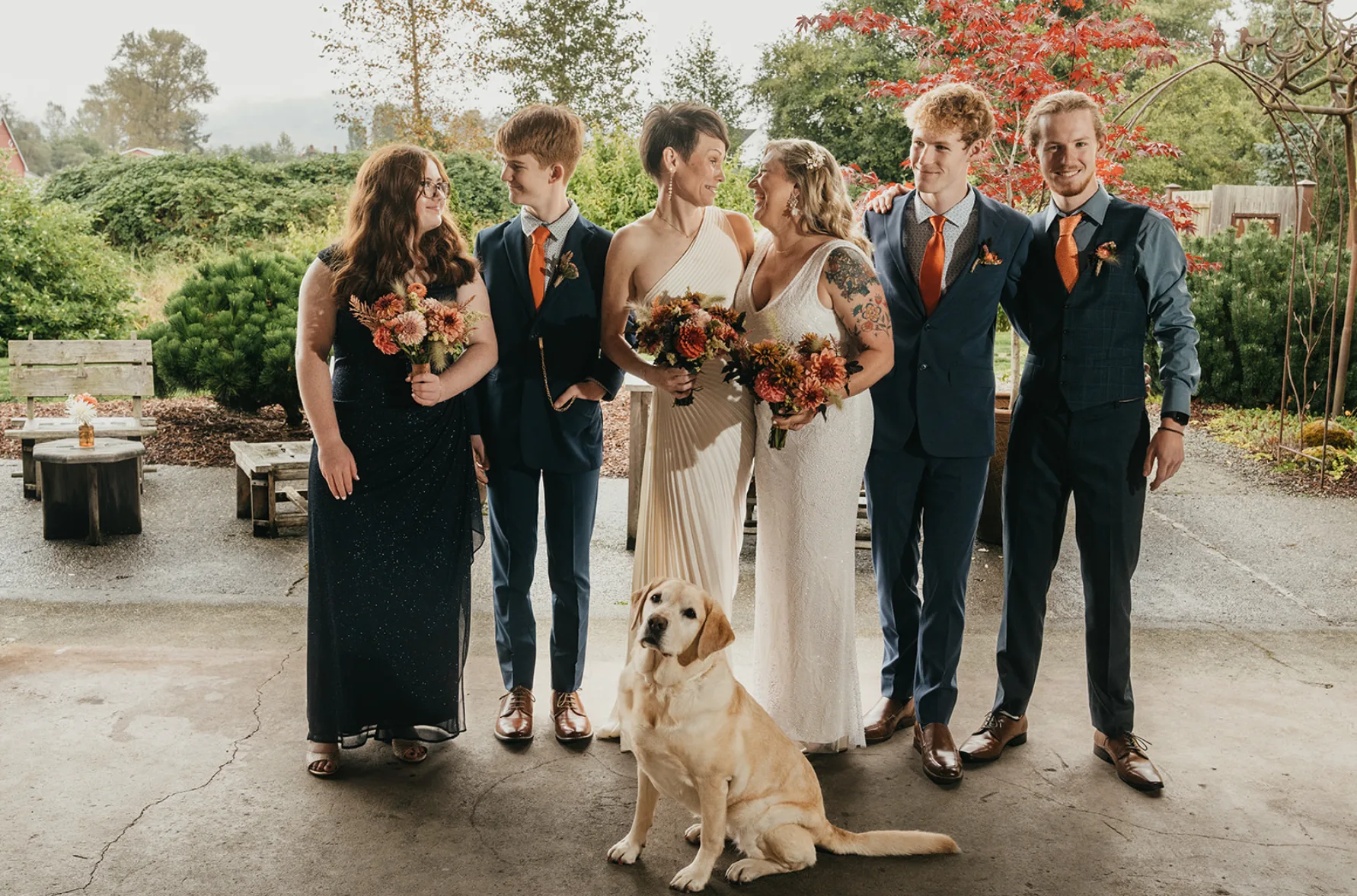
Drawing upon the experiences of numerous blended family weddings, several key strategies emerge for fostering a sense of belonging and celebrating the new family unit. These methods underscore the importance of flexibility, creativity, and above all, respectful dialogue.
1. Fostering Inclusion Through Pre-Wedding Engagement
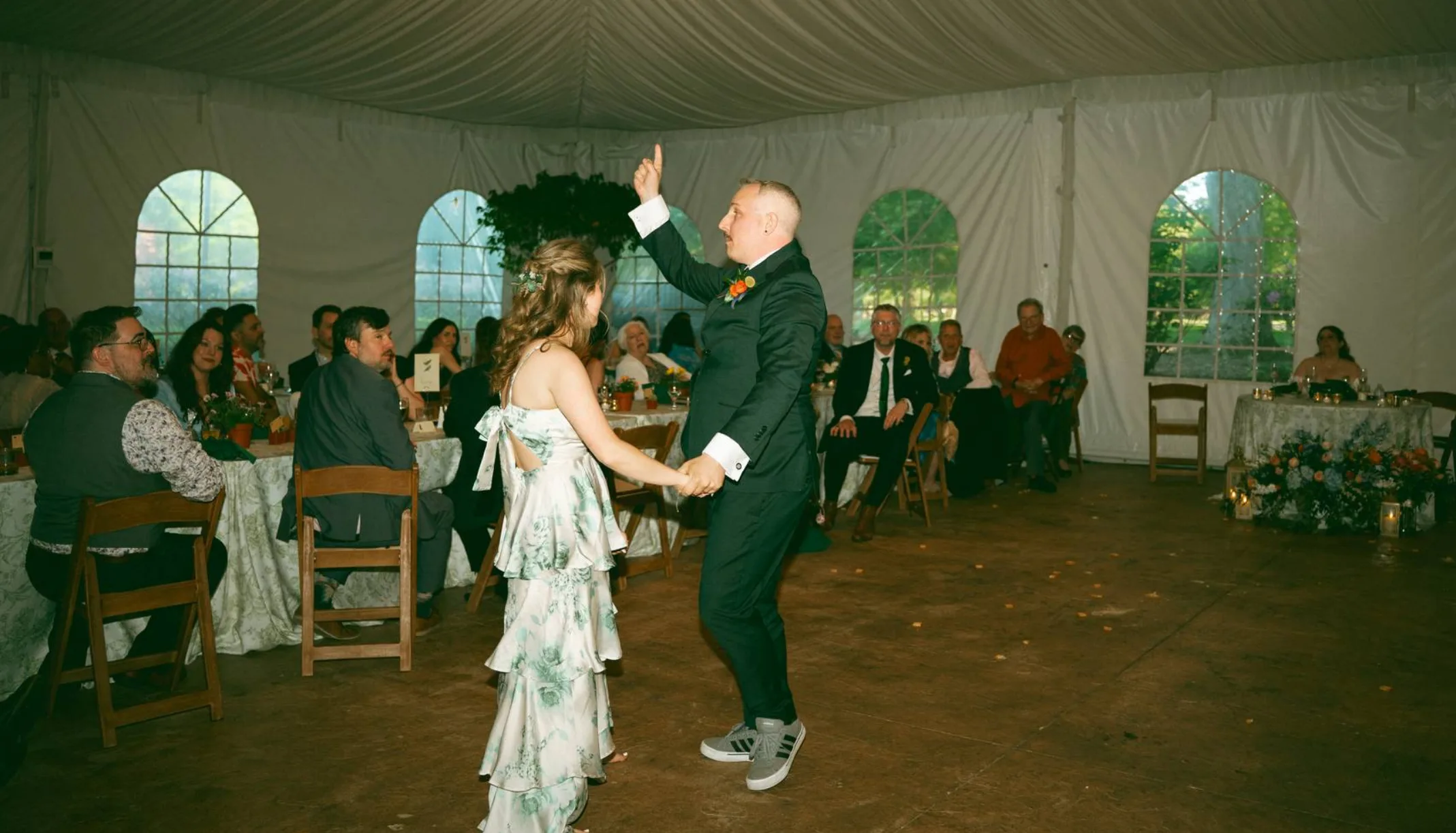
Involvement does not have to be limited to the wedding day itself. Engaging teens and adult children in the planning process long before the ceremony can be a powerful way to make them feel valued and invested in the new union. Emily Berg, an Ohio-based wedding planner, recounts working with a groom whose 15-year-old daughter was initially hesitant about the wedding. Berg’s advice was simple yet profound: invite hesitant teens into the planning process in concrete ways. This could involve bringing them to catering tastings and genuinely considering their opinions on food choices, or allowing them a significant say in their attire.
By the time of the wedding, this thoughtful approach yielded remarkable results. The previously hesitant daughter stood as one of her father’s attendants, delivered a heartfelt toast – a moment humorously punctuated by guests tossing tiny, toast-shaped crackers – and shared a memorable father-daughter dance. Berg cautions, however, that involving children in planning must be authentic. If a child dislikes being the center of attention, forcing a highly visible role could be counterproductive. Respecting these boundaries is crucial for genuine inclusion. This early involvement can serve as a "soft launch" for the new family dynamic, allowing children to gradually acclimate to the idea of a new parent and sibling structure.
2. Embracing Prominent Ceremonial Roles
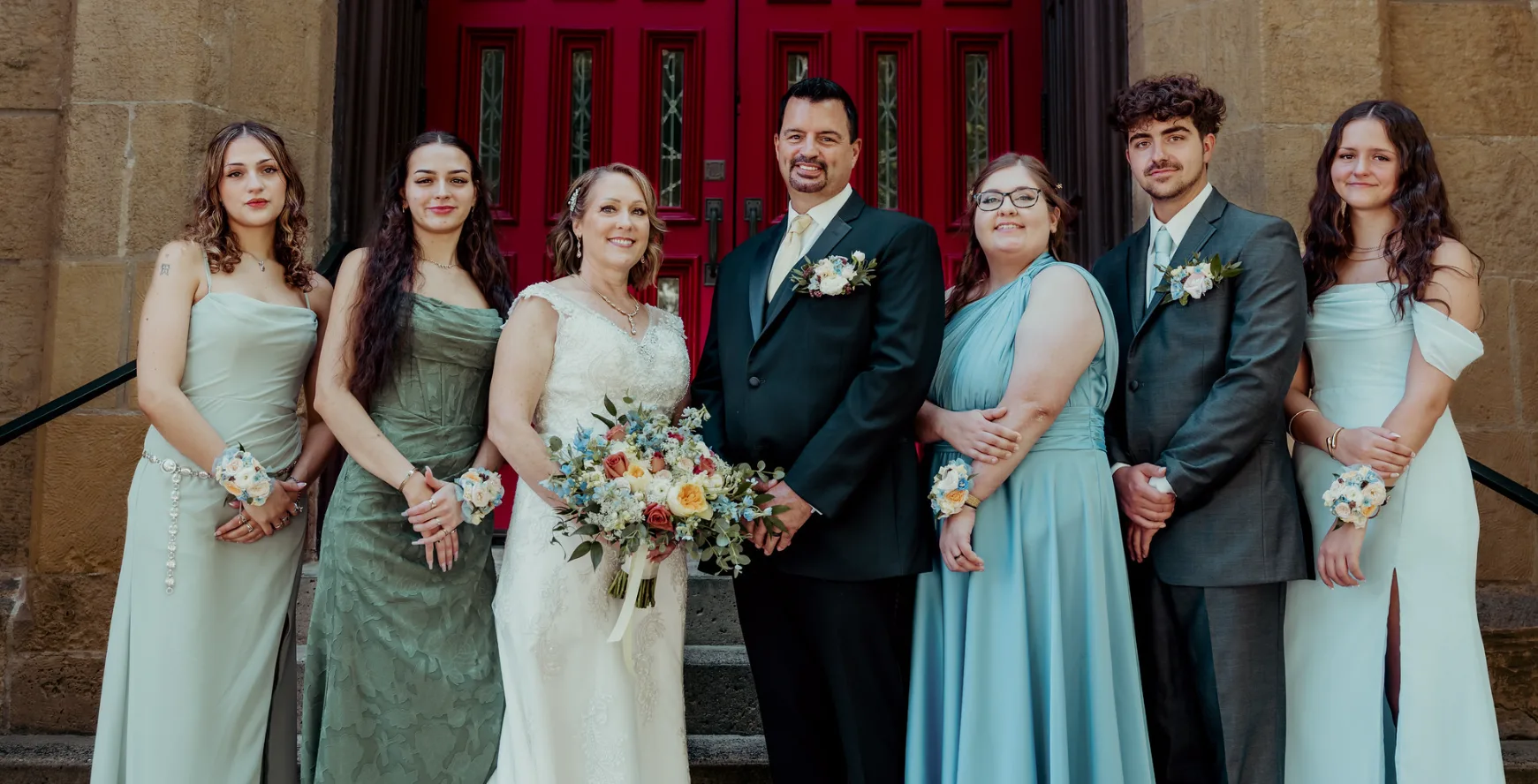
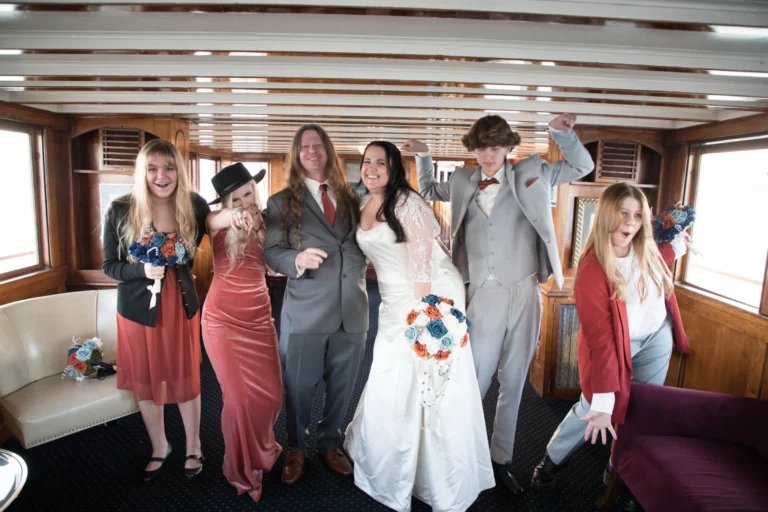
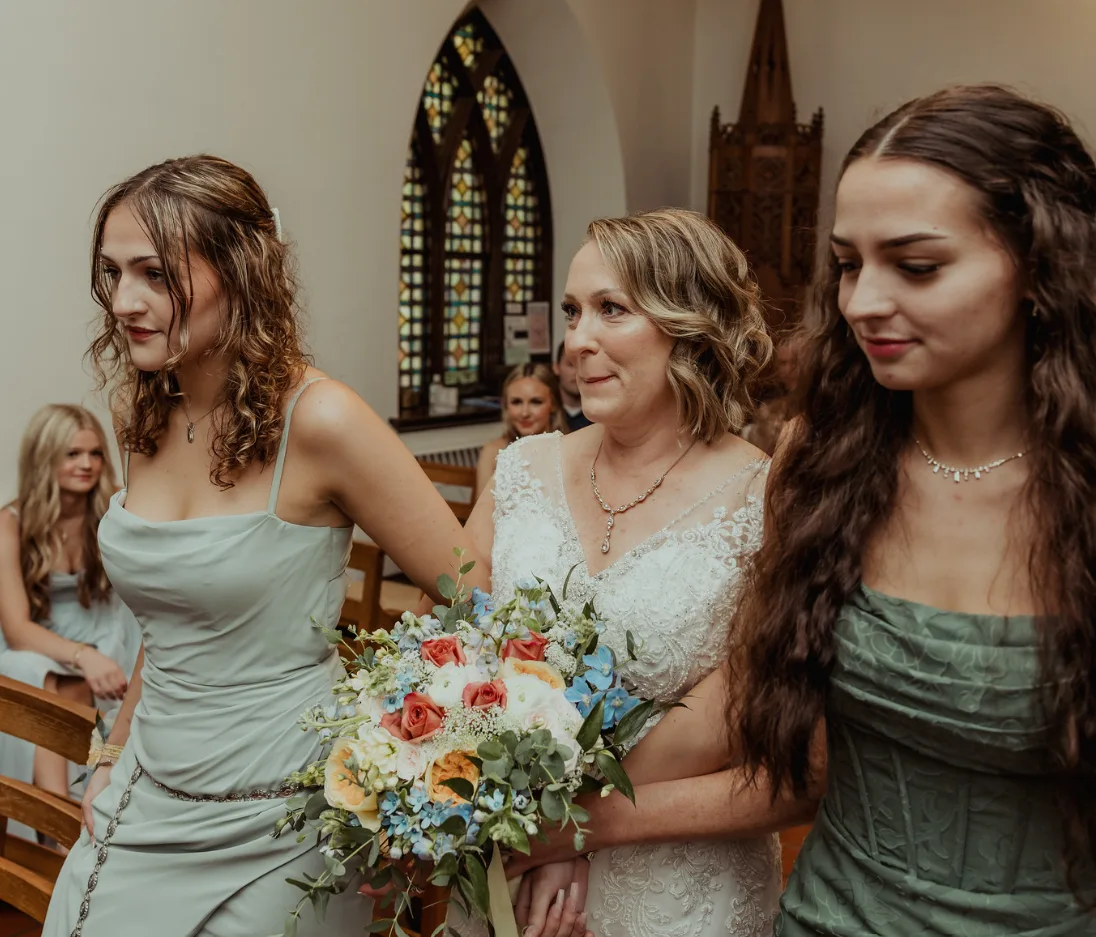
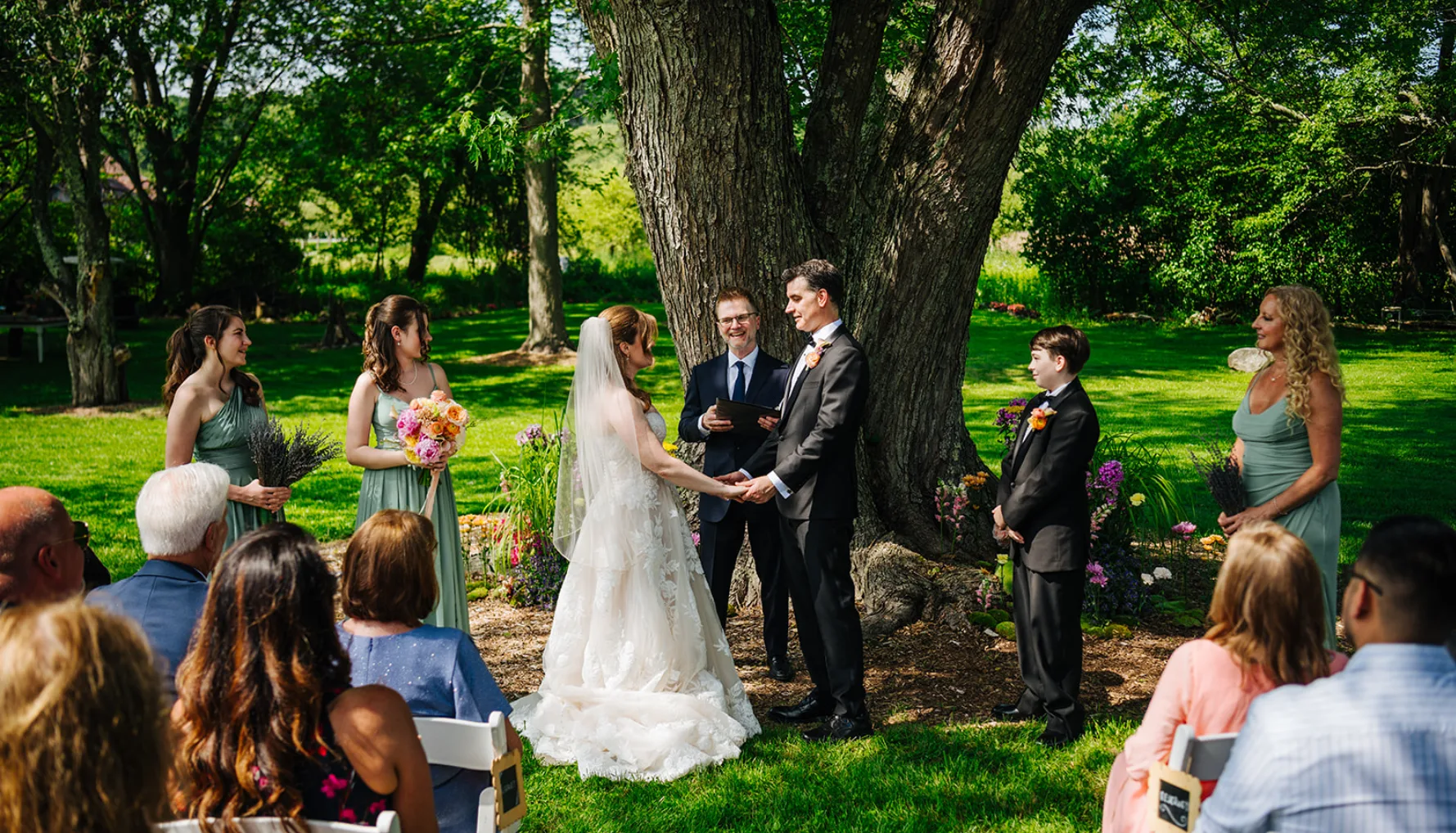
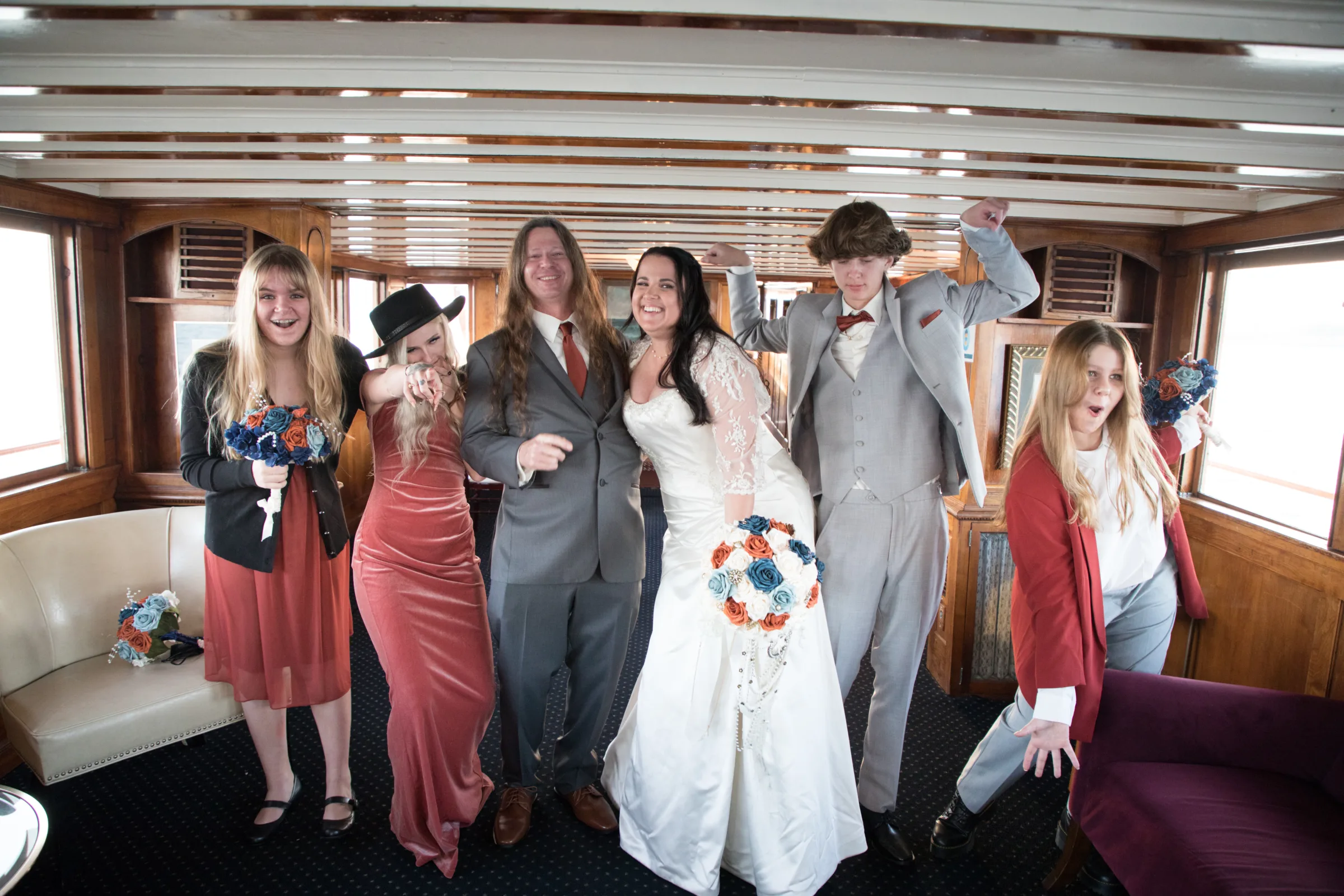
For children who are enthusiastic about the union and comfortable in the spotlight, formal roles within the ceremony can be incredibly meaningful. Samantha Waldron of Dutcher Photography in Wisconsin captured the wedding of Gloria and Jerry, where their combined five adult children – two from Gloria’s previous marriage and three from Jerry’s – formed the entire wedding party. This collective presence underscored the union not just of two individuals, but of two established families. Gloria was escorted down the aisle by her two adult daughters, while Jerry’s two daughters accompanied him, and his son walked his mother to her seat.
Waldron, who herself was walked down the aisle by her then 8-year-old son at her remarriage, emphasizes the significance of such involvement. She highlights the trend of couples making vows not only to each other but also to their partners’ children, signifying a commitment to the entire family being created. Giving older children a tangible "job" in the ceremony, she notes, helps the day feel "cohesive and like they’ve been considered," transforming them from mere spectators into active participants in the new family narrative.
3. Empowering Voices: The Art of the Wedding Speech
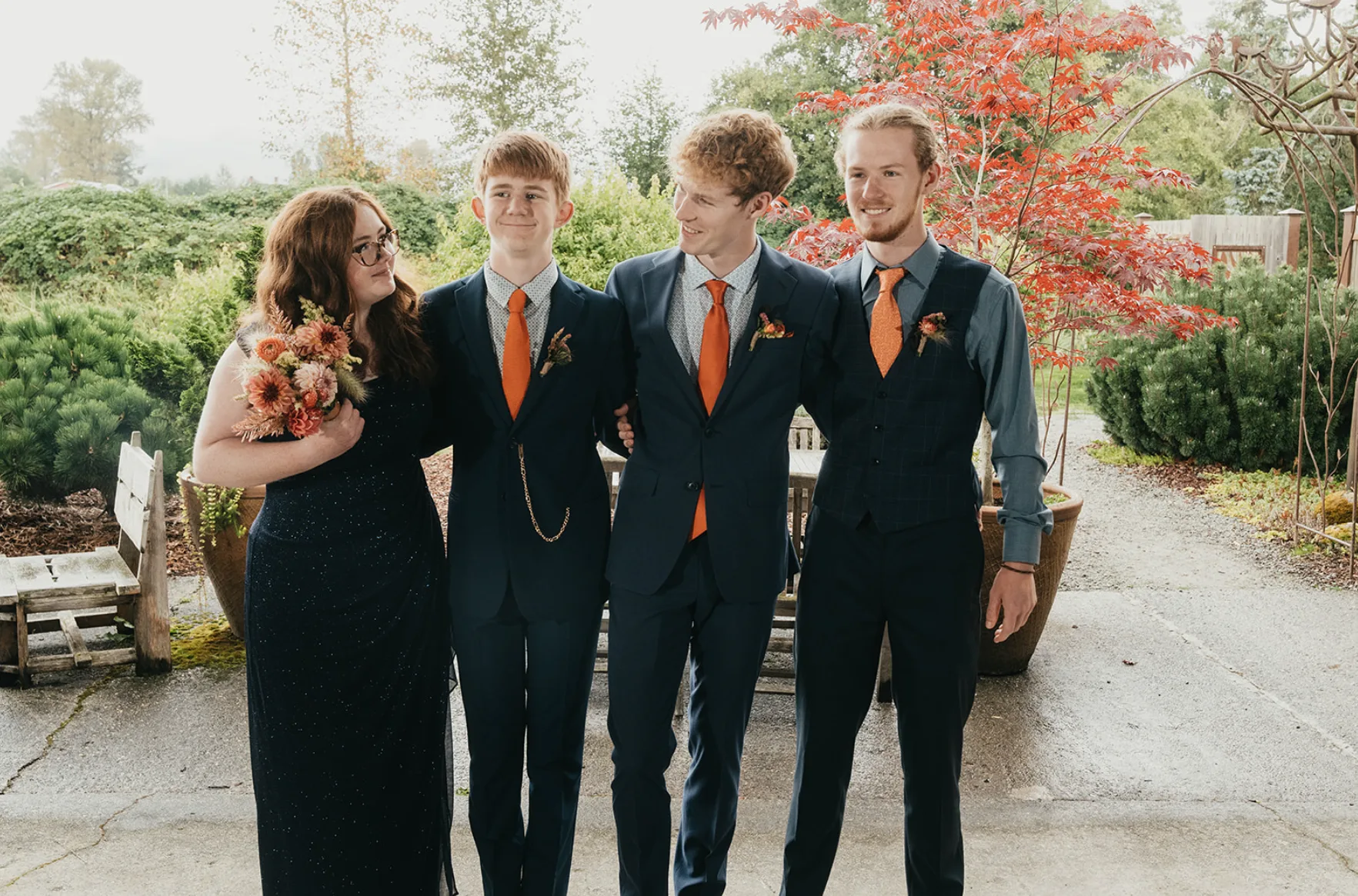
The opportunity to speak at a wedding can be a profound way for teens and adult children to express their feelings about the new union, but it must be entirely voluntary. Jamie Buckley, a Seattle-based photographer, documented a wedding where one partner brought three teenage sons and the other a teenage daughter. Two of the children chose to give toasts, with one son notably sharing his joy at "always wanting a sister and now he had one." Such spontaneous, heartfelt expressions can be among the most memorable moments of a wedding.
However, Buckley’s advice cuts both ways: "Meet your children where they are at." He strongly advises against forcing "cute moments" if the children are not ready. He identifies a common mistake as couples performing a closeness with grown children that the children themselves may not yet be prepared for. "There’s nothing wrong with kids being hesitant or reserved," Buckley states. "If it’s meant to be, those moments will come eventually." This perspective aligns with psychological research suggesting that forcing emotional displays can be detrimental to genuine connection.
4. Formalizing Participation with Official Roles
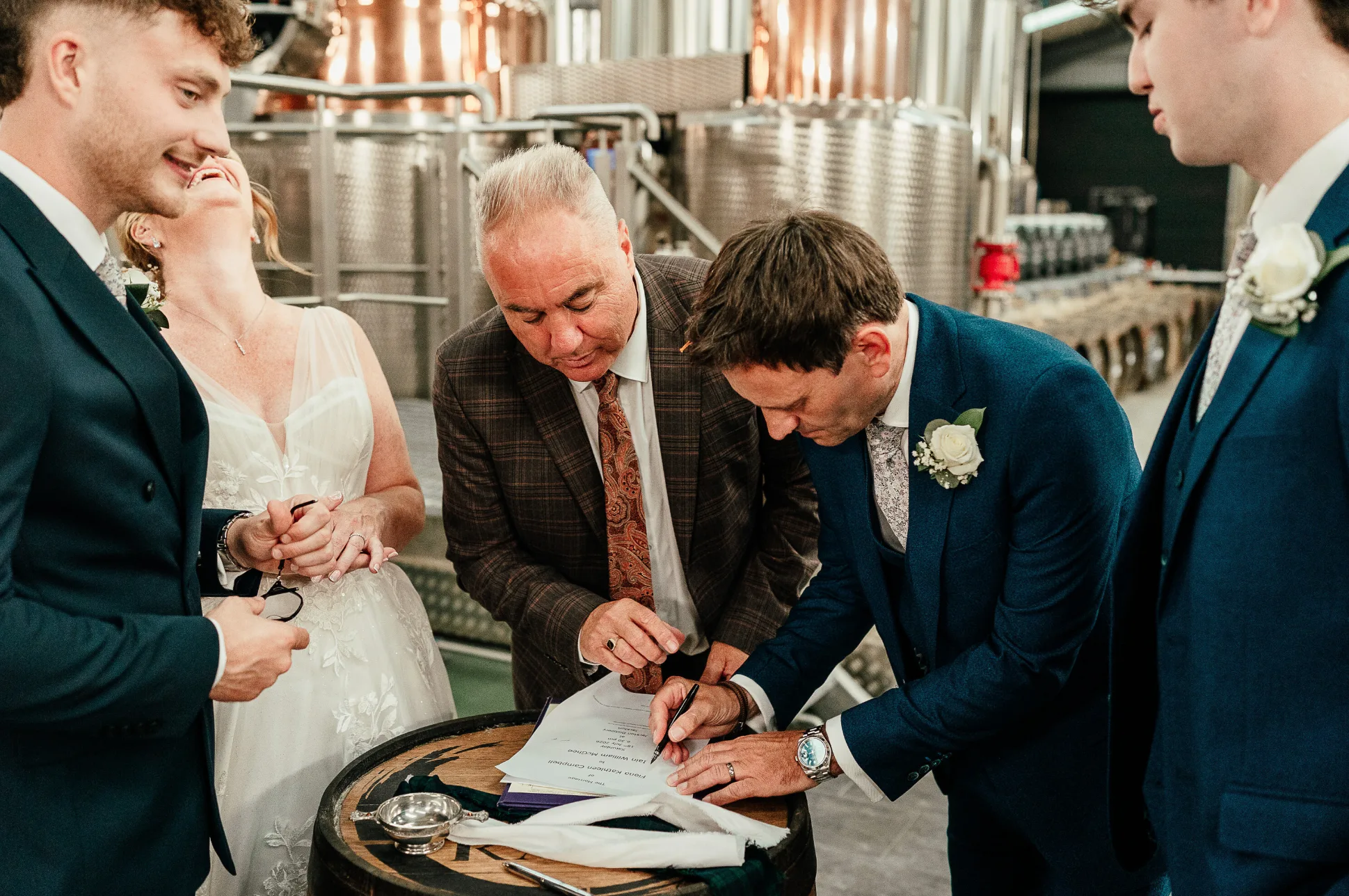
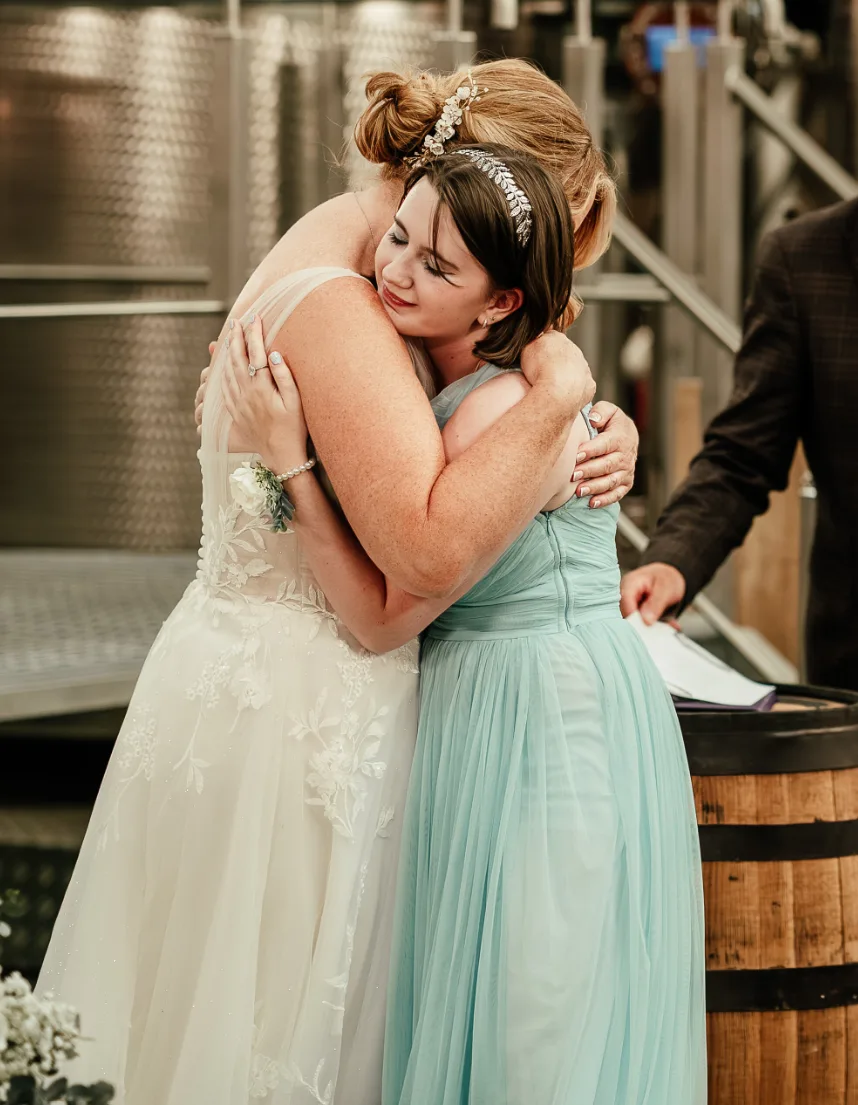
Beyond speeches, giving older children roles with a tangible, official function can imbue them with a sense of importance and responsibility. Sarah Craig, a UK-based photographer with Joy Story, photographed a second wedding for a couple in their fifties at a Scottish distillery. Both partners had children from previous marriages. The celebrant skillfully framed the new family unit, drawing an analogy to blended whisky: a blended family, like a fine whisky, "doesn’t dilute what came before," but rather creates something richer and more complex.
In this ceremony, all three of the couple’s children played a role. The youngest delivered a reading, concluding with a warm family hug. The two adult children served as official witnesses, signing the marriage schedule – a legal document of significant weight. Craig notes that these roles "didn’t need to be big or performative; they just gave everyone a chance to be part of this new chapter as a family, rather than simply watching it happen." Her crucial advice for parents worried about resistance from older children is to "Don’t assume adult children don’t want to be involved." Instead, she advocates for open, curious conversation as the foundation for navigating these complexities.
5. Leveraging Unique Talents and Skills
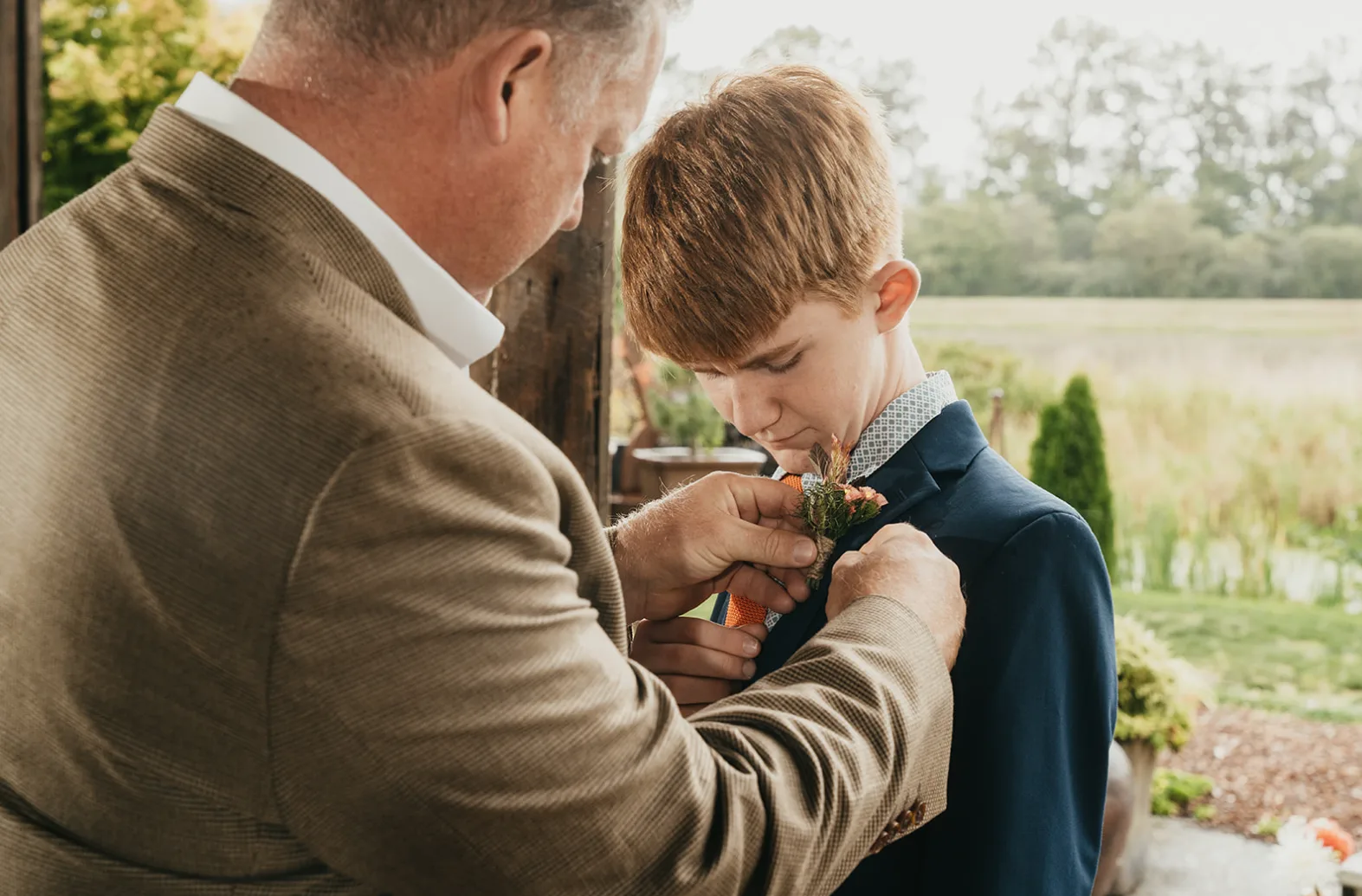
Not every child desires a traditional wedding party role, and acknowledging individual strengths can create unique and deeply personal contributions. Kathryn Cooper, a New York-based photographer, captured a wedding where the bride’s teenage daughter, a talented singer, performed a song during the ceremony. This allowed her to contribute significantly without being assigned a conventional role like a flower girl or junior bridesmaid, which the couple themselves had not desired. "She felt involved," Cooper recalls, "and her parents were so proud."
Cooper’s broader philosophy is that "Your wedding doesn’t have to fit into a box anyway." She observes that a common mistake is assuming an older child’s feelings about the wedding are immutable. While planning can be stressful, it can also become "a unique opportunity to spend time with someone you may not know as well as you’d like," fostering new connections and understanding. This approach celebrates individuality and allows children to contribute in ways that feel authentic to them.
6. Employing Shared Rituals for Collective Symbolism
Sometimes, the most effective way to include multiple children is through a shared ritual that symbolizes the merging of families. Jen Sulak, a photographer with Weirdo Weddings in the Dallas-Fort Worth area, photographed Kevin and Candy’s wedding, where every child in their blended family participated in a sand ceremony. Each child poured their own layer of colored sand into a shared vessel, creating a visual representation of their individual lives blending into a new, unified whole. Sulak vividly remembers them "nearly overfilling the sand bottle," a testament to their enthusiastic participation.
Sulak advises couples to "expect real emotion (in both directions!) and leave some space for that before, during, and after the wedding day." She strongly warns against the mistake of entirely excluding children from ceremony and reception planning. Instead, she emphasizes that open, curious conversations about their potential involvement are "such a unique gift" that can strengthen family bonds. Rituals like the sand ceremony provide a powerful, non-verbal way for children to express their commitment to the new family structure.
7. Unifying Through Shared Tasks and Cultural Traditions
For situations where children have varying comfort levels with public speaking or individual roles, a single, shared task can create a sense of unity without singling anyone out. Reenie Panzini, an officiant with I Do For All, officiated the wedding of Gabrielle and Eduardo, both of whom brought teenage children from previous relationships. The couple wished to involve all four children without forcing anyone into an uncomfortable spotlight.
They centered a portion of their ceremony around El Lazo, a Hispanic tradition where godparents typically drape a lasso or oversized rosary around the couple to symbolize support and union. Panzini’s couple adapted this tradition, having all four teenagers walk the lazo up together, stand while Panzini explained its symbolism, then collectively unwind it and carry it back to their seats. This approach offered a meaningful role without requiring any lines or solo moments, perfectly accommodating the diverse comfort levels among the children.
Panzini reiterates the consistent advice: "You may think you know your children’s thoughts about taking part in the ceremony, but ask anyway." Her biggest red flag is parents coercing grown children into wedding readings they do not wish to perform, often leading to projection issues, nerves, and flat delivery. Her recommended solution mirrors the El Lazo ceremony: provide children with something tangible to do with their hands instead of their voices, such as a ring warming ceremony or carrying a symbolic item. This practical advice stems from a deep understanding of adolescent and adult psychology, acknowledging that participation does not always equate to public performance.
The Indispensable Role of Open and Curious Conversation
Across these varied experiences and expert recommendations, a consistent and overarching theme emerges: the paramount importance of open, curious conversation. This is not merely a suggestion but the bedrock upon which successful blended family weddings are built. It involves more than just asking "Do you want to be involved?" but rather delving deeper into their feelings, expectations, and comfort levels.
Effective communication necessitates:
- Active Listening: Truly hearing and acknowledging their responses, even if they are not what you hoped for.
- Non-Judgmental Inquiry: Approaching the conversation with genuine curiosity, free from assumptions or preconceived notions about their enthusiasm or reluctance.
- Respecting Autonomy: Recognizing that older children, especially adults, have the right to choose their level of involvement, and their "no" is as valid as their "yes."
- Flexibility and Adaptability: Being prepared to adjust plans based on their feedback, demonstrating that their feelings are genuinely valued.
- Early and Ongoing Dialogue: Initiating these conversations well in advance of the wedding and continuing them throughout the planning process, acknowledging that feelings can evolve.
Conversation Starters for Blended Family Wedding Planning:
To facilitate these crucial dialogues, parents can employ thoughtful conversation starters:
- "We’re getting so excited about the wedding, and we’d love for you to be a part of it in a way that feels comfortable and special to you. Have you given any thought to how you might like to be involved?"
- "This wedding is about our whole family coming together. We’re thinking about ways to include everyone. Is there anything specific you’d like to do, or perhaps something you’d rather not do?"
- "No pressure at all, but we’ve been brainstorming some ideas for the ceremony/reception. We were thinking you might enjoy [specific role idea, e.g., helping with music, choosing a reading, walking down the aisle]. How does that sound to you?"
- "We want this day to be joyful for everyone. If you have any concerns or ideas about how to make it feel more inclusive for you, please know our door is always open to talk."
- "Some people feel great being up front, and others prefer to be more in the background. We want to honor whatever feels right for you. What’s your preference?"
- "If you’d rather not have a formal role, that’s absolutely fine. Is there another way you’d like to contribute, or would you prefer to just enjoy the day as a guest?"
- "We’re becoming a new family, and your role in that is so important to us. How can we make sure you feel celebrated and included?"
- "Are there any traditions you’ve seen at other weddings that you really liked, or didn’t like, that you think we should consider?"
These questions are not a rigid script but a starting point. Children’s feelings may shift, and their initial responses might evolve over time. The true essence lies not in securing a specific "yes" to a predefined role, but in the sustained process of empathetic inquiry and validation. A wedding where one child enthusiastically stands front and center, while others quietly observe from the second row, can be just as profoundly a "blended family wedding" as one where every individual holds a candle or delivers a speech. The specifics of participation are secondary to the underlying message: that their choices are respected, their feelings are heard, and their presence is cherished in the formation of this new family unit. This thoughtful approach lays the groundwork for stronger, more resilient blended families in the long term, celebrating not just a marriage, but the intentional creation of a new, cohesive family narrative.