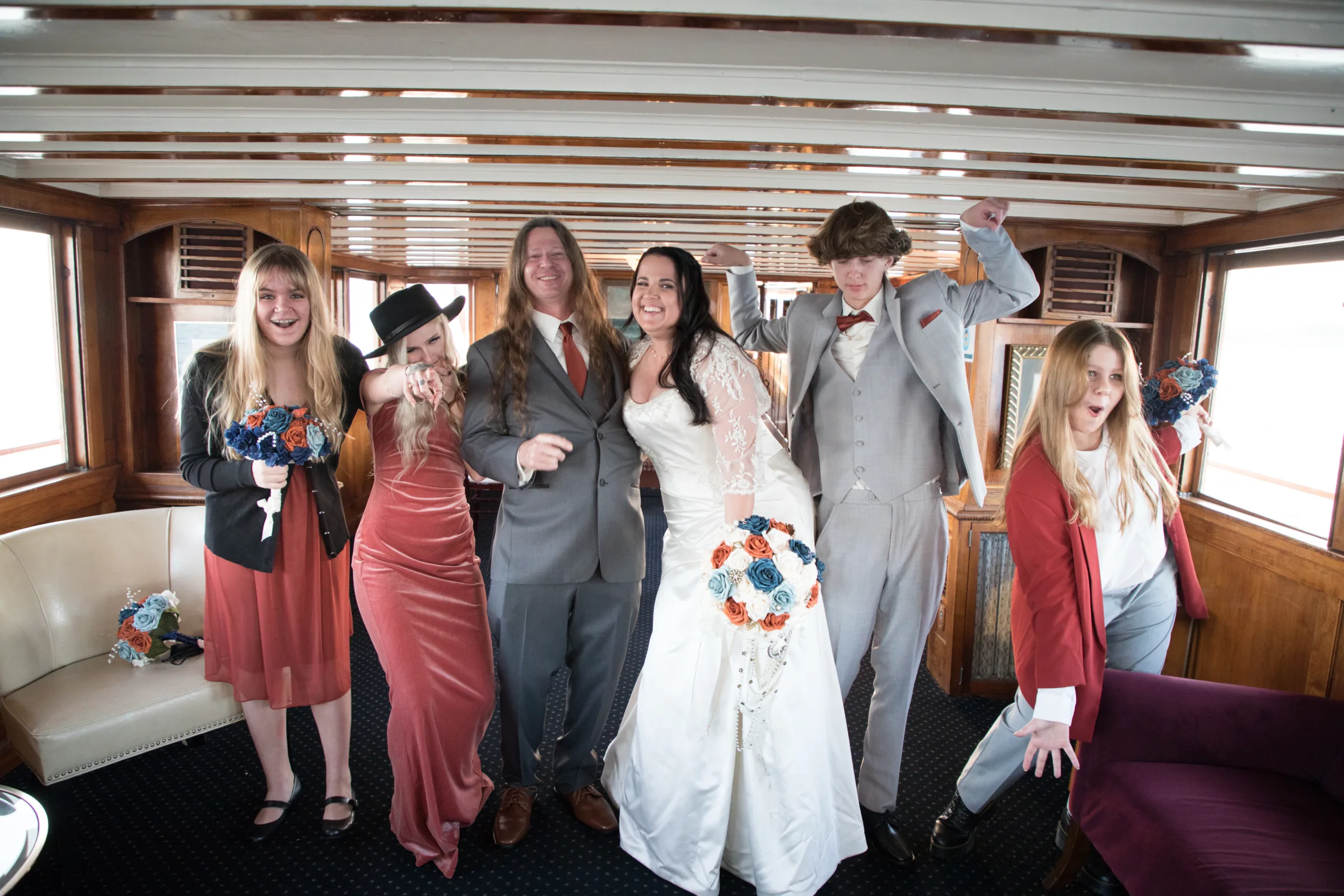
Marrying in midlife, especially when teenagers or adult children are part of the equation, introduces a complex layer of considerations that traditional wedding planning guides often overlook. Couples embarking on this journey frequently grapple with fundamental questions: How deeply should these older children be integrated into the planning process? What roles, if any, should they play in the ceremony? Is walking a parent down the aisle appropriate, or might it create discomfort? And, critically, what is the best approach when a grown child is not yet ready to embrace the celebration with enthusiasm? These queries reflect a broader societal shift towards diverse family structures and highlight the need for tailored, empathetic guidance in creating truly inclusive wedding experiences.
The Evolving Landscape of Modern Families and Remarriage
The concept of family has expanded significantly, with blended families becoming an increasingly common dynamic. According to data from the Pew Research Center, approximately 40% of all new marriages in the United States involve at least one partner who has been married before, and a substantial portion of these remarriages bring together children from previous relationships. This demographic reality means that a significant number of weddings are not just about two individuals uniting, but about two existing families merging into a new, cohesive unit.
The average age for remarriage has steadily risen, often placing individuals in their 40s, 50s, or even beyond. This trend means that the children involved are frequently past their formative years, ranging from adolescents navigating complex identity development to fully independent adults with established lives and perspectives. Unlike young children, who might more readily adapt to a new parental figure or family structure, older children often possess a more nuanced understanding of family dynamics, past relationships, and their own emotional needs. Their reactions to a parent remarrying can range from excitement and anticipation to apprehension, loyalty conflicts, or even a sense of loss for the previous family unit. Understanding these intricate emotional landscapes is paramount for couples aiming to create a wedding day that celebrates their union while honoring the feelings and positions of their older children.
Navigating the Nuances: The Child’s Perspective
For teenagers and adult children, a parent’s remarriage can trigger a spectrum of emotions. Psychologists specializing in family dynamics note that children, regardless of age, may experience a renewed sense of grief for the original family unit, even if that unit dissolved many years prior. They might grapple with loyalty conflicts, feeling torn between their biological parent and stepparent, or between their existing siblings and potential new stepsiblings. Adults, while capable of greater emotional processing, may still feel protective of their parent, concerned about the new partner’s intentions, or simply wary of change that could disrupt their own lives or their relationship with their parent.
Conversely, many children embrace the new union with joy, viewing it as an expansion of their family network and a source of happiness for their parent. The key differentiator often lies in the communication leading up to and surrounding the wedding. When children feel heard, respected, and included in a way that aligns with their comfort levels, the transition tends to be smoother and more positive. Conversely, being excluded or pressured into roles that feel inauthentic can foster resentment and emotional distance, potentially impacting the long-term success of the blended family.
Expert Consensus: Strategies for Meaningful Inclusion
Recognizing the unique challenges and opportunities presented by blended family weddings with older children, wedding professionals have developed insightful strategies to foster meaningful inclusion. Drawing upon experiences from numerous ceremonies, vendors from Offbeat Wed’s community — including planners, photographers, and officiants — emphasize the critical role of open dialogue and respecting individual boundaries. Their collective advice, gleaned from real-world scenarios, offers a framework for couples navigating these delicate waters.
1. Early Engagement: Planning Beyond the Aisle
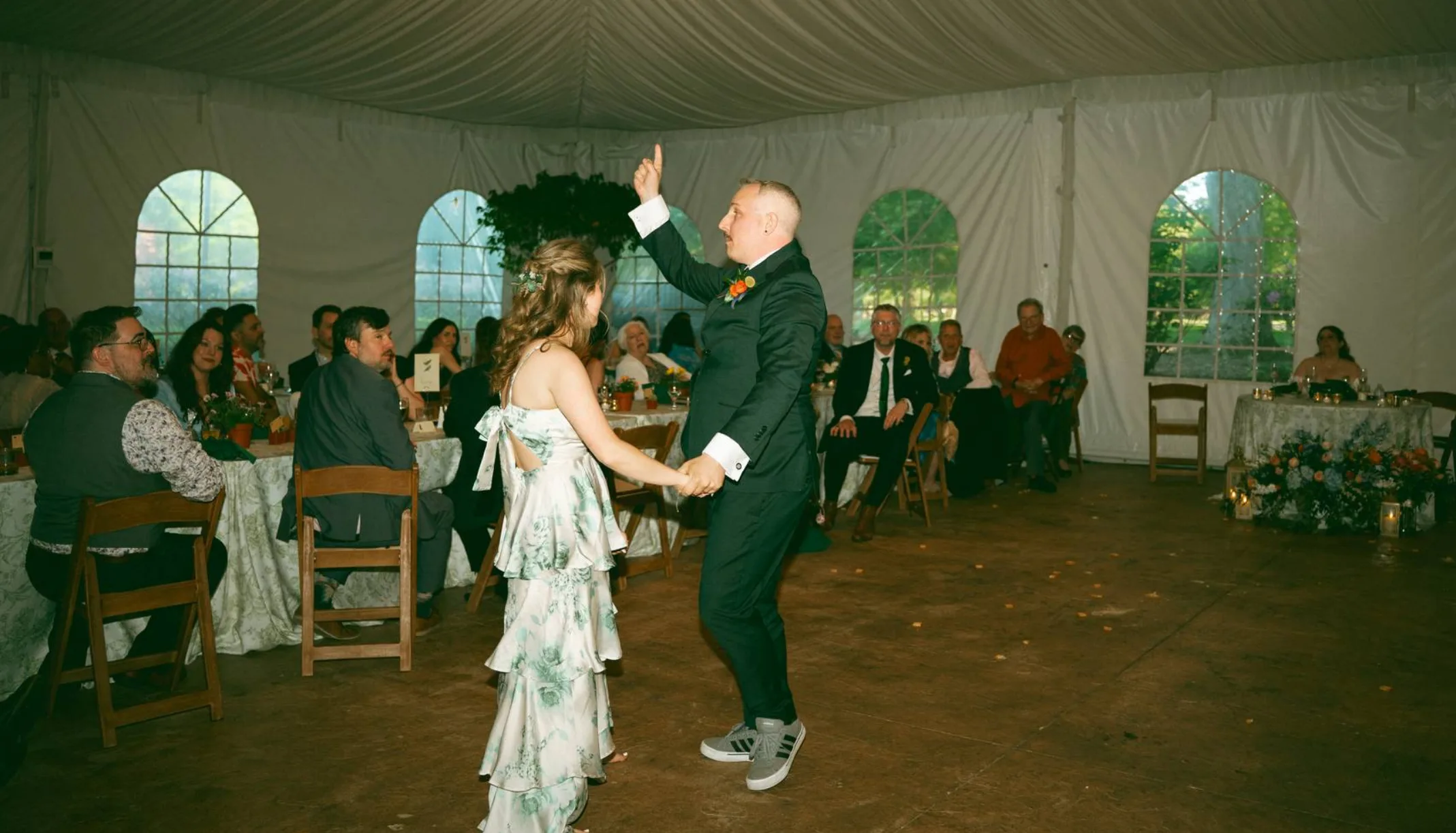
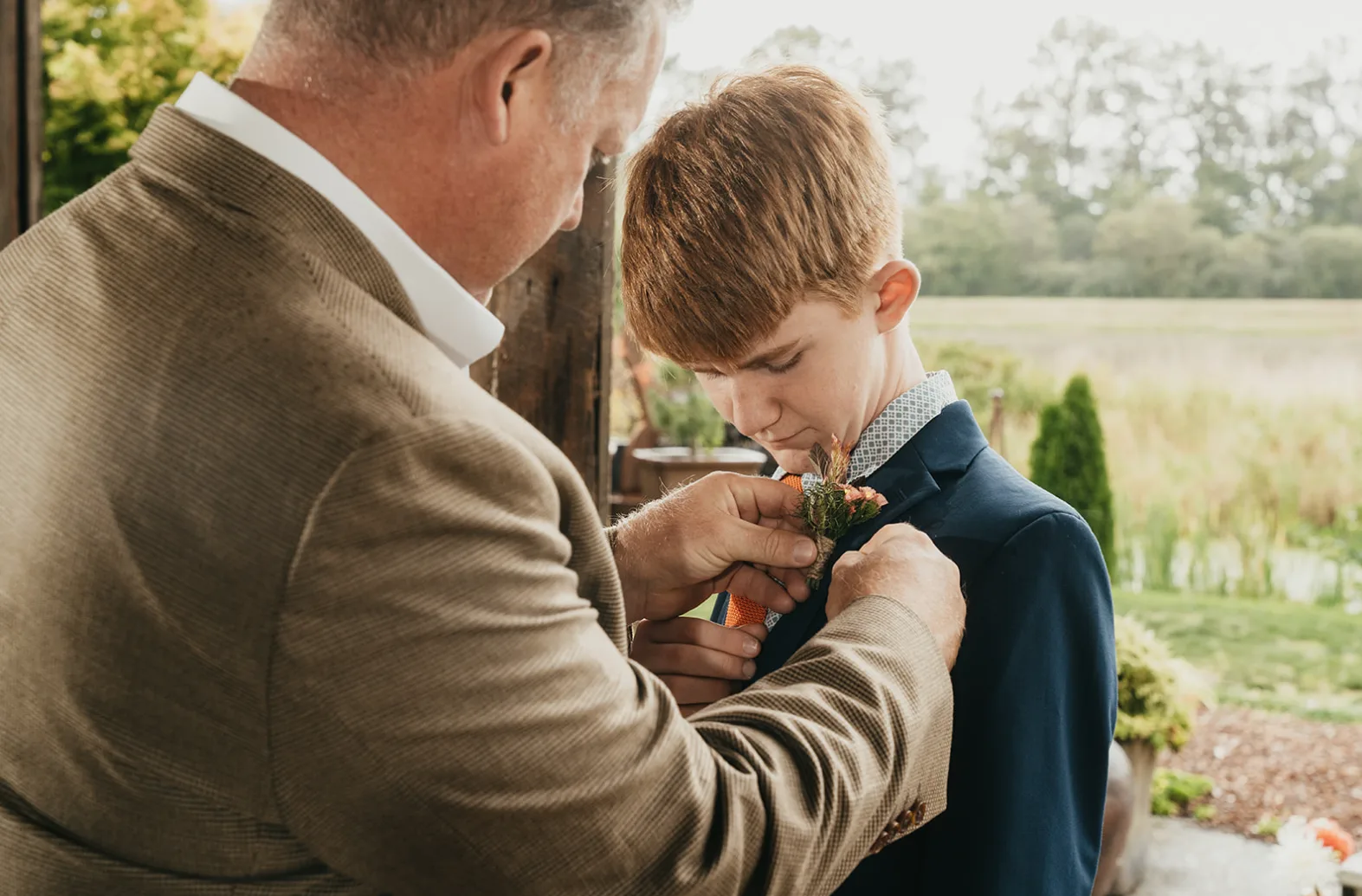
Involving teens or adult children in the wedding planning process long before the ceremony itself can be a powerful tool for fostering connection and ownership. Ohio-based wedding planner Emily Berg of Emily Berg Weddings & Events advocates for inviting hesitant teens into decision-making. For instance, bringing them to catering tastings and genuinely valuing their input on food choices can make them feel integral to the event. Similarly, allowing them a say in their attire, rather than dictating it, respects their individuality and builds enthusiasm. Berg recounts a wedding where a 15-year-old daughter, initially hesitant, became an enthusiastic attendant, delivered a heartfelt toast, and shared a father-daughter dance, all stemming from early, respectful involvement. A crucial caveat from Berg is to avoid forcing roles that put a child in the spotlight if they are uncomfortable, emphasizing the importance of respecting personal boundaries.
2. Ceremonial Roles: From Aisle to Altar
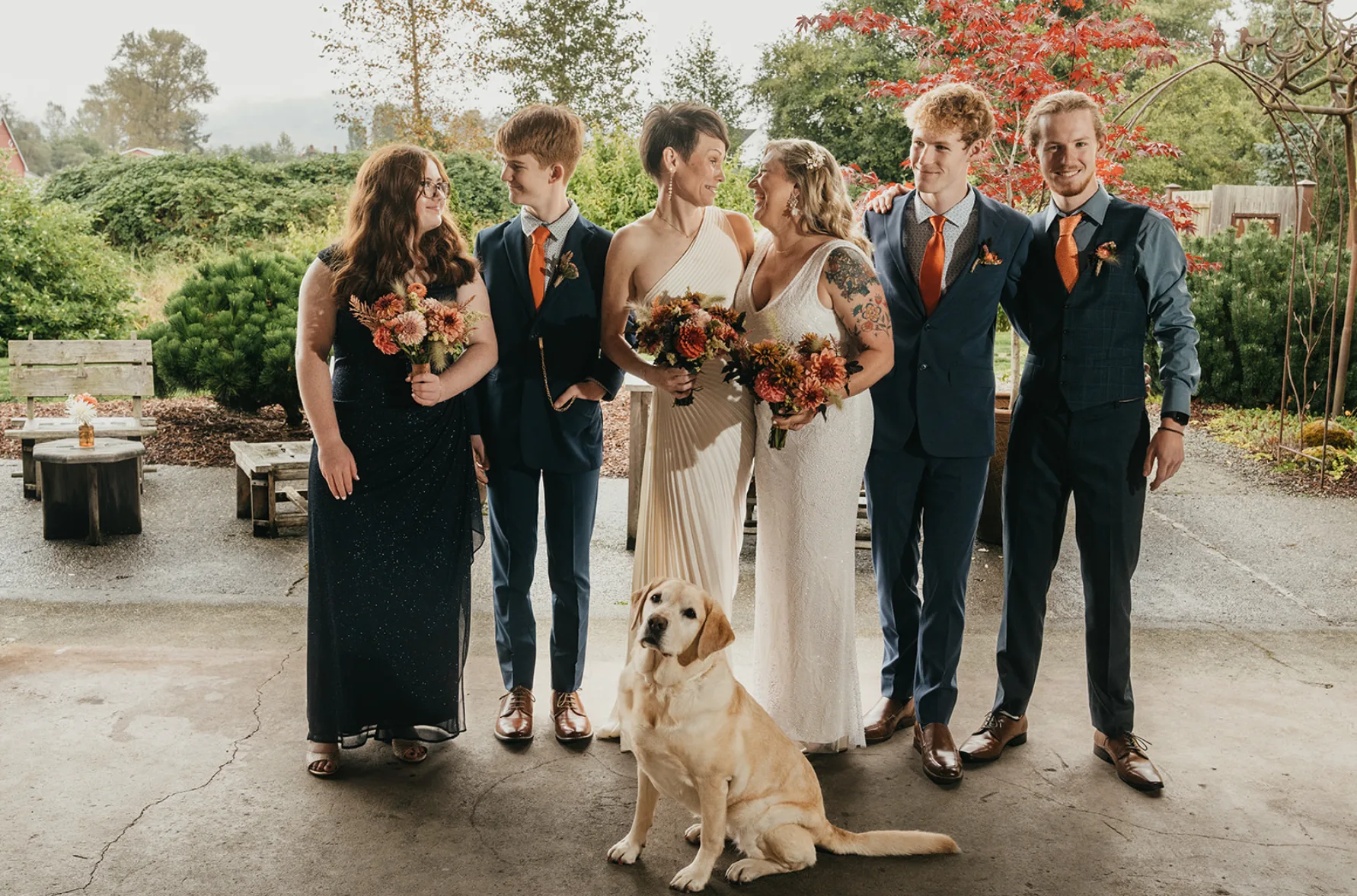
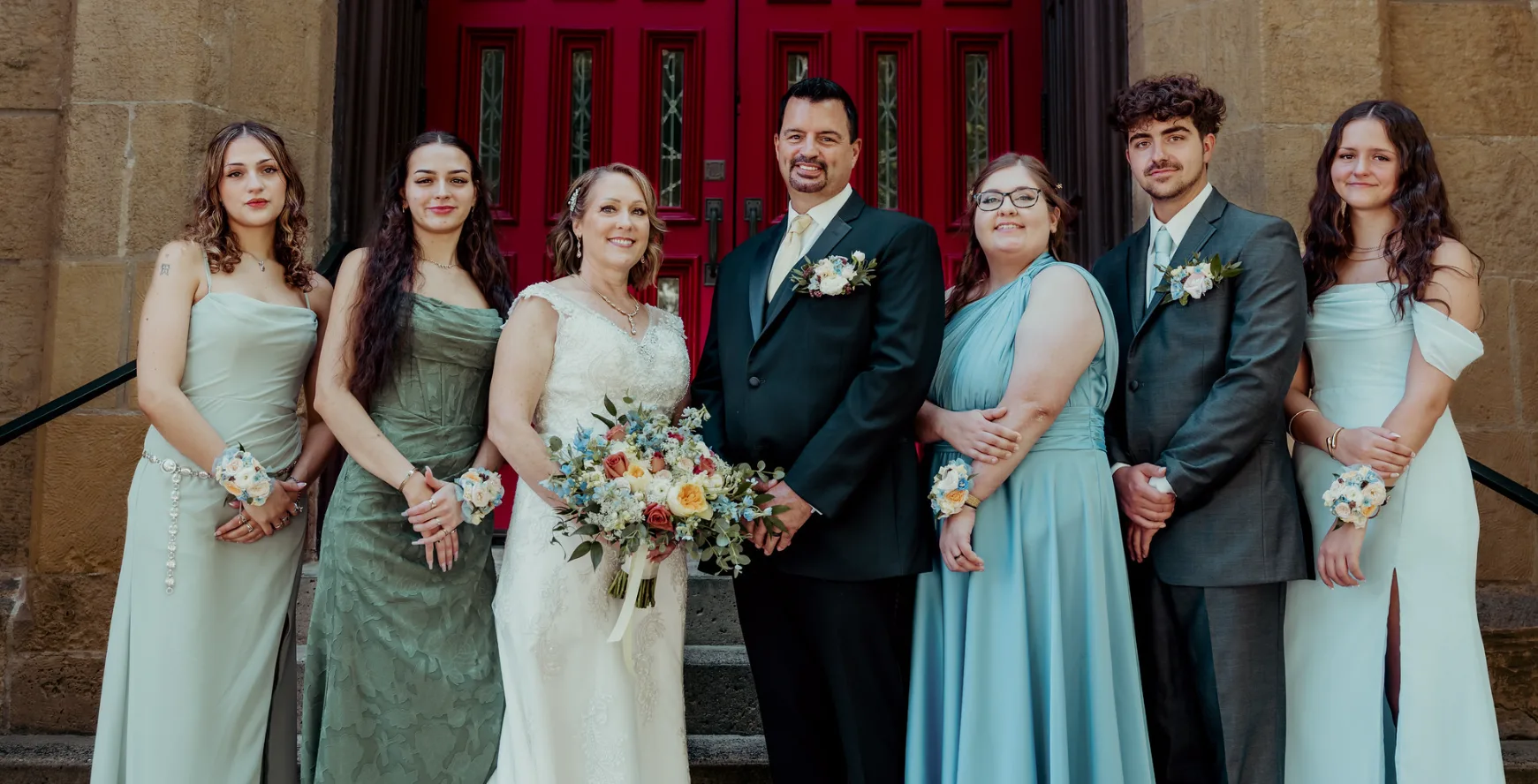
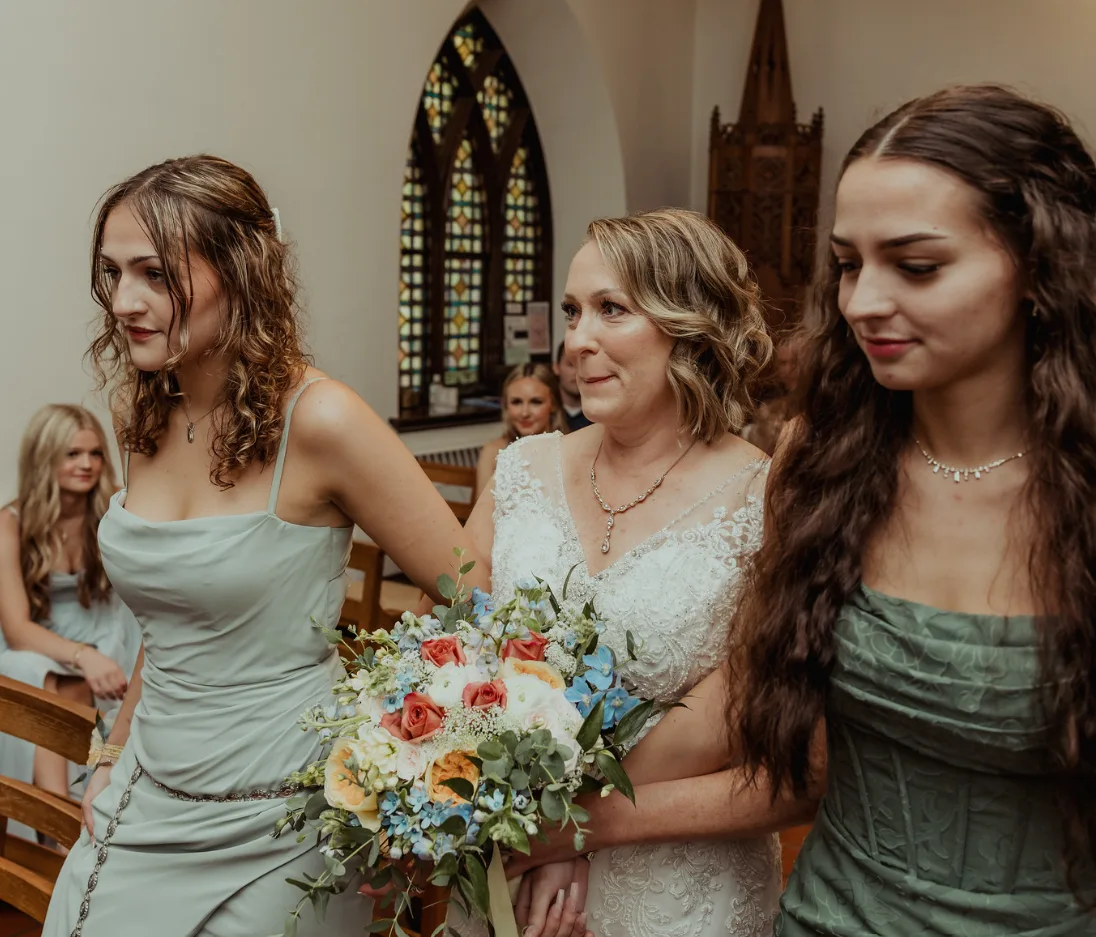
Traditional wedding party roles can be reimagined to incorporate older children in significant ways. Samantha Waldron, a photographer with Dutcher Photography in Wisconsin, documented Gloria and Jerry’s wedding, where their five adult children collectively served as the entire wedding party. This setup provided a strong visual representation of the merged family. Gloria’s two adult daughters walked her down the aisle, while Jerry was escorted by his two daughters, with his son guiding Jerry’s mother to her seat. Waldron, drawing from her own experience of her 8-year-old son walking her down the aisle at her remarriage, underscores the importance of giving children a "real job" to make them feel considered and central to the day. She also highlights the emotional resonance of couples exchanging vows not only to each other but also to their respective children, signifying a commitment to the entire new family unit.
3. Voice and Witness: Speaking and Signing
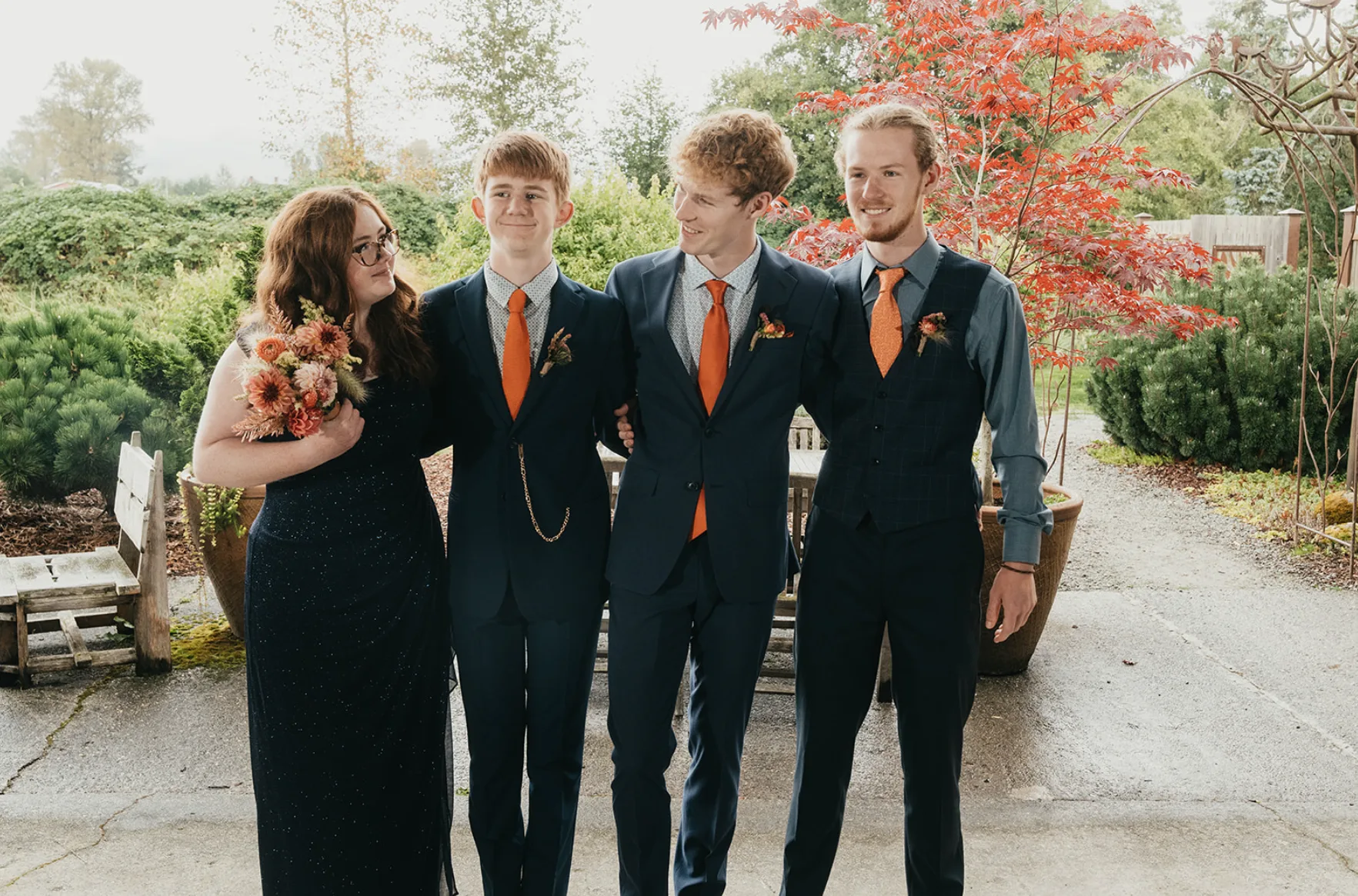
For children who are comfortable with public expression, offering a speaking role can be a memorable way to involve them. Jamie Buckley, a Seattle-based photographer from Jamie Buckley Photography, captured a wedding where one partner brought three teenage sons and the other a teenage daughter. Two of the children chose to give toasts, with one son notably expressing his joy at "always wanting a sister and now he had one." However, Buckley strongly advises against forcing such moments, stressing the need to "meet your children where they are at." He cautions against couples performing a closeness that children may not yet feel, asserting that genuine connections will develop naturally over time.
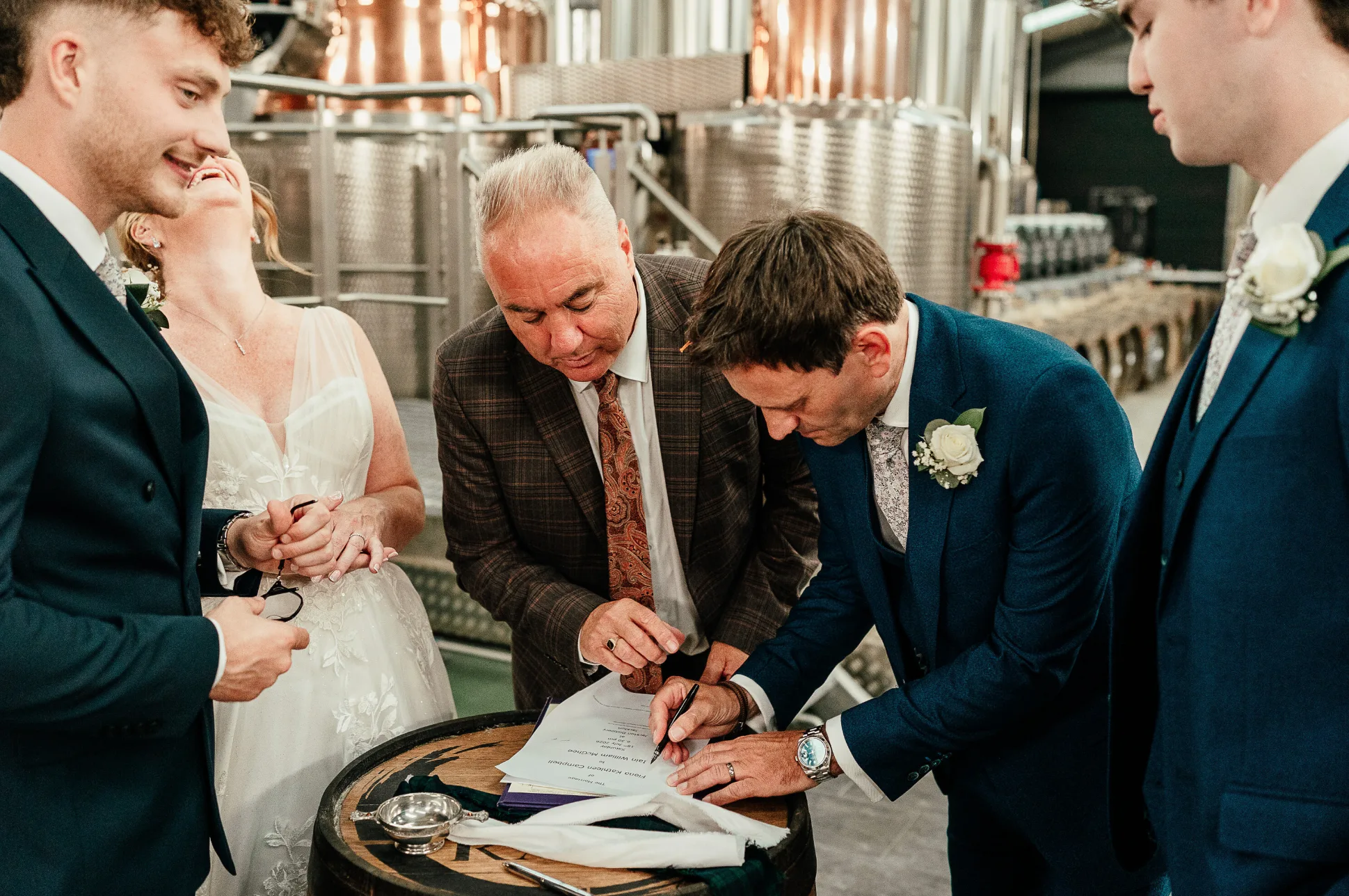
Beyond verbal contributions, official roles like signing the marriage certificate offer a tangible and lasting form of involvement. Sarah Craig, a UK-based photographer with Joy Story, photographed a couple in their fifties marrying at a Scottish distillery, bringing together children from previous marriages. The celebrant cleverly drew an analogy between their blended family and blended whisky, emphasizing that the new union "doesn’t dilute what came before." In this ceremony, all three children participated: the youngest gave a reading, while the two adult children acted as official witnesses, signing the marriage schedule. Craig emphasizes that roles need not be "big or performative" to be impactful, but rather serve as opportunities for everyone to "be part of this new chapter as a family, rather than simply watching it happen." Her advice underscores a crucial point: never assume older children don’t want to be involved; open inquiry is always the best approach.
4. Personalized Contributions: Leveraging Unique Talents
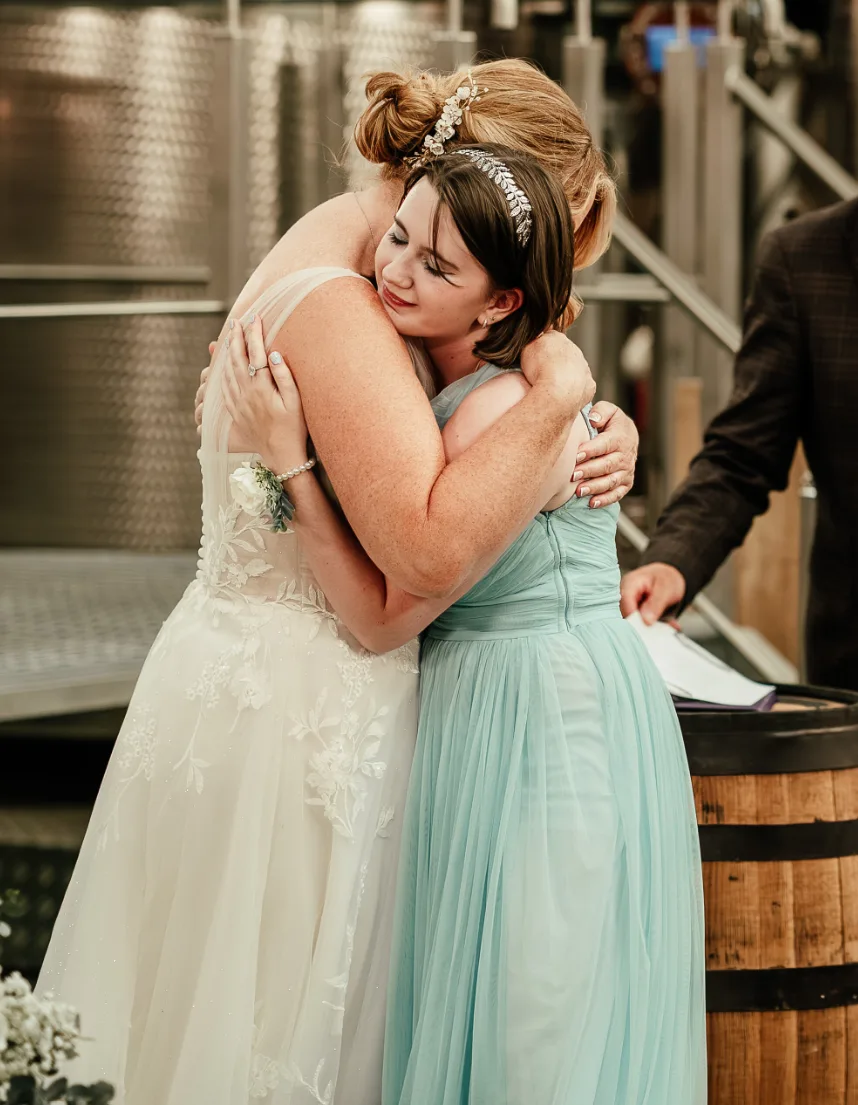
Not every child desires a traditional wedding role, and creativity in their involvement can lead to truly unique and meaningful contributions. Kathryn Cooper, a New York-based photographer with Kathryn Cooper Weddings, photographed a wedding where the bride’s teenage daughter, instead of a standard bridesmaid role, showcased her talent by singing during the ceremony. This personalized contribution allowed her to feel deeply involved and valued, filling her parents with immense pride. Cooper’s broader philosophy suggests that weddings "don’t have to fit into a box," encouraging couples to think outside conventional roles. She warns against assuming a child’s feelings about the wedding are fixed, noting that the planning process itself can become a unique opportunity to strengthen relationships.
5. Symbolic Unity: Rituals for All
When individual speaking roles or highly visible positions are not suitable, symbolic rituals can effectively represent the merging of families. Jen Sulak, a photographer with Weirdo Weddings in the Dallas-Fort Worth area, captured Kevin and Candy’s wedding, where all children participated in a sand ceremony. Each child poured a layer of sand into a shared vessel, visibly symbolizing the blending of their individual lives into a new, combined family unit. Sulak advises couples to anticipate and make space for a range of emotions before, during, and after the wedding day, and strongly cautions against completely excluding children from ceremony and reception planning. She views open conversations about involvement as a "unique gift" to children.
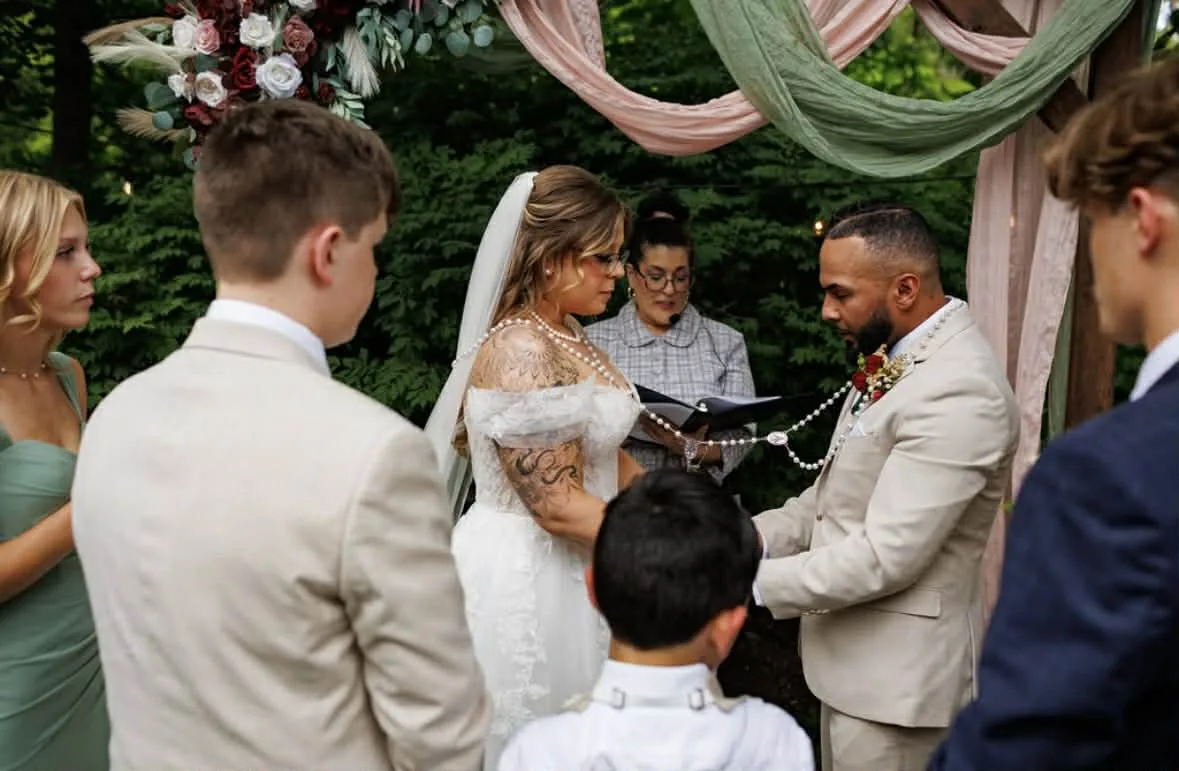
Another powerful example comes from Reenie Panzini, an officiant with I Do For All, who married Gabrielle and Eduardo. Both brought teenage children, and the couple sought to involve them without singling out any individual, respecting varying comfort levels with being in the spotlight. They incorporated the El Lazo tradition, a Hispanic custom where a lasso or oversized rosary is draped around the couple to symbolize support. Instead of godparents, all four teenagers walked the lazo up together, stood while the tradition was explained, then unwound and carried it back to their seats. This shared, non-verbal task allowed for collective participation without the pressure of a solo performance. Panzini reiterates the importance of asking children about their preferences, even if parents believe they already know. She specifically advises against drafting grown children into unwanted reading roles, suggesting instead tasks that involve hands rather than voices, such as a ring warming ceremony or carrying the lazo.
The Paramount Principle: Open and Honest Dialogue
Across all expert recommendations, a singular, consistent message emerges: the absolute necessity of open, curious, and ongoing conversation. The success of involving older children in a blended family wedding hinges less on the specific role they play and more on the process of communication and respect that surrounds their participation. This means creating a safe space where children feel comfortable expressing their true feelings, whether those are excitement, apprehension, or even indifference, without fear of judgment or pressure.
This dialogue should not be a one-time ambush, but rather a series of gentle, curious inquiries throughout the planning process. Children’s feelings and comfort levels can evolve, and what might be an enthusiastic "yes" in the early stages could become a hesitant "no" closer to the wedding day. Acknowledging and respecting these shifts is crucial for maintaining trust and healthy family relationships.
Practical Frameworks for Discussion
Initiating these sensitive conversations requires thoughtfulness. While every family dynamic is unique, a framework of open-ended questions can help facilitate dialogue without imposing expectations:
- "We’re starting to think about the wedding, and we’d really love for you to be involved in a way that feels good to you. What are your initial thoughts or feelings about it?"
- "Are there any parts of the wedding planning that you might enjoy being a part of, like helping choose music, food, or even specific decorations?"
- "We’re considering different roles for the ceremony. Would you be interested in a specific role, like walking with me, doing a reading, or being a witness? No pressure at all if you’d prefer to simply celebrate with us."
- "Is there anything about the wedding that makes you feel excited, or perhaps a little nervous?"
- "What would make you feel most comfortable and included on the wedding day?"
- "Do you have any ideas of your own for how you’d like to be involved, or ways we can celebrate our new family together?"
- "Is there anything we should be mindful of to make sure you feel supported and happy throughout this process?"
These questions serve as starting points, not a script. The true value lies in active listening, validating their responses, and ensuring that "no" is as welcomed and respected an answer as "yes." The objective is not to secure a specific role for every child, but to ensure that each child feels seen, valued, and understood within the context of this significant family transition.
Long-Term Implications and the Foundation of a New Family
The thoughtful integration of teens and adult children into a blended family wedding extends far beyond the event itself. The wedding day serves as a foundational moment for the new family unit, setting a precedent for communication, respect, and inclusion. When children feel genuinely involved and their emotional needs are considered, it can lay the groundwork for stronger bonds, improved communication, and a smoother long-term adjustment to the new family structure. This inclusive approach can mitigate potential resentments, foster a sense of belonging, and ultimately contribute to a more harmonious family life.
Conversely, ignoring their feelings or imposing roles can create lasting emotional scars, leading to feelings of alienation and impacting the quality of relationships within the new blended family. The goal is to celebrate the couple’s union while simultaneously affirming the importance and value of every individual who will be part of this evolving family narrative. Whether a child is front and center, quietly observing from the second row, or contributing a unique skill, the true essence of a blended family wedding lies in the open, curious communication that respects each person’s journey and readiness to embrace this new chapter.