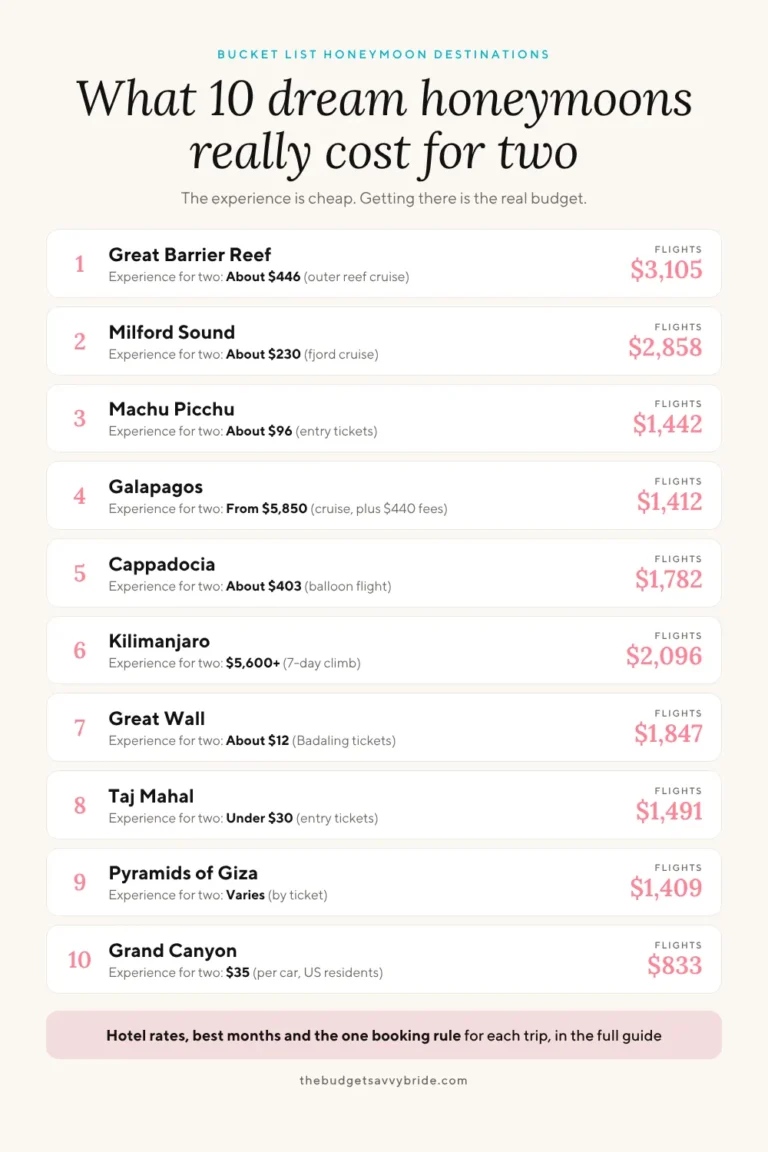



The average cost of a wedding in the United States has reached an astonishing $33,000, a figure that now represents nearly half of the median household income, which stands at approximately $84,000 annually. When juxtaposed against the average individual salary, typically ranging from $60,000 to $65,000, the financial burden of a single-day celebration becomes even more pronounced. This stark disparity highlights a growing economic challenge for many couples embarking on marriage, compelling a re-evaluation of traditional wedding expectations against contemporary financial realities. The mathematics of dedicating a sum equivalent to half a year’s income, or even more for an individual, to a singular event raises significant questions about affordability, societal pressure, and the evolving nature of matrimonial celebrations.
The Escalating Financial Landscape of Nuptials
The $33,000 national average, sourced from industry reports like those by The Knot, is not merely a statistical anomaly but a reflection of a sustained upward trend in wedding expenditures. This figure, while an average, often masks significant regional variations, with urban centers and high-demand destinations frequently seeing costs soar well beyond this national benchmark. For instance, in metropolitan areas such as New York City or parts of California, a wedding can easily exceed $50,000 or even $80,000, driven by premium venue fees, high-end catering, and the demand for top-tier vendors. This escalation is not a sudden phenomenon but the culmination of several economic and cultural shifts over the past few decades.
Historically, wedding costs have generally risen faster than inflation and wage growth. Data from previous decades indicates a steady increase, but the post-pandemic era has seen an accelerated surge. Factors contributing to this recent spike include pent-up demand following widespread event cancellations, supply chain disruptions affecting everything from flowers to attire, and a general inflationary environment impacting labor and material costs across the board. Furthermore, vendor demand has outstripped availability in many areas, allowing service providers to command higher prices. This confluence of factors has created a challenging environment for couples attempting to plan their special day without incurring substantial debt.
Understanding the Drivers: Inflation, Demand, and the "Wedding Industrial Complex"
The dramatic increase in wedding costs can be attributed to a multifaceted set of drivers. General economic inflation plays a significant role, as the cost of goods and services across all sectors has risen. For the wedding industry, this translates directly to higher prices for everything from venue rentals and catering ingredients to floral arrangements and photography equipment. Labor costs, too, have increased, reflecting a broader economic trend and the specialized skills required for wedding services.
Beyond macroeconomic factors, the unique dynamics of the wedding industry itself contribute substantially to the financial pressure. The concept of the "wedding industrial complex" has gained traction as a critical lens through which to view these escalating costs. This term refers to the vast, multi-billion-dollar ecosystem of businesses, media platforms, and cultural narratives that collectively shape perceptions of what a wedding "should" be. Magazines, wedding websites, social media platforms (like Pinterest and Instagram), and reality television shows often curate and promote an image of lavish, meticulously planned events, inadvertently setting benchmarks that can feel unattainable for many.
This complex thrives on aspirations and emotions, often employing marketing strategies that leverage couples’ desire for a "perfect" day. The narrative frequently implies that a truly memorable or meaningful wedding necessitates substantial financial investment, fostering a sense of inadequacy or "being behind" if one cannot meet these idealized standards. This fear-based marketing machine can lead couples to believe that "must-have" trends, elaborate décor, and extensive guest lists are prerequisites for a successful celebration. The pressure to conform to these curated ideals, often amplified by peer expectations and social media comparisons, can push couples to overspend, sometimes at the expense of their long-term financial stability.
The Tangible and Intangible Costs for Couples
The financial implications for couples are profound. Saving for an average wedding of $33,000 without incurring debt would require a couple to set aside approximately $1,000 per month for nearly three years. This projection assumes no financial emergencies, no competing savings goals (such as a down payment for a house, retirement contributions, or student loan repayment), and consistent income. For many, this level of saving is simply unrealistic, leading a significant number of couples to resort to various forms of financing, including credit cards, personal loans, or parental contributions.
A 2023 study indicated that a substantial percentage of couples, particularly younger ones, are taking on debt to finance their weddings. This debt can cast a long shadow over the early years of marriage, potentially delaying other critical life milestones such as homeownership, starting a family, or investing in education or career development. Financial stress is also a leading cause of marital discord, and starting a marriage burdened by significant wedding debt can introduce unnecessary strain at a time meant for celebration and new beginnings.
Beyond the immediate financial outlay, there are intangible costs associated with the pressure to conform. The emotional toll of wedding planning, often compounded by financial anxiety, can detract from the joy of the engagement period. Couples may find themselves navigating difficult conversations with family about contributions, managing external expectations, and grappling with the perceived need to keep up with peers. This can shift the focus from the profound meaning of marriage to the superficial elements of a single event.
Expert Perspectives and Shifting Paradigms

Financial advisors and relationship counselors increasingly caution couples against beginning their married life in debt. "A wedding should be a celebration of love and commitment, not a financial sacrifice that jeopardizes a couple’s future," states Dr. Eleanor Vance, a financial planning expert specializing in young couples. "The industry has successfully commodified an intensely personal event, leading many to lose sight of what truly matters."
Wedding planners who prioritize client well-being over maximizing budgets often echo these sentiments. Sarah Chen, a seasoned wedding planner known for her budget-savvy approach, observes, "My most successful clients are those who come to me with a clear understanding of their financial limits and a strong sense of their values. We then work backward, allocating funds to what truly resonates with them and creatively finding ways to reduce costs on less important elements." She emphasizes that a beautiful, memorable wedding is entirely achievable on a modest budget.
Indeed, there is a burgeoning movement towards more intentional, personalized, and budget-conscious weddings. This shift is partly a reaction to the escalating costs and partly a desire for authenticity over ostentation. Couples are increasingly questioning traditional norms and opting for alternatives that better reflect their personalities and financial situations.
Strategies for Intentional and Budget-Savvy Wedding Planning
For couples seeking to celebrate their union without succumbing to financial strain, several strategies can be employed:
-
Define Core Values: The foundational step is for couples to sit down and identify what truly matters to them about their wedding day. Is it exceptional food, live music, an intimate guest experience, stunning photography, or a specific aesthetic? By prioritizing 2-3 core values, couples can allocate their budget strategically, investing more in these areas while consciously scaling back or eliminating expenses in others. This values-driven approach provides a clear compass amid the overwhelming array of choices.
-
Establish a Realistic Budget Based on Personal Finances: Instead of conforming to national averages or societal expectations, couples should determine a budget that genuinely aligns with their current financial capacity. This involves a thorough assessment of savings, disposable income, and any potential contributions from family, ensuring that the wedding does not compromise mental health or long-term financial goals. A budget should be a living document, reviewed and adjusted as planning progresses.
-
Optimize the Guest List: The guest list is often the single most significant cost driver, impacting catering, venue size, invitations, favors, and more. A smaller, more intimate wedding can dramatically reduce overall expenses while simultaneously fostering a deeper sense of connection and personal interaction. This might involve difficult decisions, but focusing on those who are truly integral to the couple’s lives can create a more meaningful celebration.
-
Embrace Offbeat and Non-Traditional Options: Creativity and flexibility are powerful tools for cost savings.
- Weekday or Off-Season Weddings: Venues and vendors often offer reduced rates for non-peak days (e.g., Mondays-Thursdays) or during less popular seasons.
- Non-Traditional Venues: Consider public parks, community centers, art galleries, private homes, or even restaurant buyouts instead of dedicated wedding venues, which often come with significant premium pricing and strict vendor lists.
- DIY Elements: For couples with a creative flair, taking on certain DIY projects (e.g., invitations, simple décor, favors) can save money and inject personal touches, provided they are realistic about the time and effort involved.
- Potluck or Food Truck Receptions: While less common for formal weddings, these options can be incredibly cost-effective and unique for more casual celebrations, fostering a communal atmosphere.
- Pre-owned or Rental Attire: Exploring consignment shops, online marketplaces for pre-owned dresses, or formal wear rental services can offer significant savings on wedding attire.
-
Leverage Savvy Resources and Community Support: A wealth of resources exists to empower couples to plan intentionally. Online communities, specialized blogs, and dedicated planning tools provide guidance, inspiration, and peer support for budget-conscious weddings. Educational summits and workshops can equip couples with the knowledge and confidence to make informed decisions and resist industry pressures.
The Future of Wedding Celebrations
The discourse surrounding wedding costs is shifting. While the "wedding industrial complex" continues to exert its influence, a growing number of couples are asserting their financial autonomy and prioritizing personal meaning over lavish display. The conversation is moving from "what should a wedding cost?" to "what does a wedding mean to us, and how can we celebrate that within our means?"
This evolving perspective suggests a future where weddings become more diverse, reflecting a wider spectrum of personal values and financial situations. The emphasis will increasingly be on creating authentic, joyful experiences that lay a solid foundation for marriage, rather than on adhering to an expensive, externally imposed ideal. The industry, in turn, may see further segmentation, with a greater emphasis on personalized, flexible, and value-driven services to cater to this growing demand for conscious consumption.
In conclusion, while the average cost of a wedding continues its upward trajectory, couples are not powerless. By understanding the economic forces at play, critically evaluating industry narratives, and embracing intentional, values-driven planning, it is entirely possible to craft a beautiful, meaningful celebration that is both financially responsible and deeply personal. The goal is not merely to cut costs, but to build a foundation for marriage rooted in genuine connection and shared priorities, free from the burden of unnecessary debt. The true measure of a wedding’s success lies not in its price tag, but in the joy, love, and authentic beginning it signifies.