

The traditional landscape of holiday greeting cards is undergoing a significant transformation as consumer preferences shift from mass-produced, off-the-shelf products toward highly personalized, professional-grade home-printed stationery. This movement is driven by the convergence of high-fidelity inkjet technology, such as the Canon PIXMA TS9521C Crafting Printer, and sophisticated cloud-based design interfaces. Recent market analysis suggests that while the digital age has moved much of human communication to the screen, the physical greeting card remains a staple of the holiday season, with approximately 6.5 billion cards purchased annually in the United States alone. However, the "maker economy" has introduced a new tier of consumer behavior where the act of creation is as significant as the act of sending, leading to a rise in demand for specialized hardware and customizable templates.
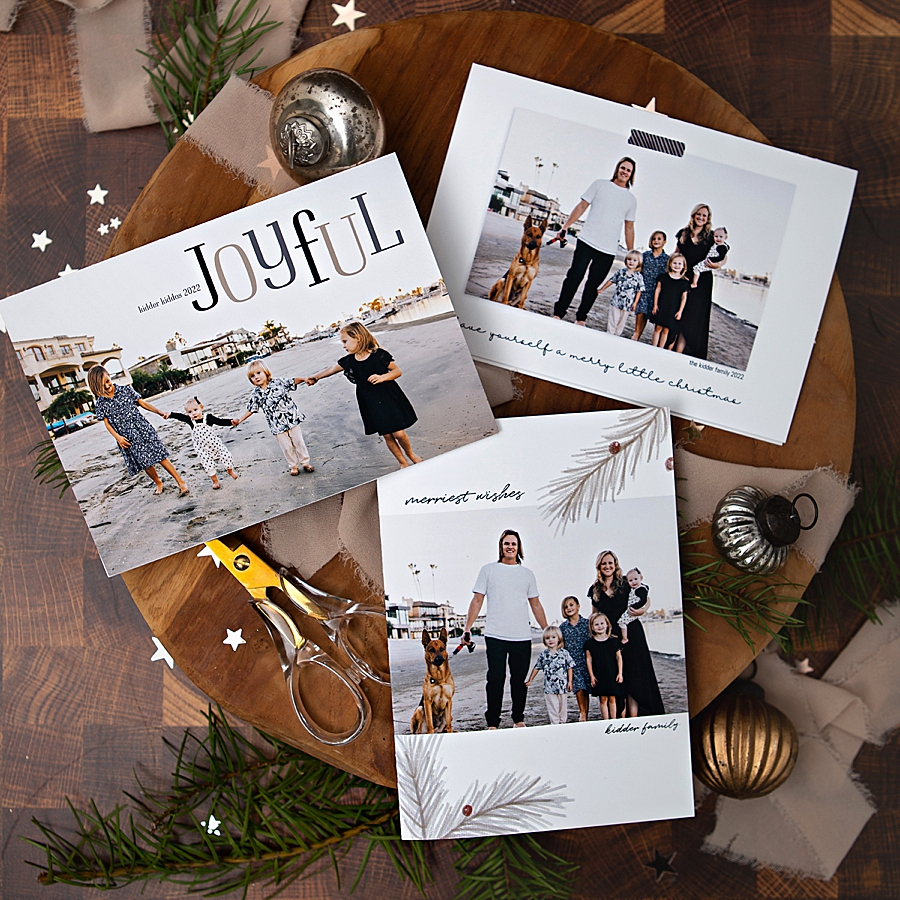
The Technical Infrastructure of Modern Home Crafting
At the center of this shift is the specialized hardware designed to bridge the gap between amateur crafting and professional output. The Canon PIXMA TS9521C, often marketed as the "Crafter’s Printer," represents a specific niche in the consumer electronics market. Unlike standard office printers, this device is engineered to handle a variety of media types and sizes, including 12×12-inch borderless printing, which is a standard for scrapbooking and large-format card design.
The technical efficacy of home-printed cards relies heavily on the quality of the media used. The integration of the 7×10 Double-Sided Greeting Card Paper Pack allows users to produce cards that mimic the tactile feel of boutique stationery. These packs typically include pre-cut and pre-scored sheets of double-sided matte photo paper, ensuring that the structural integrity of the card is maintained after folding. The use of matte finishes is a deliberate choice for holiday cards, as it reduces glare and fingerprints while providing a sophisticated surface for both high-resolution photographic imagery and handwritten messages.
Digital Customization and the Corjl Interface
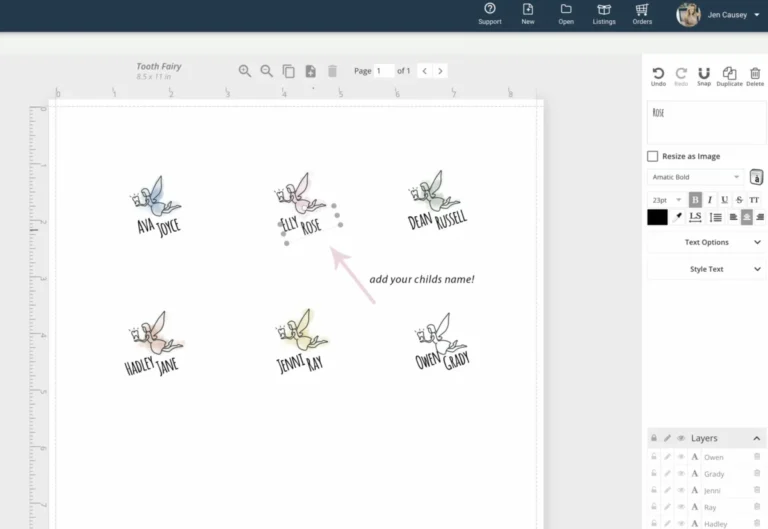
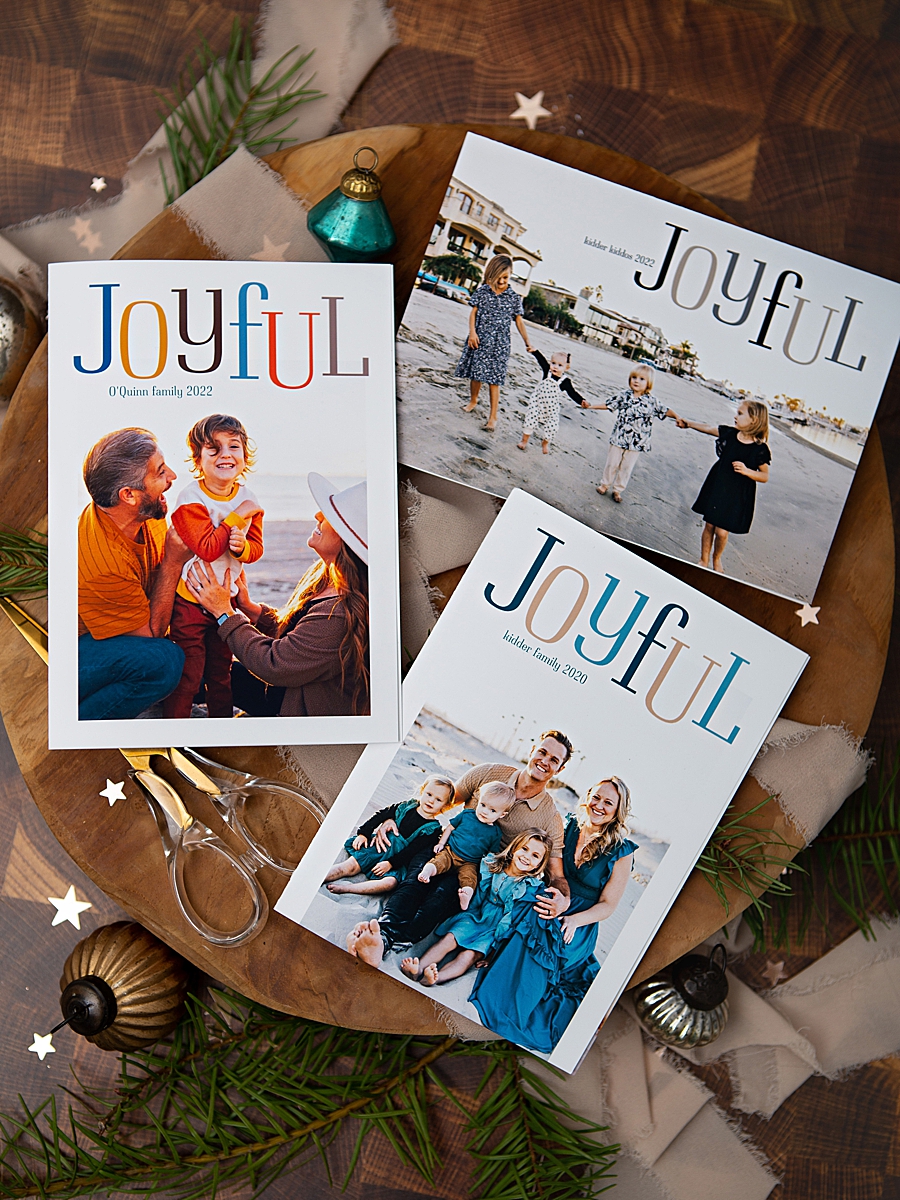
The partnership between hardware manufacturers and software providers has streamlined the workflow for creating bespoke holiday cards. The use of Corjl software, a leading platform in the digital template industry, allows for a level of customization previously reserved for professional graphic designers. Through this interface, users can manipulate various design elements, including typography, color palettes, and photographic placement.
The "Something Turquoise" collection, curated by Jen Causey-Kidder, exemplifies the modern aesthetic trends dominating the current market. The collection features three distinct design philosophies:
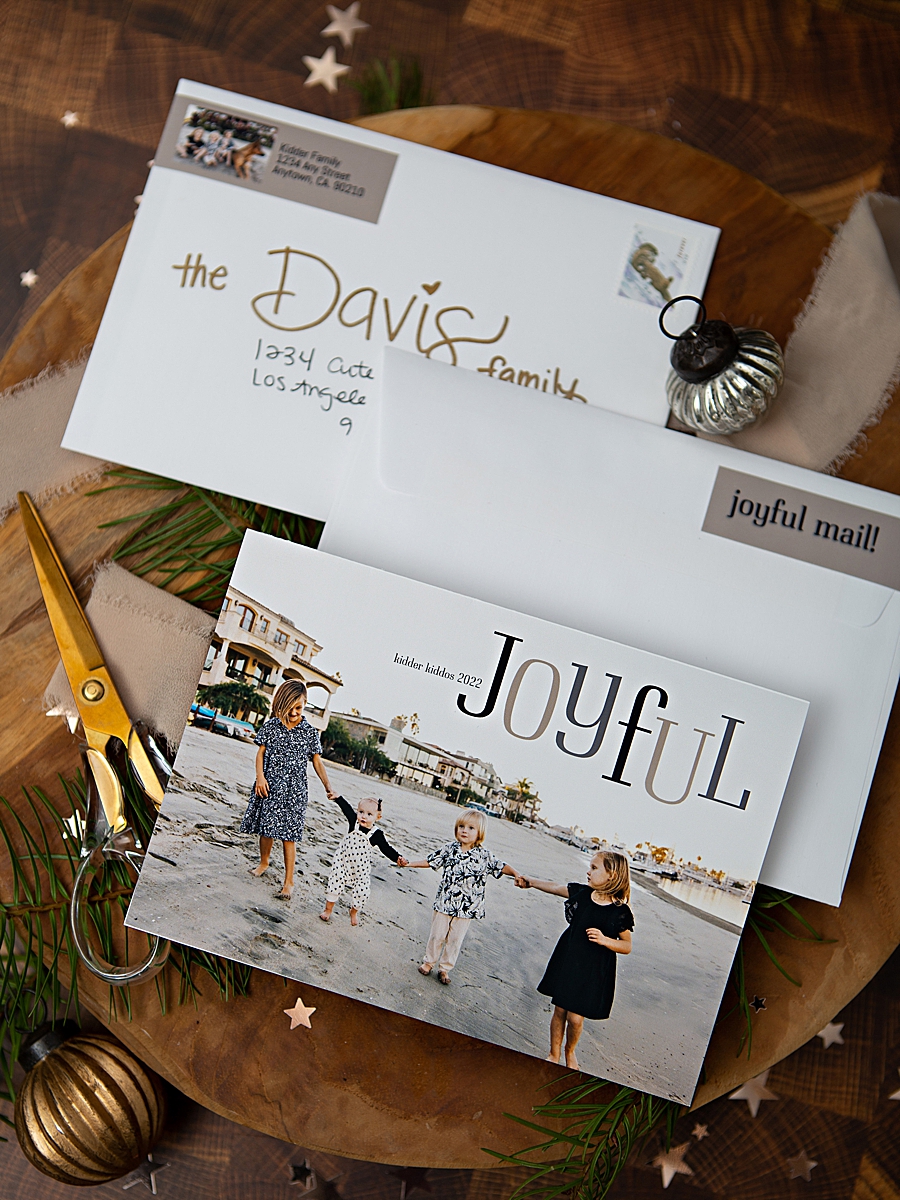
- The Joyful Series: A minimalist approach focusing on bold typography where color schemes can be adjusted to harmonize with the palette of the uploaded family photograph.
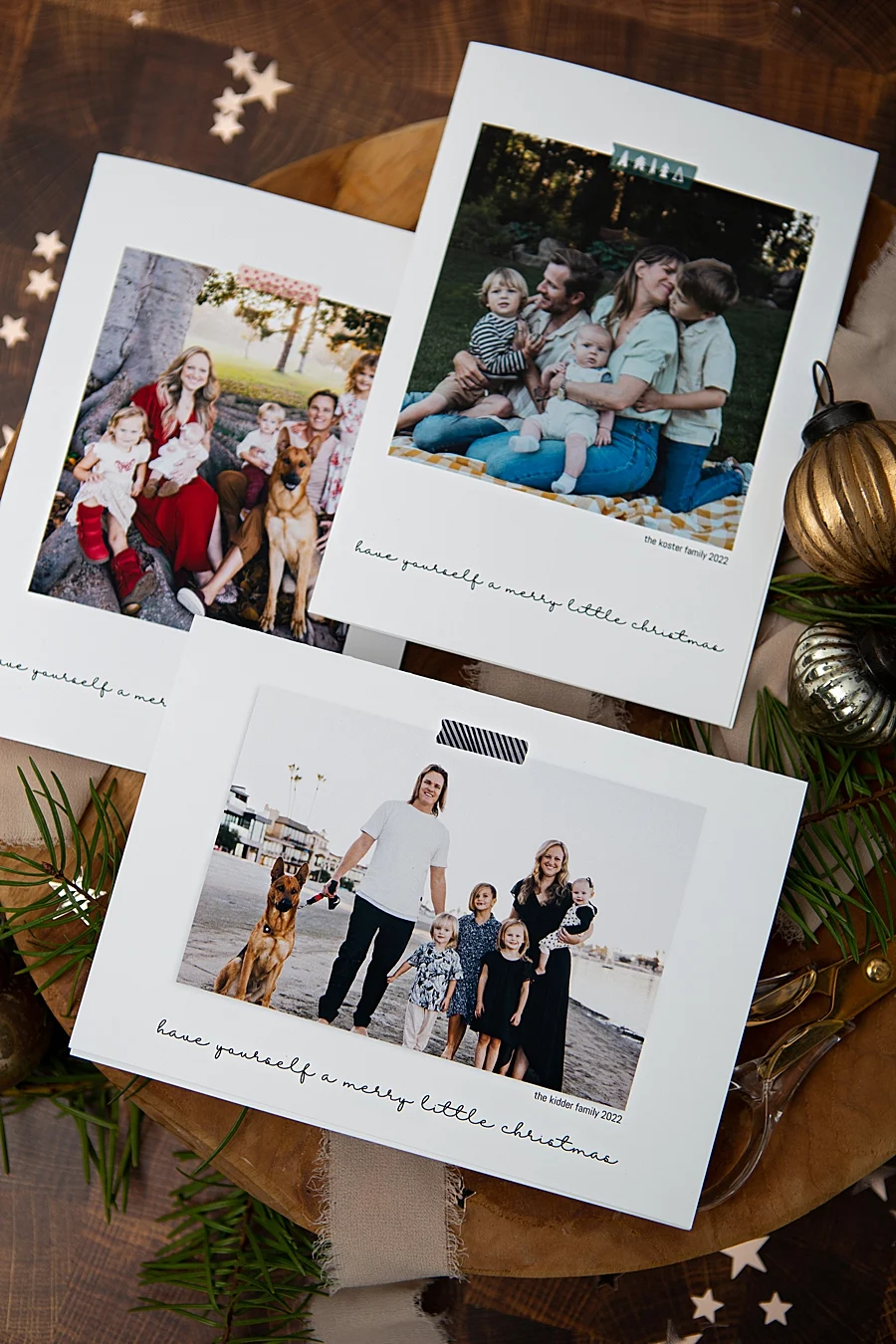
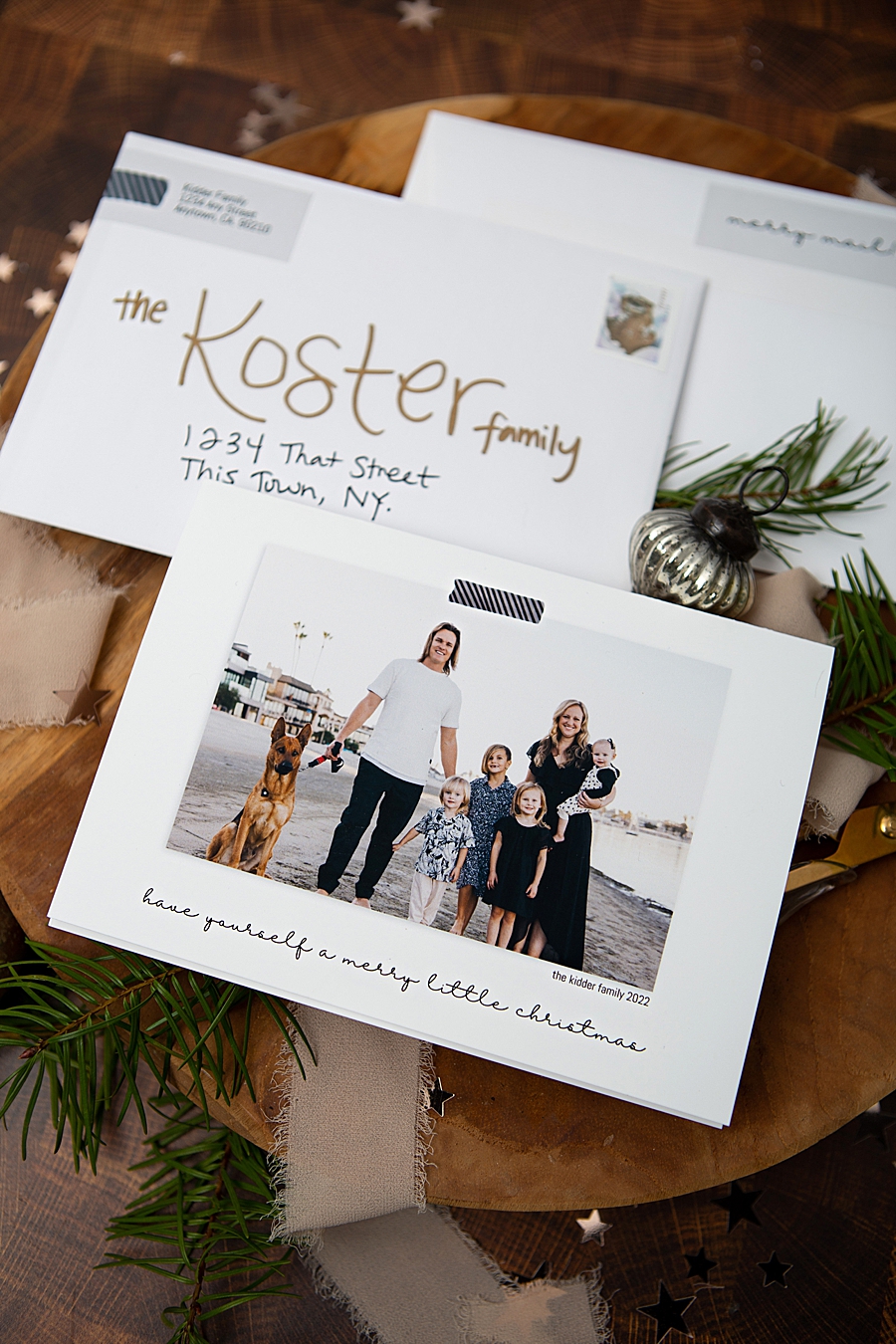
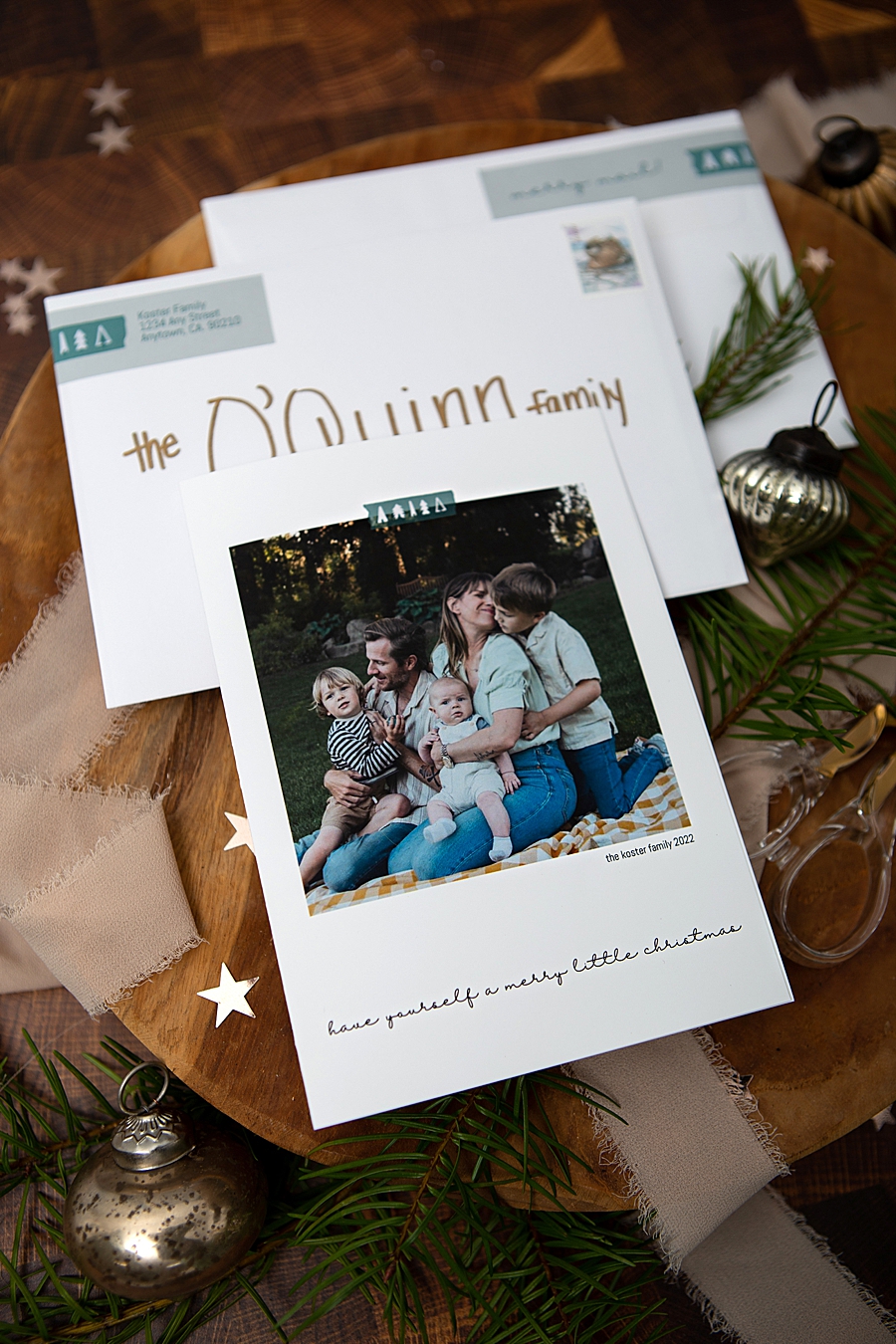
- The Tape Series: A "faux-scrapbook" aesthetic that utilizes digital graphic elements resembling patterned adhesive tapes (such as black and white stripes, pink polka dots, and botanical motifs) to create a layered, handmade appearance.
- The Berries Series: A botanical-focused design utilizing a trio of berry branches in green, pink, and beige, reflecting the trend toward "Cottagecore" and organic illustrations in holiday decor.
By providing these templates through a free-access model—facilitated by the promotional code "canonholiday"—the initiative lowers the barrier to entry for consumers who may possess the hardware but lack the design expertise to create layouts from scratch.
Historical Context and Market Chronology
The tradition of the Christmas card dates back to 1843, when Sir Henry Cole, a senior civil servant in the British government, commissioned the first commercial card to save time in his personal correspondence. For over a century, the industry was dominated by large-scale publishers. However, the chronology of the holiday card has seen three distinct eras:
- The Lithographic Era (1840s–1950s): Mass production made cards affordable for the general public.
- The Photographic Era (1960s–2000s): The rise of one-hour photo labs allowed families to include personal snapshots, though layouts remained rigid.
- The Integrated Digital Era (2010s–Present): Consumers now control the entire production pipeline, from digital capture on smartphones to design on tablets and final output on specialized home printers.
The production timeline for holiday cards typically begins in late October and peaks in the first two weeks of December. Data from the Greeting Card Association indicates that the majority of cards are sent during this window, making the reliability of home printing systems a critical factor for consumers during the high-pressure holiday season.
Economic and Environmental Implications of On-Demand Printing
The shift toward home-based "on-demand" printing has several economic and environmental implications. From an economic perspective, the initial investment in a specialized crafting printer like the PIXMA TS9521C is offset by the reduced per-unit cost of cards when compared to high-end custom printing services, which often charge premium prices for small batches.
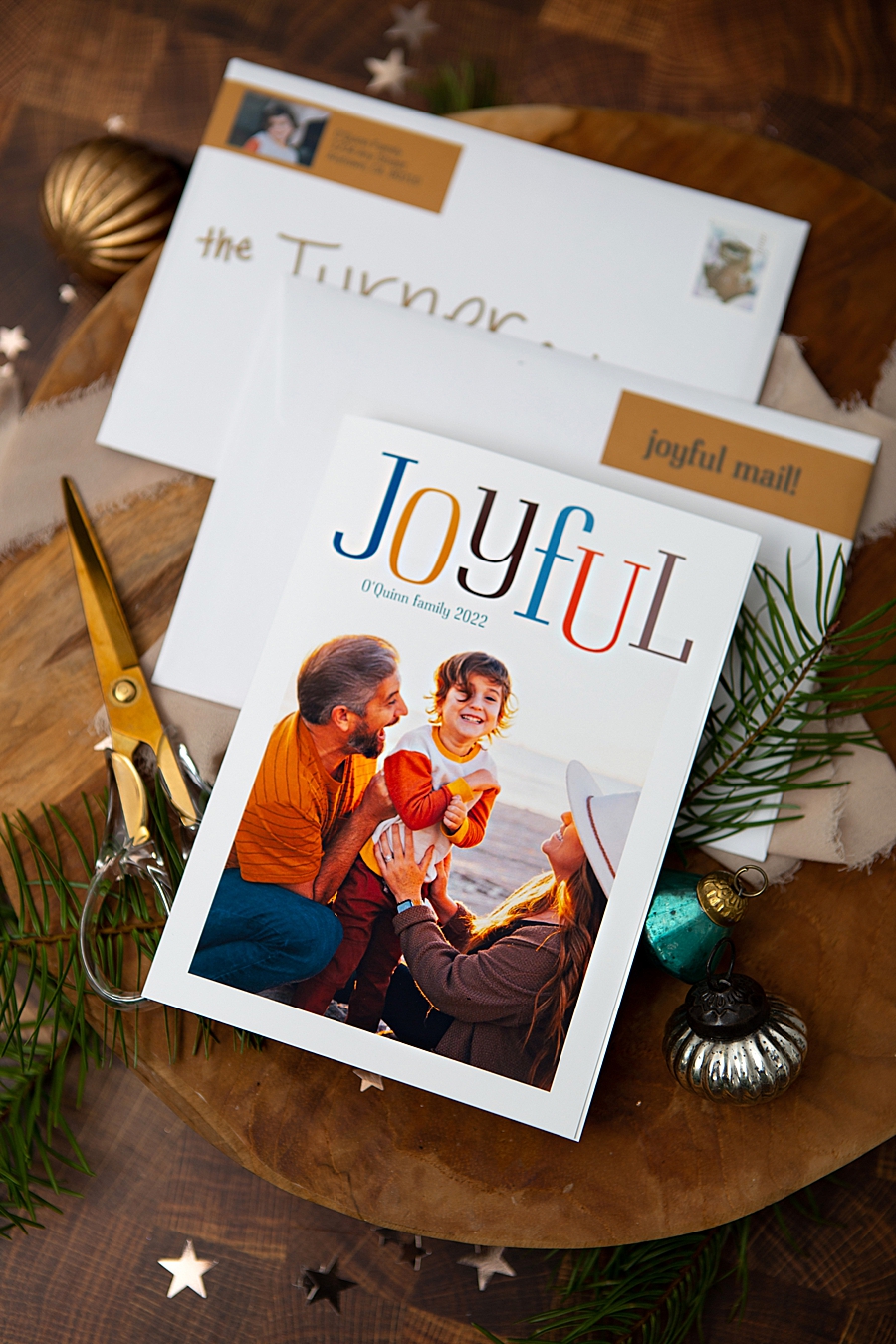
Furthermore, the on-demand model addresses the issue of waste. Traditional retail models rely on overstocking various designs, many of which remain unsold and are eventually liquidated or destroyed. Home printing allows for the exact number of cards needed to be produced, reducing paper waste. Additionally, the ability to print matching address labels and interior sentiments in a single workflow reduces the need for additional decorative stickers or secondary inserts.
Professional Analysis of Design Trends
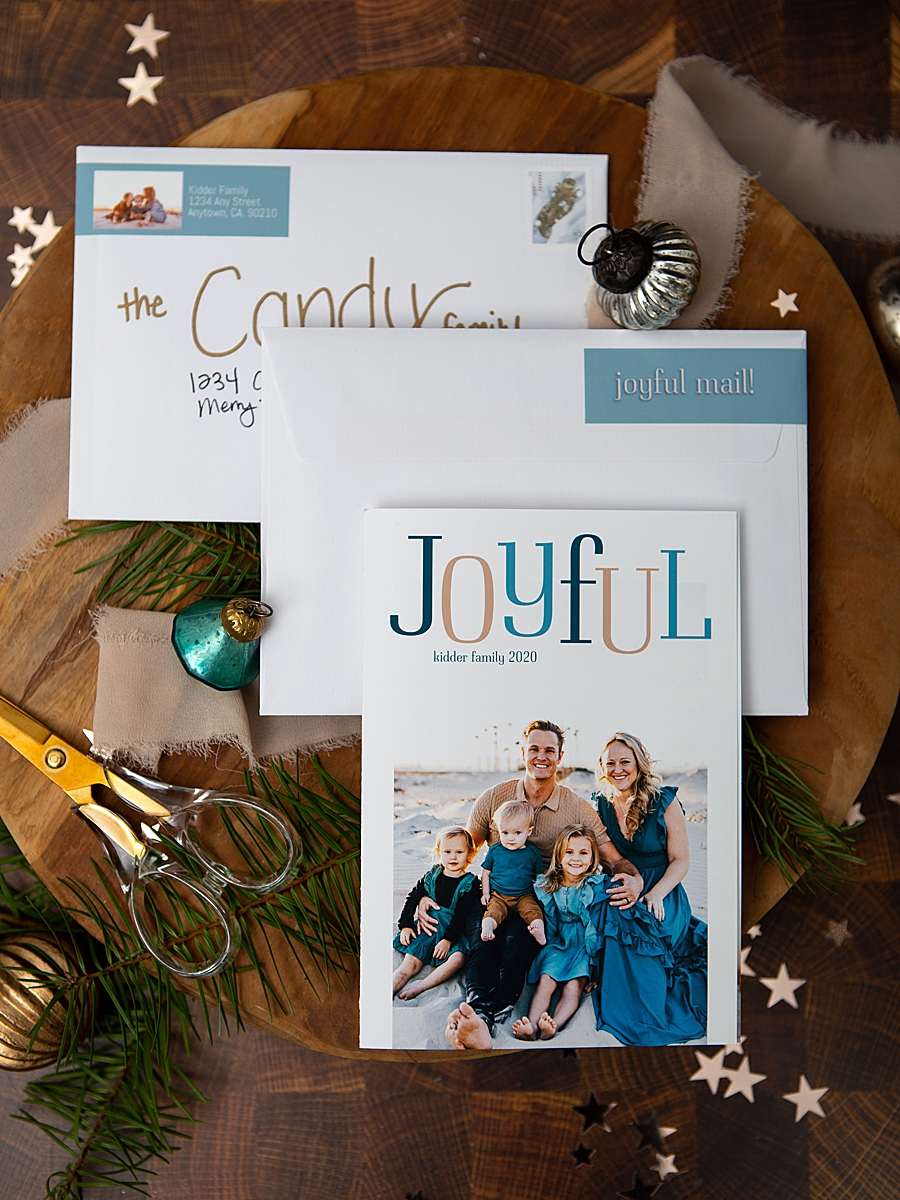
Current design trends in the stationery industry favor "versatile minimalism." This is reflected in the vertical and horizontal options provided in the Canon-sponsored designs. The flexibility to change the color of a single word, such as "Joyful," to match a specific sweater or background element in a family photo is a micro-trend that highlights the consumer’s desire for aesthetic cohesion.
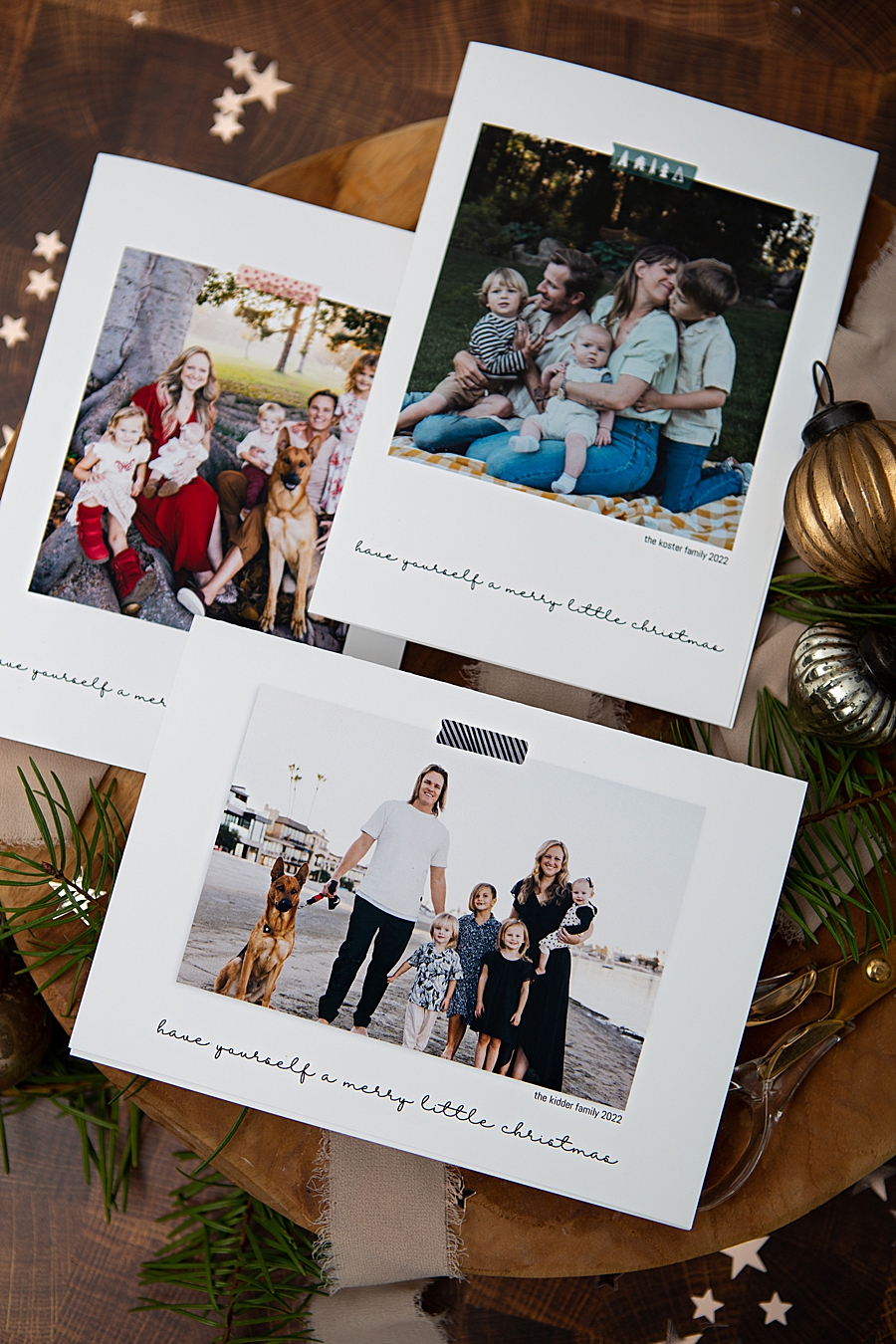
Industry experts note that the inclusion of "matching address labels" is a strategic move to provide a "concierge" experience at home. This holistic approach to the envelope-and-card ensemble reflects the standards of luxury stationery brands. By utilizing tools such as the Fiskars paper trimmer and metallic Sharpies, as suggested in the DIY tutorial, users are able to achieve a level of finish that belies the home-made nature of the product.
Statements and Inferred Industry Reactions
While official statements from Canon U.S.A., Inc. emphasize the brand’s pride in allowing consumers to "create and preserve beautiful imagery from capture to print," the broader industry reaction has been one of adaptation. Competitors in the printing space have also begun to lean into the "crafting" and "DIY" labels, recognizing that the standard home office market is saturated.
The success of influencer-led collaborations, such as the one with Something Turquoise, demonstrates a shift in marketing strategy. Rather than focusing solely on technical specifications like DPI (dots per inch) or print speeds, manufacturers are highlighting "lifestyle integration" and "creative empowerment." This suggests that the future of the printer market lies not in utility alone, but in the printer’s role as a creative tool within the hobbyist ecosystem.
Broader Impact on Personal Communication
The resurgence of the physical card, empowered by home technology, suggests a psychological resistance to the ephemeral nature of digital communication. A physical card, printed on double-sided matte photo paper, serves as a tangible artifact of a specific moment in time. In an era of "digital fatigue," receiving a high-quality, personalized card in the mail carries a higher social value than a digital greeting.
The democratization of design through platforms like Corjl and the accessibility of professional-grade printers mean that the "professional look" is no longer gatekept by high costs or minimum order quantities. This allows families of all sizes and backgrounds to participate in a tradition with a level of creative expression that was previously unattainable.
As the holiday season approaches, the integration of these technologies—printer hardware, specialized media, and customizable cloud software—will likely continue to redefine the boundaries of the DIY sector. The project spearheaded by Jen Causey-Kidder and Canon serves as a blueprint for the modern holiday card: a blend of high-tech precision and personal, "handmade" sentiment. Through the use of shared hashtags like #somethingturquoisediy, the community aspect of crafting is further reinforced, turning a solitary printing task into a shared social experience. This evolution ensures that while the methods of production change, the cultural significance of the holiday greeting remains firmly intact.