



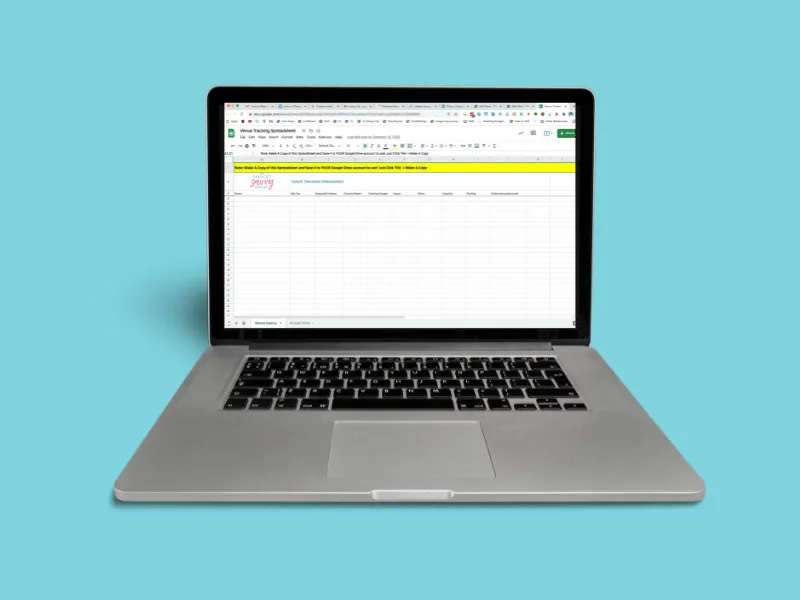
The journey to the altar is often paved with dreams of picturesque settings and joyful celebrations, yet beneath the romance lies a complex financial landscape, with the wedding venue typically representing the single largest expenditure. Couples frequently find themselves overwhelmed after touring multiple potential locations, grappling with a myriad of details ranging from corkage fees to capacity limits, often leading to confusion about which option truly aligns with their vision and, crucially, their budget. This predicament underscores the vital necessity of a structured approach, specifically the implementation of a dedicated wedding venue comparison spreadsheet, transforming a potentially chaotic decision-making process into a clear, data-driven assessment.
The Economic Landscape of Modern Weddings and the Venue’s Centrality
In an era of escalating wedding costs, meticulous financial planning has never been more critical. Recent industry reports, such as those from The Knot’s annual wedding studies, indicate that the average cost of a wedding in the United States hovers around $30,000, with significant regional variations. A substantial portion of this budget—typically ranging from 40% to 50%—is directly allocated to the venue and catering combined. This makes the selection of the wedding venue not merely an aesthetic choice but a foundational financial decision that profoundly impacts every subsequent aspect of the wedding, from the guest list size and the overall thematic "vibe" to the remaining funds available for photography, floral arrangements, and even the honeymoon.
The venue selection dictates the wedding date, establishes the maximum guest count due to space constraints, and often influences the choice of other vendors, particularly if the venue has exclusive partnerships or preferred vendor lists. Without a systematic method for evaluating these options, couples risk making an emotionally charged decision that could lead to significant budget overruns or compromises on other desired elements. A comprehensive spreadsheet serves as an objective ledger, allowing for a side-by-side comparison that distills subjective impressions into quantifiable data, thereby facilitating a confident and informed choice.
The Challenge of Venue Selection: A Chronology of Overwhelm
The typical venue search often commences with an enthusiastic burst of online research, compiling a list of promising locations. This initial phase, while exciting, quickly gives way to the logistical complexities of scheduling tours and engaging with venue coordinators. A common chronology unfolds as follows:
- Initial Research (Weeks 1-2): Couples browse websites, social media, and bridal magazines, compiling a preliminary list of 10-20 venues based on visual appeal and rough location. This stage is primarily about casting a wide net and identifying potential contenders.
- Initial Inquiries (Weeks 2-3): Email or phone inquiries are sent to gather basic availability and pricing information, often revealing a wide spectrum of initial quotes. This initial filter helps narrow down options that are either unavailable or significantly outside the preliminary budget.
- Venue Tours (Weeks 3-6): Multiple visits are scheduled, often over several weekends. Each tour, lasting an hour or more, involves discussions with venue staff, visual assessments of the space, and absorption of a vast amount of information about packages, policies, and possibilities. The immersive nature of tours can make objective comparison challenging.
- Post-Tour Recall (Ongoing): As the number of toured venues grows, specific details begin to blur. Was it the rustic barn that offered an open bar, or the elegant hotel? Which one had a strict 10 PM curfew, and which included linens? This mental fog is precisely where critical details like corkage fees, service charges, and guest capacity limits get lost or misremembered, leading to potentially flawed decision-making.
This chronological progression highlights the increasing difficulty of accurate recall and comparison without a dedicated tool. The emotional resonance of a beautiful space can easily overshadow pragmatic considerations, leading to potential regret later in the planning process when contracts are signed and deposits made.

Structuring for Clarity: What a Robust Spreadsheet Must Track
To counteract the inherent challenges of venue comparison, a well-designed spreadsheet becomes an indispensable ally. Its primary function is to standardize the data collection process, ensuring an "apples-to-apples" comparison across all potential venues. Each row typically represents a unique venue, while columns are dedicated to specific data points.
Core Data Points: The Foundation for Comparison
Beyond the immediate visual appeal, several fundamental details are crucial for initial screening and logistical planning:
- Venue Name: A clear and consistent identifier for each potential location.
- Location/Address: Essential for guest accessibility, travel time, and potential accommodation needs. Proximity to airports or major highways can be a significant factor for out-of-town guests.
- Contact Information: Names, phone numbers, and email addresses for the primary contact person, facilitating seamless follow-up questions.
- Maximum Capacity (Ceremony/Reception): Critical for accommodating the anticipated guest list while adhering to fire safety regulations and ensuring guest comfort. Understanding both seated and standing capacities for different event components (e.g., cocktail hour vs. seated dinner) is vital.
- Availability (Desired Date/Season): Many popular venues book 12-18 months in advance, especially for peak season Saturdays. Knowing if preferred dates are open, or what alternative dates exist, is paramount. This column should also note any flexibility the venue offers for off-peak dates or weekdays, which often come with significant discounts.
- Venue Type: Categorization (e.g., historical estate, modern hotel ballroom, rustic barn, urban restaurant, outdoor garden, industrial loft) helps in comparing similar styles and aligning with the couple’s overall wedding aesthetic.
- Website Link: Provides quick access to online resources for visual review, photo galleries, and additional details.
- Initial Impression/Vibe Score (1-5): A subjective but useful metric to capture the immediate emotional response and aesthetic appeal, offering a qualitative counterpoint to the quantitative data.
The Financial Columns: Unveiling the True Cost
This section is where the spreadsheet truly earns its keep, moving beyond the "sticker price" to reveal the comprehensive financial commitment. The number a venue initially quotes is rarely the final figure, and the gap between the two is a common source of budget strain.
- Base Rental Fee: This can vary significantly based on day of the week (Saturdays in peak season are typically highest), time of day, and duration of rental. It’s crucial to ensure all quotes are for the same parameters (e.g., 6 hours on a Saturday evening).
- Catering Costs (Per Person): Many venues offer in-house catering or have exclusive caterers. This figure often includes food, basic non-alcoholic beverages, and sometimes service staff. It’s important to understand the tiered pricing for different menu options.
- Beverage/Bar Package (Per Person or Flat Rate): Details such as open bar options (premium, standard, beer/wine only), consumption-based billing, or cash bar policies. Clarify if bartenders are included or an additional charge.
- Service Charge/Gratuity: This is often a percentage (e.g., 18-25%) added to the total food and beverage bill. It’s distinct from sales tax and sometimes covers staff wages, but isn’t always fully distributed as gratuity to individual staff members. Clarification on its distribution is key.
- Sales Tax: Applied to rental fees, food, and beverages, varying by state and local jurisdiction. This can add a significant percentage to the overall cost.
- Required Rentals: What’s explicitly included (e.g., standard tables, chairs, basic linens, dinnerware, glassware) versus what needs to be rented separately. Any desire for specialty items will add to this category.
- Setup/Teardown Fees: Some venues charge extra for the labor involved in preparing and dismantling the event space, especially if it requires significant transformation or is outside standard operating hours.
- Security Deposit: A refundable fee to cover potential damages to the venue or property, typically returned post-event if no issues arise.
- Insurance Requirement: Many venues mandate event liability insurance, which is an additional cost for the couple, often purchased through a third-party insurer.
- Estimated Total Cost: A calculated sum of all known expenses, including fees and taxes, allowing for a clear "all-in" figure per venue. This is the most critical number for comparison.
Deciphering the Details: Essential Questions for Every Tour
Walking into a venue tour armed with a predefined list of questions is paramount to filling the spreadsheet accurately and avoiding post-tour blanks. This acts as a comprehensive "wedding venue comparison checklist." Key inquiries should include:

- What is explicitly included in the base rental fee? (e.g., tables, chairs, basic linens, sound system, bridal suite access, parking).
- Are there different pricing tiers for different days of the week, seasons, or specific holidays? How flexible are these rates?
- What are your catering options? (In-house, preferred vendor list, or open catering policy). If external catering is allowed, are there kitchen access fees, insurance requirements for caterers, or vendor restrictions?
- What are the full details of your bar packages? (Duration, types of alcohol included, bartender fees, and any restrictions on serving times). What is the policy on outside alcohol and associated corkage fees?
- What are the total service charges and applicable sales tax? It is crucial to get these figures in writing to calculate the true cost.
- Are there any minimum spend requirements for food and beverage that must be met?
- What is the duration of the rental period? (Including allocated time for vendor setup and teardown). Are there overtime fees for exceeding this period?
- What is your cancellation policy and payment schedule, including deposit requirements and final payment due dates?
- Do you require event liability insurance, and if so, what are the coverage minimums?
- Are there any restrictions on decorations (e.g., open flames, glitter, hanging items), sound levels, or vendor choices?
- Is there dedicated parking for guests and vendors, and is it complimentary or an additional charge?
- What is your inclement weather plan for outdoor spaces, including contingency options and associated costs?
- Are there changing facilities for the bridal party, and is access guaranteed for the duration of the event?
- What is the typical staff-to-guest ratio for events of our size, and what specific roles do they cover (e.g., servers, bartenders, event manager)?
The Peril of the Unseen: Unmasking Hidden Fees
One of the most insidious threats to a wedding budget is the proliferation of "hidden fees." These are charges that are often not included in initial quotes and can significantly inflate the final bill if not explicitly inquired about. A dedicated column in the spreadsheet for each potential hidden fee can prevent substantial financial surprises:
- Cake Cutting Fee: A charge for venue staff to cut and serve the wedding cake, often ranging from $1 to $5 per slice. While seemingly minor, this can add hundreds of dollars for larger weddings.
- Corkage Fee: If you bring your own alcohol (where permitted), venues may charge a fee per bottle opened to cover service, glassware, and chilling. This can significantly impact beverage costs.
- Valet Parking/Coat Check: Sometimes optional, but for larger events, venues might mandate these services, adding a per-car or per-guest charge that was not initially anticipated.
- Chair/Linen Upgrades: The "included" options are often basic. Any desire for specialty chairs, premium tablecloths, or unique napkins can incur significant additional rental costs.
- Audiovisual Equipment: Microphones, projectors, screens, specialized lighting, and sound systems often come with separate rental fees and technician charges, especially if not using the venue’s preferred AV company.
- Vendor Meals: It’s customary to provide meals for photographers, videographers, DJs, and planners. These are often charged at a reduced rate but are still an additional, often overlooked, cost.
- Early Setup/Late Teardown Fees: If vendors need access outside the standard rental window (e.g., florists setting up the day before, or decorators needing extra hours after the event), extra hourly charges may apply.
- Mandatory Security Personnel: Some venues, particularly for larger gatherings, late-night events, or those serving alcohol, require paid security guards, a cost passed directly to the couple.
- Restroom Attendants: A luxury service sometimes included in high-end packages, but occasionally an optional add-on with a fee.
- Cleaning Fees: While some venues include basic cleaning in the rental, excessive mess, glitter usage, or specific requirements for waste removal might incur additional charges.
By meticulously tracking these potential costs in writing, couples can accurately compare an "affordable" barn venue with an "all-inclusive" hotel, discovering that their real total costs might surprisingly align or even swap positions. This foresight is critical for preventing budgets from "quietly blowing up."
Leveraging the Spreadsheet for Decisive Action
Once the spreadsheet is populated with comprehensive data, the process of comparison and decision-making becomes significantly streamlined.
Weighting Priorities and Value Assessment:
The first step in leveraging the data is to critically evaluate what matters most to the couple. If a breathtaking outdoor ceremony space is the paramount dream, a slightly higher rental fee might be justifiable. Conversely, if an exceptional culinary experience is the priority, allocating a larger portion of the budget to catering might lead to a venue choice that offers more flexibility in that area, even if its aesthetics are less dramatic. The spreadsheet allows for a transparent view of these trade-offs, enabling couples to assign subjective "scores" or "weights" to different criteria alongside the objective costs.
**Cost