
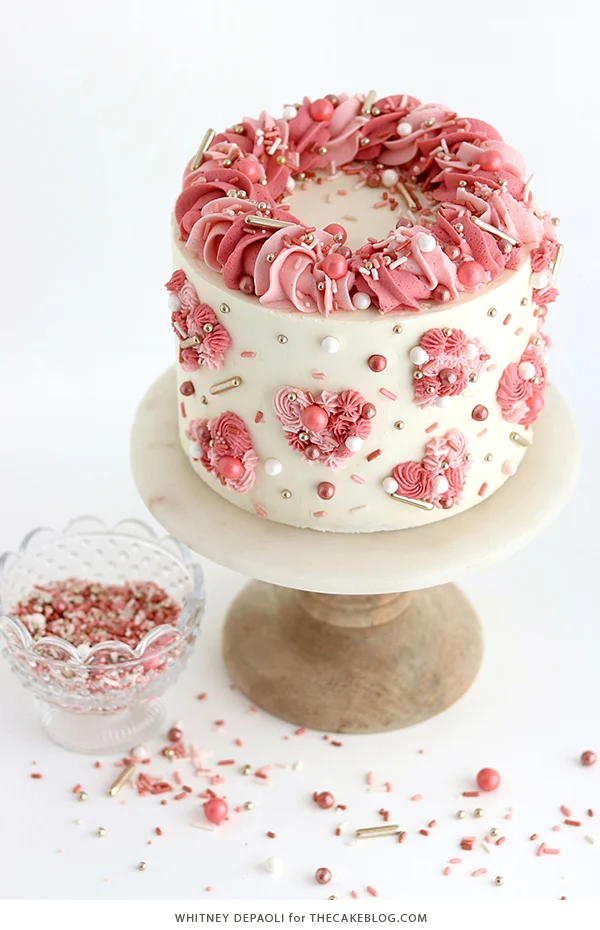
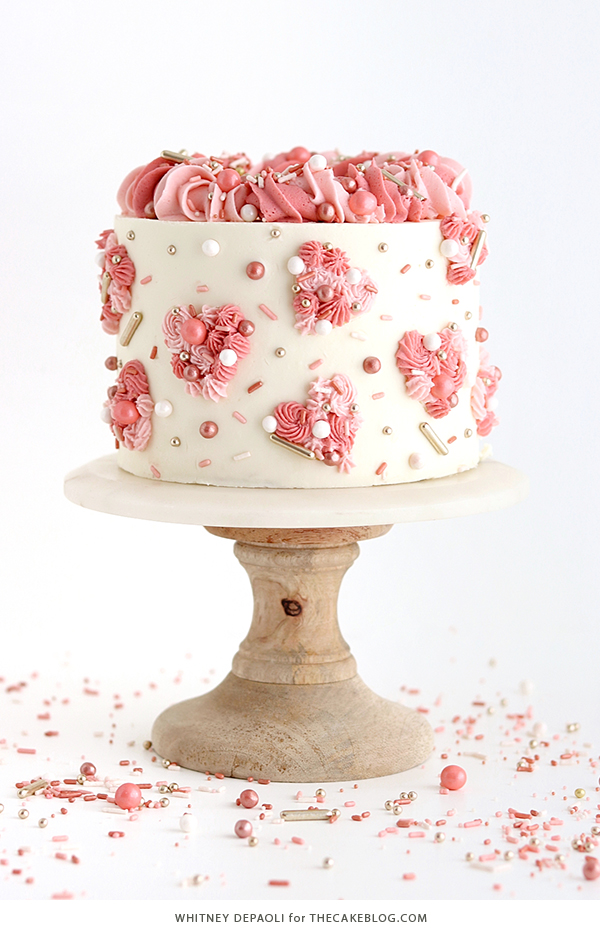
The landscape of holiday confectionery is undergoing a significant transformation as artisanal techniques once reserved for professional pastry chefs become increasingly accessible to home bakers. A new instructional guide released by Whitney DePaoli, a prominent contributor to the culinary platform The Cake Blog, outlines a sophisticated method for creating a Piped Hearts Valentine’s Cake. This technique, which prioritizes texture and a modern color palette, represents a shift away from traditional smooth-surfaced cakes toward a more tactile, three-dimensional aesthetic. The tutorial leverages a "stamp and fill" methodology that allows decorators to achieve high-precision results through the use of common household tools and specific buttercream applications.
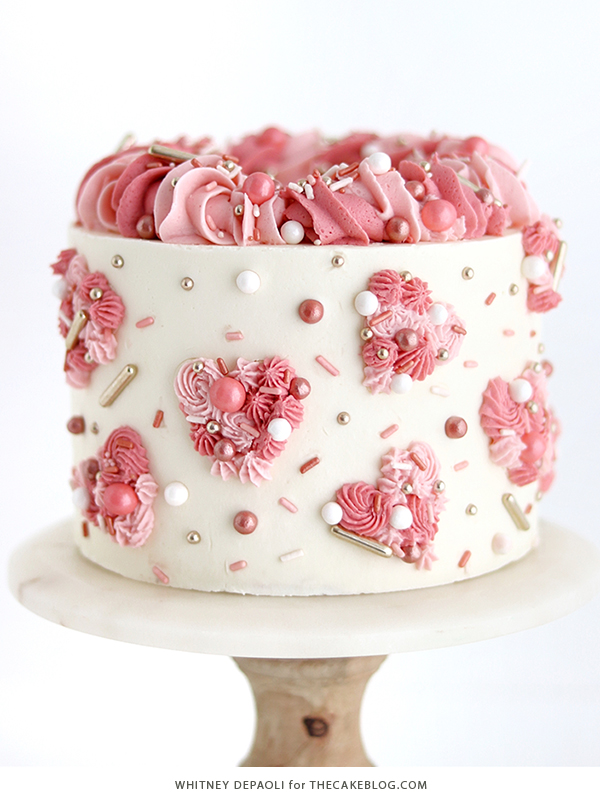
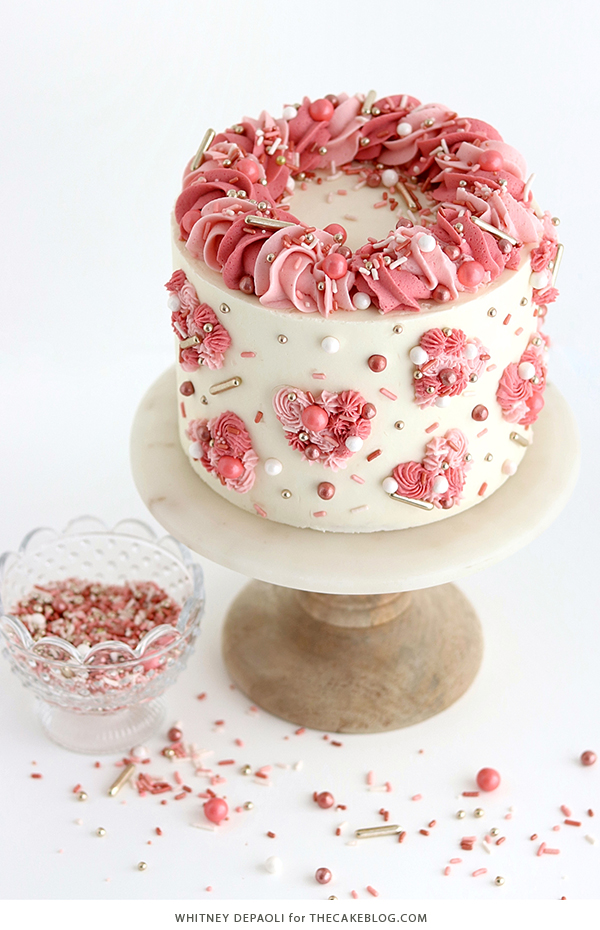
This modern approach to Valentine’s Day aesthetics moves beyond the conventional bright red and white motifs, instead favoring a sophisticated "rose gold" palette. By utilizing a combination of varied piping tips—specifically the 1M, 199, and 21—and a strategic arrangement of edible accents, the design offers a versatile template for both romantic celebrations and the burgeoning "Galentine’s Day" market. Industry analysts suggest that the democratization of these techniques is a direct result of the "Instagrammization" of the baking industry, where visual complexity and shareability drive consumer interest.
Evolution of the Textured Buttercream Movement
The "Piped Hearts" technique is part of a broader trend within the baking community known as the textured buttercream movement. Traditionally, high-end cake design relied heavily on fondant—a sugar paste that provides a porcelain-smooth finish but is often criticized for its flavor and chewy texture. Over the last decade, however, there has been a resurgence in buttercream artistry. The current trend emphasizes "shag" techniques, palette knife painting, and intricate piping that celebrates the medium’s natural versatility.
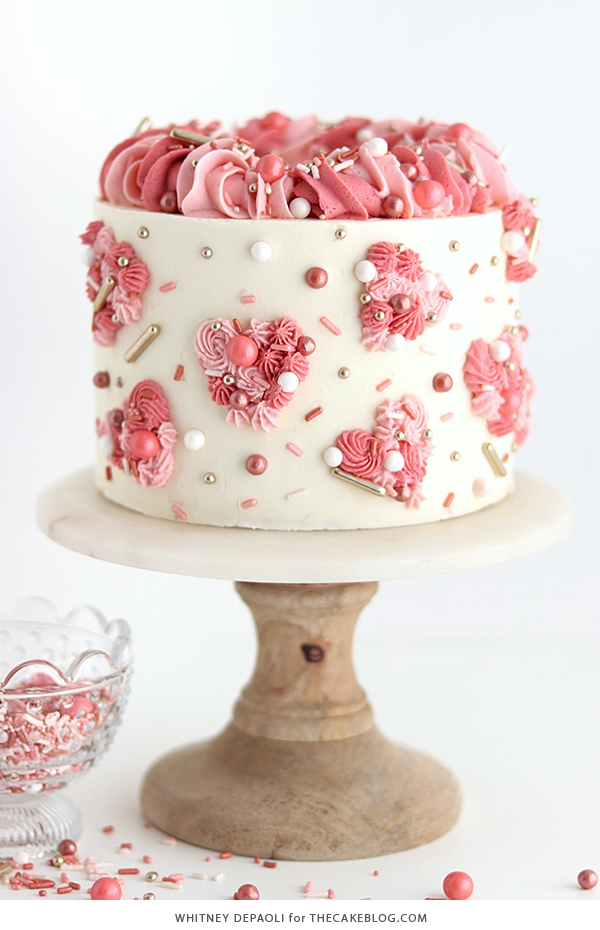
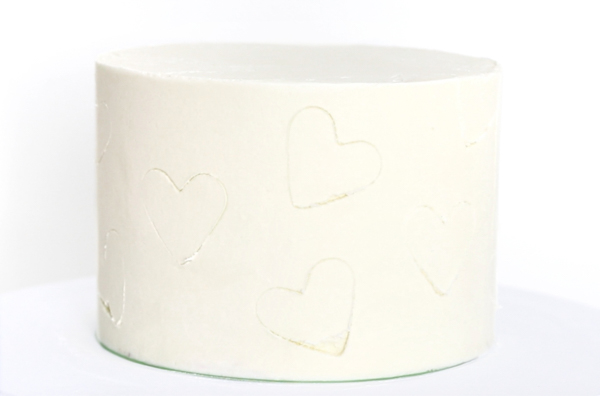
DePaoli’s tutorial cites inspiration from influential social media creators, specifically the Instagram-based baker known as @frostedfujicakes. This cross-pollination of ideas across digital platforms has accelerated the pace of innovation in the cake decorating industry. What was once a slow progression of styles has become a rapid-fire exchange of techniques. The "imprinting" method, where a cookie cutter is used to create a faint guide on a chilled cake surface, is a hallmark of this new era of precision-based home baking. It mitigates the risk of freehand errors, making professional-grade designs achievable for hobbyists.
Technical Methodology and Material Specifications
The construction of the Piped Hearts Valentine’s Cake relies on a specific sequence of mechanical steps designed to ensure structural integrity and visual depth. The process begins with a base-coated cake that has been thoroughly chilled. This "crumb coat" and final smooth layer provide a stable canvas for the subsequent decorative elements.
The Imprinting Process
The primary innovation in this design is the use of a heart-shaped cookie cutter as a stencil. By pressing the cutter lightly into the cold buttercream, the baker creates a guide that dictates the placement of the decorative piping. This step is crucial for maintaining symmetry and spacing across the vertical and horizontal planes of the cake. Professional recommendations suggest spacing these imprints at least two inches apart to prevent a "crowded" visual effect, which can detract from the individual texture of the piped hearts.
Buttercream Dynamics
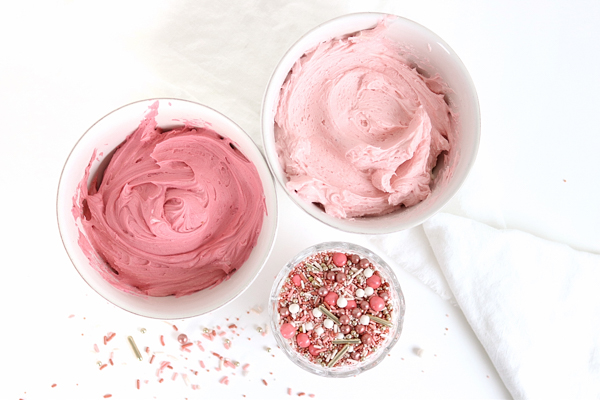
While the tutorial utilizes American Buttercream—a mixture of butter and confectioners’ sugar known for its stability and crusting properties—the technique is adaptable to Swiss Meringue or Italian Meringue varieties, provided they are properly tinted. The use of gel-based food coloring, such as Americolor’s Dusty Rose, is emphasized over liquid dyes. Gel colors allow for intense saturation without altering the chemical consistency of the frosting, which is vital for maintaining the sharp peaks of the rosettes and stars.
Piping Tip Selection
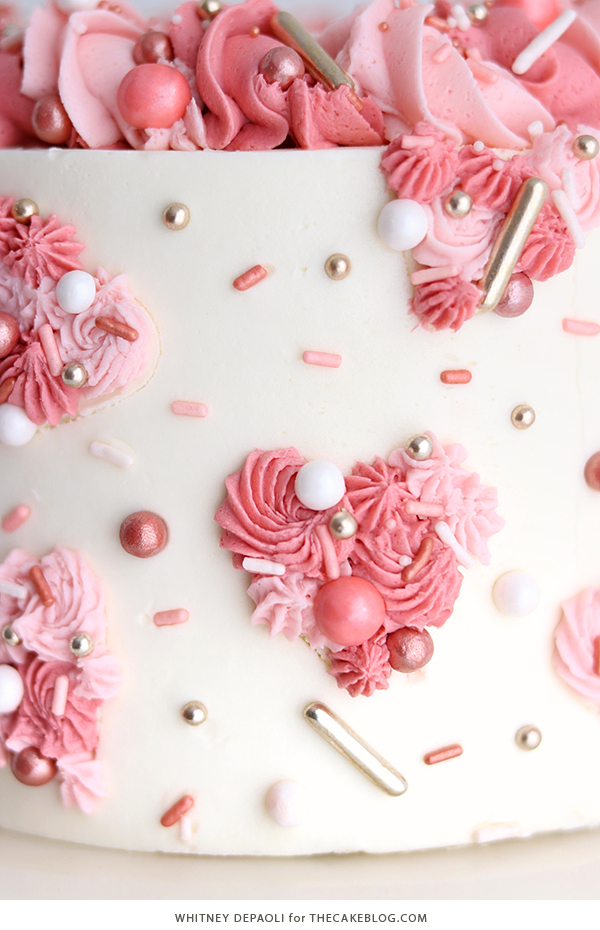
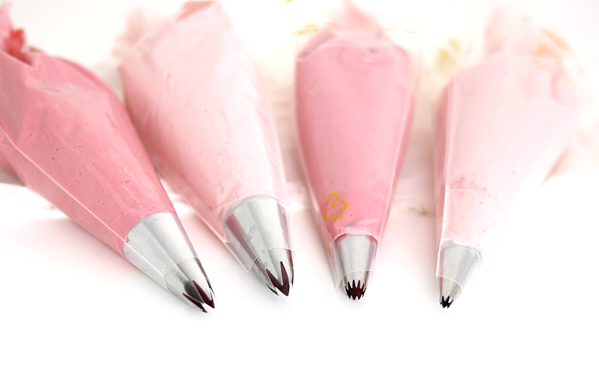
The visual complexity of the hearts is achieved through a trio of piping tips:
- The 1M Tip: An open star tip used to create classic rosettes.
- The 199 Tip: A small open star tip that produces finer, more frequent ridges.
- The 21 Tip: A versatile star tip used for filling smaller gaps and creating varied star shapes.
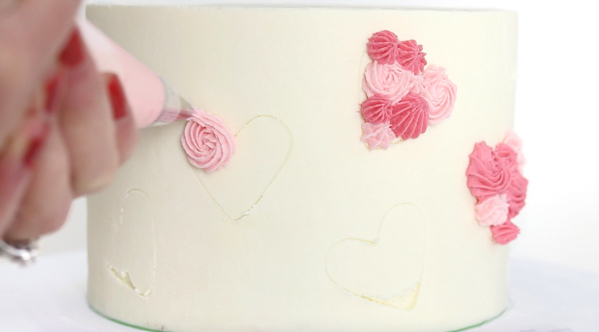
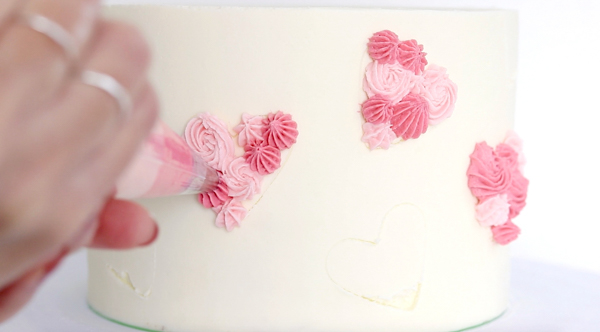
By alternating these tips within the confines of the imprinted heart, the decorator creates a "collage" effect. The addition of sprinkles serves a dual purpose: it fills microscopic gaps where the cake base might be visible and introduces a fourth dimension of texture through various shapes and metallic finishes.
Economic Impact and Seasonal Market Data
The release of such tutorials coincides with the peak of the Valentine’s Day retail season, a period that sees a massive influx of spending in the confectionery and DIY sectors. According to data from the National Retail Federation (NRF), Valentine’s Day spending in the United States alone often exceeds $20 billion annually. While jewelry and dining out traditionally top the list, "candy and food items" consistently rank as the most popular gift category, purchased by over 50% of consumers.
The "DIY economy" has seen a significant uptick since 2020, with the global cake decorating supplies market projected to grow at a compound annual growth rate (CAGR) of over 5% through 2028. This growth is fueled by the availability of online tutorials and the psychological shift toward "experience-based" gift-giving. A hand-decorated cake is increasingly viewed as having higher sentimental value than a mass-produced store-bought alternative.
Furthermore, the "Galentine’s Day" phenomenon—celebrated on February 13th to honor female friendships—has expanded the target demographic. Marketing data suggests that younger consumers (Gen Z and Millennials) are more likely to engage in group baking activities, making versatile designs like the Piped Hearts cake a centerpiece for social gatherings rather than just intimate romantic dinners.
Regulatory and Safety Considerations in Confectionery
A notable inclusion in the modern baking discourse is the safety of decorative elements, particularly metallic accents known as dragees. DePaoli’s tutorial includes a cautionary note regarding gold and silver rods and spheres. While these items are widely sold as "cake decorations," the U.S. Food and Drug Administration (FDA) has historically maintained a complex stance on their consumption.
Most metallic dragees are coated in real silver or gold leaf or a food-safe metallic pigment. However, because they are often hard enough to pose a potential dental risk or contain trace amounts of metals not approved as "nutrients," they are frequently labeled as "for decorative use only" in certain jurisdictions. The tutorial’s recommendation to instruct guests to remove certain elements before consumption reflects a growing trend of "informed decorating," where bakers prioritize guest safety alongside aesthetic appeal. This transparency is becoming a standard in professional-grade tutorials to mitigate liability and ensure a positive consumer experience.
Chronology of Modern Cake Trends
To understand the significance of the Piped Hearts design, one must look at the timeline of cake decorating trends over the last two decades:
- 2000–2010: The Fondant Era. Dominated by televised competitions like Cake Boss, where structural integrity and "sculpted" looks were paramount.
- 2011–2015: The Naked Cake. Popularized by Christina Tosi of Milk Bar, this trend focused on deconstructed aesthetics and visible cake layers.
- 2016–2019: The Drip Cake and Sprinkle Explosion. A move toward maximalism, featuring ganache drips and heavy use of custom sprinkle blends.
- 2020–Present: The Textured Buttercream and Retro Revival. A return to intricate piping (reminiscent of the 1970s Lambeth style) but with modern, muted color palettes and abstract textures.
The Piped Hearts Valentine’s Cake sits firmly in the current era, blending the precision of the Lambeth style with the abstract, organic feel of modern "shag" rugs.
Broader Implications for the Baking Industry
The success of Whitney DePaoli’s tutorial and similar content on The Cake Blog has broader implications for the culinary industry. Firstly, it challenges the traditional "gatekeeping" of professional techniques. As home bakers master these skills, professional bakeries are forced to innovate even further to justify premium pricing. This leads to a cycle of rapid creative evolution.
Secondly, the emphasis on specific tools—like the 1M tip or certain brands of food coloring—creates a significant "influencer effect" on the supply chain. When a major tutorial goes viral, retailers often see a surge in demand for the specific SKUs mentioned. This has led to a more integrated relationship between content creators and kitchenware manufacturers.
Finally, the adaptability of the design—moving from a rose gold Valentine’s theme to perhaps a pastel spring or a monochromatic winter look—highlights the shift toward sustainable, "evergreen" skills. Rather than learning a one-off recipe, modern bakers are being taught a modular design system that can be repurposed throughout the liturgical and secular calendar.
In conclusion, the Piped Hearts Valentine’s Cake is more than a seasonal treat; it is a manifestation of current economic, social, and technical trends in the culinary world. By combining the ease of a cookie-cutter stencil with the sophistication of varied piping techniques, it provides a roadmap for the future of home-based artisanal baking. As the line between professional and amateur continues to blur, the emphasis remains on high-quality ingredients, safety-conscious decorating, and the pursuit of a visually stunning, shared experience.