
Technical Methodology and Chronological Development
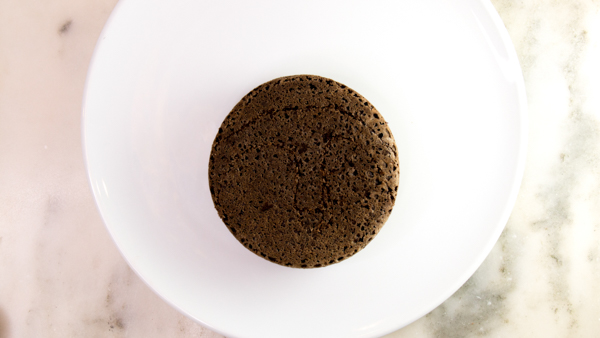
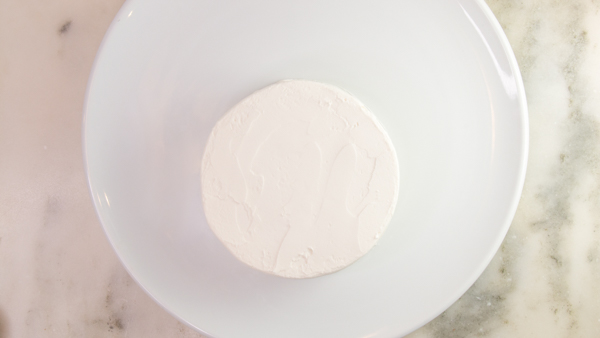
The construction of the penguin cake follows a rigorous, step-by-step protocol designed to accommodate bakers of varying skill levels. The process begins with the preparation of a standard cake base, which is subsequently encased in a thick layer of plain buttercream. According to technical standards in pastry arts, the thickness of the initial icing layer is critical, as it serves as the primary adhesive for the heavy volume of sprinkles required for the design. Gardner emphasizes that the smoothness of the buttercream is secondary to its structural integrity, as the eventual sprinkle coverage effectively masks any surface imperfections.
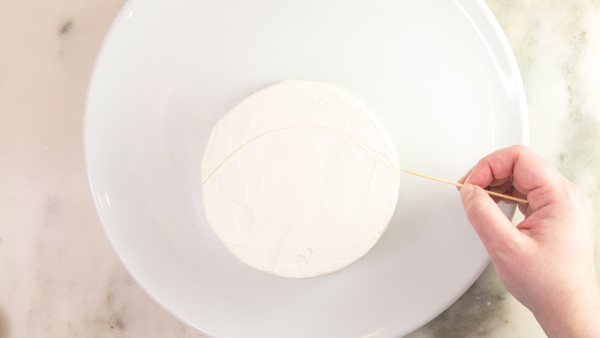
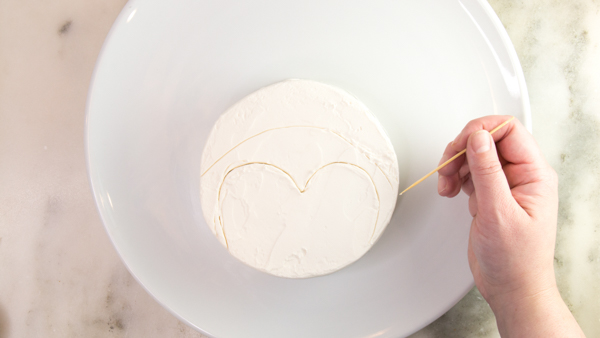
Once the base is prepared, the design phase involves a "sketching" process on the icing. Using a toothpick or skewer, the baker outlines a half-moon shape across the upper portion of the cake to designate the penguin’s hat, followed by an open-bottom heart shape to define the facial features. This architectural mapping ensures proportional accuracy before the permanent application of decorations.
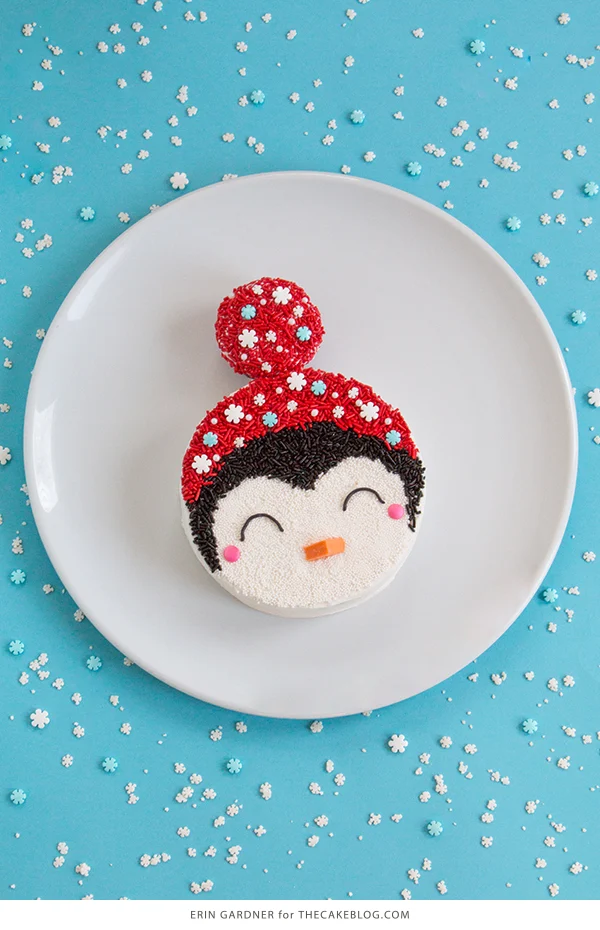
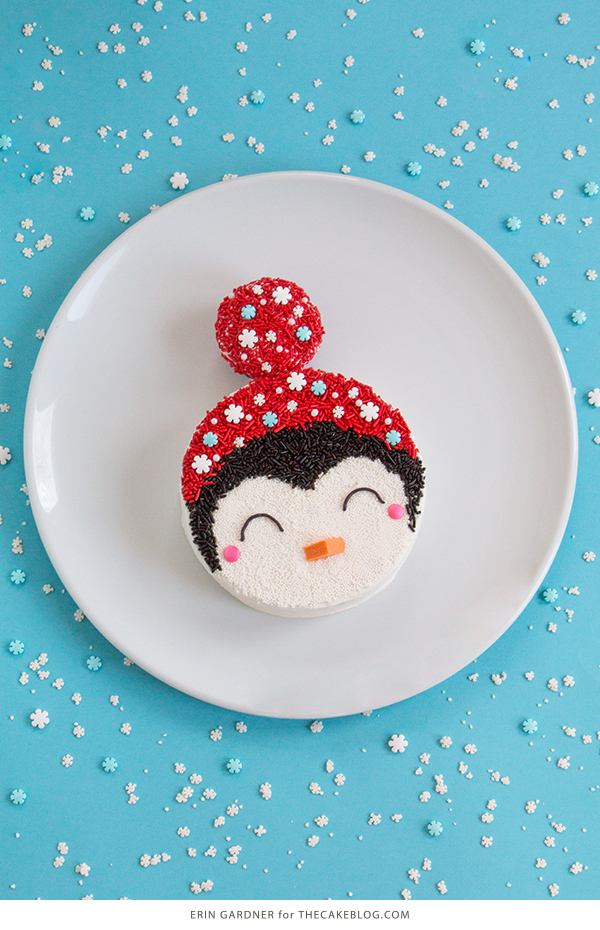
The application of the sprinkles follows a specific spatial logic. Gardner recommends beginning with the largest area—the penguin’s face—using white nonpareils. A spoon is utilized to distribute the sprinkles, while the back of the spoon serves as a smoothing tool. This is followed by the application of black sprinkles to represent the penguin’s "skin" or feathers, and red sprinkles for the hat area. To manage the environmental impact of the process, Gardner suggests placing the cake on a baking sheet to contain and reclaim excess sprinkles.
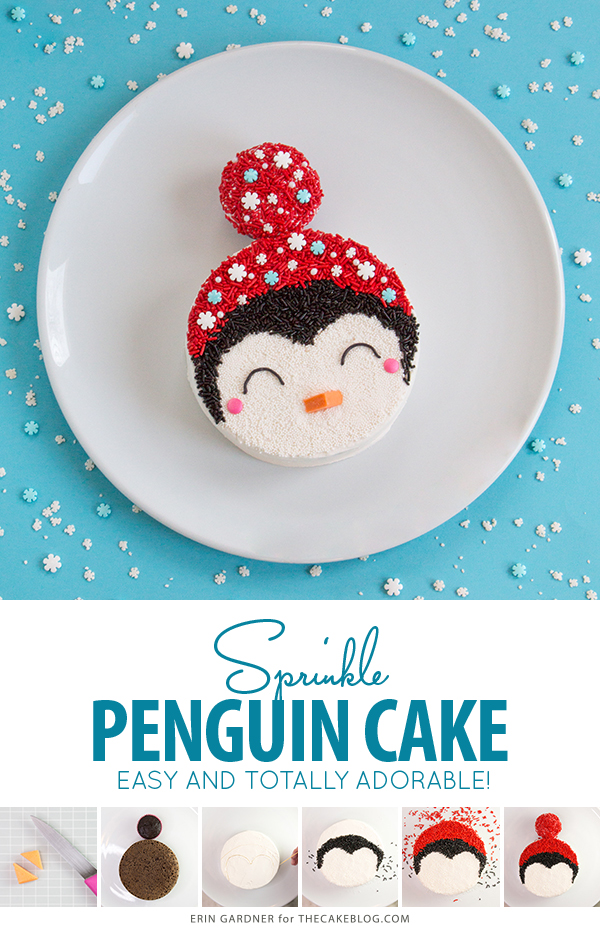
The final stage of the chronology involves the integration of three-dimensional elements and fine-line detailing. A cupcake, coated in red sprinkles to match the hat, is affixed to the platter with buttercream to serve as a pompom. Facial features are rendered through a combination of confectionery media: a Starburst candy is bisected diagonally to form a triangular beak, pink confetti sprinkles are positioned as cheeks, and black buttercream is piped through a small round tip to create semi-circular eyes.
Historical Context and Creative Lineage
The penguin cake is not an isolated design but is part of a broader evolution in modern cake decorating. It draws direct inspiration from Gardner’s "sprinkle girl" cakes, which gained popularity for their vibrant, textured appearances. This stylistic choice reflects a growing trend in the "kid-core" and "maximalist" baking movements, where traditional smooth fondant is replaced by high-density textures and bright, nostalgic colors.
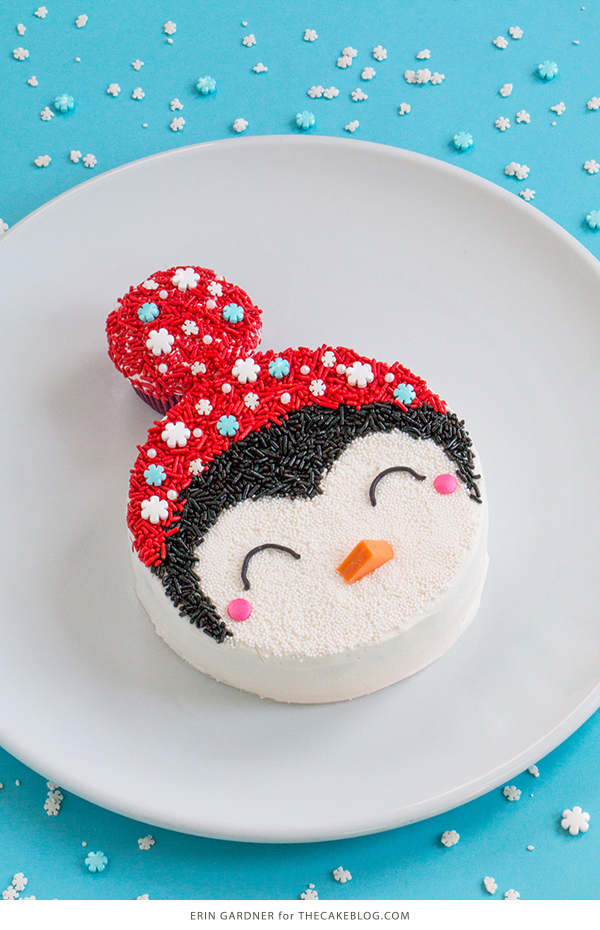
Erin Gardner, a frequent contributor to The Cake Blog and a respected figure in the professional baking community, has long advocated for designs that bridge the gap between professional-grade aesthetics and home-kitchen feasibility. Her work often focuses on "sprinkle art," a technique that allows for intricate detailing without the steep learning curve associated with complex sugar modeling or advanced airbrushing. By framing the penguin cake as part of a "fabulous sprinkle universe," Gardner creates a brand identity for her tutorials that encourages collectors and hobbyists to explore variations on a theme.
Market Trends and Supporting Data
The release of this tutorial coincides with a significant period of growth in the global home baking market. Market analysis indicates that the global bakery products market size was valued at approximately USD 416.7 billion in 2021 and is expected to expand at a compound annual growth rate (CAGR) of 5.1% through 2030. Within this sector, the demand for DIY decorating kits and tutorials has seen a marked increase, driven by the "creator economy" on platforms like Pinterest and Instagram.
Data from the American Bakers Association suggests that seasonal baking remains the most significant driver for consumer engagement. Winter-themed products, specifically those featuring animal motifs like penguins, polar bears, and reindeer, consistently outperform generic seasonal designs. Furthermore, the use of sprinkles as a primary decorating medium aligns with consumer preferences for "cleaner" alternatives to heavy fondant, which is often viewed as less palatable.
Technical Analysis of Materials and Stability
From a food science perspective, the penguin cake presents specific challenges regarding moisture and shelf stability. Sprinkles, which are primarily composed of sugar and cornstarch, are hygroscopic, meaning they absorb moisture from their environment. Gardner notes that sprinkles can soften over time when stored in a refrigerator due to the humidity levels of the cooling unit.
Consequently, the professional recommendation is to finalize the sprinkle application on the day of service to maintain the desired "crunch" and visual crispness. The storage of leftovers is dependent on the type of buttercream used; American buttercream, which has a high sugar content, is more stable at room temperature, whereas Swiss or Italian meringue buttercreams require refrigeration but may cause the sprinkles to "bleed" or soften more rapidly.
The use of secondary candies like Starburst for structural elements like the beak is a strategic choice. Taffy-based candies are malleable enough to be shaped but firm enough to maintain their profile against the weight of the surrounding sprinkles. This multi-media approach to decorating is a hallmark of contemporary "shortcut" baking, where pre-made candies are repurposed for professional results.
Official Responses and Expert Commentary
While official statements from major confectionery brands were not issued specifically for this tutorial, industry experts have noted the influence of The Cake Blog in shaping amateur baking trends. "Tutorials like Gardner’s penguin cake democratize the art of pastry," says a representative from a leading culinary institute. "By breaking down a complex visual into a series of sprinkle-filled zones, the barrier to entry is lowered, allowing home bakers to produce results that were previously reserved for high-end custom bakeries."
In her own commentary, Gardner emphasizes the versatility of the design. She suggests that the penguin can be customized with chocolate sunglasses, different hat colors, or alternative sprinkle shapes like stars or mini trees. This modular approach to recipe development is a key factor in the viral potential of digital tutorials, as it invites user participation and personalization.
Broader Impact and Implications for the Baking Industry
The proliferation of high-quality, free tutorials like the penguin cake has significant implications for the professional cake decorating industry. As home bakers become more proficient in advanced techniques, professional bakeries are being pushed to innovate further to justify premium pricing. Conversely, the "sprinkle art" movement has created a new niche for sprinkle manufacturers, who now produce "luxury" sprinkle blends specifically designed for these types of full-coverage cakes.
Furthermore, the penguin cake tutorial highlights the importance of video content in the modern culinary landscape. The inclusion of a video tutorial alongside written instructions caters to the "visual learner" demographic, which accounts for a substantial portion of the digital audience. This dual-format delivery is now considered the industry standard for successful food media outlets.
In conclusion, the penguin cake tutorial by Erin Gardner is more than a simple seasonal recipe; it is a manifestation of current trends in digital media, food science, and consumer behavior. By leveraging the visual appeal of sprinkles and the structural simplicity of a character-based design, Gardner has provided a blueprint for the modern holiday dessert. As the baking industry continues to evolve, the emphasis on accessible, highly shareable, and customizable content will likely remain the primary driver of engagement for both professional creators and the home-baking public. The "sprinkle universe" continues to expand, one adorable penguin at a time, proving that in the world of modern confectionery, texture and personality are just as important as taste.