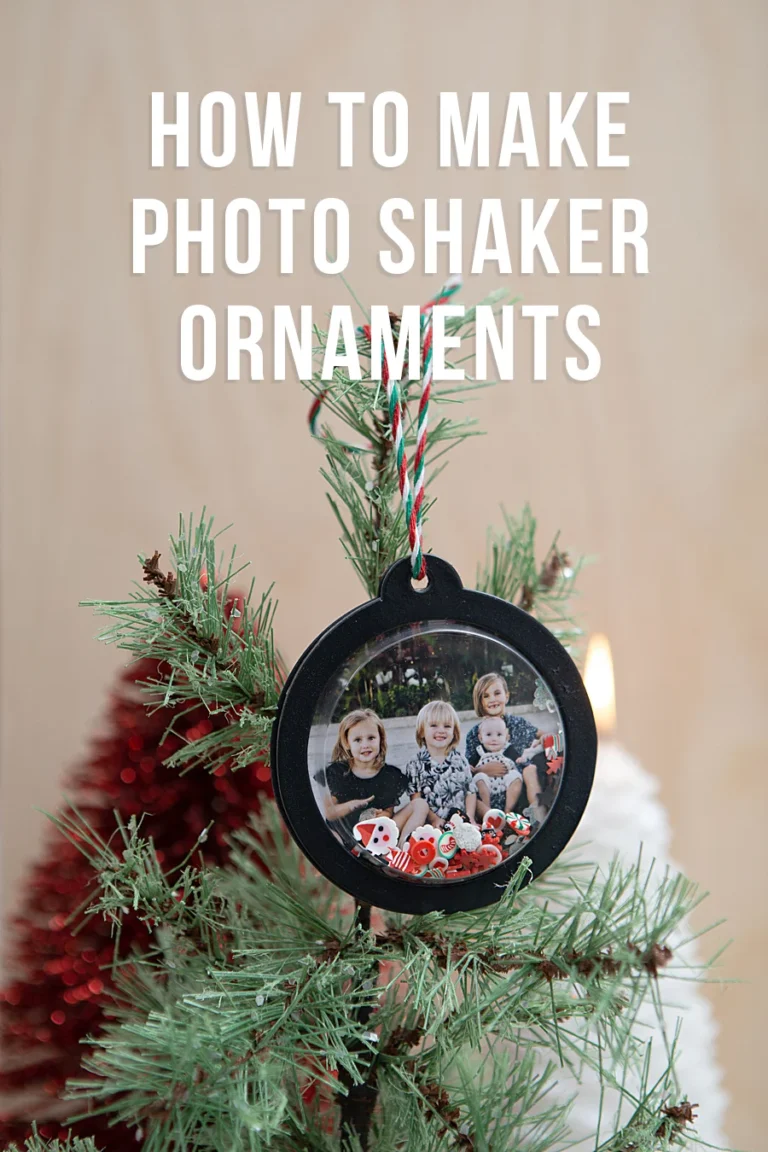



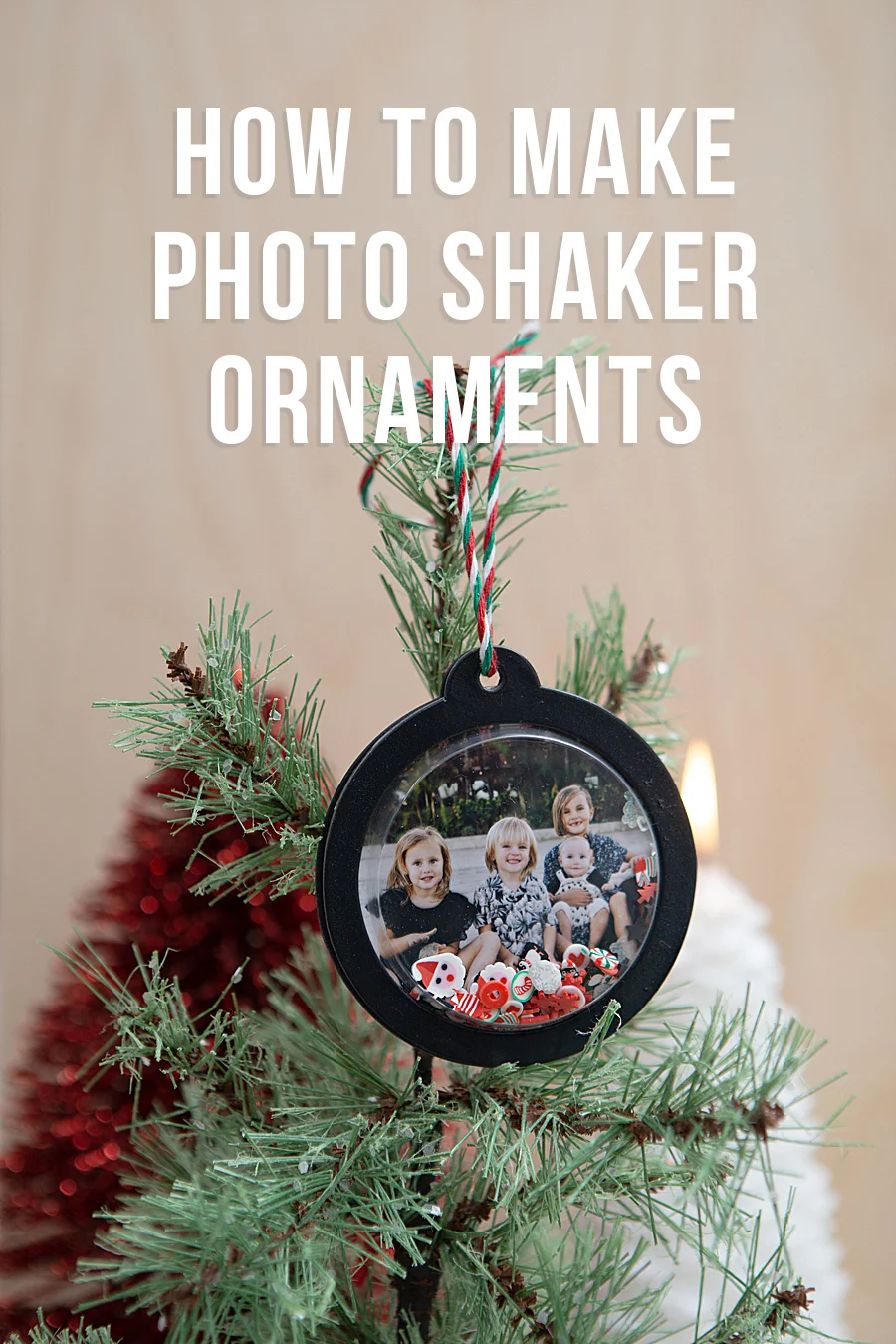
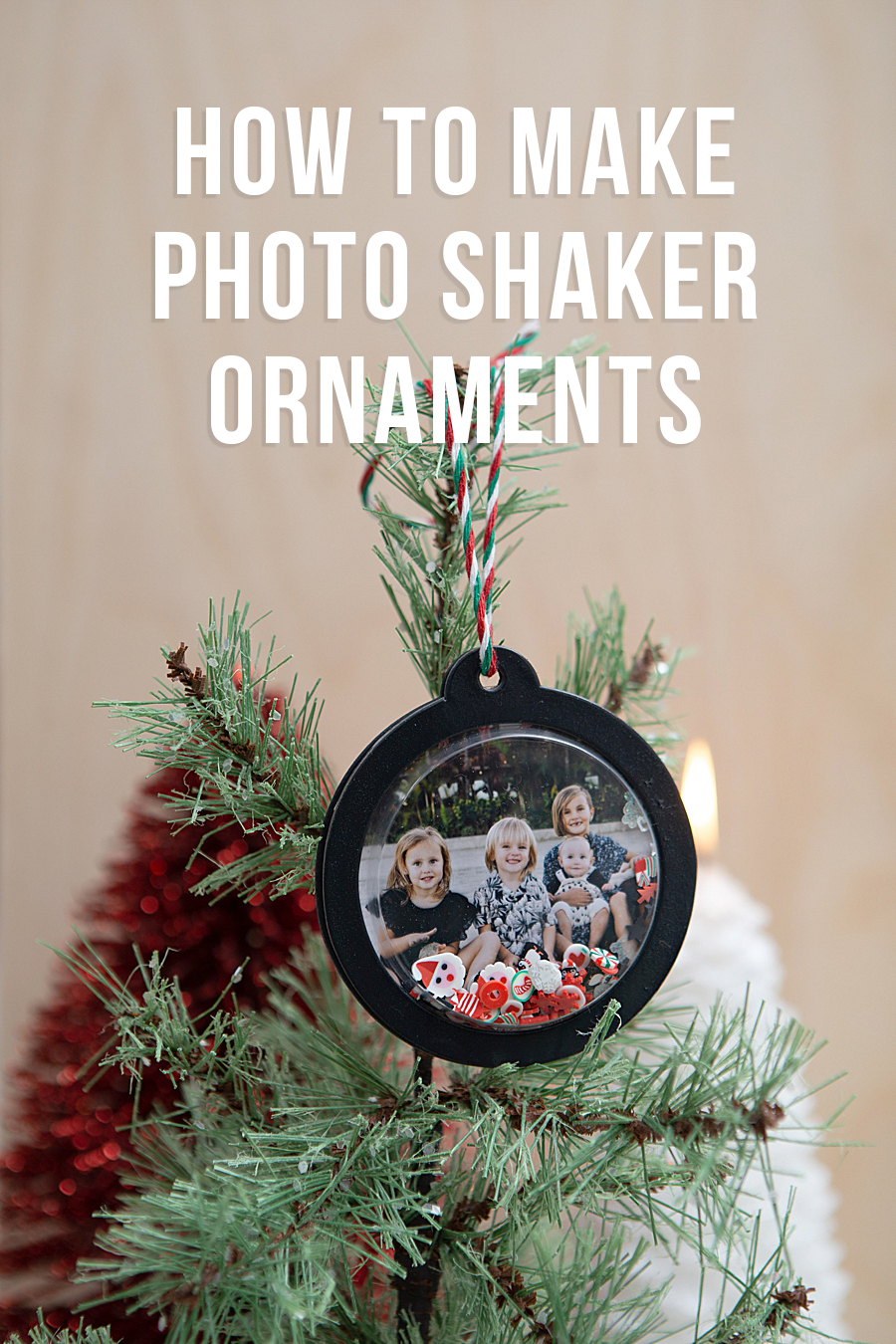
The landscape of personal home imaging has undergone a significant transformation with the introduction of high-fidelity, portable printing solutions designed to bridge the gap between digital photography and physical media. At the forefront of this movement is the Canon SELPHY Square QX10, a device that has recently been utilized in the burgeoning "DIY" (Do-It-Yourself) sector to create sophisticated, personalized holiday decor, specifically photo shaker ornaments. This integration of dye-sublimation technology into domestic crafting projects represents a broader trend in consumer behavior: the desire for immediate, high-quality physical manifestations of digital assets. By leveraging the QX10’s ability to produce 2.7-inch square prints with an adhesive backing, creators are moving beyond traditional photo albums and into the realm of three-dimensional, interactive home goods.
Technical Overview of the Canon SELPHY Square QX10
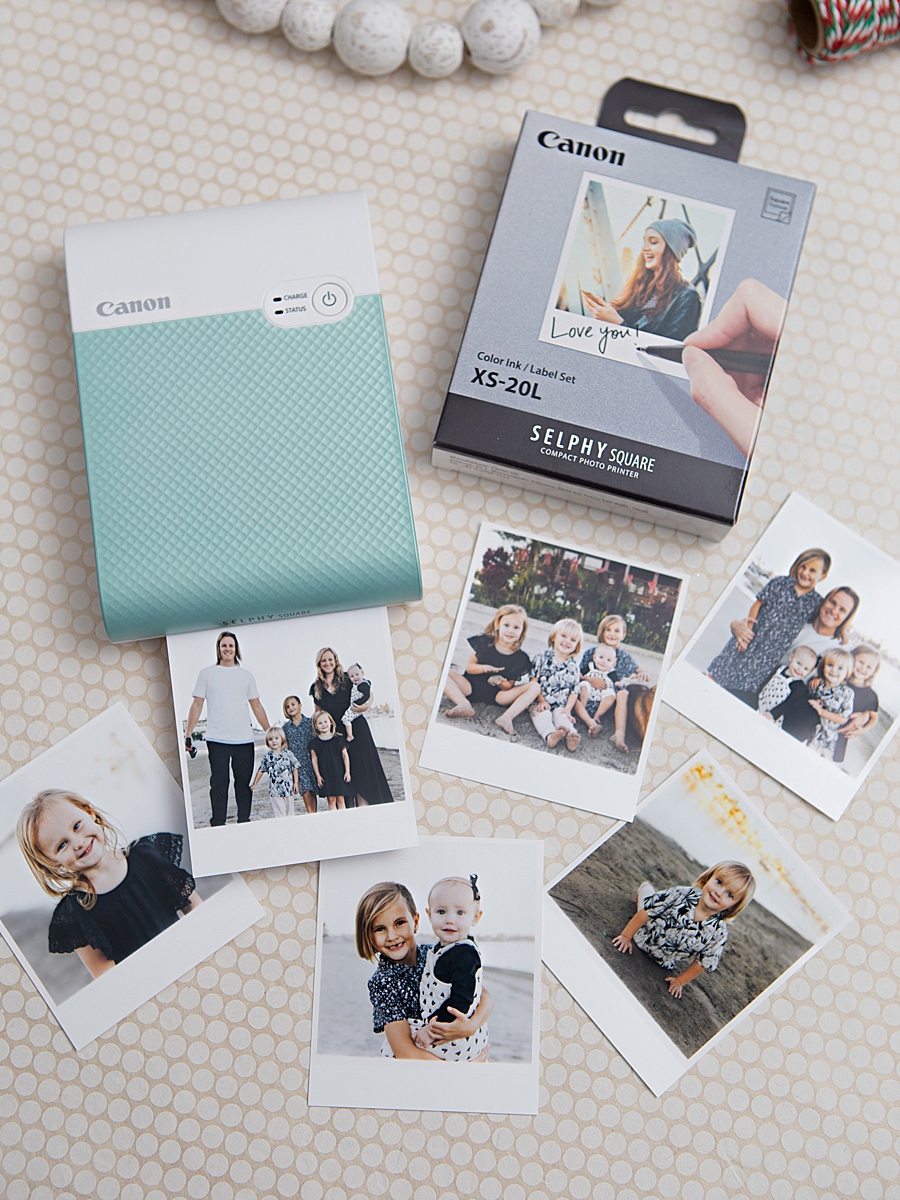
To understand the utility of the QX10 in a crafting context, one must examine its technical specifications. Unlike traditional inkjet printers that rely on liquid droplets, the SELPHY Square QX10 utilizes dye-sublimation thermal transfer technology. This process involves the application of heat to a ribbon, which transfers color directly onto specialized paper in three successive layers—cyan, magenta, and yellow—followed by a final protective clear coat. This overcoat layer is critical for longevity; Canon asserts that when stored in an album, these prints can maintain their color integrity for up to 100 years.
The hardware itself is designed for mobility, weighing less than one pound and featuring an integrated rechargeable battery. This eliminates the requirement for a constant power source, allowing for "on-the-spot" printing during family gatherings or craft sessions. Connectivity is handled exclusively via the Canon SELPHY Photo Layout 2.0 app, which facilitates basic photo editing, the addition of borders, and the synchronization of the device with a smartphone or tablet. The output is a 2.7" x 2.7" square print, a format that mirrors the aesthetic popularized by social media platforms like Instagram, making it an ideal choice for modern consumers.
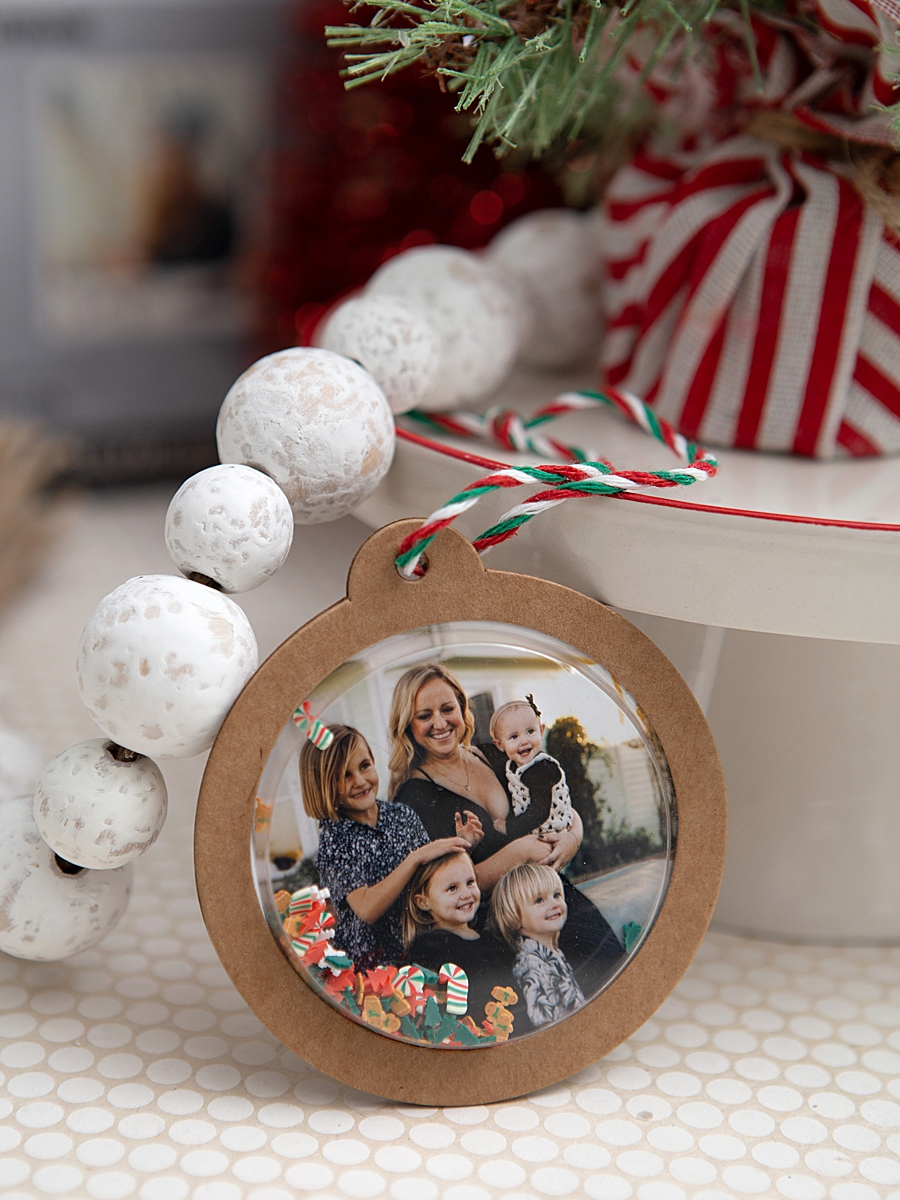
Chronology of the Photo Shaker Ornament Project
The application of this technology in the creation of photo shaker ornaments follows a specific technical and creative workflow. The project, recently highlighted by craft influencer Jen Causey-Kidder of Something Turquoise, demonstrates how professional-grade printing can be integrated into home-based manufacturing.
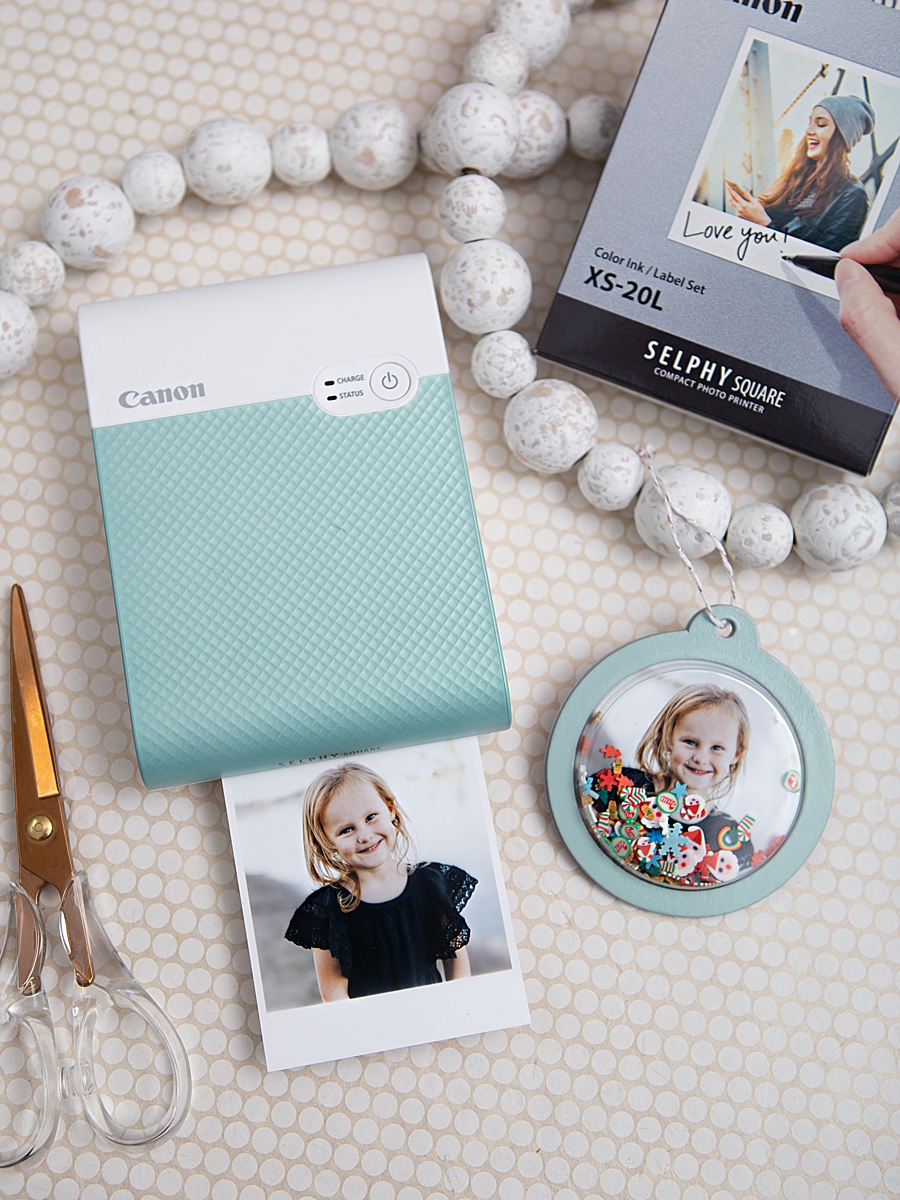
Phase I: Digital Asset Selection and Processing
The workflow begins within the digital environment. Users select high-resolution images via the SELPHY Photo Layout app. The app allows for the adjustment of framing to ensure the subject matter is centered within the 2.7-inch square constraints. Once the layout is finalized, the data is transmitted via Wi-Fi to the QX10. The printing process is a four-pass cycle, where the paper moves in and out of the device as each color layer is applied.
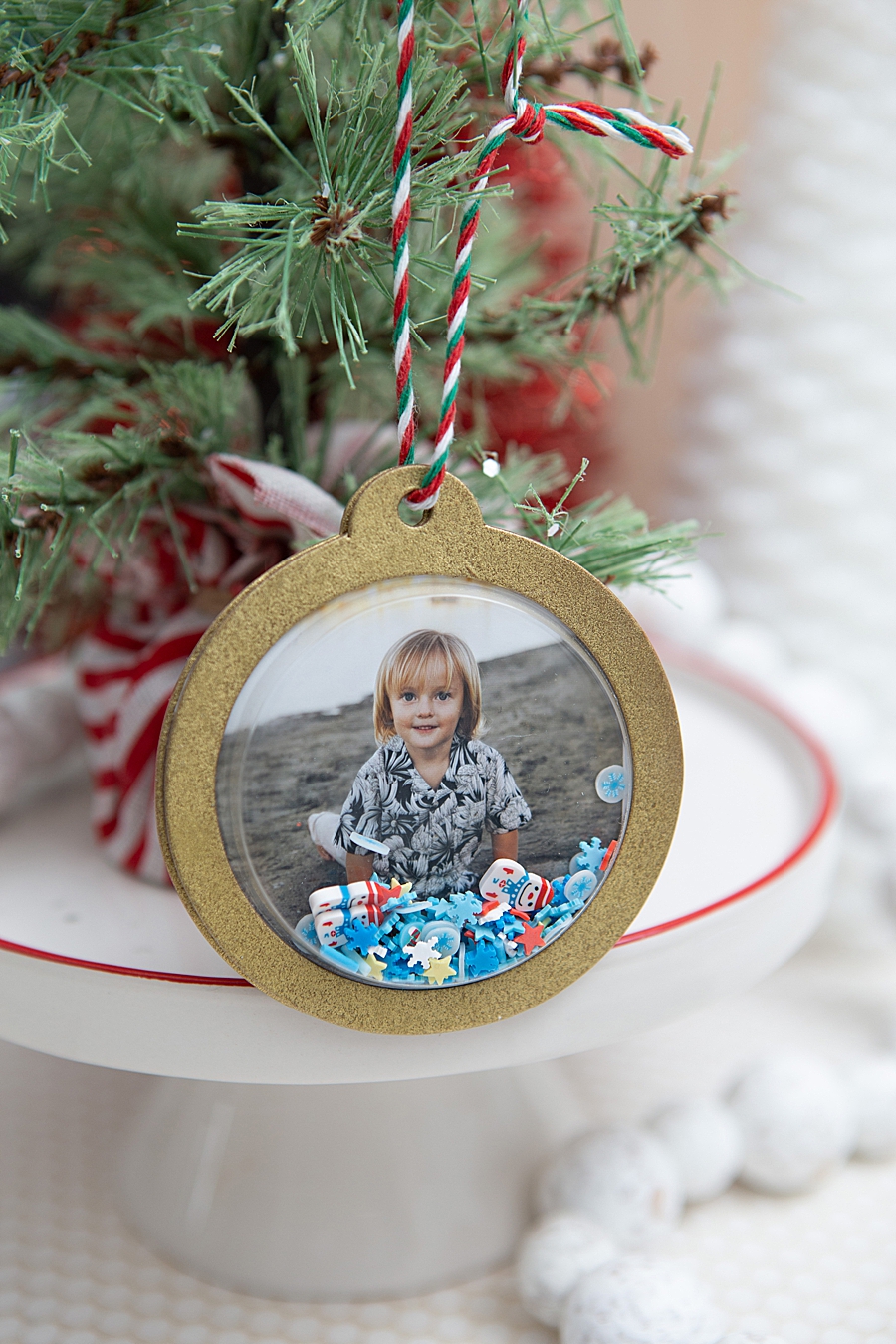
Phase II: Structural Preparation and Modification
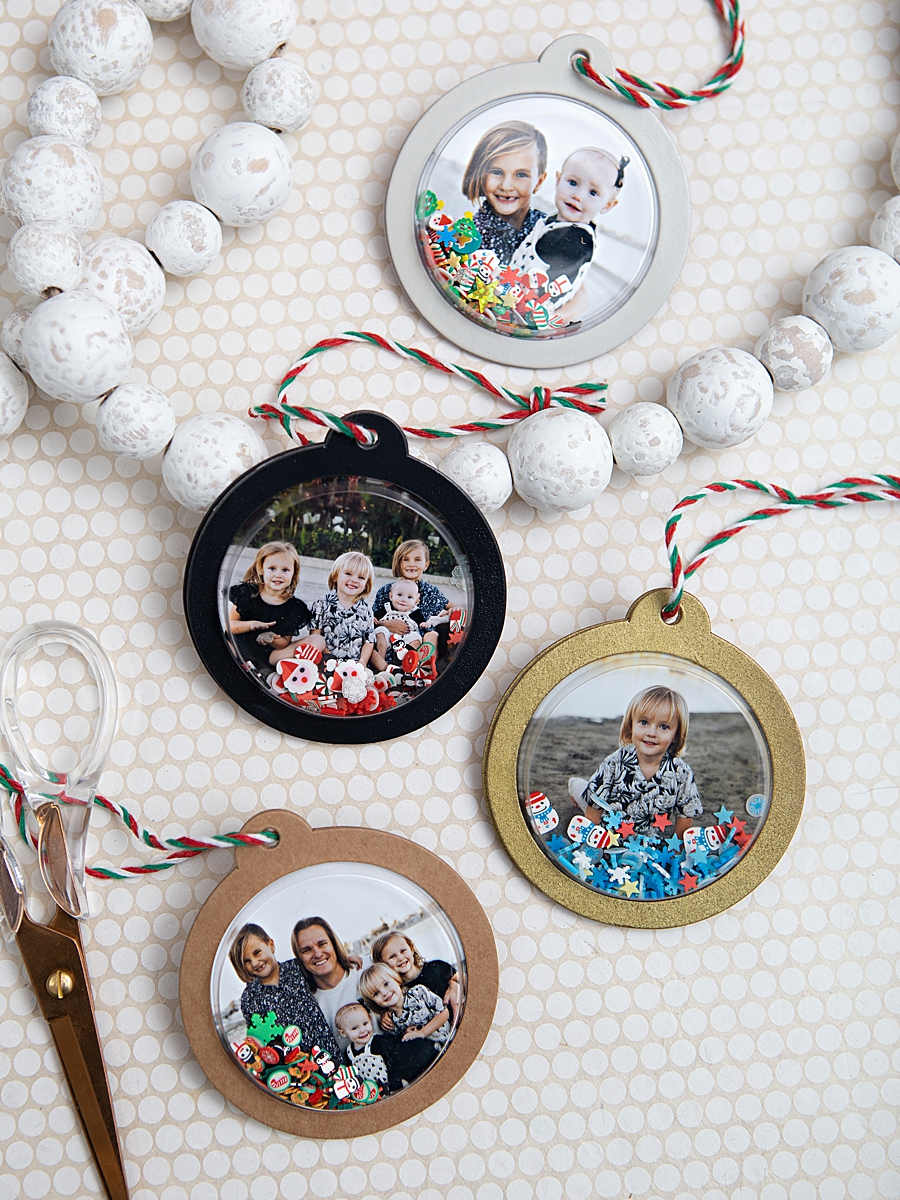
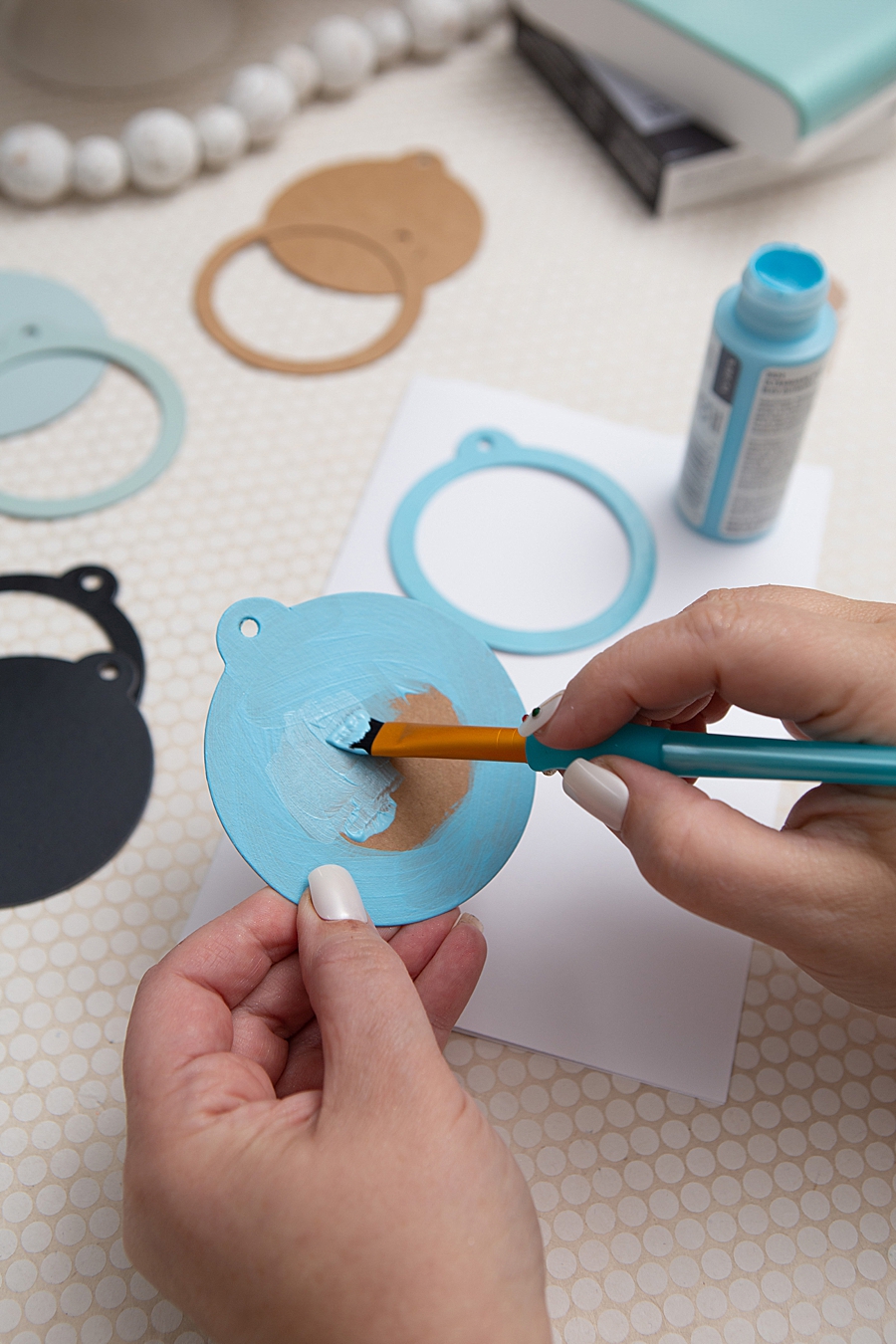
While the prints are being produced, the structural components of the ornaments are prepared. This involves the use of kraft shaker tags, which serve as the base. According to technical recommendations for this specific project, these tags can be modified using craft or spray paint to match specific holiday themes. A standard application involves three coats of craft paint or two coats of spray paint, followed by a clear gloss sealant to ensure durability and a professional finish.
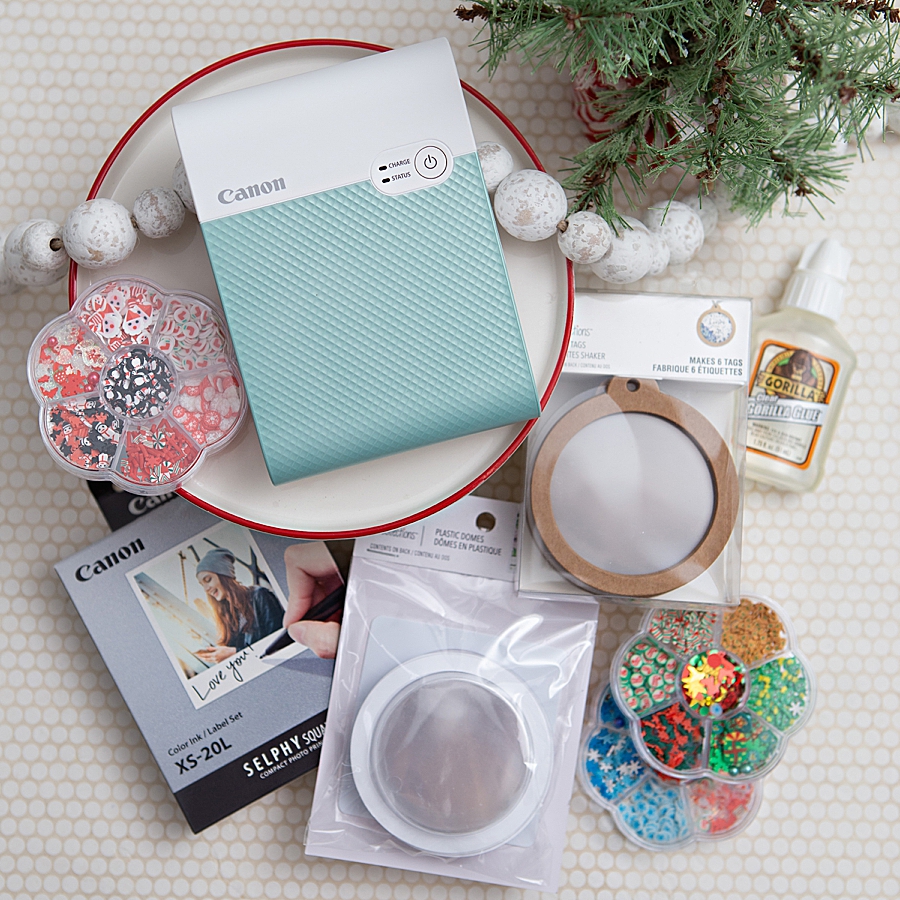
Phase III: Encapsulation and Assembly
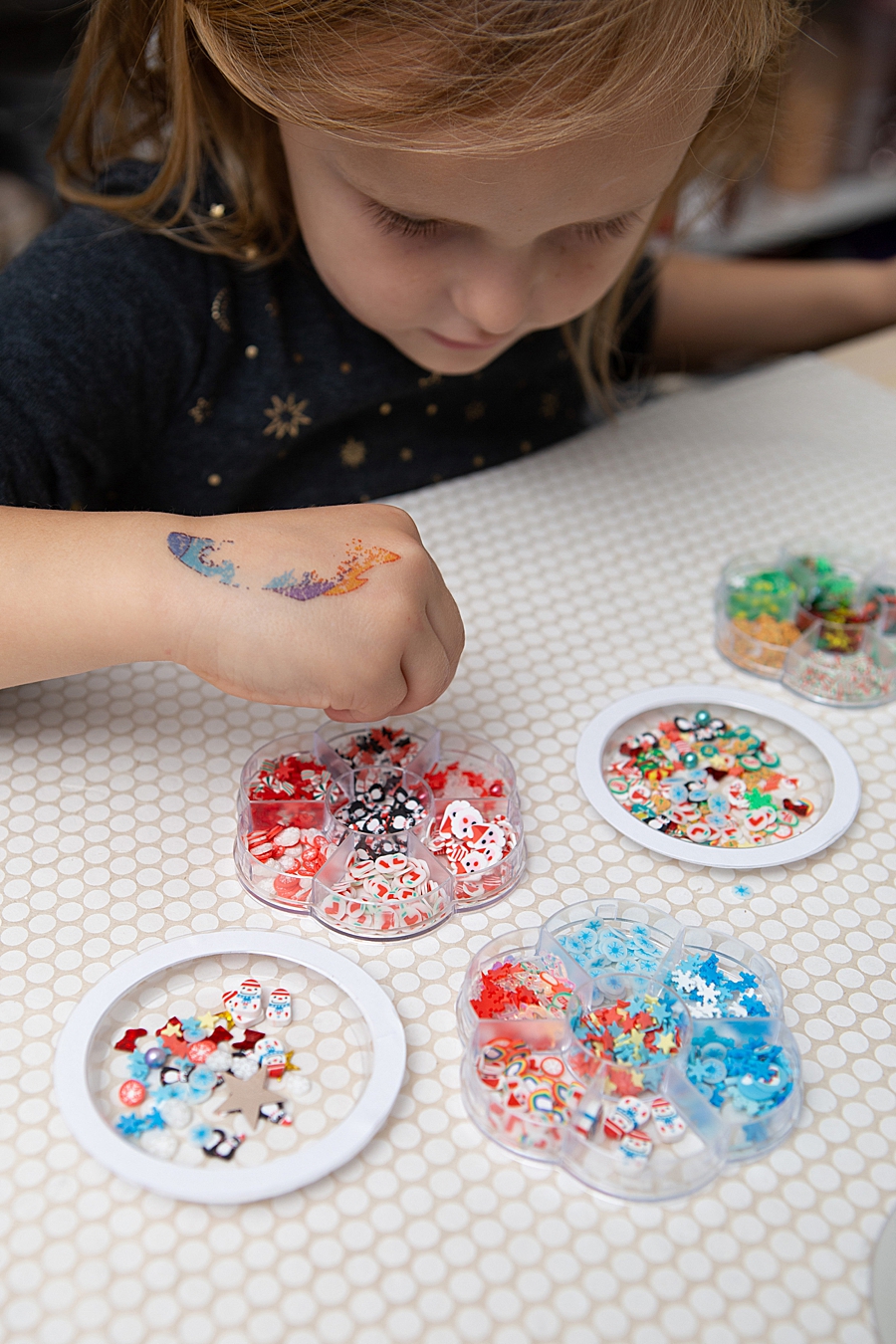
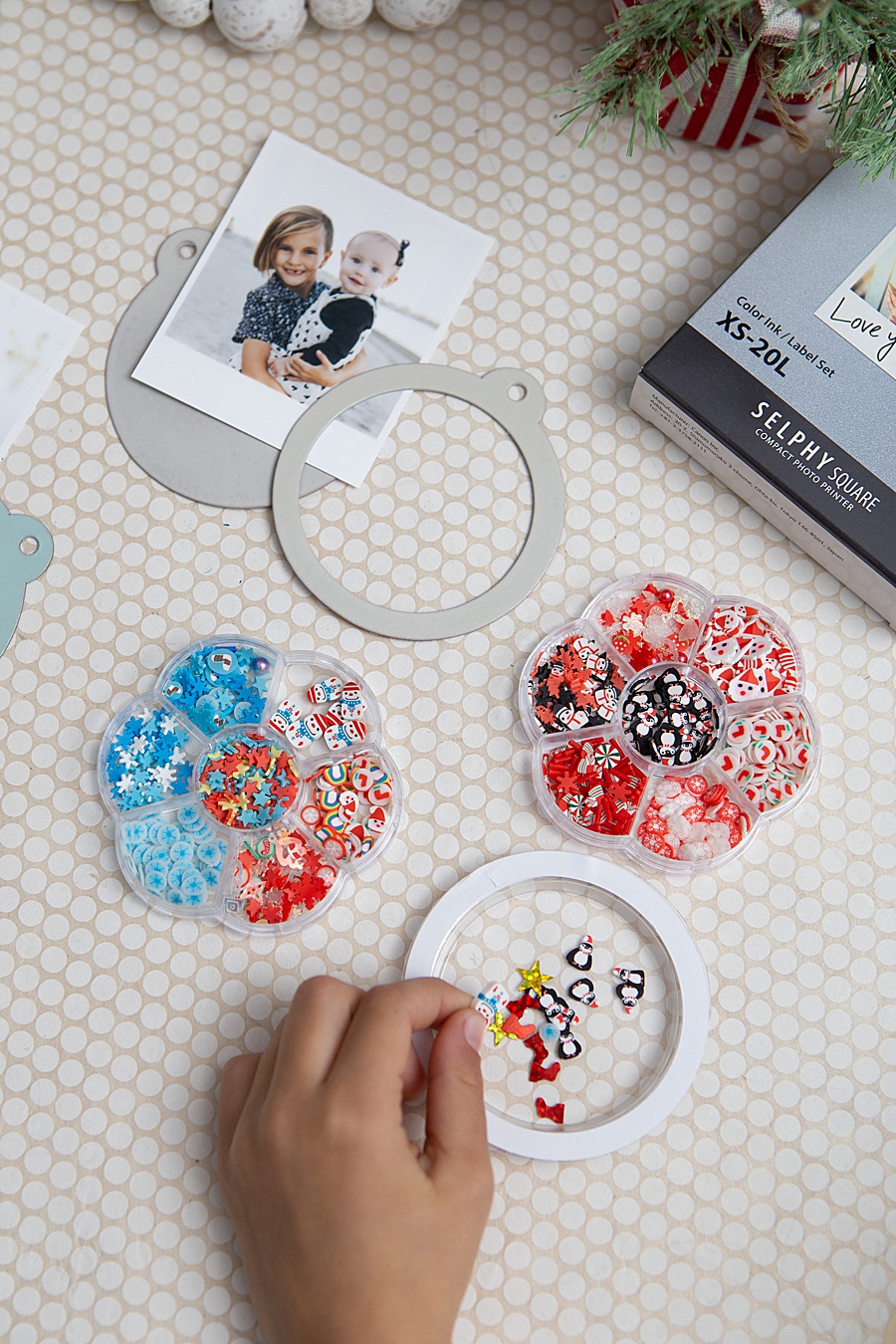
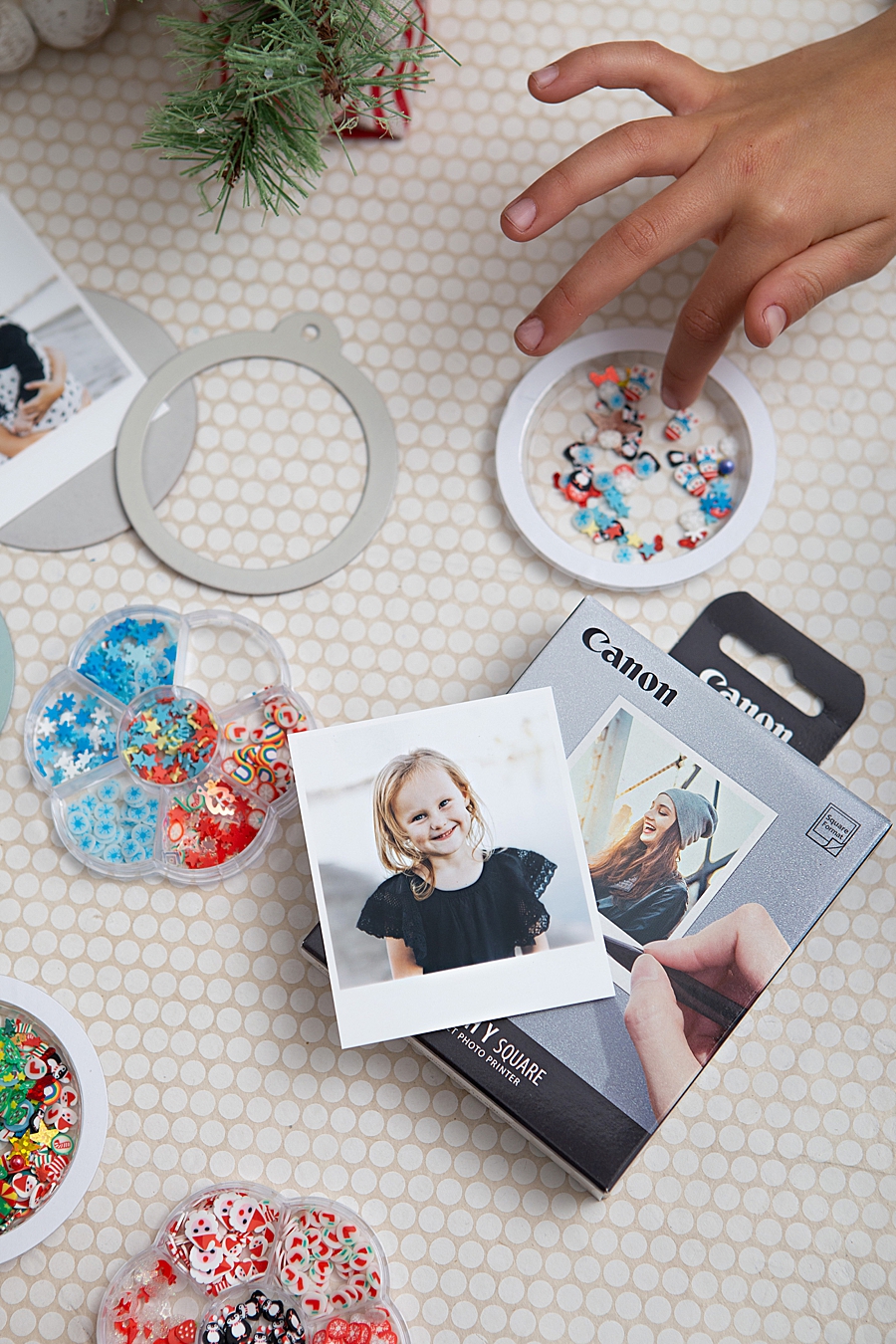
The core of the "shaker" mechanic involves the use of plastic domes and "shaker bits"—small decorative elements such as sequins or micro-beads. The dome is partially filled (approximately 1/8th of the total volume) to allow for movement without obscuring the photographic subject. The Canon print, utilizing its peel-off adhesive backing, is then secured to the base.
Phase IV: Adhesion and Curing
The final assembly requires the bonding of the plastic dome to the kraft base. Given the varied materials involved—plastic, paper, and wood-based kraft—a high-strength adhesive like Gorilla Glue is typically employed. The assembly is often held in place with sewing clips during the initial setting phase. While the adhesive may become "tack-free" within two hours, a full chemical cure requires 24 hours to ensure the structural integrity of the ornament, particularly since the "shaker" nature of the item invites frequent physical handling.
Supporting Data: The Growth of Home Printing and Crafting
The rise of devices like the SELPHY Square QX10 is supported by significant market data. The global photo printing market has seen a resurgence as "digital fatigue" leads consumers back to physical media. Market analysts suggest that while the volume of photos taken globally has reached trillions annually, the value of "curated" physical prints has increased.
Furthermore, the crafting industry in the United States alone is valued at over $36 billion. Within this sector, personalization is the fastest-growing segment. Consumers are increasingly moving away from mass-produced holiday decor in favor of bespoke items that incorporate personal history and family imagery. The QX10’s specific paper format—the XS-20L label set—addresses this market by providing 20 sheets and a dedicated ink cassette in a single package, simplifying the supply chain for the end-user.
Strategic Industry Responses and Consumer Impact
Canon U.S.A., Inc. has positioned the SELPHY line as a lifestyle peripheral rather than a piece of office equipment. By partnering with influencers in the DIY and wedding sectors, the company has successfully demonstrated that the value of the printer lies in its application.
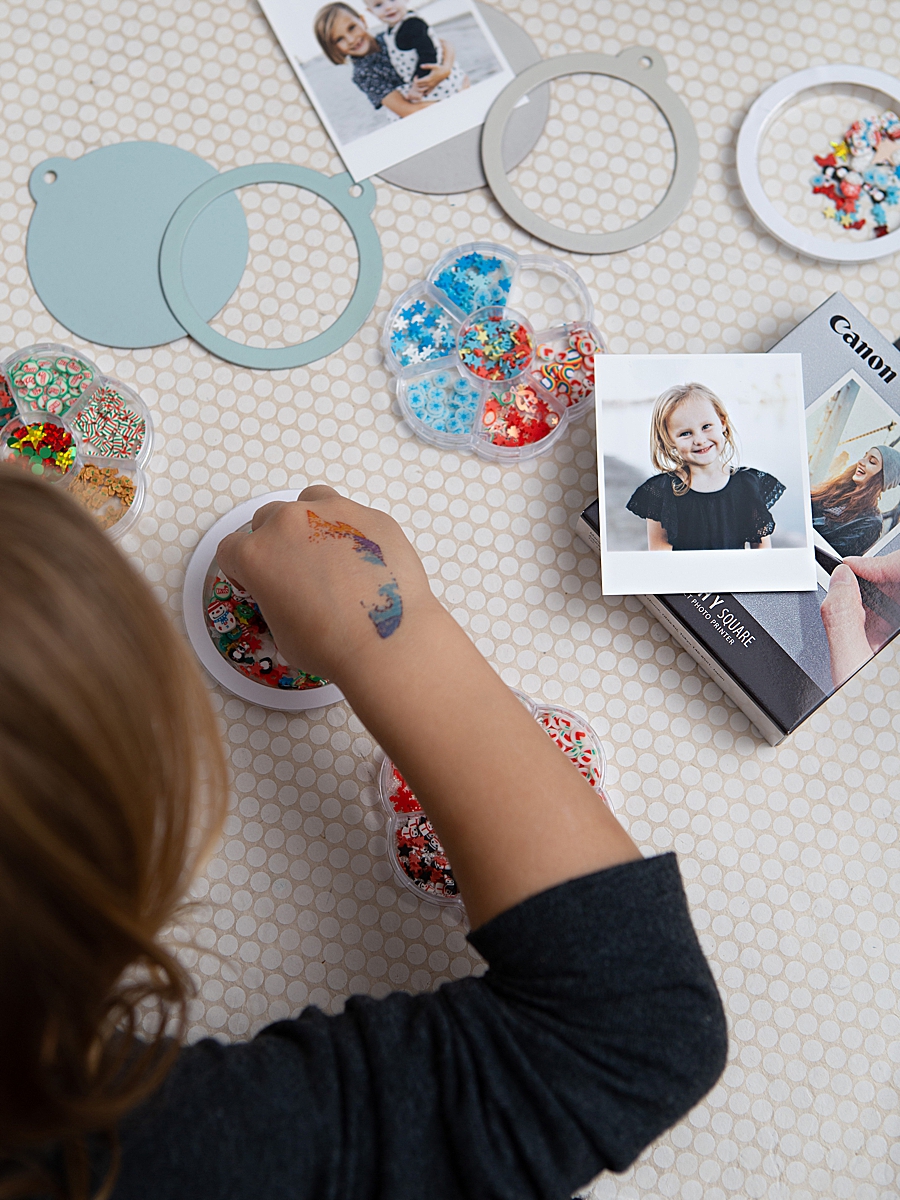
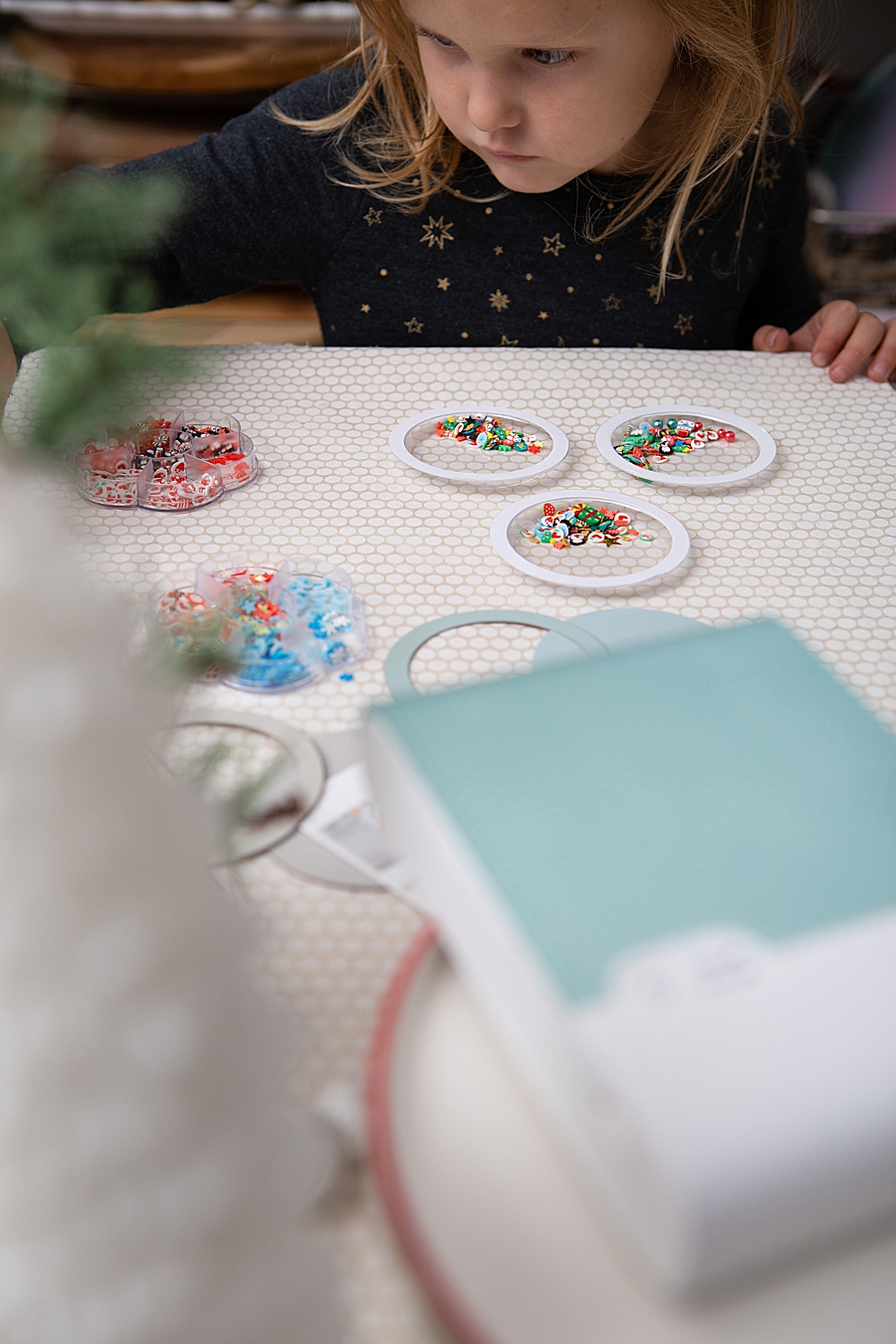
Consumer reactions to the photo shaker ornament project highlight a psychological component of modern tech usage. The "mesmerizing" quality of the shaker bits combined with the nostalgic value of a physical photograph creates a high level of engagement, particularly among younger demographics who have grown up in a purely digital environment. The ability for children to participate in the selection of "shaker bits" and observe the mechanical process of the printer’s four-pass color application adds an educational and participatory layer to the holiday tradition.
Analysis of Broader Implications
The shift toward high-quality, portable printing has several long-term implications for both the technology industry and consumer culture:
- The Preservation of Digital History: As cloud storage services change their terms and digital formats evolve, the "100-year" archival promise of dye-sublimation prints offers a tangible safeguard against digital data loss.
- The "Phygital" Workflow: The seamless transition from a smartphone’s camera roll to a physical ornament represents the perfection of the "phygital" workflow. This integration suggests that future consumer electronics will need to prioritize cross-platform compatibility and ease of use to remain relevant.
- Sustainability in Crafting: By producing only what is needed on a per-print basis, home printers can reduce the waste associated with bulk commercial printing. However, the industry continues to face challenges regarding the recyclability of thermal transfer ribbons and specialized adhesive papers.
- The Democratization of Design: Tools like the SELPHY Square QX10 allow individuals to produce professional-grade items that previously required commercial-grade equipment. This democratization allows for a higher level of creative expression within the domestic sphere.
Conclusion
The creation of photo shaker ornaments using the Canon SELPHY Square QX10 is more than a seasonal craft; it is a case study in the successful convergence of advanced imaging technology and traditional domestic arts. As the DIY movement continues to expand, driven by social media and a desire for personalization, devices that offer portability, durability, and high fidelity will become essential components of the modern home. The project underscores a fundamental shift in how we interact with our memories—transforming them from static files on a screen into interactive, durable objects that can be integrated into the fabric of daily life and celebrated across generations. In an era dominated by the ephemeral nature of digital content, the "shakeable" photo ornament stands as a testament to the enduring power of the physical photograph.