

When embarking on the significant decision of selecting a gemstone for fine jewelry, particularly an engagement ring, consumers today are presented with a spectrum of compelling options beyond traditional mined diamonds. Two prominent alternatives that have rapidly gained traction are lab-grown diamonds and moissanite. Both offer attractive price points and aesthetic appeal, but they diverge significantly in their fundamental composition, origin, and long-term value. Understanding these distinctions is paramount for making an informed purchase that aligns with personal style, budget, and enduring satisfaction.
The emergence and widespread availability of lab-grown diamonds and moissanite have democratized access to beautiful, high-quality gemstones. This shift, driven by technological advancements and evolving consumer preferences, has reshaped the jewelry market. While both are created in controlled laboratory environments, their scientific makeup dictates their unique properties and market positioning. Lab-grown diamonds, chemically and physically identical to their mined counterparts, offer the traditional diamond experience at a reduced cost. Moissanite, a distinct gemstone composed of silicon carbide, provides an exceptionally brilliant and durable option that often appeals to those seeking maximum sparkle and value.
For buyers navigating this landscape, PriceScope, a leading online diamond and jewelry forum, offers a wealth of unbiased information and community-driven insights. With a history spanning over two decades, PriceScope has established itself as a crucial resource for consumers seeking transparency and expert guidance in their jewelry purchases. Their platform facilitates informed decision-making by providing detailed educational content, comparative tools, and a vast network of experienced buyers and industry professionals.

The Science and Appeal of Lab-Grown Diamonds
Lab-grown diamonds, also referred to as laboratory-created or synthetic diamonds, are real diamonds. They are not imitations or simulants; they are chemically, physically, and optically identical to natural diamonds. The fundamental difference lies solely in their origin. Instead of forming over billions of years deep within the Earth’s mantle, these diamonds are meticulously cultivated in controlled laboratory conditions.
The creation process mirrors the natural diamond-forming environment but accelerates it significantly. Scientists begin with a small diamond seed, which is then subjected to either the High-Pressure High-Temperature (HPHT) method or the Chemical Vapor Deposition (CVD) process. The HPHT method replicates the intense pressure and heat found deep within the Earth, forcing carbon atoms to crystallize around the seed. CVD involves placing the seed in a vacuum chamber filled with carbon-rich gases, which then break down and deposit carbon atoms onto the seed, layer by layer, allowing the diamond to grow. Both methods yield high-quality diamonds with the same crystalline structure, hardness, brilliance, and fire as mined diamonds.
Reputable gemological laboratories, such as the Gemological Institute of America (GIA) and the International Gemological Institute (IGI), certify lab-grown diamonds using the same rigorous 4Cs grading standards—cut, color, clarity, and carat weight—as they do for natural diamonds. This ensures a consistent and transparent evaluation of their quality. The ability to control the growth process often leads to lab-grown diamonds with exceptional clarity and color consistency, allowing buyers to select precisely graded stones.
The appeal of lab-grown diamonds is multifaceted. Their primary advantage is their significantly lower price point compared to natural diamonds of equivalent quality. This cost-effectiveness allows consumers to acquire larger stones, higher color and clarity grades, or more intricate settings within their budget. Furthermore, many consumers are drawn to lab-grown diamonds for ethical and environmental reasons. The controlled production environment can have a lower carbon footprint, especially when powered by renewable energy sources, compared to the extensive mining operations required for natural diamonds. The global lab-grown diamond market, valued at approximately $29-30 billion in 2025, is projected for substantial growth, driven by increasing demand for sustainable and ethically sourced luxury goods, particularly among younger demographics.

Navigating the Market: Top Lab-Grown Diamond Retailers
For those ready to explore the world of lab-grown diamonds, several reputable online retailers stand out for their commitment to quality, transparency, and customer service. PriceScope recommends three leading vendors: Whiteflash, Blue Nile, and James Allen.
-
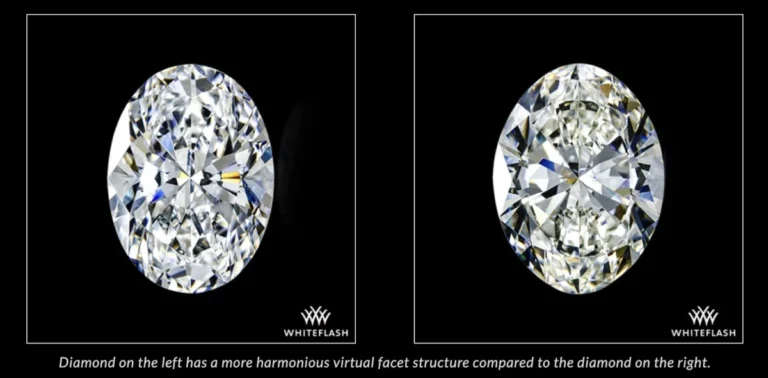
Whiteflash: Renowned for its "Precision Lab" collection, Whiteflash places a strong emphasis on superior cut quality. Their diamonds are meticulously curated, and detailed light performance imagery, including Ideal Scope and Hearts and Arrows views, is provided to help buyers assess a diamond’s true brilliance. This focus on cut precision ensures exceptional sparkle and visual appeal.
-
Blue Nile: As one of the largest online diamond retailers, Blue Nile offers an extensive inventory, making it easy to compare a vast array of shapes, sizes, and price points. Their broad selection caters to diverse preferences and budgets, providing a comprehensive platform for diamond discovery.
-
James Allen: James Allen distinguishes itself with its innovative 360-degree HD video technology. This allows shoppers to closely inspect every facet of a lab-grown diamond from all angles before making a purchase, offering a level of detail and confidence rarely found elsewhere.

These three retailers collectively represent a benchmark for quality, selection, and transparency in the lab-grown diamond market, enabling buyers to shop with assurance.
Moissanite: The Dazzling Alternative
Moissanite, while often mistaken for a diamond due to its striking brilliance, is a distinct gemstone. It is composed of silicon carbide (SiC), a compound of silicon and carbon, which differs fundamentally from the pure carbon structure of diamonds. Natural moissanite is exceptionally rare, found primarily in meteorites and certain upper-mantle rock formations, making it impractical for widespread jewelry use. Consequently, virtually all moissanite found in today’s jewelry market is lab-created.
The discovery of moissanite dates back to 1893 when French chemist Henri Moissan first identified it in a meteorite crater. Initially believed to be a form of diamond due to its hardness and luster, it was later identified as silicon carbide. The mineral was subsequently named moissanite in his honor. This celestial origin has led to its nickname, "diamond from the stars."
The creation of gem-quality moissanite in laboratories began in earnest in the 1990s, with companies like Charles & Colvard pioneering commercial production. The process involves advanced thermal growth techniques that yield single-crystal silicon carbide, which is then cut and polished into faceted gemstones.

The Visual Spectacle of Moissanite
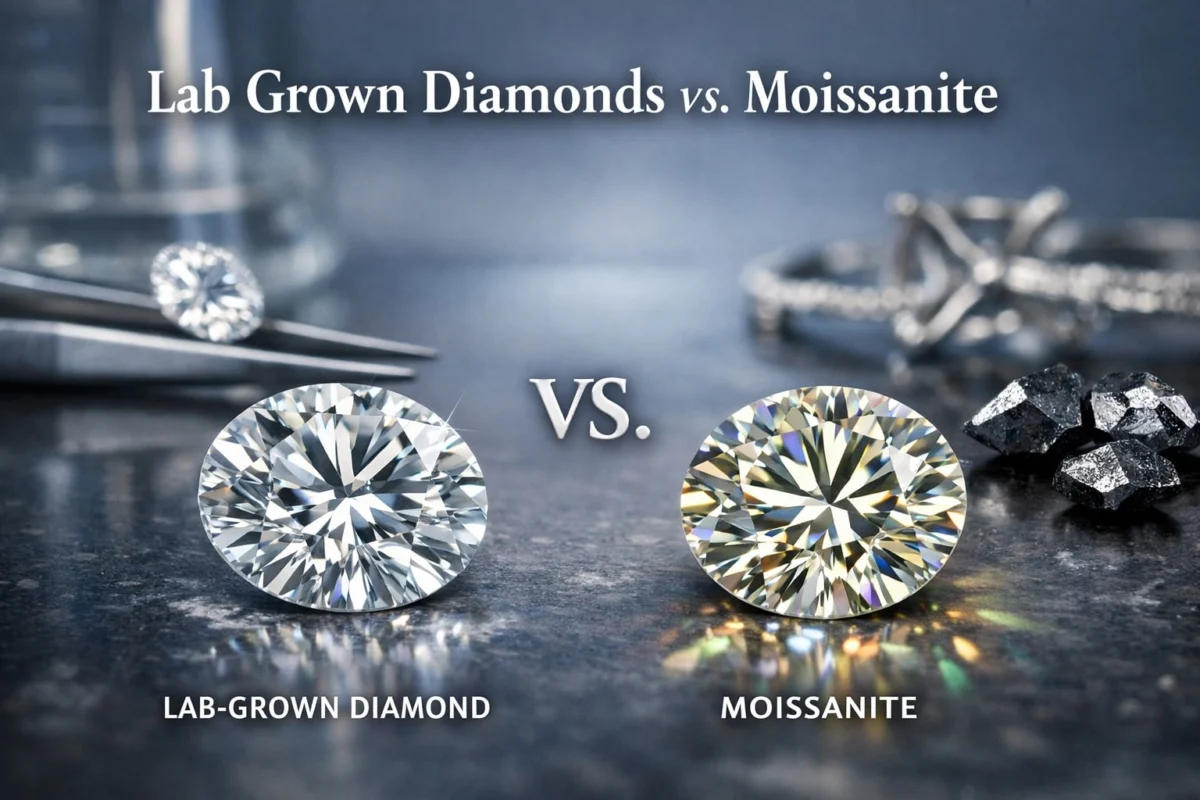
Moissanite is celebrated for its extraordinary sparkle, often surpassing that of diamonds in terms of brilliance and fire. This is due to its higher refractive index (2.648-2.69, compared to diamond’s 2.42) and dispersion (0.104, versus diamond’s 0.044). These properties cause moissanite to bend and split light more intensely, resulting in more pronounced rainbow-colored flashes, often described as a "disco ball" effect. While some consumers are captivated by this vibrant display, others may find it overly flamboyant compared to the more subtle, white sparkle of diamonds.
Visually, well-cut moissanite can be remarkably similar to colorless diamonds, especially to the untrained eye. However, under certain lighting conditions, particularly in larger stones, the intense fire of moissanite can become more apparent. This distinctive characteristic is a key differentiator that appeals to those seeking a gemstone with exceptional brilliance and a lively play of color.
Durability and Practicality of Moissanite
Durability is a crucial consideration for any gemstone intended for daily wear. Moissanite scores an impressive 9.25 to 9.5 on the Mohs scale of hardness, making it one of the most durable gemstones available. This high rating ensures excellent resistance to scratching and everyday wear, positioning it as a practical and long-lasting choice for jewelry, particularly engagement rings. While slightly softer than diamonds (which rank a perfect 10 on the Mohs scale), moissanite’s toughness is superior to that of many other precious gemstones, including sapphires and rubies.
The Price Equation: Moissanite vs. Lab-Grown Diamonds
Price is a significant factor influencing consumer choice, and here, moissanite offers a distinct advantage. A 1-carat moissanite typically costs a few hundred dollars, making it substantially more affordable than both lab-grown diamonds and natural diamonds of comparable size. This affordability allows buyers to acquire larger stones or more elaborate jewelry pieces without a significant financial outlay.

Lab-grown diamonds, while more expensive than moissanite, are considerably less costly than natural diamonds. Prices have been steadily declining due to increased production efficiency, making high-quality lab-grown diamonds accessible at roughly 50-70% less than their mined counterparts. For example, a 1-carat, D-color, VVS1-clarity lab-grown diamond might range from $1,000 to $3,000, whereas a natural diamond of the same specifications could easily cost $8,000 or more.
Making the Informed Decision: Key Considerations
The choice between lab-grown diamonds and moissanite ultimately rests on individual priorities and preferences.
Lab-Grown Diamonds:
- Pros: Identical to natural diamonds in composition, appearance, and durability; certified by GIA and IGI; ethically sourced with a potentially lower environmental impact; offers traditional diamond prestige at a lower cost; excellent scratch resistance (Mohs 10).
- Cons: More expensive than moissanite; may not offer the same level of intense rainbow fire.
- Ideal for: Buyers who desire a genuine diamond experience, value traditional diamond aesthetics, prioritize long-term value and prestige, and seek ethical sourcing.
Moissanite:

- Pros: Exceptional brilliance and fire with vibrant rainbow flashes; highly durable for daily wear (Mohs 9.25-9.5); significantly more affordable than lab-grown diamonds, allowing for larger sizes or more elaborate designs; ethically produced.
- Cons: Not a diamond; its intense fire may not appeal to everyone; lower resale value compared to diamonds.
- Ideal for: Buyers who prioritize maximum sparkle and brilliance, appreciate a lively play of color, seek the most budget-friendly option for a visually stunning gemstone, and value durability.
The Role of PriceScope in the Decision-Making Process
For consumers seeking comprehensive, unbiased information, PriceScope serves as an invaluable independent resource. The platform’s extensive diamond and jewelry forum connects users with a community of over 100,000 members who have navigated similar purchasing decisions. This collective wisdom offers real-world insights into diamond performance, vendor reliability, and the practicalities of owning both lab-grown diamonds and moissanite.
PriceScope provides tools for comparing specifications across multiple vendors, detailed educational articles on diamond grading and gemology, and community discussions that shed light on nuanced aspects of jewelry buying, such as how different color grades appear in real-world lighting or the long-term wear characteristics of various gemstones. By leveraging PriceScope’s resources, buyers can move beyond marketing claims and make a confident, informed choice that perfectly suits their individual needs and desires.
Ultimately, whether one chooses the timeless authenticity and inherent prestige of a lab-grown diamond or the dazzling brilliance and exceptional value of moissanite, the journey of discovery is made more secure and insightful with access to reliable information and a supportive community.