

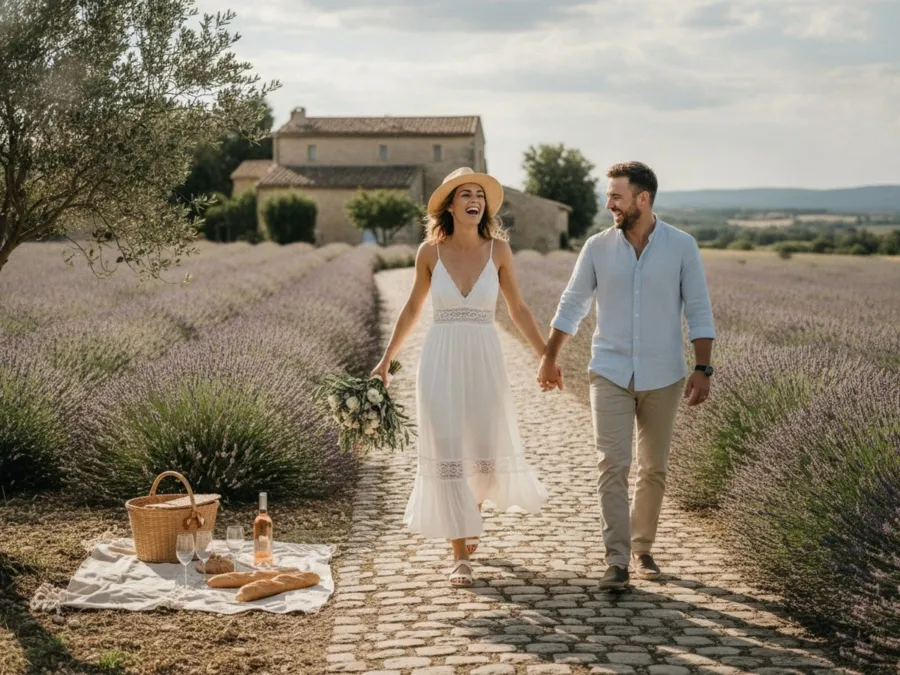
For countless couples, the vision of a post-nuptial escape often involves idyllic scenes: an overwater bungalow in the Maldives, a romantic sunset over Santorini’s caldera, or a cliffside lunch overlooking Capri’s azure waters. However, these aspirational images frequently collide with the harsh reality of a wedding budget, leaving many to reconsider their dream trip. The good news for discerning honeymooners is the emergence of a savvy travel trend: "honeymoon dupes." These are authentic, breathtaking alternatives that offer nearly identical experiences at a fraction of the cost, making once-unreachable destinations accessible without compromising on romance or luxury.
The concept of a "dupe," short for duplicate, originated in the beauty and fashion industries, where consumers sought affordable versions of high-end designer products. This strategic approach has now seamlessly transitioned into the travel sector, proving remarkably effective for budget-conscious couples. A dupe destination provides the same enchanting beaches, vibrant villages, and golden-hour glows as its famous counterpart, but without the premium associated with celebrity status and mass tourism.
This innovative travel strategy gained significant traction following a comprehensive 2026 study conducted by Sail Croatia, a prominent small-ship cruise company. The study, titled "Destination Dupes," meticulously analyzed 20 of the world’s most-searched honeymoon destinations. Researchers then expertly paired each with a cheaper, yet equally captivating, twin location. The findings, released in May 2026, offer invaluable insights for couples planning their honeymoons, detailing precisely where to find remarkable savings.
Understanding the Methodology Behind Honeymoon Dupes
The Sail Croatia study’s methodology was robust and transparent, focusing on objective financial comparisons. Researchers identified famous destinations and then carefully selected lower-cost alternatives based on shared appeal. This "shared appeal" encompassed a range of desirable characteristics, including stunning beaches, vibrant island atmospheres, dramatic coastal scenery, rich historic charm, or an undeniable sense of luxury that belies its price point.
To quantify the savings, the study tallied the average daily cost for two travelers across three fundamental expenditure categories: one night in a hotel for two, two restaurant meals for two, and a cocktail. Hotel rates were sourced from Airbtics, a leading analytics platform for short-term rentals, while meal and drink prices were gathered from Numbeo, a comprehensive database of user-contributed consumer prices. By comparing these daily averages, the study precisely calculated the percentage savings achievable by opting for the dupe destination. It’s crucial to note that these savings are calculated per day, for two people, meaning they accumulate rapidly and substantially over the course of a week-long or longer honeymoon, offering couples significant financial breathing room.

The Top 10 Honeymoon Dupe Pairings: Maximizing Your Savings
The Sail Croatia "Destination Dupes" study revealed compelling data, highlighting ten pairings where couples could realize the highest percentage savings. These findings offer practical guidance for those seeking to maximize their honeymoon budget without sacrificing the dream experience.
| Dream Destination | Avg. Daily Cost for Two | The Dupe | Avg. Daily Cost for Two | You Save |
|---|---|---|---|---|
| Maldives | $687 | Zanzibar, Tanzania | $122 | 82% |
| The Hamptons, NY | $1,135 | Outer Banks, NC | $348 | 69% |
| Capri, Italy | $757 | Procida, Italy | $284 | 62% |
| Maui, Hawaii | $580 | The Azores, Portugal | $236 | 59% |
| Portofino, Italy | $527 | Camogli, Italy | $303 | 43% |
| Amalfi Coast, Italy | $392 | Cilento Coast, Italy | $238 | 39% |
| Dubrovnik, Croatia | $325 | Kotor, Montenegro | $205 | 37% |
| Venice, Italy | $412 | Trieste, Italy | $276 | 33% |
| St. Tropez, France | $557 | Cassis, France | $373 | 33% |
| Mykonos, Greece | $382 | Paros, Greece | $259 | 32% |
Even what might seem like a smaller percentage saving, such as 32% or 33%, translates into substantial real money over a typical 7- to 10-day honeymoon. For instance, a 33% reduction on a 10-day trip amounts to hundreds, if not thousands, of dollars. This saved capital can then be strategically reallocated – perhaps towards a down payment on a home, an investment fund for future travels, or even a single, unforgettable splurge during the honeymoon itself, transforming the "dupe" into a truly luxurious experience.
Deep Dive: Unpacking the Most Impactful Swaps
While the table provides a clear overview, a closer examination of some key pairings reveals the specific charms and benefits of these dupe destinations.
Maldives vs. Zanzibar, Tanzania: The Ultimate Tropical Escape for Less
The Maldives stands as one of the most idealized honeymoon destinations globally, drawing over a million monthly searches and commanding daily expenditures close to $700 for couples. Its allure lies in pristine white-sand beaches, crystal-clear turquoise waters, and iconic overwater bungalows. Zanzibar, a semi-autonomous archipelago off the coast of Tanzania in East Africa, offers a remarkably similar tropical paradise experience. With its equally stunning beaches and vibrant coral reefs, Zanzibar presents an average daily cost of approximately $122, inclusive of hotel, meals, and drinks. This monumental 82% saving means a week-long honeymoon in Zanzibar could save couples nearly $4,000 compared to the Maldives, allowing for an equally luxurious, culturally rich, and romantically charged escape.
Capri vs. Procida, Italy: Neapolitan Charm Without the Crowds
Both Capri and Procida are jewels of Italy’s Bay of Naples, sharing the quintessential Mediterranean aesthetic of pastel-colored buildings cascading down hillsides to meet the deep blue sea. The primary distinction lies in their popularity and associated costs. A single night in a hotel on Capri can approach $600, whereas comparable seaside accommodations on Procida average under $115. Beyond the significant financial savings (approximately $470 per day), Procida boasts a far more tranquil atmosphere, largely untouched by the throngs of tourists and selfie sticks that now characterize Capri. This trade-off allows for quiet beaches, authentic local interactions, and a more intimate honeymoon experience.

Maui, Hawaii vs. The Azores, Portugal: Volcanic Beauty and Verdant Landscapes
For couples drawn to dramatic volcanic landscapes, lush green mountains, and unique black-sand beaches, Maui in Hawaii has long been a prime choice. However, The Azores, an archipelago of nine volcanic islands in the mid-Atlantic belonging to Portugal, presents an astonishingly similar, yet 59% cheaper, alternative. While Maui hotels average around $350 per night, stays in the Azores typically cost about $139, and dining out is roughly half the price. The Azores offer the same "end-of-the-earth" mystique, rich biodiversity, and opportunities for hiking and nature exploration, but without the substantial trans-Pacific airfare and higher cost of living associated with Hawaii, particularly beneficial for travelers from the East Coast.
Dubrovnik, Croatia vs. Kotor, Montenegro: Medieval Grandeur on a Budget
Dubrovnik, Croatia, the "Pearl of the Adriatic," soared in popularity and price, partly due to its starring role as King’s Landing in "Game of Thrones." Its magnificent walled old town and stunning bay views are undeniable. Just across the border in Montenegro, the town of Kotor offers a strikingly similar medieval experience. Nestled at the foot of towering mountains and overlooking a dramatic bay, Kotor’s ancient stone streets and fortified walls provide the same historical ambiance for approximately 37% less. This swap allows couples to immerse themselves in rich history and breathtaking scenery without the premium price tag or the overwhelming crowds that now define Dubrovnik.
Amalfi Coast vs. Cilento Coast, Italy: Southern Italian Riviera Charm
The world-renowned Amalfi Coast, famous for its dramatic cliffs, fragrant lemon groves, and picturesque seaside towns, is a perennial honeymoon favorite. Located just south on the same stretch of Italy’s Tyrrhenian coastline, the Cilento Coast offers an equally enchanting, yet less discovered, alternative. It shares the same stunning topography, charming villages, and culinary delights, but trades a degree of global name recognition for significant daily savings – roughly $150. Furthermore, the Cilento Coast promises a calmer, more authentically local experience, allowing couples to savor the beauty of Southern Italy without the bustling crowds.
Portofino vs. Camogli, Italy: Ligurian Coastline Luxury Redefined
Portofino, a quintessential Italian Riviera fishing village, is synonymous with high-end luxury, yachts, and celebrity sightings. Just a 30-minute drive along the same spectacular coastline, Camogli offers the identical charm of tall, vibrantly colored harbor houses and a relaxed, authentic atmosphere. While a Portofino hotel averages around $333 per night, a stay in Camogli can be found for closer to $130. The astute strategy for honeymooners is to base themselves in Camogli, enjoying its lower costs and local vibe, and then take a scenic day trip to Portofino for a taste of its famous glamour, effectively pocketing the substantial difference.
Mykonos vs. Paros, Greece: Cycladic Beauty Beyond the Party Scene
Mykonos has cultivated a reputation for its iconic windmills, labyrinthine white-washed lanes, and a vibrant, often expensive, party scene. For couples seeking the quintessential Cycladic island aesthetic without the Mykonos price tag, Paros offers an ideal solution. A short ferry ride away in the same island chain, Paros boasts equally stunning white architecture, beautiful beaches, and charming villages, but with a more laid-back ambiance and a price point approximately 32% lower per day. It allows honeymooners to experience the authentic beauty of the Greek islands with a friendlier budget.
The "Fame Premium": Why Popularity Drives Up Prices
A key insight from the Sail Croatia study, as highlighted by its tourism experts, is the significant role social media and global recognition play in artificially inflating prices for specific locations. "Social media drives demand for specific locations, which then raises prices artificially," stated a tourism expert from Sail Croatia. "Everyone wants to photograph Santorini’s blue domes or Mykonos’s windmills these days. But Greece has dozens of islands with the same white buildings and sunset views. You see this with Croatia, too. Dubrovnik became a tourist magnet due to Game of Thrones, but Kotor across the border has the same stone streets and bay views. If you prefer staying in Croatia, then there is Sibenik, which has the lookalike old-town atmosphere without Dubrovnik’s crowds."

This phenomenon, dubbed the "fame premium," explains why destinations that become viral sensations or feature in popular culture often see a rapid escalation in costs for accommodation, dining, and activities. The implication is clear: while the allure of an iconic image is powerful, it doesn’t necessarily equate to a superior travel experience. Often, equally beautiful and culturally rich alternatives exist nearby, offering a more authentic and affordable journey, as evidenced by the Mykonos-Paros and Dubrovnik-Kotor pairings in the study.
Elevating the Dupe: Strategies for a Luxurious Honeymoon Experience
Choosing a dupe destination doesn’t mean compromising on the feeling of a luxurious, once-in-a-lifetime honeymoon. Savvy planning can ensure the trip feels every bit as special as its more expensive counterpart.
-
Travel in Shoulder Season: Opting for the weeks immediately before or after the peak summer months can yield significant benefits. Shoulder seasons often offer nearly identical pleasant weather conditions, but with substantially lower hotel rates and fewer crowds. This stretches the honeymoon budget further and allows for a more intimate experience.
-
Splurge on One Signature Day: Bank the savings accumulated from choosing a dupe destination and reallocate a portion of it towards a single, unforgettable experience. This could mean a gourmet tasting menu in a Michelin-starred restaurant, a private boat tour, or even a day trip to the original, pricier destination for a specific highlight. For example, staying in Camogli and enjoying a lavish long lunch in Portofino, or basing oneself in Kotor and taking a guided day tour into Dubrovnik, allows couples to capture the essence of the aspirational location without incurring its exorbitant nightly costs.
-
Reallocate Savings to Future Goals: The financial difference saved by choosing a dupe doesn’t have to vanish into miscellaneous spending. Increasingly, couples are directing these savings towards significant long-term financial goals, such as a down payment on a home, funding for future travels, or simply bolstering their savings account. This prudent approach aligns with the broader trend of couples prioritizing financial security and shared future investments. Utilizing a honeymoon fund or registry allows guests to contribute directly to these savings, further empowering couples to achieve their financial aspirations.
-
Set the Budget First: Before diving into the exciting world of destination research and booking, establishing a clear and realistic overall honeymoon budget is paramount. Just as with wedding planning, defining the financial parameters upfront prevents overspending and ensures that decisions are made within a sustainable framework. Adhering to these budget guidelines, using practical tips and tools, helps protect the planned number and ensures a stress-free financial start to married life.

The Ultimate Decision: Dupe or Original?
Ultimately, the choice between a dupe and an original destination is deeply personal, and there is no universally "wrong" answer. If a couple has harbored a lifelong dream of a specific experience, such as an overwater bungalow in the Maldives, and has diligently saved to make that dream a reality, then that splurge is undoubtedly justified. A honeymoon, after all, is one of life’s most significant and cherished journeys.
However, for many couples, the prohibitive price tag is the primary barrier preventing them from pursuing their ideal honeymoon. In these scenarios, a dupe destination offers an empowering solution, enabling them to have the trip they envision while keeping their budget intact. This flexible mindset reflects a broader shift in how modern couples approach post-nuptial celebrations, with many increasingly prioritizing the honeymoon experience over an extravagant wedding. The overarching goal remains a trip that authentically reflects the couple’s desires and values, rather than one dictated by trending hashtags or societal expectations.
The Bottom Line
The world’s most famous honeymoon destinations are celebrated for legitimate reasons – their unparalleled beauty, unique cultures, and romantic appeal. Yet, as the Sail Croatia "Destination Dupes" study vividly demonstrates, fame does not inherently guarantee a better or more fulfilling travel experience. The groundbreaking 2026 research provides clear, actionable data, revealing where identical beaches, charming villages, and breathtaking sunsets can be found at dramatically lower costs.
For couples embarking on their marital journey, this research offers invaluable guidance, empowering them to make informed decisions about where their splurge is truly worth it. Whether the calling is a destination honeymoon or a complementary destination wedding, resources like ranked guides to the best budget destination locations for 2026 provide further assistance. Embracing a "look-for-less" mindset for honeymoon planning promises not only more memorable experiences for the money but also a significant reduction in financial guilt upon returning home, allowing couples to begin their married life with a sense of adventure and fiscal prudence.
Data from the Sail Croatia "Destination Dupes" study, May 2026. Daily costs reflect average prices for two travelers covering one hotel night, two meals, and a cocktail, sourced from Airbtics (hotels) and Numbeo (food and drink).