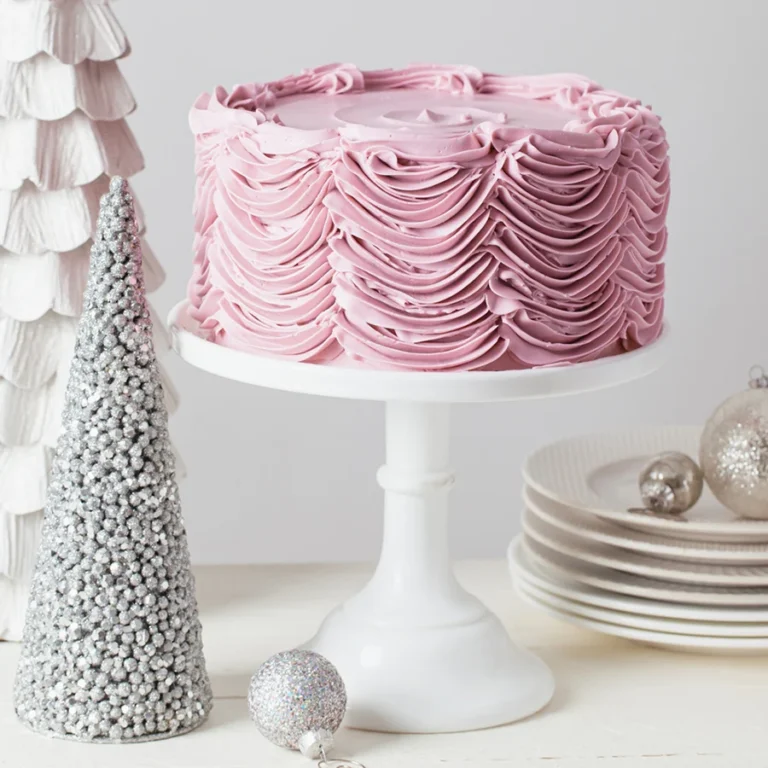


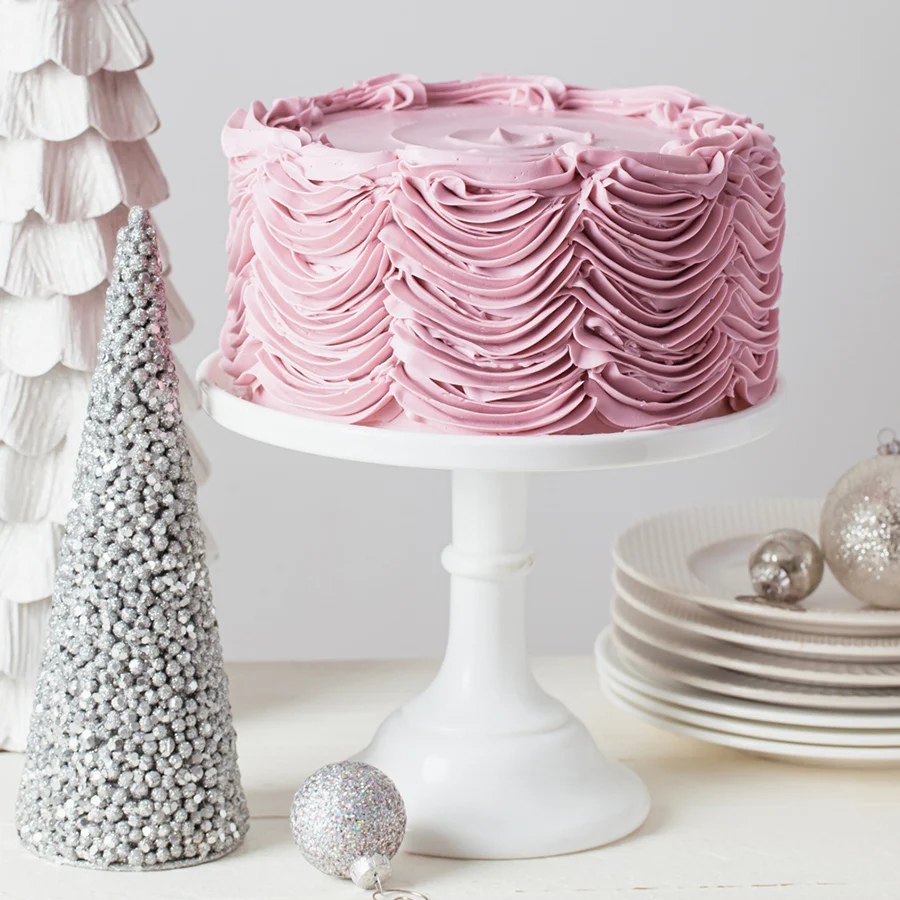
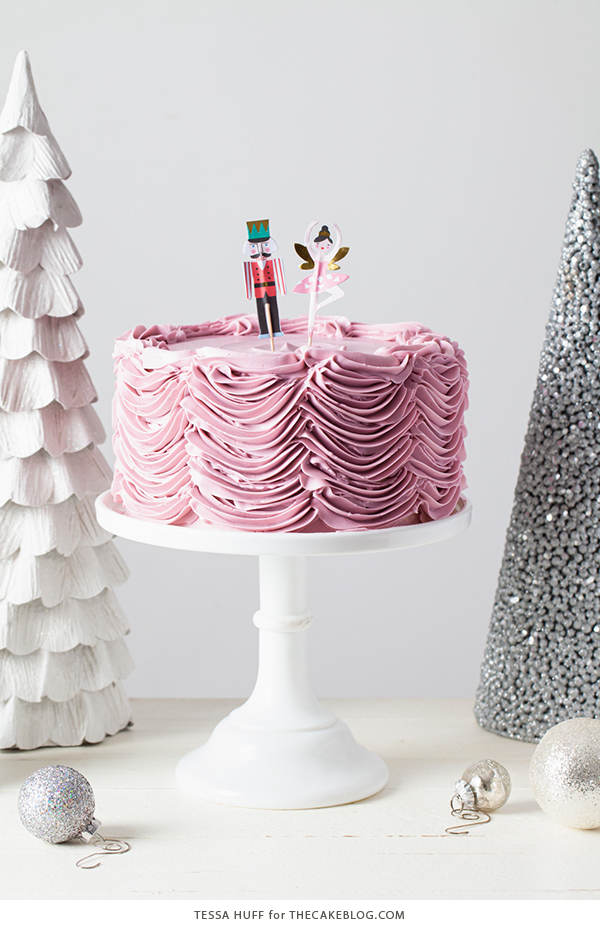
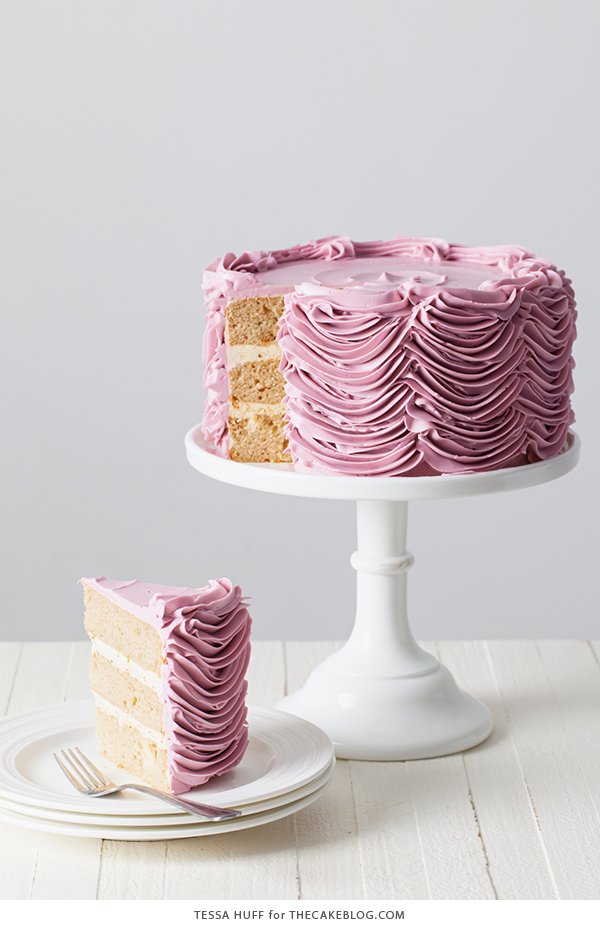
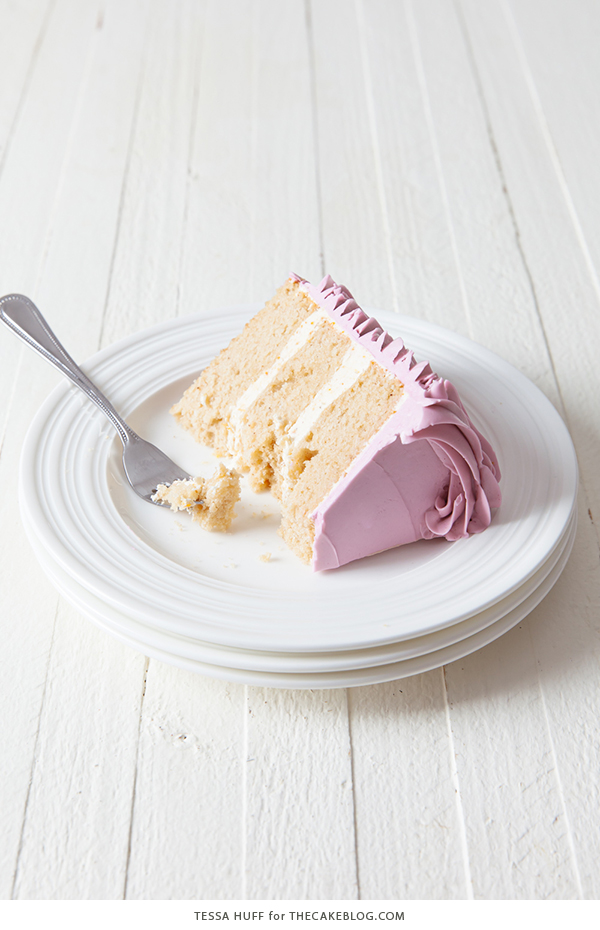
The release of the Hazelnut Nutcracker Cake marks a significant addition to the contemporary holiday confectionery landscape, blending classical performing arts inspiration with advanced pastry techniques. Developed by renowned cake designer and culinary contributor Tessa Huff for The Cake Blog, the recipe serves as a thematic synthesis of the traditional Nutcracker ballet and the seasonal flavor profiles associated with the winter solstice. The cake features a brown sugar and nutmeg-infused sponge, layered with a hazelnut praline Swiss meringue buttercream and finished with intricate swag piping designed to evoke the aesthetic of a balletic tutu.

Historical and Cultural Context of The Nutcracker in Gastronomy
The Nutcracker ballet, originally choreographed by Marius Petipa and Lev Ivanov with a score by Pyotr Ilyich Tchaikovsky, premiered at the Imperial Mariinsky Theatre in Saint Petersburg on December 18, 1892. While the initial production was not an immediate critical success, the suite became immensely popular. It was not until the mid-20th century, particularly following George Balanchine’s 1954 production for the New York City Ballet, that the performance became an indelible staple of North American Christmas traditions.
In the realm of culinary arts, the "Land of Sweets" depicted in the ballet’s second act has historically provided a rich tapestry of inspiration for chefs. Characters such as the Sugar Plum Fairy, Mother Ginger, and representatives of various delicacies—including chocolate (Spain), coffee (Arabia), and tea (China)—have long influenced seasonal menus. The Hazelnut Nutcracker Cake positions itself within this tradition, shifting the focus from the eponymous sugarplum to the rustic and warm profiles of roasted nuts and toasted spices, which are equally synonymous with the Victorian-era setting of the original E.T.A. Hoffmann story.
Technical Composition and Ingredient Analysis
The architectural integrity and flavor complexity of the Hazelnut Nutcracker Cake are predicated on three primary components: the spiced sponge, the praline reduction, and the meringue-based frosting.
The Spiced Sponge Base
The foundation of the cake utilizes a brown sugar and nutmeg profile. Unlike standard white granulated sugar, brown sugar introduces molasses, which provides a hygroscopic quality, ensuring the cake remains moist while offering a deep, caramel-like undertone. The inclusion of fresh nutmeg (Myristica fragrans) is a critical technical choice. Nutmeg contains myristicin, an essential oil that provides a warm, balsamic aroma that serves as the aromatic spine of the dessert. When paired with cinnamon, these spices simulate the "warmth" typically sought in winter beverages and baked goods.
The Hazelnut Praline Component
Hazelnuts, or filberts, are a quintessential winter crop, with global production centered largely in Turkey and the Pacific Northwest of the United States. In this recipe, the hazelnuts undergo a dry-roasting process to enhance the Maillard reaction, intensifying their earthy flavor. These are then encased in a hard caramel (candied brittle) before being processed into a fine praline powder.
From a chemical perspective, the praline adds both a concentrated flavor and a unique texture to the buttercream. By grinding the brittle into a powder, the baker ensures that the hazelnut oils are evenly distributed throughout the frosting without compromising the structural stability of the Swiss meringue.
Swiss Meringue Buttercream and Piping
The choice of Swiss meringue buttercream (SMBC) over American buttercream is a strategic decision favored by professional decorators. SMBC is created by heating egg whites and sugar to 160°F (71°C) before whipping them into a stable foam and incorporating softened butter. This results in a silky, less saccharine finish that acts as an ideal canvas for the praline powder.
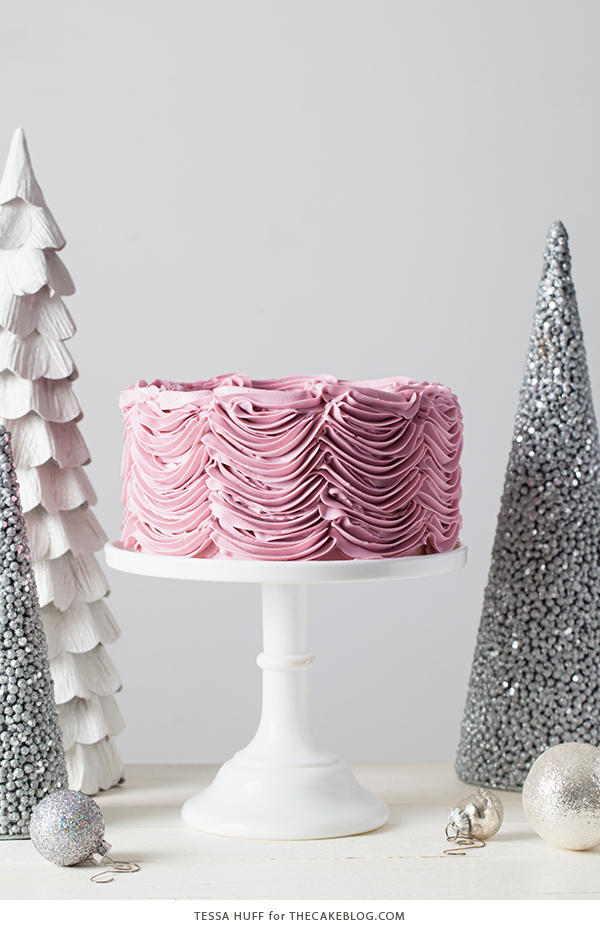
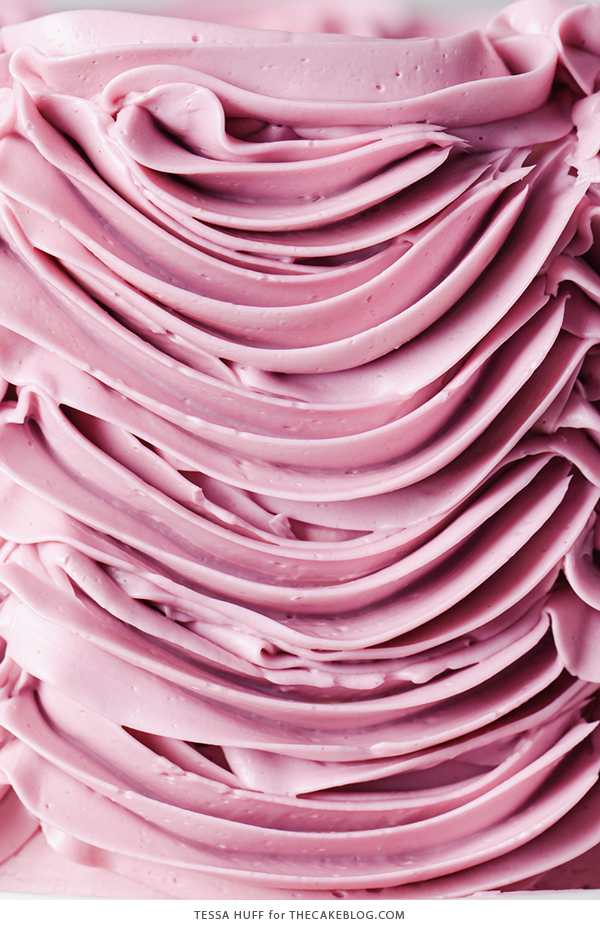
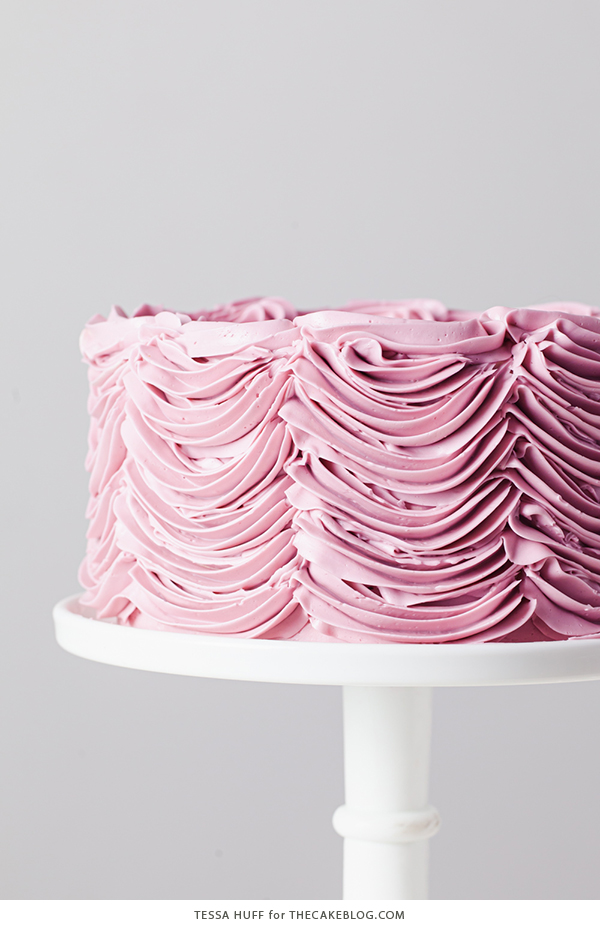
Furthermore, the "swag" piping—a technique involving the rhythmic application of buttercream to create drooping, fabric-like folds—requires a frosting with high plasticity and low air-bubble density. The visual result is a "sugared plum purple" exterior that mimics the ruffles of a tutu, directly referencing the balletic theme.
Chronology of Recipe Development and Publication
The development of the Hazelnut Nutcracker Cake follows a rigorous timeline typical of high-end culinary content creation:
- Conceptualization (Late Autumn): Tessa Huff identified the need for a holiday showpiece that moved beyond the traditional fruitcake or peppermint profiles. The Nutcracker was selected as the central motif due to its universal recognition and aesthetic versatility.
- Flavor Testing (Early November): Initial iterations explored the use of plums; however, due to the seasonality of fresh stone fruits in the northern hemisphere, the profile was pivoted toward roasted hazelnuts and brown sugar to ensure accessibility for home bakers.
- Structural Refinement: Testing was conducted to ensure the praline powder did not cause the buttercream to "break" or separate. The ratio of spice to flour was calibrated to ensure the nutmeg did not overwhelm the delicate hazelnut notes.
- Aesthetic Design: The decision to use a "sugared plum" color palette was finalized to provide a visual bridge between the hazelnut flavor and the Nutcracker theme. The swag piping was chosen for its elegance and its ability to withstand room-temperature display during holiday gatherings.
- Public Release (December 2019): The recipe was officially published on The Cake Blog, accompanied by professional photography and technical guidance, targeting an audience of intermediate to advanced home bakers.
Economic and Market Implications of Seasonal Baking
The release of specialized recipes like the Hazelnut Nutcracker Cake reflects broader trends in the multi-billion dollar global baking industry. During the fourth quarter, consumer spending on baking supplies—including high-quality nuts, spices, and premium butter—typically increases by 25% to 40% compared to the annual average.
Hazelnuts, in particular, represent a significant commodity. According to industry data, the global hazelnut market was valued at approximately $9.2 billion in recent years, with a projected compound annual growth rate (CAGR) of 5.9%. Recipes that feature hazelnuts prominently contribute to the demand for "premiumization" in home baking, where consumers move away from pre-mixed products toward artisanal, "from-scratch" ingredients.
Furthermore, the "influencer economy" within the culinary world, represented by contributors like Tessa Huff, plays a vital role in brand loyalty. By providing high-value, technically complex recipes for free or via ad-supported blogs, creators drive traffic to related industries, including kitchenware manufacturers (piping tips, stand mixers) and specialty ingredient suppliers.
Expert Analysis of Culinary Impact
Culinary analysts note that the Hazelnut Nutcracker Cake succeeds by balancing nostalgia with modern sophistication. While the Nutcracker theme appeals to the "child-like wonder" mentioned by Huff, the technical execution—specifically the praline-infused SMBC—appeals to the modern palate’s preference for complex textures and reduced sweetness.
"The move toward nut-based pralines in American cake design signifies a shift toward European-style pastry influences," says one industry observer. "By integrating the crunch of the brittle into the smoothness of the buttercream, the recipe provides a multi-sensory experience that is often lacking in standard holiday cakes."
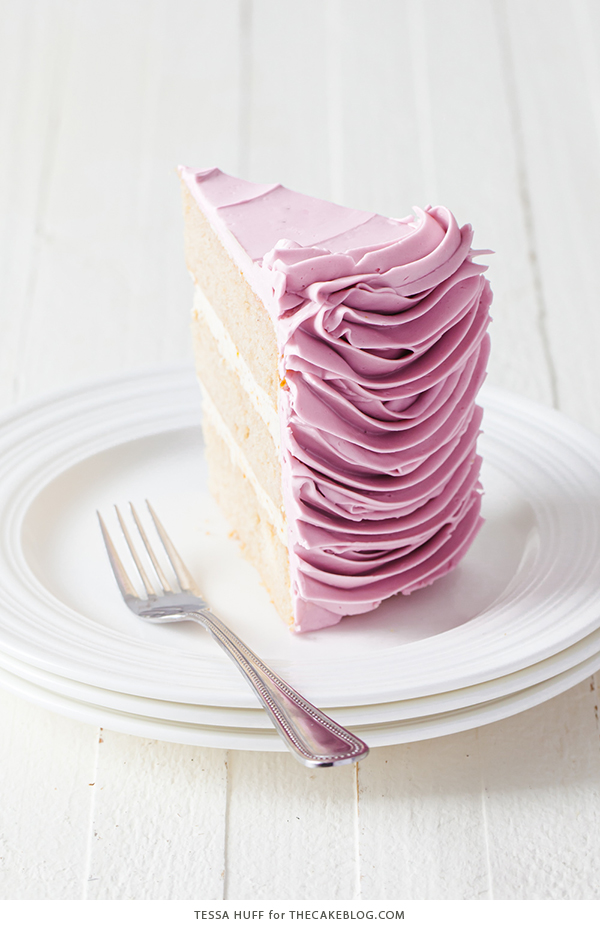
The use of purple hues also deviates from the traditional red-and-green holiday color scheme, allowing the cake to function as a centerpiece for a wider variety of winter celebrations, including New Year’s Eve and winter weddings.
Broader Implications for Digital Recipe Distribution
The publication of the Hazelnut Nutcracker Cake on a digital platform highlights the evolution of how culinary knowledge is disseminated. In previous decades, such a recipe would be guarded within the confines of a physical cookbook or a professional pastry kitchen. Today, the democratization of high-level pastry techniques allows home bakers to replicate "gallery-standard" cakes.
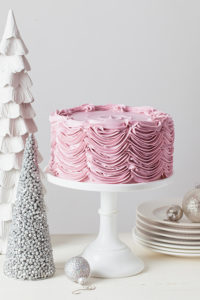
This transparency has led to a rise in "competitive home baking," fueled by social media platforms where visual appeal is as important as flavor. The Hazelnut Nutcracker Cake, with its specific "tutu" piping, is designed to be highly "shareable," thereby increasing the digital footprint of the creator and the hosting platform.
Conclusion
The Hazelnut Nutcracker Cake is more than a seasonal dessert; it is a calculated intersection of cultural history, chemical precision, and artistic expression. By drawing on the enduring legacy of Tchaikovsky’s masterpiece and the robust flavors of the winter harvest, Tessa Huff has produced a work that satisfies both the nostalgic requirements of the holiday season and the rigorous standards of modern pastry arts. As the culinary industry continues to evolve, such recipes serve as benchmarks for the integration of thematic storytelling and technical excellence.