
The modern holiday decor market is experiencing a significant shift as consumers increasingly pivot away from mass-produced international imports in favor of domestically manufactured, artisanal products that offer high levels of customization. This movement, characterized by a preference for "heirloom quality" over "disposable" seasonal items, has revitalized the interest in traditional crafts such as sisal bottle brush trees and hand-dyed textiles. Recent data from the craft and hobby industry suggests that the desire for personalized home aesthetics is driving a resurgence in DIY techniques, specifically dip-dyeing, as a means to achieve color-coordinated interior design schemes that mass-market retailers cannot provide.
The Rise of Domestic Artisanal Manufacturing
A growing segment of the American consumer base has expressed dissatisfaction with the quality and environmental impact of mass-produced seasonal goods sourced from overseas. This sentiment was recently highlighted by design expert Jen Causey-Kidder of Something Turquoise, who noted the difficulty in sourcing high-quality holiday components manufactured within the United States. The search for premium materials led to the identification of Studio59 Handmade, an Etsy-based artisanal shop operated by a creator known as Rachel. Studio59 specializes in handmade bottle brush trees, offering variations in width—classic, thin, and wide—and heights ranging from four to twelve inches.
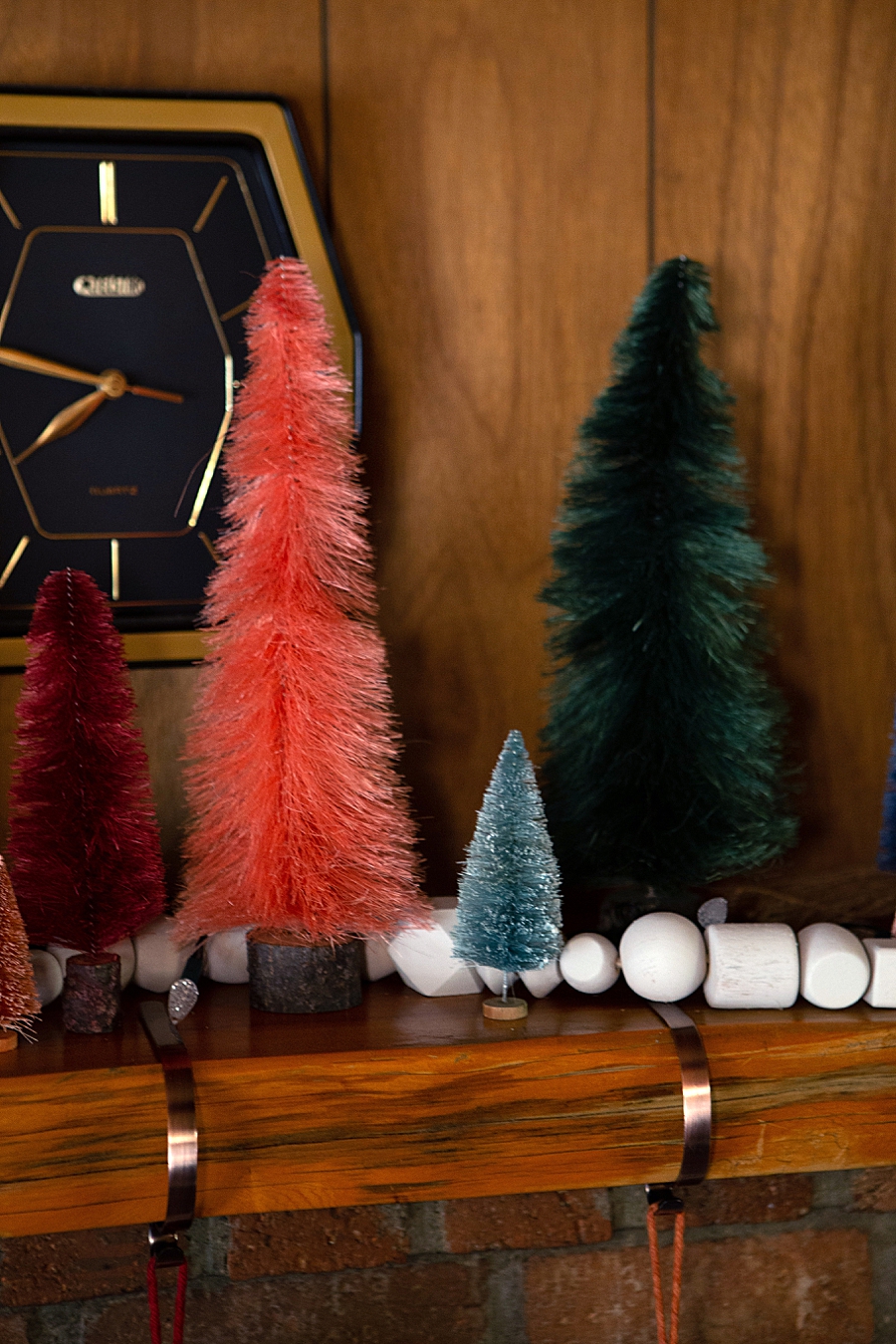
These trees are primarily constructed from natural sisal, a stiff fiber derived from the Agave sisalana plant. Unlike synthetic alternatives often found in big-box retail stores, natural sisal provides a superior substrate for pigments, allowing for a level of color saturation and nuance that is essential for high-end interior design. The preference for these domestic, handmade items reflects a broader economic trend where consumers are willing to pay a premium for transparency in manufacturing and the assurance of quality that comes with small-scale production.
Technical Analysis of the Dip-Dyeing Process
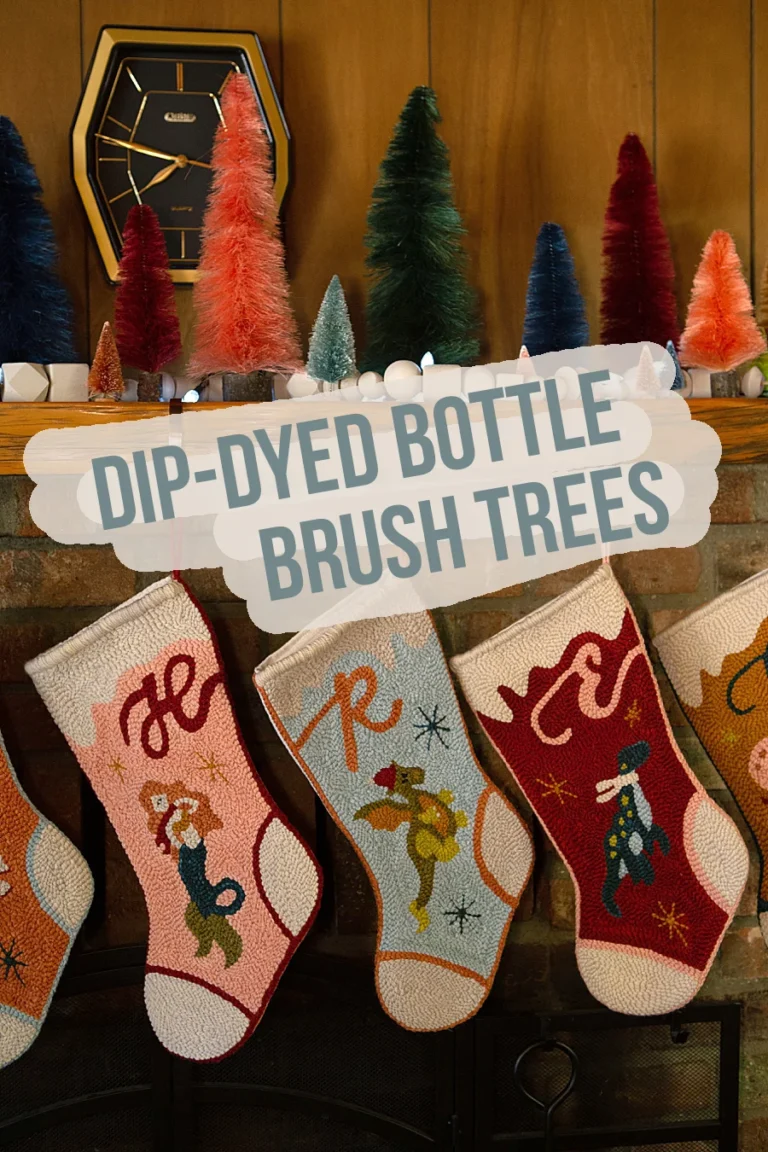
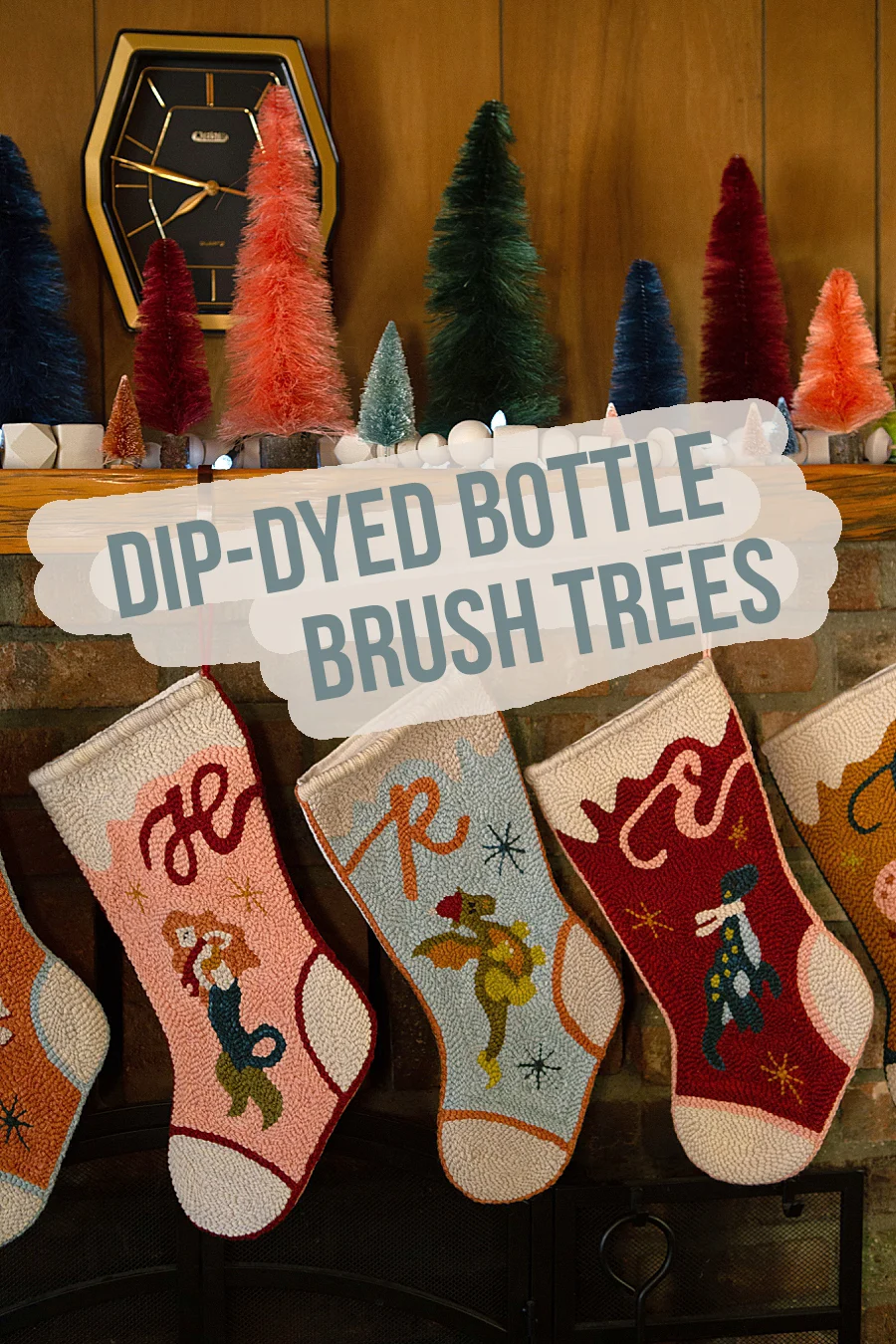
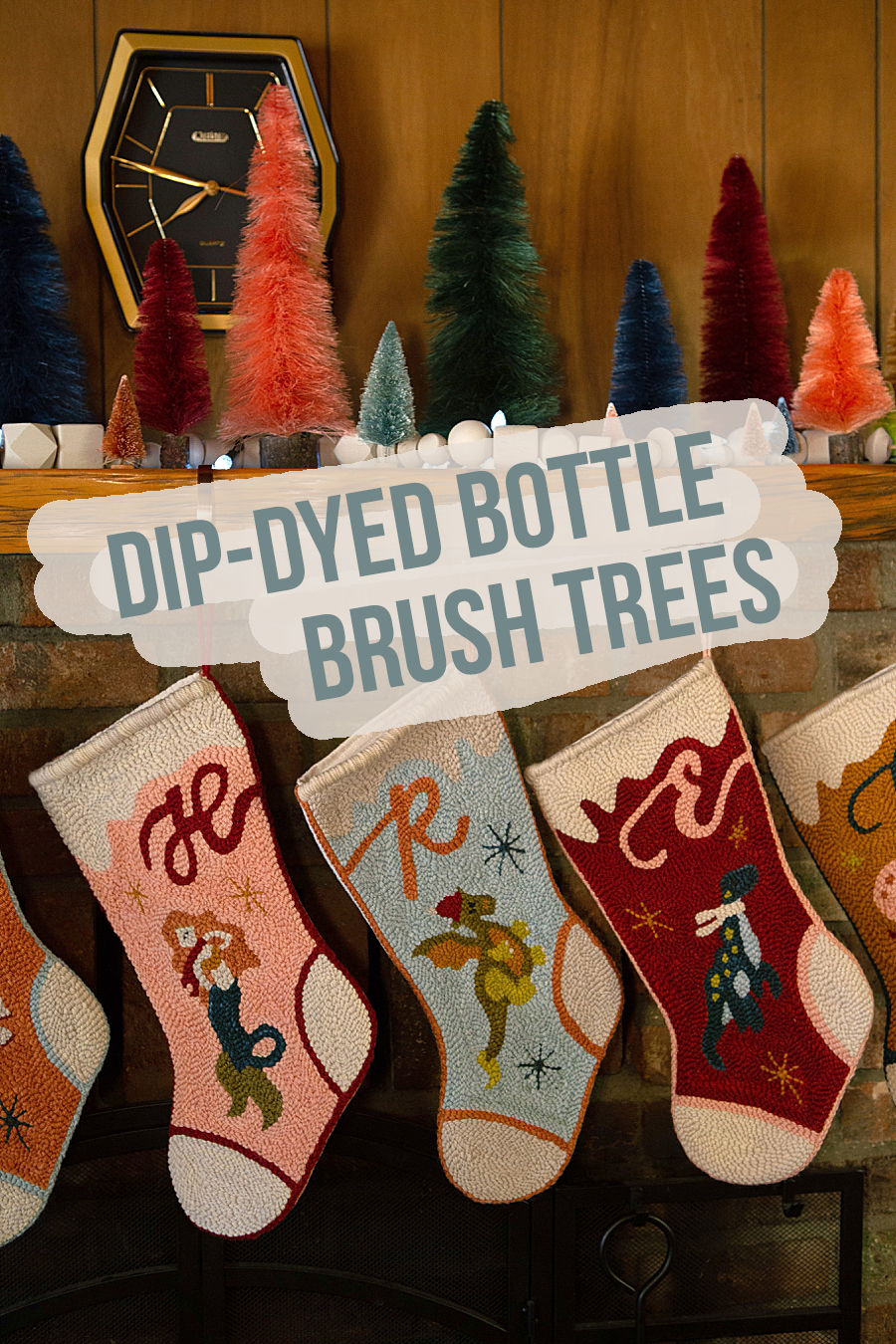
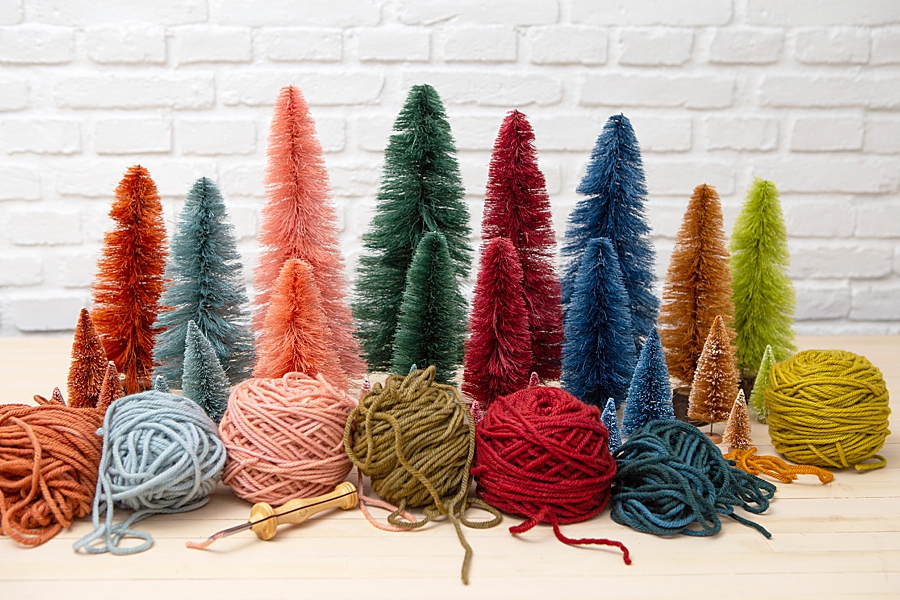
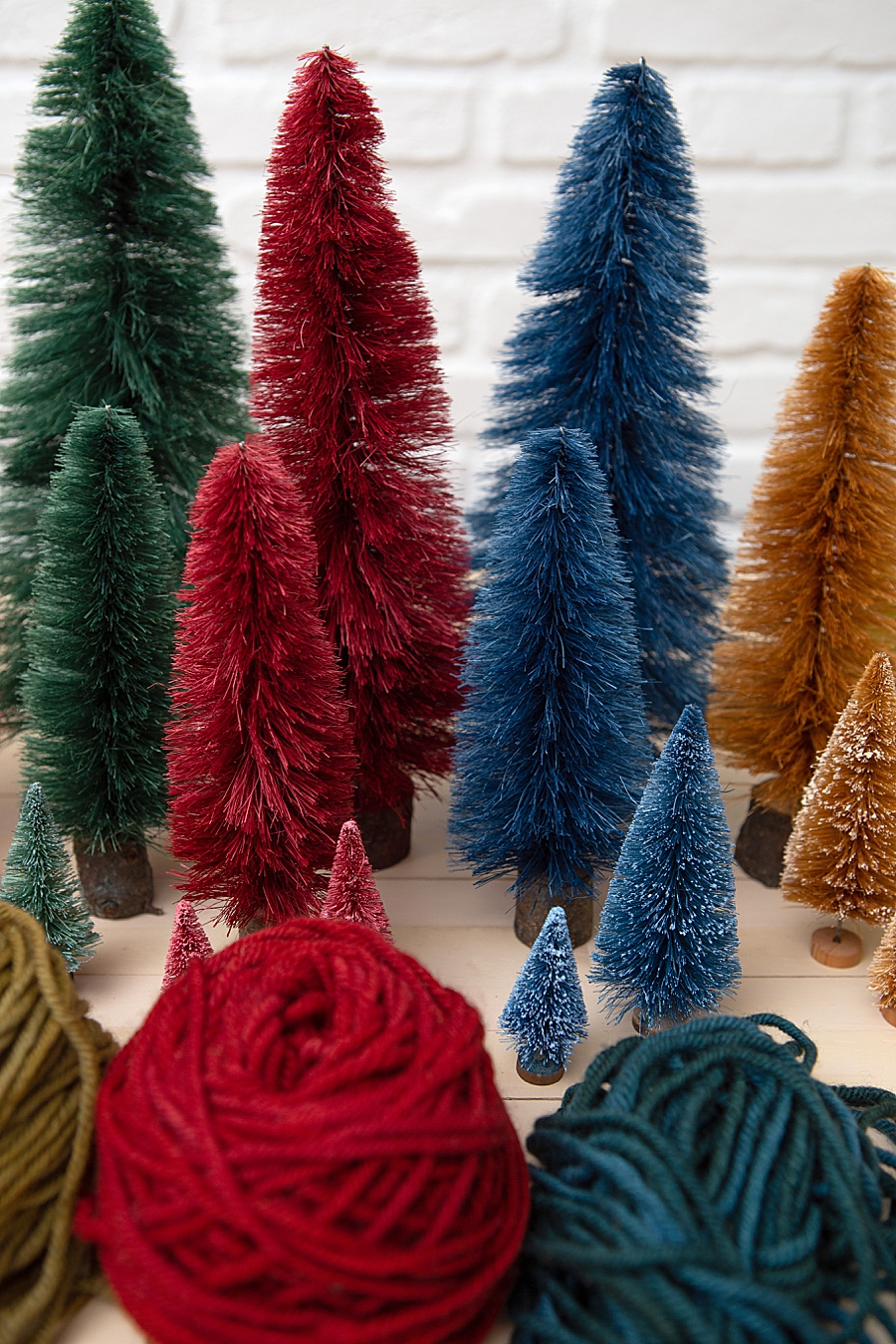
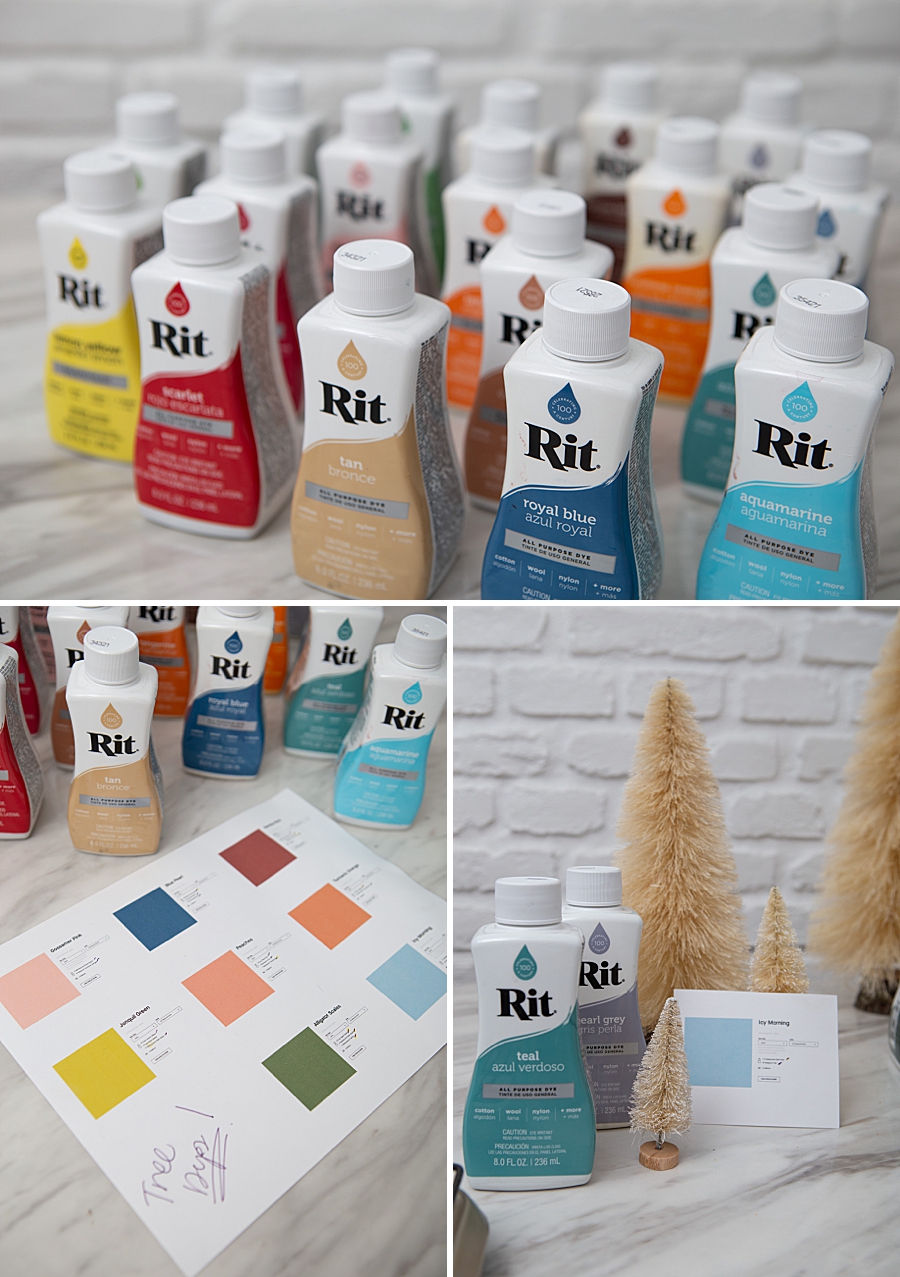
To achieve a seamless aesthetic across different holiday decor elements, such as matching miniature trees to hand-crafted "punch needle" stockings, enthusiasts are turning to advanced dyeing techniques. The process of dip-dyeing sisal trees involves a sophisticated understanding of fiber reactivity and color theory. Using established brands like Rit Dye, which has been a staple in American households since 1918, crafters can utilize specific color formulas to replicate precise hues.
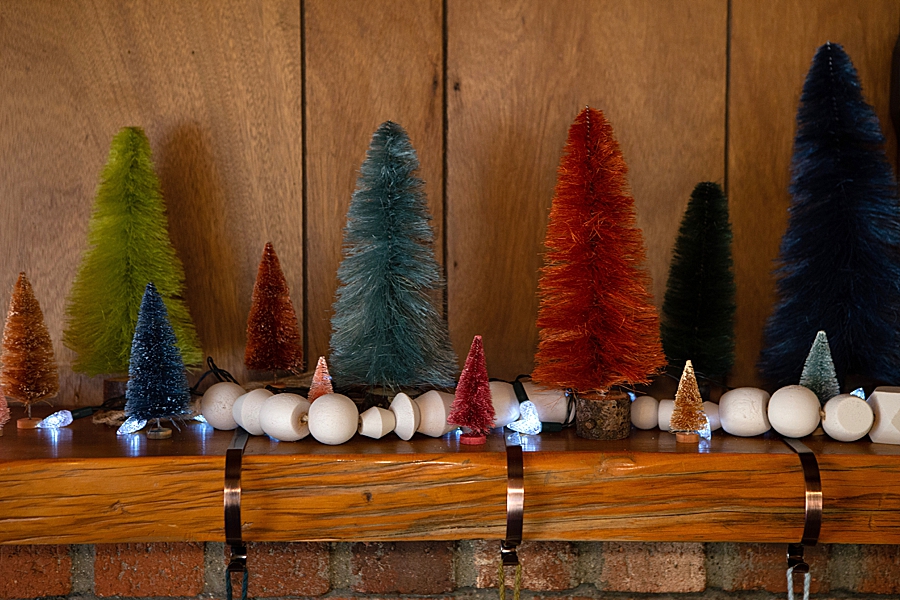
The methodology for transforming a natural sisal tree into a custom-colored decor piece follows a rigorous chronological sequence:
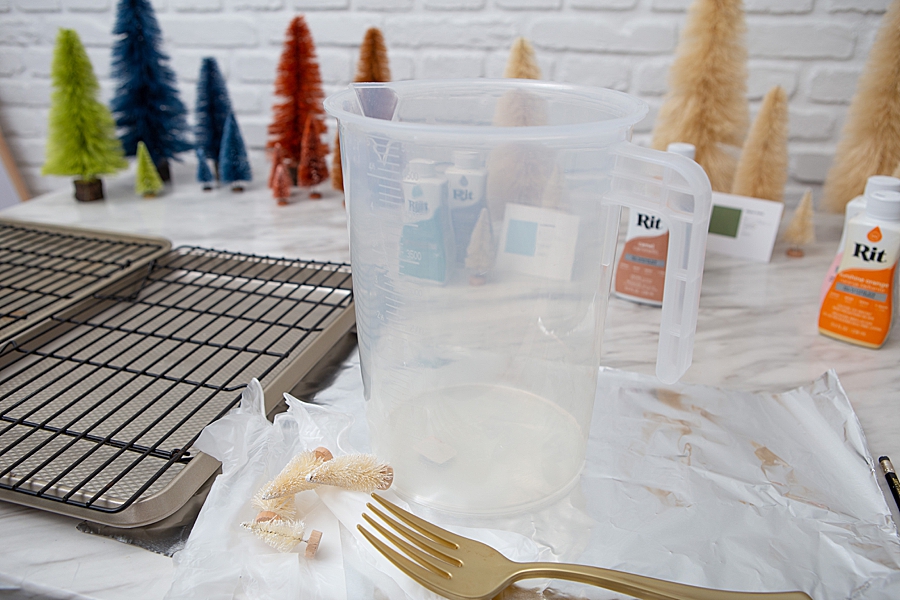
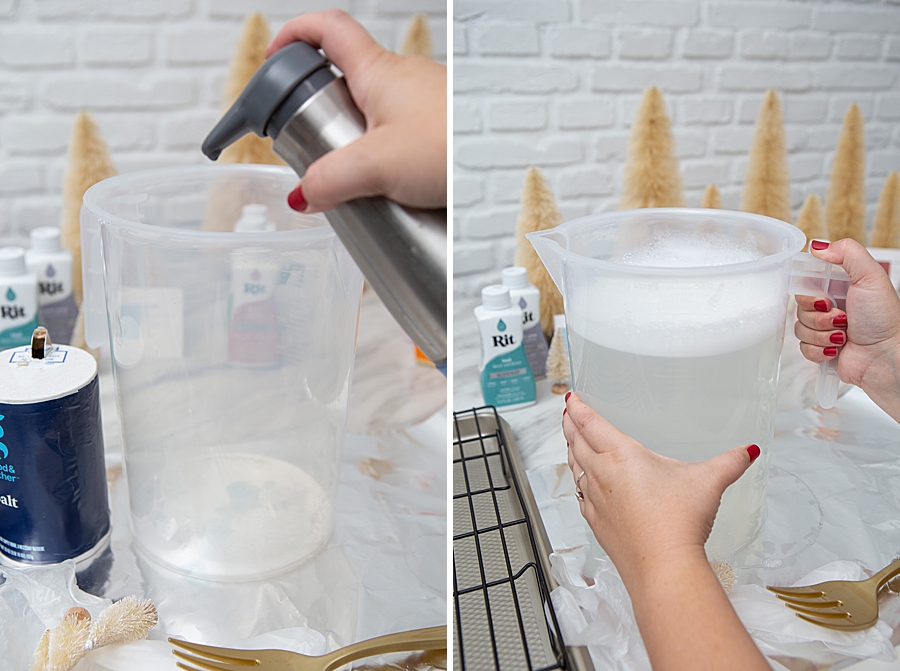
- Preparation of the Aqueous Solution: The process begins with the creation of a dye bath. This requires a gallon of water heated to its highest possible temperature to ensure maximum pigment activation. The addition of one tablespoon of liquid dish soap acts as a surfactant, breaking the surface tension of the water and allowing the dye to penetrate the dense sisal bristles more effectively. Furthermore, the inclusion of a teaspoon of salt serves as an exhausted-dye fixative, particularly useful for cellulose-based fibers like sisal.
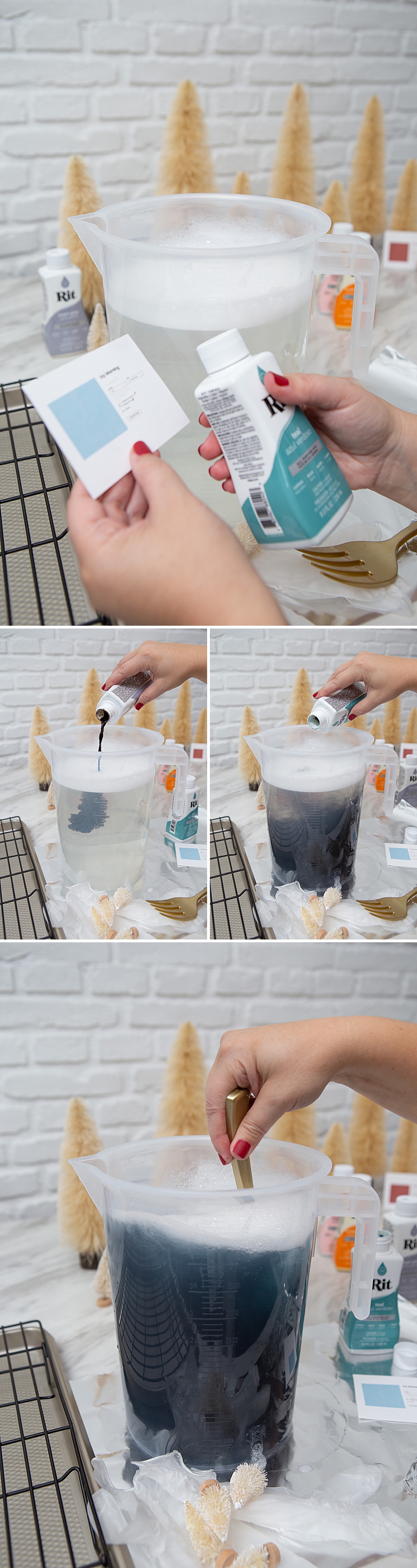
- Color Formula Implementation: Utilizing digital color formula libraries provided by manufacturers, the user mixes specific ratios of liquid or powder dyes. For those attempting to match specific textiles—such as the Cardo yarn by Manos del Uruguay used in heirloom punch needle projects—this step is critical for visual consistency.
- Prototyping and Testing: Before committing high-value, handmade trees to the dye bath, industry experts recommend testing the mixture on smaller, less expensive "test trees." This allows the crafter to adjust the soak time or pigment concentration without risking the primary inventory.
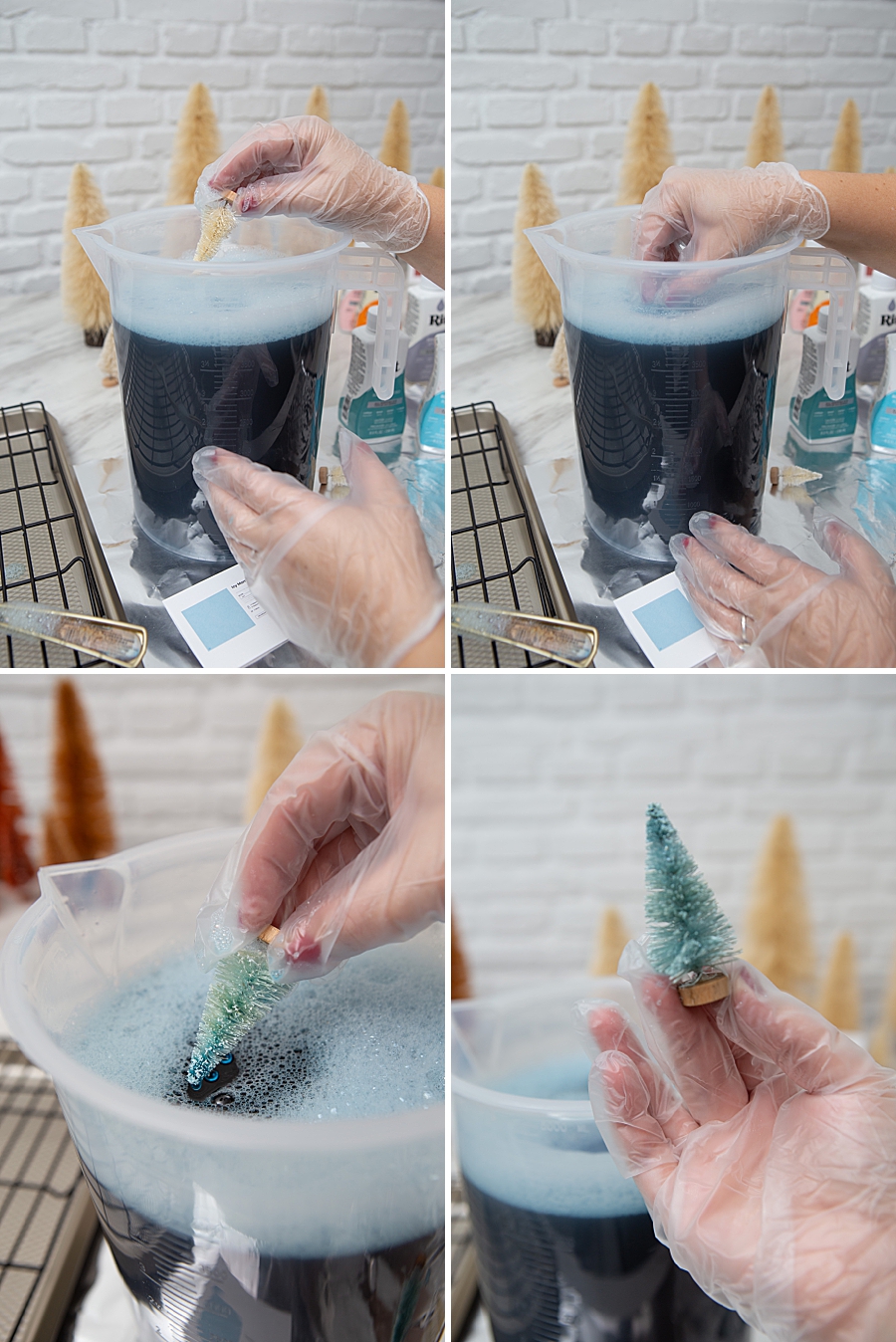
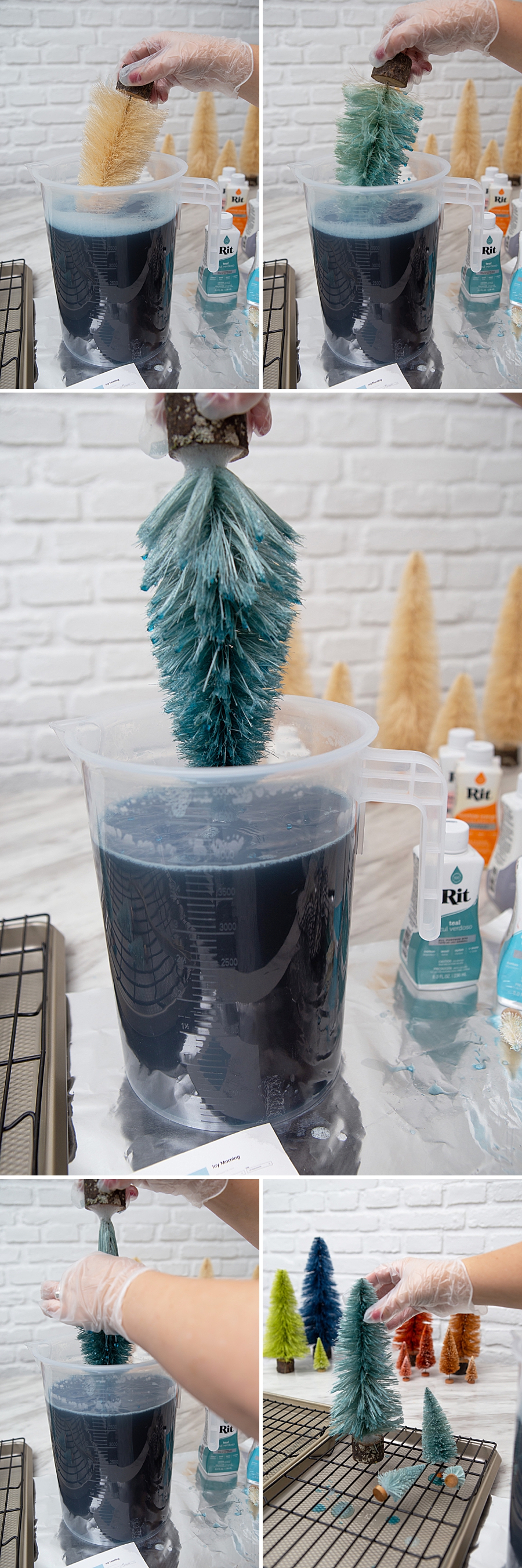
- Saturation and Immersion: The natural trees are submerged in the dye bath for approximately 45 seconds. During this phase, the sisal fibers undergo a chemical bonding process with the pigment.
- Dehydration and Curing: Once removed from the bath, excess moisture is manually extracted. The trees are then placed on cooling racks over cookie sheets to allow for 360-degree airflow. A drying period of at least 24 hours is standard to ensure the color sets and the fibers regain their structural rigidity.
Economic Impact of the "Maker Movement" and Etsy Ecosystem
The success of individual artisans like Rachel of Studio59 Handmade is indicative of the broader economic strength of the "maker movement." Platforms like Etsy have empowered small-scale manufacturers to reach a global audience, bypassing traditional retail gatekeepers. In 2022 and 2023, the demand for "unfinished" or "natural" craft bases—items intended to be finished or customized by the end-user—saw a marked increase.
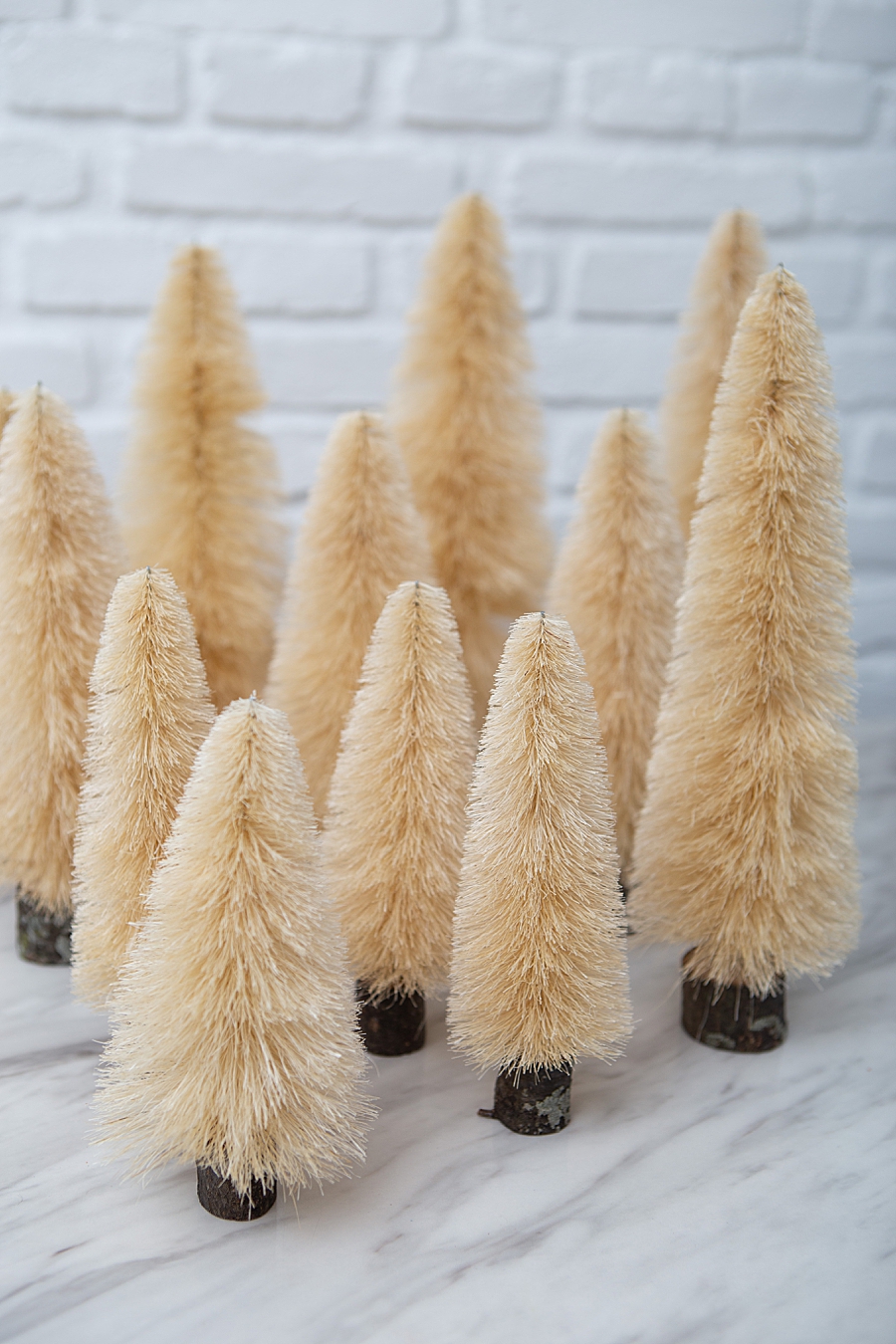
This "hybrid" consumption model—where a consumer buys a high-quality handmade base and then applies their own DIY labor—represents a fusion of the service and manufacturing economies. It allows the consumer to claim a sense of "co-authorship" over their home decor. Furthermore, the focus on "heirloom" quality suggests a shift toward sustainability; items that are customized to match a specific, long-term family aesthetic are less likely to be discarded after a single season, thereby reducing the carbon footprint associated with holiday consumption.
The Influence of Digital Media on Craft Adoption
The dissemination of these techniques is largely driven by social media platforms, particularly Instagram and TikTok. Short-form video content, such as "Reels," provides a real-time visual guide that lowers the barrier to entry for complex DIY projects. By documenting the transformation of a plain natural tree into a vibrant, color-matched design element, creators like Causey-Kidder provide a "proof of concept" that encourages followers to invest in similar artisanal materials.
This digital ecosystem creates a feedback loop: artisans produce high-quality bases, influencers demonstrate sophisticated customization techniques, and consumers drive demand for both the raw materials and the finished aesthetic. The hashtag #somethingturquoisediy serves as a community hub, allowing for the peer-to-peer sharing of results, which further validates the process and provides free marketing for the component manufacturers like Studio59 and Rit Dye.
Broader Implications for the Retail Industry
The move toward bespoke holiday decor has significant implications for traditional retailers. As consumers become more educated about material quality and more capable of performing their own customizations, the value proposition of mass-produced, low-quality plastic decor diminishes. Retailers may need to pivot toward offering more high-quality "blanks" or natural-fiber products to satisfy the sophisticated DIY market.
Moreover, the emphasis on matching "punch needle" stockings with "bottle brush trees" highlights a trend toward holistic interior design. Punch needle embroidery, a technique that dates back to the 19th century, has seen a massive resurgence among younger demographics. This craft involves pushing yarn through fabric to create a looped pile, resulting in a texture-rich, durable textile. When consumers invest dozens of hours into creating heirloom stockings, they are naturally inclined to seek out or create complementary decor that matches the specific yarn weight and color palette of their handiwork. In this case, the use of Cardo by Manos del Uruguay—a high-end, fair-trade yarn—sets a standard of luxury that mass-market holiday trees simply cannot meet.
Conclusion: The Future of Personalized Holidays
The intersection of domestic artisanal manufacturing and DIY customization is redefining the holiday retail landscape. By rejecting "junk" in favor of handmade sisal trees and employing scientific dyeing methods to achieve perfect color harmony, modern consumers are reclaiming the holiday experience from the clutches of mass-market uniformity. This trend favors the small business owner, the domestic artisan, and the creative consumer, suggesting a future where holiday decor is not just a commodity, but a curated collection of personal history and craftsmanship.
As the industry moves forward, the "natural" bottle brush tree is likely to remain a staple of the high-end holiday market, serving as a versatile canvas for the ever-changing palettes of interior design. Whether through the lens of economic domesticity, environmental sustainability, or aesthetic perfectionism, the dip-dyed tree stands as a symbol of a more intentional and personalized approach to festive celebration. For the dedicated crafter, the ability to match a tree to a specific strand of Uruguayan yarn is not merely a hobby—it is a statement of design autonomy.