

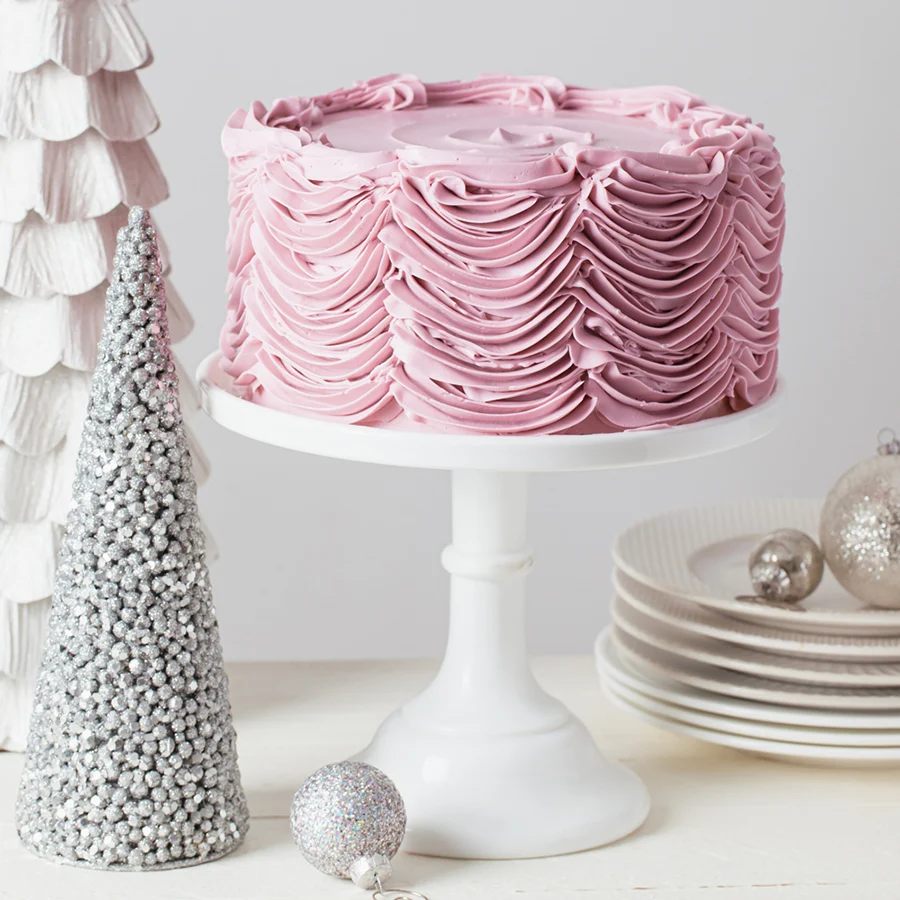
Tessa Huff, a renowned pastry chef and cake designer, has officially released her latest seasonal creation, the Hazelnut Nutcracker Cake, a multi-layered dessert designed to bridge the gap between classical performing arts and contemporary confectionery science. This culinary development, published via The Cake Blog, introduces a sophisticated flavor profile featuring brown sugar, nutmeg, and a specialized hazelnut praline buttercream. The release of the recipe coincides with the peak of the holiday baking season, a period characterized by heightened consumer interest in artisanal techniques and nostalgic flavor palettes.

Technical Composition and Flavor Profile
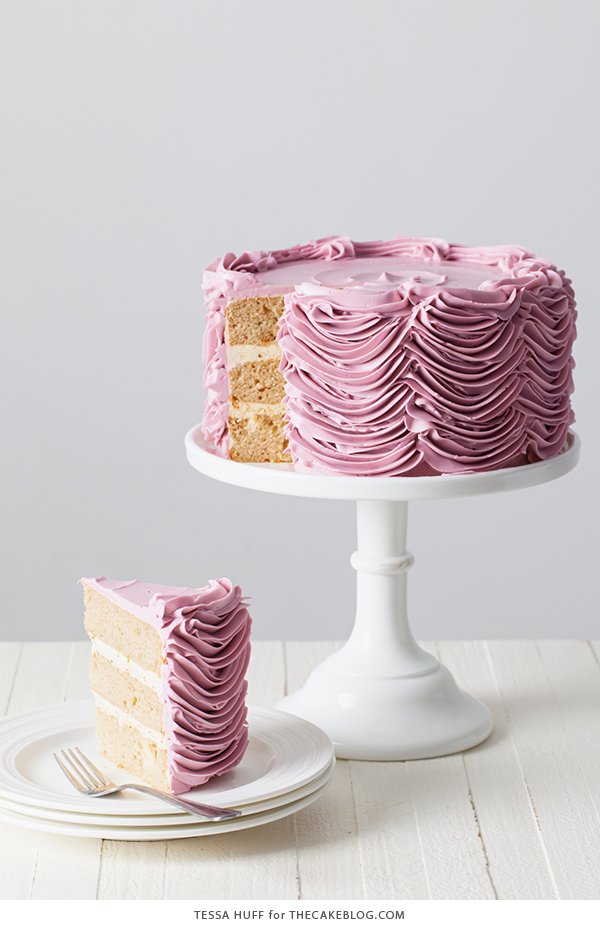
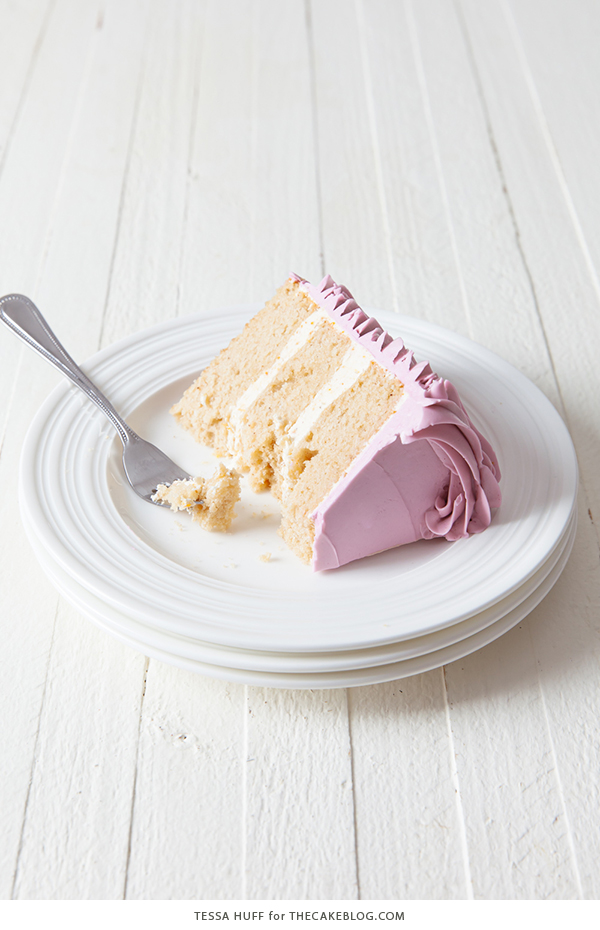
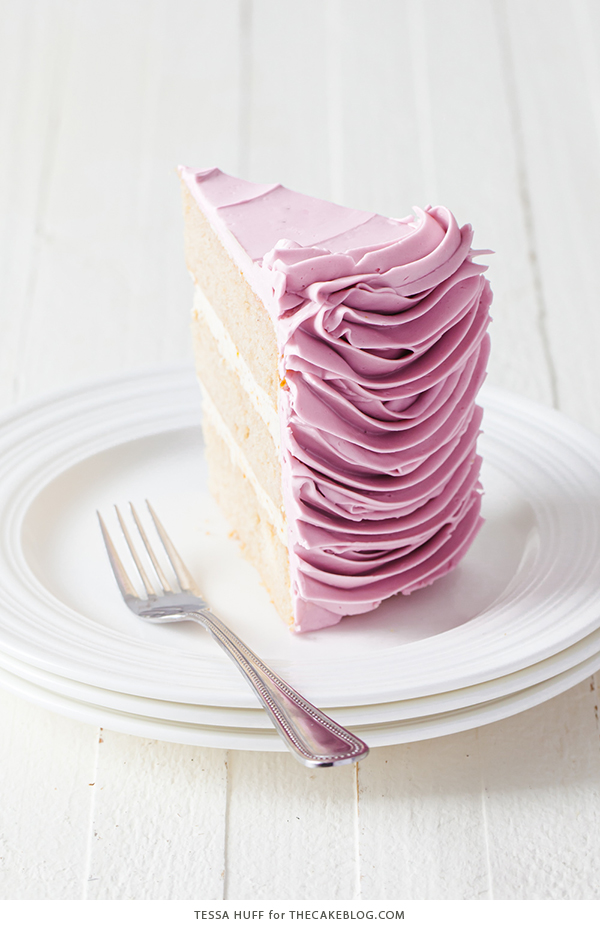
The Hazelnut Nutcracker Cake is constructed as a brown sugar and nutmeg sponge, a departure from the traditional white or yellow cakes often associated with holiday festivities. The use of brown sugar provides a higher moisture content and a deeper, molasses-inflected sweetness, which complements the volatile aromatic compounds found in fresh nutmeg. According to culinary specifications, the integration of these spices aims to evoke the warmth of traditional winter beverages and spiced breads.
The structural integrity and primary flavor delivery system of the cake rely on a Swiss meringue buttercream infused with hazelnut praline. Unlike American buttercream, which relies on the mechanical aeration of butter and powdered sugar, the Swiss meringue method involves the thermal denaturation of egg white proteins combined with sugar, followed by the gradual incorporation of fats. This results in a silky texture that serves as an ideal substrate for the addition of hazelnut praline powder.
The praline component is achieved through the caramelization of sugar surrounding roasted hazelnuts, which is then cooled into a brittle and pulverized. This process not only concentrates the nutty flavor through the Maillard reaction—the chemical reaction between amino acids and reducing sugars that gives browned food its distinctive flavor—but also introduces a complex texture to the filling.
Artistic Inspiration and The Nutcracker Influence
The thematic core of the Hazelnut Nutcracker Cake is derived from Pyotr Ilyich Tchaikovsky’s 1892 ballet, The Nutcracker. The ballet, particularly the "Land of Sweets" sequence in Act II, has historically influenced the confectionery industry. While the "Dance of the Sugar Plum Fairy" suggests a plum-based flavor profile, Huff’s decision to utilize hazelnuts reflects a pragmatic approach to seasonal ingredient availability. In many regions, fresh plums are out of season during the winter months, whereas hazelnuts and dried spices reach their peak relevance in December.
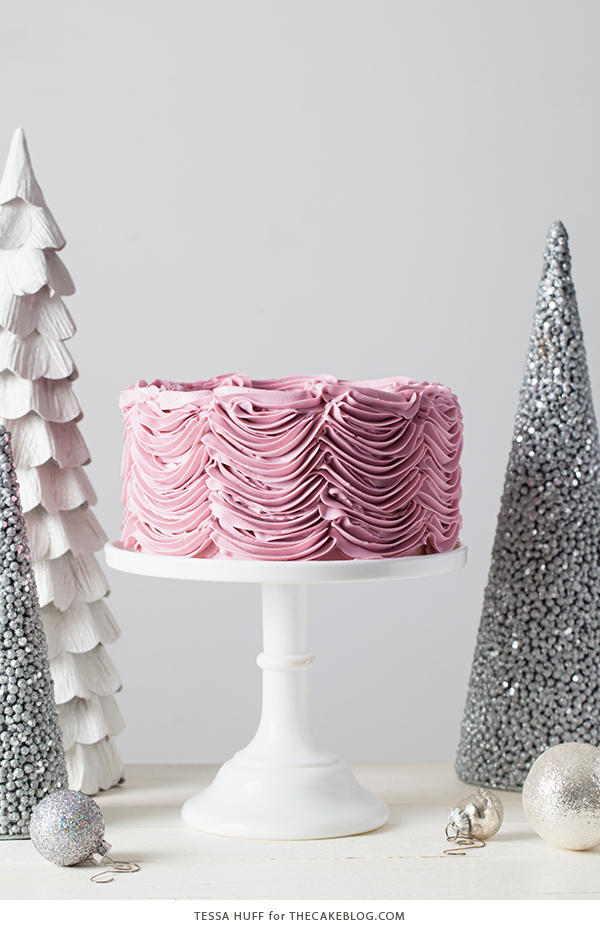
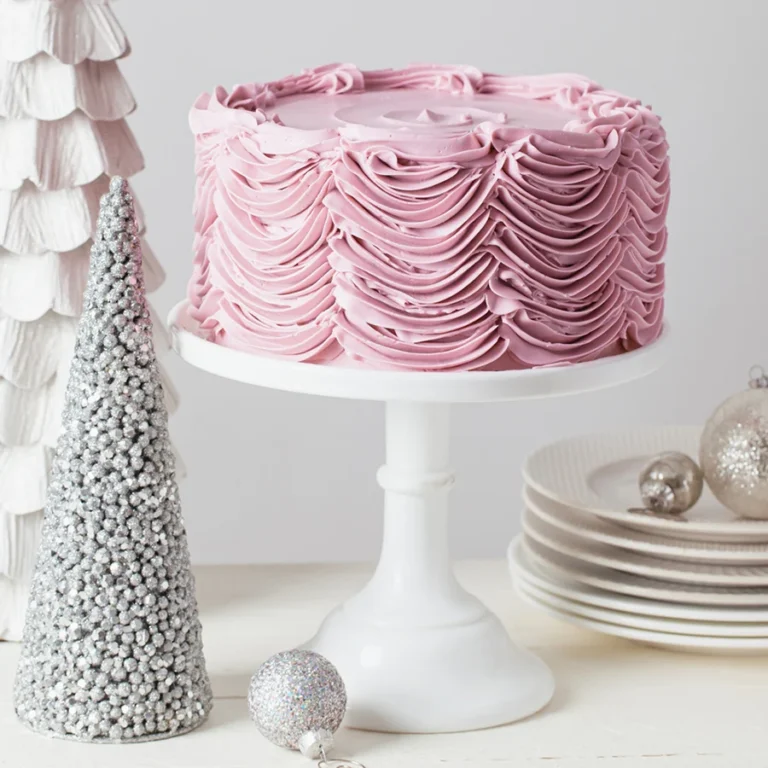
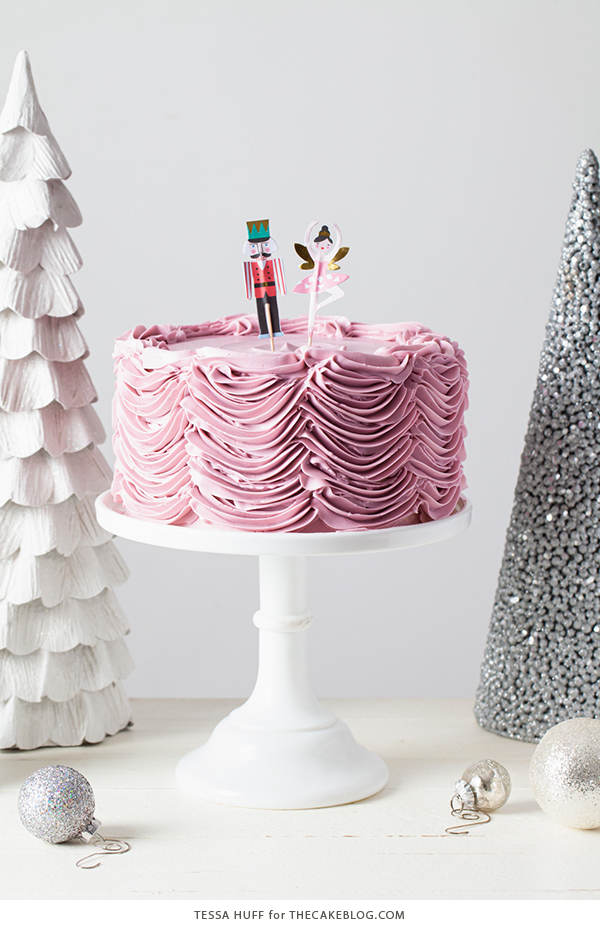
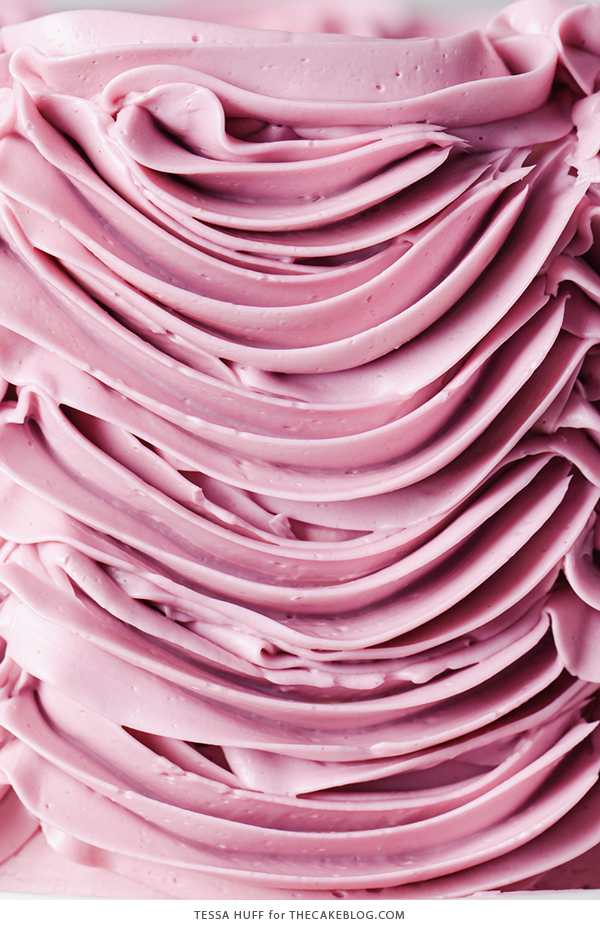
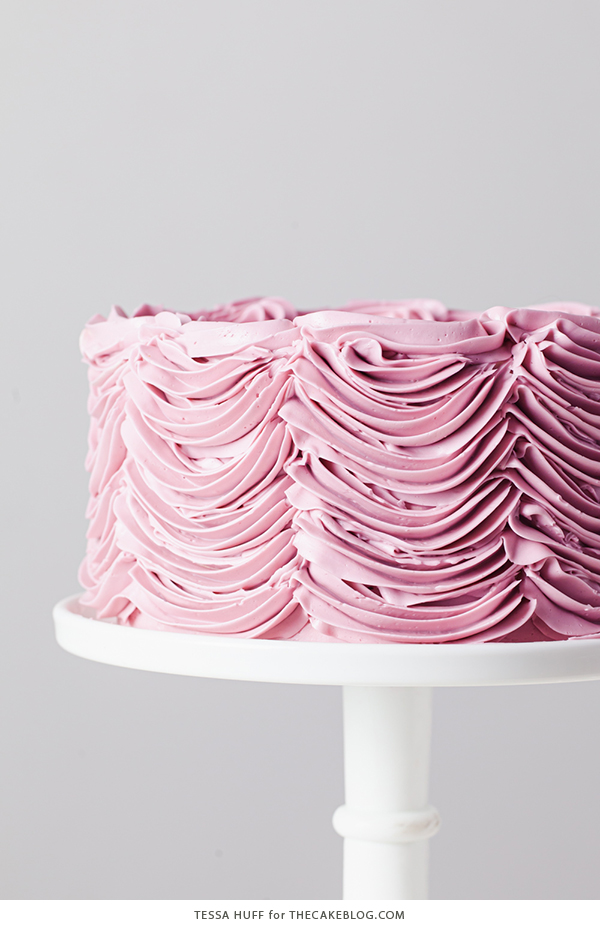
The visual presentation of the cake utilizes advanced piping techniques to mimic the aesthetic of the ballet. The exterior features "swag" buttercream piping and ruffles tinted in a "sugared plum" purple, designed to replicate the appearance of a ballerina’s tutu. This intersection of textile aesthetics and food styling represents a growing trend in high-end cake design, where the visual narrative is as critical as the gustatory experience.
The Global Hazelnut Market and Ingredient Sourcing
The reliance on hazelnuts in this recipe highlights the importance of the nut in the global agricultural economy during the fourth quarter. According to data from the Hazelnut Marketing Board and the United Nations Food and Agriculture Organization (FAO), Turkey remains the world’s leading producer of hazelnuts, accounting for approximately 70% of global supply. In the United States, Oregon produces 99% of the domestic crop.
The demand for hazelnuts typically spikes during the holiday season, driven by the production of pralines, chocolate spreads, and traditional European baked goods such as Lebkuchen and Linzer Tortes. The Hazelnut Nutcracker Cake aligns with these market trends, utilizing the nut not just as a garnish, but as a fundamental structural and flavor component. Industry analysts note that the inclusion of "roasted" and "praline" elements in recipes increases the perceived value of the dessert among consumers, who are increasingly seeking "premiumized" home-baking experiences.
Chronology of Recipe Development
The development of the Hazelnut Nutcracker Cake follows a specific timeline of culinary conceptualization:
- Conceptualization (Early Autumn): Inspiration is drawn from the upcoming performance season of The Nutcracker. The designer identifies the need for a cake that balances the whimsical nature of the ballet with a sophisticated adult palate.
- Ingredient Testing (Mid-Autumn): Ratios of nutmeg to brown sugar are adjusted to ensure the spice does not overwhelm the delicate hazelnut notes. The Swiss meringue buttercream is tested for stability to ensure it can support the intricate swag piping.
- Visual Design (Late Autumn): Color theory is applied to select the specific shade of "sugared plum" purple. The "tutu" ruffle technique is refined to ensure consistency across the cake’s circumference.
- Public Release (December): The recipe is published to coincide with the onset of holiday gatherings, providing home bakers with a professional-grade template for seasonal celebrations.
Analysis of Baking Trends and Consumer Behavior
The release of the Hazelnut Nutcracker Cake reflects broader shifts in the domestic baking landscape. Data from market research firms indicate a significant increase in "from-scratch" baking since 2020. Consumers are moving away from simplified box mixes in favor of complex, multi-step recipes that require specialized tools, such as candy thermometers for praline and piping manifolds for decorative work.
Furthermore, the "Instagrammability" of food has become a primary driver in recipe popularity. The visual complexity of the swag piping on the Hazelnut Nutcracker Cake serves a dual purpose: it provides a challenging project for the hobbyist baker and results in a highly shareable digital asset. This feedback loop between social media aesthetics and culinary development has led to the rise of "contributor-led" content, where experts like Tessa Huff provide the intellectual property that drives engagement for platforms like The Cake Blog.
Official Responses and Culinary Impact
While formal statements from the broader culinary industry are rarely issued for individual recipes, the reception within the pastry community has been positive. Professional bakers note that the integration of a praline powder into Swiss meringue buttercream is an effective way to introduce flavor without compromising the emulsion of the frosting.
"The use of toasted hazelnuts and fresh nutmeg elevates the cake from a standard holiday dessert to a professional-tier offering," says one anonymous industry consultant. "It respects the traditions of the season while utilizing modern decorative techniques that appeal to a younger, design-conscious demographic."
The Cake Blog, as the primary distributor of this content, continues to position itself as a repository for high-concept baking. By hosting contributors who specialize in specific niches—such as Huff’s focus on structured, artistic cakes—the platform maintains a competitive edge in the crowded food media market.
Broader Implications for the Holiday Season
The Hazelnut Nutcracker Cake is more than a seasonal recipe; it is an artifact of the enduring relationship between the arts and the culinary world. The Nutcracker ballet itself was initially a failure in its 1892 St. Petersburg debut, only gaining its status as a holiday staple in the mid-20th century. Similarly, the "Nutcracker" theme in baking has evolved from simple gingerbread figures to complex, architecturally sound cakes.
As the holiday season progresses, the influence of such high-concept recipes is expected to be seen in both home kitchens and boutique bakeries. The focus on artisanal ingredients like fresh nutmeg and house-made praline indicates a move toward "slow food" principles, even within the context of celebratory indulgence.
In conclusion, the Hazelnut Nutcracker Cake represents a synthesis of technical precision, historical homage, and market-aware ingredient selection. It stands as a testament to the current state of pastry arts, where the boundaries between a chef, an artist, and a storyteller are increasingly blurred. For the home baker, it offers a rigorous but rewarding challenge that captures the "nostalgia and child-like wonder" of the season through a disciplined, professional lens.