

The traditional open bar, long considered a staple of wedding celebrations, is increasingly facing competition from a burgeoning trend: dry or low-alcohol receptions. Couples are re-evaluating the role of alcohol in their special day, opting for thoughtfully curated non-alcoholic or scaled-back alcoholic offerings that promise warmth, festivity, and significant budgetary savings without compromising the celebratory atmosphere. This shift reflects broader societal movements towards mindful drinking, enhanced inclusivity, and strategic financial planning within the often-expensive wedding industry.
The Evolving Landscape of Wedding Celebrations
For decades, the open bar has been synonymous with wedding receptions, a symbol of generosity and an expectation deeply ingrained in event planning. However, this paradigm is undergoing a profound transformation. Modern couples are increasingly prioritizing personalized experiences that genuinely reflect their values and cater to the diverse preferences of their guest lists. This includes a growing awareness of guests who are sober by choice, in recovery, pregnant, driving, or simply prefer not to consume alcohol. The idea that a wedding must revolve around an extensive alcoholic selection is being challenged, giving way to innovative approaches that put guest comfort and a truly inclusive environment at the forefront.
This evolution is not merely anecdotal; it is supported by shifts in consumer behavior and industry trends. According to recent market analyses, the global non-alcoholic beverage market is experiencing robust growth, projected to reach significant valuations in the coming years. This surge is partly driven by younger demographics, particularly Gen Z and millennials, who are more likely to identify as sober-curious or mindful drinkers. A 2023 report by NielsenIQ found that sales of non-alcoholic beer, wine, and spirits in the U.S. surpassed half a billion dollars, indicating a mainstream acceptance and demand for sophisticated alcohol-free options. This burgeoning market has made it easier than ever for couples to offer high-quality, appealing alternatives that stand toe-to-toe with their alcoholic counterparts.
Motivations Behind the Dry Wedding Movement

The decision to host a dry or low-alcohol wedding stems from a variety of personal, financial, and social considerations:
- Personal Beliefs and Lifestyle: Many couples themselves do not drink, or have close family members or friends in recovery, making an alcohol-free celebration a natural extension of their personal values and a gesture of profound respect. For others, faith traditions may guide the decision.
- Inclusivity and Guest Comfort: A significant driver is the desire to ensure all guests feel equally welcomed and catered to. A diverse guest list, spanning different ages, backgrounds, and personal choices, benefits immensely from a comprehensive non-alcoholic selection. This thoughtful approach removes potential awkwardness and ensures everyone can participate fully in toasts and celebrations without feeling overlooked.
- Budgetary Savings: One of the most compelling practical reasons is the substantial cost reduction. Alcohol is consistently one of the most expensive line items in a wedding budget, often consuming thousands of dollars. Eliminating or scaling back alcohol can free up significant funds to allocate towards other memorable aspects of the wedding, such as photography, decor, entertainment, or even the honeymoon.
- Enhanced Guest Experience: Contrary to outdated assumptions, a dry wedding does not equate to a less lively event. Many couples report that the absence of excessive alcohol can lead to more genuine interactions, clearer memories, and a more relaxed atmosphere where guests connect on a deeper level. Without the potential for overindulgence, the focus remains squarely on the celebration of love and community.
- Modern Trends and Sophistication: The rise of "sober-curiosity" has elevated the quality and creativity of non-alcoholic beverages. No longer limited to basic sodas, today’s dry bars feature artisanal mocktails, zero-proof spirits, non-alcoholic wines and beers, and beautifully crafted spritzes, making the alcohol-free experience genuinely luxurious and desirable.
Defining the Approach: Dry vs. Low-Alcohol Receptions
Couples have two primary models when considering reduced-alcohol options, each with distinct implications for planning and guest experience.
- The Fully Dry Bar: This model entails serving no alcohol whatsoever. Every guest enjoys from the same beautifully curated non-alcoholic menu. This approach offers the maximum cost savings and eliminates any potential for social pressure or awkwardness regarding who is drinking what. It is particularly suitable for couples with strong personal convictions against alcohol, tight budgets, or a desire for a universally inclusive alcohol-free environment. Industry feedback suggests that when executed with creativity and an abundance of appealing options, fully dry events are met with enthusiasm and appreciation from guests who value the intentionality.
- The Low-Alcohol or Limited Bar: This option provides a moderate amount of alcohol while still significantly reducing costs and promoting a more mindful drinking environment. Common configurations include:
- Beer and Wine Only: Eliminating hard liquor drastically cuts costs and simplifies inventory while still offering traditional alcoholic choices.
- Signature Cocktail(s) + Comprehensive Non-Alcoholic Lineup: This allows for a limited, curated alcoholic option (perhaps one or two signature cocktails) alongside an extensive and equally appealing non-alcoholic selection. This strikes a balance, offering choice without the expense and potential excess of a full open bar.
This "gentle middle ground" is often favored by couples who wish to acknowledge traditional expectations while still prioritizing budget and mindful consumption. Wedding planners often advise this approach for guest lists where a significant portion of attendees might still prefer an alcoholic option, ensuring broad satisfaction.
The Financial Impact: Significant Savings Unlocked
The economic benefits of a dry or low-alcohol wedding bar are substantial and often serve as a primary motivator for couples. Alcohol is notoriously expensive in the wedding context, often marked up significantly by venues or caterers. A hosted open bar can typically range from $45 to $75 per guest for a standard four-hour reception, with premium selections pushing these figures even higher. For a wedding with 150 guests, this could easily translate to a $6,750 to $11,250 expenditure on alcohol alone.
By contrast, the cost of a sophisticated non-alcoholic bar primarily involves ingredients, glassware, and potentially a bartender’s service. The per-head cost for non-alcoholic options is often a fraction of that for alcoholic beverages. Even a low-alcohol bar, focusing on beer and wine or a single signature cocktail, can cut costs by 30-60% compared to a full open bar, by eliminating the most expensive spirits and reducing overall volume. For instance, purchasing wine and beer directly from a wholesaler (where venue policies permit) and handling some of the setup can yield even greater savings. These reallocated funds can then elevate other aspects of the wedding, from upgrading floral arrangements to enhancing the culinary experience or investing in a longer honeymoon.

Crafting an Exceptional Non-Alcoholic Bar Menu
The success of a dry or low-alcohol bar hinges on a diverse, high-quality, and appealing menu that feels like a deliberate choice rather than a concession. Catering professionals recommend offering at least three distinct spirit-free options to cater to various palates, ensuring a balance of sweet, tart, and effervescent choices, alongside essential celebratory drinks.
- Signature Mocktails: The centerpiece of any modern dry bar should be two distinctive signature mocktails, ideally one reflecting each partner’s personality or preferences. These personalized drinks elevate the bar’s aesthetic and provide guests with an exciting, easy choice. Examples include a "Lavender Lemonade Spritz" for one partner and a "Spiced Berry Cooler" for the other. These can often be batched in advance, reducing wait times and allowing for efficient service.
- Zero-Proof Wines, Beers, and Spirits: The market for non-alcoholic alternatives has exploded in quality and variety. High-quality zero-proof sparkling wines can be used for toasts, ensuring everyone can raise a glass. Alcohol-free craft beers offer sophisticated flavors, and non-alcoholic spirits (e.g., gin, whiskey, tequila alternatives) allow bartenders to craft complex, layered mocktails that visually and texturally mimic traditional cocktails. Stocking these premium options signals intentionality and sophistication.
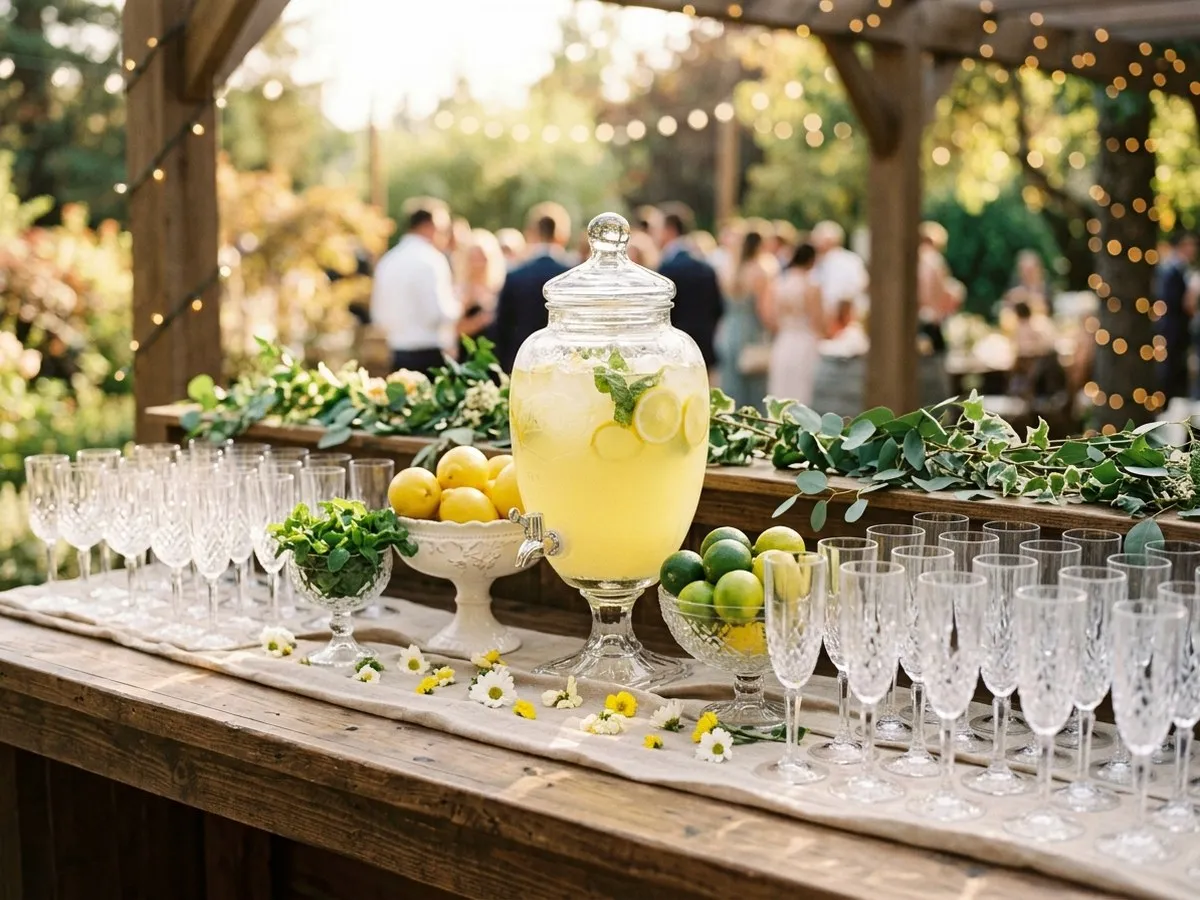
- Self-Serve Stations: To enhance the guest experience and manage service flow, self-serve stations are highly effective. A large-batch punch or a build-your-own spritz bar (featuring sparkling water, various juices, fresh fruits, and herbs) allows guests to customize their drinks. This not only looks abundant but also reduces pressure on bartenders and encourages interaction.
- Reliable Crowd-Pleasers: Do not underestimate the power of well-executed basics. Quality sparkling cider, gourmet sodas, infused sparkling waters, iced teas, and fresh lemonades are universally appreciated. A good coffee and tea station for later in the evening also provides a comforting option, especially after dinner. These items are generally cost-effective and familiar, ensuring there’s always something for everyone.
Making It Feel Intentional, Not Like a "Lack"
The perception of a dry or low-alcohol bar is overwhelmingly influenced by its presentation. To ensure it feels festive and deliberate rather than a cutback, meticulous attention to detail is paramount:
- Premium Glassware: Ditch plastic cups. Serving drinks in elegant real glassware, whether rented or provided by the venue, immediately elevates the experience and makes even a simple mocktail feel special.
- Generous Garnishes: Garnishes are crucial. Citrus wheels, fresh herb sprigs (mint, rosemary, basil), edible flowers, and decorative stirrers transform a non-alcoholic drink into a visually stunning creation, mirroring the appeal of a traditional cocktail.
- Branded Signage: Give your signature mocktails creative names and display them prominently on beautifully designed drink menus or signs. This thoughtful touch reinforces the intentionality and makes the non-alcoholic options feel just as significant as any alcoholic beverage.
- Styled Bar Setup: Treat the bar area as a focal point, similar to a dessert table. Incorporate aesthetic elements like elegant linens, fresh fruit displays, floral arrangements, and good lighting. A visually appealing bar communicates that every detail has been carefully considered.
Logistical Considerations and Pre-Planning
Successful execution of a dry or low-alcohol bar requires thoughtful planning:

- Communication: While a formal invitation announcement is generally unnecessary, a subtle heads-up can manage expectations. A line on the wedding website (e.g., "Our bar will feature signature spirit-free cocktails and a selection of premium non-alcoholic beverages") or descriptive bar signage ("Our curated collection of mocktails and refreshments") sets the tone without making the absence of alcohol "a thing."
- Staffing: Decide whether a professional bartender is needed. For complex mocktails or a highly polished service, a bartender adds significant value. For simpler self-serve stations, fewer staff might be required, balancing cost and desired aesthetic.
- Quantity Planning: Estimate drink quantities similar to an alcoholic bar, typically figuring 2-3 drinks per guest in the first hour and 1-2 drinks per guest per subsequent hour, adjusting for event duration and guest demographics.
- Sourcing and Venue Policies: If opting for a low-alcohol bar, confirm venue corkage policies if you plan to supply your own wine and beer, as this can significantly impact savings. Researching wholesalers or bulk suppliers for non-alcoholic ingredients can further optimize costs.
Broader Implications and Future Outlook
The rise of dry and low-alcohol weddings signifies more than just a passing trend; it reflects a broader cultural shift towards conscious consumption, inclusivity, and personalization in celebratory events. Wedding industry professionals are adapting, with caterers developing sophisticated mocktail menus and venues offering more flexible beverage packages. This movement empowers couples to design celebrations that are authentic to them, financially prudent, and genuinely welcoming to every single guest. It challenges the long-held assumption that alcohol is indispensable for festivity, proving that joy, connection, and memory-making can thrive beautifully without it. As society continues to embrace wellness and diverse lifestyles, dry and low-alcohol wedding receptions are poised to become an increasingly prominent and celebrated fixture in the event landscape.
In conclusion, a dry or low-alcohol wedding bar is not merely a budget-saving tactic; it is a progressive choice that champions inclusivity, reflects modern sensibilities, and provides an opportunity for couples to craft a truly unique and memorable celebration. By focusing on quality, presentation, and thoughtful planning, couples can host a reception that is as vibrant and joyous as any, all while aligning with their values and respecting their financial parameters.