


The landscape of consumer discovery, particularly within the specialized wedding industry, is undergoing a profound transformation driven by the rapid ascent of artificial intelligence. Recent data indicates a significant shift in how prospective clients initiate their vendor search, moving away from traditional search engine queries and directly into AI-powered platforms. This evolution presents both challenges and opportunities for wedding professionals, demanding a strategic reevaluation of established marketing and visibility practices.
The AI Revolution in Consumer Search
According to a May 2026 research brief published by Bain & Company, a notable 44% of online buyers in the United States now commence their purchasing journey within an AI platform, or they strategically divide their search efforts between AI tools and conventional search engines. This statistical revelation underscores a critical pivot in digital consumer behavior. The report highlights millennials as the vanguard of this shift, with 52% indicating they start their search with an AI assistant. Gen Z, while slightly behind, is quickly catching up at 25%, a figure that contrasts sharply with the mere 30% who opt to begin their search using AI-enabled Google functionalities. These figures, projected for mid-2026, represent a dramatic acceleration from the nascent stages of widespread generative AI adoption observed in late 2022 and early 2023, signaling a maturing integration of AI into daily digital interactions.
This emergent trend signifies a fundamental change in the "front door" of online commerce. For wedding vendors, who traditionally relied on strong website SEO and directory listings, the implication is clear: a substantial segment of their future clientele is no longer navigating directly to their bespoke online portfolios. Instead, these couples are posing their needs and preferences to sophisticated algorithms, which then curate and synthesize responses, often without requiring the user to click through to an external website. This "zero-click" phenomenon, as it’s often termed, fundamentally redefines the pathway from initial inquiry to potential booking.
The Rise of the "Zero-Click" Economy and Its Implications
The concept of the "zero-click economy" is rapidly becoming a dominant force in digital interactions. As highlighted in a March 2026 article in Forbes, an estimated 60% of all online searches now conclude without the user ever clicking through to a website. This paradigm shift means that AI platforms are increasingly capable of providing comprehensive answers directly within their interface, negating the need for users to visit external web pages. For businesses, this has profound implications. A beautifully designed "About Us" page, a meticulously curated portfolio, or a thoughtfully composed blog post—assets painstakingly developed to attract and inform—risk becoming invisible if the AI decides to synthesize its own answer rather than refer users to the source.
This shift is not merely about convenience for the user; it represents a fundamental change in how digital content is valued and consumed. While traditional SEO emphasized driving traffic to a website, the new imperative is about being the source of information that AI systems can confidently cite or synthesize. This necessitates a move beyond merely optimizing for keywords on one’s own domain to ensuring a pervasive and trustworthy digital footprint across the wider internet. Industry analysts suggest that businesses that fail to adapt to this zero-click reality risk significant reductions in organic website traffic and, consequently, fewer direct inquiries, regardless of the quality of their on-site content.

Shifting SEO Paradigms: From Backlinks to Mentions
For years, the digital marketing strategy for businesses, including wedding vendors, revolved around the acquisition of backlinks. Being featured on a reputable wedding blog or directory was a dual victory: it drove referral traffic and provided a valuable SEO boost, signaling authority to search engines. While backlinks retain some residual value, their primacy is waning in the age of AI. The new currency is the "mention."
A comprehensive analysis of approximately 500 million AI citations, also detailed by Bain & Company, revealed a striking statistic: 89% of unbranded prompts—queries that do not specify a particular brand or vendor—are answered using information derived from third-party sources, not the business’s own website. This means that when a couple asks an AI assistant, "Who are the best inclusive elopement photographers in the Pacific Northwest?" the AI is not primarily scrutinizing individual photographer homepages. Instead, it aggregates and synthesizes data from a diverse array of external sources. These include, but are not limited to, Google local listings, specialized wedding vendor directories, real wedding features on blogs, testimonials or mentions on other vendors’ websites, and industry news articles.
This new dynamic underscores the critical importance of a robust, multi-faceted digital presence. Getting mentioned on websites that both couples and AI models already trust is no longer just about generating traffic; it’s about training the AI. Each mention, particularly when associated with specific services, locations, or specialties, helps the AI models to build a semantic understanding of a vendor’s expertise. For example, consistent mentions of a photographer specializing in "queer-inclusive elopements" or a planner focused on "sustainable wedding practices" across various credible platforms will lead the AI to confidently associate those attributes with that vendor’s name. This form of "AI training" is a distinct marketing currency that a vendor’s standalone website, no matter how well-optimized, cannot generate in isolation.
Crafting AI-Optimized Vendor Profiles: Answering Unasked Questions
The traditional approach to crafting business bios and online profiles was heavily influenced by old SEO logic, which often led to keyword-stuffed descriptions. Phrases like "Pacific Northwest wedding photographer, PNW elopement photographer, Seattle elopement photographer" were commonplace, designed to hit specific search terms. However, AI search operates on an entirely different principle. It does not primarily work off keyword density; rather, it processes and understands natural language queries, breaking them down into constituent questions and seeking contextual answers.
Therefore, the most effective vendor bios in the current environment are those that read like direct answers to the nuanced, conversational questions a couple would genuinely pose to a chatbot. The winning strategy shifts from listing services to articulating solutions. Instead of a string of location-and-service combinations, a compelling bio might address a question such as, "Who photographs queer elopements without making anyone perform for the camera?"
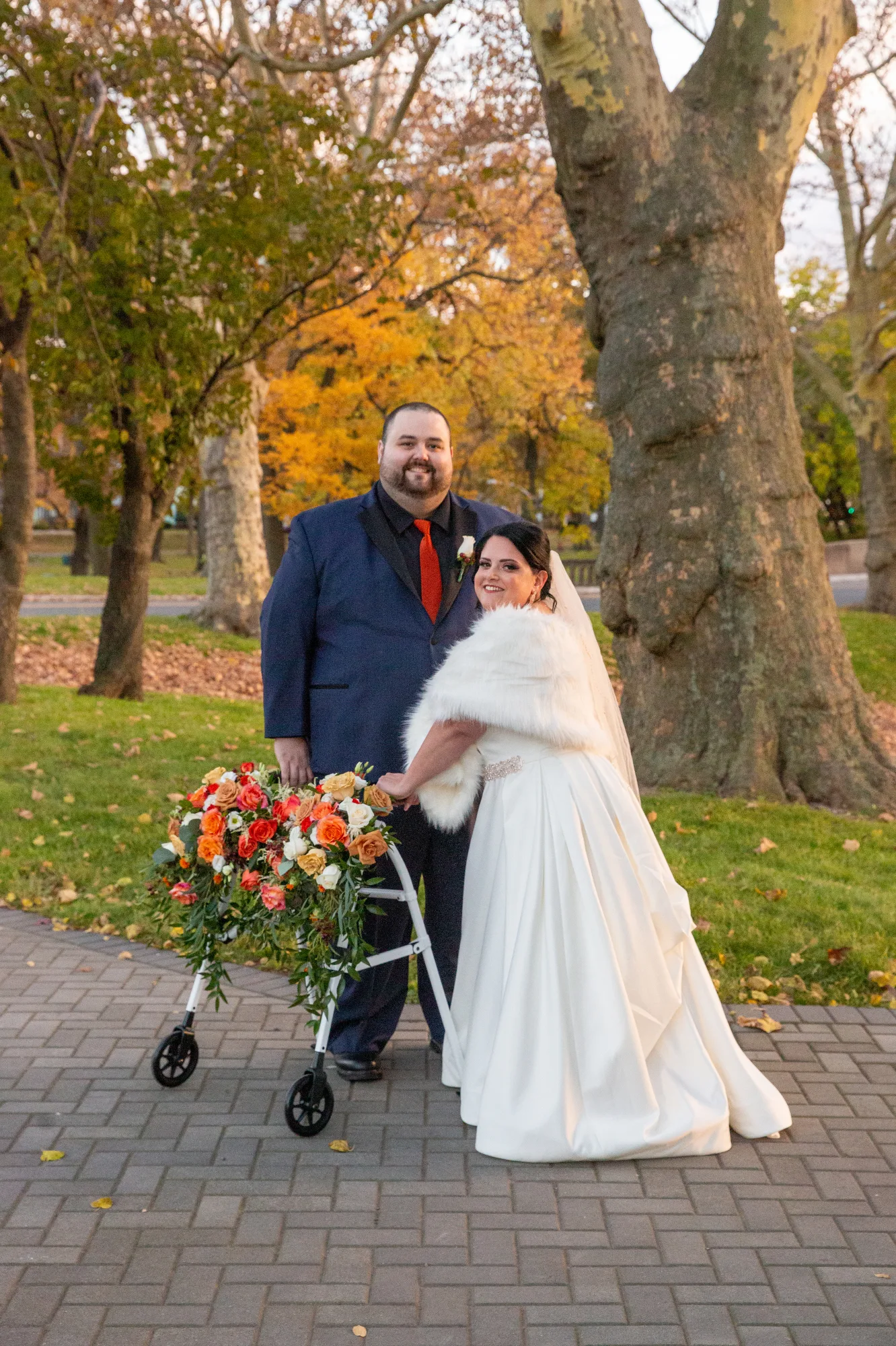
This strategic pivot requires vendors to think empathetically about their clients’ true concerns and desires. Directory listings, such as those on Offbeat Wed, have adapted to this by incorporating extensive Q&A sections. These sections allow vendors to provide detailed answers to both common business FAQs and more personal interview-style questions, offering rich, context-driven content for both human readers and AI models. For instance, in response to a hypothetical query like, "Does this photographer have experience shooting disabled people?", a vendor’s bio could articulate:

"I’ve photographed weddings where the couple used wheelchairs, walkers, service animals, and ASL interpreters. My approach involves planning every shot list around actual mobility and sightlines, prioritizing comfort and authentic representation over mere aesthetic backdrops."
This type of specific, descriptive language not only provides valuable information to prospective clients but also furnishes AI models with the detailed context needed to match highly specific queries with appropriate vendors, moving beyond simplistic keyword matching to a deeper understanding of service offerings and inclusivity.
The Imperative of Content Freshness in AI Rankings
In the dynamic world of AI-driven search, the concept of "content freshness" has become paramount, particularly for time-sensitive inquiries such as wedding planning. AI models are heavily biased towards recent information, often prioritizing newer, even if moderately detailed, content over older, more comprehensive pieces. As detailed by DemandLocal, AI algorithms weigh the recency of information significantly, meaning a well-researched article or feature from two years ago can be outranked by a more recent, albeit less exhaustive, piece of content.
This emphasis on freshness presents a new challenge for vendor visibility. A single, prominent feature secured several years ago, while once a significant marketing asset, may no longer hold the same weight in AI-generated recommendations if it hasn’t been augmented by more recent mentions or updates. The implication is that sustained visibility now requires a continuous "drumbeat" of presence rather than a singular "spotlight" moment. Vendors must actively seek ongoing features, maintain updated directory listings, and ensure their online presence is continually refreshed with new content, testimonials, and collaborations. This proactive approach ensures that AI models consistently perceive the vendor as an active, relevant, and current participant in the industry, enhancing their chances of being cited in client recommendations.
Navigating the AI Landscape: A Strategic Imperative for Vendors
The emergence of AI in consumer discovery has undoubtedly stirred skepticism among many small business owners, who may view it as another complex technological hurdle. However, it is crucial to differentiate between adopting AI tools for business operations and understanding how AI influences consumer behavior. The imperative for wedding vendors is not necessarily to integrate AI into their daily workflows or to generate content using chatbots. Instead, it is about cultivating "AI literacy"—understanding the mechanisms by which AI platforms gather, process, and present information to potential clients.
Conflating personal adoption with strategic understanding can lead to unintentional invisibility. A vendor can steadfastly hand-write every sentence of their bio in their unique voice and still reap significant benefits from knowing that specificity, contextual relevance, and third-party mentions now outperform outdated keyword-stuffing tactics. Being AI-literate is akin to understanding the postal system to ensure your letters reach their destination, rather than needing to design the mail sorter yourself. It’s about optimizing your external communication for a new, powerful intermediary. Industry experts consistently advise that even AI-skeptical businesses must engage with this new reality, not by embracing AI as a creator, but by recognizing its role as a gatekeeper of information. This understanding enables vendors to strategically position themselves to be discovered by the growing segment of the market that relies on AI for initial research.
Actionable Strategies for Wedding Professionals in the AI Era
Given the significant shifts outlined, wedding vendors must adopt a proactive and adaptive approach to their digital marketing. Here are several actionable strategies, many of which require minimal to no financial investment:
- Optimize Google Business Profile: Ensure your Google Business Profile is meticulously updated with accurate contact information, services, hours, and high-quality images. Actively encourage clients to leave reviews, as these contribute significantly to local search rankings and AI’s understanding of your reputation.
- Enhance Directory Listings: Treat every vendor directory listing (e.g., Offbeat Wed, The Knot, WeddingWire) as a critical, standalone marketing asset. Fill out every available field, especially Q&A sections. Use natural language to describe your services and ethos, envisioning the questions a client might ask an AI. Focus on demonstrating your unique value proposition and inclusivity.
- Cultivate Third-Party Mentions: Actively seek opportunities to be featured on reputable wedding blogs, industry publications, and other vendors’ websites. This could involve submitting real wedding features, participating in styled shoots, or collaborating on blog posts that offer expert advice. The goal is to generate consistent, quality mentions that link your name to your specialties and values.
- Engage in Industry Collaborations: Partner with other wedding professionals (planners, florists, officiants) on projects, workshops, or content creation. When they feature your work or recommend you, it generates valuable third-party mentions that AI algorithms will recognize.
- Focus on Niche Specificity: Instead of broad descriptions, hone in on your unique specialties and target clientele. If you excel at "intimate, adventure elopements for neurodivergent couples," articulate that clearly and consistently across all platforms. AI excels at matching specific needs with specialized providers.
- Refresh Content Periodically: While a full website overhaul isn’t always necessary, periodically update your portfolio, testimonials, and blog content. Aim for a "drumbeat" of new content or features to signal freshness to AI models. This could be as simple as updating image captions or adding a new client testimonial.
- Monitor Your Digital Footprint: Regularly search for your business name and services using AI chatbots (e.g., ChatGPT, Gemini) to see what information they provide. This offers valuable insights into how AI perceives your brand and where gaps in your online presence might exist.
- Educate Your Team/Network: Ensure anyone representing your brand understands the importance of clear, descriptive language when discussing your services online. Consistency in messaging across all touchpoints strengthens your AI-optimized profile.
Broader Industry Implications and Future Outlook
The shift towards AI-driven discovery is not a fleeting trend but a foundational change in the digital ecosystem. For the wedding industry, this implies a need for continuous adaptation and a re-evaluation of long-held marketing beliefs. Wedding directories, like Offbeat Wed, are increasingly critical as they serve as trusted, curated sources of information that AI models can readily access and synthesize. Their ability to host rich, question-and-answer driven profiles positions them as vital intermediaries between vendors and AI-powered client searches.
Looking forward, the influence of AI is only expected to grow. Industry forecasts suggest that AI will become an even more sophisticated gatekeeper, capable of understanding highly nuanced client preferences and matching them with unparalleled precision. Vendors who proactively embrace AI literacy, focusing on building a contextual, trustworthy, and frequently refreshed digital footprint across diverse platforms, will be best positioned to thrive. Those who cling to outdated SEO practices and neglect their presence beyond their own websites risk being left behind in an increasingly AI-mediated marketplace.
Which brings us to one more actual, concrete way to do that this month: we’re pulling together a piece on navigating blended families and adult children at midlife weddings, and we want our vendor voices in it. We’re talking to officiants, planners, photographers, caterers, and others who’ve got a real story from the field. Offbeat Wed vendor members: be watching your email for a submission call! And if you’re not in here yet, let’s change that.