


In an era increasingly defined by digital communication, Canon U.S.A., Inc. has intensified its focus on the home crafting sector through a strategic integration of specialized hardware and creative software solutions. This initiative is exemplified by the company’s recent collaboration with digital lifestyle platforms to provide consumers with the tools necessary to produce professional-grade holiday stationery from a domestic environment. Central to this effort is the Canon PIXMA TS9521C Crafting Printer, a device engineered to bridge the gap between standard document printing and the high-fidelity requirements of photographic and artisanal projects. By offering curated design templates and specialized media, Canon aims to streamline the personalized card-making process, a market segment that continues to show resilience despite the prevalence of electronic greetings.
The Technological Foundation of Home Stationery Production
The centerpiece of Canon’s current holiday initiative is the PIXMA TS9521C, marketed specifically as a "Crafting Printer." Unlike standard office inkjets, this model is designed to handle a diverse range of media weights and sizes, including the capability to print on 12×12-inch cardstock, a standard size in the scrapbooking industry. The technical specifications of the device include a five-color individual ink system, which allows for precise color reproduction in both photographic elements and graphic design motifs.
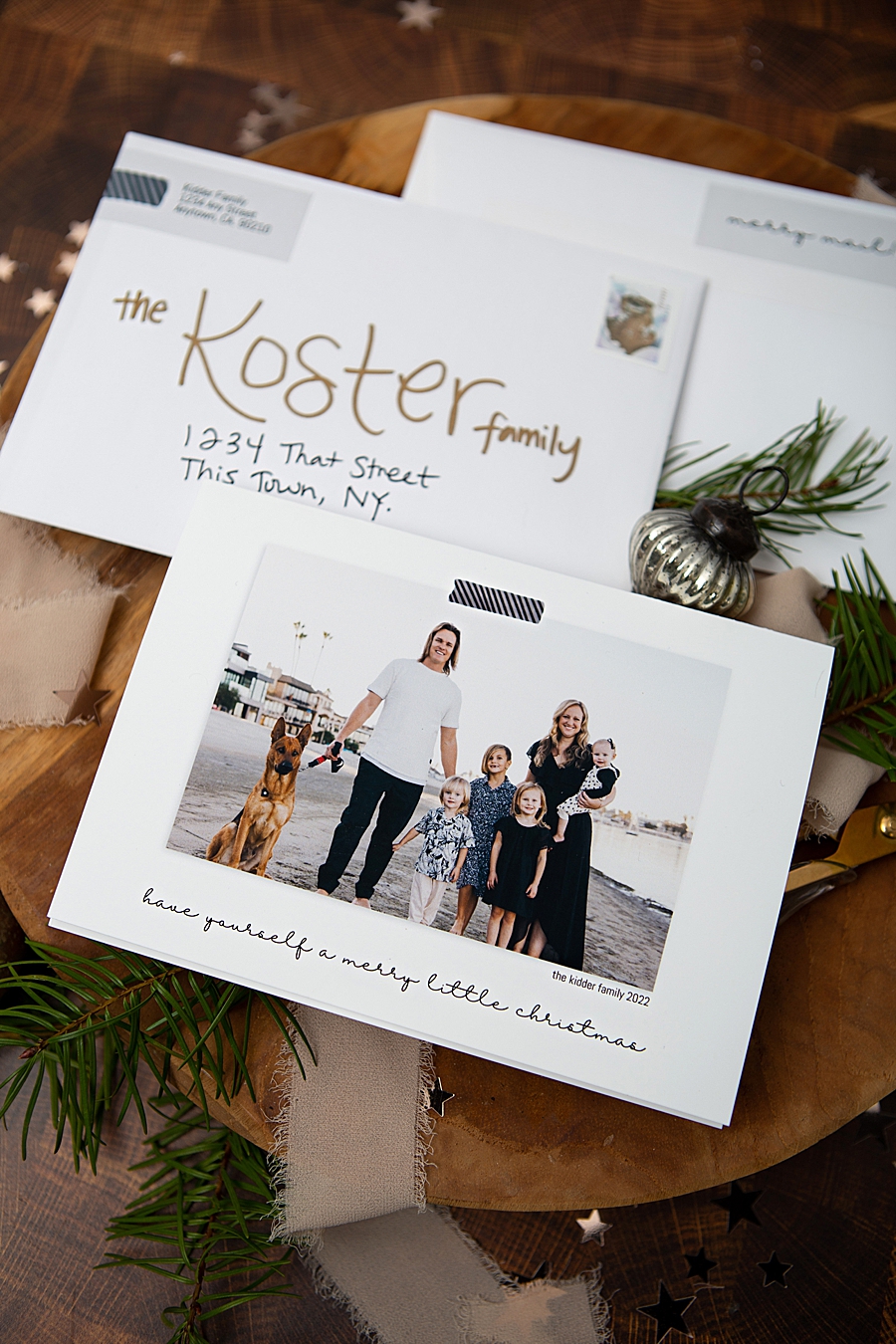
To complement the hardware, Canon has introduced the 7×10 Double-Sided Greeting Card Paper Pack. This specialized media is pre-cut and pre-scored, facilitating a professional fold that results in a standard 5×7-inch card. The paper features a double-sided matte finish, engineered to prevent ink bleeding and ensure that high-resolution images maintain their clarity on both the exterior and interior of the card. Each pack includes 20 sheets of paper and 20 matching envelopes, providing a comprehensive kit for the end-user.
Collaborative Design Framework and Software Integration
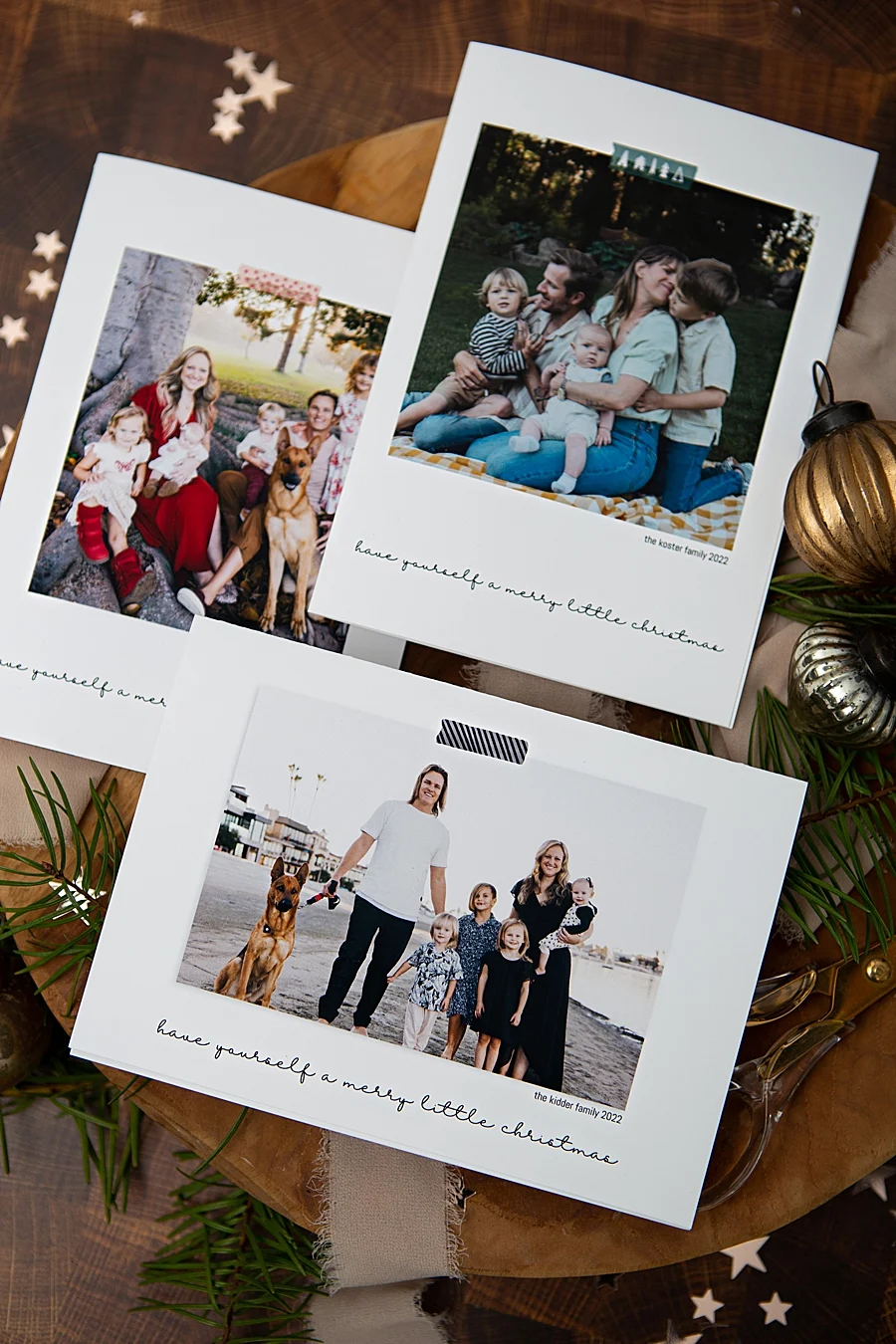
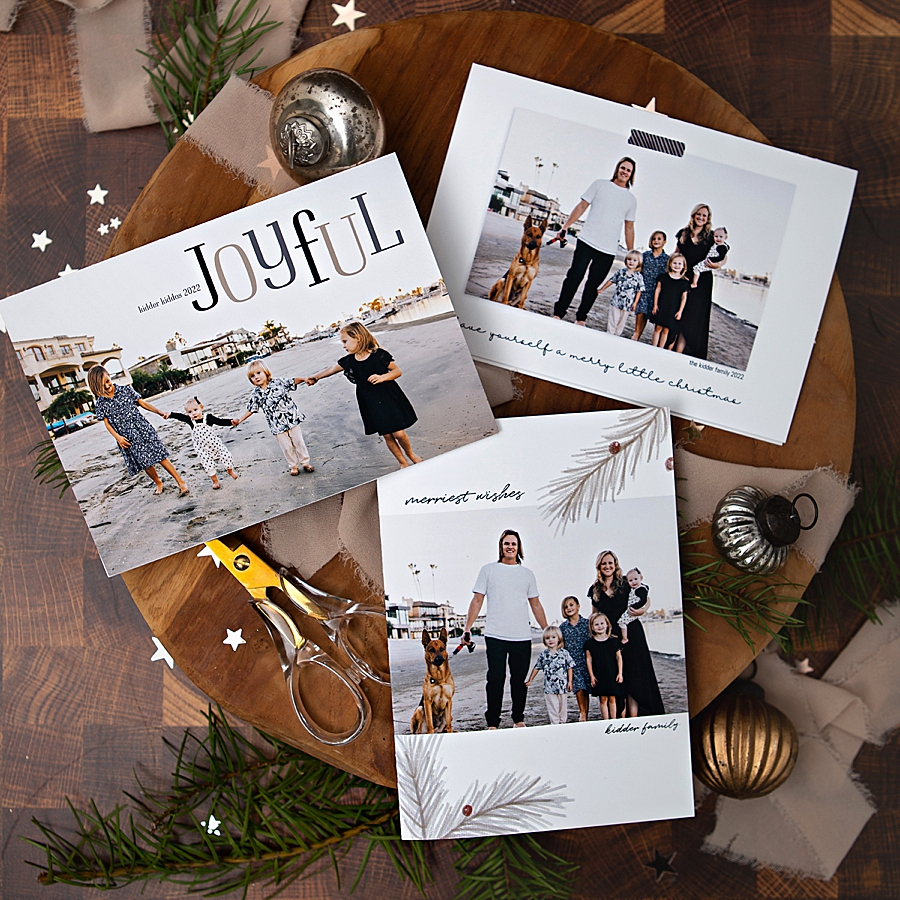
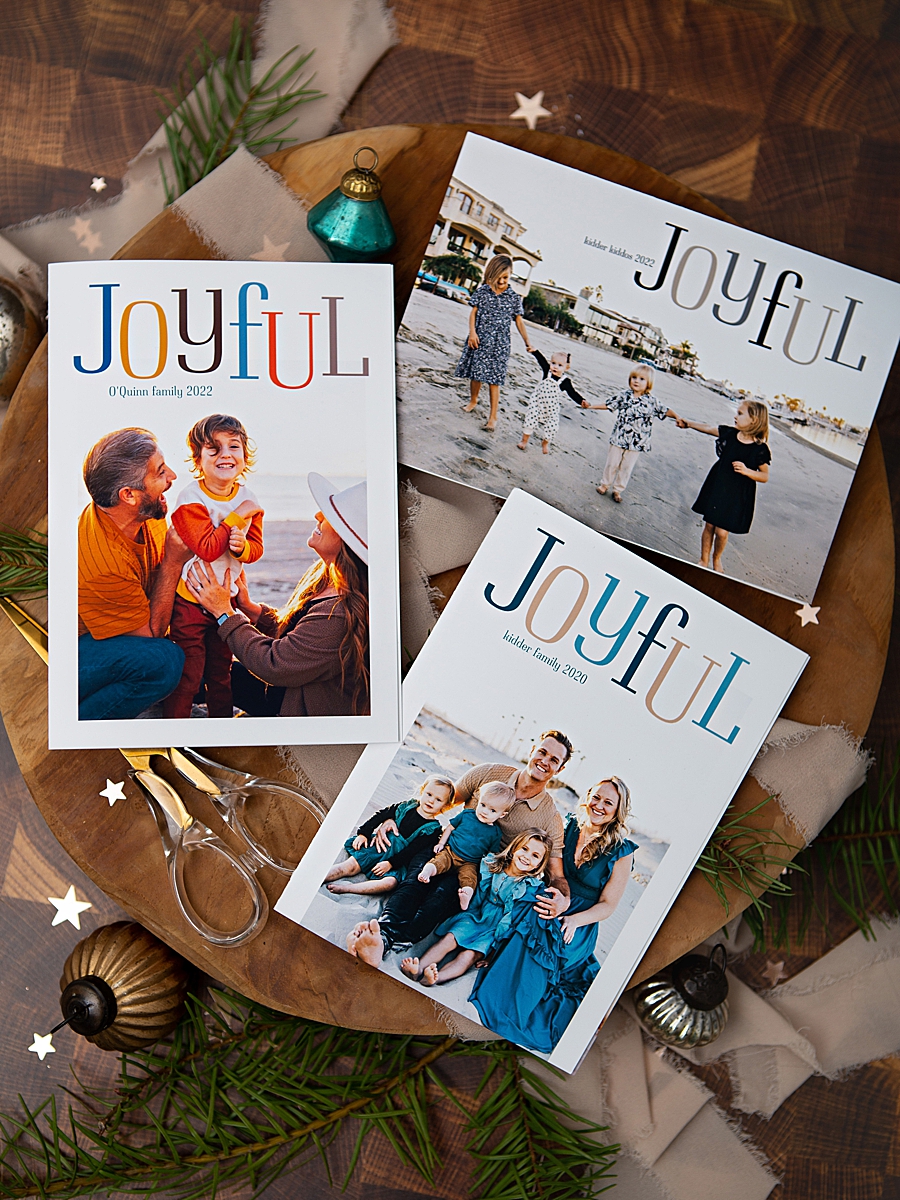
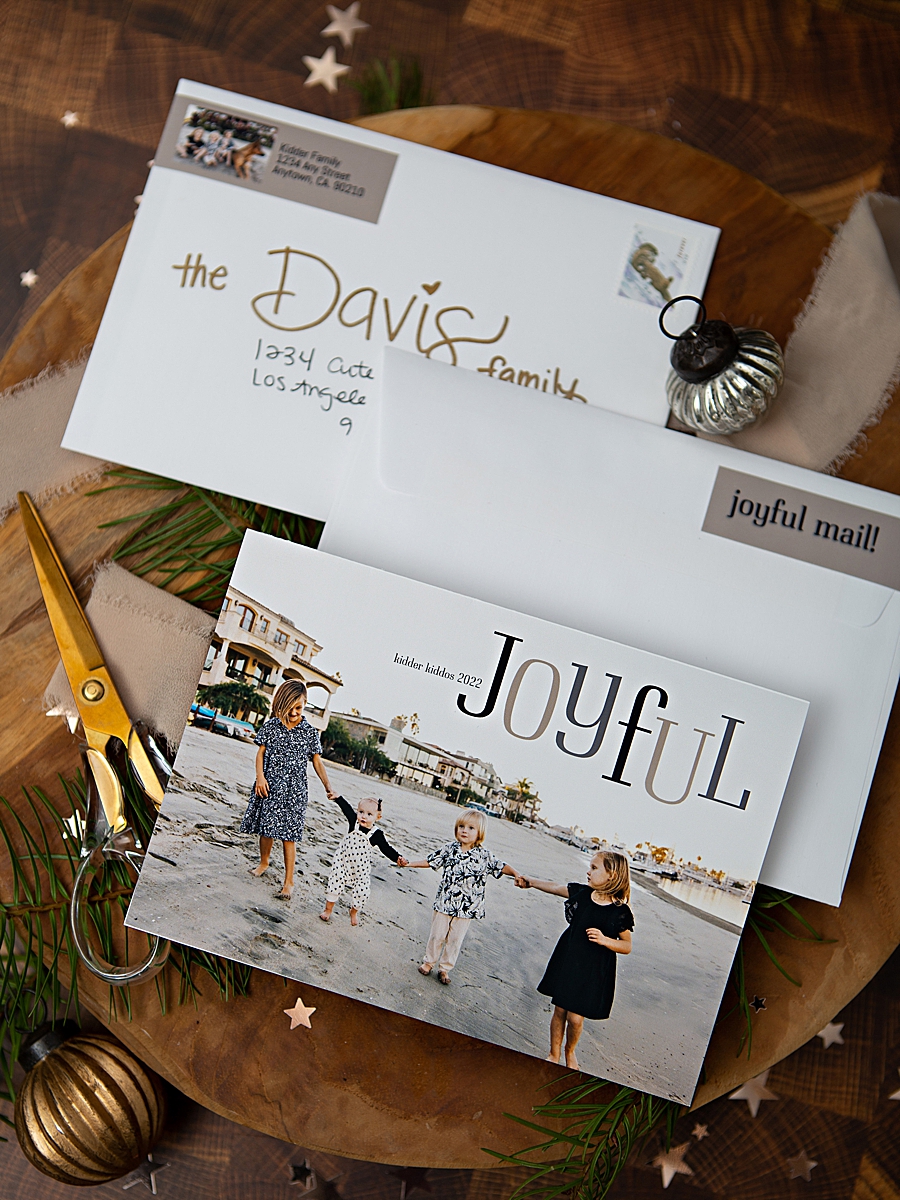
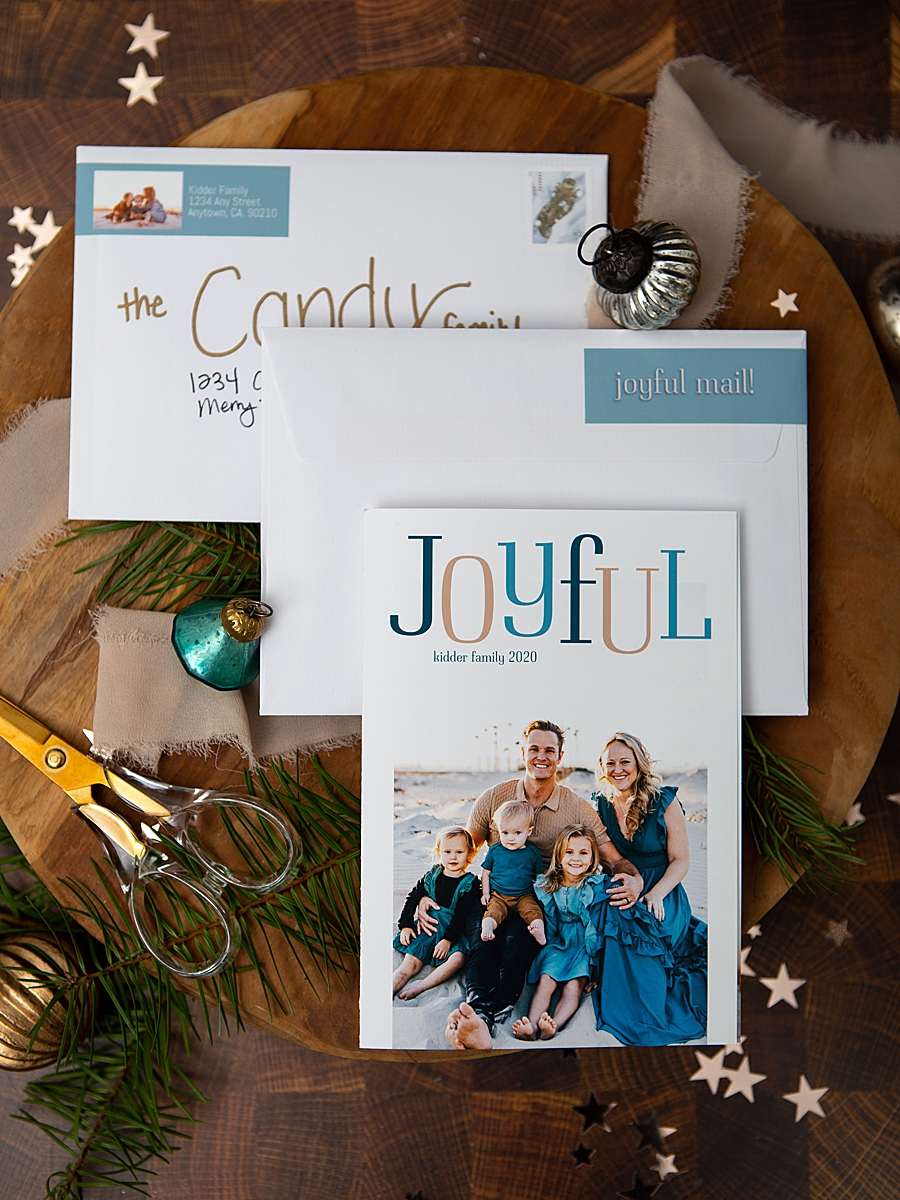
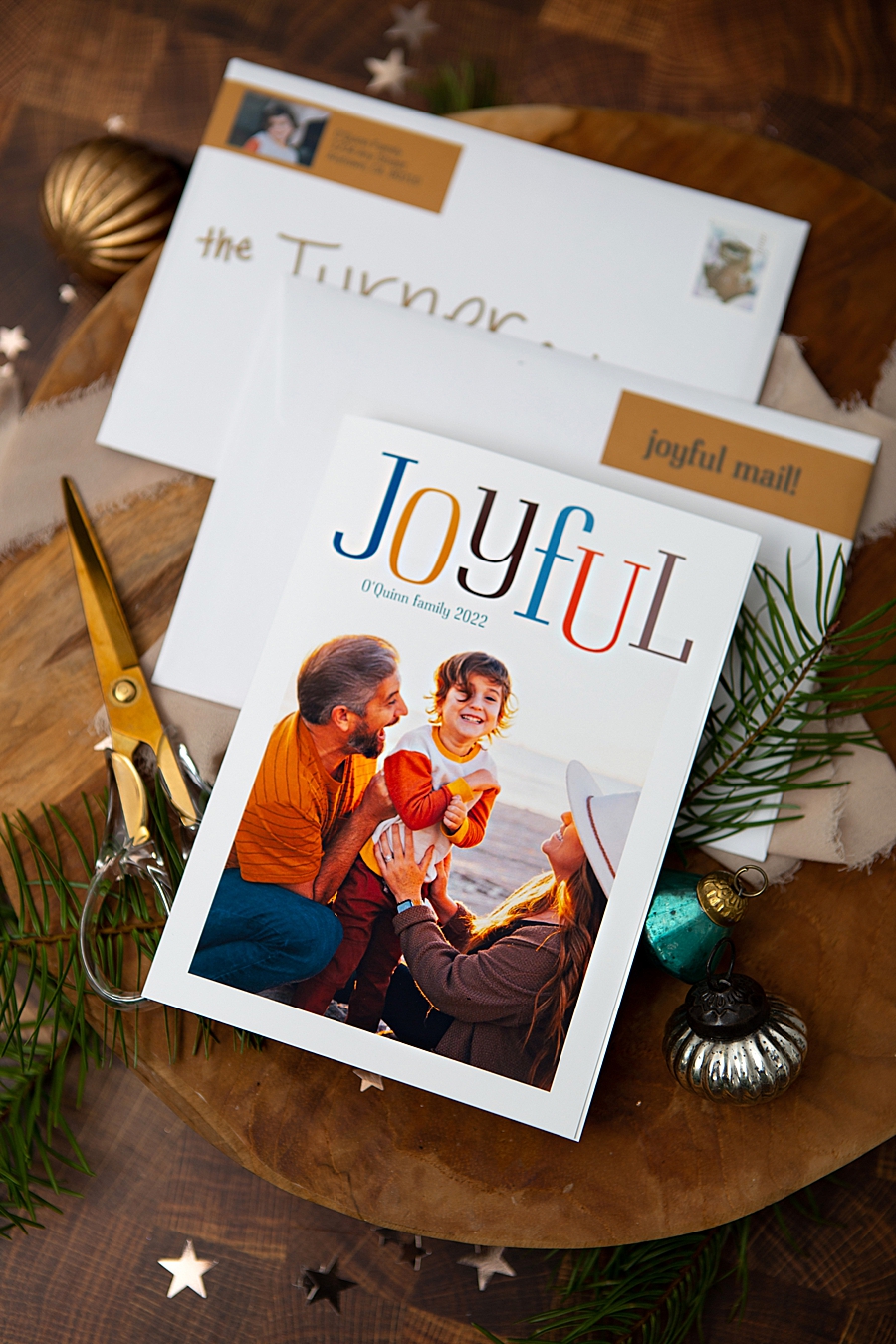
A significant component of the current campaign involves the release of three distinct holiday card designs—titled "Joyful," "Tape," and "Berries"—developed in collaboration with lifestyle specialist Jen Causey-Kidder of the platform Something Turquoise. These designs are distributed via Corjl, a web-based platform that allows users to personalize digital assets without the need for advanced graphic design software.
The integration of Corjl into the Canon workflow represents a shift toward the democratization of high-end design. Users can manipulate various elements of the templates, including:
- Typography and Text: Adjusting messaging, fonts, and colors to suit personal preferences.
- Photographic Integration: Seamlessly uploading family portraits and adjusting their placement within the design.
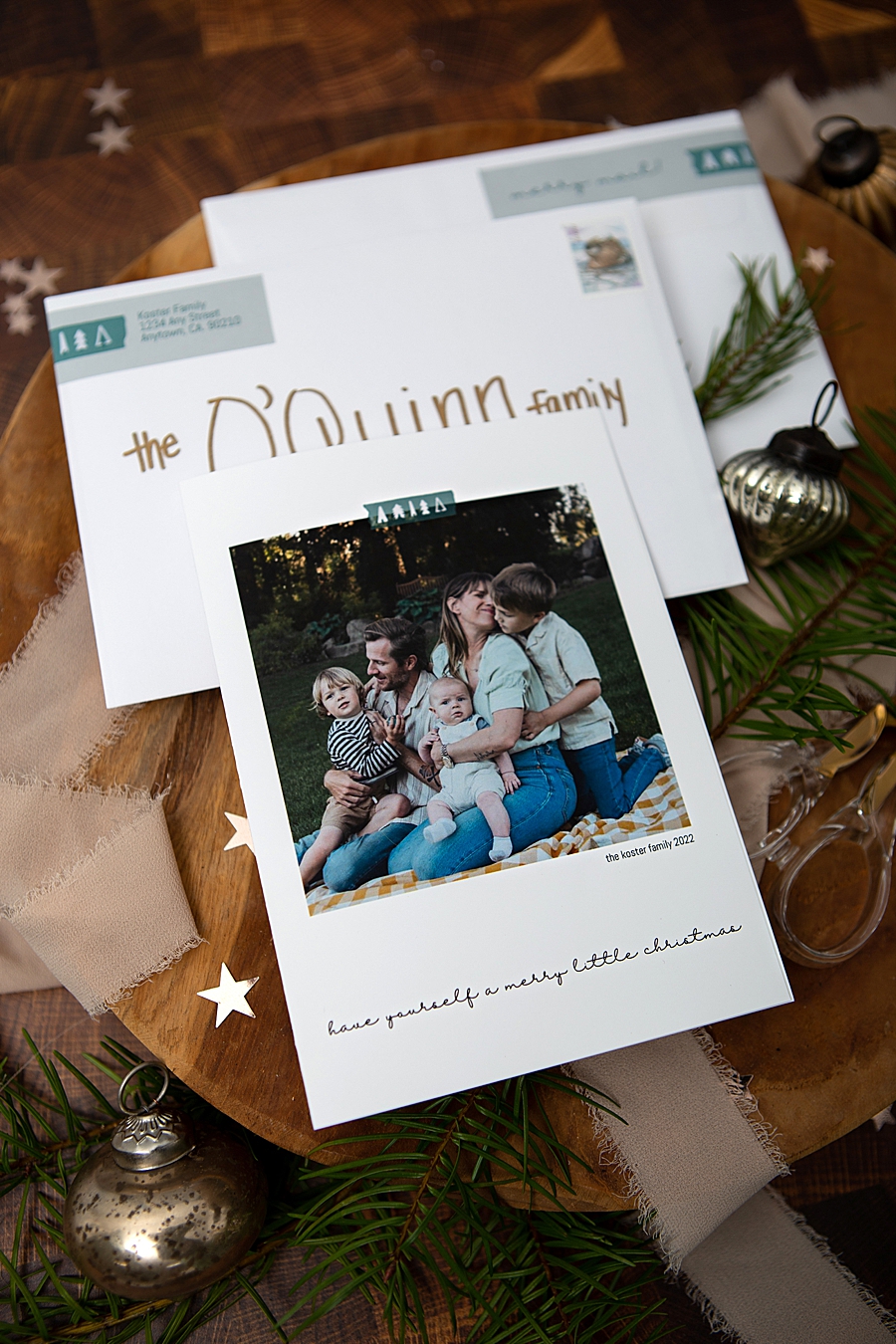
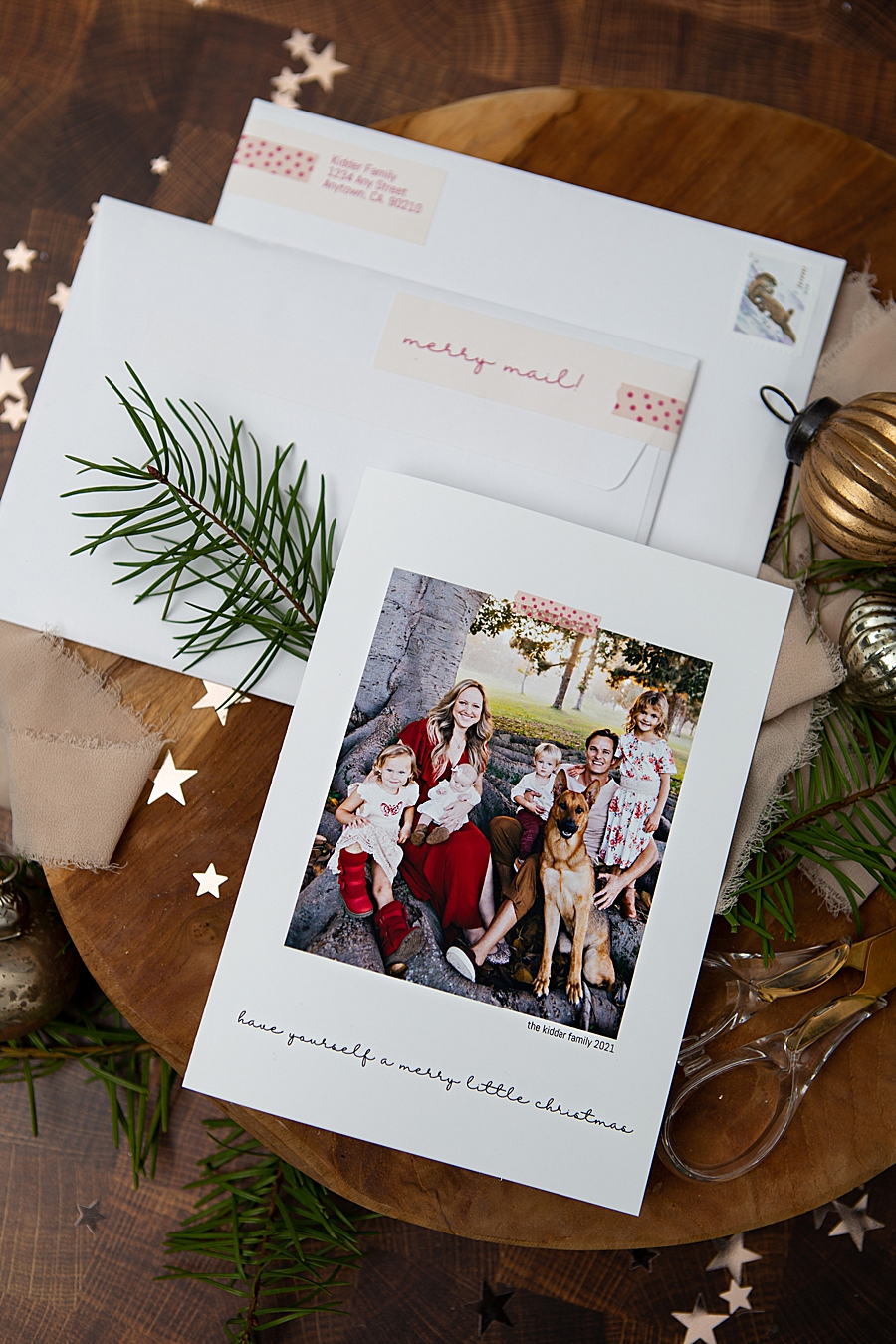
- Graphic Variations: The "Tape" design, for instance, includes four distinct digital washi tape options (black and white stripe, pink polka dot, green trees, and beige), while the "Berries" design offers three color-coordinated botanical schemes.
- Orientation Flexibility: Each template provides both vertical and horizontal layouts for the front and interior of the cards, as well as matching address labels for a cohesive aesthetic.
By utilizing the promotional code "canonholiday," consumers are granted complimentary access to these designs, highlighting Canon’s strategy of adding value to their hardware through digital content partnerships.
The Chronology of Personalization: From Digital Concept to Physical Artifact
The process of creating home-printed holiday cards follows a specific technical chronology designed to maximize efficiency and output quality.
- Design Selection and Customization: The user begins by selecting a template within the Corjl interface. During this phase, metadata and personal imagery are embedded into the design.
- Technical Configuration: The PIXMA TS9521C is configured to recognize the 7×10 matte photo paper. This requires the user to adjust the printer settings to ensure the ink density is calibrated for the specific media type.
- Double-Sided Execution: Utilizing the pre-scored sheets, the printer executes the exterior design before the user manually or automatically flips the media to print the interior sentiment and any additional imagery.
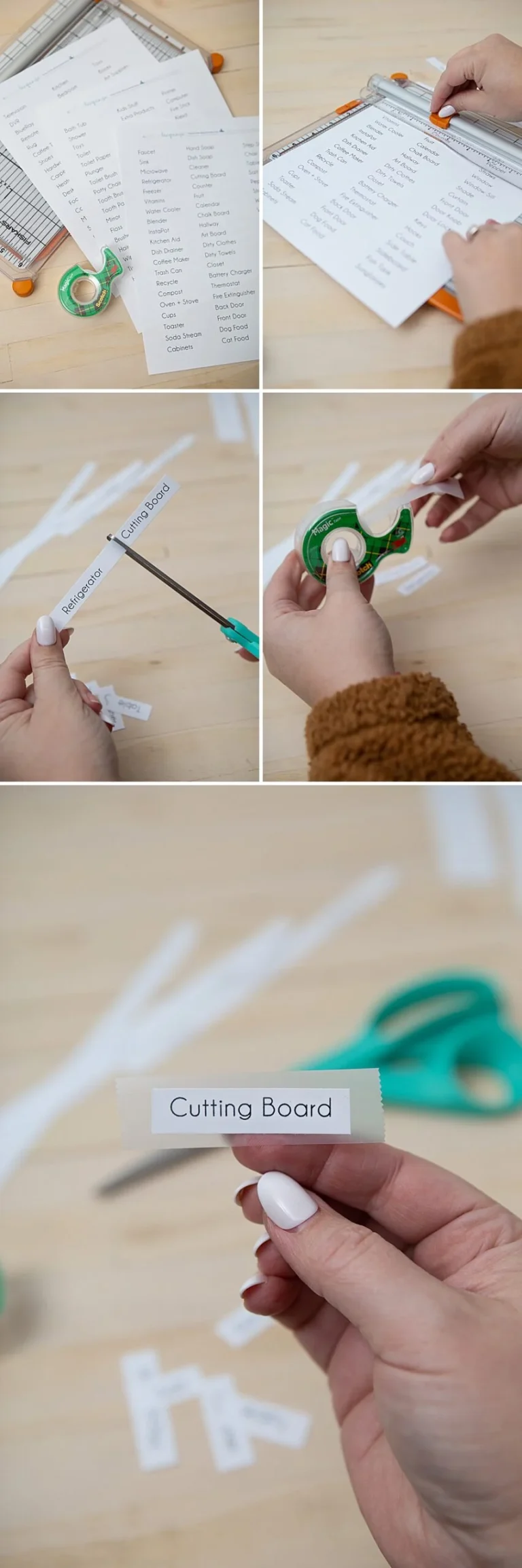
- Finishing Touches: Following the printing process, the cards are folded along the pre-scored lines. Consumers often supplement the printed product with secondary tools, such as Fiskars paper trimmers for precise edges or metallic markers for hand-signed signatures, as noted in the tutorial documentation provided by Causey-Kidder.
Market Context: The Resurgence of the Physical Greeting Card
The emphasis on home-printed cards arrives at a time when the greeting card industry is experiencing a notable transformation. According to data from the Greeting Card Association, Americans purchase approximately 6.5 billion greeting cards annually, with annual retail sales estimated between $7 billion and $8 billion. While digital alternatives are ubiquitous, the physical card remains a preferred medium for holiday expressions due to its perceived "emotional weight" and tactile nature.
Industry analysts suggest that the "maker movement"—a social trend emphasizing DIY (do-it-yourself) projects—has fueled demand for high-end home printing solutions. Consumers are increasingly seeking ways to bypass the generic nature of mass-produced cards in favor of bespoke creations that reflect personal branding. Canon’s focus on the "crafting" niche is a calculated response to this shift, positioning their products not just as office utilities but as essential tools for creative expression.
Economic Implications of Home Printing vs. Professional Services
For the consumer, the decision to print holiday cards at home involves a cost-benefit analysis compared to professional online printing services. Traditional vendors often charge a premium for custom photo cards, with prices frequently ranging from $1.50 to $3.50 per card, depending on the paper quality and quantity ordered.
In contrast, the home printing model utilizing the Canon PIXMA TS9521C offers several economic advantages:
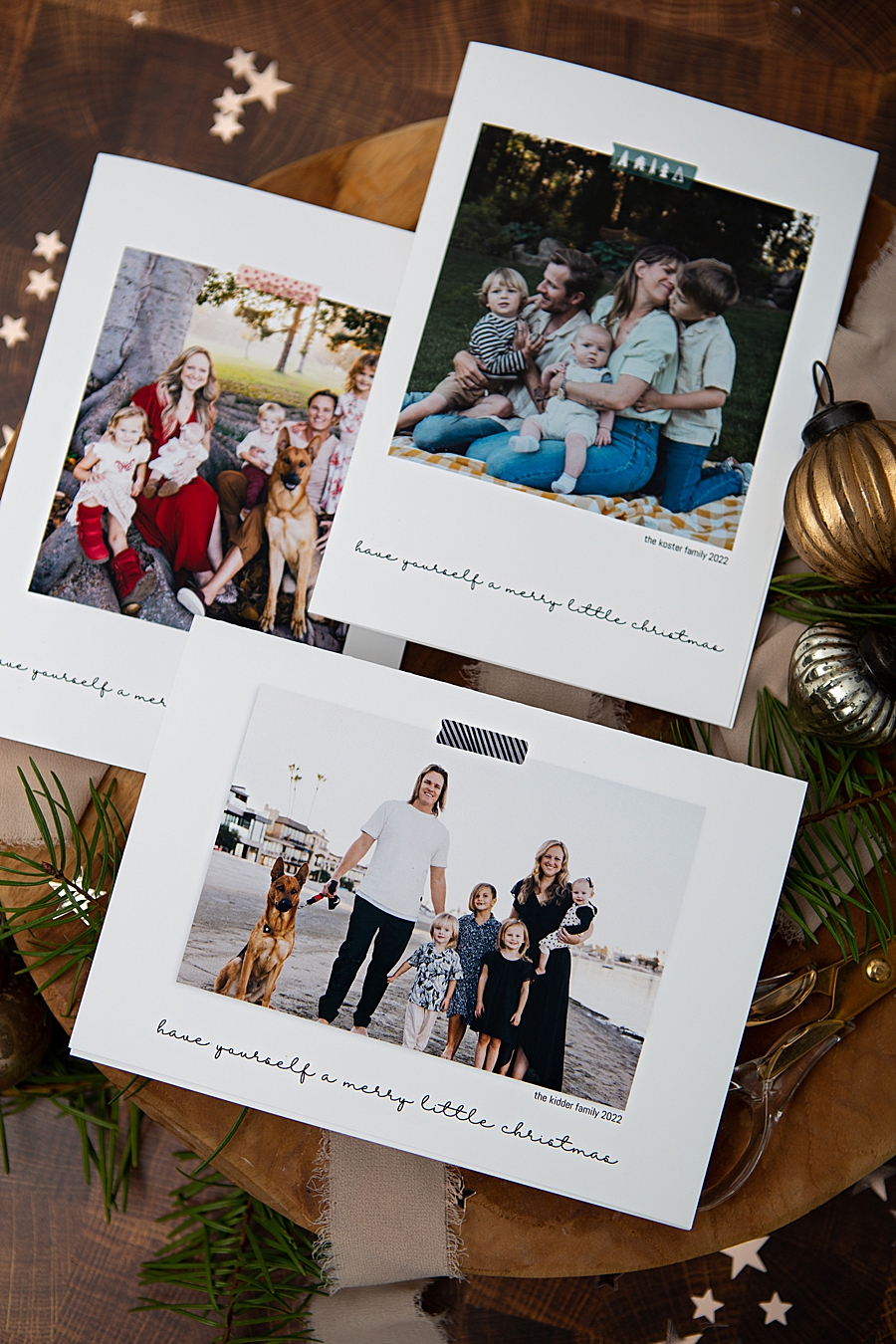
- Lower Unit Cost: When calculated per sheet, the cost of specialized paper and ink often falls below the retail price of professional custom printing.
- On-Demand Production: Home printing eliminates the need for minimum order quantities, allowing users to print exactly the number of cards required, thereby reducing waste.
- Immediate Turnaround: By removing shipping and processing times, consumers can produce and mail their correspondence within a single day.
However, the initial capital expenditure for the printer and the ongoing cost of high-yield ink cartridges remain factors that consumers must weigh against the frequency of their crafting activities.
Environmental and Sustainability Considerations
As environmental consciousness grows among consumers, the stationery industry has faced scrutiny regarding paper waste. The Canon 7×10 paper pack addresses some of these concerns through precision manufacturing. By providing pre-cut and pre-scored sheets, the system minimizes the scrap paper typically generated when cutting cards from larger 8.5×11 or 12×12 sheets.
Furthermore, the shift toward home printing allows for a more controlled use of resources. Consumers can print on an as-needed basis, avoiding the surplus of unused cards that often results from bulk professional orders. Canon has also emphasized its recycling programs for ink cartridges, encouraging a circular economy within the home printing ecosystem.
Professional Analysis: The Future of Consumer Imaging
The collaboration between Canon and digital creators signifies a broader trend in the consumer electronics industry: the move toward integrated ecosystems. Canon is no longer merely selling a printer; they are selling a "creative experience" that includes the hardware, the media, and the digital design assets.
From a journalistic perspective, this strategy serves to insulate the company against the declining demand for traditional document printing. By pivoting toward the "hobbyist" and "crafter" demographics, Canon is tapping into a market where users are willing to invest in higher-quality consumables (such as photo paper and specialized inks) that yield higher profit margins for the manufacturer.
Conclusion and Broader Impact
The initiative led by Canon and Something Turquoise highlights the evolving relationship between technology and tradition. By providing the means to produce high-quality, personalized holiday cards at home, Canon is reinforcing the relevance of physical mail in a digital age. The success of such programs relies on the seamless integration of user-friendly software like Corjl with high-performance hardware like the PIXMA TS9521C.
As the holiday season progresses, the impact of these DIY solutions will be visible in the mailboxes of millions, reflecting a broader cultural desire for personalization and the "handmade" touch. For the tech industry, this represents a successful case study in niche marketing—identifying a specific user need (custom crafting) and delivering a specialized, end-to-end solution that empowers the consumer to act as both designer and publisher.