


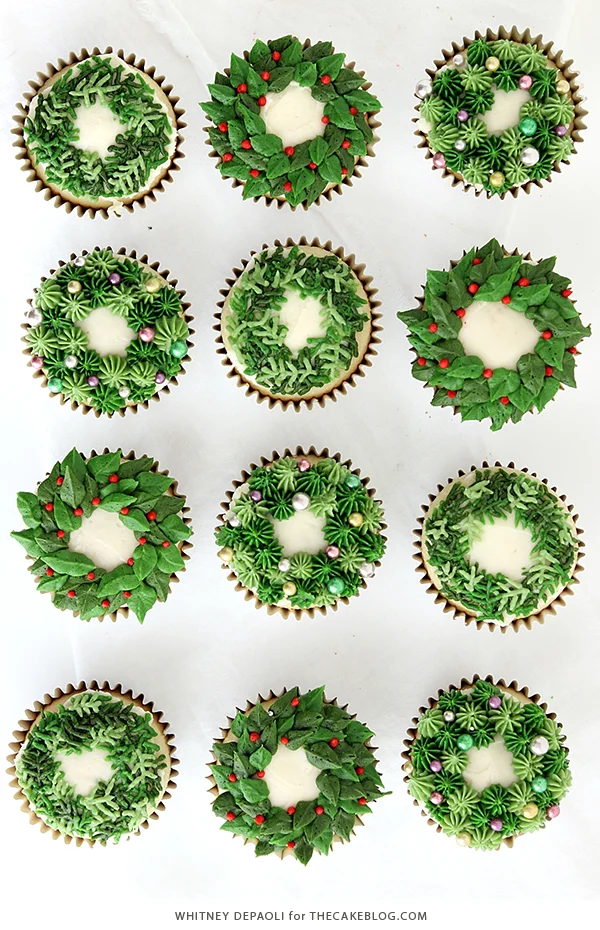
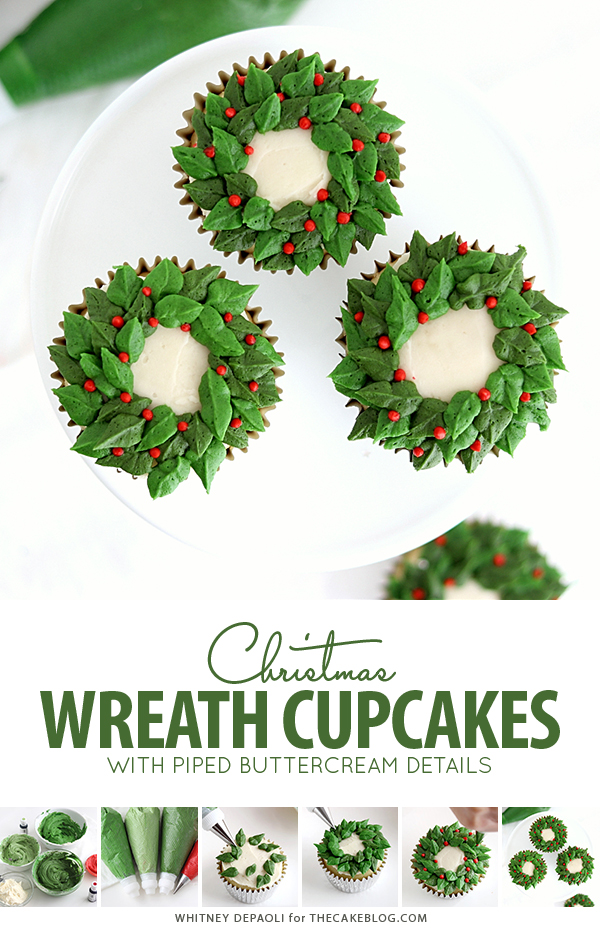
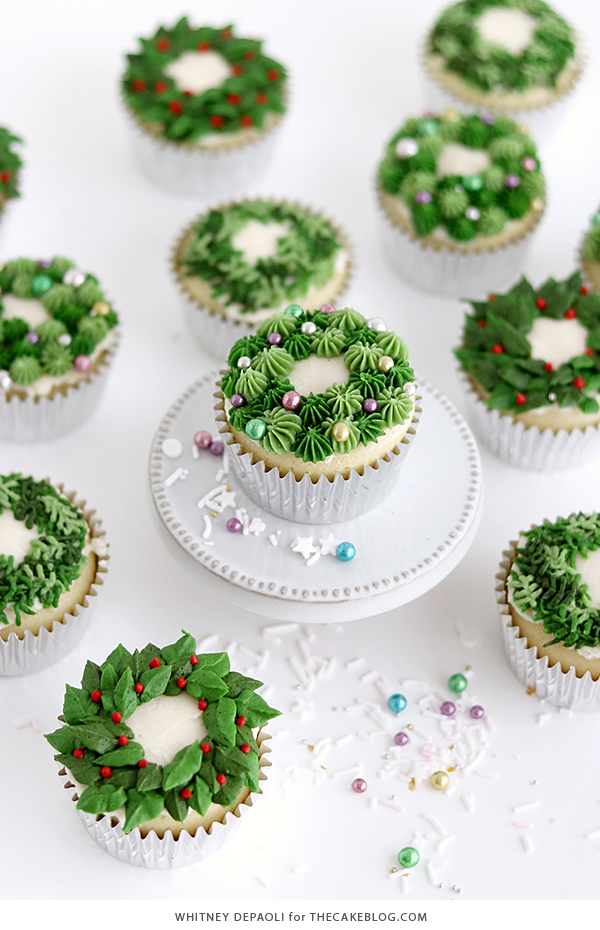
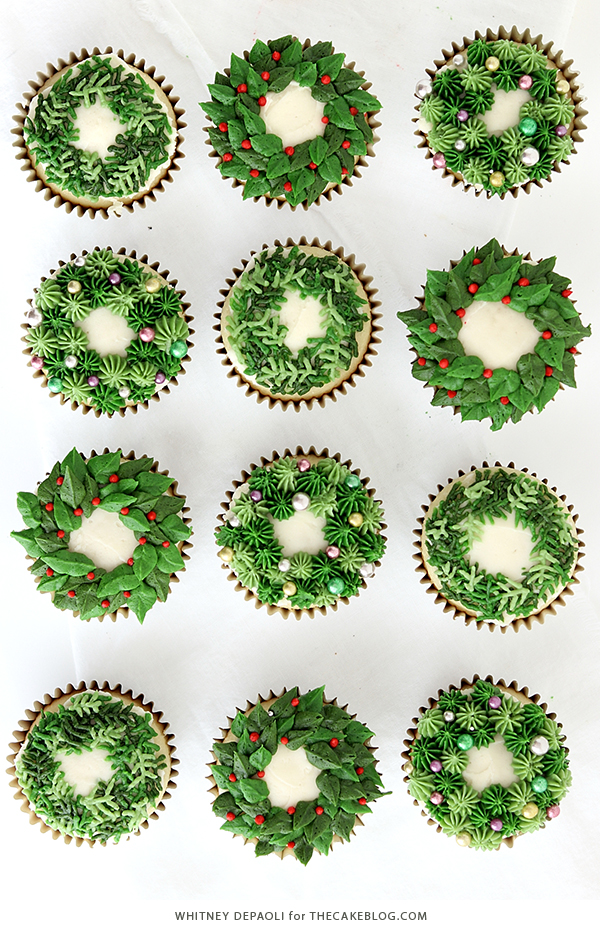
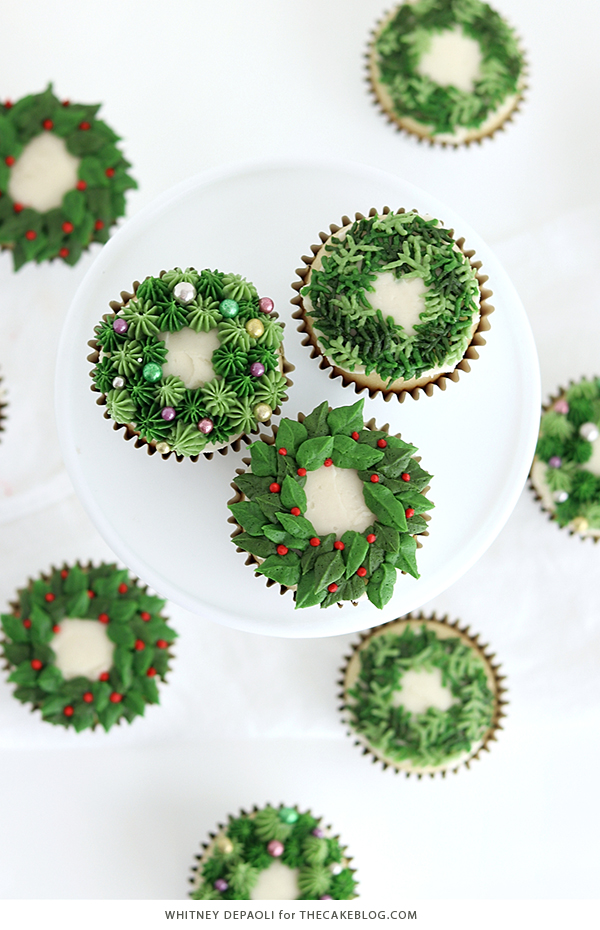
The emergence of intricate, artisanal confectionery designs for the winter holiday season has reached a new milestone with the release of a specialized tutorial by Whitney DePaoli, a prominent contributor to TheCakeBlog. This latest culinary guide focuses on the "Christmas Wreath Cupcake," a dessert concept that merges traditional holiday iconography with advanced buttercream piping techniques. As the holiday season progresses, home bakers and professional pastry chefs alike are increasingly seeking ways to elevate standard dessert offerings into visual centerpieces. DePaoli’s tutorial provides a systematic approach to creating three distinct wreath variations—the Berry Wreath, the Pine Sprig Wreath, and the Sprinkled Wreath—utilizing specific tools and color palettes designed to maximize aesthetic impact on the holiday dessert table.
The Evolution of the Holiday Dessert Market
The release of these designs comes at a time when the global baking ingredients and decor market is experiencing significant growth. Industry analysts suggest that the "DIY" (Do-It-Yourself) baking trend, accelerated by social media platforms such as Instagram and Pinterest, has transformed the way consumers approach seasonal celebrations. According to recent market reports, the global baking ingredients market is projected to reach a valuation of approximately $22.3 billion by 2026, driven largely by the demand for specialized frostings, food colorants, and professional-grade piping equipment.
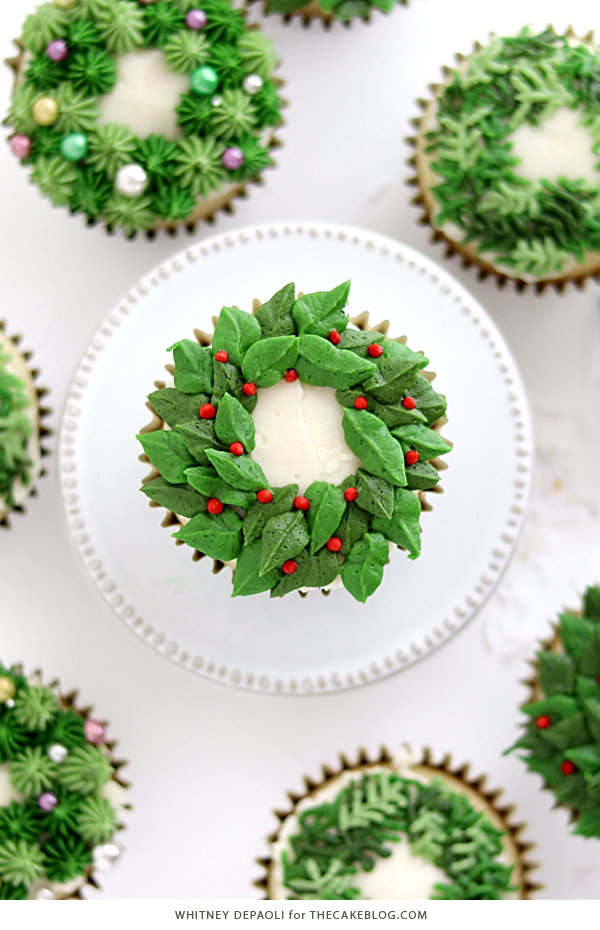
In this context, the Christmas Wreath Cupcake represents a shift toward "micro-decorating," where the focus is placed on the individual portion rather than a singular large cake. This trend allows for greater variety in flavor and design, catering to diverse guest preferences at holiday gatherings. DePaoli’s designs emphasize texture and tonal depth, moving away from flat, one-dimensional decorations toward three-dimensional "botanical" piping that mimics real-world foliage.
Technical Specifications and Material Requirements
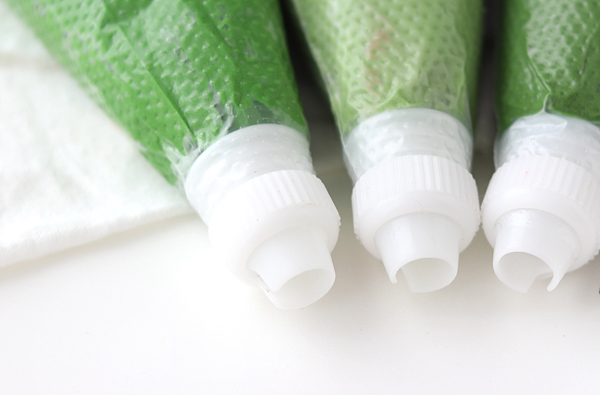
The successful execution of the wreath designs relies heavily on the use of specific piping tips and the mechanical advantages of couplers. DePaoli identifies three primary piping tips as essential for the project: the #352 leaf tip, the #3 small round tip, and the #199 open star tip.
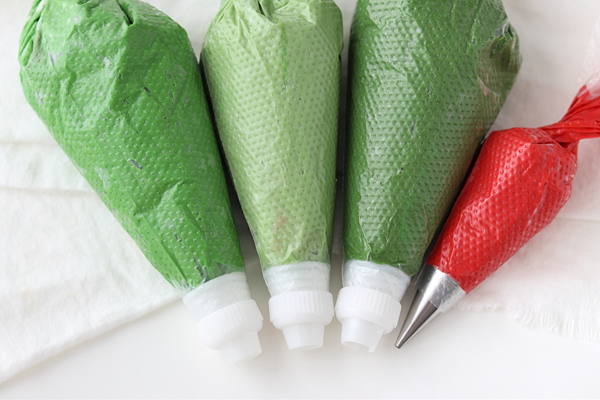
The use of couplers—plastic two-piece sets that allow bakers to swap piping tips without emptying the frosting bag—is highlighted as a critical efficiency measure. From a professional standpoint, the use of couplers serves two purposes: it reduces the environmental impact by minimizing the number of disposable piping bags used, and it ensures consistency across different shades of green. By fitting three bags with couplers and different intensities of green buttercream, the baker can rotate through the leaf, round, and star tips to create a cohesive, multi-textured assortment.
Regarding the medium itself, the tutorial advocates for the use of American Buttercream. Known for its crusting properties and structural stability, American Buttercream is the preferred choice for detailed piping that must withstand room-temperature display. However, the tutorial notes that any pipeable medium, including Swiss Meringue or Italian Meringue buttercream, can be utilized provided it possesses the requisite stiffness to hold the shape of the #352 leaf tip.
Chronology of the Decorating Process
The production of the Christmas Wreath Cupcakes follows a rigorous, multi-step chronology designed to ensure uniformity across the batch.
Phase I: Color Theory and Preparation
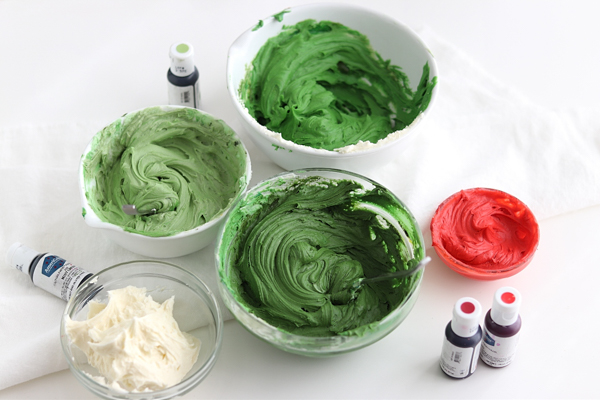
The process begins with the systematic coloring of the buttercream. DePaoli suggests a palette of four colors: a neutral base (uncolored), a vibrant red for berries and accents, and three distinct shades of green (light, medium, and dark). The use of high-quality gel colors, such as Americolor’s "Forest Green," "Avocado," and "Super Red," is recommended to achieve the necessary saturation without compromising the consistency of the frosting. The buttercream is divided into portions, with the majority allocated to the green shades to facilitate the bulk of the piping.
Phase II: Base Application
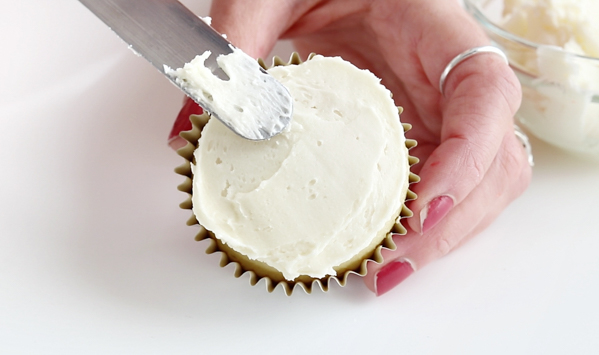
Before the intricate wreath designs are applied, each cupcake receives a "crumb coat" or a thin, even layer of uncolored buttercream. Applied with a small icing spatula, this base serves as a canvas, hiding the cake’s surface and providing a tacky foundation for the piped elements to adhere to.
Phase III: Execution of the Berry Wreaths
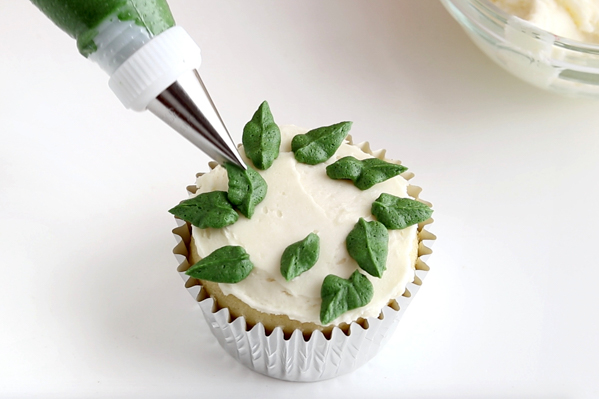
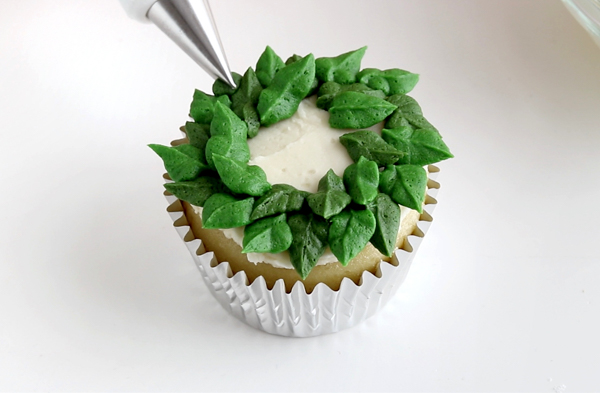
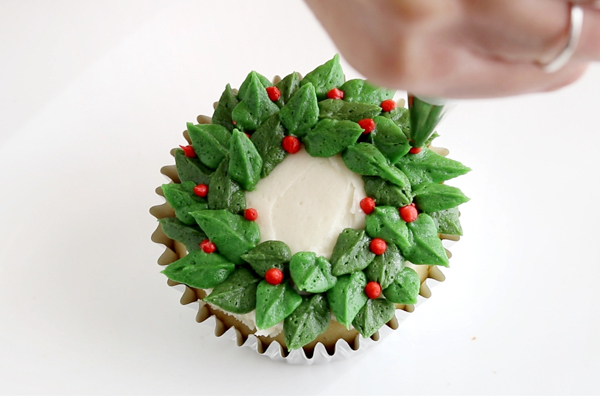
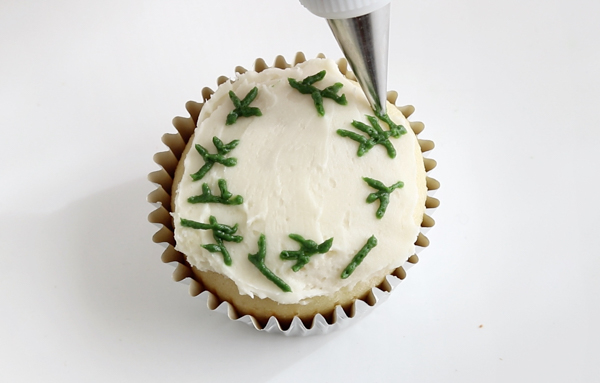
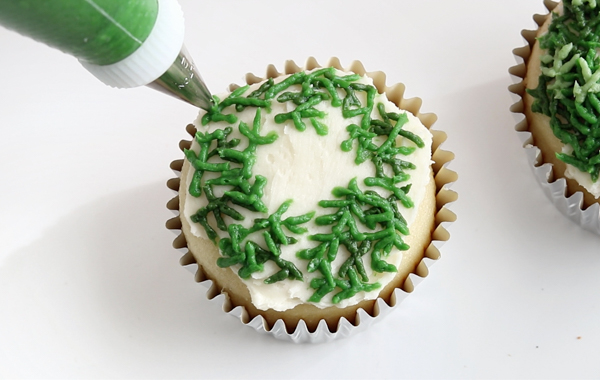
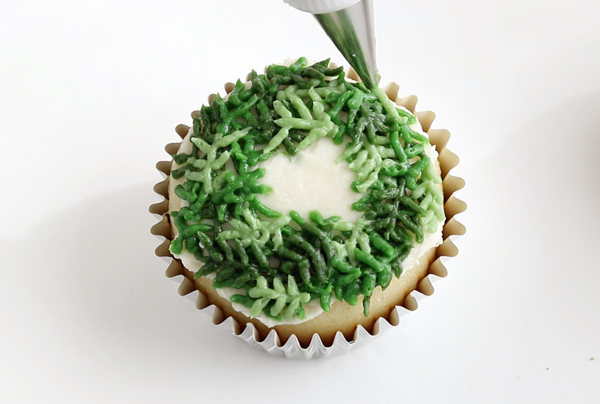
The Berry Wreath design utilizes the #352 leaf tip. The technique involves holding the tip parallel to the cupcake surface, with the "beak" of the tip oriented vertically. As pressure is applied to the bag and then released, the frosting forms a pointed leaf shape. By alternating between medium and dark green shades and leaving intermittent gaps, the baker creates a lush, layered effect. The final touch involves the #3 round tip, used to pipe small red dots that simulate holly berries.
Phase IV: Execution of the Pine Sprig Wreaths
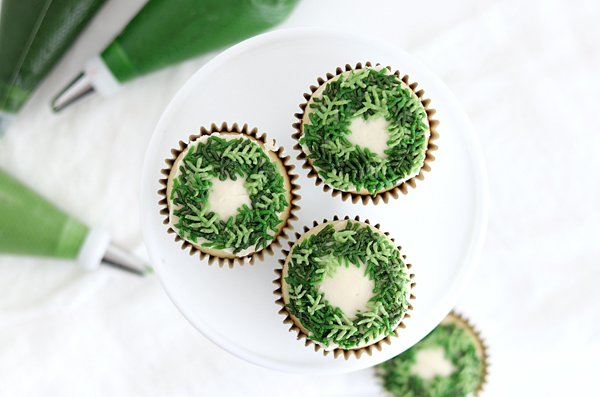
The Pine Sprig design is identified as the most labor-intensive of the three, requiring a high degree of precision. Using the #3 round tip for all three shades of green, the baker constructs individual "sprigs" by piping a central line and overlaying it with small "V" shapes. This method mimics the needles of a pine or fir tree. The layering of three different greens eliminates white space and creates a dense, realistic forest texture.
Phase V: Execution of the Sprinkled Wreaths
The final design, the Sprinkled Wreath, employs the #199 open star tip to create "drop stars." This technique involves vertical pressure followed by a quick upward pull, resulting in a textured, ridged dollop. Once the circular wreath shape is formed using the darker green shades, spherical sprinkles—such as the "Serendipity" mix from Fancy Sprinkles—are applied. These serve as metaphorical ornaments, adding a metallic or pearlescent contrast to the matte buttercream.
Expert Analysis of Aesthetic Impact
Culinary experts note that the success of DePaoli’s tutorial lies in its use of "tonal layering." By recommending three different shades of green, the design avoids the "artificial" look often associated with mass-produced holiday baked goods. The inclusion of Avocado green, which contains yellow undertones, alongside the cooler Forest Green, provides a naturalistic depth that mimics the way light hits real evergreen needles.
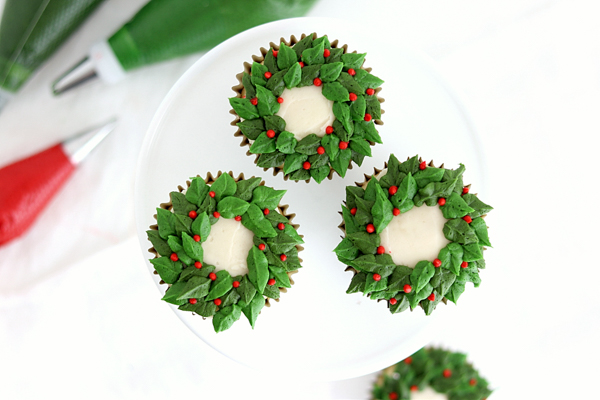
Furthermore, the variety of textures—the sharp points of the leaves, the delicate lines of the pine sprigs, and the ridges of the star tips—creates a sensory experience that extends beyond taste. In a professional catering environment, such details are often used to justify premium pricing for "boutique" or "designer" cupcakes.
Broader Implications for the Baking Industry
The release of this tutorial by TheCakeBlog underscores the growing influence of digital content creators in the culinary arts. Traditional cookbooks are increasingly being supplemented, or even replaced, by high-definition, step-by-step digital tutorials that offer immediate visual feedback. For brands like Americolor and Fancy Sprinkles, these tutorials act as powerful marketing tools, demonstrating the practical application of their products to a highly engaged audience of hobbyists and professionals.
There is also a psychological component to the popularity of such holiday projects. Dr. Elizabeth Miller, a researcher specializing in consumer behavior, suggests that the act of "creative baking" during the holidays serves as a stress-reduction mechanism and a way to foster social connection. "When a baker ‘squeals with delight’ at a finished product, as DePaoli describes, they are experiencing the ‘IKEA effect’—a cognitive bias in which consumers place a disproportionately high value on products they partially created," Miller explains.
Conclusion and Future Outlook
As the holiday season reaches its peak, the Christmas Wreath Cupcake tutorial stands as a testament to the intersection of traditional festive symbols and modern culinary technique. The project is more than a simple recipe; it is a technical exercise in color theory, tool proficiency, and patience.
Looking forward, the trend of hyper-realistic botanical piping is expected to continue into the spring and summer seasons, with wreaths of holly and pine giving way to floral garlands of roses, ranunculus, and succulents. For now, the Christmas Wreath Cupcake remains a definitive example of how home-based confectionery can achieve professional-grade results, adding a level of "merriment and sophistication" to the modern holiday dessert table. The success of these designs reinforces the idea that in the world of modern baking, the visual presentation is just as vital as the flavor profile, serving as the first point of engagement for the festive consumer.