


The intersection of high-fidelity digital imaging and the artisanal "maker" movement has reached a new milestone this holiday season through a strategic collaboration between Canon U.S.A., Inc. and the digital crafting platform Something Turquoise. This initiative aims to democratize professional-grade stationery production, providing consumers with the tools, software, and design assets necessary to manufacture bespoke holiday greeting cards from a residential environment. Central to this project is the utilization of the Canon PIXMA TS9521C Crafting Printer, a hardware solution specifically engineered to bridge the gap between consumer-grade document printing and professional graphic arts output.
The collaboration comes at a time when the global greeting card market, valued at approximately $7.5 billion, is experiencing a significant shift toward personalization. Industry data suggests that while digital communication remains dominant for daily interactions, physical correspondence during the fourth quarter of the fiscal year remains a priority for over 70% of households in North America. By providing free access to sophisticated design templates—traditionally locked behind paywalls or exclusive to commercial print shops—Canon and Something Turquoise are positioning at-home printing as a viable, high-quality alternative to mass-market commercial services.
Technical Infrastructure and Material Specifications
The efficacy of at-home stationery production is fundamentally dependent on the synergy between hardware capabilities and substrate quality. The Canon PIXMA TS9521C, marketed as the "crafter’s printer," features a five-color individual ink system that allows for nuanced color grading and high-density blacks, essential for reproducing family photography with archival integrity. Unlike standard office printers, this model supports a wide array of paper sizes and weights, including the 12×12 inch format favored by scrapbooking enthusiasts.
To complement the hardware, Canon has introduced the 7×10 Double-Sided Greeting Card Paper Pack. This specific substrate is a matte-finish photo paper that is pre-cut and pre-scored, reducing the margin for error in the finishing stages of card production. Each pack includes 20 sheets of double-sided paper and 20 corresponding 5×7 envelopes. The double-sided coating is a critical technical feature, as it allows for high-resolution imagery on the exterior and crisp, legible text or secondary graphics on the interior without the "bleed-through" typically associated with standard bond paper.
Software Integration and Modular Design
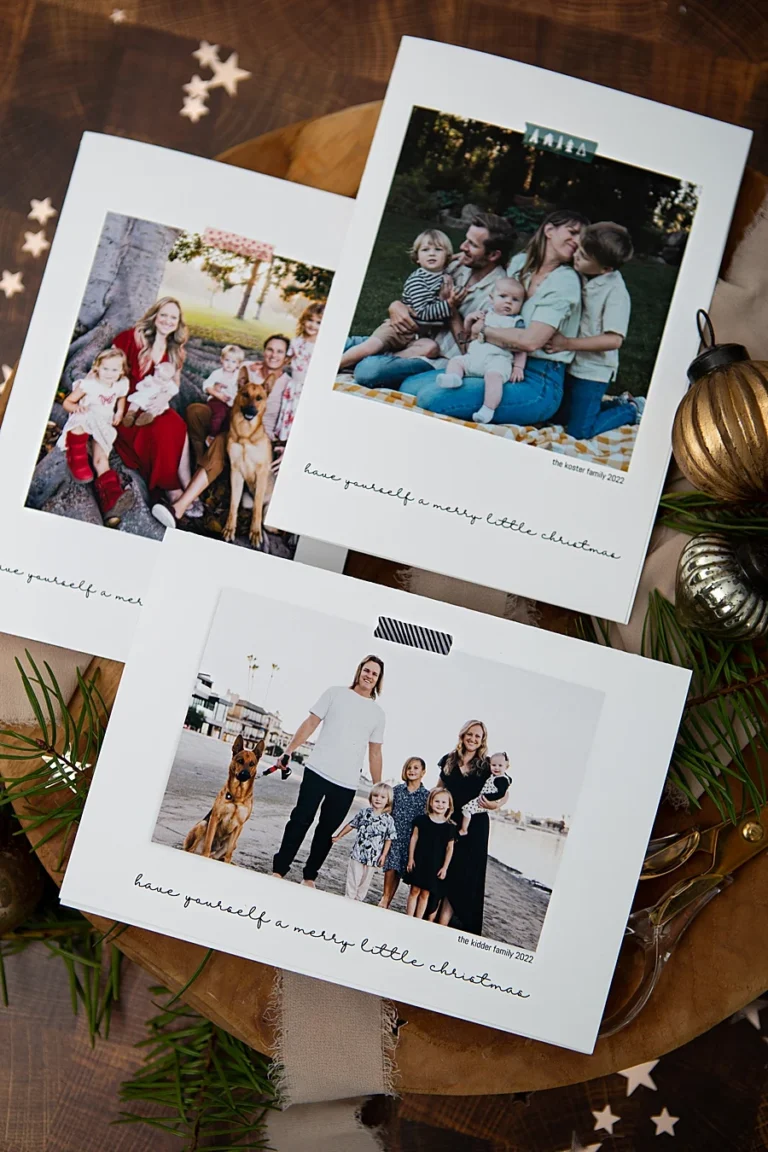
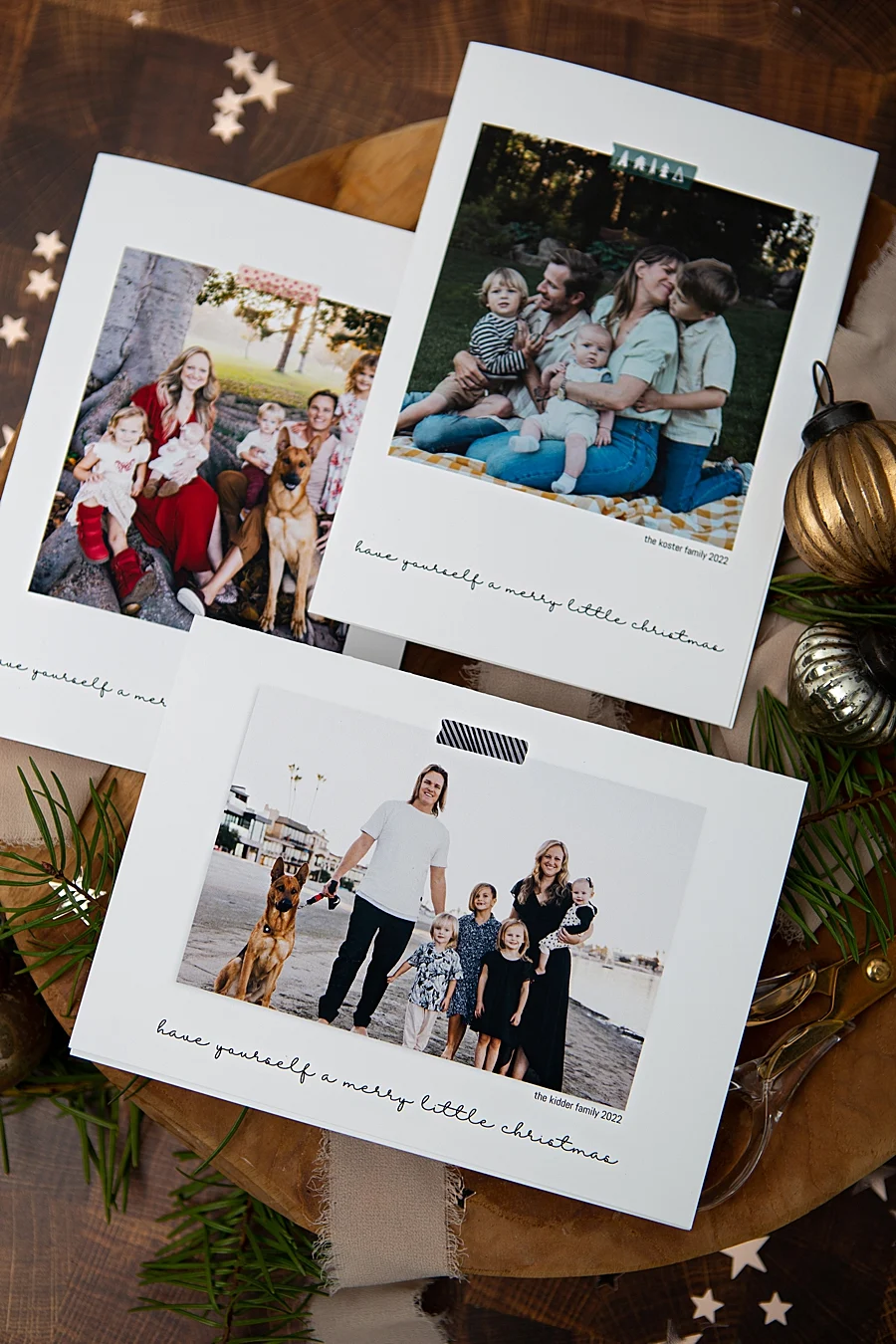
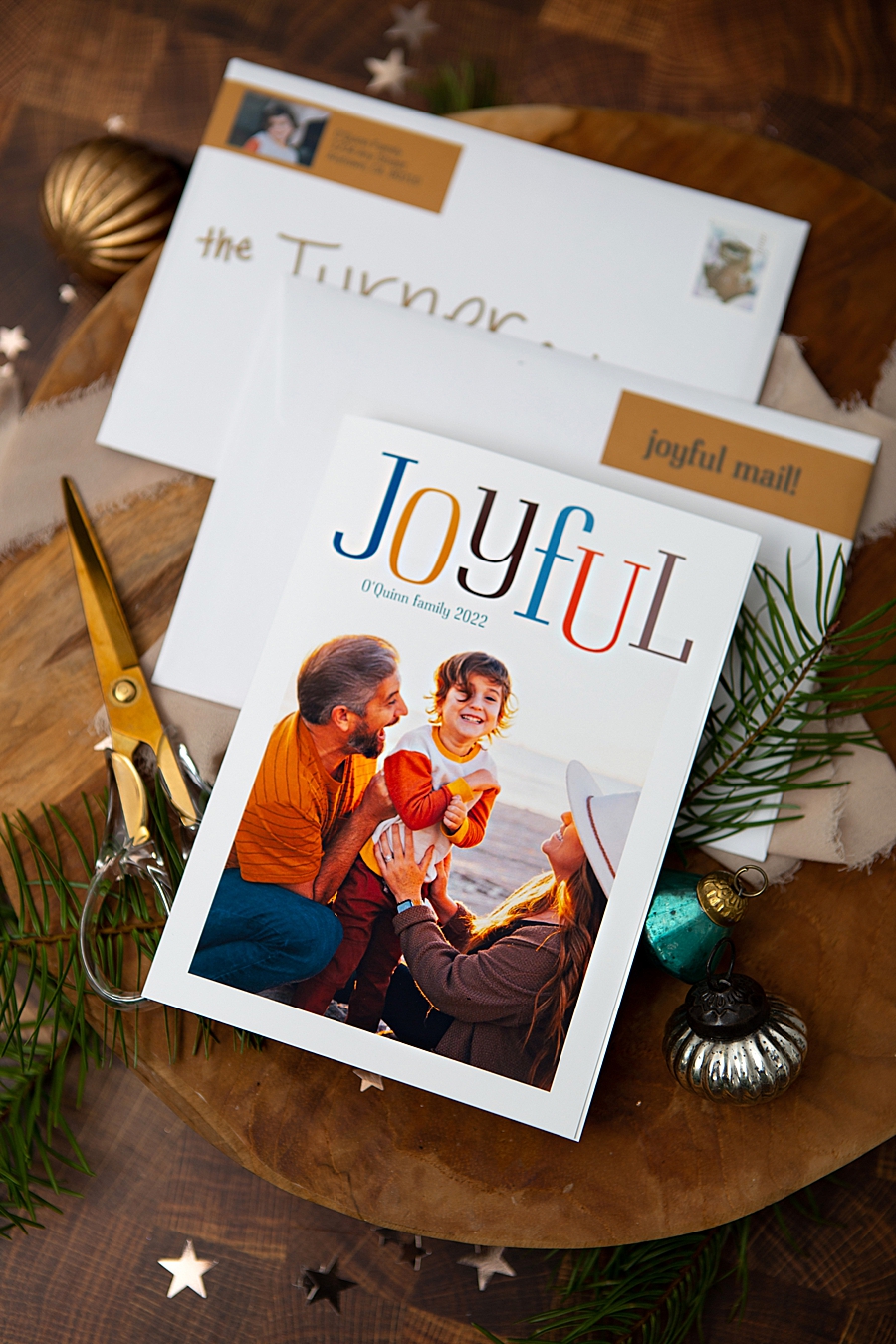
The logistical framework of this initiative utilizes Corjl, a web-based suite that facilitates the editing of digital assets without requiring the user to possess advanced proficiency in professional software such as Adobe Creative Suite. Through this platform, Something Turquoise has released three distinct design archetypes: "Joyful," "Tape," and "Berries."
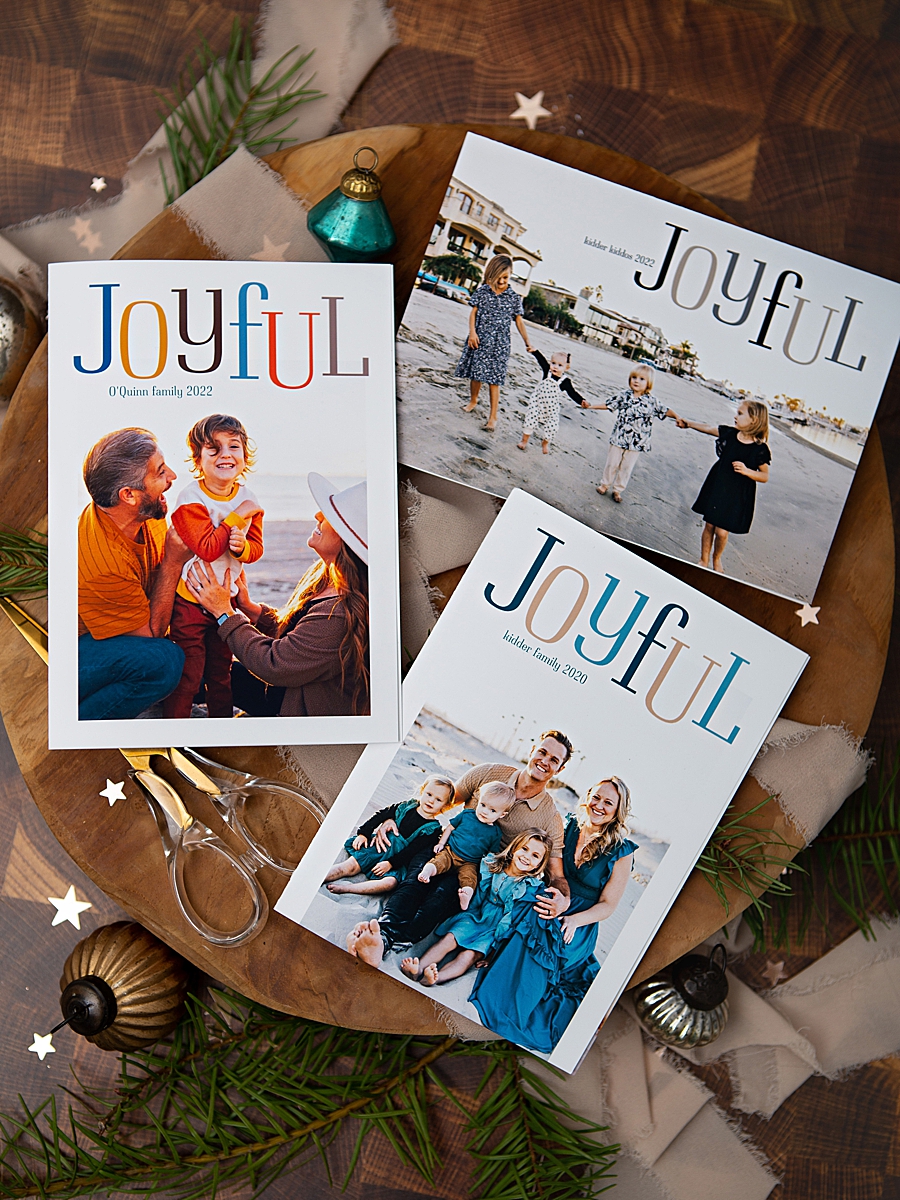
- The Joyful Series: This design focuses on typography-driven aesthetics, allowing users to manipulate color palettes to harmonize with the chromatic values of their uploaded family photographs.
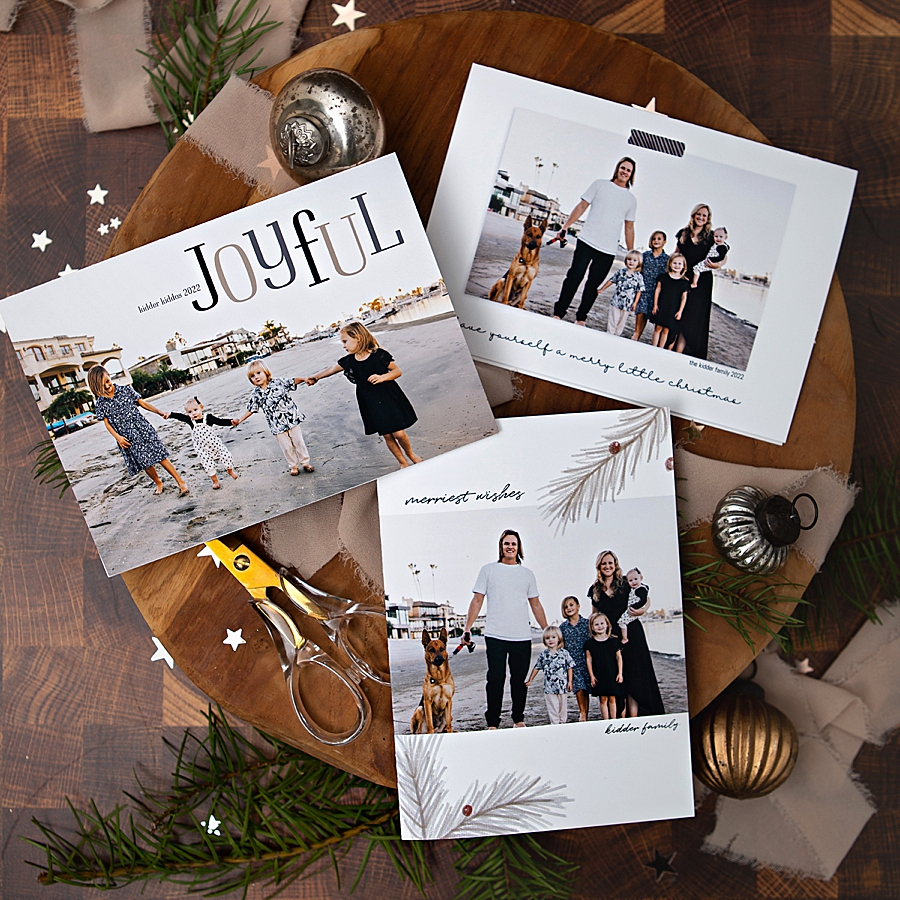
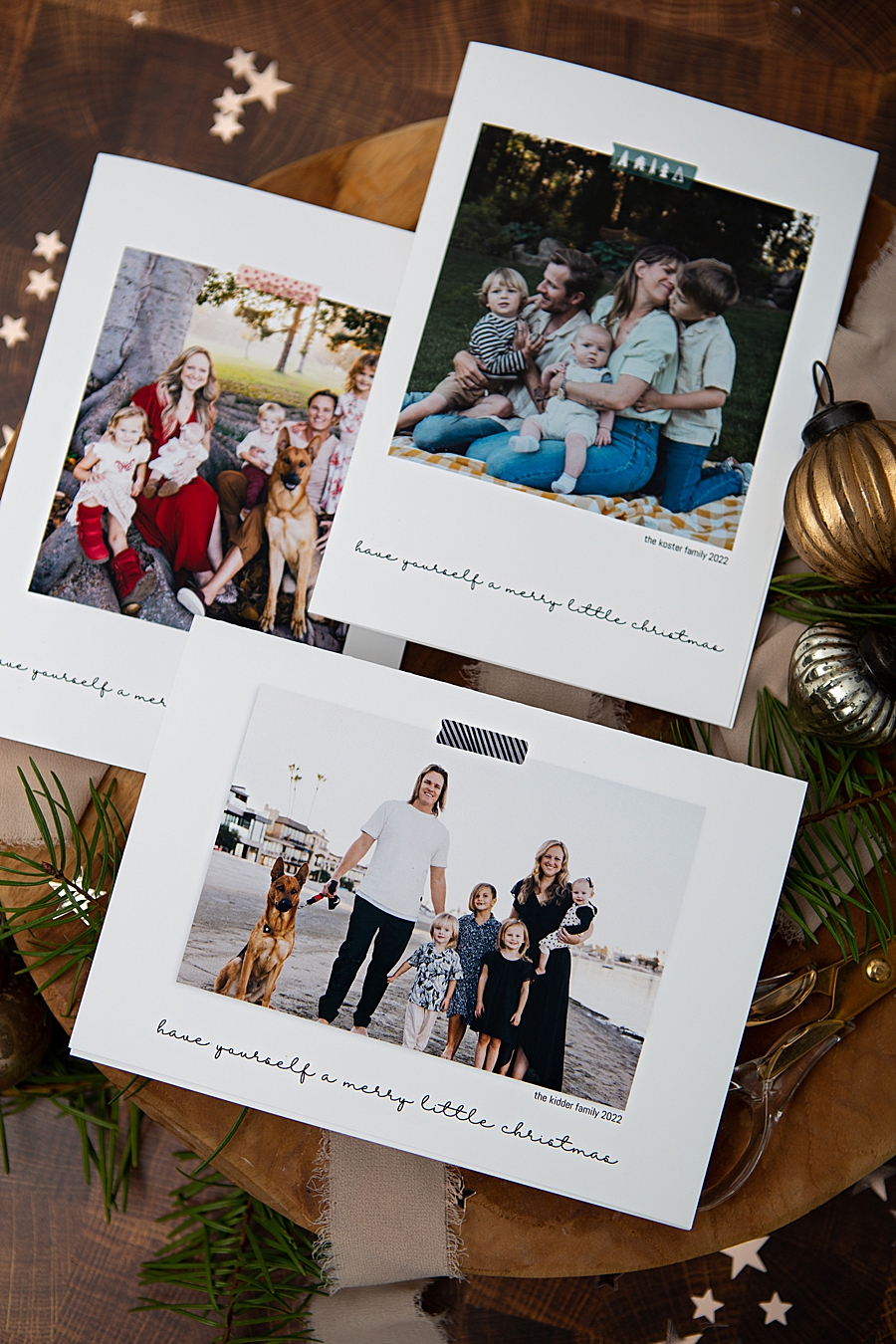
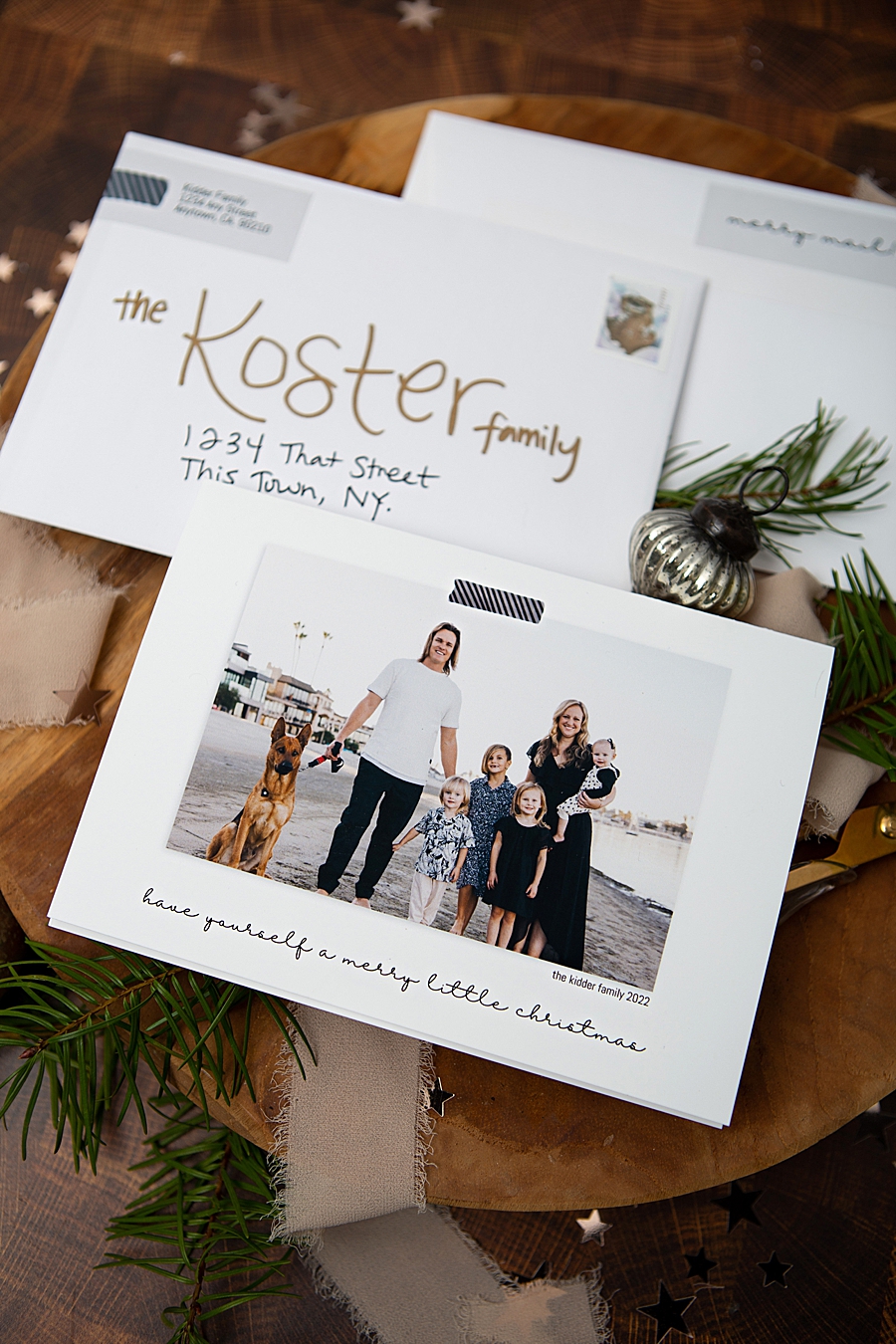
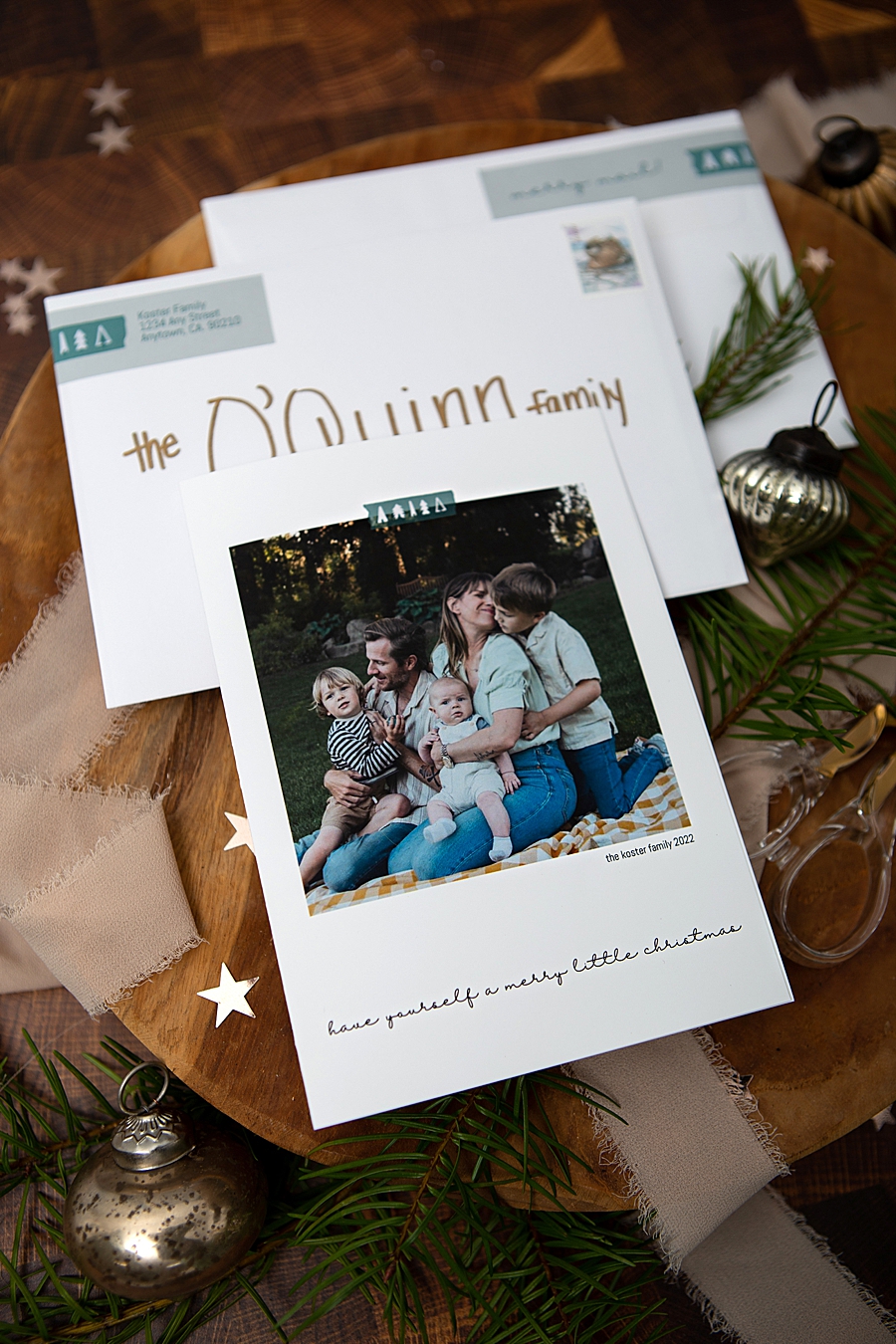
- The Tape Series: This aesthetic incorporates digital "washi tape" elements, offering four distinct patterns including black and white stripes, pink polka dots, green coniferous motifs, and neutral beige. This design appeals to the scrapbooking demographic by mimicking physical tactile elements in a digital layout.
- The Berries Series: This series features hand-drawn botanical illustrations in various color schemes, including green, pink, and beige. The modular nature of the file allows users to select the botanical element that best aligns with their photographic content while discarding extraneous layers.
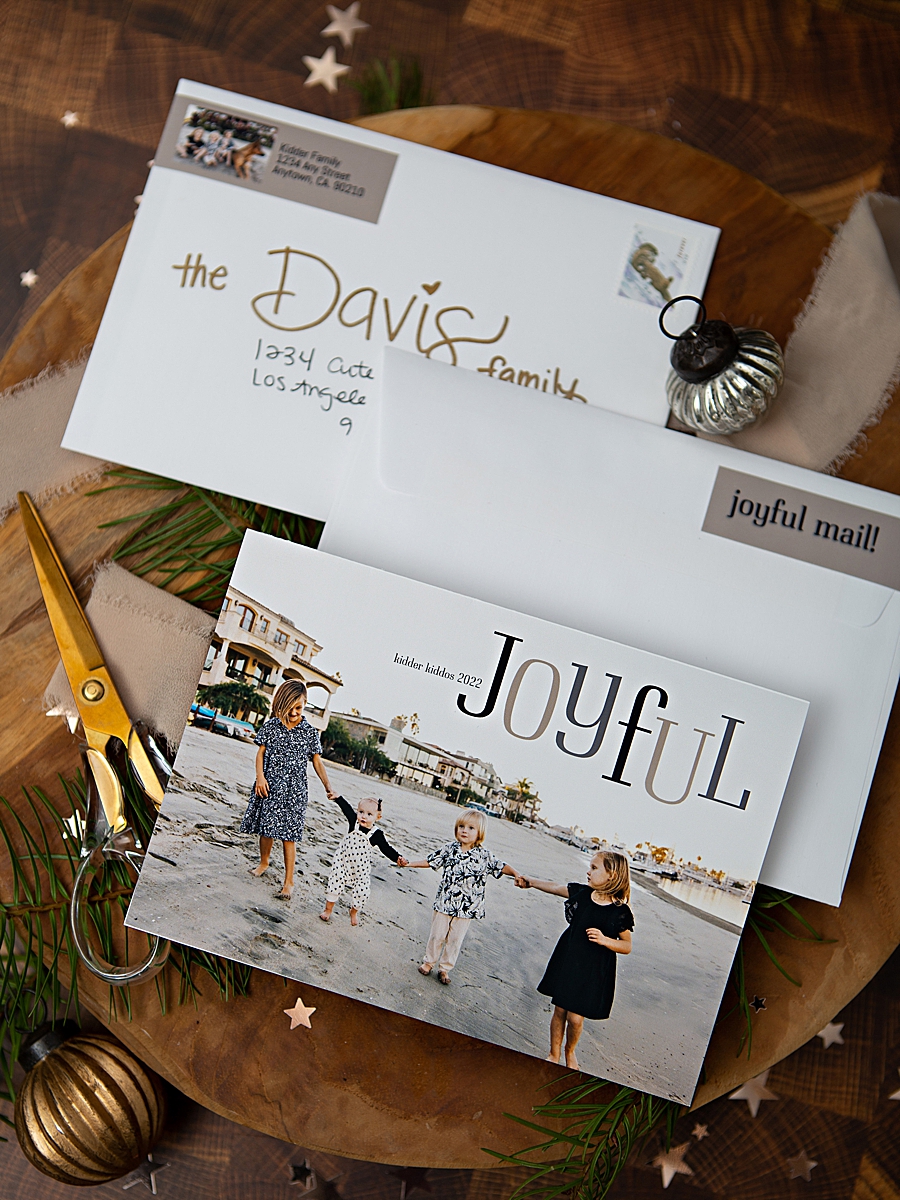
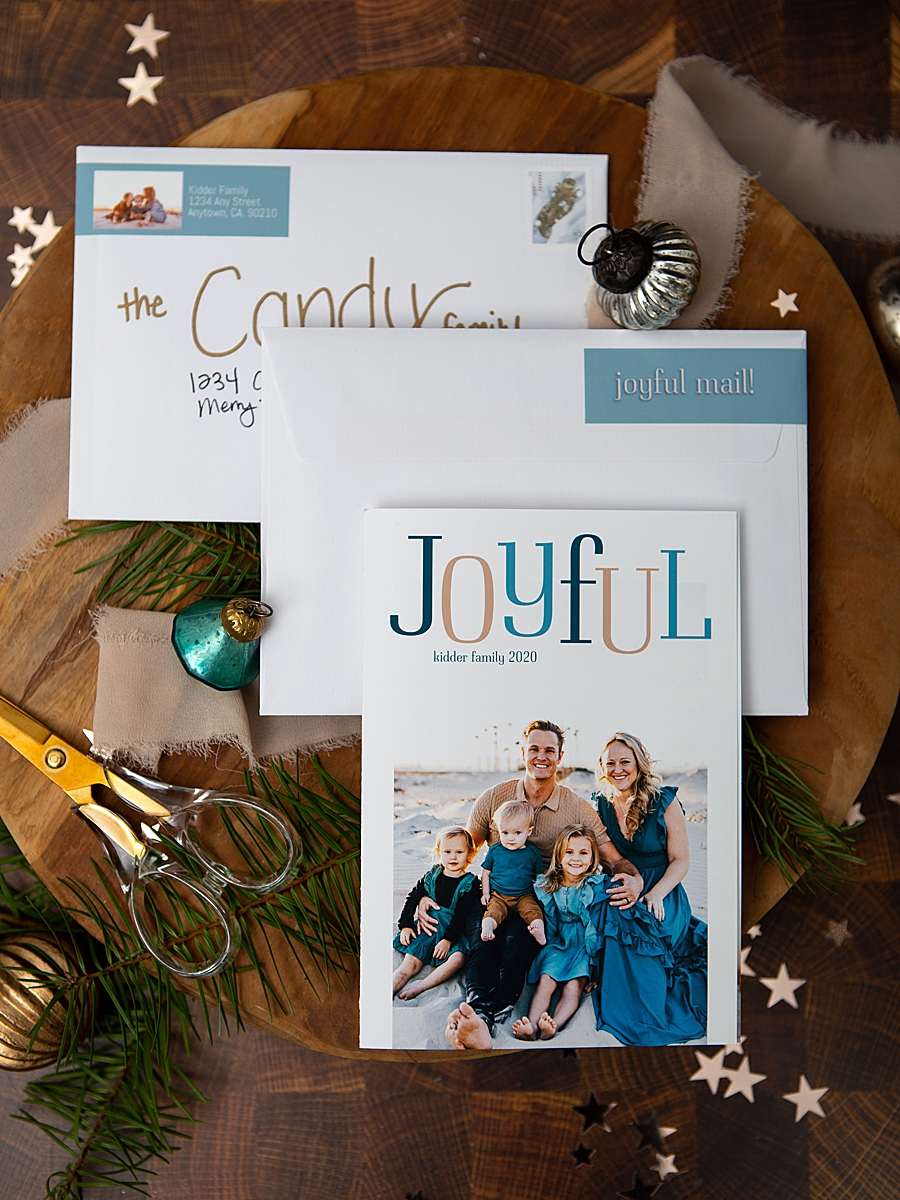
Each design is provided in both vertical and horizontal orientations and includes matching address labels, ensuring a cohesive visual identity across the entire mailing assembly. To facilitate adoption, Canon is subsidizing the cost of these digital assets through the promotional code "canonholiday," which grants users full access to the templates via the Something Turquoise digital storefront.
A Chronology of the DIY Stationery Movement
The transition from hand-written holiday letters to the current state of high-end at-home production follows a clear technological timeline. In the late 20th century, desktop publishing began to emerge with the advent of basic inkjet technology and early word-processing software. However, these early efforts were often limited by low resolution and a lack of specialized paper stocks, resulting in a product that was clearly distinguishable from professional alternatives.
The 2010s saw the rise of centralized digital printing services like Minted and Shutterfly, which offered high-quality templates but removed the consumer from the production process. The current era, exemplified by the Canon-Something Turquoise partnership, represents the "Third Wave" of DIY stationery. This era is defined by the decentralization of professional-grade manufacturing. With the introduction of the PIXMA TS9521C and similar specialized hardware, the consumer regains control over the production timeline, material selection, and immediate quality control, achieving an output that is indistinguishable from commercial boutique products.
Market Analysis and Consumer Behavior
The strategic move by Canon to partner with a niche crafting influencer like Jen Causey-Kidder of Something Turquoise reflects broader trends in targeted marketing. The "crafting" demographic is one of the most resilient segments of the consumer electronics market. According to reports from the Association for Creative Industries (AFCI), the creative products industry contributes more than $36 billion to the U.S. economy annually.
Analysts suggest that the appeal of at-home printing is driven by three primary factors:
- Immediacy: The ability to print a single card or a batch of fifty without waiting for shipping or processing from a third-party vendor.
- Cost-Efficiency: While the initial investment in a specialized printer is higher, the per-unit cost of a high-end card produced at home is significantly lower than the $3.00 to $5.00 price point often found at retail boutiques.
- Customization: The Corjl software integration allows for a level of hyper-personalization that mass-market templates cannot match, including specific font adjustments and granular color matching.
Broader Economic and Environmental Implications
The shift toward on-demand, at-home printing also carries implications for the broader retail landscape. As more consumers adopt high-end home printing solutions, the demand for pre-printed, generic holiday cards at big-box retailers may see a continued decline. Conversely, there is a projected increase in the demand for "consumables"—ink cartridges, specialized paper stocks, and peripheral tools such as the Fiskars paper trimmers and metallic markers mentioned in the Something Turquoise tutorial.
From an environmental perspective, the at-home model promotes a "print-as-needed" philosophy. Traditional retail models rely on massive print runs, often resulting in significant surplus inventory that is discarded after the holiday season. On-demand printing minimizes this waste, although it shifts the responsibility of recycling ink cartridges and paper offcuts to the individual consumer. Canon’s U.S.A. division has addressed this by maintaining a robust cartridge recycling program, aiming to mitigate the environmental footprint of increased home-based printing.
Industry Response and Expert Commentary
While competitors in the printer market, such as Epson and HP, have also targeted the photo printing segment, Canon’s specific focus on the "crafting" niche with the TS9521C has garnered attention for its specialized feature set. Hardware reviewers have noted that the inclusion of built-in printable patterns and the ability to handle heavy cardstock without jamming are critical differentiators that appeal directly to the Something Turquoise audience.
Jen Causey-Kidder, the creative lead behind Something Turquoise, emphasized that the goal of the project was to remove the "stress" from holiday preparations. "The process was designed to be fun and relaxing," Causey-Kidder noted in her project overview. This sentiment aligns with a growing body of psychological research suggesting that engaging in creative, tactile activities—such as crafting and assembly—can significantly reduce seasonal stress and improve mental well-being.
Conclusion and Future Outlook
The collaboration between Canon and Something Turquoise serves as a case study for the future of the consumer imaging industry. By providing a comprehensive ecosystem—hardware, specialized media, and sophisticated design software—Canon is moving beyond the role of a hardware vendor to become a facilitator of creative expression.
As the 2024 holiday season approaches, the success of this initiative will likely be measured by the engagement on social media platforms, where users are encouraged to share their results using the hashtag #somethingturquoisediy. This feedback loop provides Canon with valuable data on consumer preferences, which will undoubtedly inform the next generation of crafting hardware and software integrations. For now, the "Joyful," "Tape," and "Berries" collections represent a sophisticated fusion of technology and tradition, allowing families to maintain the century-old practice of holiday card exchange with a modern, personalized, and professional flair.