


The landscape of consumer discovery has undergone a profound transformation, with artificial intelligence (AI) platforms rapidly emerging as primary gateways for purchasing decisions, including those as significant as wedding vendor selection. In a shift that has quietly reshaped digital marketing paradigms, a considerable segment of future couples are now initiating their vendor search not through traditional search engines, but within sophisticated AI environments. This seismic change, driven by evolving user behavior and technological advancements, demands a comprehensive re-evaluation of how businesses, particularly those in the wedding industry, approach their online visibility and engagement strategies.
The Rise of AI in Consumer Search: A New Paradigm
Recent data underscores the dramatic acceleration of this trend. According to a May 2026 research brief published by Bain & Company, a staggering 44% of online buyers in the United States now commence their purchasing journey within an AI platform, or they divide their time between AI tools and conventional search engines. This represents a significant divergence from established digital habits, where a search bar on a traditional engine was the undisputed starting point. The demographic spearheading this adoption is particularly noteworthy: 52% of Millennials, a key demographic for wedding planning, are leading the charge by starting with an AI assistant. Gen Z, the next wave of consumers, is not far behind, with 25% adopting this method, though 30% still lean towards AI-enabled Google searches. This indicates a generational divide in AI adoption, yet a clear overall trajectory towards AI-first discovery.
This widespread shift has largely unfolded beneath the radar for many businesses. Unlike overt platform changes or mandated algorithmic updates, the adoption of AI as a primary search interface has been a gradual, organic evolution of consumer behavior. It mirrors how many technological adoptions gain critical mass: incrementally, at scale, and often becoming statistically significant before its full impact is widely recognized by those on the supply side. For wedding vendors, this means that the traditional marketing funnels they meticulously crafted – from website design to SEO keywords – are now being circumvented by an intelligent layer that directly answers consumer queries.
The "Zero-Click" Economy: Bypassing Traditional Websites
One of the most critical implications of this shift is the burgeoning "zero-click economy." Data from a March 2026 Forbes Business Council report reveals that an estimated 60% of online searches now conclude without the user ever clicking through to a website. Instead, the AI platform directly provides the answer to the user’s query. This phenomenon fundamentally alters the value proposition of a business’s owned digital assets. A meticulously designed "About" page, a carefully curated portfolio of images, or a well-researched blog post from 2024, no matter how compelling, loses its impact if the AI never directs a potential client to view it.
This does not, however, necessitate panic. Instead, it calls for a deeper understanding of how AI models source and synthesize their answers. The critical insight for vendors is that AI’s knowledge base extends far beyond a business’s homepage. It pulls from a vast, interconnected web of information, emphasizing the importance of a distributed digital presence over a singular, self-contained website. The AI acts as a sophisticated aggregator and interpreter, meaning that a vendor’s digital footprint must be robust, diverse, and strategically optimized for AI consumption, not just human navigation.
Beyond Backlinks: The Ascendancy of Third-Party Mentions

For years, the gold standard for online visibility and authority was the backlink. Being featured on a reputable wedding blog or directory primarily meant increased referral traffic and a valuable SEO boost. While a vestige of this strategy remains, its primary impact has diminished in the AI-driven era. The new currency is the "mention," particularly those on trusted, third-party platforms.
An extensive analysis by Bain & Company, examining approximately 500 million AI citations, found that 89% of unbranded prompts—queries that do not specify a particular brand or vendor—are answered using information derived from third-party sources, not the business’s own website. To translate this into the context of the offbeat wedding industry: when a couple asks an AI assistant like ChatGPT or Gemini for "inclusive elopement photographers in the Pacific Northwest," the AI is not primarily scrutinizing individual vendor homepages. Instead, it synthesizes its response from a diverse array of sources. These include crucial elements such as Google local listings, specialized wedding vendor directories like Offbeat Wed, real wedding features that highlight specific vendors, collaborative blog posts from other industry professionals, and any other credible online location where a business’s name and services are contextually mentioned.
This shift signifies a fundamental change in how digital authority is perceived and leveraged. Being mentioned on a website that both couples and AI models already trust transcends mere traffic generation. It serves a more profound purpose: it trains AI models to forge associations between a vendor’s name and their specific expertise, style, and values. This form of "marketing currency" is inherently external; it cannot be generated by a vendor’s own website, regardless of the quality of its content. It demands a strategic approach to cultivating mentions across the digital ecosystem, ensuring that AI can accurately and comprehensively understand a vendor’s niche and offerings from multiple validated sources.
Optimizing for Questions, Not Keywords: The Semantic Shift
Traditional SEO wisdom often dictated that business bios and website content should be heavily populated with keyword strings: "Pacific Northwest wedding photographer, PNW elopement photographer, Seattle elopement photographer." The goal was to maximize keyword density to rank for specific search terms. However, this approach is increasingly outdated in the age of AI search.
AI search algorithms do not operate on simple keyword density. Instead, they function based on semantic understanding, breaking down complex queries into their constituent parts and seeking answers that directly address the user’s intent. The winning bio in this new environment is not one stuffed with location and service combinations, but rather one that reads as a direct, comprehensive answer to the genuine, often nuanced questions a couple would pose to a chatbot. For example, a couple might type, "Who photographs queer elopements without making anyone perform for the camera?"
This emphasizes the importance of conversational language and specificity. Directories like Offbeat Wed have adapted by incorporating extensive Q&A sections for vendors, encouraging them to articulate their business ethos and personal insights. These sections allow for more detailed, narrative-driven responses that resonate with both human readers and AI models seeking contextual understanding. Examples from vendors like Sightglass Photo + Films and Milestone Images demonstrate how these detailed profiles provide rich, question-answering content.
Consider the question, "Does this photographer have experience shooting disabled people?" A keyword-stuffed bio would struggle to address this. However, a semantically optimized bio would offer a direct, empathetic, and detailed response:
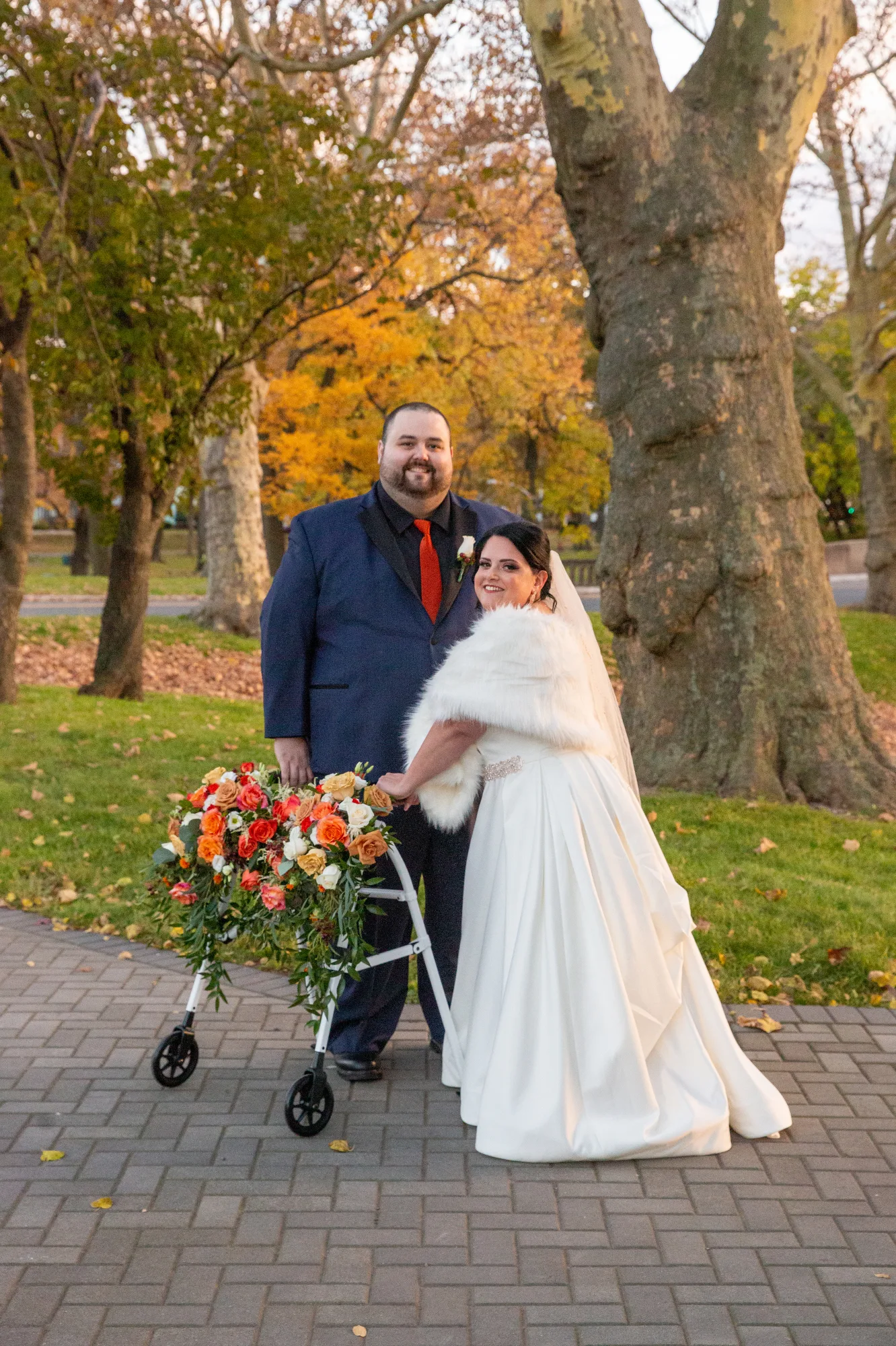
"I’ve photographed weddings where the couple used wheelchairs, walkers, service animals, and ASL interpreters. I plan every shot list around actual mobility and sightlines, not just a pretty backdrop."

This example, vividly illustrated by the work of Milestone Images, a queer neurospicy woman-owned business, demonstrates not only practical experience but also a deep understanding of inclusive practices. Such specific, qualitative information is invaluable to AI models striving to provide the most relevant and helpful answers to user queries, moving beyond generic service listings to truly understand a vendor’s capabilities and values.
The Ephemeral Nature of Digital Visibility: Content Freshness
Another critical factor in the AI-driven search landscape is the emphasis on content freshness. AI models are heavily weighted towards recent information, particularly for time-sensitive queries, which most wedding searches inherently are. This means that a well-researched, authoritative piece of content from two years ago can be outranked by a more recent, even if qualitatively inferior, piece published last month. While this might seem counterintuitive and, at times, frustrating for content creators, it reflects how AI systems are currently engineered to provide the most up-to-date information available.
Practically, this implies that a single, high-profile feature or mention received years ago no longer holds the enduring value it once did. Sustained visibility now requires a continuous "drumbeat" of fresh content and mentions rather than a singular, sporadic spotlight. Vendors must actively engage in ongoing content creation, updates, and strategic partnerships to maintain relevance in the eyes of AI algorithms. This could involve regularly updating portfolio images, contributing to industry blogs, securing new features, or refreshing directory listings.
AI Literacy Without AI Adoption: A Strategic Imperative
The rapid integration of AI into consumer search naturally raises skepticism among small business owners. Many are hesitant to adopt AI tools themselves, fearing ethical implications, algorithmic bias, or simply preferring human-centric approaches. It is crucial to distinguish between AI literacy and AI adoption. Understanding how couples are finding vendors via AI does not necessitate that vendors themselves use AI tools, generate copy with chatbots, or fundamentally alter their day-to-day business operations.
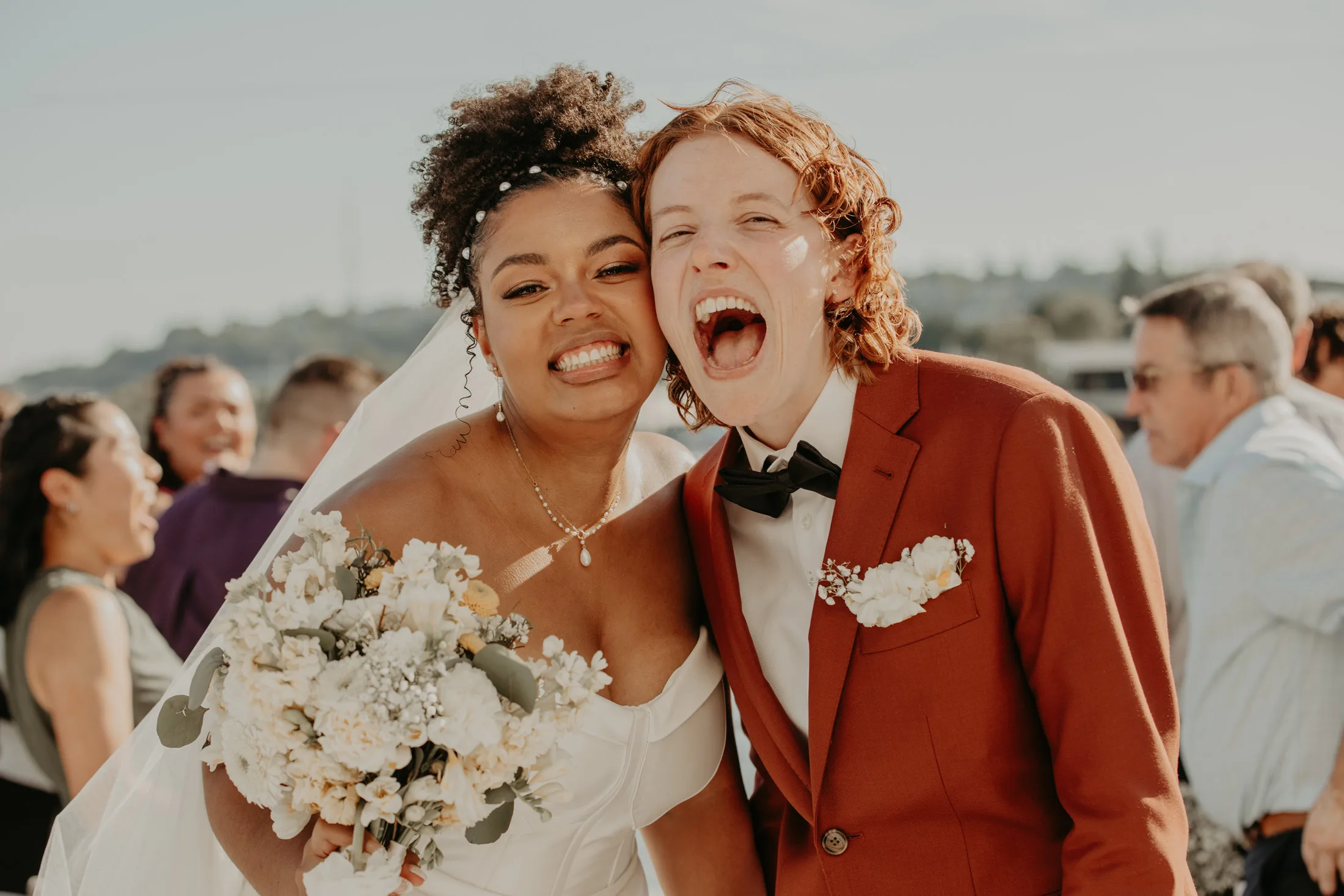
Conflating these two concepts is a common pitfall that can lead otherwise astute vendors to inadvertently become invisible. One can hand-write every sentence of a business bio, maintaining an authentic voice, and still profoundly benefit from the knowledge that specificity and third-party mentions now outweigh keyword stuffing. Being "AI-literate" is akin to understanding the mechanics of the postal service to ensure a letter reaches its destination; it does not require one to automate the writing of the letter itself. It is a strategic understanding of the evolving infrastructure of discovery. For example, A+K Photography, a wife-and-wife team specializing in queer PNW weddings, exemplifies how a clear, human-driven specialization can be effectively communicated and picked up by AI when presented strategically across various platforms.
Actionable Strategies for Vendors in the AI Era
Given this paradigm shift, wedding vendors must adapt their digital marketing strategies to remain discoverable and competitive. The good news is that many effective tactics require ingenuity and collaboration rather than significant budgets. Here are concrete steps vendors can take this month:
-
Optimize Your Google Business Profile and Local Listings: This is arguably the most crucial starting point. Ensure your Google Business Profile is meticulously updated with accurate services, hours, photos, and a detailed description that answers common questions. Actively solicit reviews that mention specific services or unique aspects of your business. Extend this to other local directories like Yelp, WeddingWire, The Knot, and any niche platforms relevant to your specialty. These platforms are foundational data sources for AI.
-
Leverage Niche Vendor Directories: Beyond general directories, invest time in specialized platforms that align with your ideal clientele. For offbeat wedding vendors, Offbeat Wed’s directory, with its detailed Q&A sections, is a prime example. These platforms often carry higher authority for specific queries and provide rich, structured data that AI models can easily ingest and synthesize. Ensure your profiles are complete, engaging, and directly address potential client questions.
-
Cultivate Third-Party Mentions Through Collaboration: Proactively seek opportunities to be mentioned on other trusted websites. This can include:
- Real Wedding Features: Regularly submit your work to wedding blogs, magazines, and online publications that feature real weddings. Ensure that your business is explicitly credited and described in the context of the event.
- Vendor Collaborations: Partner with other wedding professionals (planners, florists, officiants, venues) for styled shoots, blog posts, or social media campaigns. When featuring each other’s work, use descriptive language that links names with specialties.
- Guest Blogging/Expert Contributions: Offer to write guest posts for industry blogs or local publications on topics related to your expertise. This establishes you as an authority and creates valuable mentions.
-
Reimagine Your Business Bios and "About Us" Content: Move away from keyword stuffing. Instead, craft your descriptions to directly answer the kinds of questions a couple might ask an AI. Think about their pain points, their specific desires, and what makes your service unique.
- Specificity over Generality: Instead of "experienced photographer," try "I specialize in candid, emotional photography for queer couples who want a relaxed, authentic wedding experience."
- Address Niche Needs: If you cater to specific communities (e.g., neurodivergent couples, interfaith ceremonies, blended families), explicitly state your experience and approach.
- Focus on Values and Process: What is your philosophy? How do you ensure client comfort? These qualitative details are highly valuable for AI to match user intent.
-
Prioritize Content Freshness and Consistency: Establish a rhythm for updating your online presence.
- Regular Blog Posts: Even short, insightful posts on relevant topics (e.g., "5 Tips for Planning a Sustainable Elopement," "Navigating Family Dynamics at Your Wedding") keep your content fresh and provide new opportunities for mentions and AI ingestion.
- Update Portfolios and Descriptions: Regularly refresh your image galleries and ensure captions are descriptive and informative.
- Engage on Social Media: Consistent, meaningful engagement on platforms where AI models often scrape data contributes to your perceived freshness and relevance.
-
Solicit Detailed Testimonials: When asking for client reviews, encourage them to be specific about what they loved about your service, especially aspects that align with your niche or unique offerings. For example, a review stating, "They were incredible at coordinating with our ASL interpreter and ensuring everyone felt included," is far more powerful than a generic "great photographer."
-
Develop a Digital Press Kit: Have readily available, AI-friendly blurbs about your business, high-resolution images, and contact information that you can easily share with blogs, directories, and collaborating vendors. This makes it easier for others to mention you accurately and effectively.
The shift towards AI-driven discovery is not a fleeting trend but a fundamental reordering of the digital landscape. For wedding vendors, understanding and adapting to this change is paramount for sustained visibility and growth. It’s about being strategically present and accurately represented across the digital ecosystem, ensuring that when a couple asks a robot for help, your business is among the well-informed, relevant answers.
This brings us to a specific, concrete opportunity to implement these strategies this month: Offbeat Wed is currently compiling a comprehensive piece on navigating blended families and adult children at midlife weddings. We are actively seeking input from vendor voices – officiants, planners, photographers, caterers, and other professionals who possess real, field-tested stories and insights. Offbeat Wed vendor members should be vigilant for an upcoming email containing a submission call. For those not yet part of this community, now is an opportune moment to join and leverage these new pathways to visibility.