


Technical Methodology and Structural Execution
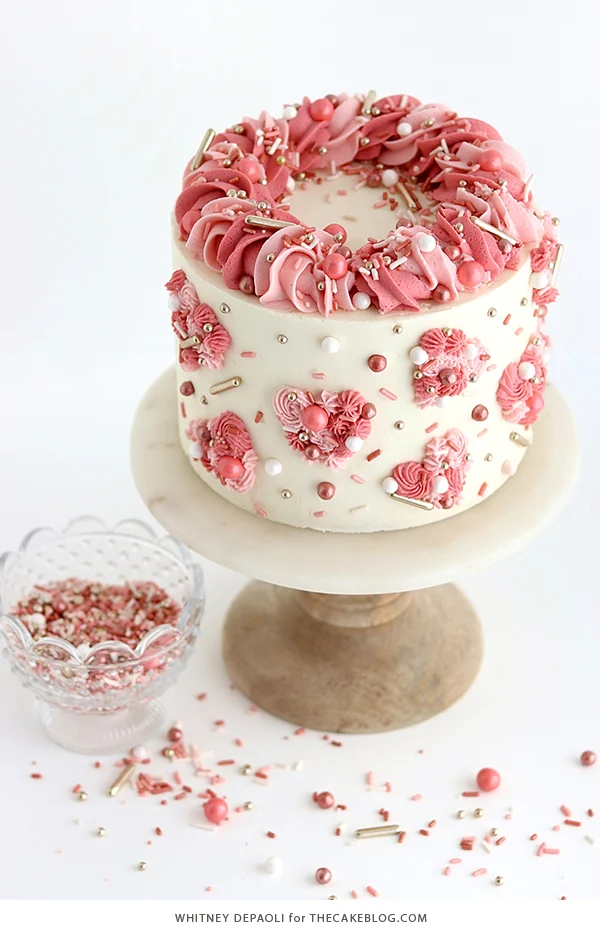
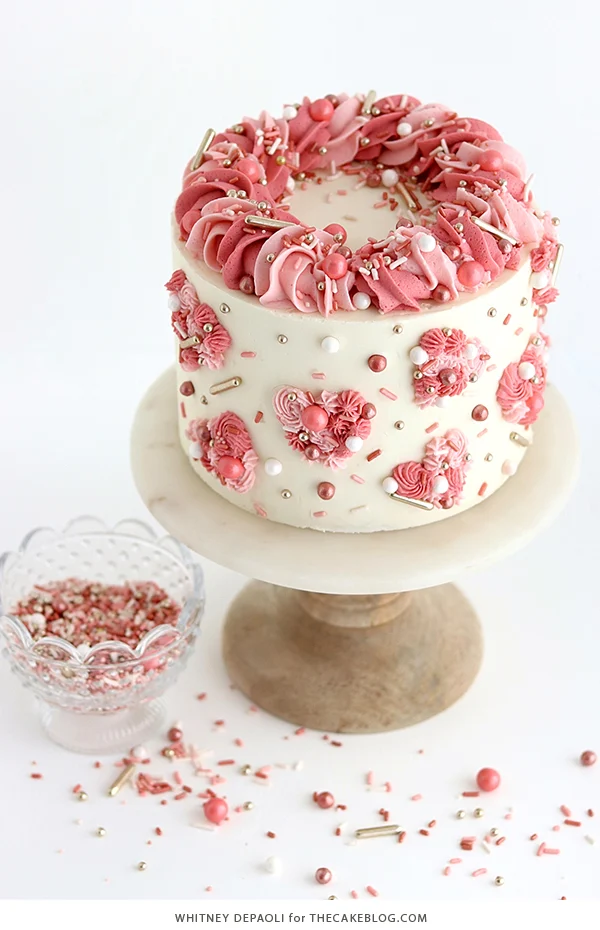
The Piped Hearts Valentine’s Cake utilizes a specific architectural approach to frosting that departs from the smooth, fondant-heavy designs of the previous decade. The process begins with a foundation of chilled, frosted cake—typically finished in a neutral or singular base tone to allow the decorative elements to maintain visual prominence.
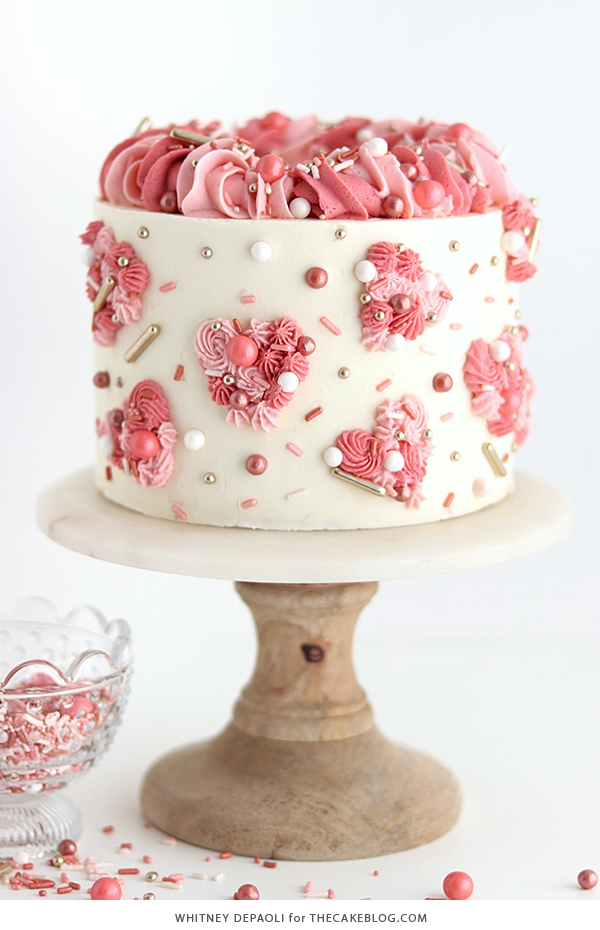
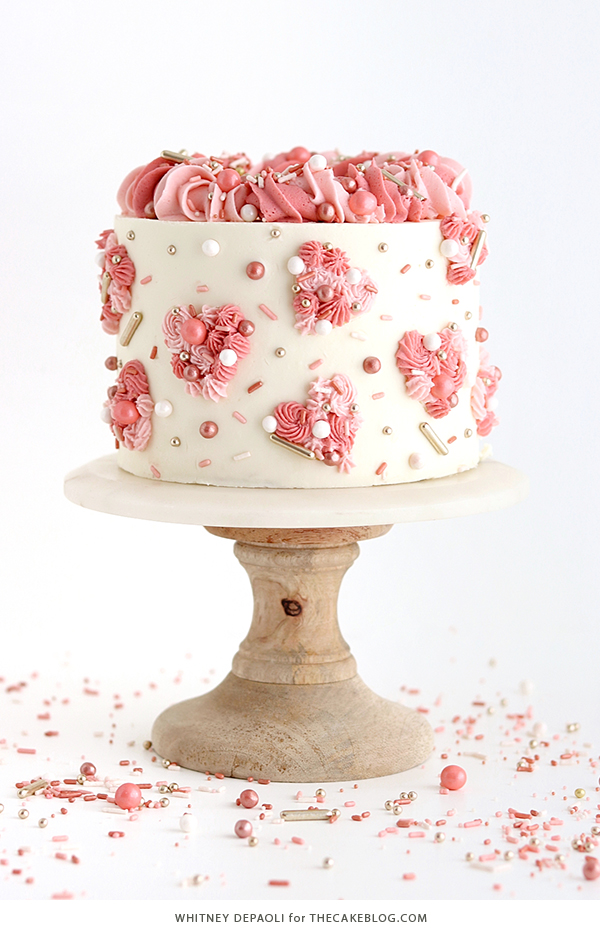
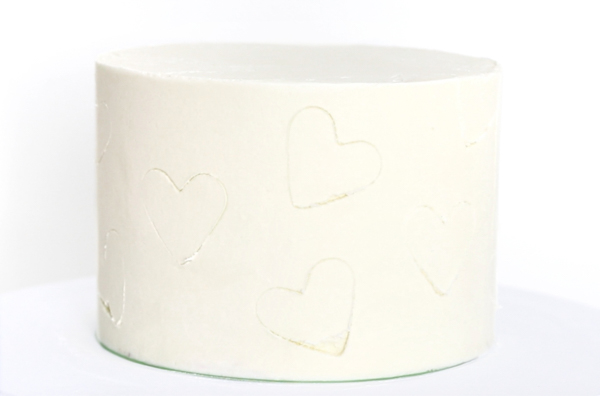
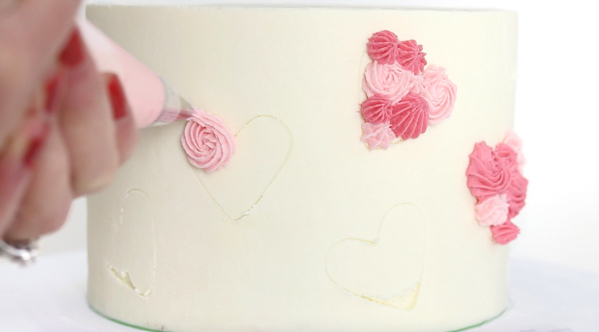
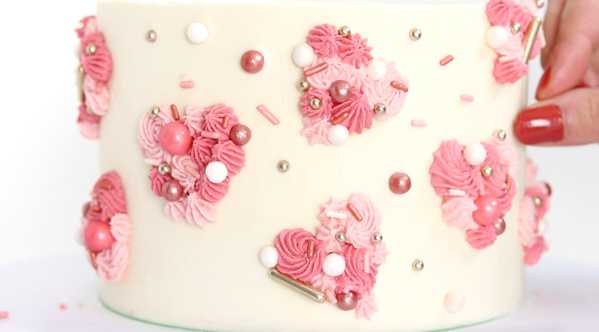
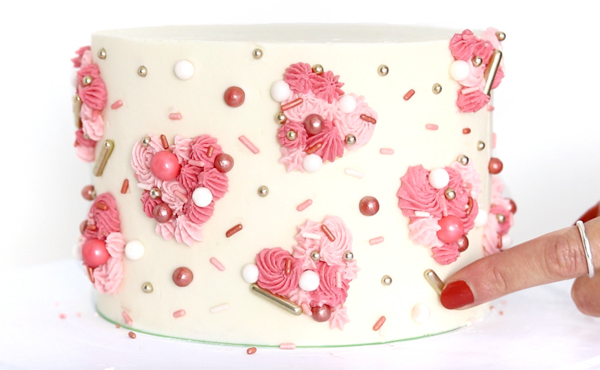
The core of the design relies on a two-step "imprint and fill" strategy. Using a standard heart-shaped cookie cutter as a template, the decorator applies light pressure to the chilled surface of the cake to create a guide. This prevents the spatial errors often associated with freehand piping. Industry experts note that spacing these imprints at least two inches apart is critical for maintaining the structural integrity of the design and preventing a cluttered visual field.
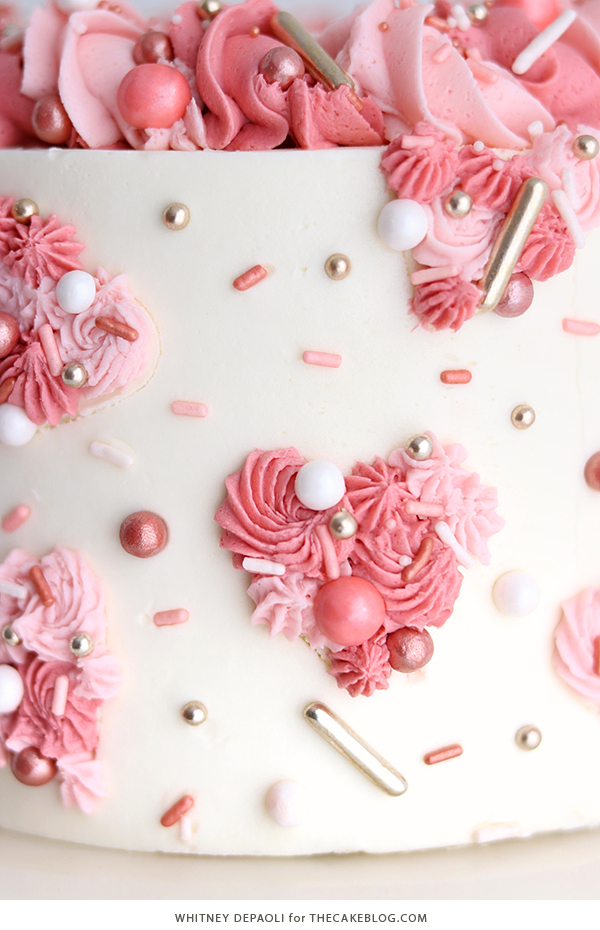
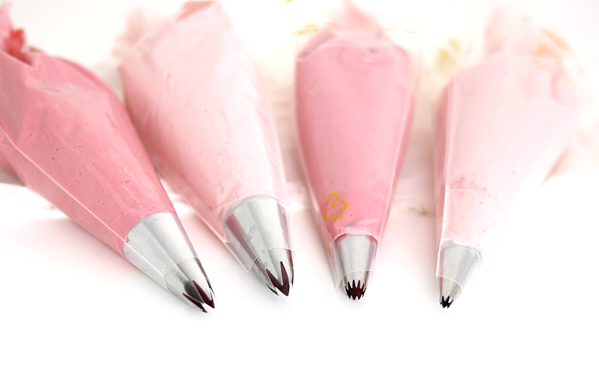
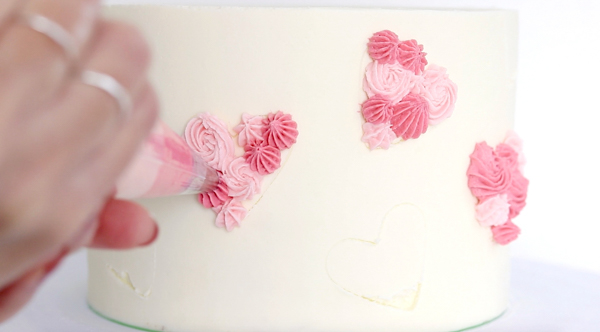
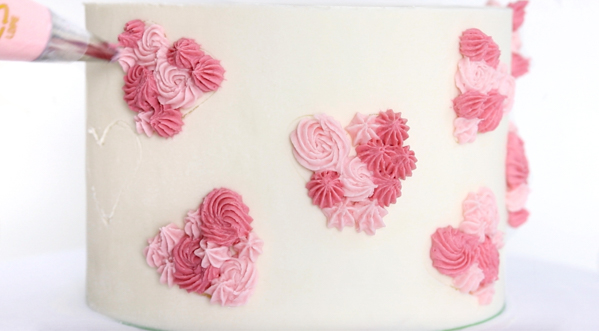
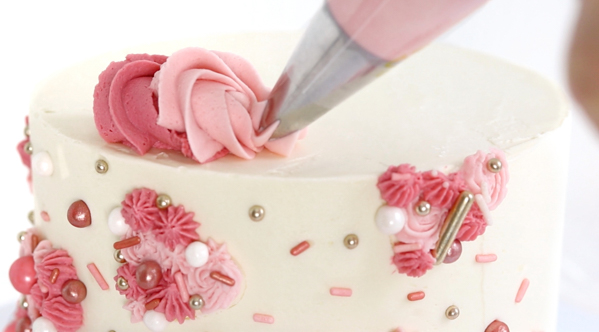
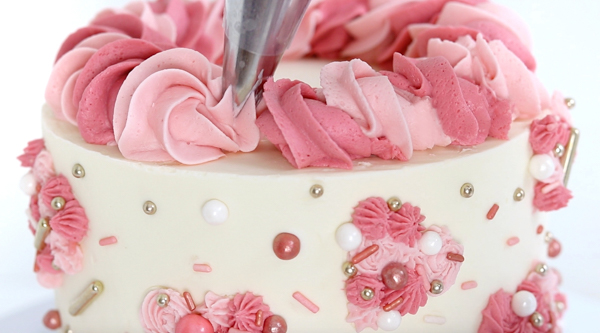
The filling process employs a variety of piping tips to create a "mixed-media" effect using buttercream. The tutorial specifies the use of Wilton tips 1M, 199, and 21. The 1M tip is used to create miniature rosettes, while the 199 and 21 tips provide smaller star-shaped textures and filler points. By alternating these tips within the imprinted heart boundaries, the baker achieves a multidimensional look that mimics the appearance of a floral tapestry or embroidered fabric.
The Rose Gold Color Palette and Consumer Trends
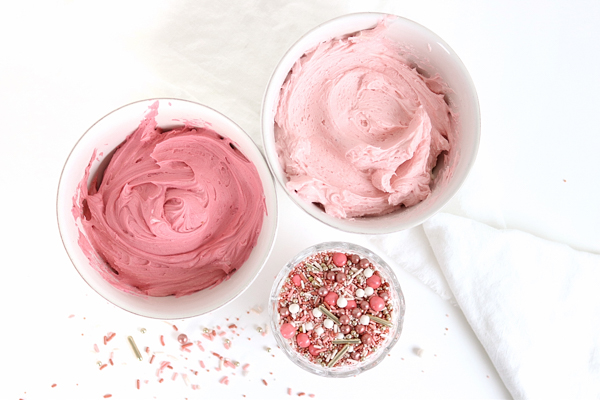
A defining feature of the Piped Hearts Valentine’s Cake is its adherence to a "Rose Gold" color scheme, achieved through the use of specific gel tints such as Americolor Dusty Rose. This choice is not merely aesthetic but is rooted in long-term consumer behavior trends. According to market research, rose gold and muted pink tones have seen a 40% increase in popularity in the wedding and holiday dessert sectors over the last five years, moving away from the stark, saturated reds of traditional Valentine’s Day iconography.
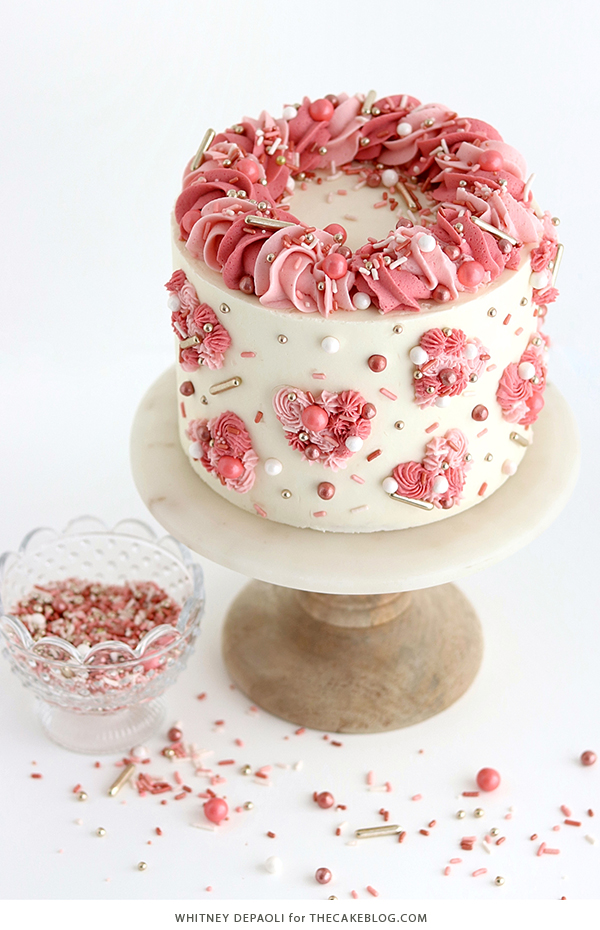
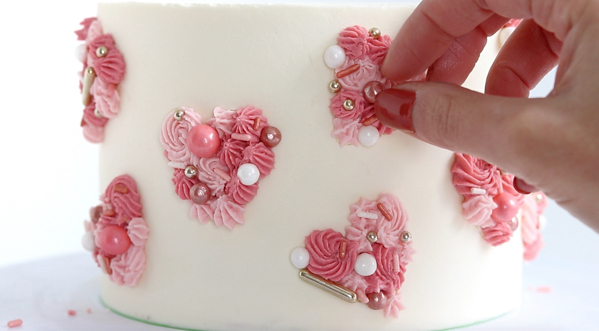
The addition of metallic sprinkles and "dragees" further elevates the design. However, this inclusion brings to light a significant regulatory distinction in the baking industry. The tutorial notes that while gold and silver dragees are widely sold for cake decoration, they are often classified by the U.S. Food and Drug Administration (FDA) as "for decorative use only" rather than for consumption. This is due to the presence of elemental silver or other metallic coatings that have not been cleared as food additives. Professional bakers are increasingly tasked with educating consumers on these distinctions, often advising guests to remove metallic rods or large beads before ingesting the dessert.
The Social Media Catalyst and Digital Influence
The design of the Piped Hearts Valentine’s Cake is explicitly credited to the influence of digital creators, specifically the Instagram-based baker known as @frostedfujicakes. This acknowledgment highlights the symbiotic relationship between independent creators and larger culinary publications like The Cake Blog.
Social media has fundamentally altered the timeline of culinary trends. In the pre-digital era, a new decorating technique might take years to migrate from professional culinary schools to the general public. Today, a technique shared on Instagram can become a global standard within a single holiday season. Data from social media analytics firms suggest that "highly textured" cake videos receive 60% more engagement than smooth-coated cakes, as the process of piping is considered "oddly satisfying" to viewers, driving both viral reach and educational interest.
Economic Impact of Valentine’s Day Confectionery
The release of specialized tutorials like the Piped Hearts Valentine’s Cake coincides with peak annual spending in the confectionery sector. According to the National Retail Federation (NRF), Valentine’s Day spending in the United States alone frequently exceeds $20 billion, with candy and specialty desserts accounting for a substantial portion of that figure.
| Category | Estimated Spending (USD) | Trend Growth |
|---|---|---|
| Total Valentine’s Spending | $25.9 Billion | +8% YoY |
| Candy & Confections | $2.2 Billion | +5% YoY |
| Specialty Home Baking Supplies | $1.1 Billion | +12% YoY |
The "DIY" (Do-It-Yourself) segment of this market has seen the most aggressive growth. As professional-grade tools—such as piping tips, gel colors, and turntable stands—become more affordable and accessible through online retailers, the barrier to entry for home bakers has lowered. This has led to the rise of the "Cottage Food" industry, where home-based entrepreneurs utilize tutorials to produce professional-quality goods for local sale, further stimulating the local economy.
Chronology of Modern Buttercream Techniques
To understand the significance of the Piped Hearts design, one must look at the evolution of buttercream application over the last century.
- 1920s–1950s: The dominance of Royal Icing and the "Wilton Method," characterized by stiff, architectural borders and intricate lace work.
- 1960s–1980s: The rise of American Buttercream in home kitchens, focusing on simple swirls and basic floral patterns (the "Wilton Rose").
- 1990s–2000s: The "Fondant Revolution," where smooth, clay-like surfaces were preferred for their ability to be sculpted, often at the expense of flavor and texture.
- 2010s–Present: The "Rustic and Textured" era. Bakers have returned to buttercream, utilizing techniques like the "Piped Heart" to prove that frosting can be as precise as fondant while remaining palatable.
The Piped Hearts technique specifically utilizes "American Buttercream," a crusting frosting made primarily of butter and powdered sugar. This medium is preferred for this specific design because it "sets" or crusts slightly when exposed to air, allowing the intricate textures of the 1M and 199 tips to remain sharp and defined even at room temperature.
Industry Reactions and Practical Applications
Professional pastry chefs have noted that the Piped Hearts technique is a response to the "minimalist-maximalist" paradox currently trending in the design world. The cake remains minimalist in its silhouette (a standard round barrel) but maximalist in its surface detail.
"Techniques like the rosette rope border and the textured heart fill are ingenious because they hide imperfections," says one industry analyst. "A baker who struggles with achieving a perfectly smooth side-wall can use these piped elements to create a high-value aesthetic that actually requires less foundational perfection than a plain cake."
Furthermore, the "damp paper towel" hack mentioned in the tutorial—using moisture to pick up and place individual sprinkles—has been praised by the baking community as a high-efficiency professional secret. This small detail addresses the "tedium factor" of high-texture cakes, making the design viable for high-volume production in commercial bakeries during the busy Valentine’s week.
Broader Implications for the Culinary Arts
The Piped Hearts Valentine’s Cake is more than a seasonal recipe; it is a case study in the democratization of culinary expertise. By breaking down complex textures into repeatable steps using numbered tools (Tips 1M, 199, 21), contributors like Whitney DePaoli are bridging the gap between amateur hobbyists and professional decorators.
As we move forward, the "texture-first" philosophy seen in this design is expected to expand into other holidays. The same "imprint and fill" method is already being adapted for Easter (eggs), Halloween (pumpkins), and Christmas (ornaments). This versatility ensures that the investment in specialized piping equipment provides year-round value to the consumer.
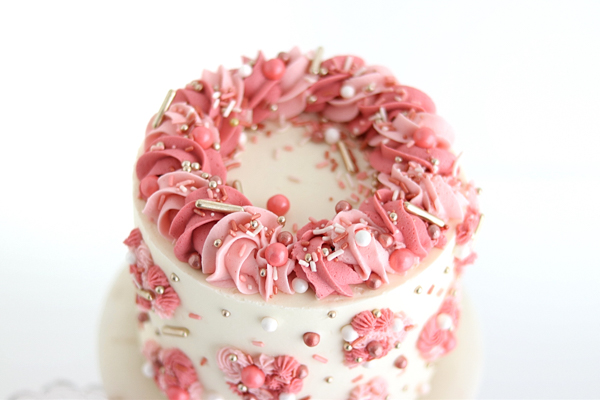
In conclusion, the Piped Hearts Valentine’s Cake stands as a testament to the power of modern piping techniques to revitalize traditional themes. By leveraging social media inspiration, adhering to contemporary color trends, and utilizing professional efficiency hacks, this design has set a new standard for festive confectionery. It represents a successful fusion of art, commerce, and digital community, ensuring that the age-old tradition of the Valentine’s cake continues to evolve for the modern palate and the digital eye.