


The intersection of portable digital imaging technology and the burgeoning "maker movement" has reached a new milestone with the deployment of high-fidelity dye-sublimation printing for personalized home decor. At the center of this technological application is the Canon SELPHY Square QX10, a compact device designed to bridge the gap between smartphone-based digital photography and tangible, archival-quality physical media. In a recent industrial showcase of the device’s versatility, design experts have demonstrated its utility in creating complex, multi-layered holiday ornaments, highlighting a shift in consumer behavior toward personalized, high-durability crafting projects. This move signifies a broader trend in the consumer electronics sector, where manufacturers are increasingly tailoring hardware to meet the demands of the social media-driven DIY (Do-It-Yourself) community, which prioritizes both aesthetic output and ease of integration with mobile ecosystems.
Technical Specifications and the Advent of Portable Dye-Sublimation
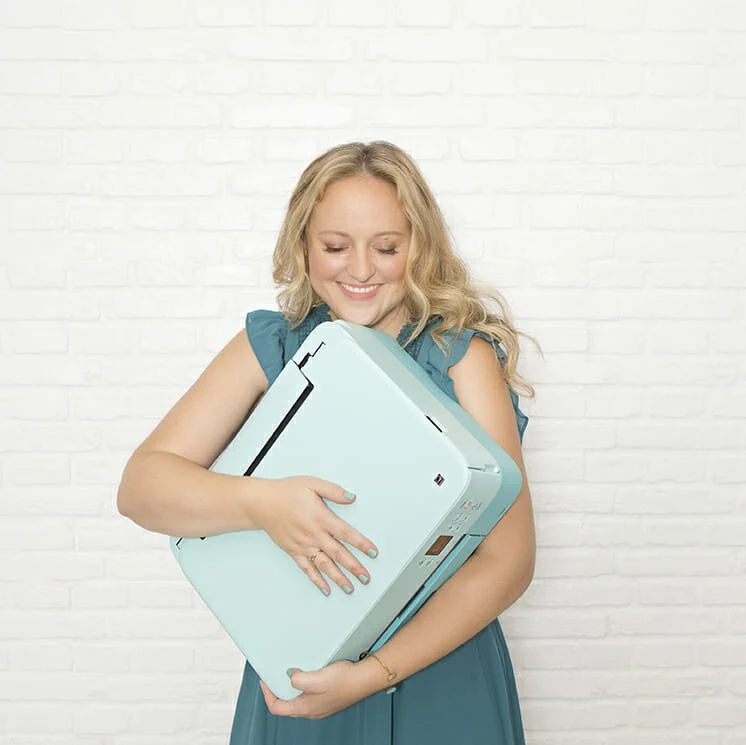
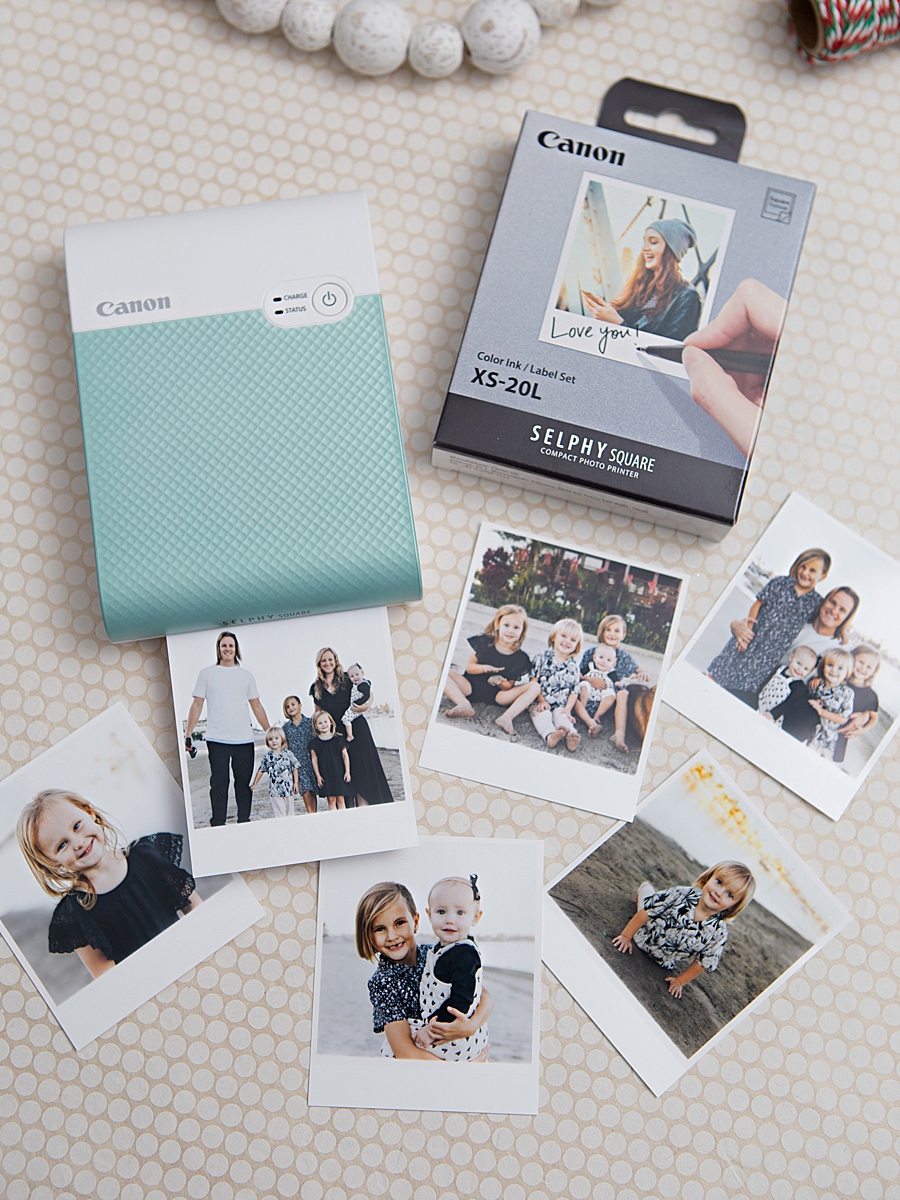
The Canon SELPHY Square QX10 represents a significant departure from traditional inkjet printing methods typically found in home office environments. Weighing less than one pound and powered by an internal rechargeable battery, the unit utilizes dye-sublimation thermal transfer technology. This process involves the application of heat to a ribbon, which transfers pigments onto a specialized paper in four distinct passes: three passes for primary colors (cyan, magenta, and yellow) and a final fourth pass for a clear, protective overcoat.
The technical advantage of this method lies in its longevity. Canon asserts that these prints, when stored properly, can maintain their color integrity and structural quality for up to 100 years. The final protective layer serves as a barrier against water, oil, and gas, making the prints particularly resilient for handling in crafting environments. Each print measures 2.7 x 2.7 inches, a square format that mirrors popular social media layouts, specifically optimized for the modern digital aesthetic. Furthermore, the media features a peel-and-stick adhesive backing, transforming high-resolution photographs into versatile labels or structural components for larger artistic assemblies.

Case Study: The Photo Shaker Ornament Assembly Process
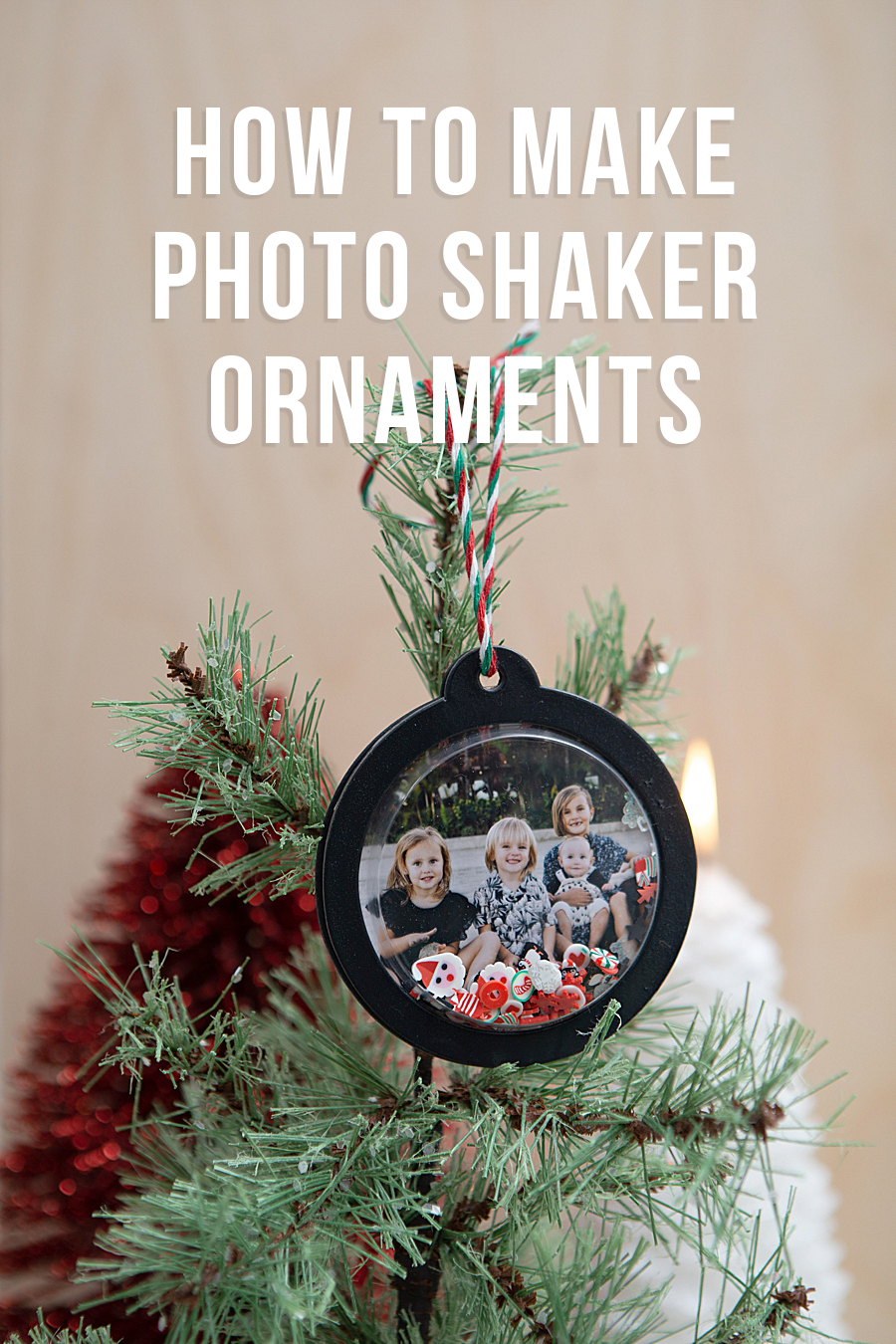
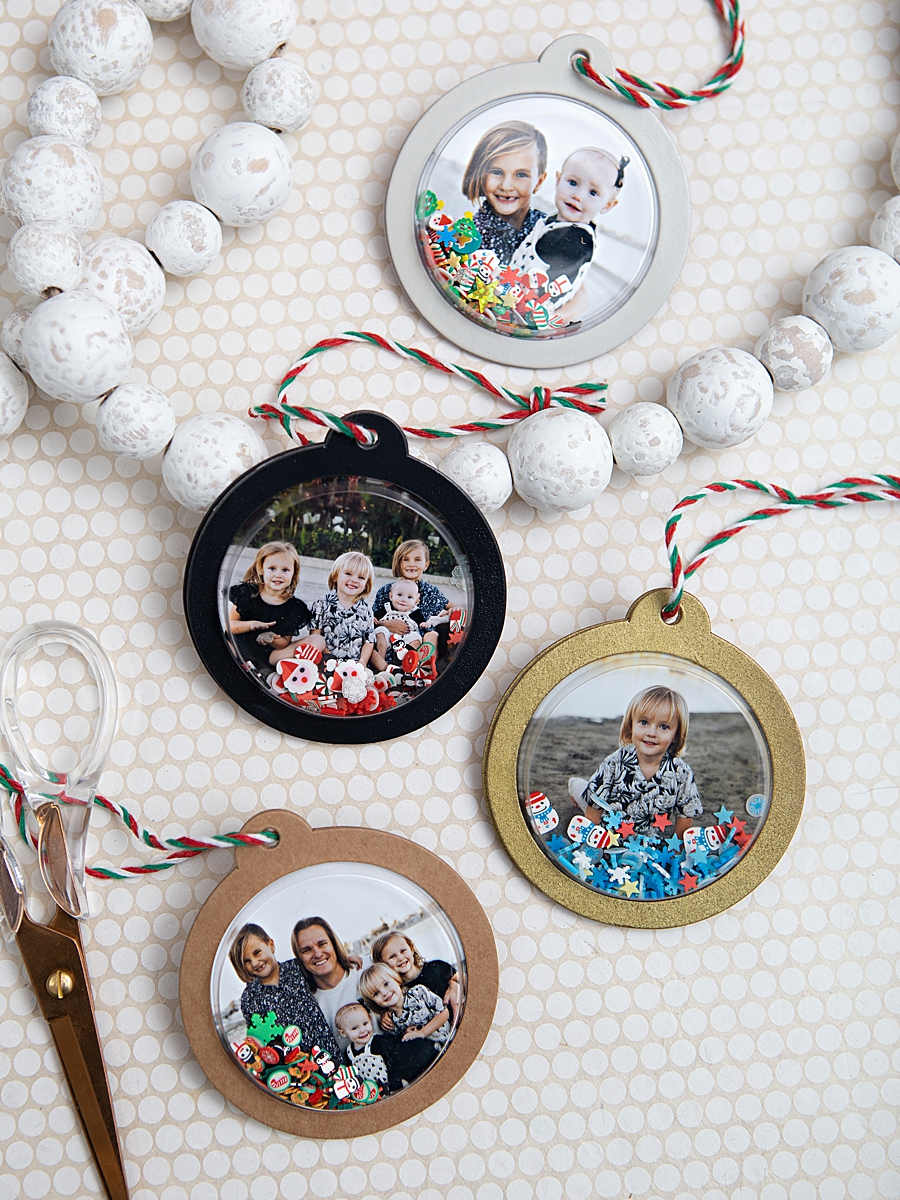
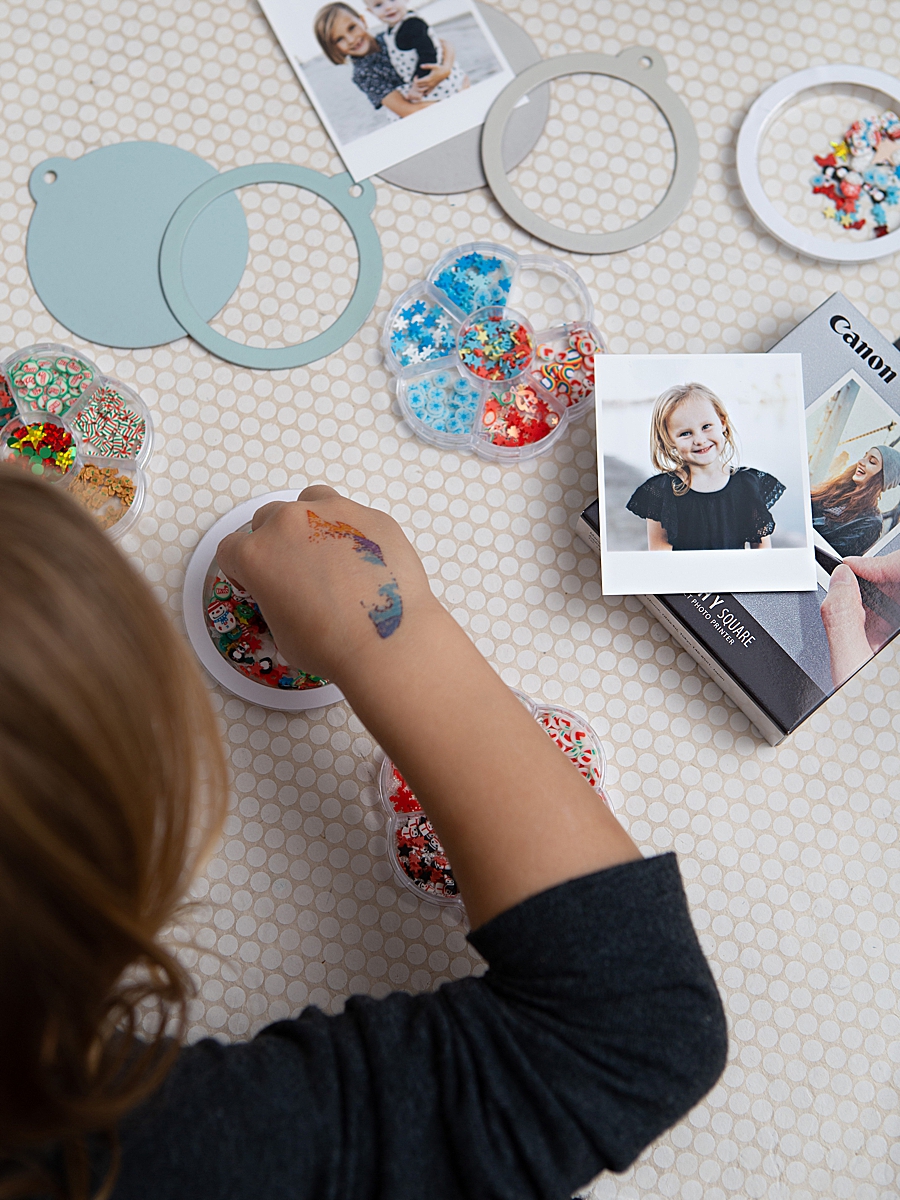
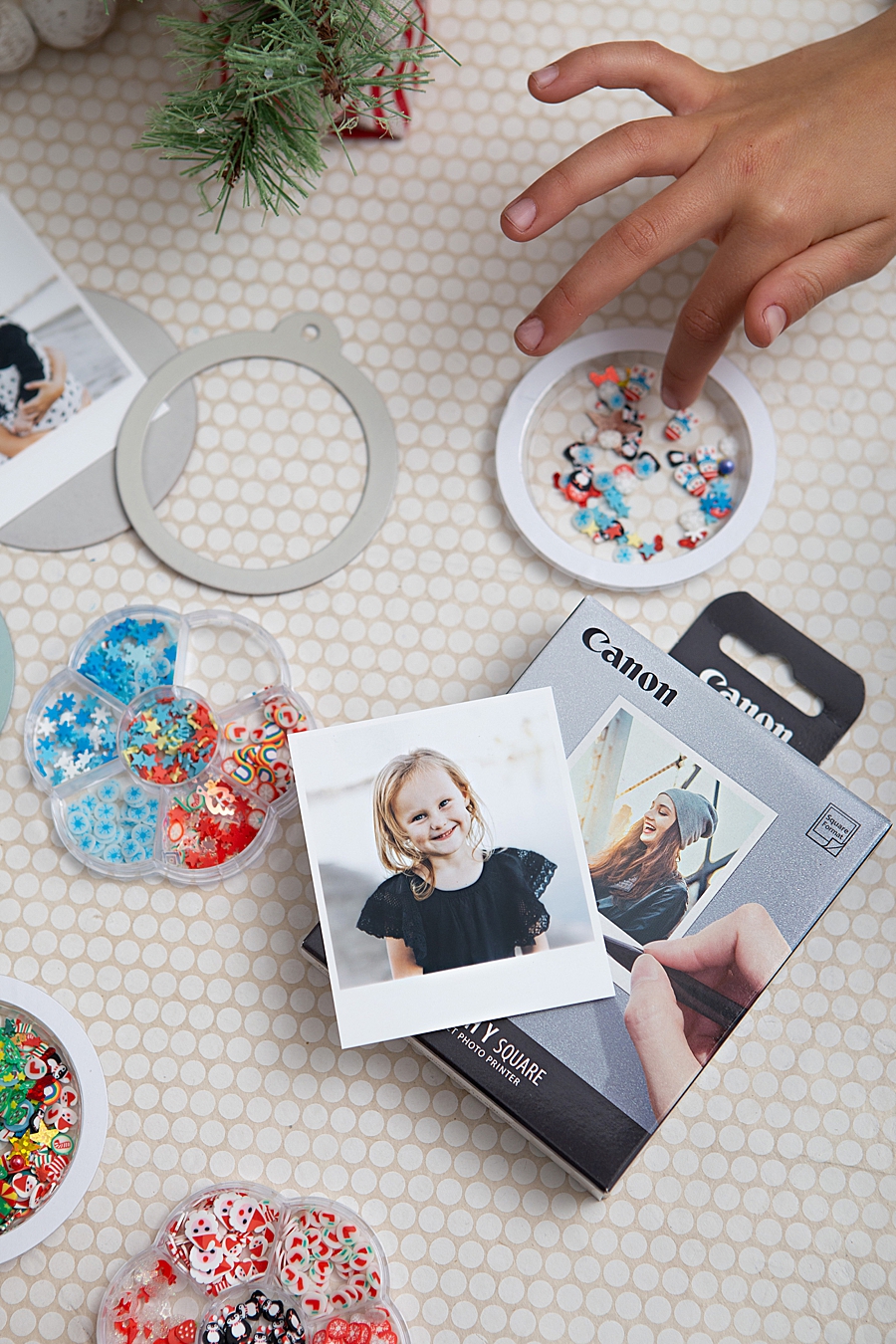
To demonstrate the practical application of the SELPHY Square QX10 in a domestic production environment, a methodology for creating "photo shaker ornaments" has been established. This project serves as a case study for how high-tech printing can be integrated with traditional crafting materials like kraft paper, plastic domes, and mixed-media fillers.
Phase I: Digital Selection and Processing
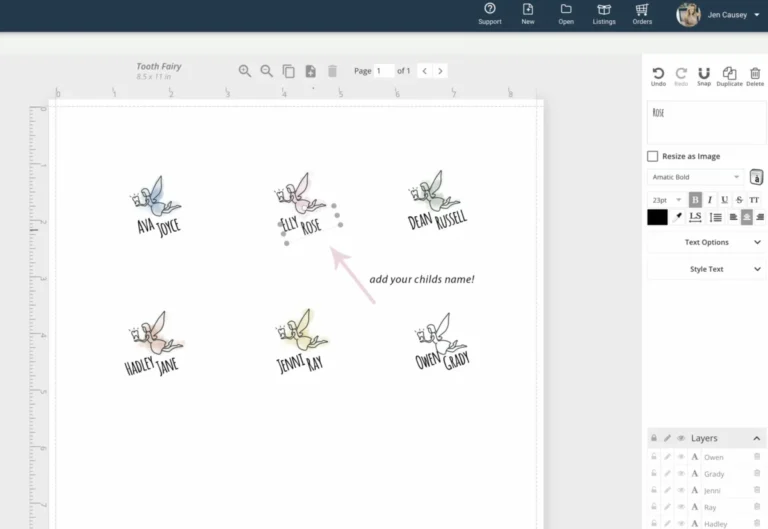
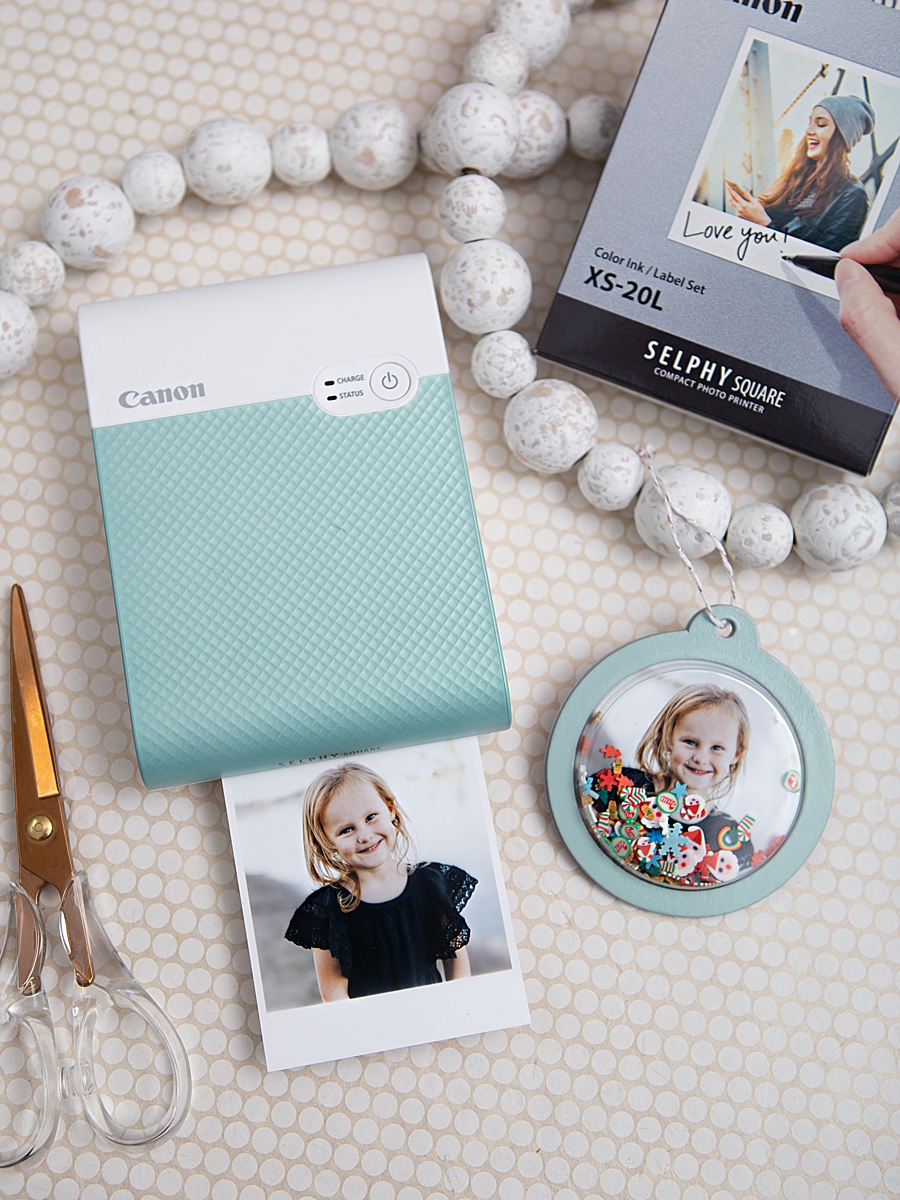
The workflow begins within the digital realm via the Canon SELPHY Photo Layout 2.0 application. This software acts as the primary interface between the user’s smartphone and the printer, connected via a direct wireless link. The application allows for granular control over the image, including the addition of borders, digital filters, and text overlays. Once the user selects a high-resolution image, the data is transmitted to the QX10, which executes the four-pass printing cycle. Observers of the process note that the visible progression of colors during the printing phase provides an educational and engaging experience for users, particularly in family-oriented settings.
Phase II: Substrate Preparation and Painting
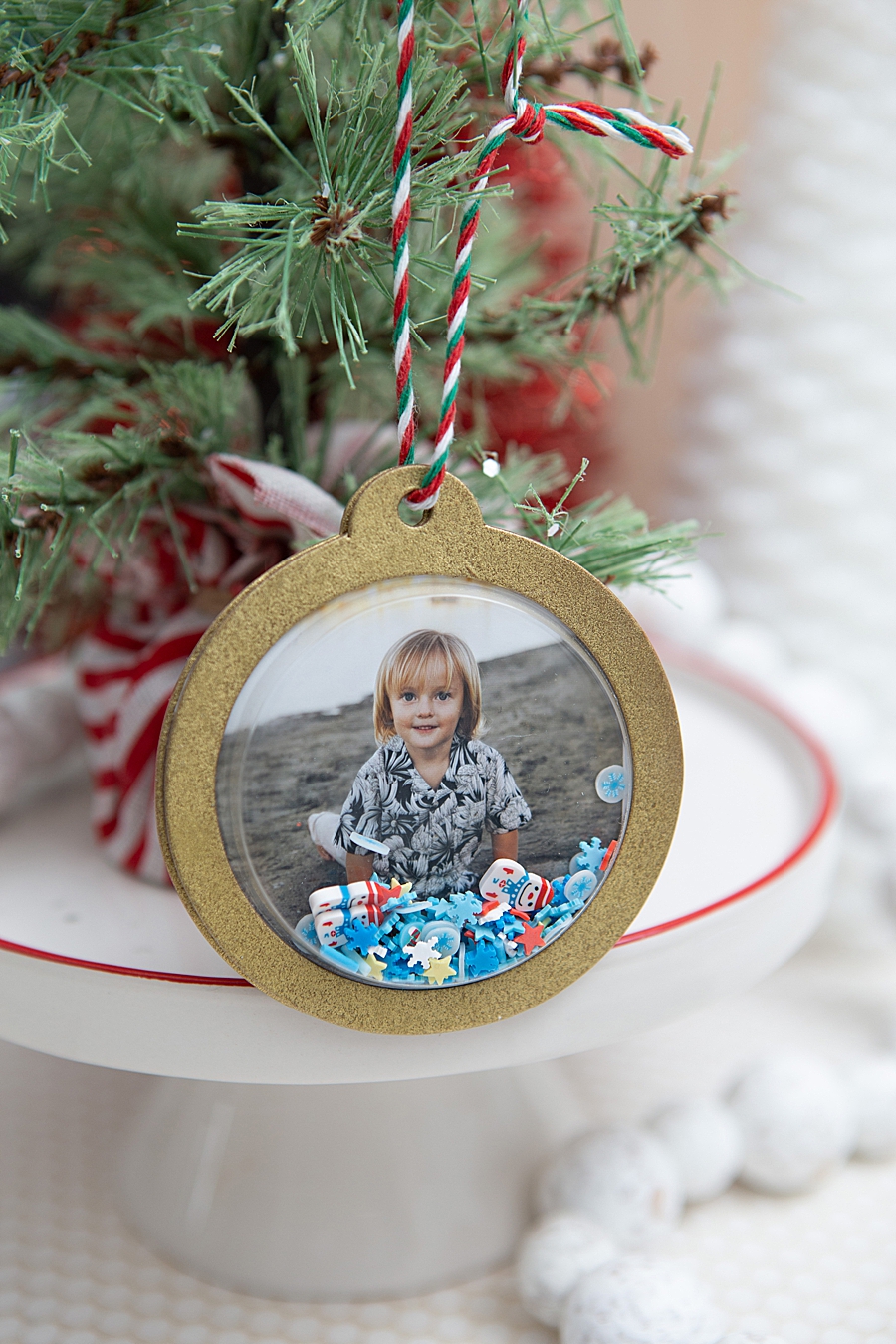
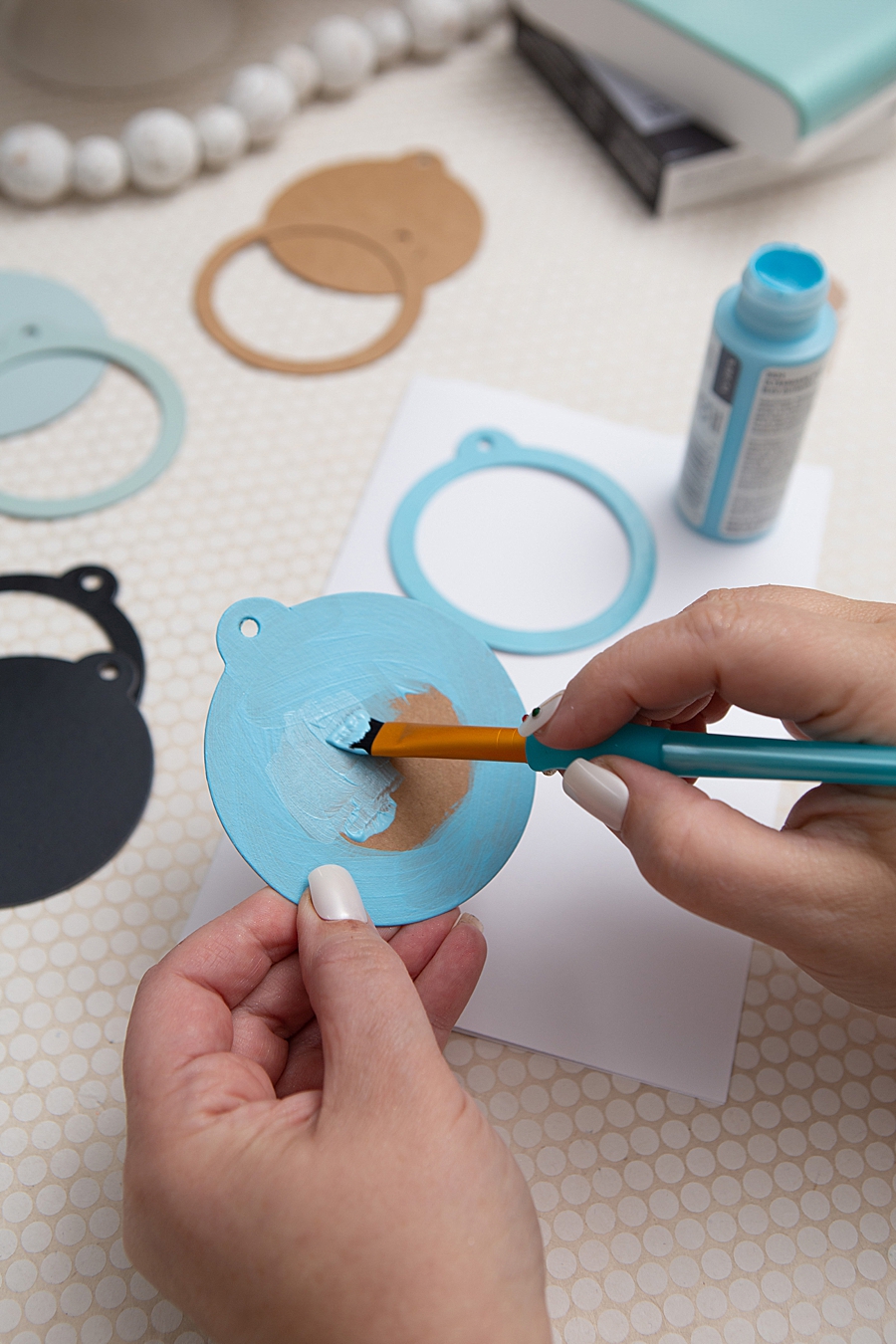
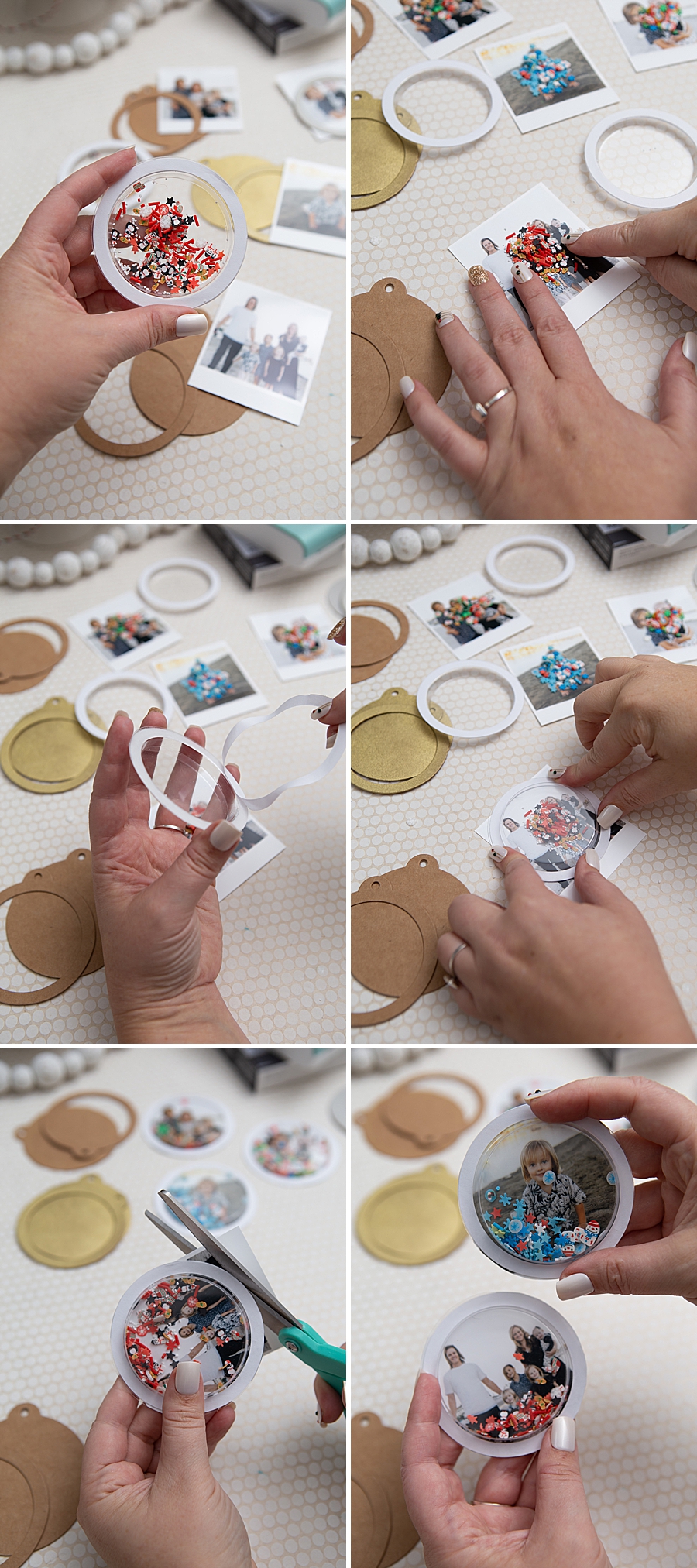
While the prints are being generated, the structural base of the ornament—typically a kraft shaker tag—is prepared. To enhance the aesthetic appeal, these tags are often treated with craft paint or aerosol-based spray paint. Industry standards for this type of modification suggest three coats of craft paint or two coats of spray paint to ensure complete opacity and a professional finish. A final application of a clear gloss sealant is often utilized to protect the paint from chipping and to provide a high-end sheen that complements the glossy finish of the SELPHY prints.
Phase III: Volumetric Filling and Assembly
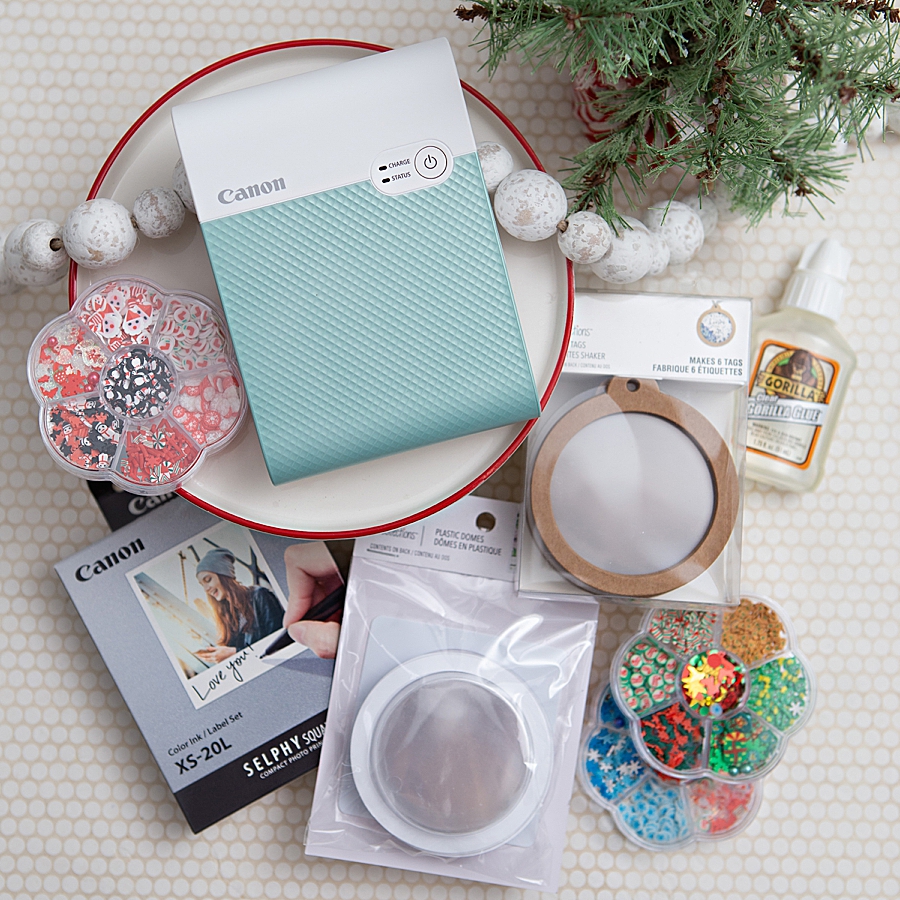
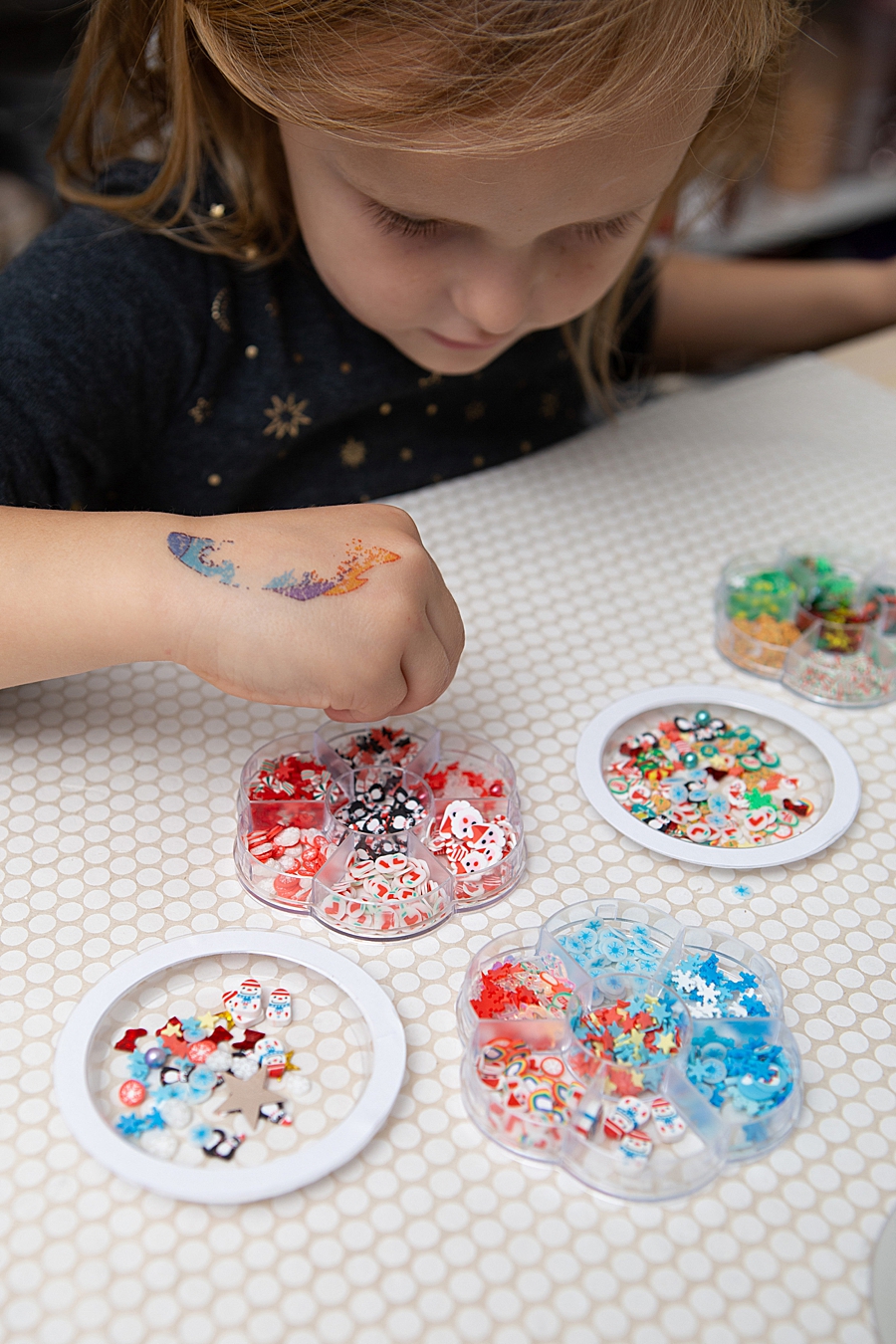
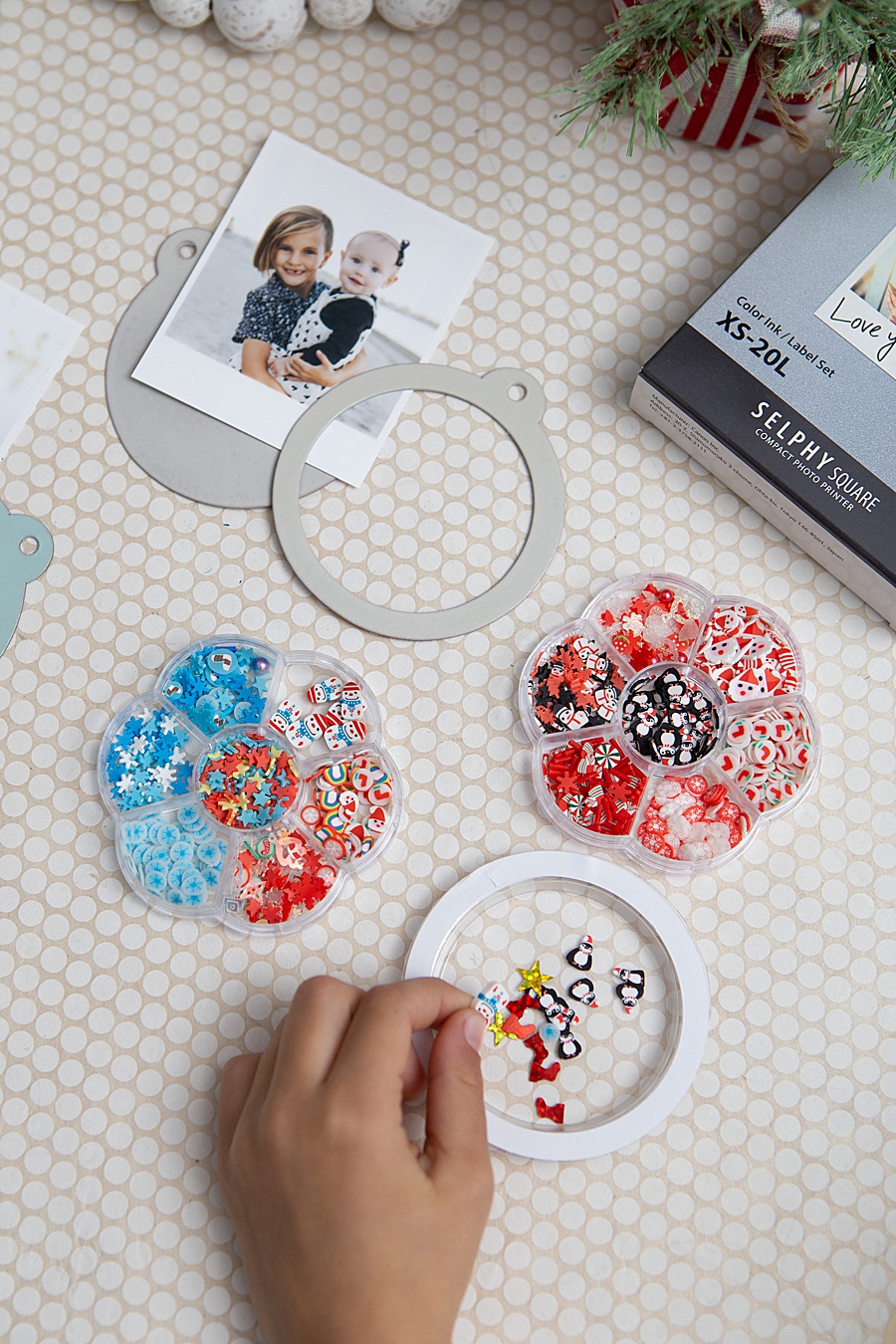
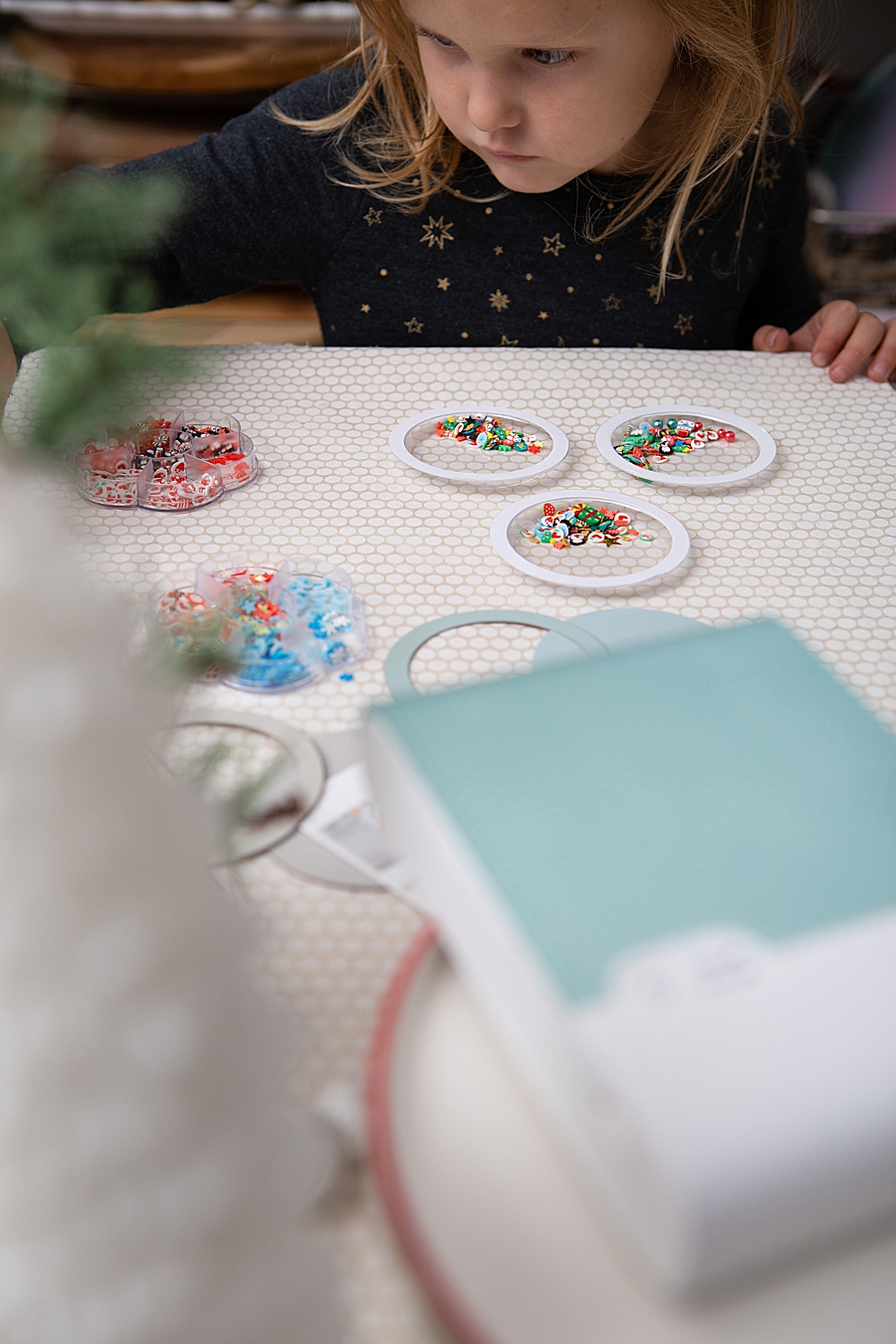
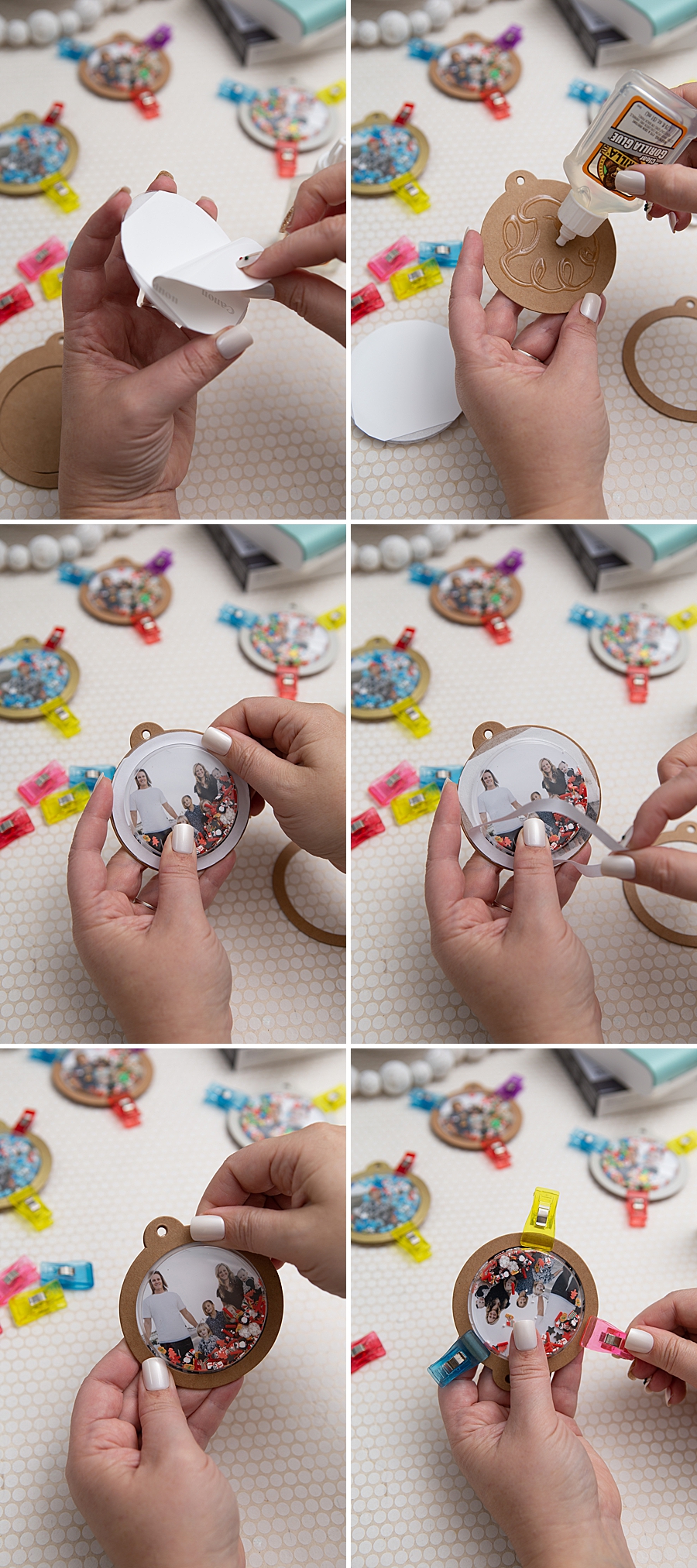
The "shaker" element of the ornament is achieved through the use of transparent plastic domes. These domes are filled with minute decorative elements, such as glitter, sequins, or micro-beads. Technical precision is required during this phase; overfilling the dome can obscure the photographic image, while underfilling reduces the kinetic visual effect. A volume of approximately one-eighth of the dome’s capacity is recommended for optimal visual balance.
Phase IV: Structural Integration and Curing
The final assembly involves the integration of the adhesive-backed SELPHY print with the kraft tag and the plastic dome. High-strength adhesives, such as polyurethane-based Gorilla Glue, are utilized to bond the plastic edges of the dome to the tag. Due to the weight of the shaker bits and the potential for movement, the assembly must be secured with sewing clips or clamps during the drying process. While many modern adhesives offer an initial set time of two hours, a full 24-hour cure period is required to ensure the structural integrity of the ornament for long-term display.
Market Context: The Resurgence of Physical Media
The success of portable printers like the SELPHY Square QX10 is rooted in a documented shift in consumer psychology. Despite the ubiquity of digital storage and cloud-based photo sharing, there is a growing demand for physical "mementos." Market analysts suggest that the "analog" revival among younger demographics is driven by a desire for tactile experiences in an increasingly digitized world.
Data from the consumer imaging industry indicates that the "instant print" segment has been one of the few areas of growth within the broader camera market over the last five years. Consumers are no longer satisfied with photos remaining on their devices; they seek ways to integrate these images into their physical living spaces. The SELPHY QX10 addresses this by providing a higher resolution and more durable alternative to the instant-film cameras of the past, combining the convenience of digital editing with the permanence of professional-grade printing.
Organizational and Industrial Reactions
Industry experts and lifestyle influencers have reacted positively to the QX10’s entry into the crafting market. Jen Causey-Kidder of the design outlet Something Turquoise noted that the printer’s ease of use and the quality of the output have streamlined the creation of personalized gifts. The ability to print on demand without the need for a stationary power source or bulky ink cartridges allows for "mobile crafting stations," a concept that is gaining traction at workshops and social events.
Canon U.S.A., Inc. has positioned the SELPHY line as a tool for "preserving beautiful imagery from capture to print." By partnering with the DIY community, Canon is effectively rebranding its imaging technology not just as a tool for photographers, but as an essential component for the broader creative industry. This strategic alignment helps the company tap into the multibillion-dollar craft and hobby market, which has seen sustained growth since 2020.
Broader Implications and Future Outlook
The implications of this technology extend beyond simple holiday decorations. The ability to produce archival-quality, adhesive-backed prints on demand has applications in scrapbooking, interior design, and even professional organizational systems. As dye-sublimation technology becomes more accessible and portable, the barrier to entry for high-quality home manufacturing continues to lower.
From a sustainability perspective, the "all-in-one" cartridge system used by the SELPHY QX10—where the ink and paper are sold in matched sets—minimizes waste by ensuring that consumers do not run out of one component before the other. However, the specialized nature of the media remains a proprietary constraint that defines the ecosystem of the device.
Looking forward, the integration of augmented reality (AR) with physical prints is the likely next step for the SELPHY line. By using the app to embed digital triggers in the printed image, users could potentially "unlock" videos or digital galleries by scanning their physical ornaments with a smartphone. For now, the focus remains on the "phygital" harmony of the product: using advanced digital hardware to create a simple, joyful, and lasting physical object.
In conclusion, the Canon SELPHY Square QX10 is more than a peripheral device; it is a catalyst for a new era of personalized manufacturing. By providing consumers with the tools to create professional-grade physical media at home, Canon is fostering a culture where digital memories are not just stored, but are actively integrated into the fabric of daily life and seasonal celebrations. The photo shaker ornament project is a testament to the creative potential that emerges when technology meets traditional craftsmanship.