

The modern photography industry, while deeply rooted in artistic expression and personal connection, increasingly demands a sophisticated approach to business management. Photographers, often driven by a passion for visual storytelling, find themselves grappling with a formidable array of administrative responsibilities that can overshadow their creative pursuits. From responding to an incessant stream of emails and meticulously tracking client interactions to managing complex digital workflows, the behind-the-scenes demands are extensive. This administrative burden, far from being a peripheral nuisance, is a mandatory component of sustaining and growing a successful enterprise. In this evolving landscape, virtual assistants (VAs) have emerged as a pivotal solution, offering a strategic partnership that allows photographers to reclaim their time and refocus on their core strengths.
The shift towards leveraging virtual administrative support is not merely a convenience but a strategic imperative for many small business owners, particularly in creative fields. A 2022 survey by SCORE, a non-profit dedicated to helping small businesses, indicated that small business owners spend an average of 41% of their time on administrative tasks, diverting precious hours from revenue-generating activities. For photographers, this often translates to less time behind the camera, less time innovating, and a higher risk of burnout. The advent of the gig economy and advancements in digital collaboration tools have significantly broadened the scope and accessibility of virtual assistance, making it a viable and attractive option for entrepreneurs across various sectors.
Sara Rogers and Aileen Choi, accomplished Vancouver photographers and co-owners of Together We Co, a firm specializing in business management and virtual assistant services for photographers, are at the forefront of this transformation. Their insights highlight that a VA’s role extends far beyond basic email management; it encompasses a comprehensive suite of services designed to streamline operations, enhance client experience, and accelerate business growth. They champion the idea that outsourcing non-core, yet critical, tasks is not a luxury but a strategic investment in the longevity and profitability of a photography business.
The Evolution of the Photography Business Landscape
Historically, photographers often managed all aspects of their business independently, relying on word-of-mouth referrals and local advertising. However, the digital age has introduced unprecedented opportunities alongside new complexities. The proliferation of social media platforms, the demand for personalized client experiences, and the necessity for robust online presence have expanded the administrative workload exponentially. Photographers are now expected to be not only skilled artists but also adept marketers, social media strategists, webmasters, bookkeepers, and customer service representatives. This multifaceted role, while offering autonomy, often leads to an imbalance, where administrative tasks consume disproportionately more time than the creative work that initially drew individuals to the profession.
The increasing professionalization of the industry, coupled with heightened client expectations for prompt communication and seamless service delivery, further underscores the need for efficient operational structures. As a photographer’s client base grows, so does the volume of inquiries, bookings, contracts, and post-production coordination. This natural progression often marks a critical juncture where the solo entrepreneur must either scale back their ambitions or seek external support to maintain momentum without compromising quality or personal well-being. This is precisely where the strategic integration of a virtual assistant becomes not just beneficial, but essential.
Strategic Pillars of Virtual Assistant Support for Photographers
The services a virtual assistant can provide are diverse and tailored to the unique demands of a photography business. Rogers and Choi delineate ten key areas where VAs can deliver significant impact, categorized here for a broader understanding of their strategic value.
1. Enhancing Client Relationship Management (CRM) for Seamless Interactions
Client relationship management is the bedrock of any service-based business, and photography is no exception. It encompasses every interaction, from initial inquiry to final delivery and beyond. Setting up and maintaining a robust CRM system, however, can be an overwhelming task. A VA can expertly handle the organization of leads, configure automated workflows for initial responses and follow-ups, and meticulously track client communications and preferences. This ensures that no potential client falls through the cracks and that existing clients receive consistent, professional attention. The VA manages the initial setup, ongoing maintenance, and troubleshooting, transforming what is often perceived as a daunting chore into an efficiently managed system that fosters strong client relationships and increases booking conversions. Data suggests that businesses utilizing CRM systems can see sales increases of up to 29%, a direct testament to organized client management.
2. Bolstering Online Presence Through SEO-Friendly Blogging
In the digital age, a strong online presence is non-negotiable. Blogs serve as critical tools for demonstrating expertise, showcasing portfolios, and driving organic traffic through search engine optimization (SEO). Yet, many photographers struggle to consistently update their blogs due to time constraints. A VA can become a dedicated content creator, crafting SEO-optimized blog posts that resonate with target audiences. This includes writing engaging wedding stories, practical tips for engaged couples, lifestyle shoot narratives, or guides to local venues. By regularly publishing high-quality content, the VA ensures the photographer’s website remains fresh, relevant, and highly visible in search engine results. Furthermore, VAs can repurpose blog content across various channels—email newsletters, social media, or even podcast outlines—maximizing reach and efficiency.
3. Elevating Brand Profile Through Image Curation and Publication Submissions
Gaining exposure in reputable wedding blogs and magazines like Junebug Weddings is a powerful strategy for brand elevation, attracting new clientele, and fostering industry connections. However, the process of curating images specifically for submission, optimizing them for web standards, and navigating various publication requirements is exceptionally time-consuming. A VA can take charge of this entire process, identifying the best images that align with publication aesthetics, handling the submission protocols, and diligently tracking the status of features. This allows the photographer to focus on creative work while their VA actively works to expand their public profile and secure valuable industry recognition.
4. Optimizing Revenue Streams with Online Gallery Store Management
Establishing an online gallery store where clients can purchase prints, albums, and other photographic products is a dual benefit: it enhances the client experience by providing tangible memories and creates a significant passive income stream for the photographer. Many photographers, however, lack the time or expertise to set up and effectively manage such a store. A VA can design and configure the online store, seamlessly integrate it with preferred printing labs, manage product listings, oversee promotions, and handle the logistics of orders, shipping, and customer inquiries. This transforms a potential revenue opportunity into a smoothly operating system that generates income without direct daily involvement from the photographer.
5. Streamlining Album Design and Proofing for Lasting Memories
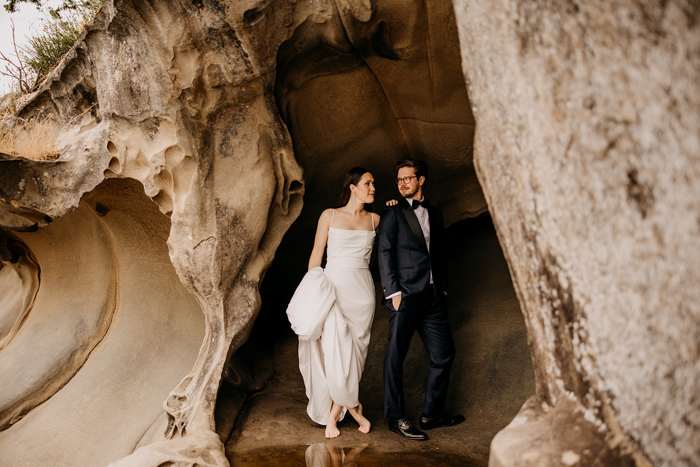
Handcrafted wedding albums offer clients a timeless way to relive their special day, transcending the ephemeral nature of digital files. Yet, the design and proofing process can be incredibly labor-intensive. A VA can manage this intricate task from start to finish: selecting appropriate images, creating initial layouts, coordinating client feedback, and overseeing revisions until a beautiful, finalized album is ready for production. This ensures clients receive a cherished heirloom without the photographer dedicating excessive hours to a process that can be effectively delegated.
6. Mastering Communication Through Email Management and Template Creation
An overflowing email inbox is a common source of stress and inefficiency for busy professionals. For photographers, prompt and professional communication is paramount for securing bookings and maintaining client satisfaction. A VA can assume full responsibility for email management, ensuring that all inquiries receive timely and articulate responses. Beyond simply responding, VAs can develop and implement a comprehensive set of email templates for common inquiries, client onboarding, project updates, and post-event follow-ups. This standardization not only boosts efficiency but also guarantees a consistent brand voice and professional image across all client communications.
7. Ensuring Flawless Event Execution with Detailed Document Preparation
The success of any photography event, whether a commercial shoot or a wedding, hinges on meticulous preparation. Managing timelines, shot lists, permit applications, and vendor liaisons can be a significant administrative drain. A VA can meticulously prepare all necessary event day documents, create detailed schedules, compile comprehensive photo lists, research and secure required permits or licenses, and serve as the primary point of contact for coordinating with other vendors. This allows the photographer to arrive on location fully prepared and focused solely on capturing exceptional images, knowing that all logistical details have been expertly managed.
8. Cultivating Brand Visibility Through Strategic Social Media Management
Maintaining an active and engaging presence on social media platforms is crucial for marketing a photography business and connecting with potential clients in the modern era. However, the ever-changing algorithms, the need for constant content creation, and the time commitment for engagement can be daunting. A VA can expertly manage social media accounts, developing content calendars, creating and scheduling compelling posts, actively engaging with followers, monitoring trends, and adapting strategies to new platform features. This consistent and strategic social media presence ensures the photographer’s brand remains visible and relevant, without consuming their valuable creative time.
9. Optimizing Workflow with Post-Production Coordination
Non-photographers often underestimate the significant time and energy invested in post-production. Late-night editing sessions are a familiar reality for many. While the final artistic touch remains with the photographer, a VA can streamline the initial stages of post-production. This includes coordinating with dedicated culling and editing teams or managing AI-powered editing software, ensuring that images are efficiently processed to a stage where the photographer can apply their signature style. This coordination dramatically reduces the overall time spent in front of the computer, freeing up the photographer for more creative endeavors or much-needed rest.
10. Boosting Credibility Through Photography Contest and Awards Administration
Entering photography contests and awards offers invaluable opportunities for broader exposure, networking within the industry, and significantly boosting credibility and SEO. However, the process of researching suitable contests, adhering to submission guidelines, and tracking deadlines can be complex and time-consuming. A VA can demystify this process, researching relevant opportunities, managing submission requirements and deadlines, preparing and submitting entries, and meticulously tracking results. Should an award be secured, the VA can also handle the subsequent public relations, updating the photographer’s website and social media channels to proudly announce the achievement, further enhancing their professional reputation.
Broader Impact and Implications for the Photography Industry
The strategic integration of virtual assistants into photography businesses carries profound implications beyond mere task delegation. It represents a paradigm shift towards a more efficient, sustainable, and scalable business model for creative entrepreneurs.
Enhanced Work-Life Balance: By offloading administrative burdens, photographers can reclaim personal time, reduce stress, and prevent burnout. This improved work-life balance can lead to greater creativity, sustained passion for their craft, and overall well-being.
Increased Profitability and Scalability: With more time to focus on client acquisition, creative projects, and higher-value tasks, photographers can increase their booking capacity and develop new revenue streams. The cost-effectiveness of a VA, compared to hiring a full-time employee, makes scaling operations more accessible. The global virtual assistant market size, valued at approximately $2.6 billion in 2022, is projected to grow significantly, indicating a strong return on investment for businesses utilizing these services.
Professionalization of the Industry: The consistent, high-quality administrative support provided by VAs elevates the overall professionalism of photography businesses. Clients benefit from smoother communication, more organized processes, and a perception of a highly competent and efficient operation.
Competitive Advantage: In a crowded market, businesses that operate more efficiently, deliver superior client experiences, and maintain a robust online presence will naturally stand out. A VA provides the operational backbone necessary to achieve this competitive edge.
The increasing volume of inquiries and a rapidly filling schedule are clear indicators of a thriving photography business. While these are positive signs of growth, they also signal a critical need for scalable support. The insights shared by Sara Rogers and Aileen Choi, through their work at Together We Co, underscore the transformative potential of a virtual assistant. For photographers poised for growth, the decision to hire a VA is not just about offloading tasks; it is about strategically investing in the future of their business, reclaiming valuable time, and unlocking new levels of professional and personal fulfillment without sacrificing income. The era of the overwhelmed solo photographer is giving way to a more collaborative and efficient model, with virtual assistants serving as indispensable partners in navigating the complexities of the modern creative economy.