
The Evolution of Seasonal Confectionery Design
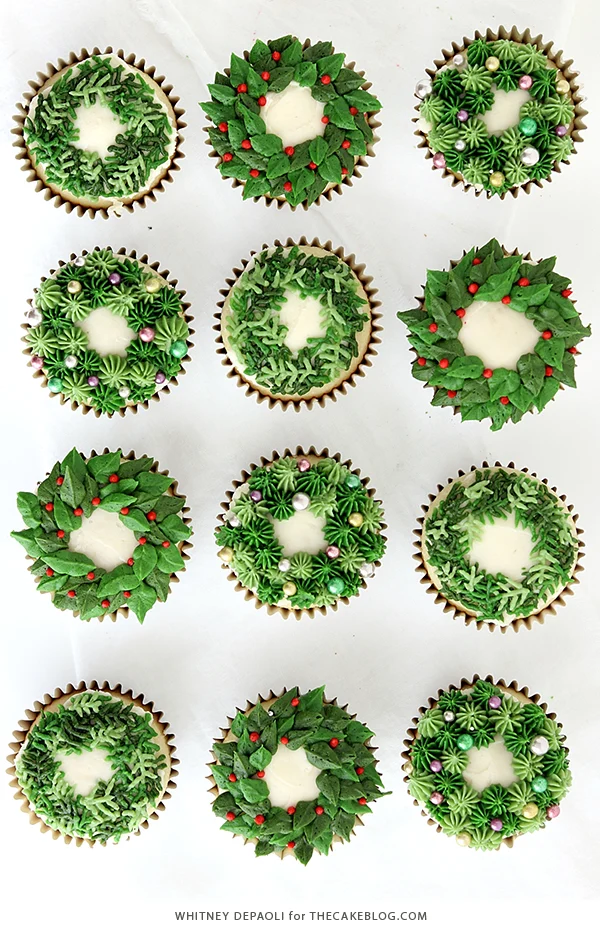
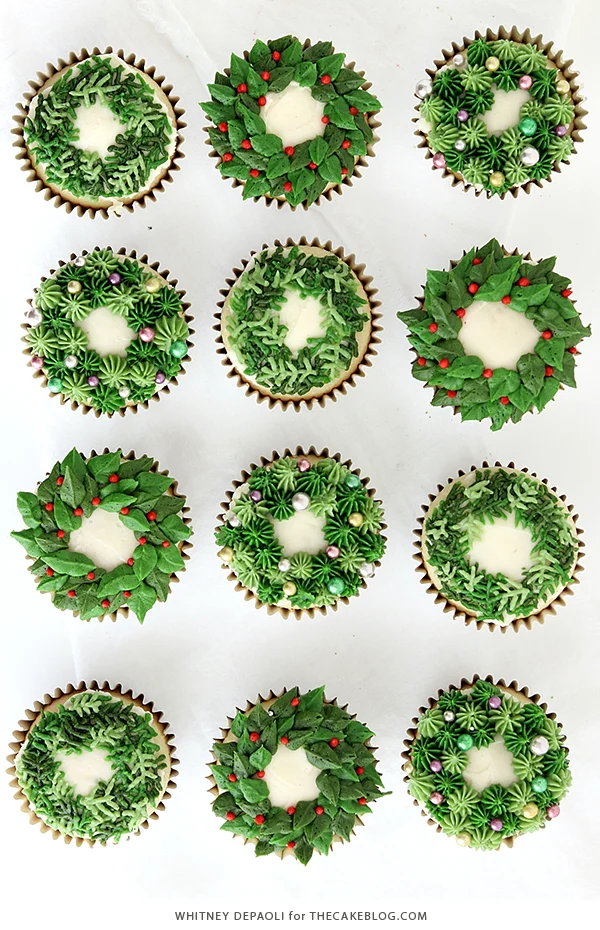
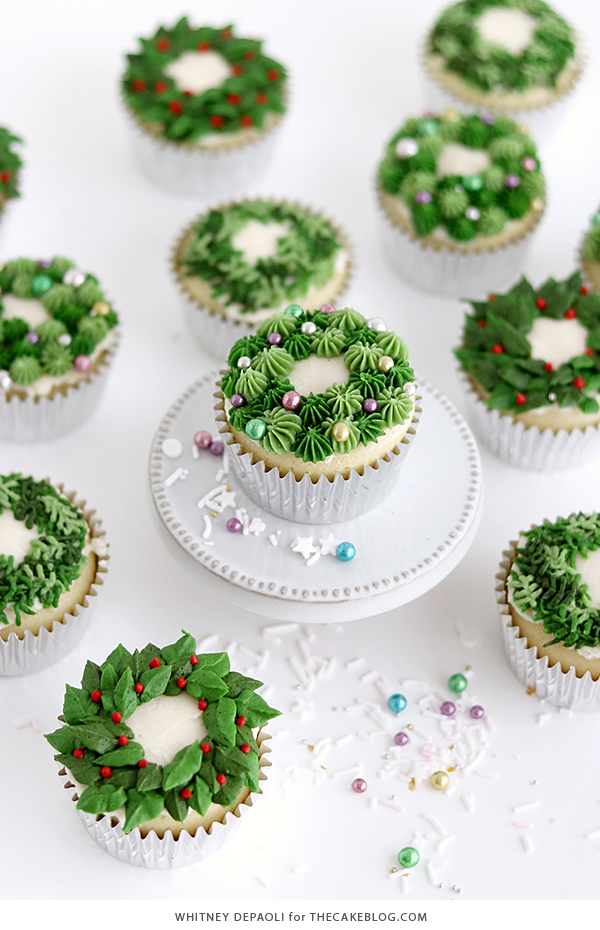
The conceptualization of the wreath-themed cupcakes began as a response to the pervasive visual presence of holiday greenery in retail and residential spaces. DePaoli’s process typically initiates on a "drawing board," where visual concepts are translated into actionable piping strategies. The resulting tutorial is not merely a recipe but a technical manual for achieving specific textures: the leafy density of a berry wreath, the needle-like precision of a pine sprig, and the festive ornamentation of a "sprinkled" design.
Industry experts suggest that the popularity of such tutorials is driven by the "aesthetic economy" of social media platforms like Instagram and Pinterest, where the visual fidelity of a baked good is as critical as its flavor profile. By providing a tiered approach to difficulty—ranging from the relatively simple drop-star method to the more labor-intensive pine sprig technique—the tutorial appeals to a broad demographic of skill levels within the culinary community.
Technical Specifications and Tool Integration
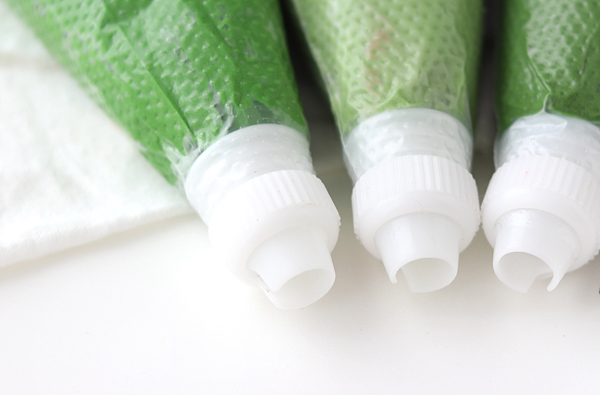
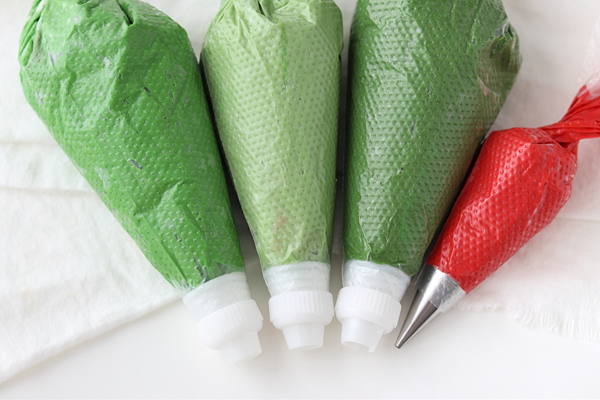
A significant portion of the tutorial is dedicated to the mechanical efficiency of the baking process. Central to DePaoli’s methodology is the use of piping couplers. In professional confectionery, a coupler allows the baker to swap various piping tips onto a single bag of frosting without the need to empty or replace the bag itself. This is particularly relevant for the Christmas Wreath Cupcakes project, which requires three distinct shades of green buttercream but utilizes four different piping tips (#352, #3, #199, and a standard leaf tip).
From an environmental and economic standpoint, the integration of couplers reduces the consumption of disposable piping bags and minimizes buttercream waste. DePaoli emphasizes that while American Buttercream is her preferred medium due to its structural integrity and ease of coloring, the designs are compatible with any stable, pipeable frosting, including Swiss Meringue or Italian Meringue varieties. This versatility ensures that the tutorial is accessible to bakers with varying ingredient preferences or dietary requirements.
Detailed Chronology of the Creative Process
The production of the Christmas Wreath Cupcakes follows a strict four-phase chronology designed to ensure consistency across large batches.
Phase I: Pigment Standardization and Preparation
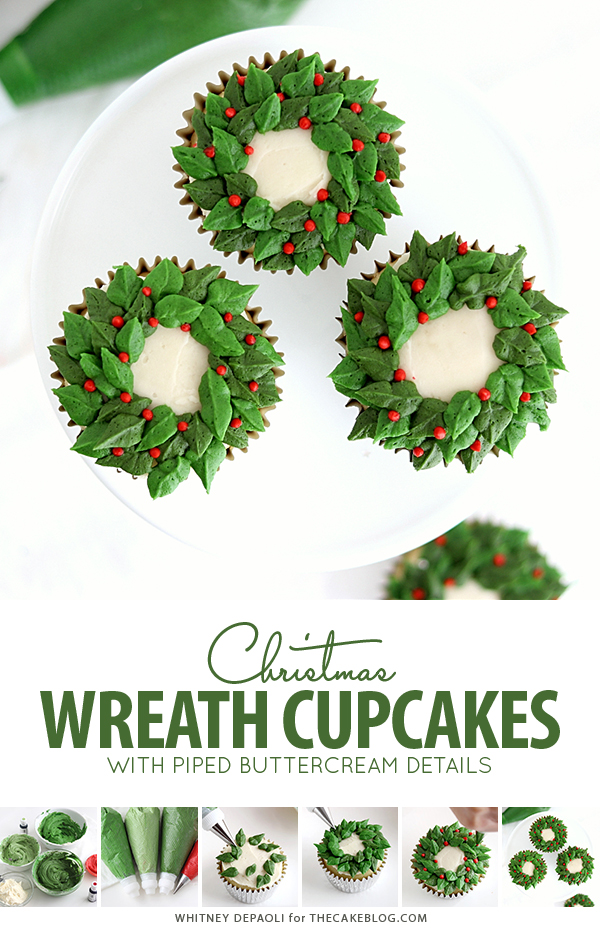
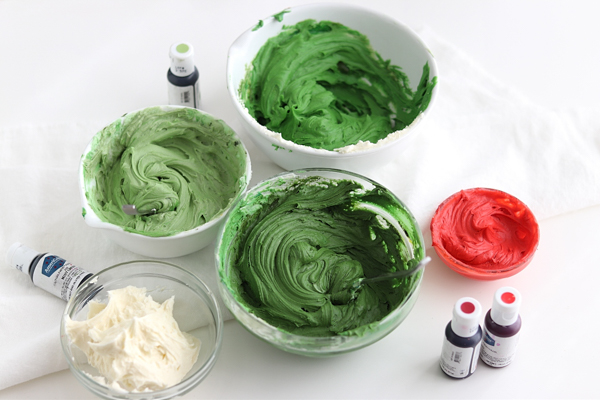
The process begins with the division of buttercream into specific volumes for coloring. According to the guide, a small portion (approximately 1/3 cup) is reserved in its natural state for the base layer. Another small portion (1/6 cup) is dyed using a concentrated red gel, such as Americolor Super Red, for the berry and bow accents. The remaining volume is divided into three medium bowls to create a gradient of green: light, medium, and dark. DePaoli recommends a combination of Americolor Forest Green and Avocado to achieve a naturalistic, multi-tonal look that mimics real evergreen species.
Phase II: Base Application
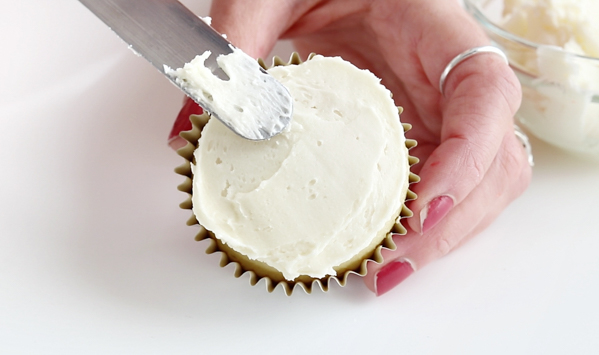
Before the intricate piping begins, each cupcake receives a "crumb coat" or a thin, even layer of uncolored buttercream applied with a small icing spatula. This serves as a neutral canvas, ensuring that the dark green pigments do not bleed into the cake and providing a smooth surface for the decorative elements to adhere to.
Phase III: Structural Piping and Design Execution
The tutorial then diverges into three specific decorative paths:
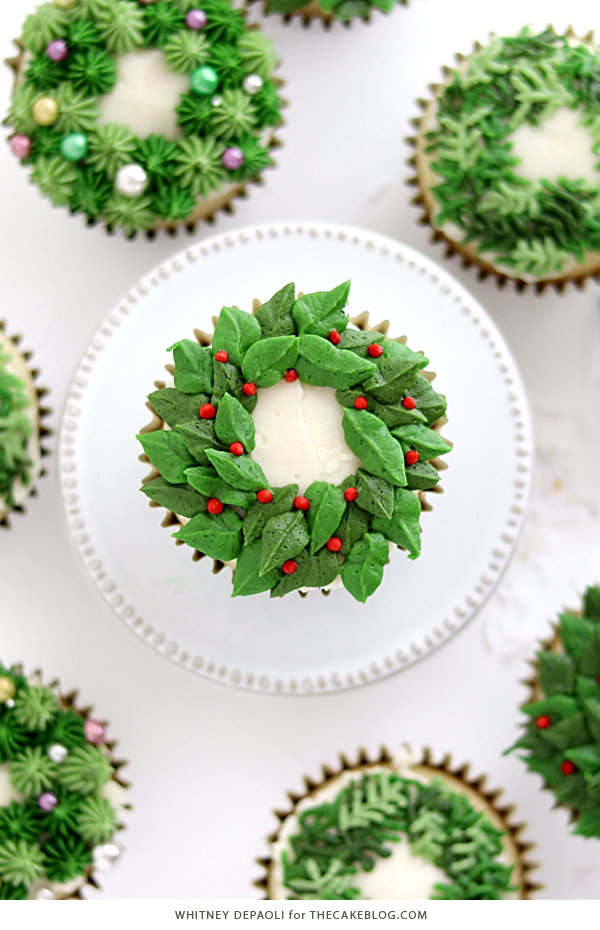
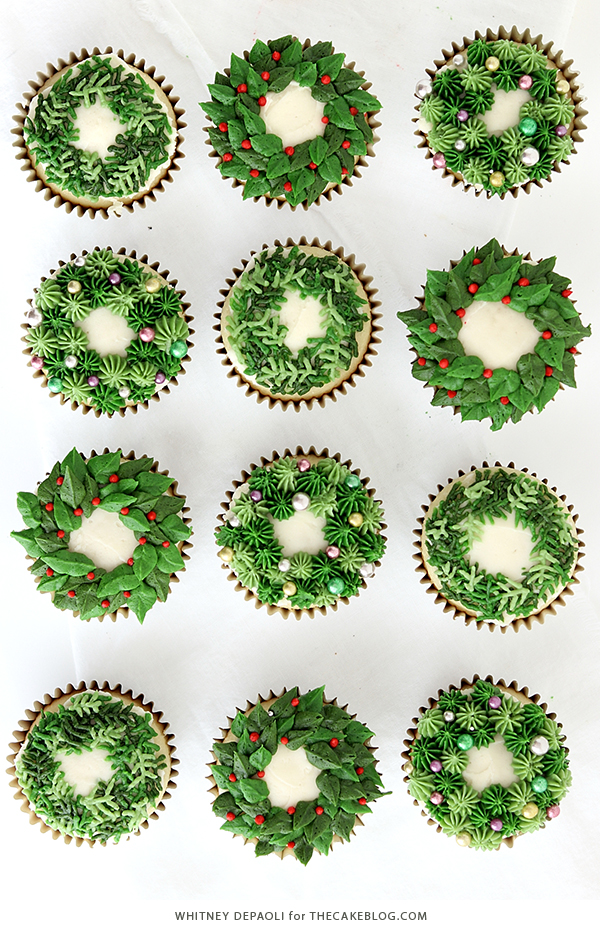
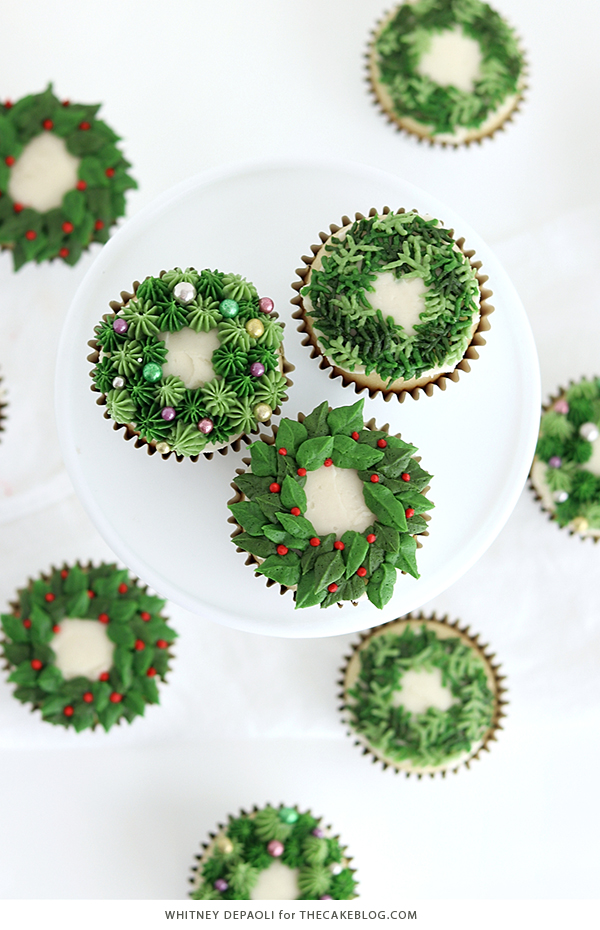
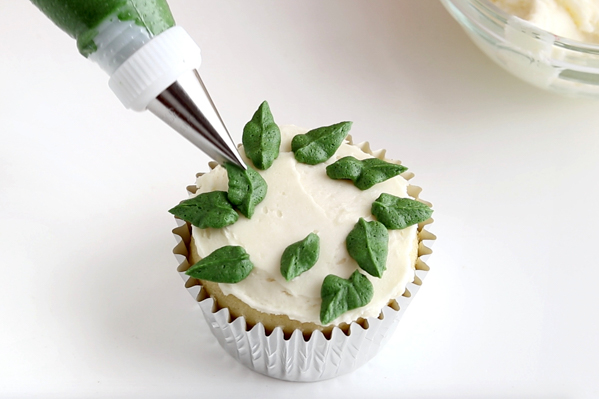
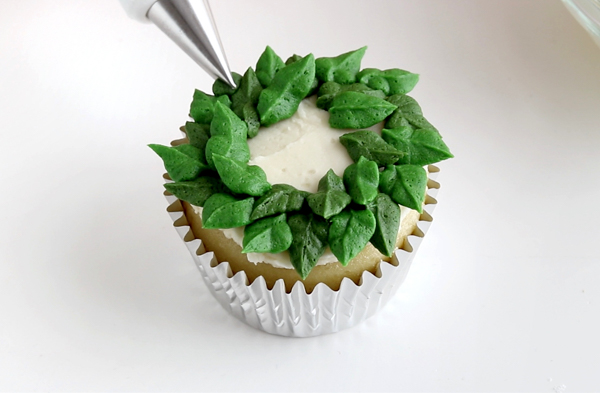
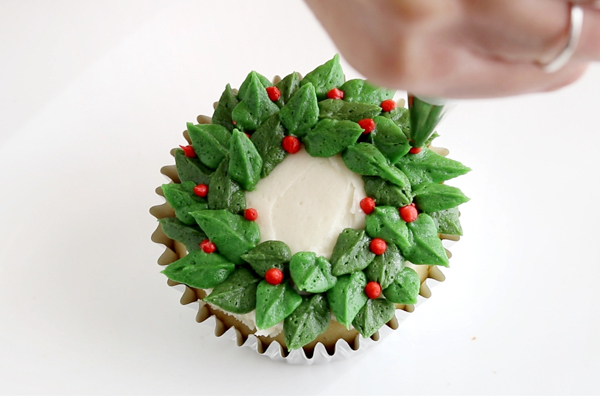
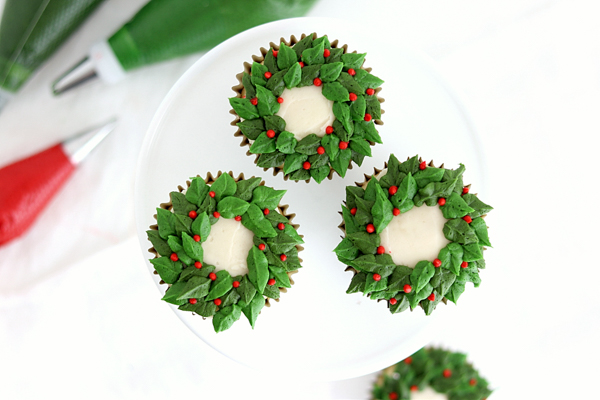
- The Berry Wreath: This design utilizes the #352 leaf tip. The baker is instructed to hold the tip parallel to the cupcake surface, mimicking an "open beak" shape. By squeezing and pulling toward the center, a series of overlapping leaves are created. The use of two different green shades creates depth. The design is finalized with the application of red "berries" using the #3 piping tip.
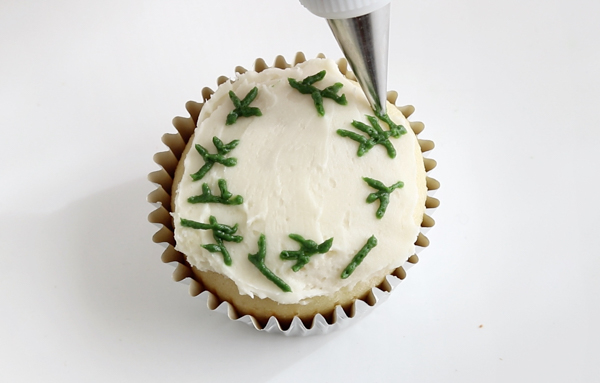
- The Pine Sprig Wreath: Identified as the most time-consuming design, this method uses the #3 piping tip to create "V" shaped needles over a central line. This mimics the biological structure of a pine branch. The three shades of green are layered to eliminate white space, resulting in a dense, realistic evergreen texture.
- The Sprinkled Wreath: This design prioritizes speed and texture through the use of the #199 piping tip. The baker creates "drop stars" around the perimeter of the cupcake. The final step involves the application of spherical sprinkles, such as the "Serendipity" mix from Fancy Sprinkles, to simulate ornaments.
Phase IV: Quality Control and Presentation
The final phase involves the arrangement of the three designs into a cohesive spread. DePaoli notes that the variety of textures—leafy, needle-like, and starred—contributes to a professional-grade presentation that far exceeds the visual impact of a uniform set of cupcakes.
Market Analysis: The DIY Holiday Dessert Trend
The release of this tutorial aligns with broader economic trends in the food and beverage industry. Data from retail analytics firms suggest that during the holiday season, consumers are increasingly opting for "DIY" high-end desserts over store-bought alternatives. This shift is attributed to two primary factors: cost-effectiveness during periods of inflation and the personal satisfaction derived from craft-based hobbies.
Furthermore, the specific tools mentioned in the tutorial—such as the Americolor gel pastes and specific Wilton piping tips—often see a seasonal spike in sales. Retailers specializing in baking supplies frequently coordinate their inventory with the release of tutorials from influential platforms like The Cake Blog. The professionalization of home baking has created a lucrative niche for "prosumer" equipment, where hobbyists invest in the same tools used by commercial pastry chefs.
Broader Impact and Culinary Implications
The Christmas Wreath Cupcakes tutorial is more than a seasonal guide; it is an example of the democratization of culinary arts. By breaking down complex piping movements into repeatable steps, contributors like Whitney DePaoli are effectively lowering the barrier to entry for professional-level cake decoration.
From a pedagogical perspective, the tutorial emphasizes the importance of color theory and mechanical tool knowledge. The recommendation to use three shades of green, for instance, teaches the baker about light and shadow in food design—a concept often reserved for advanced culinary schooling. As these tutorials proliferate, the overall standard of home-baked goods continues to rise, challenging professional bakeries to innovate further to maintain their market edge.
The community reaction to DePaoli’s work has been overwhelmingly positive, with social media metrics indicating high engagement levels. While the tutorial is framed for the Christmas season, the techniques—particularly the leaf and pine sprig piping—are transferable to other botanical themes throughout the year, such as spring floral arrangements or autumnal wreaths.
In conclusion, the Christmas Wreath Cupcakes project represents a sophisticated blend of art and technique. By providing a structured, fact-based guide to holiday baking, DePaoli and The Cake Blog continue to influence the landscape of modern confectionery, ensuring that the tradition of holiday baking evolves alongside contemporary aesthetic and technical standards. As the holiday season progresses, such tutorials remain essential resources for those looking to merge culinary tradition with modern design sensibilities.