

The Architecture of Flavor and Texture
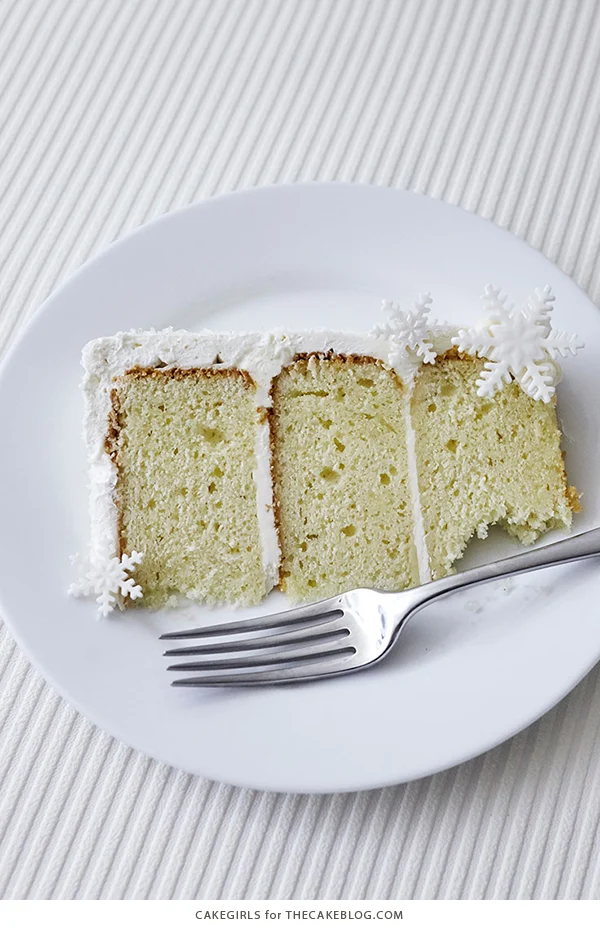
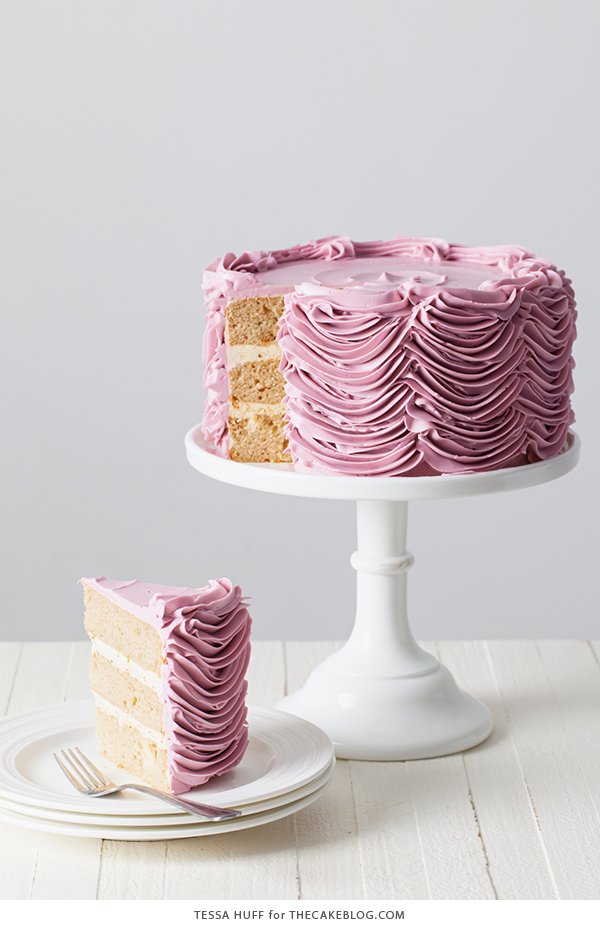
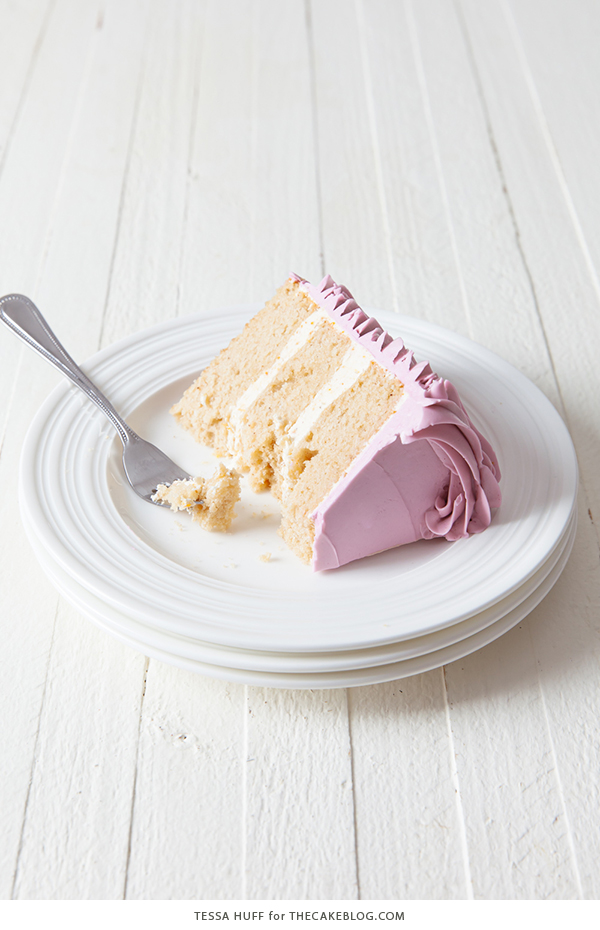
The Hazelnut Nutcracker Cake is built upon a foundation of warm, aromatic spices intended to evoke the sensory experience of the winter solstice. The base layer consists of a brown sugar nutmeg cake, which leverages the deep, molasses-rich profile of brown sugar to provide a moist crumb and a robust counterpoint to the lighter frosting. The inclusion of fresh nutmeg and cinnamon serves a dual purpose: it aligns with the traditional flavor profiles of the holiday season and provides a spicy "bite" that cuts through the fat content of the nut-based components.

Central to the cake’s internal structure is the hazelnut praline. Unlike standard nut inclusions, this recipe employs a candied hazelnut brittle that is subsequently processed into a fine praline powder. This technique ensures that the hazelnut flavor is evenly distributed throughout the buttercream without compromising the silkiness of the Swiss meringue. From a technical standpoint, the praline powder adds both a concentrated nutty essence and a subtle, sandy texture that distinguishes it from more common, smooth-flavored frostings.
Historical and Cultural Context: From Ballet to Bakery
The inspiration for the cake is rooted in the 19th-century traditions of the holiday season, specifically the 1892 premiere of The Nutcracker. While the ballet was not initially a critical success in Saint Petersburg, it has evolved over the last century into a cornerstone of global Christmas celebrations. Tessa Huff’s recipe specifically references the "Waltz of the Flowers" and the "Dance of the Sugar Plum Fairy," translating these performance elements into edible form.
In a departure from literal interpretations, Huff opted for roasted hazelnuts as the primary flavor profile rather than the eponymous sugarplum. This decision reflects a pragmatic approach to seasonal availability, as fresh plums are rarely at their peak during the December holidays in the Northern Hemisphere. By substituting the earthy, toasted notes of hazelnuts, the recipe maintains the "nut" theme essential to the Nutcracker motif while ensuring the use of high-quality, seasonal ingredients.
Technical Execution and the Lambeth Influence
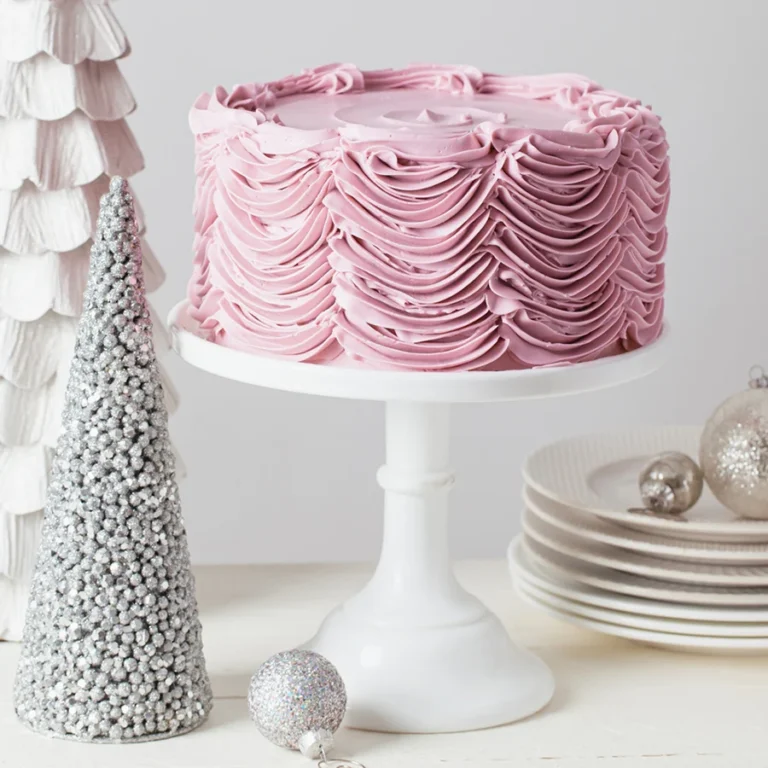
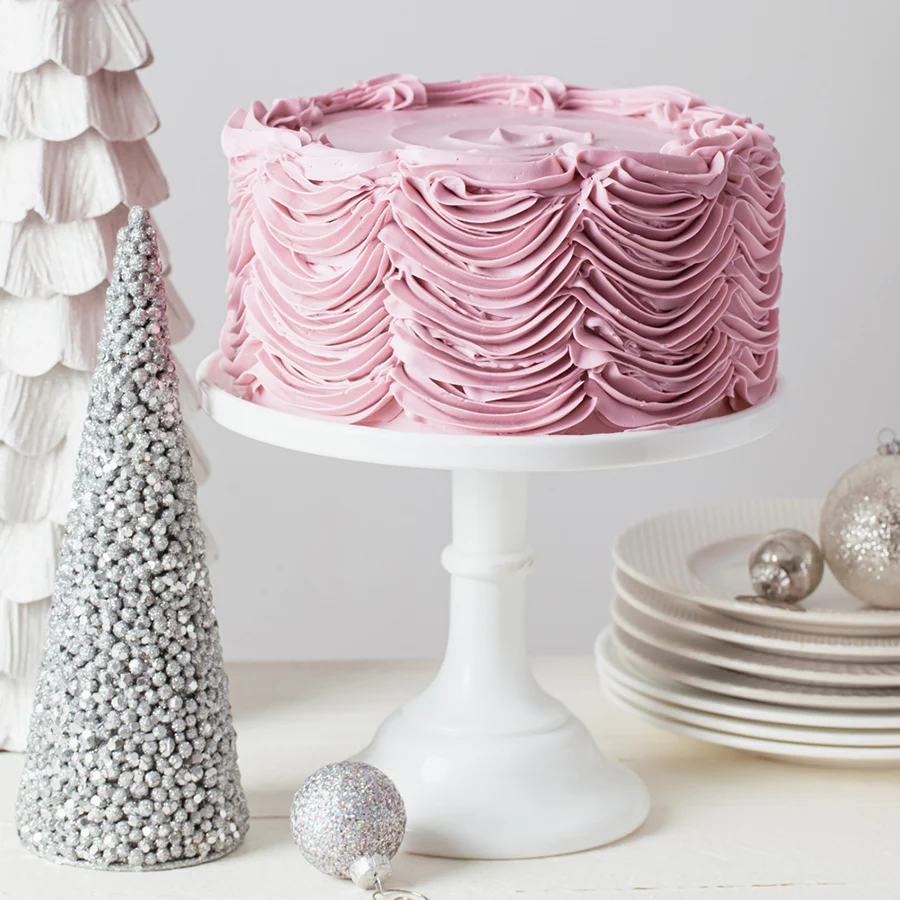
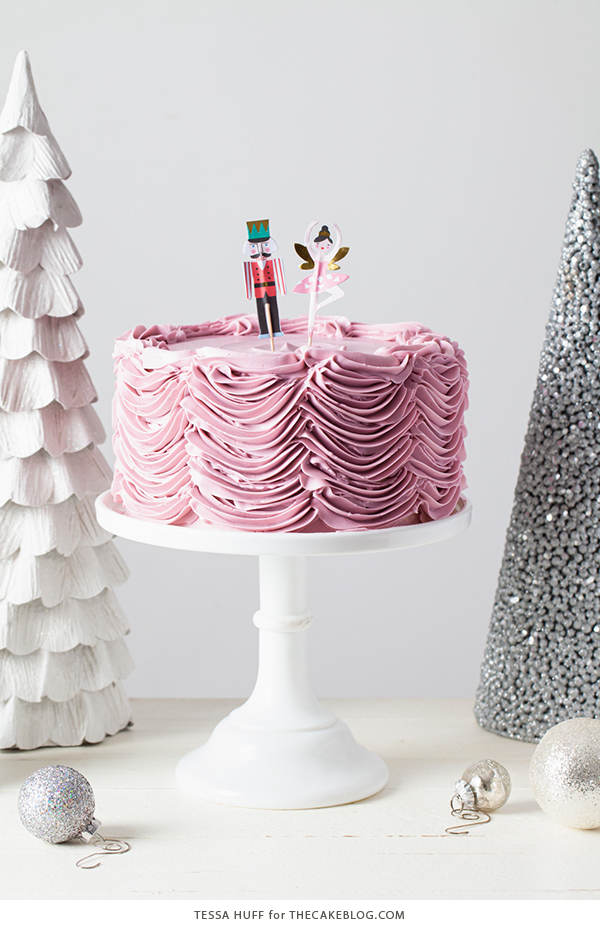
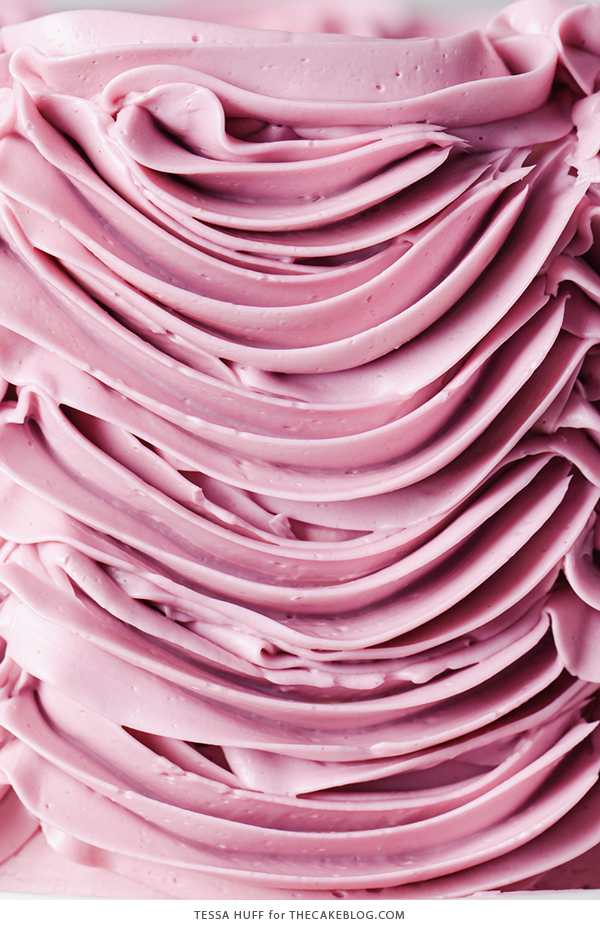
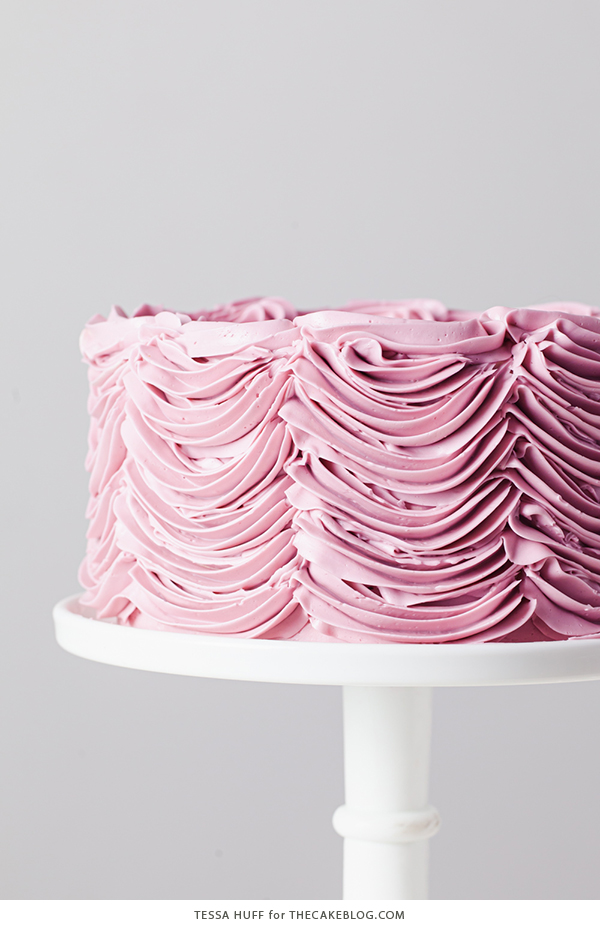
The visual presentation of the Hazelnut Nutcracker Cake draws heavily from the "Lambeth Method," a style of cake decoration that originated in the early 20th century. This method is characterized by intricate, over-piped layers of royal icing or buttercream, creating a three-dimensional, lace-like effect. Huff’s "swag" piping—intended to mimic the ruffles of a ballerina’s tutu—requires a high degree of temperature control and manual dexterity.
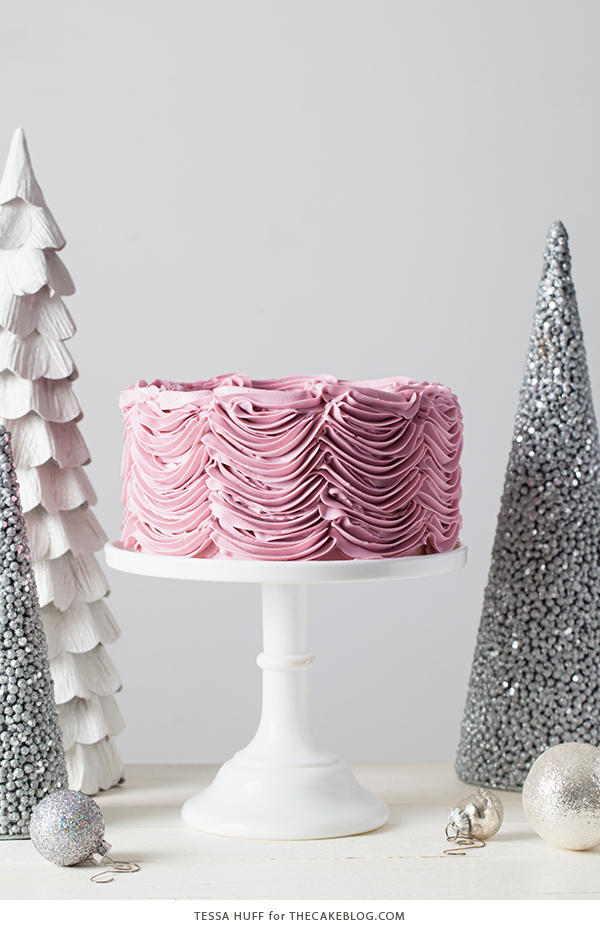
The buttercream used is a Swiss meringue variety, which is preferred by professional pastry chefs for its stability and smooth finish. Unlike American buttercream, which relies on powdered sugar and butter, the Swiss meringue method involves whisking egg whites and sugar over a bain-marie until they reach a specific temperature (typically 160°F), then whipping them into a stiff meringue before incorporating cool butter. This process creates a structural medium capable of holding the heavy "swags" and "drops" required for the Nutcracker aesthetic.
Chronology of Development and Release
The Hazelnut Nutcracker Cake was released as part of a curated series of holiday recipes designed to provide home bakers with professional-grade challenges. The development cycle for such a recipe typically begins months in advance, involving multiple testing phases to ensure the ratios of spice to sugar remain balanced.
- Conceptualization (Late Summer): The thematic link between The Nutcracker and holiday flavors is established.
- Ingredient Selection: Hazelnuts are selected as the anchor ingredient due to their shelf stability and association with winter harvests.
- Structural Testing: The brown sugar cake is tested for density to ensure it can support the weight of multiple layers of Swiss meringue buttercream.
- Aesthetic Refinement: The "sugarplum purple" tint is calibrated to ensure it remains vibrant without appearing artificial, utilizing professional-grade gel food coloring.
- Public Release (December): The recipe is published on The Cake Blog, targeting an audience of intermediate to advanced home bakers looking for centerpiece-quality desserts.
Market Trends and Economic Significance of Seasonal Baking
The release of specialized recipes like the Hazelnut Nutcracker Cake occurs within a broader economic context of increased consumer spending on specialty baking supplies during the fourth quarter. According to market data, the global hazelnut market has seen steady growth, with a compound annual growth rate (CAGR) of approximately 5.9%. Turkey remains the world’s leading producer, but the Pacific Northwest of the United States, particularly Oregon, has become a significant supplier for North American bakers.
Furthermore, the "home baker" demographic has expanded significantly over the last decade, fueled by digital platforms like The Cake Blog. This shift has led to increased demand for premium ingredients such as high-fat European-style butter, Madagascar vanilla bean paste, and fresh spices. The Hazelnut Nutcracker Cake serves as a prime example of the "aspirational baking" trend, where hobbyists seek to replicate the complex techniques of professional pâtisseries.
Industry Perspectives and Professional Analysis
Culinary analysts note that the success of the Hazelnut Nutcracker Cake lies in its ability to balance tradition with innovation. "The use of a praline powder within a Swiss meringue base is a sophisticated move," says one industry consultant. "It addresses the common problem of nut-flavored cakes being either too oily or too chunky. By grinding the brittle, the baker achieves a consistent flavor profile that feels luxurious on the palate."
The color theory applied to the cake also receives praise from design experts. The choice of a muted purple, rather than the traditional red and green of Christmas, allows the cake to stand out in a crowded marketplace. It evokes the "Sugar Plum Fairy" without relying on cliché holiday tropes, appealing to a more modern, design-conscious consumer.
Broader Implications for the Confectionery Arts
The Hazelnut Nutcracker Cake is more than a seasonal recipe; it is a testament to the evolving role of the "contributor" in the digital age. Tessa Huff’s work illustrates how individual designers can influence global baking trends through strategic partnerships with established platforms. By providing detailed, step-by-step instructions for complex techniques like praline making and swag piping, these contributors democratize high-end pastry skills.
As the culinary landscape continues to move toward more artisanal and narrative-driven food, the Hazelnut Nutcracker Cake stands as a benchmark for how story-telling and technical skill can merge. It honors the historical significance of The Nutcracker while providing a tangible, edible experience that resonates with modern sensibilities.
Future Outlook: The Legacy of The Nutcracker in Pastry
Looking forward, it is anticipated that thematic "story-cakes" will continue to dominate the holiday season. The success of the Hazelnut Nutcracker Cake suggests that consumers are increasingly looking for desserts that offer a "multisensory experience"—one that includes a narrative background, complex textures, and high-level visual artistry.
The Cake Blog and its contributors have set a high bar for seasonal content, ensuring that the intersection of performing arts and culinary arts remains a fertile ground for innovation. As hazelnuts and warm spices remain staples of the winter pantry, the Hazelnut Nutcracker Cake is likely to remain a referenced standard for holiday excellence in the years to come. Through its meticulous design and thoughtful flavor profile, it reinforces the idea that the best holiday traditions are those that can be tasted, shared, and admired.