


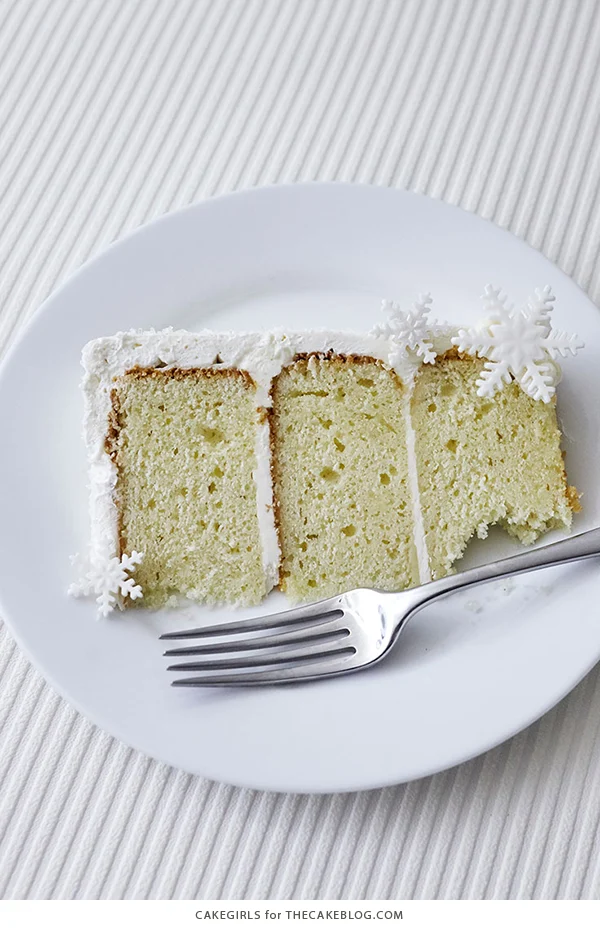
The emergence of the Winter Wonderland Snowflake Cake marks a significant moment in the seasonal confectionery landscape, representing a sophisticated synthesis of minimalist design and high-level technical execution. Developed by Mary and Brenda Maher, the founders of the Chicago-based studio Cakegirls and frequent contributors to The Cake Blog, this specific cake design serves as a comprehensive case study in modern holiday aesthetics. The project focuses on a monochromatic, texture-driven approach to cake decorating, moving away from traditional red-and-green palettes toward a more ethereal, "snow globe" inspired visual narrative. As home baking continues to see a surge in professional-grade tool accessibility, tutorials of this nature bridge the gap between amateur hobbyists and professional pastry chefs, offering a scalable model for holiday centerpieces.
Creative Catalyst and Design Philosophy
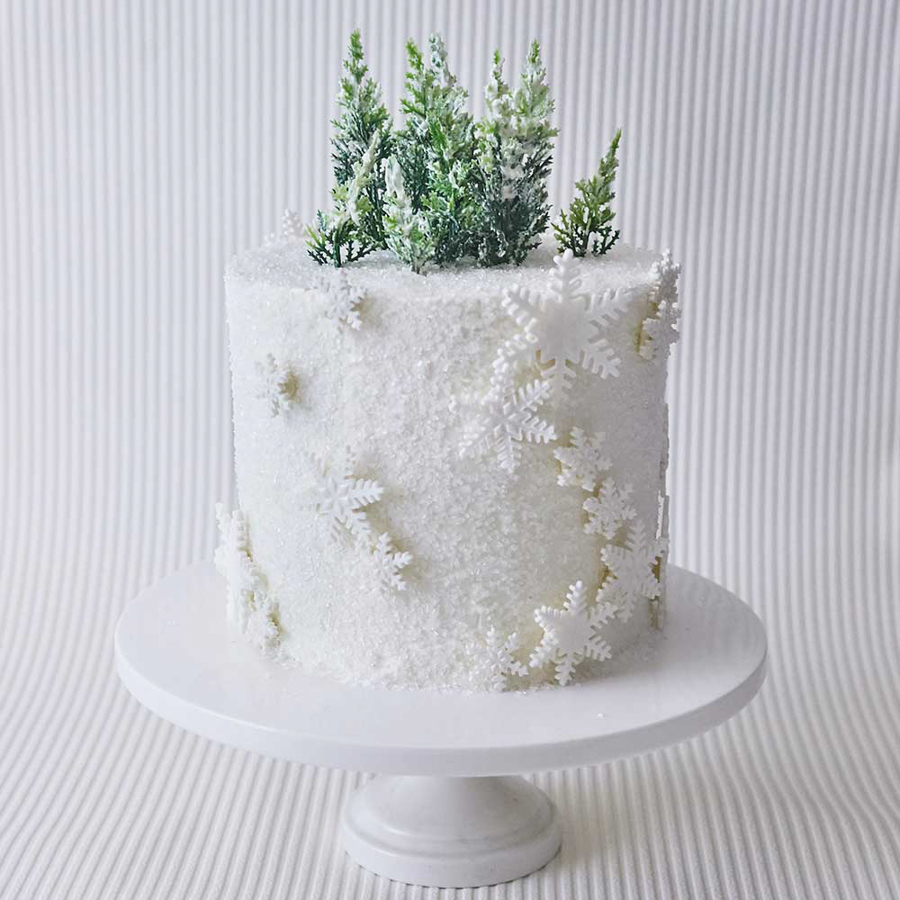
The conceptual origin of the Winter Wonderland Snowflake Cake is rooted in the urban winter landscape of Chicago. According to the designers, the aesthetic was inspired by the atmospheric conditions of a heavy snowfall in the city, where the interplay of white textures and soft light creates a crystalline, immersive environment. This "snow globe" effect is translated onto the cake through a three-dimensional layering of edible and decorative elements.
The design philosophy prioritizes "stunning simplicity" and elegance over complex color work. By utilizing a purely white palette, the decorators rely on light refraction and textural variation—provided by luster dust, sugar crystals, and fondant geometry—to create visual interest. This approach aligns with broader interior design trends that favor "winter whites" and Scandinavian-inspired minimalism, which have seen a marked increase in popularity within the lifestyle and hospitality sectors over the last five years.
Technical Composition and Flavor Profiles
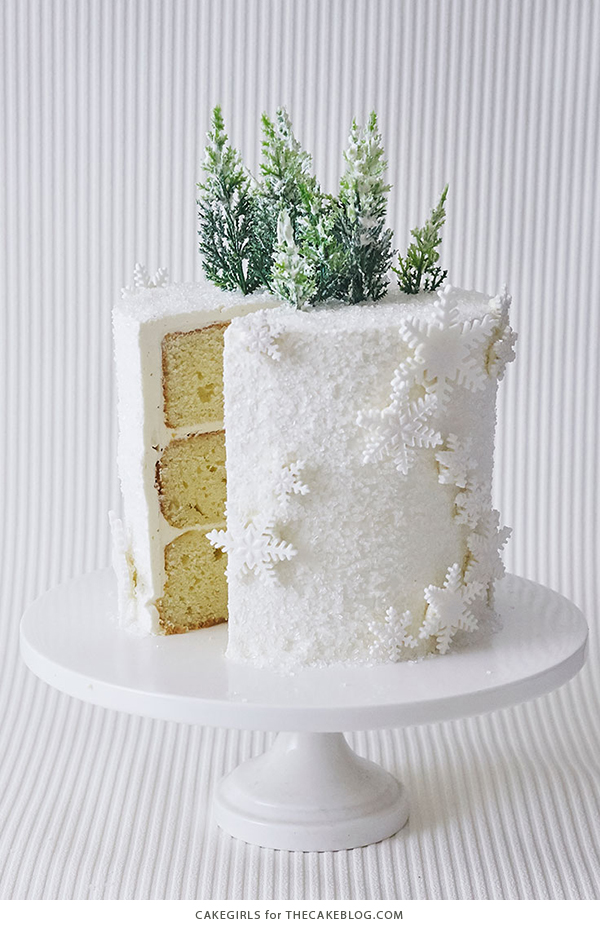
While the external presentation of the Winter Wonderland Snowflake Cake is its primary feature, the structural and culinary foundation is equally critical. The standard model for this design utilizes three 6-inch round cake layers, a configuration that provides the necessary height to mimic a forest silhouette while maintaining a compact footprint suitable for holiday buffet tables.
Internal Structural Components
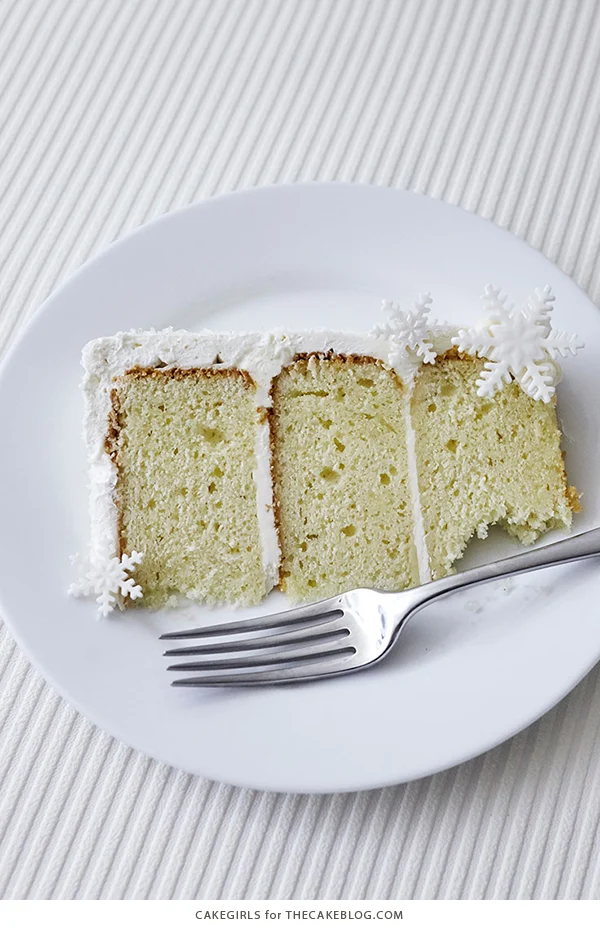
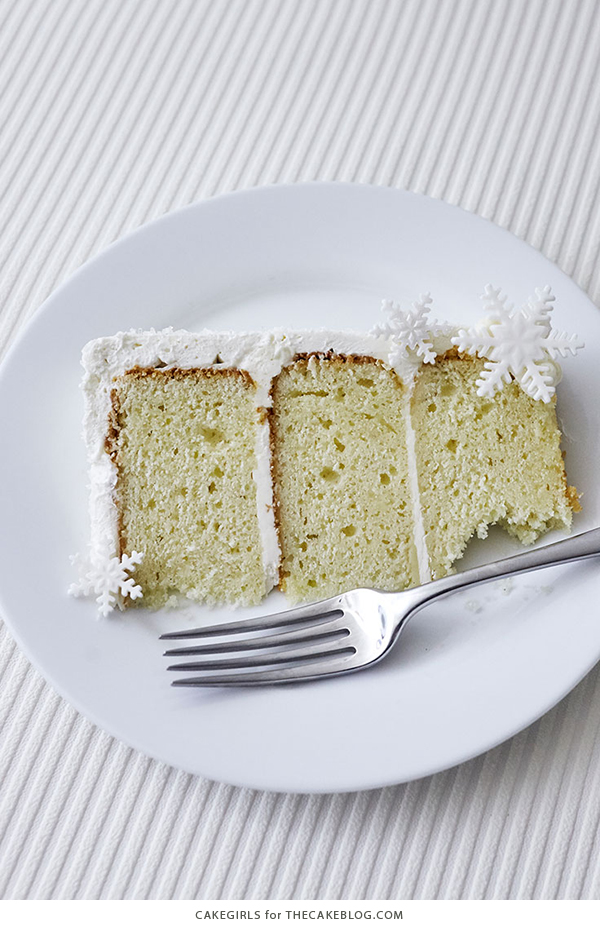
The designers recommend a classic vanilla cake base paired with Swiss meringue buttercream. The selection of Swiss meringue buttercream over traditional American buttercream is a tactical choice; the former is known for its silky texture, stability, and naturally pale ivory-to-white hue, which is essential for maintaining the cake’s "wintery" internal appearance. However, the tutorial acknowledges the demand for seasonal flavor variations. Industry data suggests that eggnog and champagne remain the leading flavor profiles for high-end holiday desserts. Consequently, the Maher sisters propose two primary variations:
- The Eggnog Layer Cake: A dense, spiced sponge that incorporates traditional holiday flavors.
- The Champagne Mimosa Cake: A lighter, citrus-infused profile often associated with New Year’s Eve celebrations.
Scalability and Resource Management
For larger gatherings requiring a 10-inch or 12-inch cake, the designers provide specific scaling instructions. A larger surface area necessitates a proportional increase in coating materials, specifically a requirement for at least two jars of white crystal sugar to ensure full coverage and the desired "shimmer" density.
Chronological Execution: A Two-Phase Methodology
The production of the Winter Wonderland Snowflake Cake is divided into a strategic two-day timeline. This chronology is designed to optimize the structural integrity of the fondant elements and ensure the buttercream reaches the correct temperature for sugar application.
Phase I: Fondant Preparation and Curing
The process begins 24 hours prior to assembly. This phase focuses on the creation of the snowflake elements using white fondant.
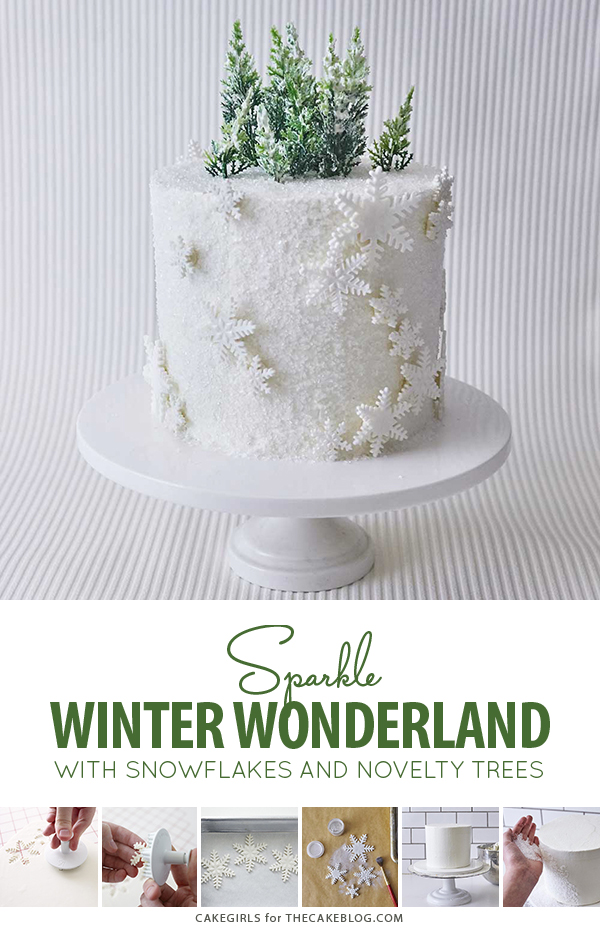
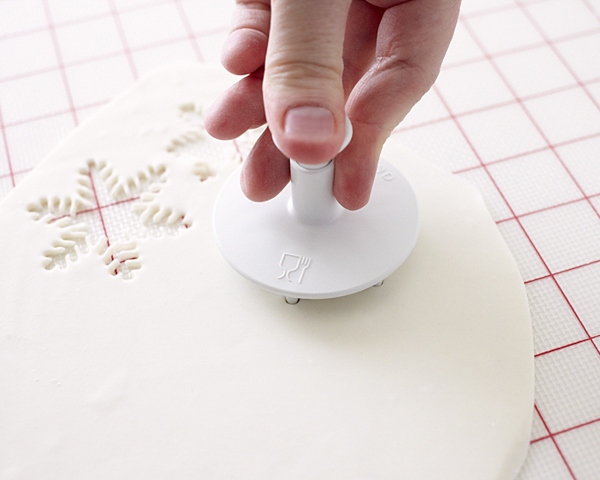
- Dimensional Accuracy: The fondant must be rolled to a thickness between 1/8 and 1/4 inch. This thickness is critical; if too thin, the snowflakes become brittle and prone to breakage; if too thick, they lack the delicate appearance required for the aesthetic.
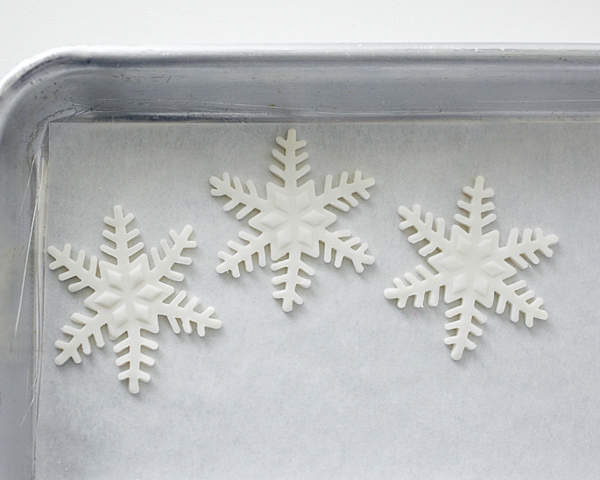
- Cutting and Drying: Various sizes of snowflake punch cutters are utilized to create a diverse "forest floor" effect. The cutouts are placed on parchment paper to dry overnight.
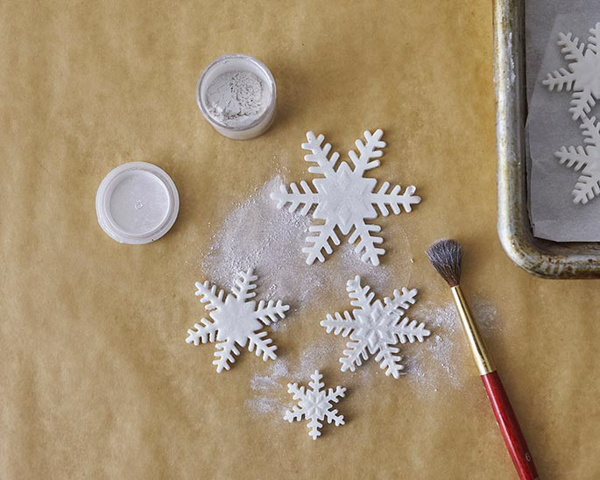
- Luster Application: Once dried, the snowflakes are treated with Super Pearl luster dust. This step is purely decorative. The Maher sisters note that while the luster dust provides a superior shimmery finish, it renders the snowflakes non-edible unless the baker specifically sources FDA-approved, food-grade luster dust.
Phase II: Assembly and Textural Application
On the day of presentation, the cake is iced and finished.
- Chilling: The three-layer cake is iced with a smooth coat of buttercream and refrigerated for a minimum of one hour. This step is non-negotiable, as it creates a firm substrate for the subsequent sugar application.
- Sugar Coating: White sugar crystals are applied by hand. The technique involves pressing the sugar into the chilled buttercream in an upward motion. This creates a granular, ice-like texture that serves as the backdrop for the other decorations.
- Snowy Forest Construction: Miniature novelty trees are integrated into the design. To enhance the realism, the trees are manually straightened and trimmed to varying heights. A light application of buttercream is smeared onto the branches to simulate fallen snow.
- Final Ornamentation: The pre-prepared fondant snowflakes are attached to the sides of the cake using small "dots" of buttercream as adhesive. This creates a floating effect, mimicking snowflakes caught in mid-air.
Market Trends and the Rise of Digital Tutorials
The release of the Winter Wonderland Snowflake Cake tutorial reflects a broader trend in the $14.1 billion global cake market. According to market research, there is an increasing consumer preference for "at-home artisanal" experiences. The DIY (Do-It-Yourself) movement in baking has been fueled by the availability of professional tools—such as the snowflake punch cutters mentioned in the Maher tutorial—on e-commerce platforms.
Furthermore, the "Cakegirls" brand represents a shift in how culinary expertise is disseminated. By providing high-quality visual guides on platforms like The Cake Blog, professional decorators are able to influence consumer behavior on a global scale. This democratization of pastry arts has led to a more informed consumer base that values both the aesthetic and the technical specifications of their desserts.

Supporting Data and Technical Specifications
To achieve the professional results demonstrated in the tutorial, specific materials are required. The following table outlines the essential supplies for a standard 6-inch Winter Wonderland Snowflake Cake:
| Category | Item | Function |
|---|---|---|
| Medium | White Fondant | Structural snowflakes |
| Coating | White Crystal Sugar | Textural "ice" finish |
| Finishing | Super Pearl Luster Dust | Shimmer and light refraction |
| Tools | Snowflake Punch Cutters | Geometric precision |
| Decor | Novelty Miniature Trees | Verticality and theme |
| Adhesive | Swiss Meringue Buttercream | Structural bonding and icing |
Broader Impact and Industry Implications
The Winter Wonderland Snowflake Cake is more than a seasonal recipe; it is an example of how "visual-first" desserts are designed for the social media era. The high contrast of white-on-white textures makes the cake particularly "photogenic," a quality that is now a primary requirement for many consumers when selecting holiday recipes.
From a commercial perspective, the tutorial drives sales in specific niche markets, including specialty sugar manufacturers and fondant tool producers. The Maher sisters’ recommendation to "make lots [of snowflakes] in case some break" also highlights the reality of working with fragile sugar mediums, emphasizing the importance of over-preparation in professional-grade baking.
The integration of non-edible elements, such as the novelty trees and luster-dusted snowflakes, reflects a growing acceptance of "decorative-only" components in high-end cake design. This allows for a greater range of artistic expression that was previously limited by the physical properties of purely edible ingredients. However, the tutorial remains grounded in safety, providing clear instructions on how to maintain edibility for those who prefer a fully consumable product.
In conclusion, the Winter Wonderland Snowflake Cake by Cakegirls stands as a definitive guide for modern holiday entertaining. It combines the precision of professional pastry work with the accessibility of a home tutorial, setting a high standard for seasonal dessert design. As the trend toward minimalist, texture-heavy aesthetics continues to grow, this design is likely to remain a foundational reference for bakers seeking to capture the essence of winter in a culinary form.