


The dream of a perfect wedding often comes with a substantial financial commitment, a reality many modern couples face as they plan their big day. In an era marked by rising living costs, persistent student loan burdens, and economic uncertainties, couples are increasingly shouldering the full financial responsibility for their nuptials. This shift from traditional parental contributions necessitates a robust and disciplined approach to saving, transforming wedding planning from mere aesthetic choices to strategic financial management. The Budget Savvy Bride (B$B), a prominent resource for cost-effective wedding solutions, emphasizes not only saving money on the wedding day but also efficiently saving for it, advocating for a #debtfreewedding as a cornerstone of a healthy financial start to married life.
The Evolving Landscape of Wedding Financing
Historically, wedding expenses were often primarily covered by the bride’s family, a tradition that has significantly waned over the past few decades. Contemporary couples, driven by independence and evolving social norms, are now largely self-funding their weddings, frequently with contributions from both partners and sometimes supplementary support from families. Industry reports indicate that the average cost of a wedding in the United States continues to climb, placing considerable pressure on couples already navigating complex personal financial landscapes. A 2023 survey by The Knot, for instance, revealed the average wedding cost to be approximately $30,000, a figure that can fluctuate wildly based on location, guest count, and desired amenities. For many, this represents a sum equivalent to a down payment on a house or a significant portion of annual income, making strategic savings paramount.
The confluence of factors such as student loan debt, which now affects a significant portion of young adults, and an increasingly competitive housing market, means that discretionary income for major life events like weddings is often constrained. Job market fluctuations and the gig economy further contribute to income instability for some, complicating long-term financial planning. It is within this context that the imperative to save intentionally and effectively for a wedding has become a critical component of pre-marital financial preparedness. Avoiding post-wedding debt allows couples to embark on their marital journey without the added stress of loan repayments, freeing up resources for future joint financial goals such as homeownership, family planning, or retirement savings.

Establishing a Realistic Wedding Budget: The Foundation of Saving
Before any savings plan can be implemented, couples must first establish a comprehensive and realistic wedding budget. This initial step is often the most challenging but also the most crucial. It involves a candid discussion about financial capabilities, priorities, and potential contributions from external sources. Key questions that must be addressed include: How much can we genuinely afford to spend without incurring debt? What is our monthly savings capacity? What are the non-negotiable elements of our dream wedding versus areas where we are willing to compromise?
The process begins with determining the total estimated cost of the wedding. This figure should encompass all foreseeable expenses, from venue and catering to attire, photography, flowers, and entertainment. Resources like B$B’s Savvy Weddings Budget Blueprint offer structured tools to guide couples through building a personalized budget, ensuring no critical categories are overlooked and providing a clear "grand total." Once this total is established, any confirmed family contributions are subtracted, leaving the net amount the couple must save.
The next step is to calculate a monthly savings target. This is achieved through a straightforward mathematical formula: divide the total amount needed by the number of months remaining until the wedding date. For example, if a couple aims for a $20,000 wedding, anticipates $5,000 in family contributions, and has 15 months until their wedding date, they would need to save approximately $1,000 per month ($15,000 / 15 months). This monthly figure serves as a concrete goal. Financial advisors often recommend allocating 10% to 20% of one’s take-home pay towards significant financial goals, including wedding funds. Couples may need to adjust their wedding timeline or budget expectations to align this monthly target with their actual financial capacity, ensuring the goal remains achievable without undue hardship.
The Power of Consistent, Automated Savings

Once a clear budget and monthly savings target are in place, the most effective strategy for achieving these goals is through consistent, automated savings. This approach leverages behavioral economics, removing the temptation to spend money before it can be saved and fostering a disciplined saving habit. Financial experts universally endorse "paying yourself first," a principle that prioritizes saving by automatically directing a portion of income into a dedicated savings account immediately upon receipt of a paycheck. This method ensures that savings goals are met consistently, regardless of fluctuating discretionary spending.
The implementation of an automatic savings plan minimizes the psychological effort associated with saving. By setting up recurring transfers, couples do not need to consciously decide to save each month; the process becomes an ingrained, effortless part of their financial routine. This automation is particularly beneficial for high-stakes goals like a wedding, where consistent contributions over an extended period are essential.
Capital One 360: Facilitating Effortless Wedding Fund Growth
Among the financial tools available to couples, specialized online savings accounts with robust automation features stand out. Capital One 360, for instance, offers a suite of automatic savings plans designed to make the accumulation of wedding funds almost effortless. These digital-first banking solutions are increasingly popular due to their convenience, competitive interest rates, and user-friendly interfaces.
Capital One 360’s AutoSave feature set, accessible via their mobile app, provides three distinct tools to cater to varying financial habits and income structures:

-
Autopilot: This innovative feature makes small, daily transfers, typically ranging from a few cents up to $15, from a linked checking account into savings. The transfer amount is intelligently determined based on recent checking activity, ensuring that the savings process is gradual and largely imperceptible. This "slow-and-steady" approach allows funds to accumulate without the account holder feeling a significant impact on their daily spending. It’s particularly effective for individuals who prefer micro-savings that add up over time.
-
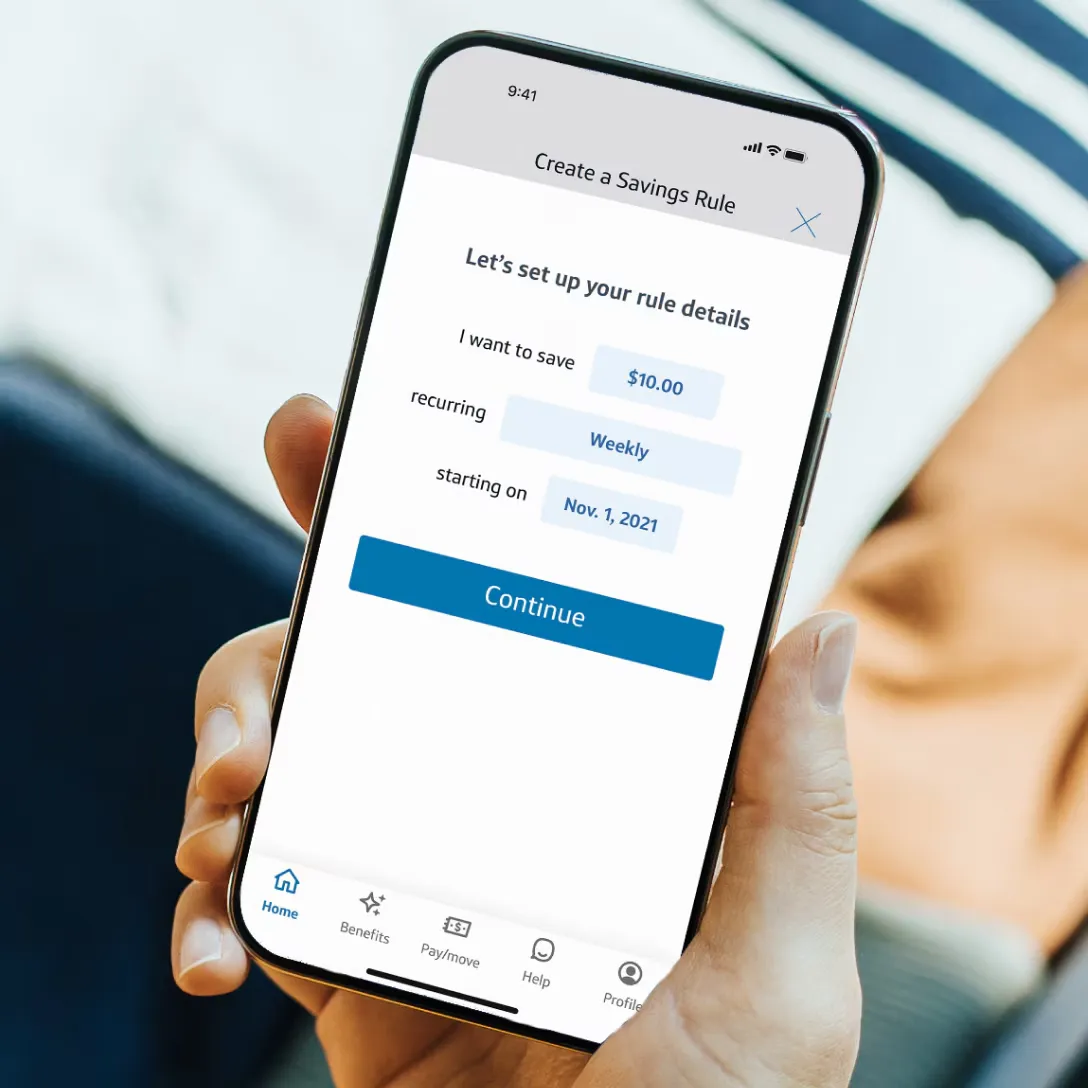
Recurring Transfers: For couples with a fixed monthly savings goal, recurring transfers offer a straightforward solution. Users can schedule regular transfers—weekly, biweekly, monthly, quarterly, semi-annually, or annually—from either a Capital One checking account or an external checking account directly into their Capital One 360 savings account. This feature is ideal for aligning savings with the established monthly target derived from the wedding budget formula.
-
Paycheck Percentage: This option is highly beneficial for individuals whose income may vary from month to month, such as those in sales or the gig economy. It allows a set percentage of every direct-deposited paycheck to be automatically routed into savings. This ensures that savings scale with income, maintaining a consistent proportion of earnings dedicated to the wedding fund without requiring manual adjustments.
The flexibility of these AutoSave tools, combined with 24/7 mobile banking access, allows couples to adjust their savings rules as their financial situation or wedding plans evolve. This adaptability is crucial in dynamic planning scenarios, enabling quick modifications to savings contributions in response to unexpected expenses or new financial goals.
Beyond the Wedding: Broader Financial Benefits

The discipline cultivated through saving for a wedding extends far beyond the event itself, laying a strong foundation for a couple’s long-term financial health. The practice of "paying yourself first" and automating savings instills habits that are critical for achieving other significant life goals, such as building an emergency fund, saving for a down payment on a home, or planning for retirement.
The use of sub-savings accounts, a feature often available with online banks like Capital One 360, further enhances this financial discipline. By allowing users to create multiple distinct savings accounts and label them for specific goals (e.g., "Wedding Venue," "Honeymoon," "Emergency Fund," "Future Home Downpayment"), couples can visually track progress towards each objective. This gamification of savings can make the process more engaging and reinforce positive financial behaviors. Research consistently demonstrates that individuals who set specific, measurable financial goals and track their progress are significantly more likely to achieve them. The ability to customize these accounts to reflect personal aspirations—from a dream honeymoon to a new car—transforms saving from a chore into an empowering journey towards desired outcomes.
Furthermore, online savings accounts like Capital One 360 typically offer competitive interest rates, often higher than those found at traditional brick-and-mortar banks. This means that the money saved for the wedding works harder for the couple, accruing interest that contributes to the overall fund. Over an 18-month or two-year savings period, even a modest interest rate can add a meaningful amount to the wedding fund, an often-overlooked benefit of strategically chosen savings vehicles. The absence of monthly maintenance fees, common with many online banks, also ensures that every dollar saved contributes directly to the goal rather than being eroded by administrative charges.
Expert Perspectives and Endorsements
Financial planning experts consistently advocate for the strategies embodied by automated savings accounts. They highlight the psychological benefits of removing decision fatigue from the saving process and the practical advantage of consistent contributions. Jessica Bishop, founder of The Budget Savvy Bride, offers a strong endorsement based on personal experience. As a long-time customer of Capital One 360 since 2007, she has utilized their savings accounts for a multitude of personal financial goals, including her own wedding, a home down payment, and various travel funds. Her practice of maintaining multiple sub-savings accounts for different objectives—vacations, emergency funds, gifts, medical expenses—and setting up varied automatic savings plans to fund each monthly underscores the efficacy and versatility of the system. This expert testimony from a respected figure in the budget wedding space reinforces the practicality and effectiveness of such tools for tangible financial achievements.

Conclusion: A Path to a Debt-Free Celebration
In conclusion, navigating the financial demands of a wedding in today’s economic climate requires more than just careful spending; it demands a proactive and disciplined approach to saving. By establishing a realistic budget, calculating achievable monthly targets, and leveraging the power of automated savings accounts, couples can transform the daunting task of funding their wedding into a streamlined, stress-free process. Tools like Capital One 360’s AutoSave features provide the infrastructure for effortless fund accumulation, allowing couples to focus on the joyous aspects of wedding planning rather than financial anxieties.
The commitment to a #debtfreewedding not only ensures a celebratory start to marital life but also cultivates invaluable financial habits that will serve couples well throughout their journey together. The ability to save intentionally, automate contributions, and watch funds grow through competitive interest rates offers a robust framework for achieving not just wedding goals, but a lifetime of financial security and freedom.