


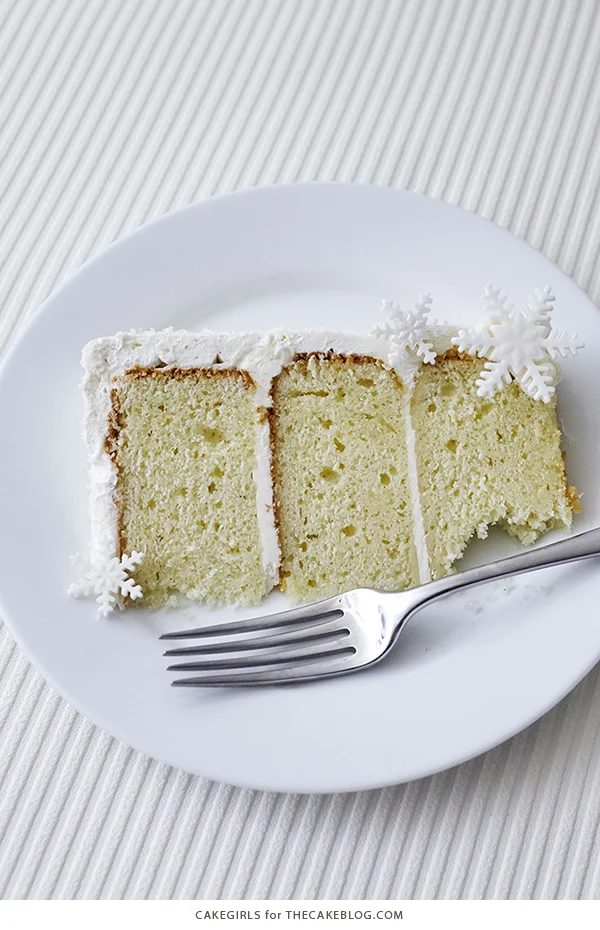
The culinary landscape of the holiday season has been further enriched by the introduction of a sophisticated confectionery project designed by Mary and Brenda Maher, the founders of the renowned Chicago-based studio Cakegirls. This latest contribution to the field of artisanal baking, titled the Winter Wonderland Snowflake Cake, represents a synthesis of classical structural techniques and contemporary aesthetic minimalism. The design serves as a professional-grade tutorial intended to assist both intermediate and advanced home bakers in creating a centerpiece that balances visual complexity with manageable execution phases. According to the designers, the project was conceptualized following an observation of the winter landscape in Chicago, specifically the atmospheric qualities of a snow-covered urban environment, which they sought to replicate through the use of textural sugar coatings and delicate fondant geometry.
Design Philosophy and Aesthetic Inspiration
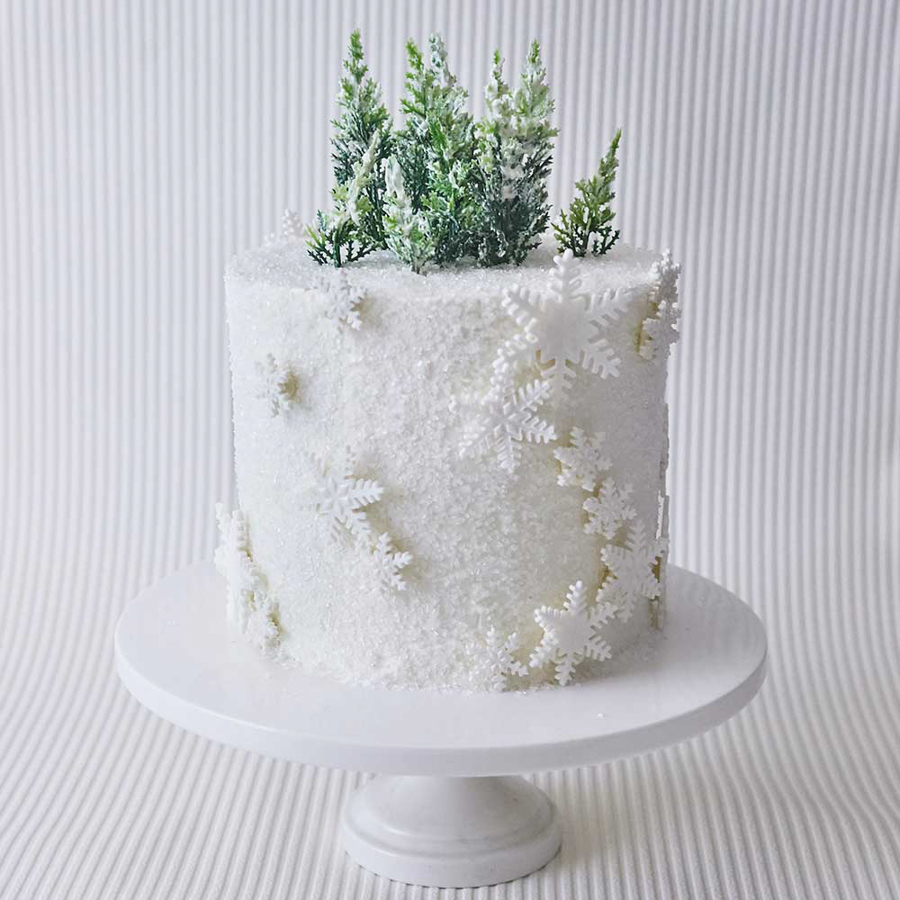
The Winter Wonderland Snowflake Cake is characterized by its monochromatic palette and high-contrast textures. In an era where holiday desserts often lean toward vibrant reds and greens, the Maher sisters have opted for an "all-white" aesthetic that prioritizes light reflection and structural height. The inspiration for the cake originated from a pedestrian experience in Chicago during a heavy snowfall, where the designers noted the resemblance of the city to a snow globe. This led to the development of a design that utilizes white crystal sugar to simulate the refractive properties of fresh snow and pearlescent fondant to mimic the crystalline structure of ice.
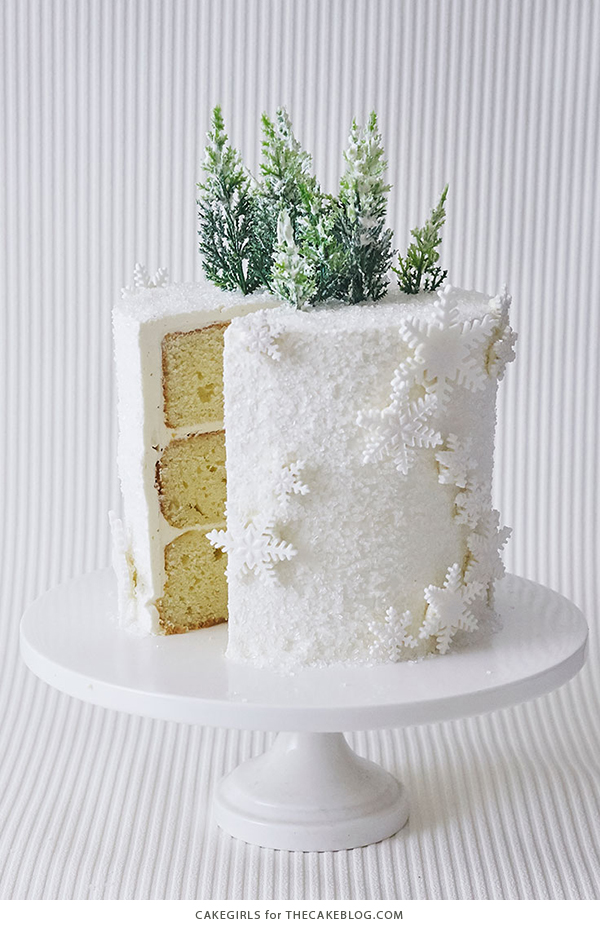
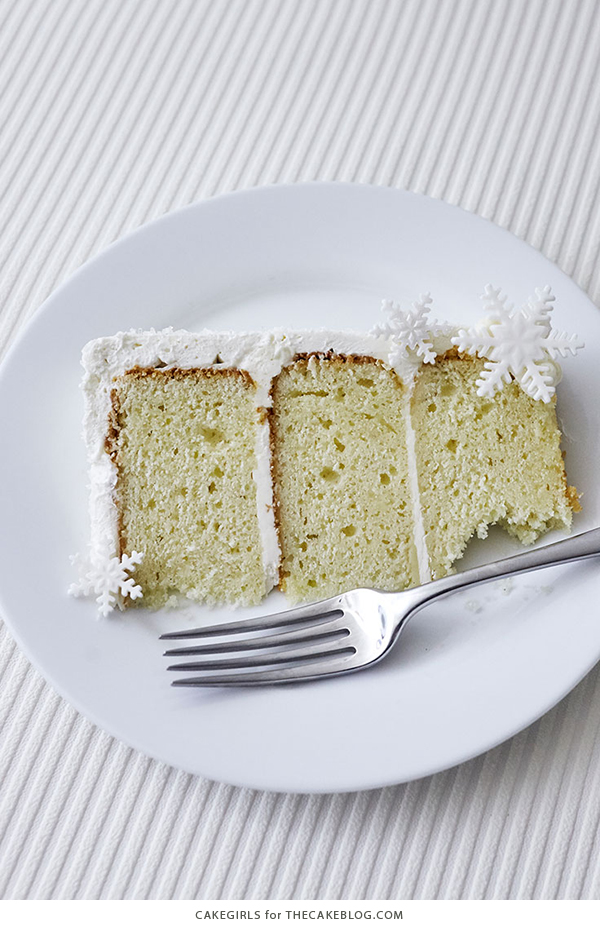
From a design perspective, the cake utilizes a 6-inch vertical format, which has become increasingly popular in the professional baking industry for its elegant proportions and ease of photography. The "tower" effect is achieved by stacking three layers of cake, providing a canvas that allows for a "forest" of novelty trees on the crown and a descending "flurry" of snowflakes along the perimeter. This verticality is essential for creating the "show-stopping" qualities required for high-end holiday buffets and formal seasonal gatherings.
Technical Specifications and Ingredient Composition
To achieve the pristine white finish required for the "Wonderland" theme, the technical specifications prioritize ingredients that maintain color purity. The foundational recipe recommends a classic vanilla cake paired with Swiss meringue buttercream. Swiss meringue buttercream is favored in professional settings over traditional American buttercream due to its silky texture, lower sweetness profile, and superior stability when subjected to the weight of decorative elements.
For bakers seeking to adapt the flavor profile while maintaining the visual integrity of the design, the Cakegirls suggest variations such as Eggnog or Champagne Mimosa. These flavors align with the festive theme without introducing dark pigments that might bleed through the white frosting. The structural requirements for a standard 6-inch cake include one batch of buttercream; however, the designers note that scaling the project to an 8-inch or 10-inch format necessitates a proportional increase in supplies, specifically requiring at least two jars of white crystal sugar to ensure full coverage of the larger surface area.
Chronology of Production: A Two-Day Protocol
The execution of the Winter Wonderland Snowflake Cake is structured into a logical two-day timeline to ensure the stability of the decorative elements and the freshness of the final assembly. This phased approach is a standard industry practice designed to mitigate the risks of structural failure or moisture-related degradation of the fondant.
Phase One: The Preparation of Fondant Elements
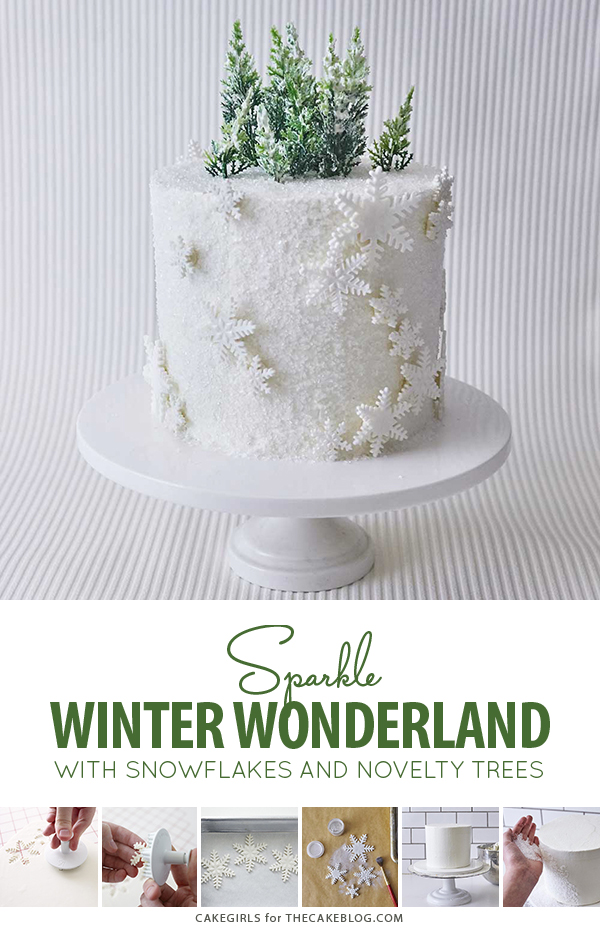
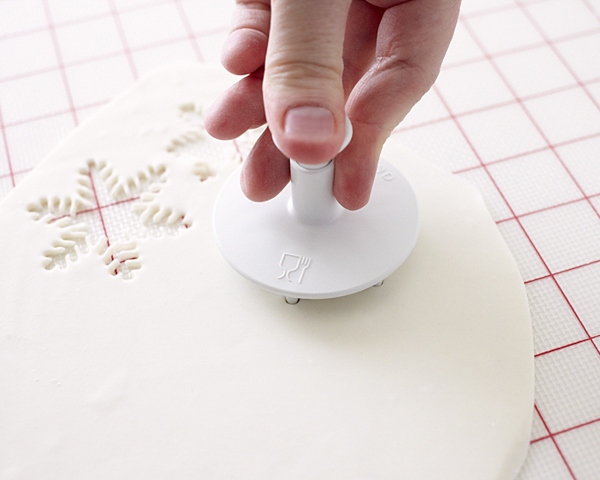
The initial phase begins 24 hours prior to the final assembly. This period is dedicated to the creation of the fondant snowflakes. The process involves rolling white fondant to a precise thickness of approximately 1/8 to 1/4 inch on a surface lightly dusted with powdered sugar to prevent adhesion. Using specialized snowflake punch cutters—which the designers identify as essential tools for any modern cake decorator—various sizes of snowflakes are produced.
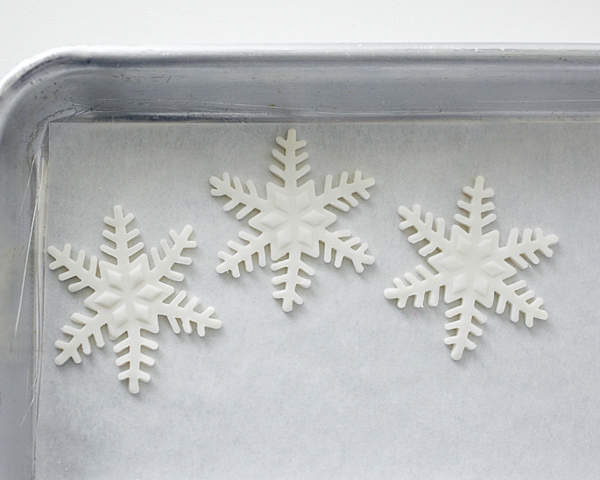
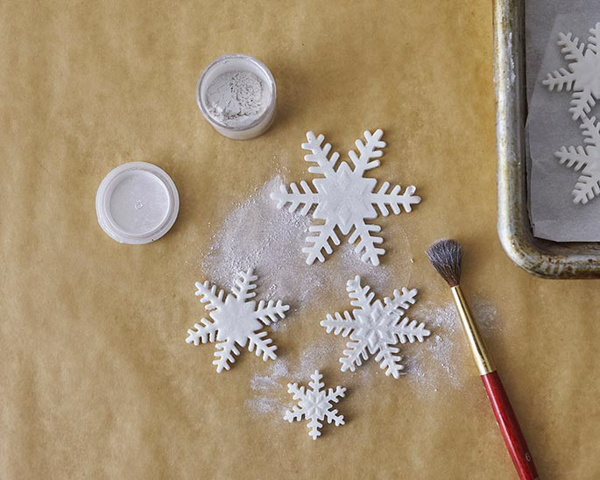
These elements are then placed on parchment-lined trays to undergo a drying process. Drying the fondant overnight is a critical step; it allows the sugar paste to harden, ensuring the snowflakes retain their shape when mounted vertically on the cake. Once the shapes are set, they are treated with Super Pearl luster dust. This dry-brushing technique adds a shimmery finish without the need for liquid solvents, which could compromise the fondant’s structural integrity. The designers note that while the luster dust provides the desired aesthetic, it renders the snowflakes purely decorative unless an FDA-approved edible luster brand is utilized.
Phase Two: Assembly and Finishing
The second phase focuses on the structural assembly and the application of the "snow" texture. The cake layers are iced with buttercream and chilled for at least one hour. This refrigeration step is vital, as it creates a firm substrate that can withstand the physical pressure of applying sugar crystals.
The application of the crystal sugar is performed using a hand-pressing technique. By running a palm filled with sugar crystals up the sides of the chilled cake, the baker creates a dense, sparkling coat. A tray is utilized to catch excess sugar for reuse, demonstrating an efficient workflow. The final decorative steps involve the placement of novelty trees on the summit. These trees are manually adjusted for straightness and "frosted" with small amounts of buttercream to simulate accumulated snow. The process concludes with the attachment of the pre-prepared fondant snowflakes using small "anchors" of buttercream as adhesive.
Market Context and Professional Impact
The release of this tutorial coincides with a significant growth period in the global cake decorating market. Industry analysts estimate the global baking supplies market will continue to expand at a compound annual growth rate (CAGR) of approximately 5.4% through 2028. This growth is driven largely by the "DIY" movement and the influence of social media platforms, where visual-centric desserts like the Winter Wonderland Snowflake Cake gain rapid traction.

By providing a clear, step-by-step methodology for a high-concept design, Mary and Brenda Maher are addressing a specific segment of the market: the "prosumer" baker who seeks professional-level results using accessible tools. The inclusion of specific supply lists and a structured timeline reflects a broader trend in the culinary arts toward transparency and education, moving away from the "secret recipe" era into an era of shared technical knowledge.
Analysis of Implications for the Home Baker
The Winter Wonderland Snowflake Cake serves as a case study in the democratization of professional baking techniques. The use of punch cutters and luster dust represents a shift toward "tool-assisted" decorating, which allows individuals without years of formal piping training to achieve symmetrical, high-quality results. However, the project still demands a high level of discipline regarding temperature control and timing—factors that are often the difference between a successful bake and a structural failure.
Furthermore, the emphasis on the "decorative" nature of certain elements (such as the luster-dusted snowflakes and novelty trees) highlights an ongoing dialogue in the confectionery world regarding the balance between edibility and artistry. The Maher sisters’ recommendation to remove these elements before serving reflects a pragmatic approach to food safety and guest experience, ensuring that the visual "wow factor" does not come at the expense of palatability.
Concluding Observations on Seasonal Trends
As the holiday season progresses, the Winter Wonderland Snowflake Cake stands as a testament to the enduring appeal of nature-inspired design in the culinary arts. It moves beyond the kitsch of traditional holiday motifs, offering instead a sophisticated, atmospheric representation of winter. The project’s reliance on texture and light, rather than complex color work, aligns with broader interior design and fashion trends that favor "quiet luxury" and monochromatic elegance.
For the baking community, the contribution from Cakegirls provides more than just a recipe; it provides a framework for thematic storytelling through sugar and flour. As home bakers increasingly look to elevate their holiday offerings, tutorials that bridge the gap between professional studio work and domestic kitchen capabilities are likely to remain a cornerstone of the digital culinary landscape. The Winter Wonderland Snowflake Cake is not merely a dessert; it is a calculated exercise in seasonal branding and technical precision, reinforcing the Maher sisters’ position as influential figures in the modern baking industry.